
From Leftovers to Delicacies: ECOFOODCYCLE Week Inspires Sustainable Cooking in Gospić
17/06/2026
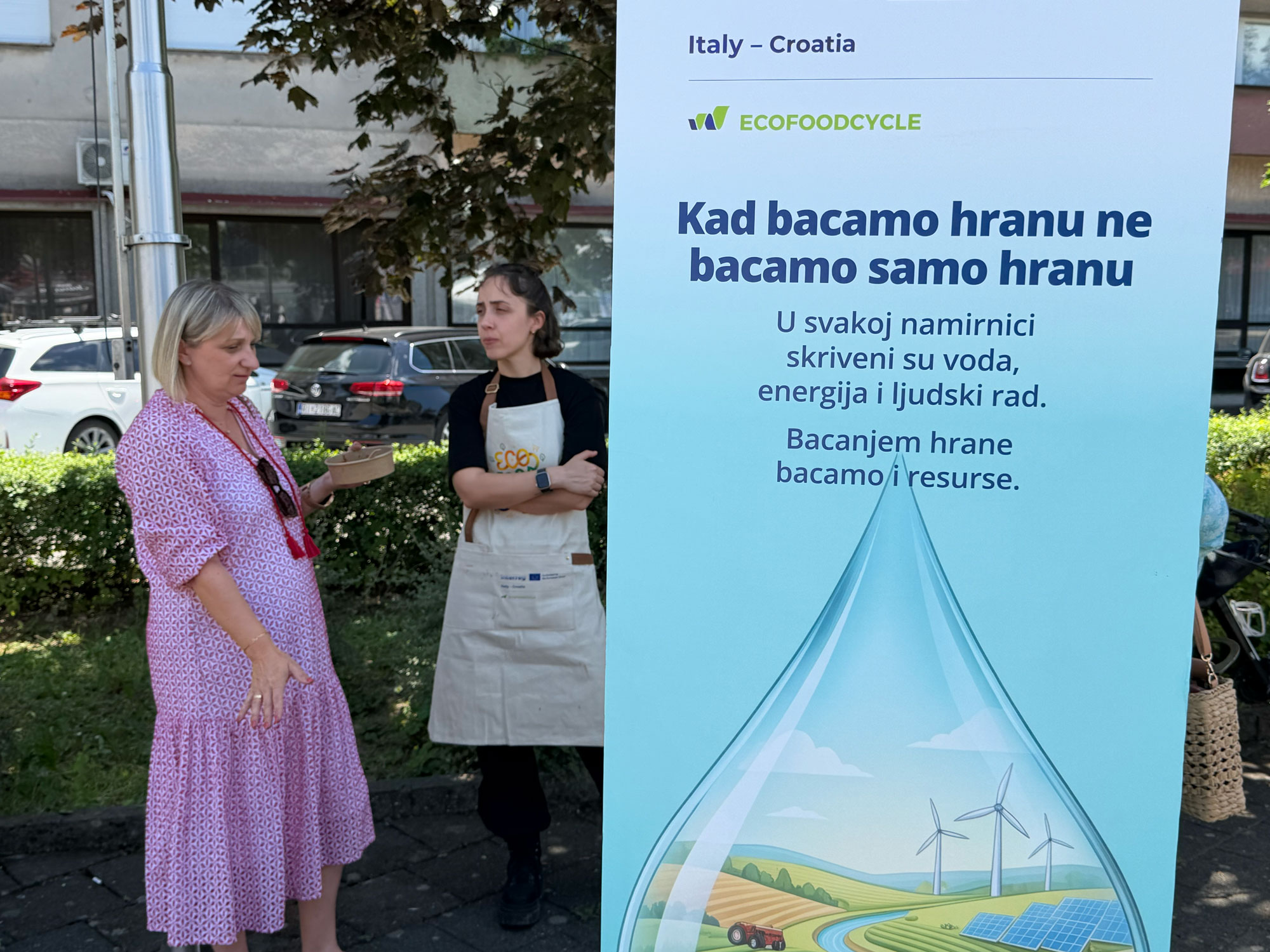
Nothing goes to Waste: at the Start to ECOFOODCYCLE Week, Katarina Vrenc Showed Gospic Residents How to Turn Food Leftovers into an Excellent Meal
Reducing food waste and promoting more sustainable use of food are topics that have gained increasing importance in recent years, not only because of environmental protection but also due to the need for a more responsible approach to resource management. This week, the EcoFoodCycle project is drawing attention to these issues through a series of activities aimed at raising public awareness about food waste.
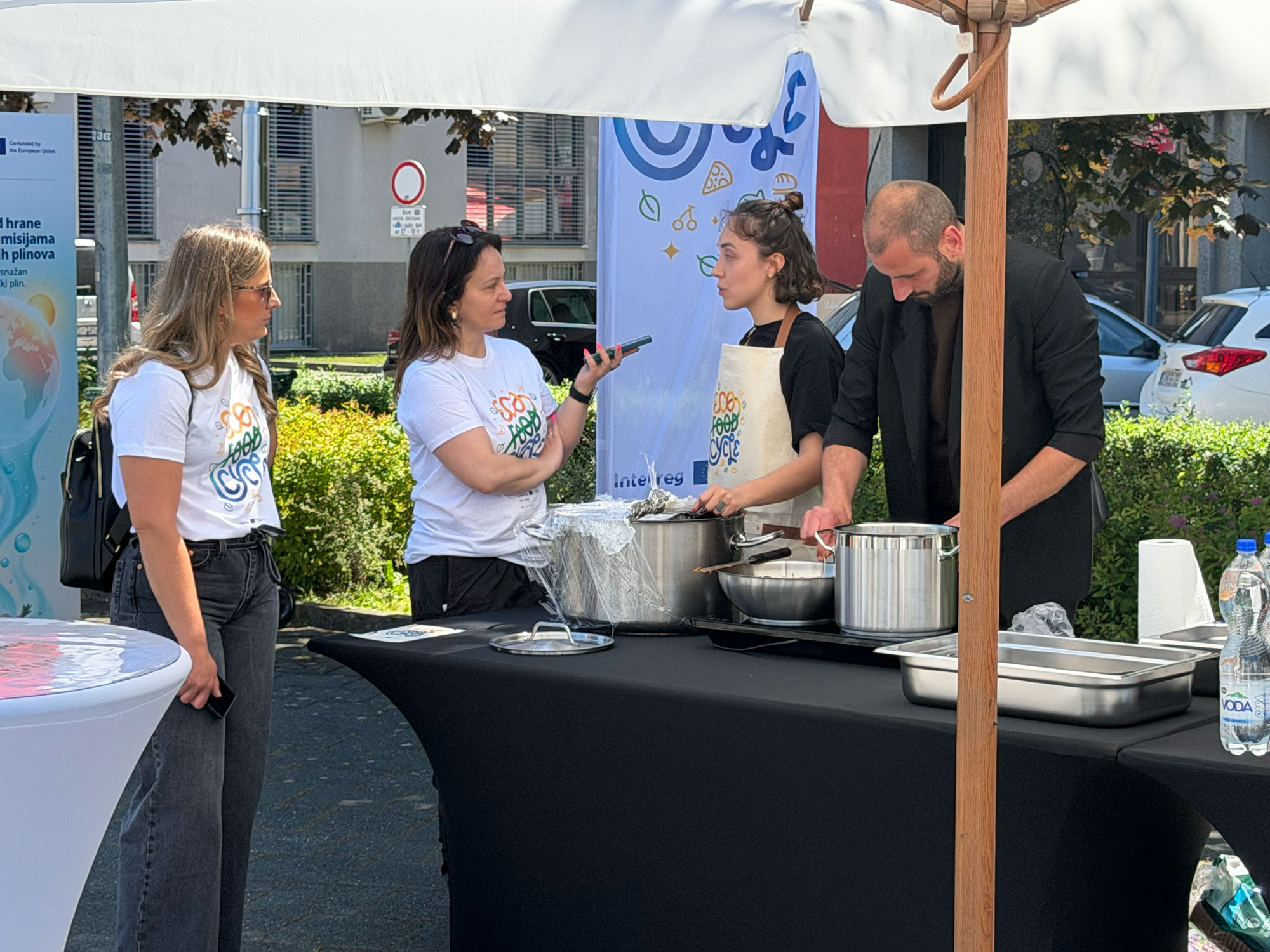
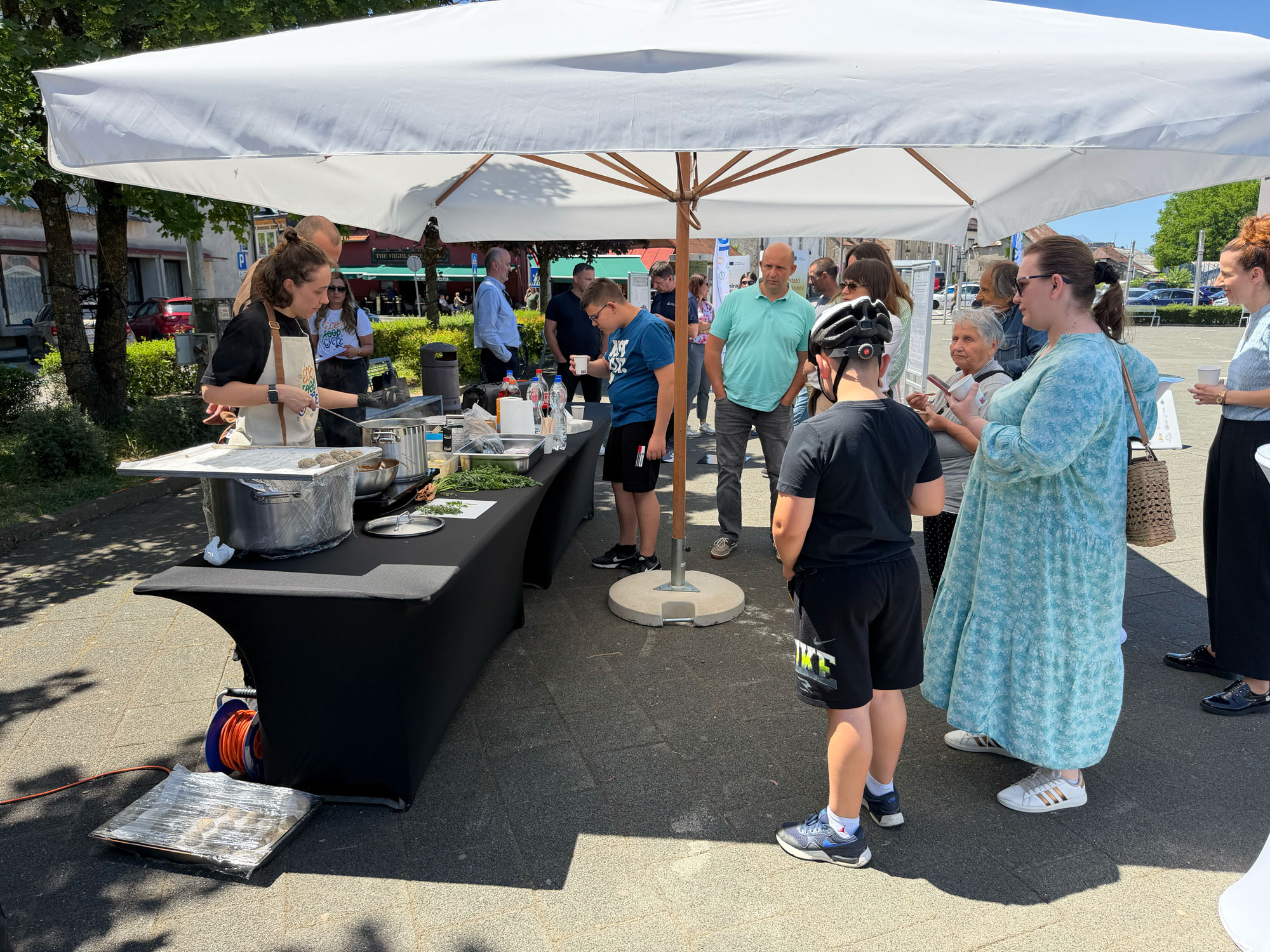
As part of the ECOFOODCYCLE Week programme, a cooking show led by Katarina Vrenc, educator and advocate of sustainable cooking, was held in Gospić.
Everyone who happened to be at Stjepan Radić Square in the centre of Gospić during the morning had the opportunity to see practical examples of how ingredients can be used in their entirety and how small changes in everyday habits can significantly reduce food waste, improve household budgets, and still result in delicious meals.
From Less Attractive Ingredients to a Gourmet Experience
While preparing the meal, we spoke with Katarina about the importance of this topic, everyday habits, ways to improve them, and how each of us can contribute to a more sustainable future.
Education is the key, says the popular Zagreb-based chef, who is often credited with transforming the capital’s gastronomic scene through her innovative approach. Thanks to the ECOFOODCYCLE project, she is now bringing that same message to Gospić.
“In most households, people are producing and cooking less and less. We are moving away from the way our grandparents managed their homes. What was once highly valued has been forgotten, and very little useful knowledge is being passed down from generation to generation,” says 33-year-old Katarina, originally from Vele Mune in Istria, who inherited this approach to food and cooking from her family, especially from her grandmother, or ‘nonica’.
Increasing consumption and fast-paced lifestyles largely benefit the food industry while often working against the interests of consumers.
Yet anyone willing to explore can find these less attractive ingredients—often considered waste—which are usually less expensive and can be transformed into phenomenal dishes, as we were able to experience firsthand.
A Delicious Meal Served at Stjepan Radic Square
According to Katarina Vrenc, many vegetables and wild plants are excellent culinary resources but often end up as waste.
“When we buy young carrots, which are currently in season, the leaves usually end up in the bin. They shouldn’t, because they are delicious, healthy, and a true gastronomic delicacy. That’s why today we prepared a chimichurri sauce that perfectly complements the main dish—a beef head ragout,” she explained to the people of Gospić.
The sauce included carrot tops, mint, basil, parsley, shallots, fresh chilli peppers, and plenty of olive oil. The result was something similar to pesto, adding freshness and complexity to the dish.
This time, Katarina chose ingredients typical of the local area, but similar recipes can be adapted using ingredients from other parts of Croatia. She also emphasized the importance of micro-seasonality, a concept increasingly valued throughout Europe despite the year-round availability of most vegetables.
Growing Up on a Farm Teaches You That Food Should Never Be Wasted
“If you eat vegetables during their natural season, they are healthier, more aromatic, and more flavourful. Lika is particularly rich in wild herbs and mushrooms, and it would be a shame not to make the best possible use of them,” Katarina noted, also highlighting the financial benefits.
She believes that a single ingredient can often provide more than one meal. We are creatures of habit, she says, and only a small shift in awareness is needed to take the next step.
To spread good practices, it is essential to believe in them and live by them yourself, which Katarina proudly does.
“I know it may sound like a cliché today, but when you grow up on a farm near the forest and produce everything yourself, you naturally become involved in those processes. I always enjoyed working with my hands, and it simply became part of who I am,” she said with a smile.
She also pointed out where people most often make mistakes and fail to recognize the nutritional and culinary value of many parts of vegetables, meat, and seafood.
Organ meats are a prime example. When prepared properly, they are extremely tasty and rich in protein and minerals. Vegetables and seafood generate very little waste, while even meat contains far less waste than most people assume.
A Delight for All Generations
“There are fewer and fewer skilled professionals who know how to prepare these ingredients. That’s simply the reality of our times. In butcher shops, the selection is already limited, and it is becoming increasingly difficult to find organ meats. Dishes such as lampredotto, sweetbreads, or even trotters are rarely available, despite being incredibly delicious,” she explained.
Beef head meat, the main ingredient of the day’s dish, contains large amounts of collagen. Some parts, such as the cheeks and tongue, are considered delicacies, but other parts of the jaw and neck are equally valuable. The same applies to guanciale, pork jowl, which many people confuse with cheek meat despite its distinct qualities and exceptional flavour.
“Everything can be turned into a specialty. The key is education. Activities like this may not reach everyone, but some people will become interested after trying something new and seeing how it is prepared. For some, the motivation is saving money. It doesn’t matter what motivates the change, as long as change happens,” concluded the creative and highly skilled chef.
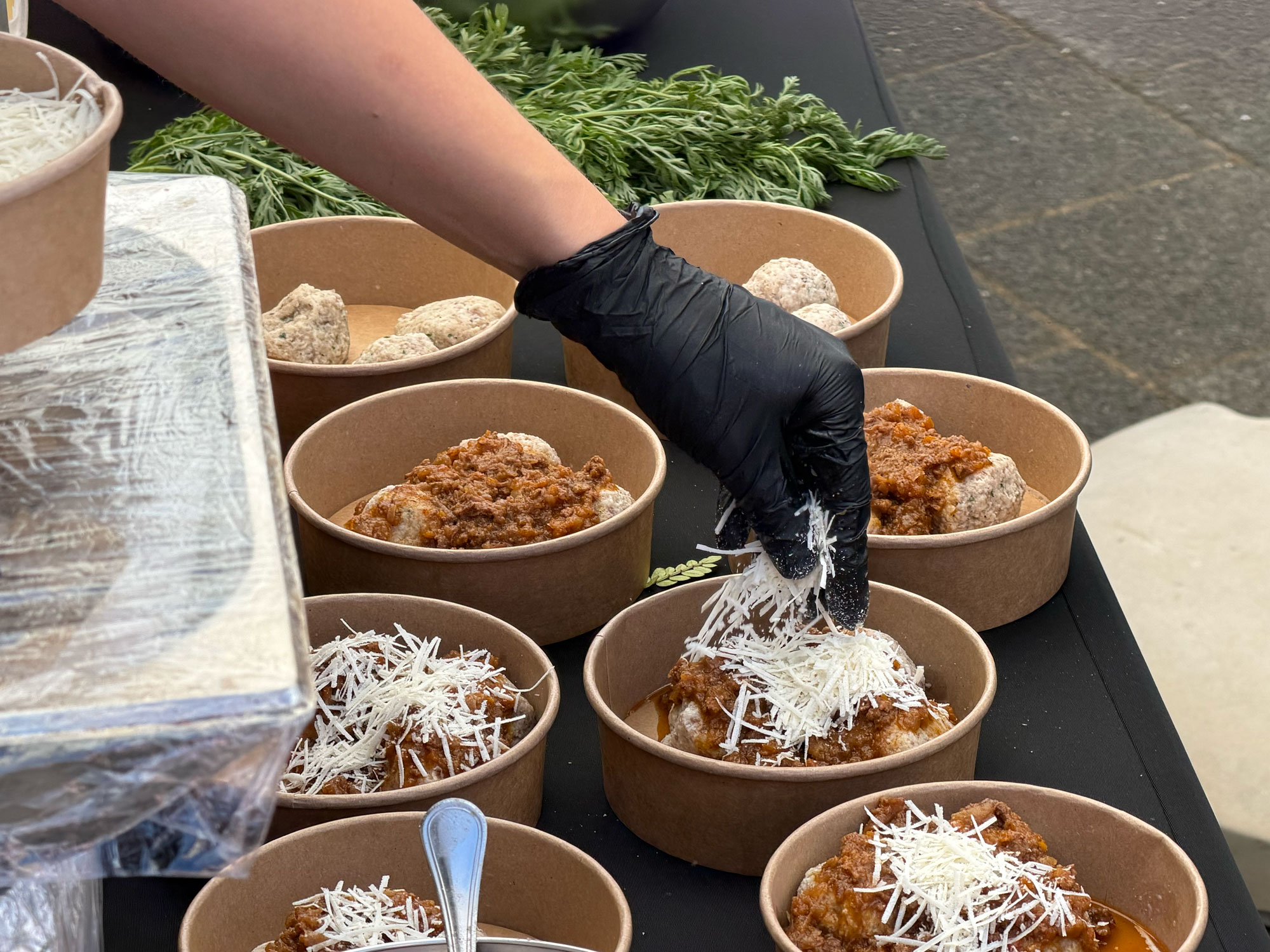
Alongside the ragout, she prepared another simple and affordable accompaniment that paired perfectly with the meal: dumplings made from leftover sourdough bread, carrot leaves, eggs, a little milk, and smoked guanciale. The mixture was shaped into balls and briefly boiled in salted water.
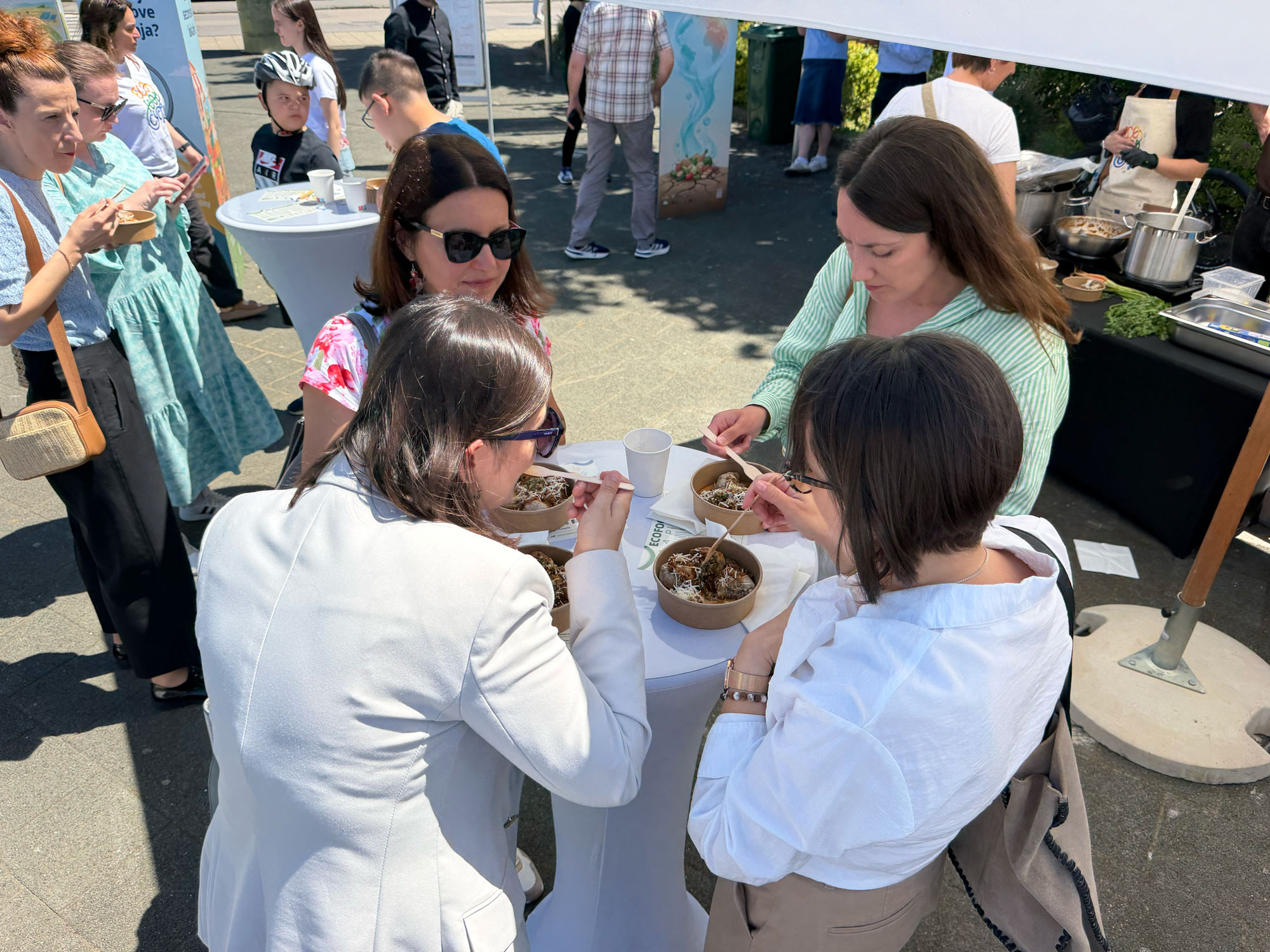
Served together with the ragout, chimichurri sauce, and grated smoked cheese, and enjoyed in excellent company under the sunshine at the town square, the meal became a unique delicacy appreciated by visitors of all generations.
Let Food Not Become Waste: Educational Exhibition Promotes Food Waste Reduction
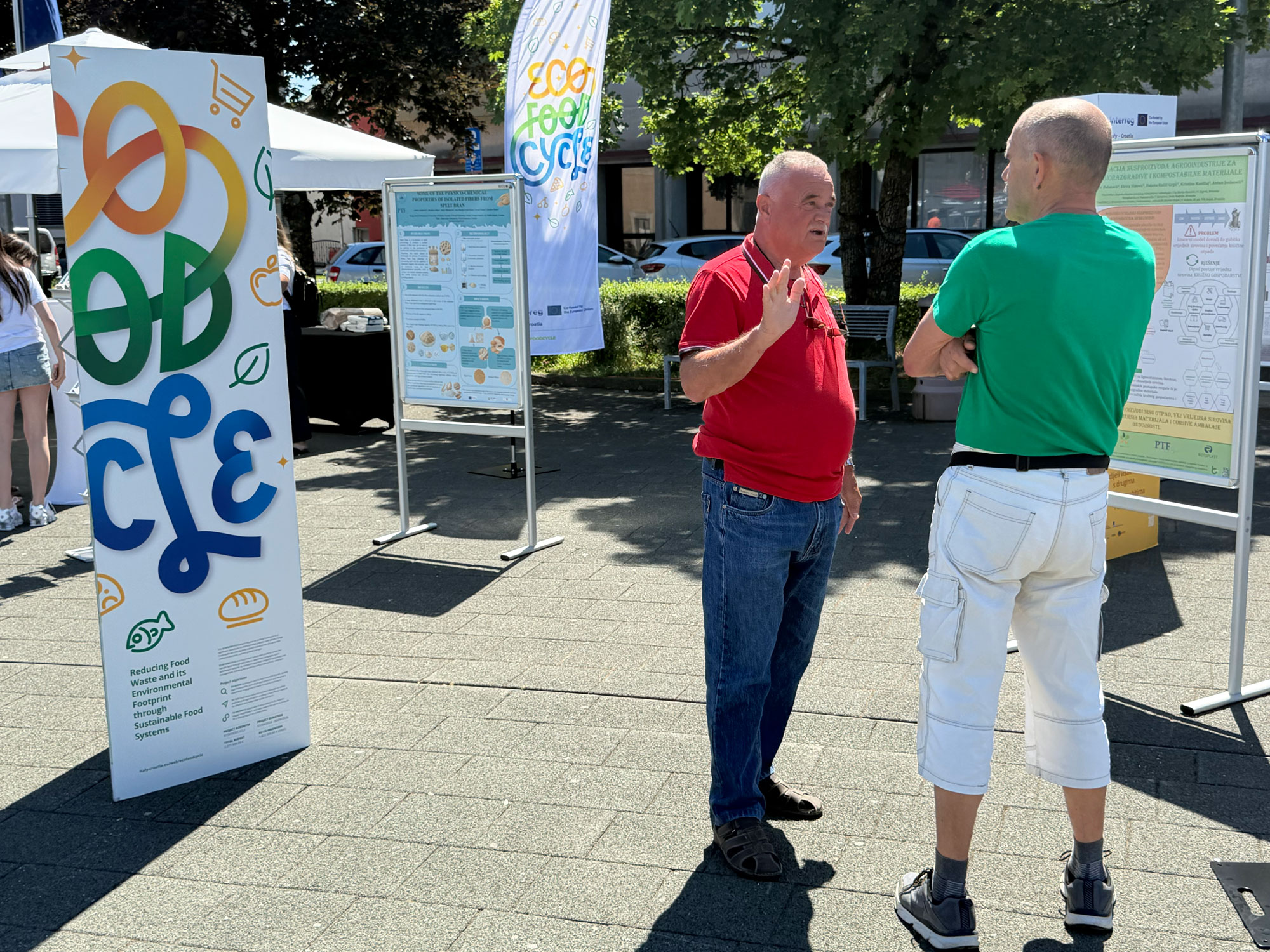
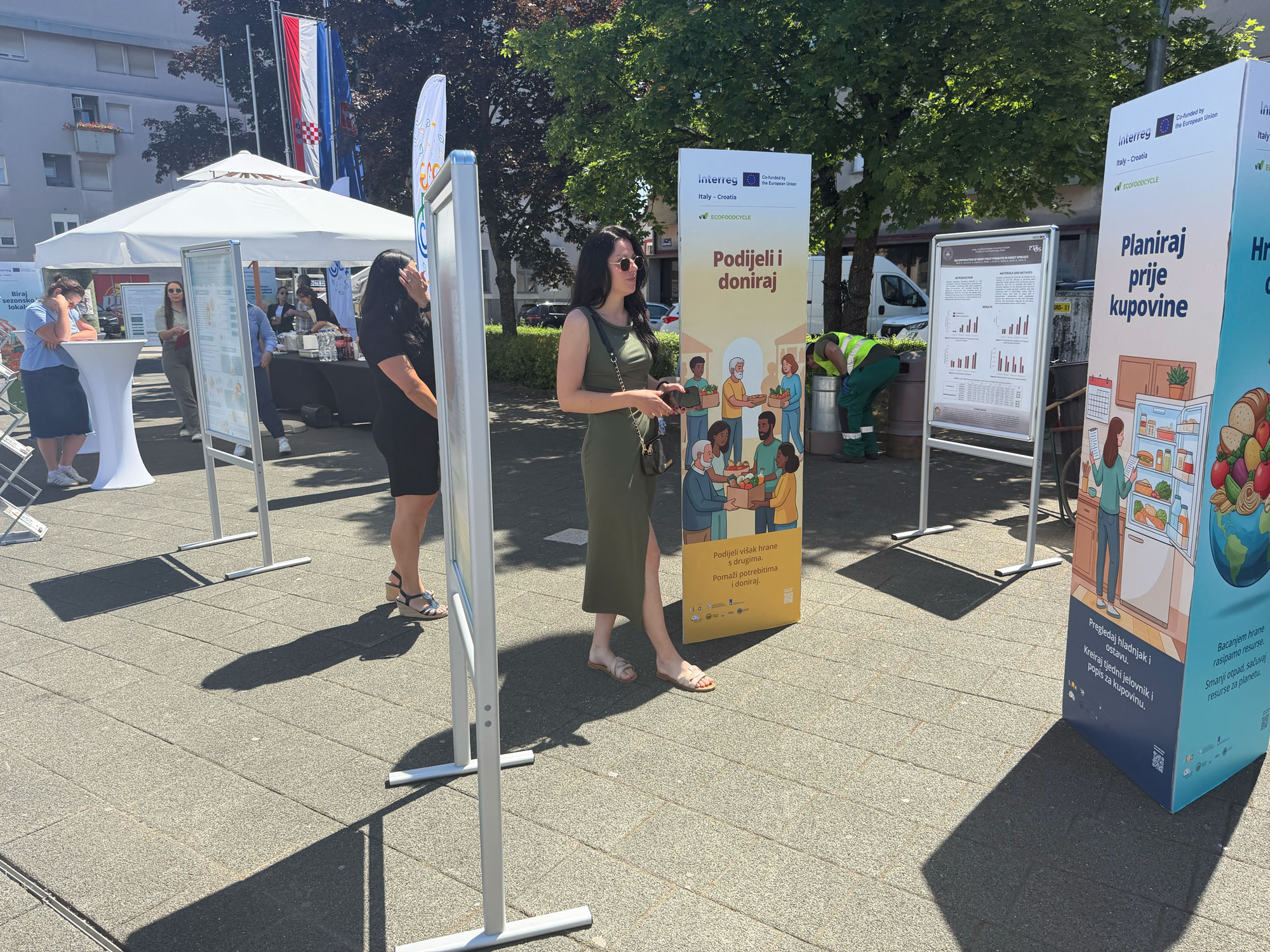
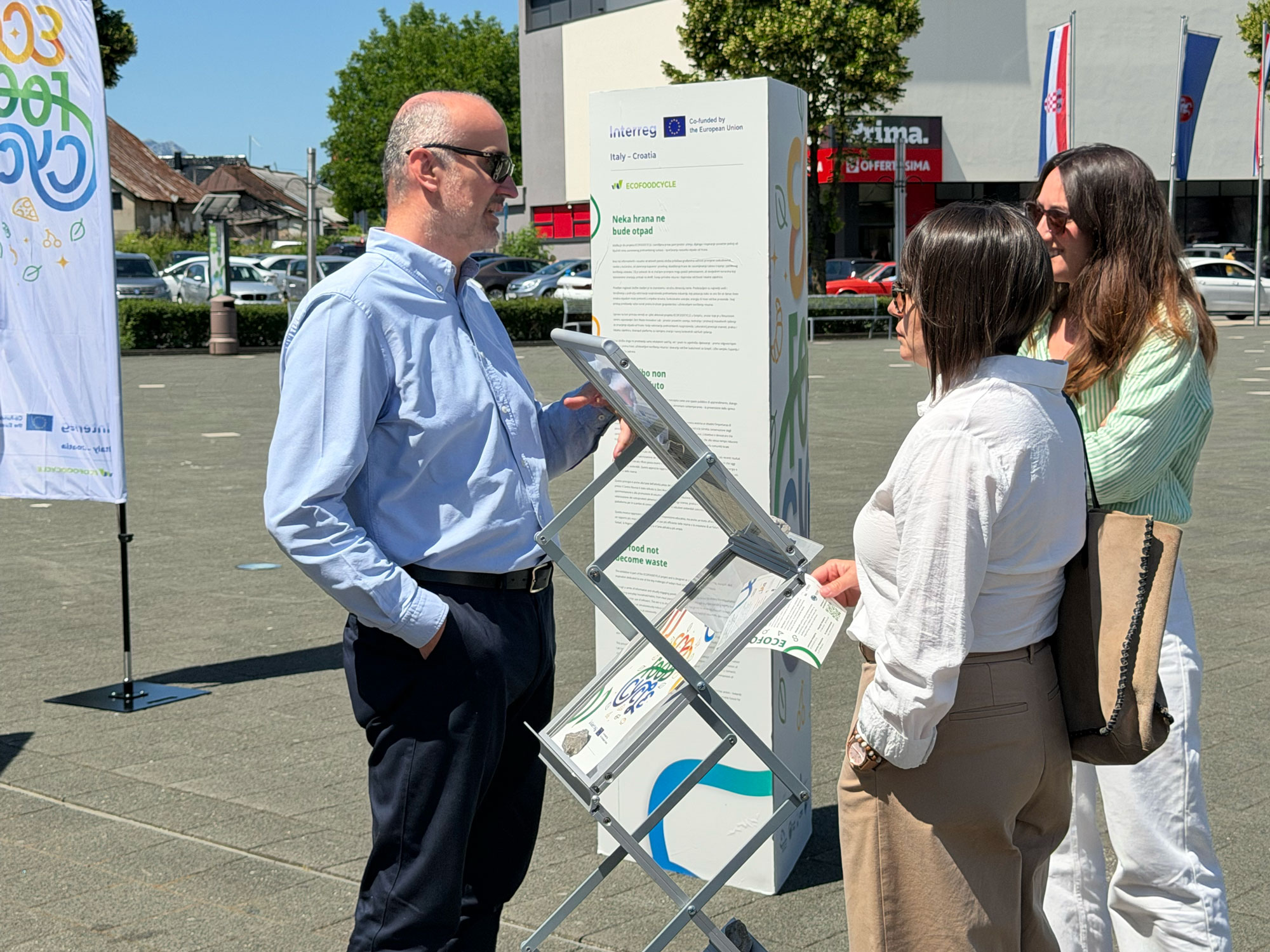
Alongside the cooking show at Stjepan Radić Square, an educational exhibition was set up as part of the ECOFOODCYCLE project. The exhibition was designed as a public space for learning, dialogue, and inspiration, dedicated to one of the key challenges of modern food systems: preventing food waste.
Through a series of informative and visually engaging panels, the exhibition highlights the importance of changing everyday household habits, from planning purchases and storing food properly to understanding food labels and making smart use of leftovers.
Its goal is to demonstrate that significant improvements can be achieved through simple yet consistent actions that reduce environmental pressure, preserve natural resources, and contribute to the sustainability of local communities.
Special emphasis is placed on the scientific and professional dimension of the issue. The exhibition presents the latest research and insights into the valorisation of food industry by-products, demonstrating how materials commonly regarded as waste can be transformed into valuable raw materials, functional ingredients, energy sources, or new sustainable products.
This approach represents an important step towards a circular economy and more efficient resource use.
“This exhibition is not only an educational initiative but also a call for collective action—towards a more responsible relationship with food, more efficient use of resources, and the creation of a sustainable future for Gospić, Lika-Senj County, and the wider Adriatic region,” said Andrija Brkljačić, Director of the Lika-Senj County Development Agency LIRA.