
Who are the rangers?
12/06/2026
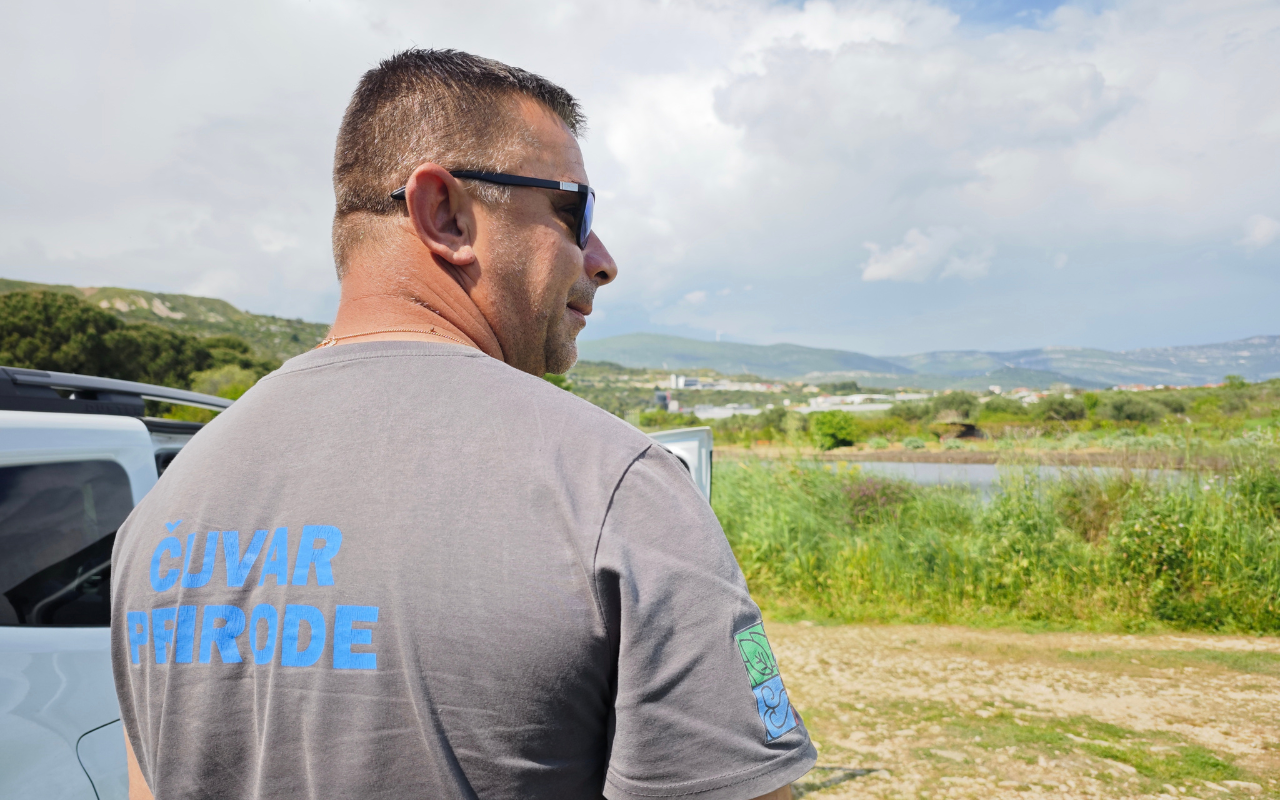
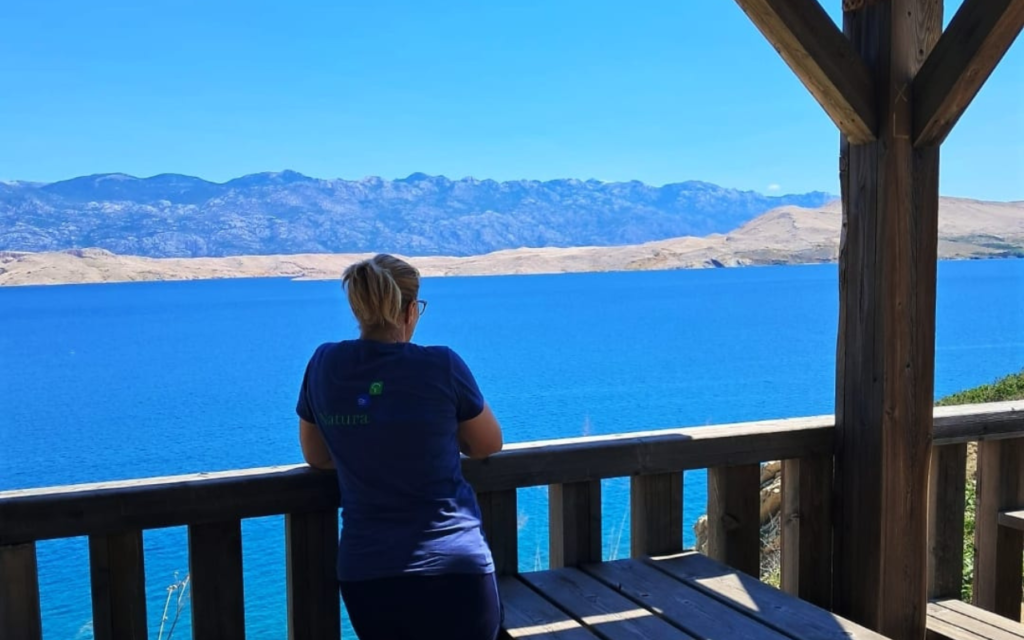
While most people spend only part of the day at the beach, some remain long after the crowds have disappeared and the day has come to an end. Nature rangers are the people who watch over protected areas, often unnoticed, yet always present. They safeguard rivers flowing through rocky landscapes, the sea, coastlines and forests that bear witness to the changing seasons, and wildlife that moves far from human sight. While we return to our homes, they continue working to ensure that nature remains a safe haven for all living things.
Their work takes them through rain, wind, heatwaves, and freezing temperatures. They encounter wild animals, but also people who fail to respect the rules designed to protect nature.
They are on the front line of conservation and play a crucial role in protecting biodiversity, natural and cultural heritage, and the rights and well-being of present and future generations.
Nature rangers work in a variety of protected areas and management systems, and the scope of their duties differs from country to country.
The current status of nature rangers worldwide
Nature rangers face numerous challenges and responsibilities. At the same time, their work often involves significant risks for very little reward.
A global survey conducted in 2019, involving more than 7,000 rangers, revealed that many are underpaid, uninsured, and insufficiently trained. In addition, they often work on temporary contracts, lack even basic equipment, and frequently spend weeks away from home without suitable accommodation.
They protect some of the world’s most endangered and heavily trafficked species, including elephants, tigers, and rhinoceroses, which can sometimes put their lives at risk.
More than 150 nature rangers lose their lives each year while on duty protecting wildlife and other values of protected areas. World Ranger Day is observed on July 31 in memory of those who have died in the line of duty and in recognition of those who continue to work on the front lines of conservation.
In a study published in 2022 (Appleton, M.R., Courtiol, A., Emerton, L. et al.), the authors used data from 176 countries to estimate the number of personnel working in protected areas. They estimated that there are currently 555,000 staff members working in terrestrial protected areas worldwide (one per 37 km²), including 286,000 nature rangers (one per 72 km²).
The global target of protecting 30% of terrestrial and marine areas by 2030 is considered a minimum requirement for conserving biodiversity and ecosystem services. Achieving this goal will require increasing the number of employees in protected areas to around 3 million, including more than 1.5 million nature rangers.
Effective, equitable, and sustainable management will also require improvements in funding, capacity building, and working conditions.
What is the situation in Croatia?
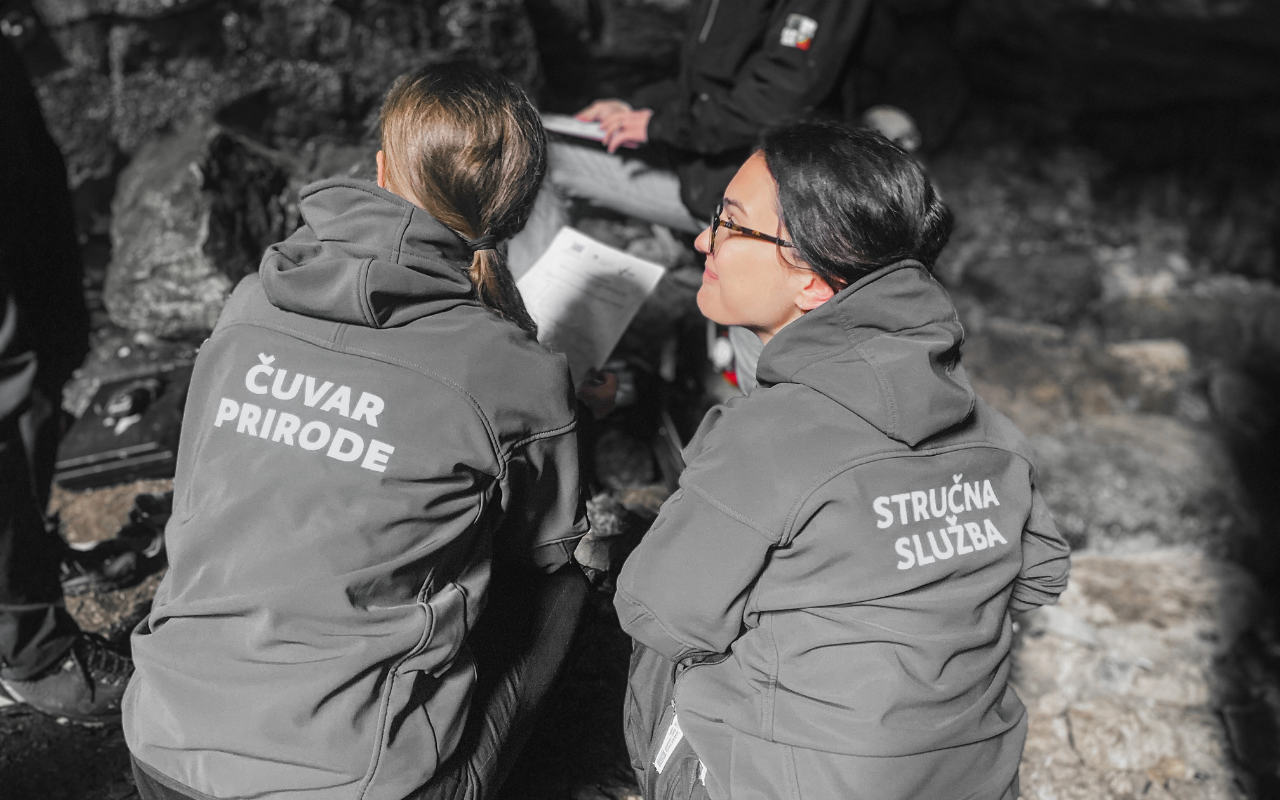
In addition to direct conservation work, nature rangers in Croatia’s protected areas organize educational walks, educate visitors and local communities, ensure visitor safety, and monitor the condition of protected natural values.
Although the job is not as dangerous as it is in some parts of the world, it is highly demanding and requires a broad range of knowledge and skills.
According to the 2023 Annual Programmes for the Protection, Maintenance, Conservation, Promotion, and Use of Protected Areas, there are a total of 191 employed nature rangers within Croatia’s nature conservation sector. This number has been gradually increasing over the years.
In Croatia, one nature ranger is responsible for an average of 113 km² of protected area (including Natura 2000 sites), which is a larger area per ranger than the global average.
Monitoring is somewhat easier in national parks and nature parks due to the larger number of rangers employed in these public institutions compared to county- and local-level institutions (132 rangers within 19 national park and nature park institutions, compared with 59 rangers across 26 county and local public institutions managing protected areas), as well as the more cohesive spatial structure of national and nature parks.
Protected areas managed by county public institutions are dispersed across entire counties and are often impossible to visit in full during a single working day.
Nevertheless, recent years have seen certain improvements in strengthening ranger service capacities.
Given the planned expansion of protected areas under the EU Biodiversity Strategy for 2030 and the need to establish effective management, much more significant progress will be required, particularly regarding field monitoring and enforcement.
Sunce believes that nature rangers need greater authority, more opportunities for education and training, and increased capacities. We are working toward these goals through the Interreg Italy–Croatia project ADRIWATCH, together with the Consortium for the Management of the Torre del Cerrano Marine Protected Area, which has also provided insight into the Italian perspective.
What is the situation in Italy?
In Italy, nature rangers play a key role in managing and conserving protected areas, including national parks, regional parks, and nature reserves. Their work is highly diverse.
It includes monitoring compliance with regulations, protecting flora and fauna, tracking ecosystem conditions, conducting educational activities, raising public awareness, and managing access to and the sustainable use of natural resources.
Nature rangers possess extensive knowledge of the park territory, wildlife, and environment. They spend several consecutive days in the field, from dawn until dusk. Their primary activity is environmental surveillance, including anti-poaching operations, urban planning inspections, wildfire response activities, monitoring tourist behavior, and controlling illegal waste disposal.
Their constant presence in the field enables them to collect unique scientific information and data, such as inventories of species present in protected areas, which are essential for research conducted by universities and other institutions.
Furthermore, they play an educational role by teaching in schools, guiding visitors through parks, and providing information to tourists.
They operate across various Italian regions, including Piedmont, Lombardy, Liguria, Emilia-Romagna, Tuscany, Lazio, Sicily, and Abruzzo, demonstrating the regional diversity of protected-area management in Italy.
The role of nature ranger is found mainly in national parks, particularly in recent years. In contrast, many other parks—especially regional parks—have limited resources, and monitoring responsibilities are often entrusted to the Carabinieri Forestry Corps.
This body operates under the authority of the General Commander of the Carabinieri and works closely with the Ministry of Agriculture, Food and Forestry Policies and the Ministry for the Environment.
The Command is divided into four main departments:
- Carabinieri Command for Forest Protection and Parks, coordinating forestry units;
- Carabinieri Command for Biodiversity Protection, responsible for nature reserve conservation and CITES implementation;
- Carabinieri Command for Environmental Protection and Ecological Transition, tasked with combating pollution and environmental degradation;
- Carabinieri Command for Agri-food Protection, dedicated to oversight in the agricultural and fisheries sectors.
These departments work together to ensure the protection and conservation of Italy’s environment and natural resources by conducting complex investigations and carrying out inspections aimed at preventing and suppressing illegal activities.
Biodiversity protection without borders
Although there are significant differences in the roles and circumstances of nature rangers across Croatia, Italy, and the rest of the world—and although their contribution is often underestimated—one undeniable fact remains: they play a vital role in preventing biodiversity loss and ecosystem degradation.
Despite differences in landscapes, regulations, and challenges, nature rangers share a common purpose: promoting the protection of nature and the environment. We hope that in the future their dedication and work will receive the recognition and appreciation they deserve.
References:
International Ranger Federation and the Universal Ranger Support Alliance (2023). Global Ranger Competences: A Concise Summary of Skills, Knowledge and Personal Qualities Needed by a Competent, Professional Ranger. International Ranger Federation and the Universal Ranger Support Alliance.
Appleton, M.R., Courtiol, A., Emerton, L. et al. Protected Area Personnel and Ranger Numbers Are Insufficient to Deliver Global Expectations. Nature Sustainability, 5, 1100–1110 (2022). https://doi.org/10.1038/s41893-022-00970-0
Official website of the Carabinieri Forestry, Environmental and Agri-food Protection Command: Tutela Forestale, Ambientale e Agroalimentare