
Climate Change: Truth or Myth? RESONANCE Project Conference Held in Pula
05/03/2026
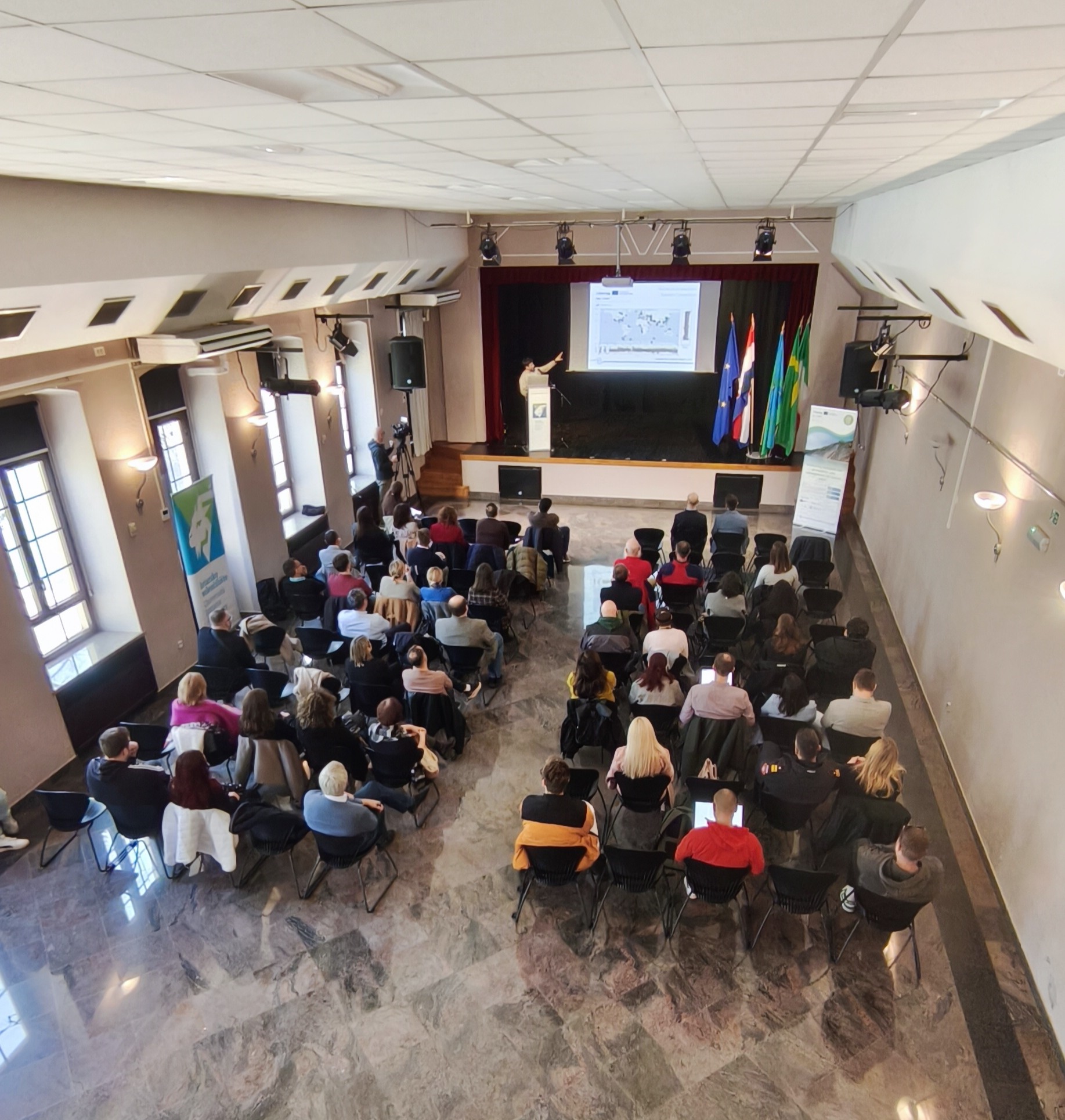
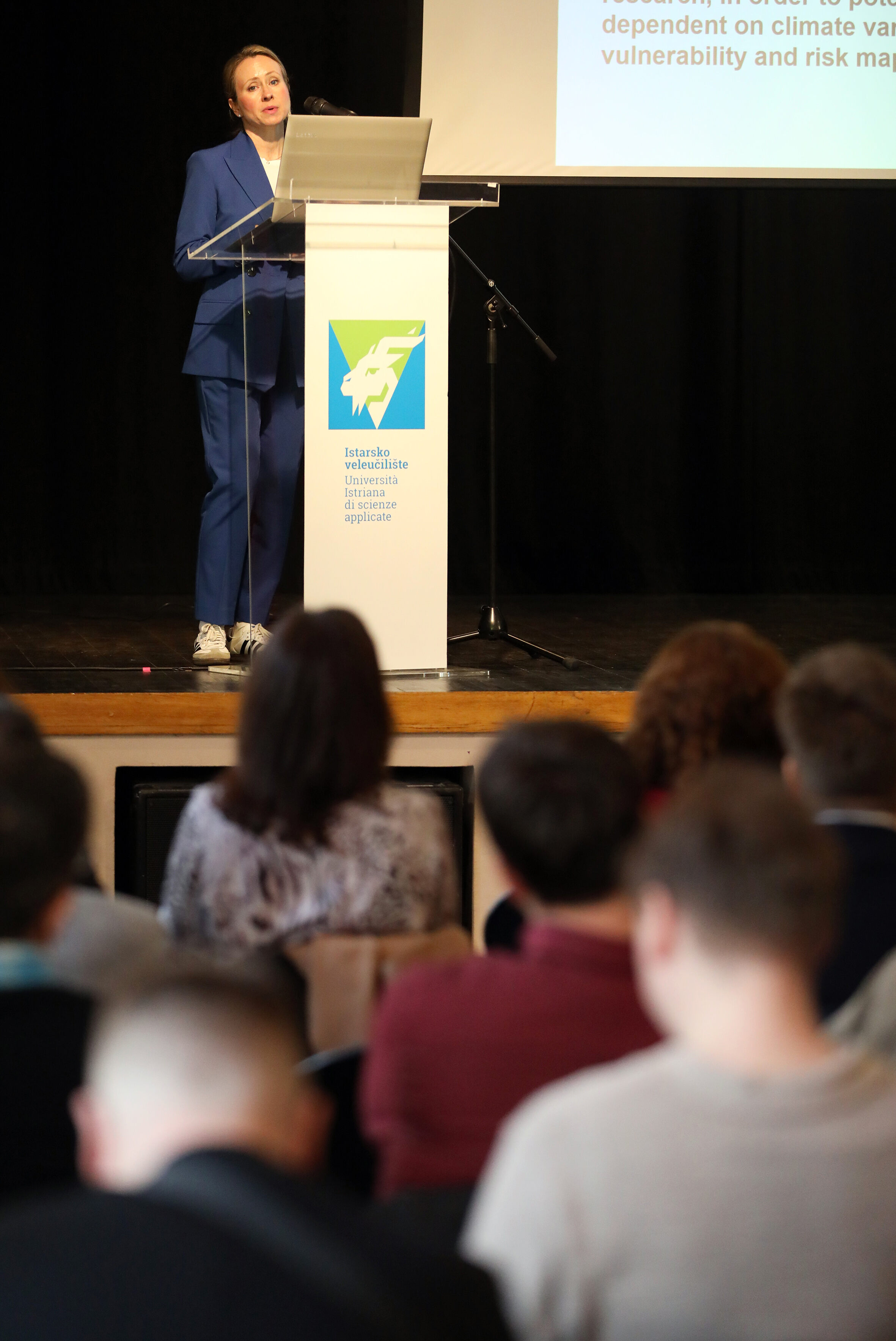
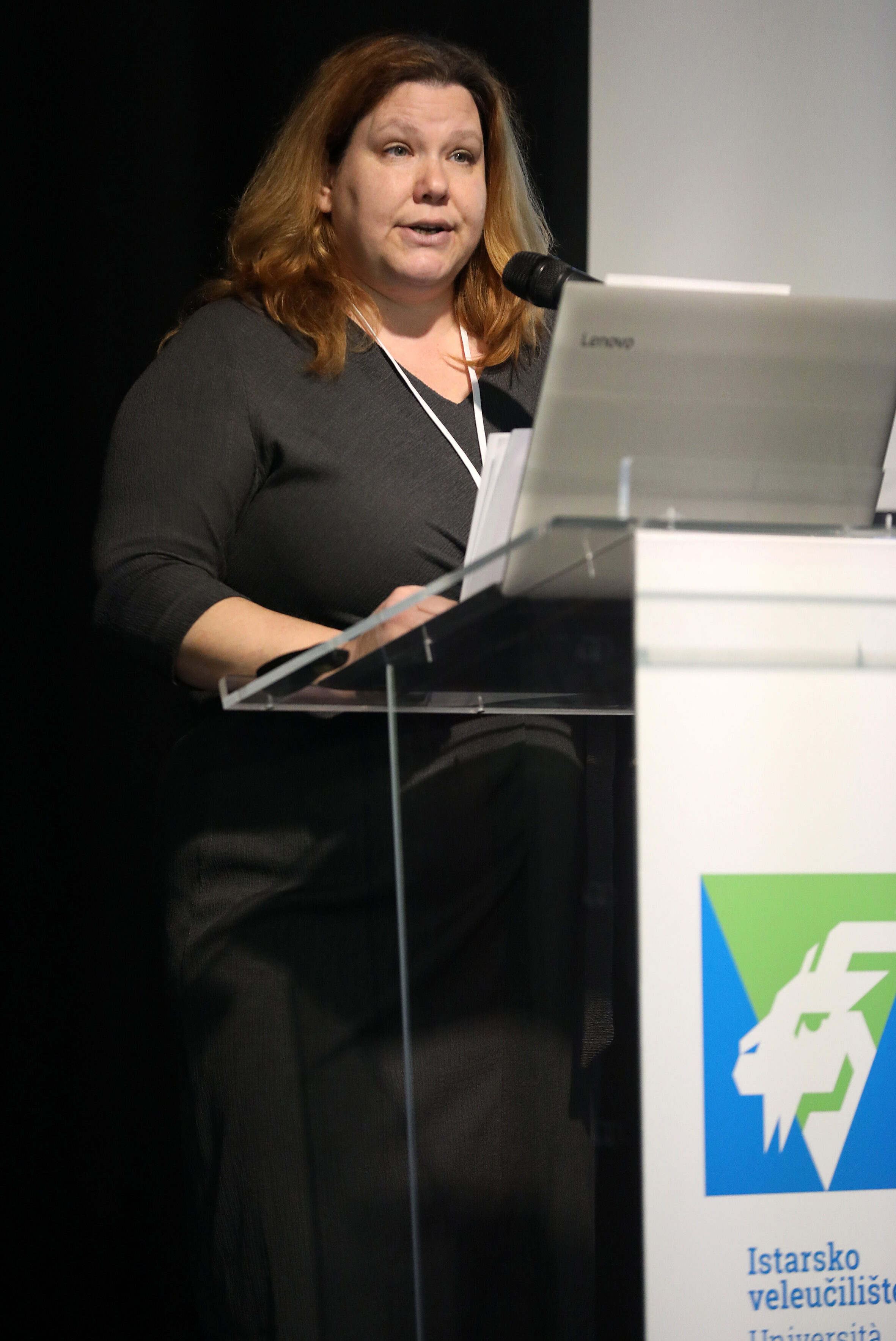
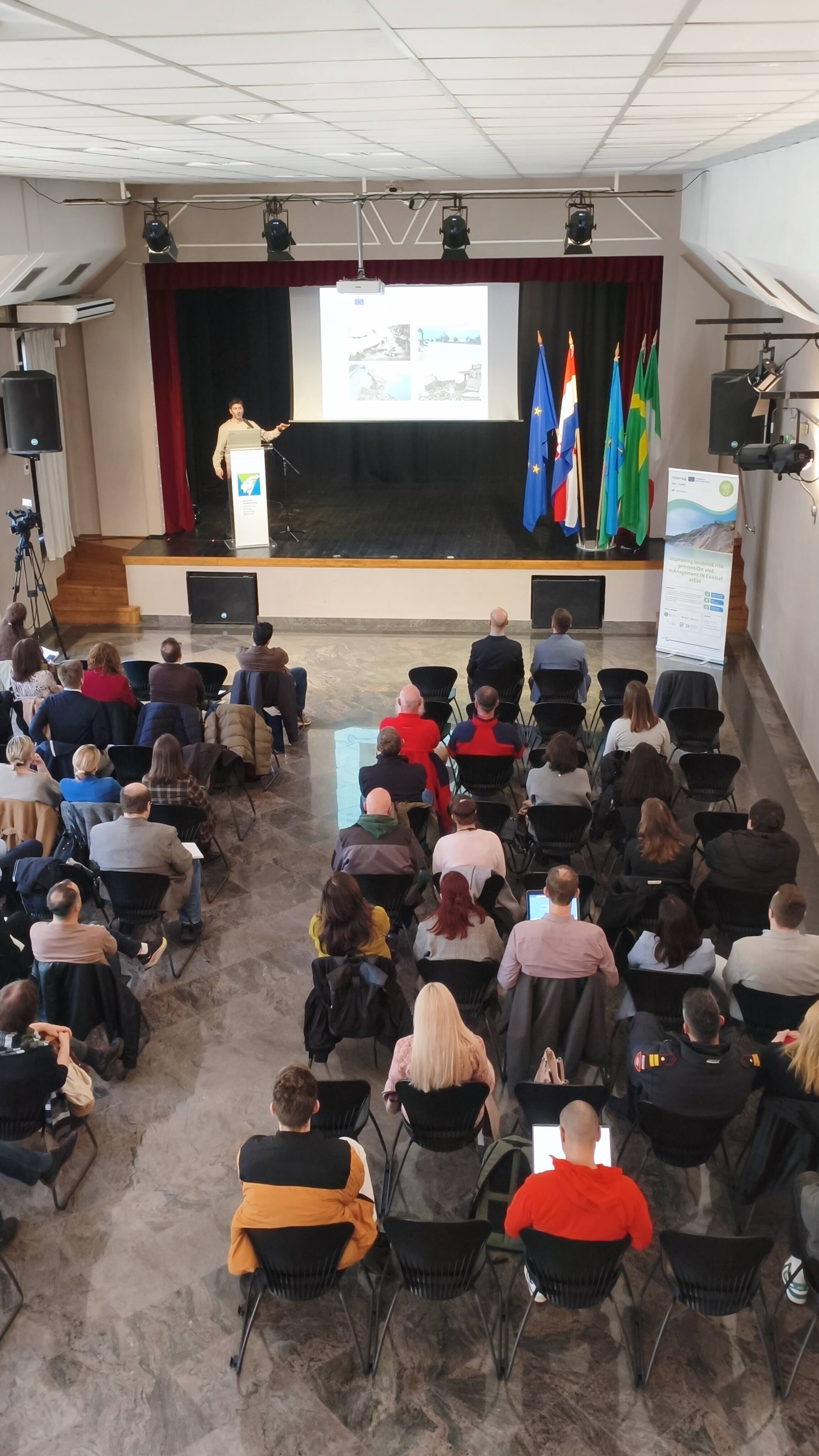
The preliminary conference of the RESONANCE project, implemented within the Interreg Italy–Croatia Programme, was held on February 27 in Pula at the Italian Community Circolo. The event brought together Croatian and Italian partners, scientists, and numerous interested citizens. The conference focused on coastal instability and climate change, and was hosted by Istarsko veleučilište – Università Istriana di scienze applicate, which participates in the project as the partner responsible for communication and connecting scientific results with the wider public.
Opening the conference, Dean Dr. Daglas Koraca emphasized that climate change is no longer a question of the future, but a reality that coastal communities experience daily through stronger storms, rising sea levels, erosion, and increasing ground instability. He stressed that higher education institutions have a special responsibility not only to create knowledge, but also to make it understandable and accessible to citizens and decision-makers.
In the past, plans could be developed for the long term and remain valid for years. Today, amid climate change, we are witnessing increasingly frequent abrupt weather changes, heavy rainfall, flash floods, and severe storms, which is why risk assessments are conducted continuously. A resilient and strong system is not only one with strong individuals, but one that is well connected.
In the Istria County, efforts are underway to further raise public awareness while simultaneously strengthening coordination among all services that operate according to their own protocols, with the aim of harmonizing joint protocols and testing them through exercises based on real-life scenarios. In addition, further investments are being made in equipment to ensure greater preparedness for future challenges, said Dr. Gordana Antić, Deputy County Prefect of Istria County and Head of the Istria County Civil Protection Headquarters.
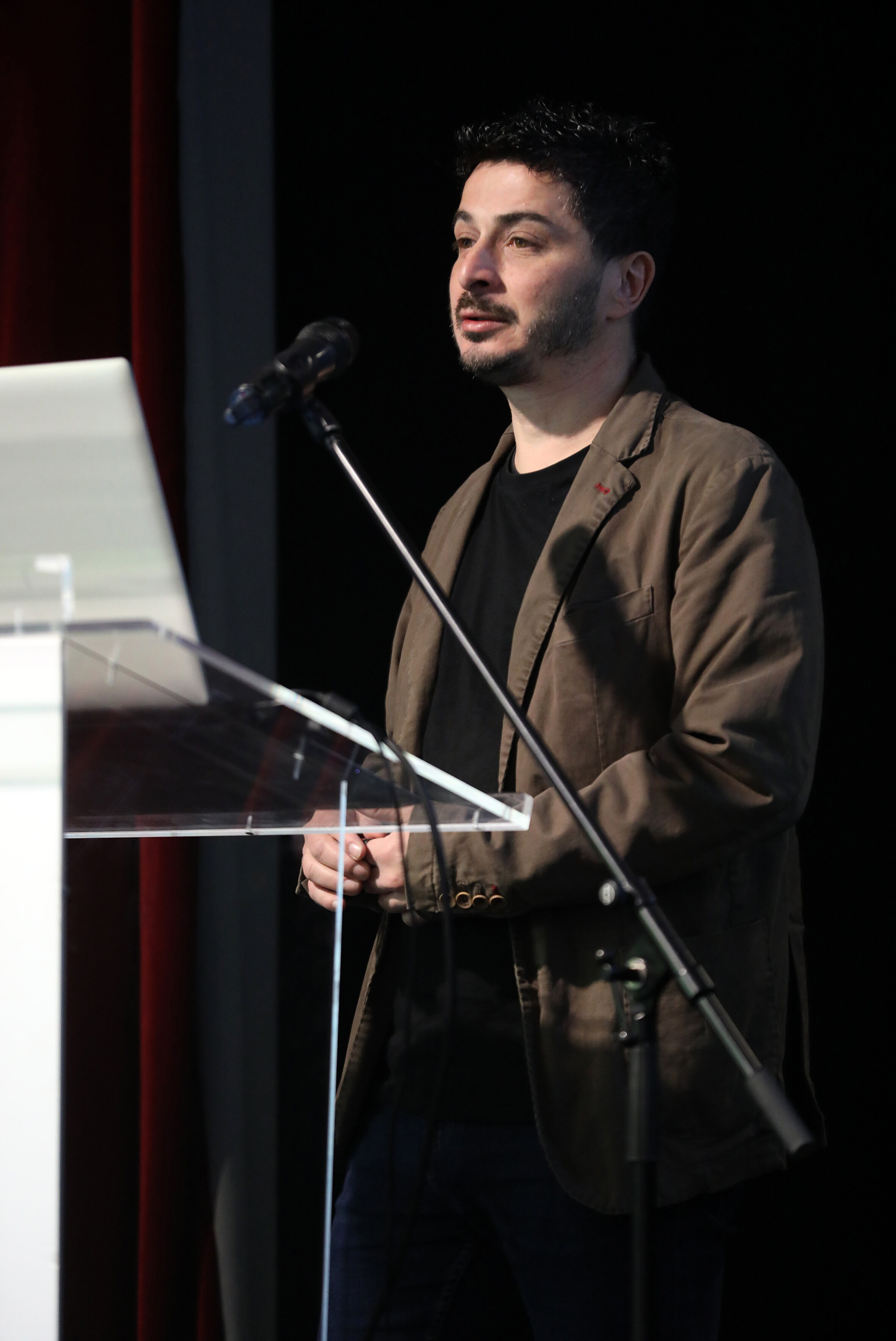
The project leader, Associate Professor Mirko Francioni from the University of Urbino Carlo Bo, presented the goals and structure of the RESONANCE project. The project focuses on understanding landslide and erosion processes in Adriatic coastal areas and on developing more effective risk management strategies, taking into account the impact of climate change. Activities are currently being carried out at four pilot areas in Italy and Croatia, using innovative technologies such as geophysical surveys, remote sensing, numerical modeling, and virtual and augmented reality tools.
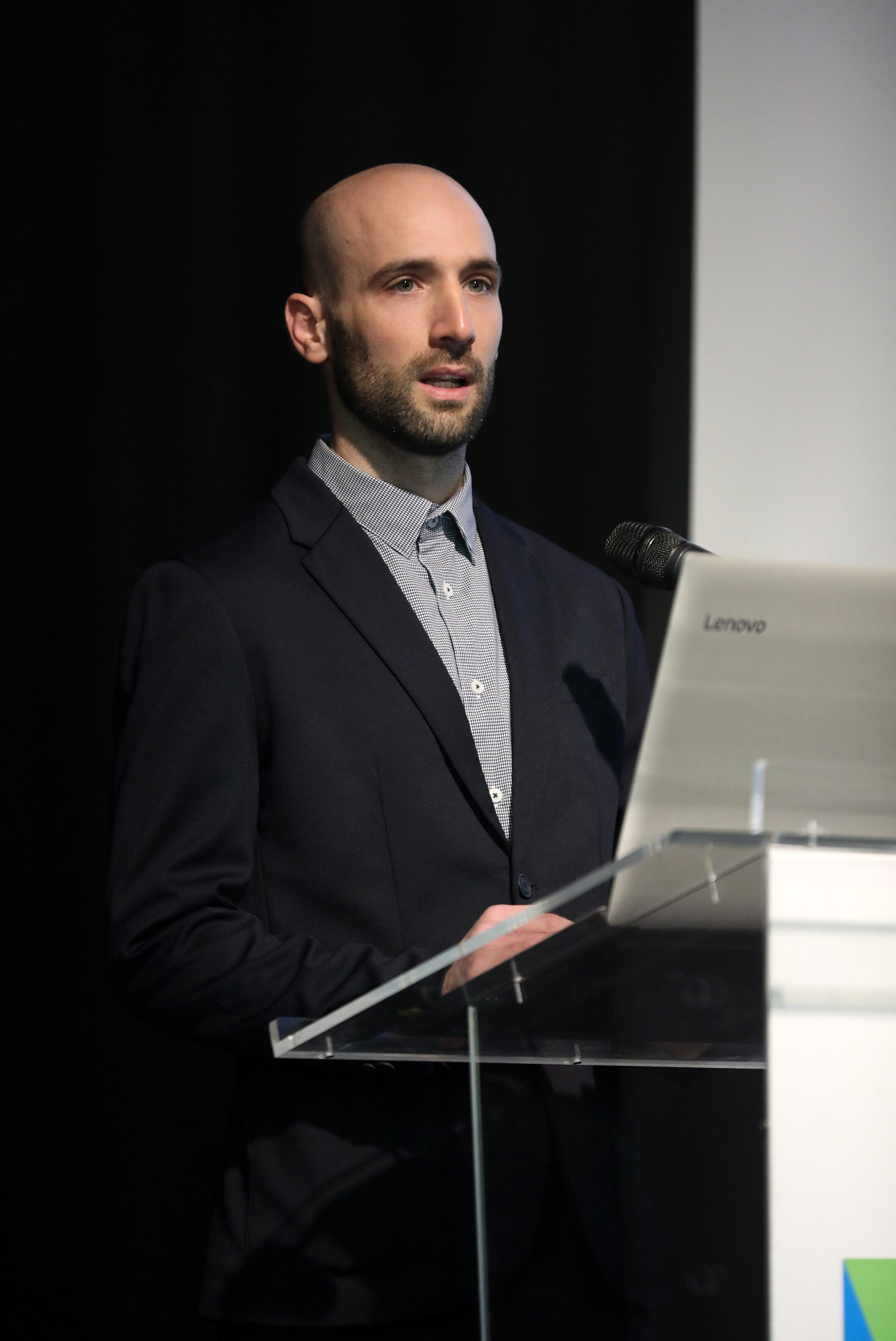
The project coordinator at Istarsko veleučilište, Eng. Ivan Pentek, emphasized that the project integrates field measurements and monitoring at the Brovinje and Havišće sites in Croatia, as well as at Conero Regional Park and Roca in Italy. This includes the development of thematic maps, risk analyses, and digital tools such as a WebGIS platform. A particular value of the project lies in cross-border cooperation, as coastal risks do not stop at administrative boundaries.
In addition to the lead partner, the University of Urbino, the project is also implemented by CNR-ISPC, the Faculty of Civil Engineering University of Rijeka, Conero Regional Park, and Istarsko veleučilište. The total value of the project amounts to €1.18 million, confirming the strong commitment of the partners to developing concrete and applicable solutions for climate change adaptation.
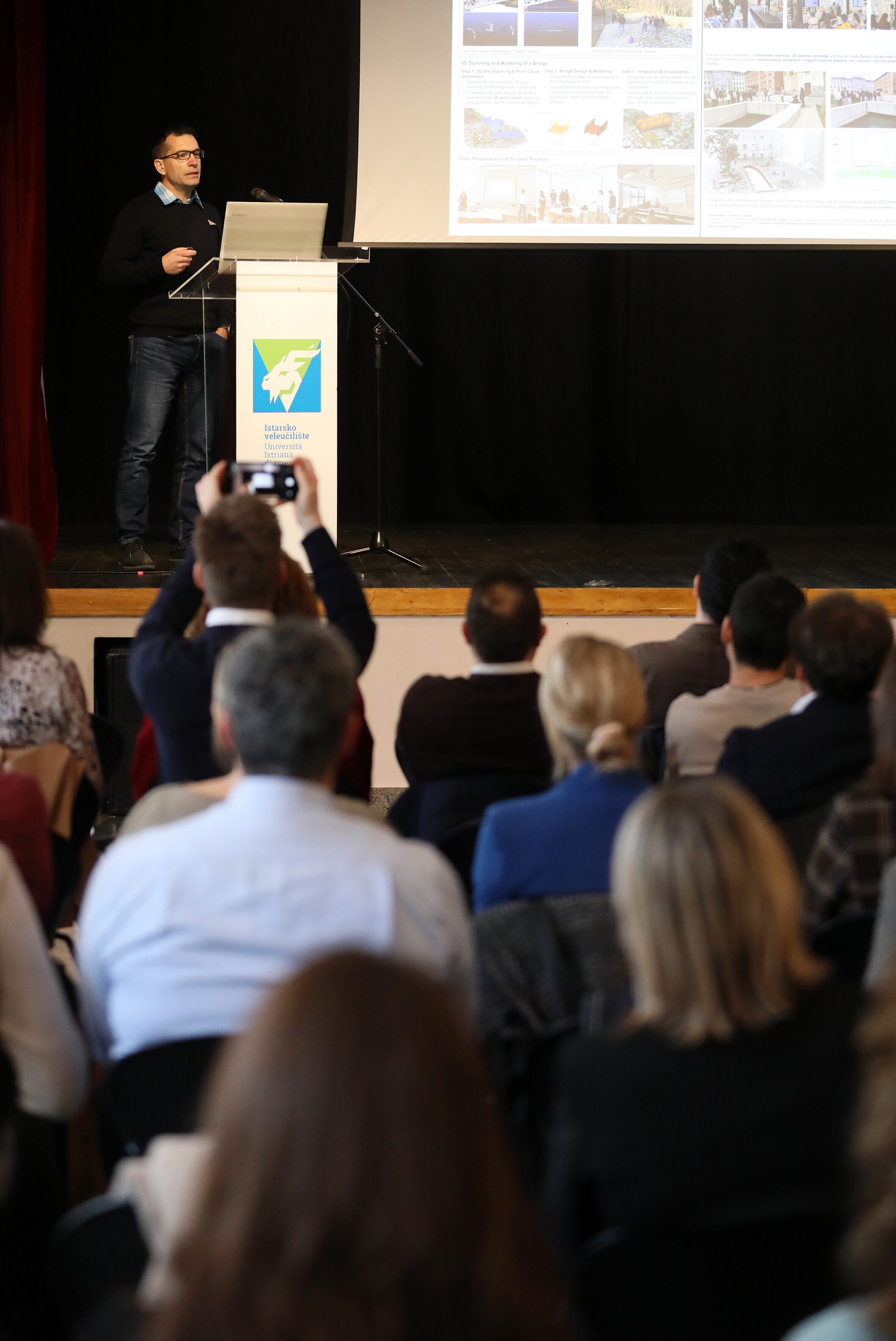
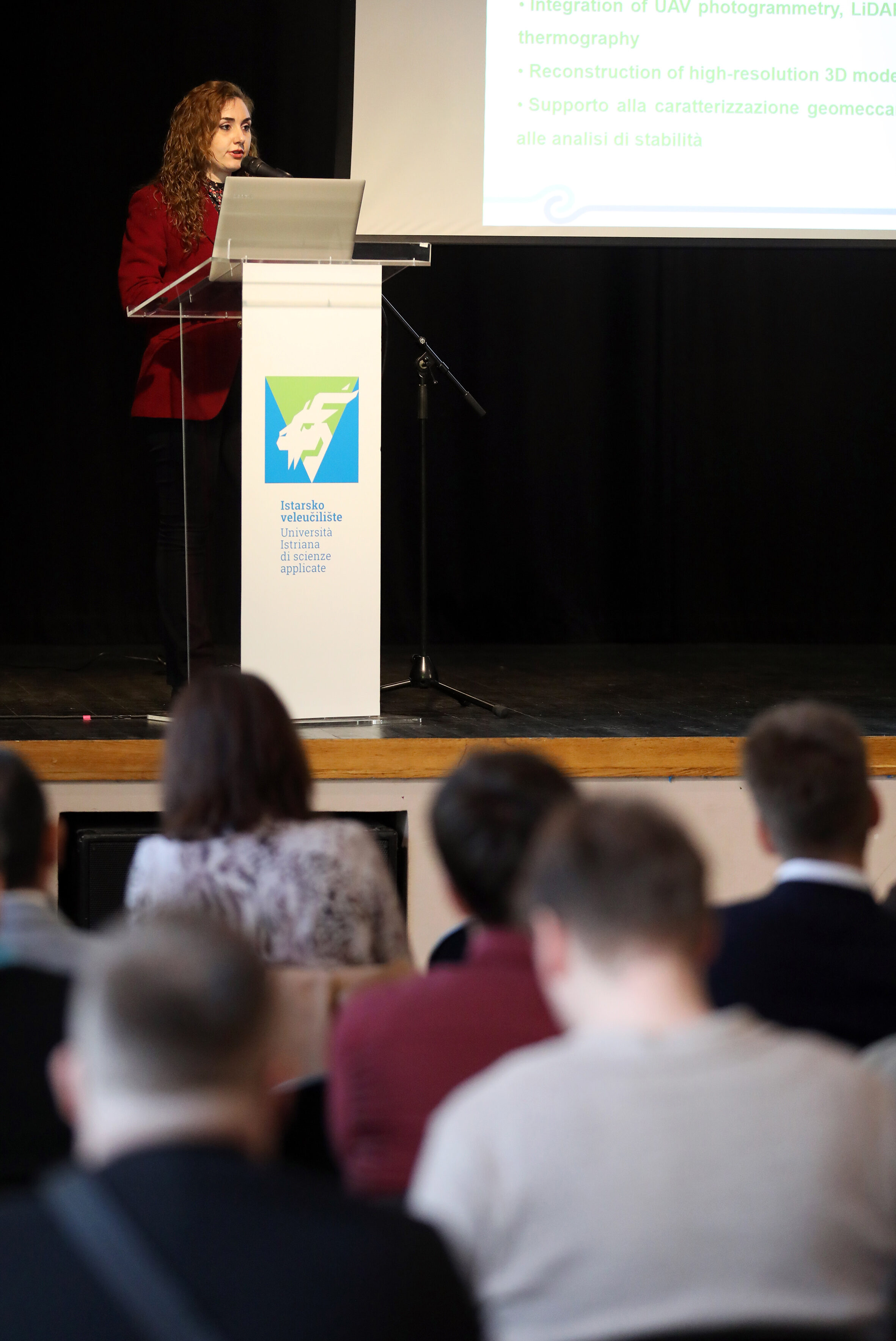
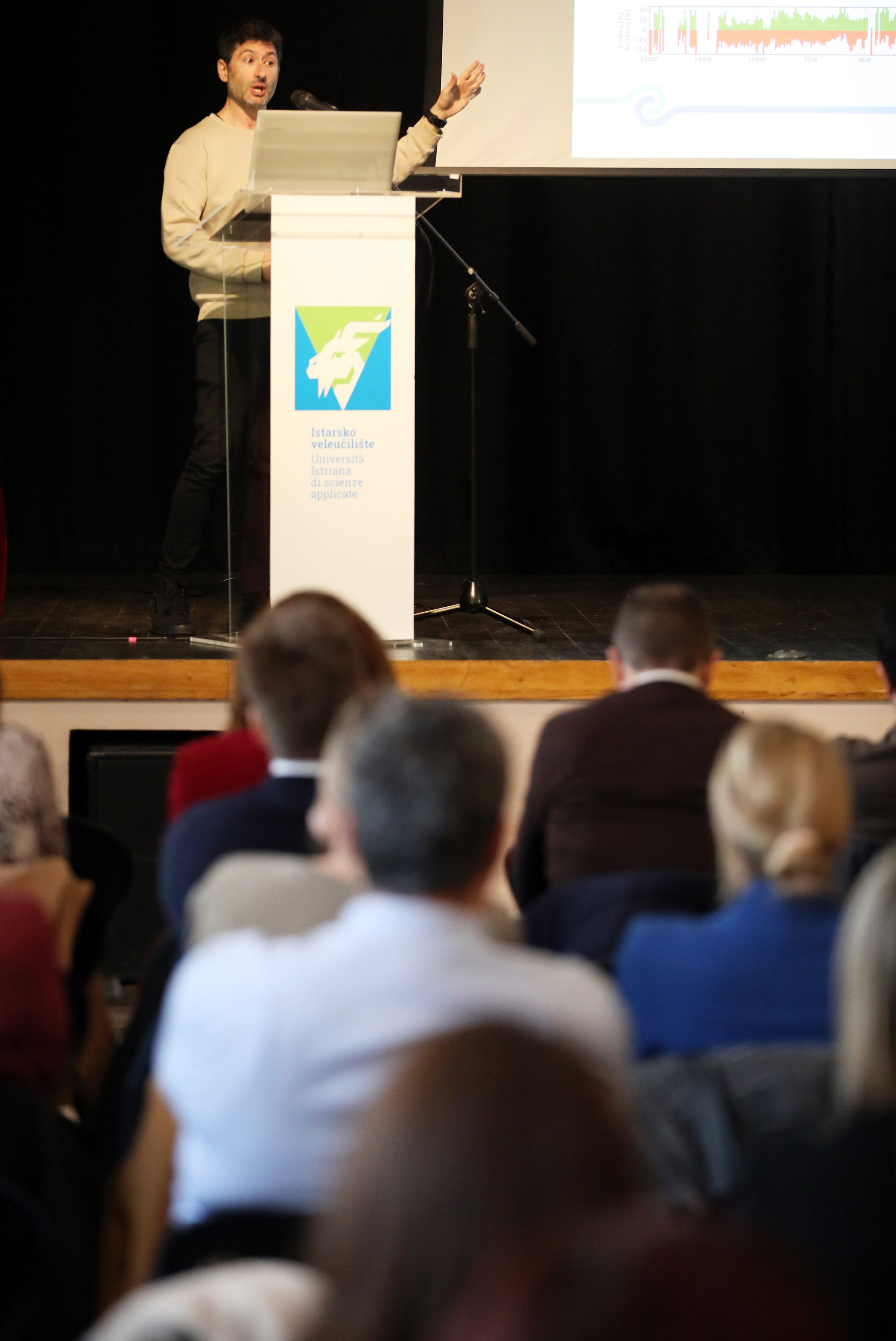
The program continued with presentations of key scientific results and the project’s progress to date. The presentations covered integrated analyses of coastal landslides, laboratory testing of materials from pilot areas, field monitoring of slope stability, the impact of storm surges on coastal slopes, and new data from Italian and Croatian locations. Special emphasis was placed on the application of digital tools and modeling in assessing future risks and supporting decision-making.
In the edutainment segment, Bruno Šimleša spoke about his experience of walking for 135 days across America, during which he directly encountered the consequences of climate change, such as wildfires and floods. This was followed by a panel discussion titled “Climate Change: Truth or Myth?”, featuring Dr. Gordana Antić, Korado Korlević, astronomer and founder of the Višnjan Observatory, Dr. Nikola Biliškov from the Ruđer Bošković Institute and the Scientists for Climate initiative, science communicator and meteorologist Nikola Vikić Topić, and Marko Rakovac, Executive Head of the Croatian Mountain Rescue Service.
During the discussion, representatives of science, public administration, and the civil protection system emphasized the need for open dialogue, strengthening trust in scientific data, and responsible spatial and risk management.