

MEMORY ESCAPE Completes the Research and Co-design Phase: A Shared Cross-Border Vision for Interpreting Dissonant Heritage
17/07/2026
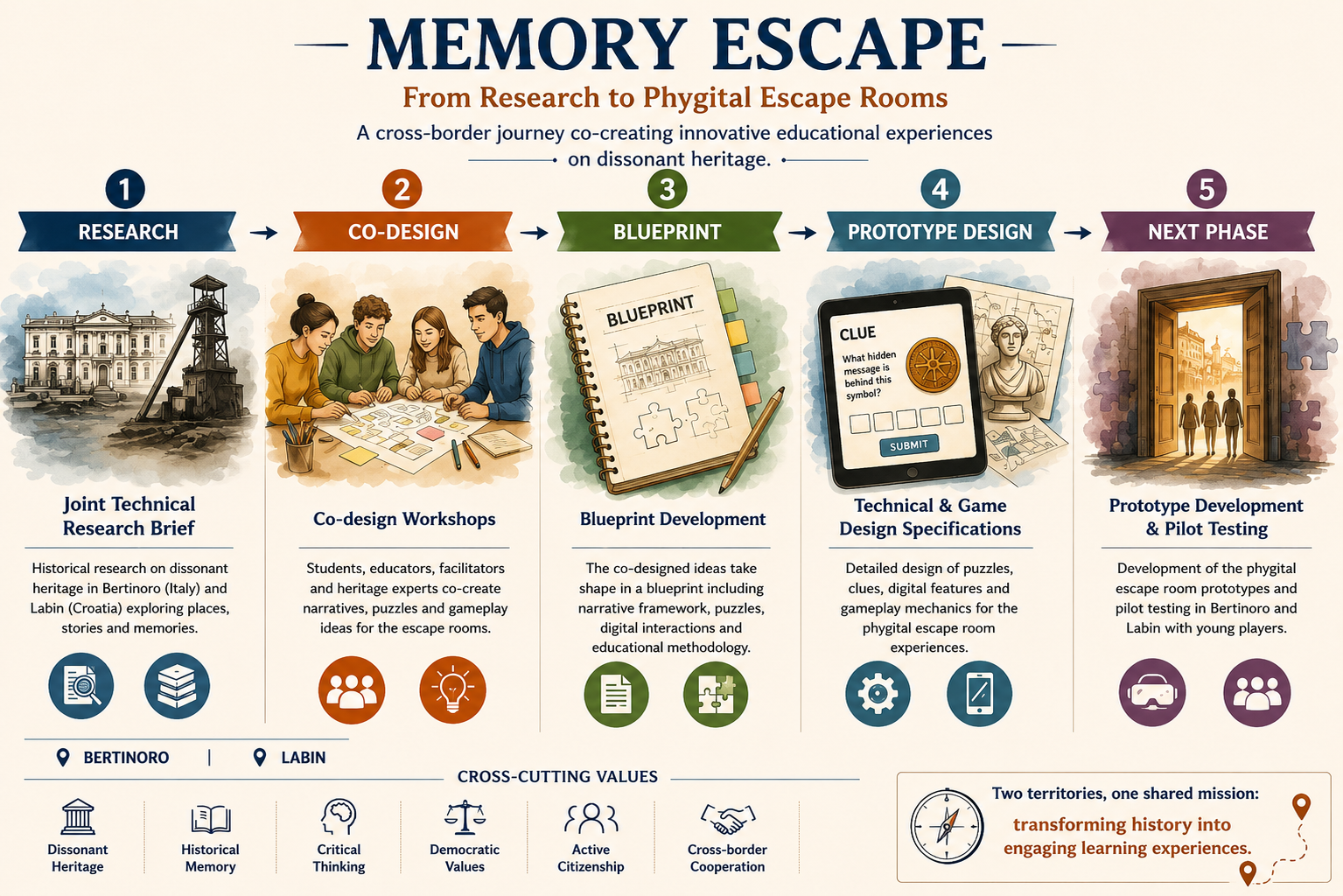
The MEMORY ESCAPE project has successfully completed its research and co-design phase with the delivery of two key project outputs: the Joint Technical Research Brief and the Blueprint for the Co-designed Phygital Escape Rooms.
These two deliverables represent a major milestone for the project, providing the historical, methodological and interpretative foundations for the development of the pilot phygital escape rooms in Bertinoro (Italy) and Labin (Croatia).
The Joint Technical Research Brief established a shared framework for interpreting dissonant heritage by identifying the historical narratives, heritage sites and educational themes that connect the two pilot areas while highlighting their unique local identities.
In Labin, the research focused on the mining heritage of Podlabin and Raša, exploring how the Fascist regime shaped the world of work, industrial communities and the everyday lives of miners. Themes such as labour, migration, solidarity and workers' experiences became the starting point for developing the Croatian escape room concept.
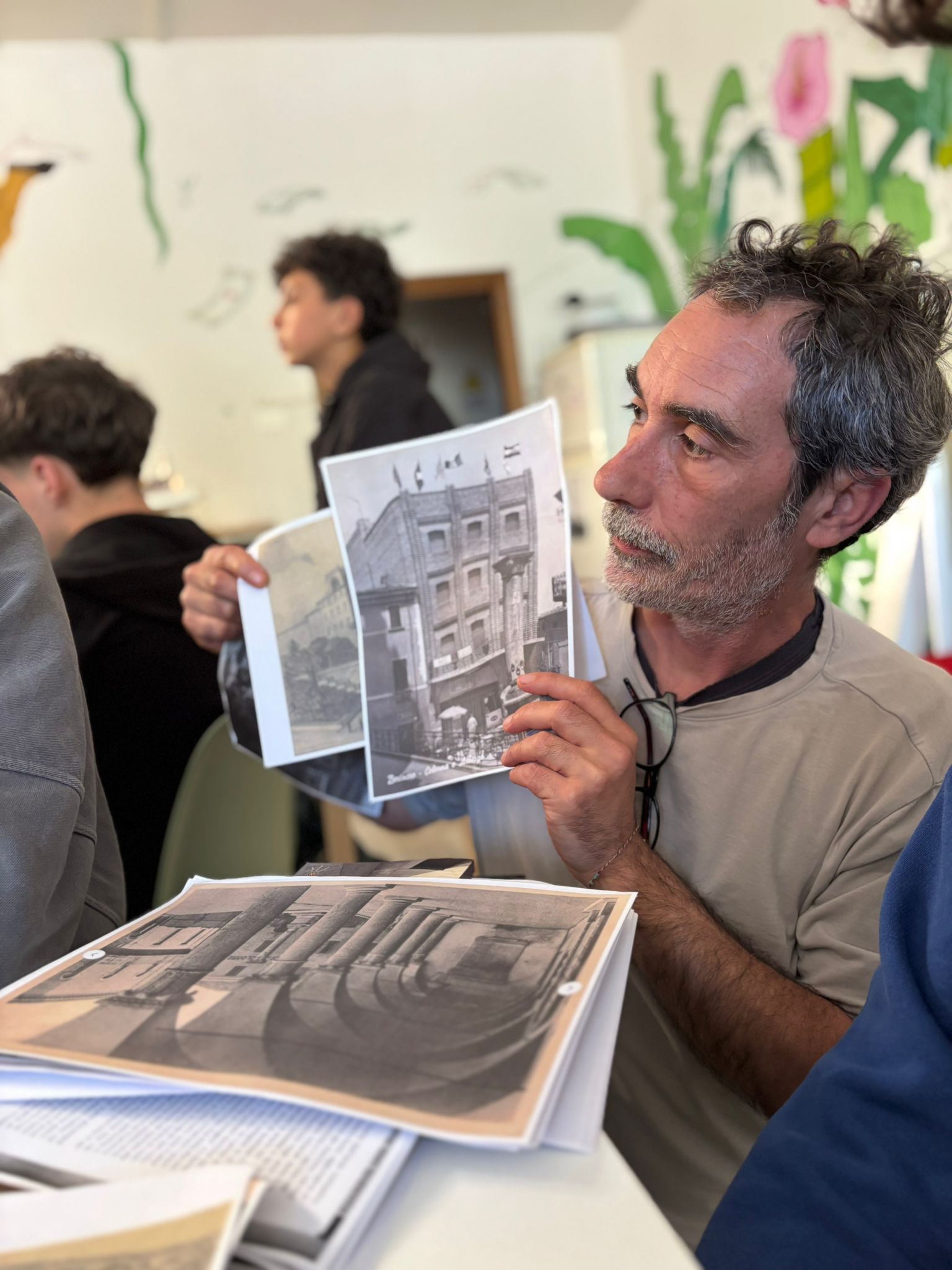
In Bertinoro, the research focused on the Terme della Fratta spa complex, the Casa del Fascio (Fascist Party Headquarters) and the Colonna dell'Ospitalità (Column of Hospitality), exploring how the Fascist regime shaped everyday life beyond the workplace. Through these heritage sites, the project examines themes such as leisure, tourism, architecture, propaganda, the construction of consensus, and the use of public spaces to influence social life and collective memory.
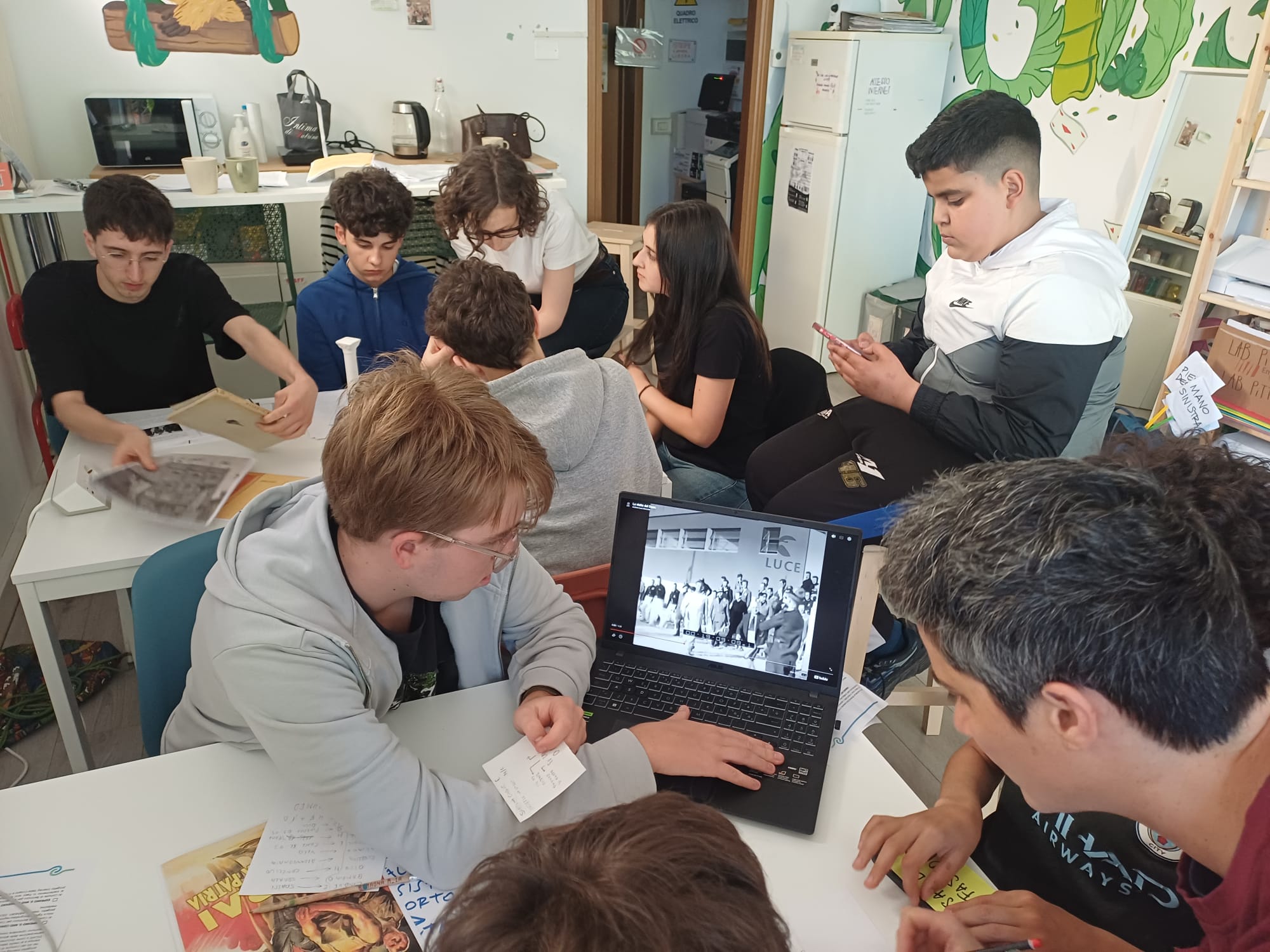
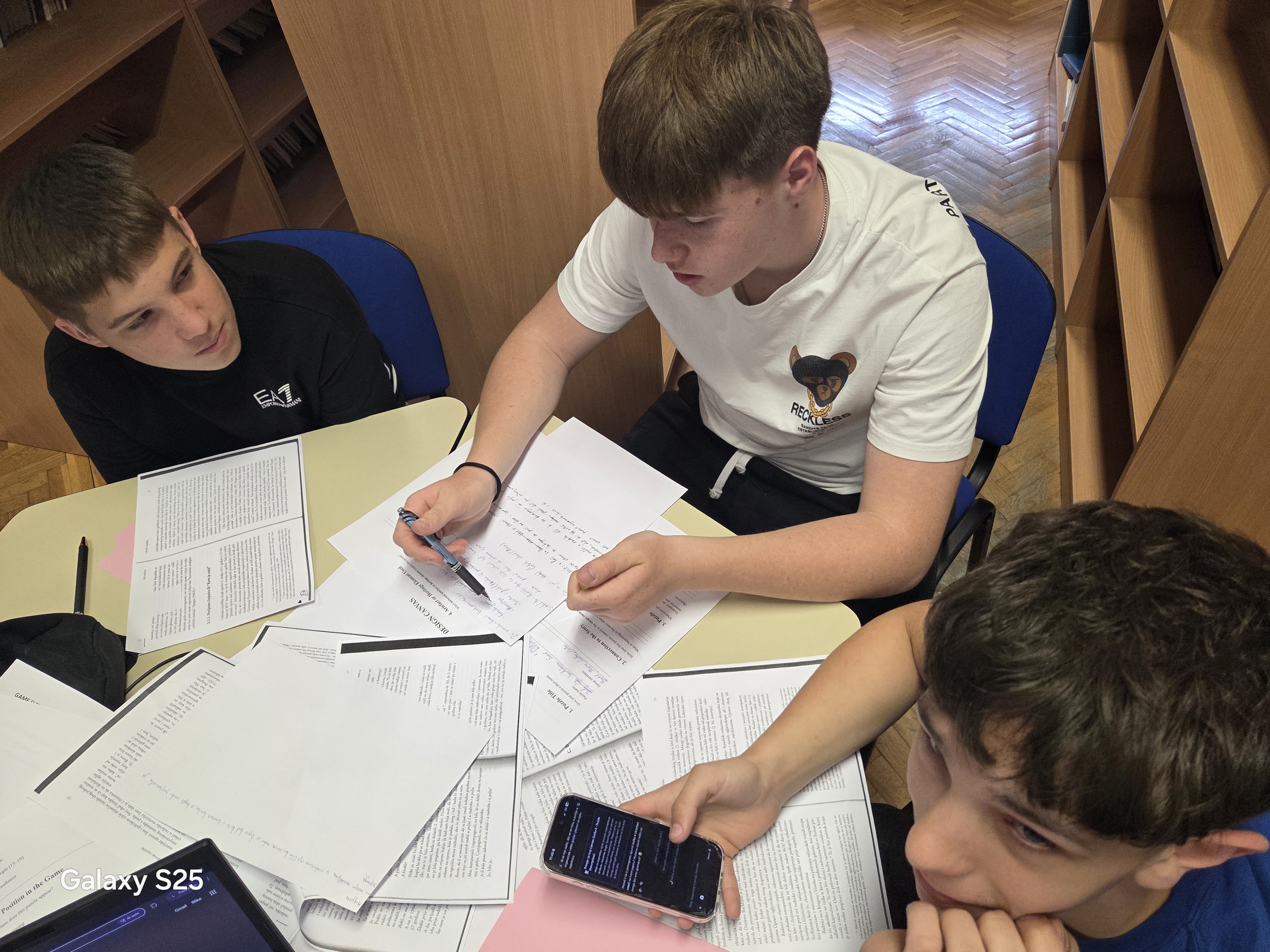
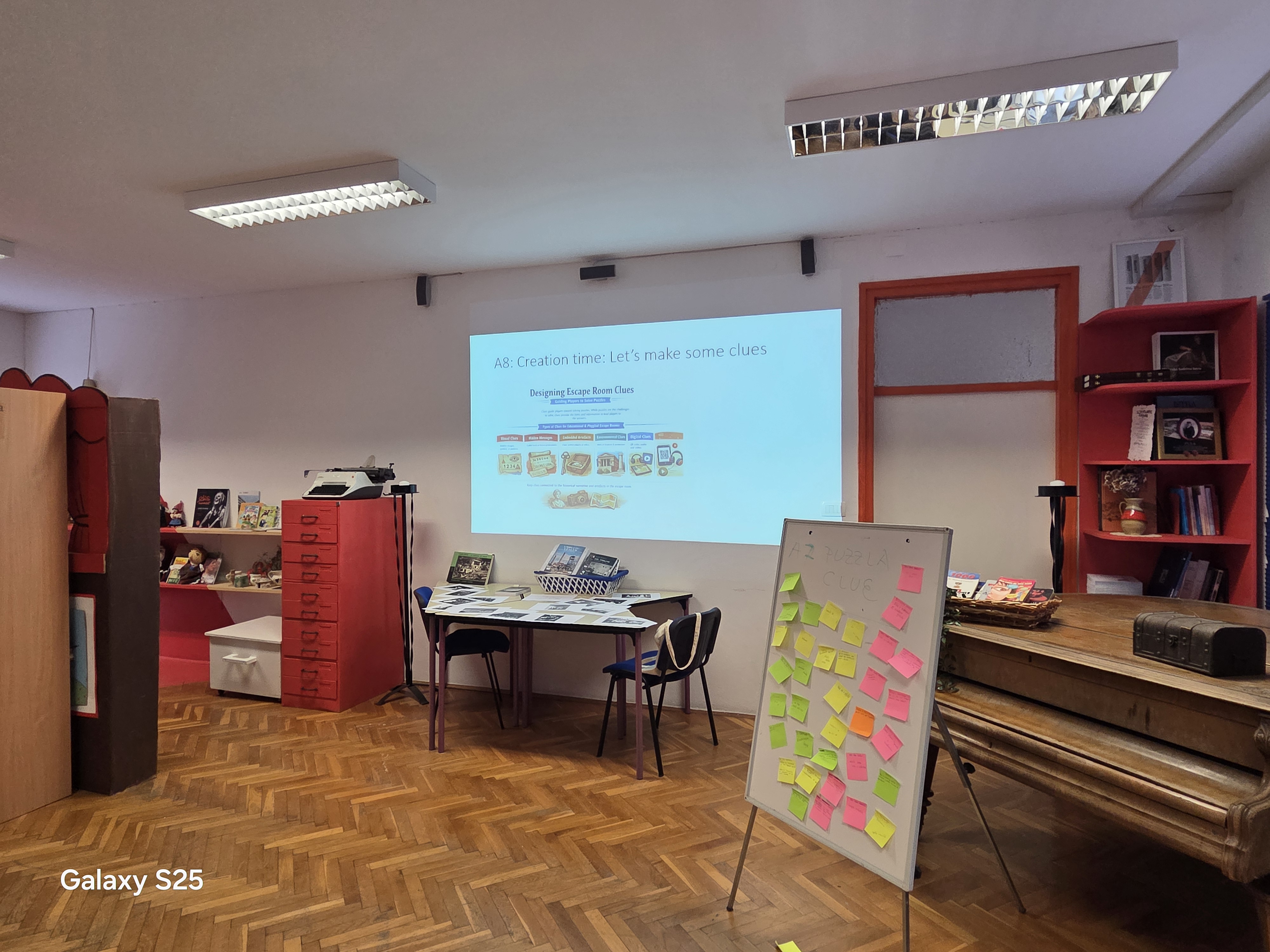
Building on this research, young people, facilitators and heritage experts from both countries worked together during the co-design workshops to transform these historical themes into engaging educational experiences. Their ideas, narratives and gameplay concepts have now been consolidated in the Blueprint, which defines the narrative structure, learning objectives, gameplay mechanics, digital interactions and technical requirements for the future phygital escape rooms.
While each pilot experience reflects its own local history and heritage, both contribute to a shared cross-border approach to interpreting dissonant heritage. Rather than telling the same story in two different places, MEMORY ESCAPE brings together complementary perspectives that help participants understand how authoritarian regimes influenced different aspects of everyday life, from work and industrial communities to tourism, public spaces and social life.
By combining historical research, participatory co-design and gamification, the project demonstrates how cultural heritage can become a powerful educational resource, encouraging young people to develop critical thinking, historical awareness and a deeper understanding of democratic values through the interpretation of Europe's difficult past.
With the completion of the research and co-design phase, MEMORY ESCAPE now moves forward to the development of the phygital escape room prototypes and the preparation of the pilot activities in Bertinoro and Labin.
Stay tuned as we continue transforming shared heritage into engaging educational experiences for the next generation.