
A new Certification Scheme to support carbon farming and voluntary carbon markets
07/07/2026
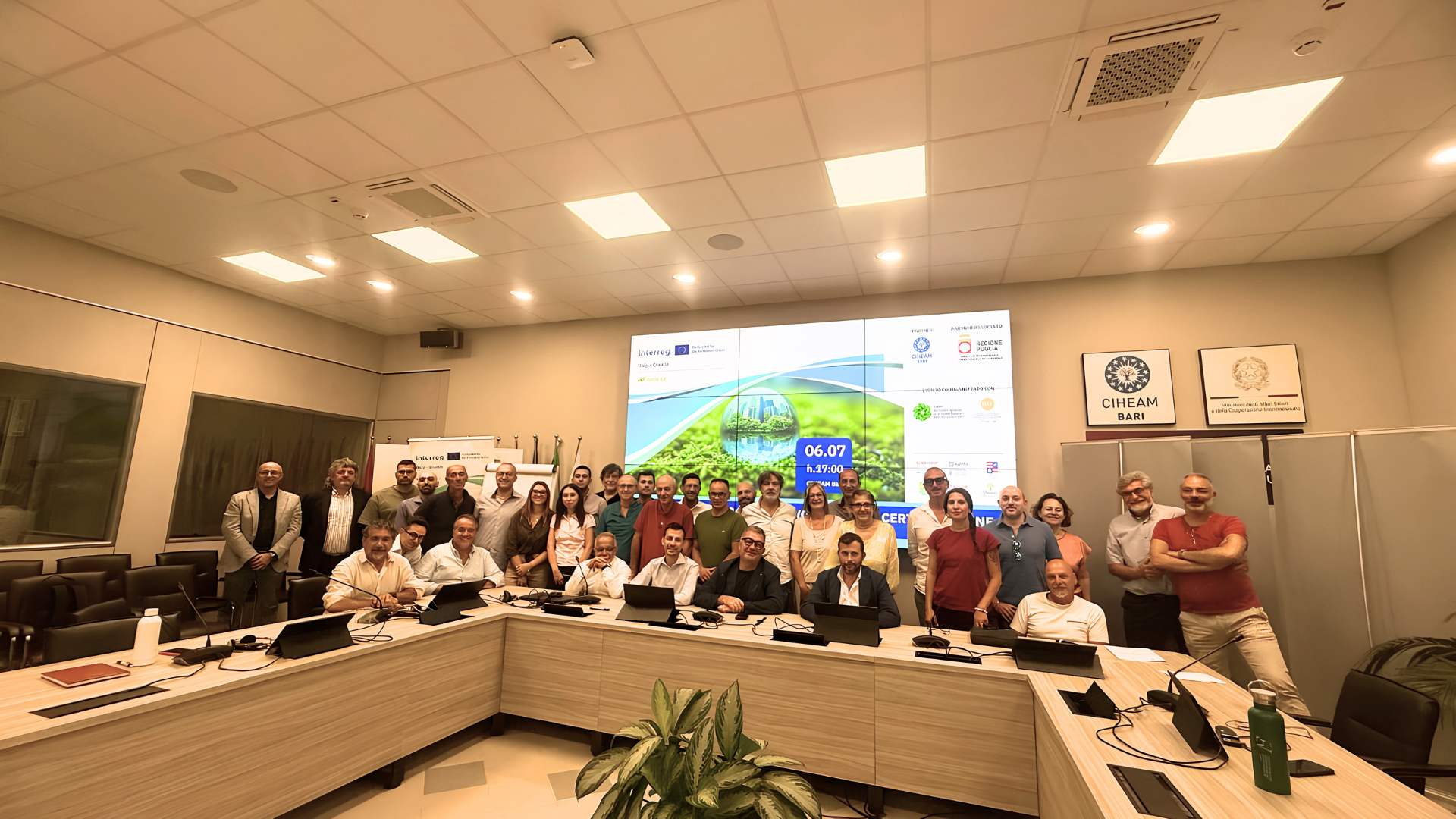
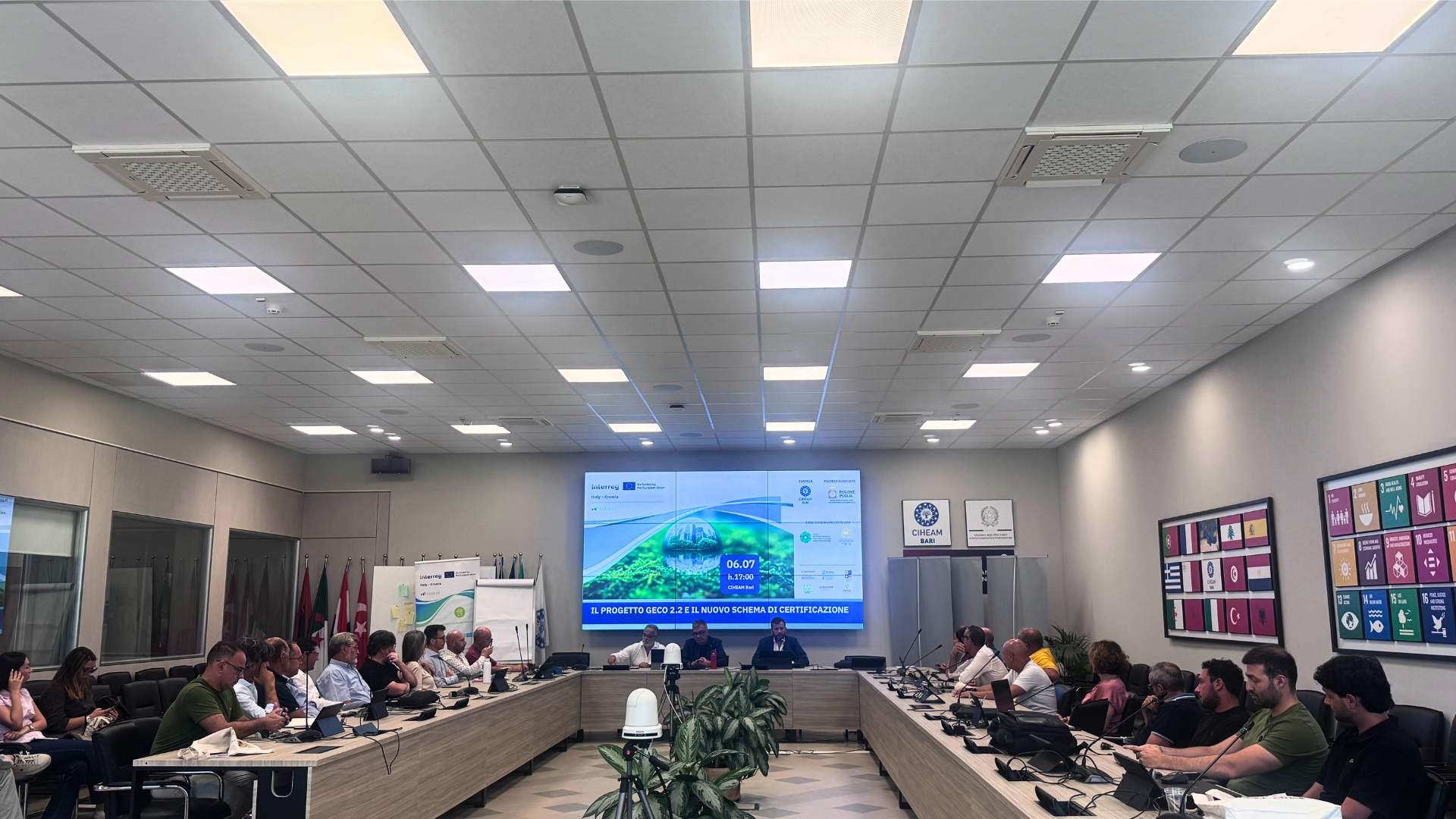
The GECO 2.2 project took another important step towards supporting the implementation of carbon farming by presenting its new Certification Scheme during the training event held on 6 July 2026 at CIHEAM Bari. The event brought together farmers, agronomists, forestry professionals, researchers and stakeholders interested in learning more about the opportunities offered by voluntary carbon markets and the practical tools developed by the project.
Opening remarks were delivered by Arrigo Salvatore Guerrieri, President of the Order of Agronomists and Forestry Doctors of the Province of Bari.
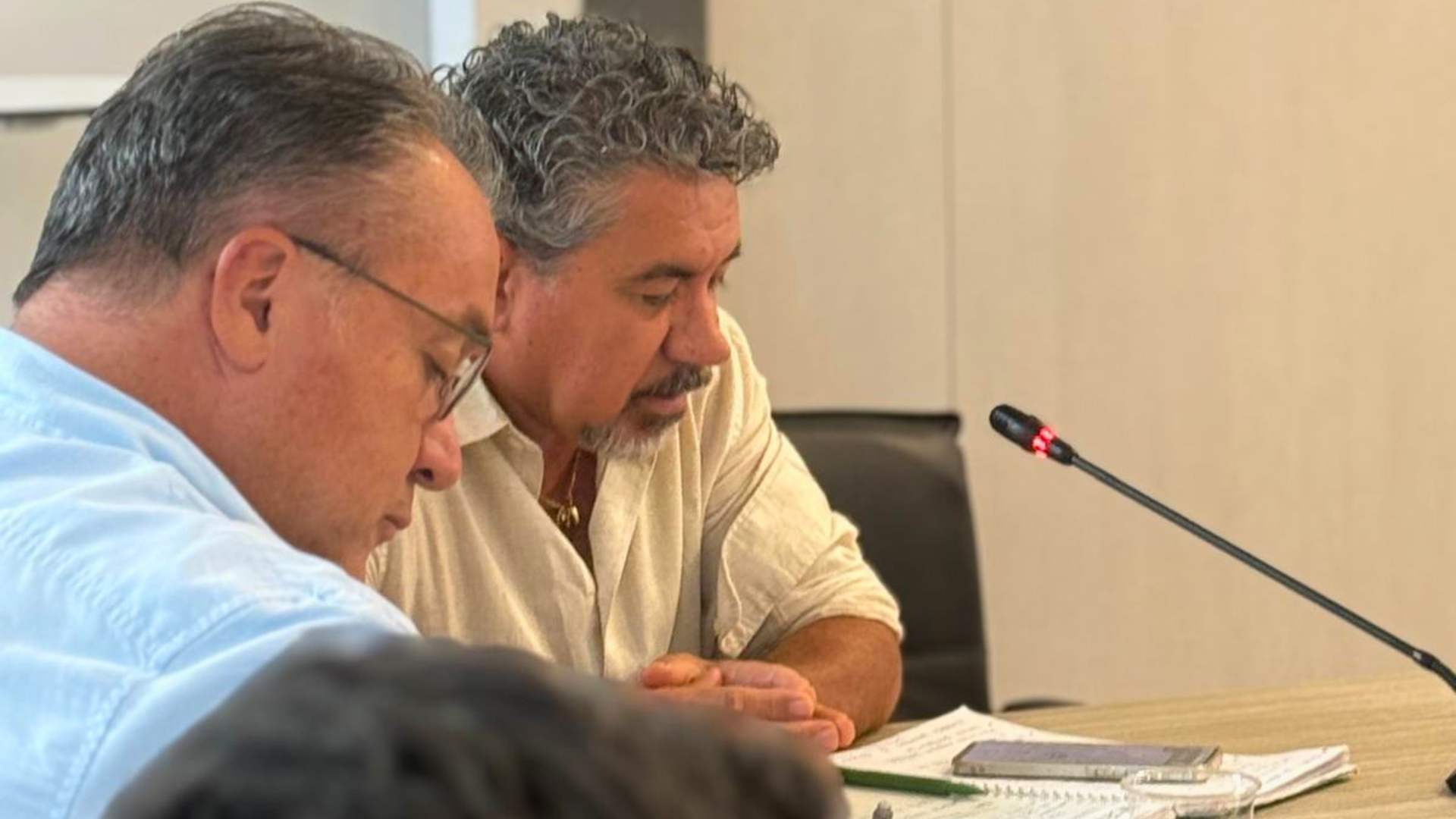
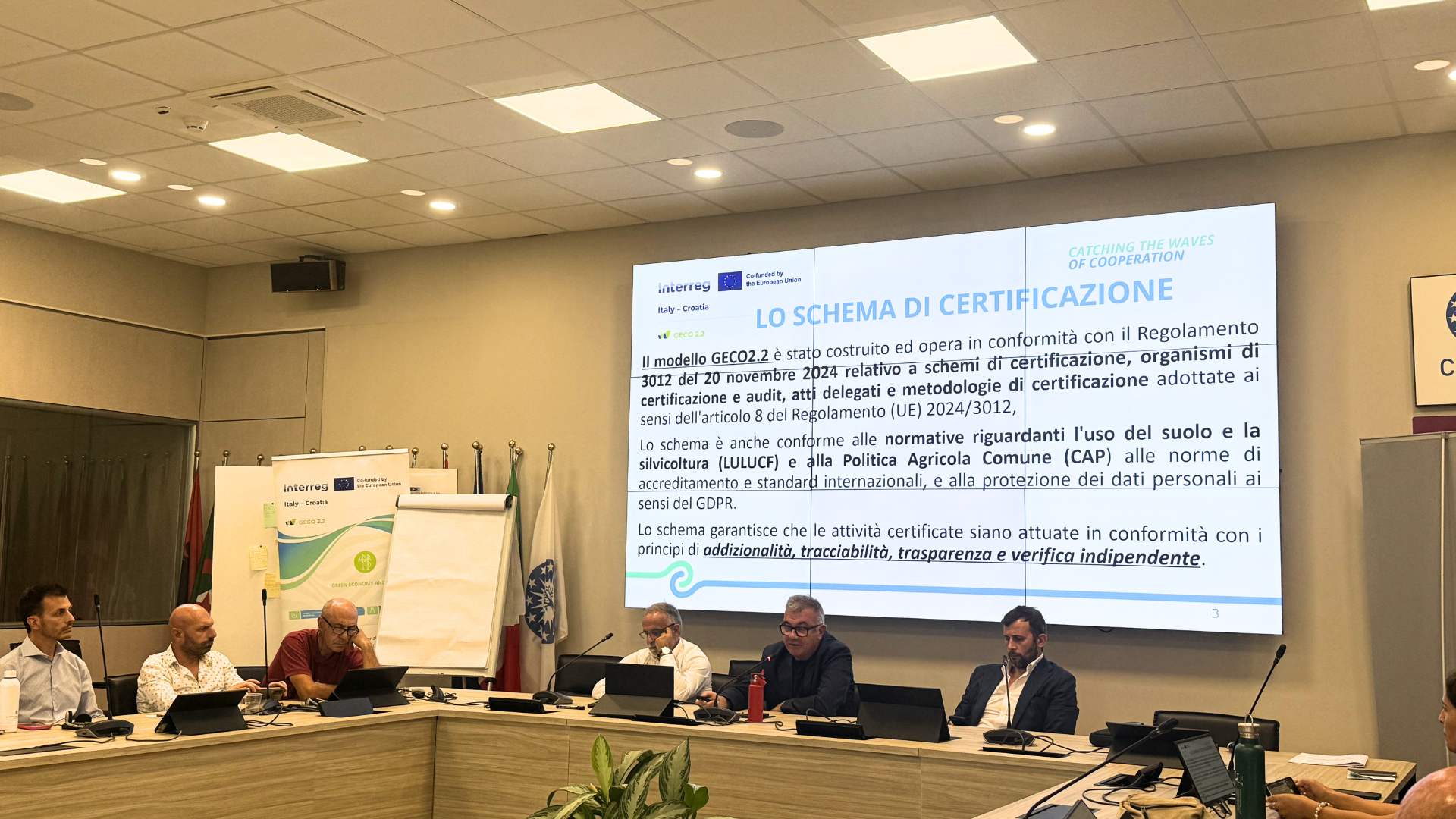
During the event, Vincenzo Verrastro presented the new GECO 2.2 Certification Scheme, illustrating how it has been designed to support agricultural holdings in the certification of carbon farming practices while creating the conditions for the generation and valorisation of carbon credits. "The GECO 2.2 Certification Scheme is the result of a collaborative effort aimed at providing the agricultural sector with a practical and scientifically robust tool," said Vincenzo Verrastro. "Our objective is to support farmers in measuring and certifying the environmental value generated by carbon farming practices, while creating the conditions for their recognition within voluntary carbon markets. Today's discussion with stakeholders also confirmed the strong interest in these opportunities, while highlighting the practical challenges that will need to be addressed to facilitate the effective implementation of the scheme."
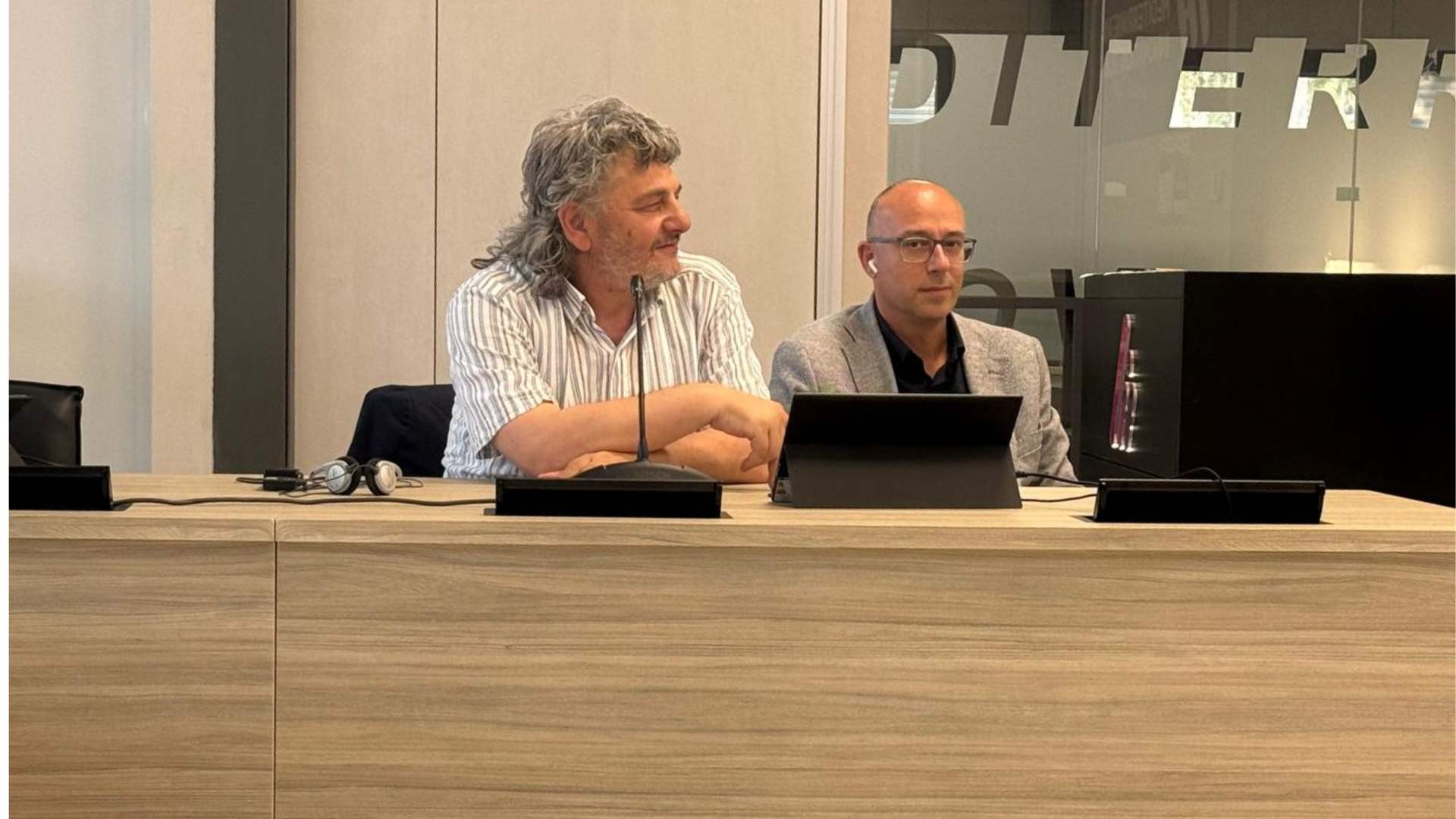
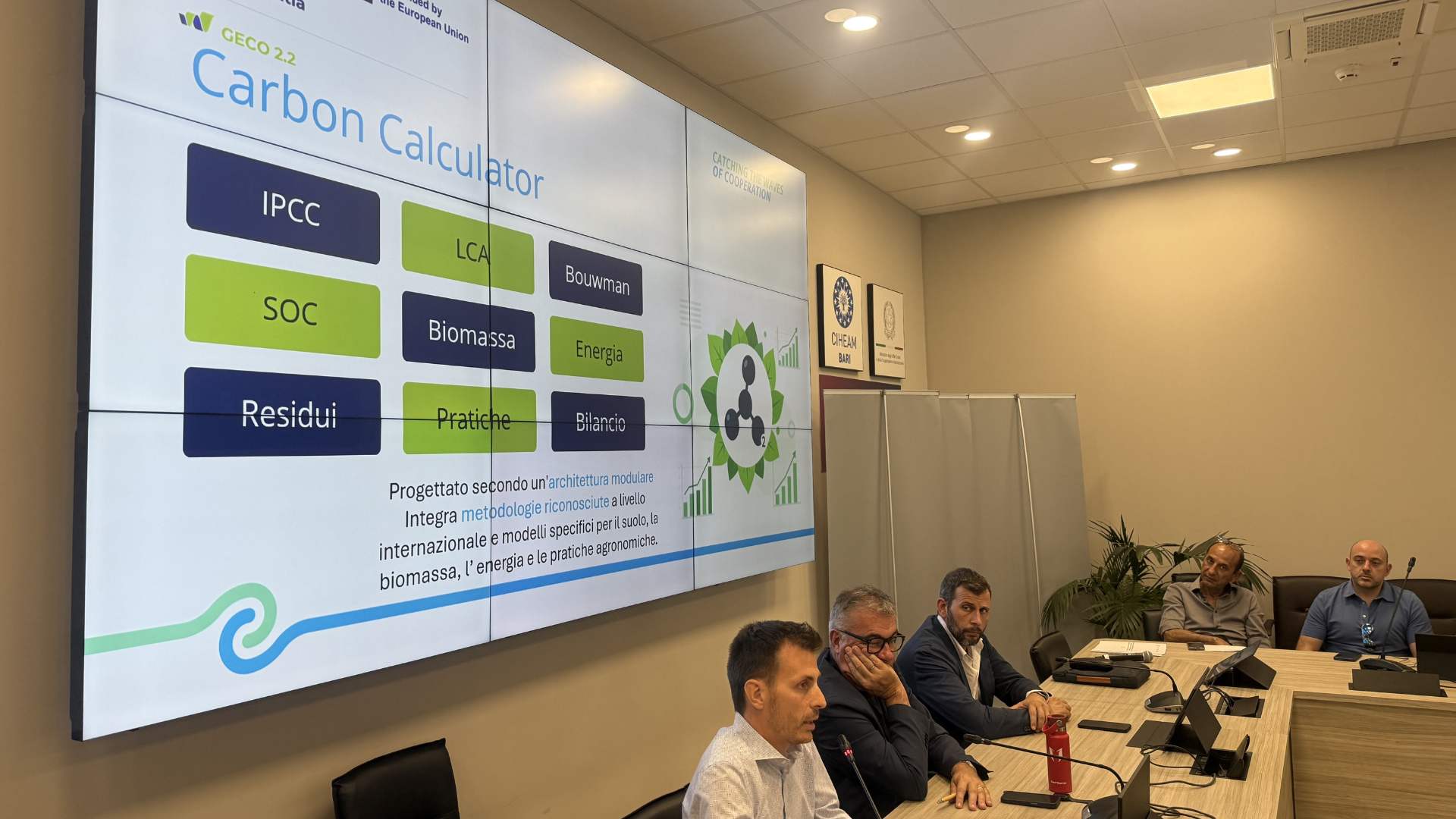
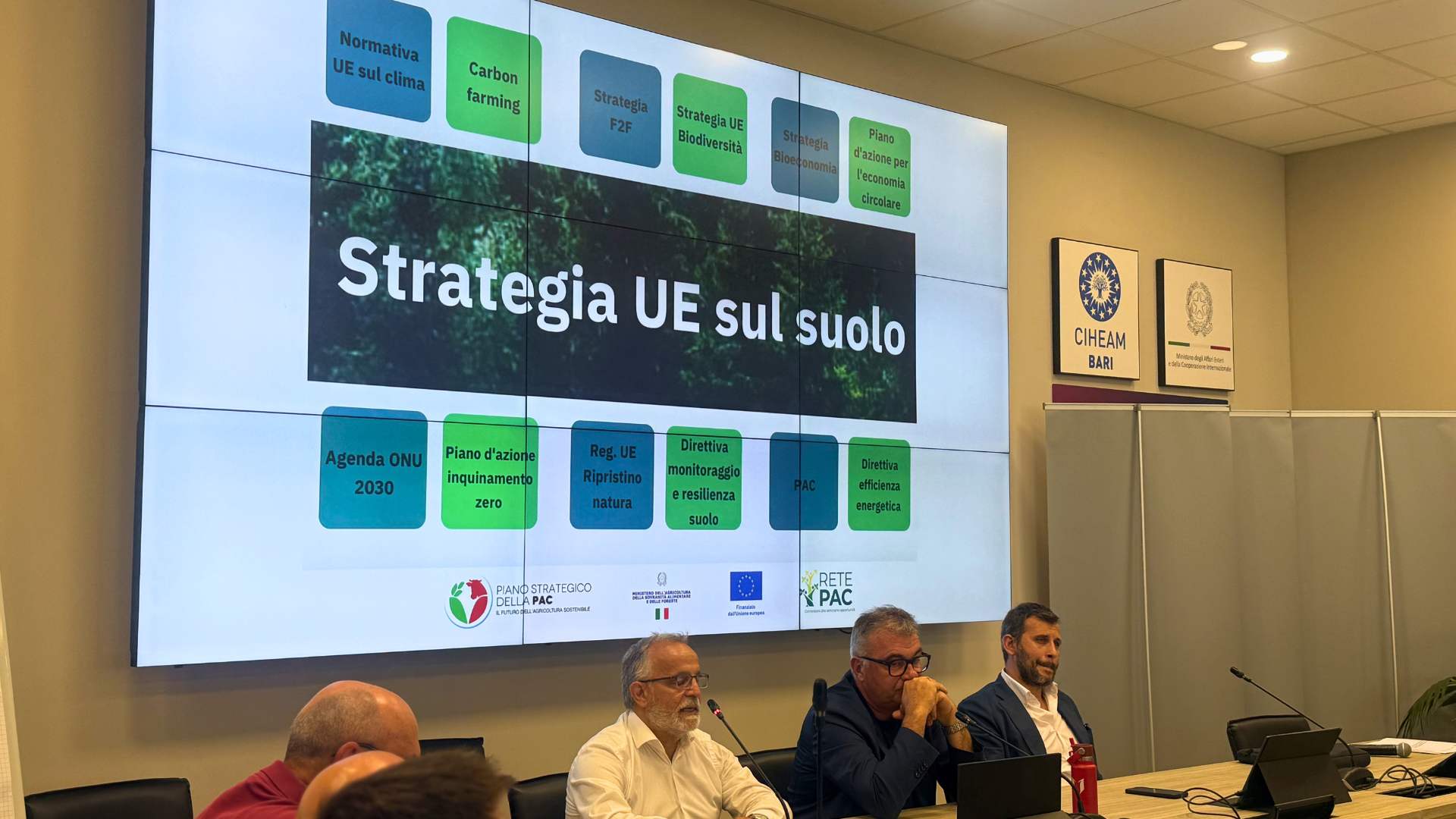
Vincenzo Verrastro also presented the GECO 2.2 carbon credit calculation system, developed to quantify the carbon removals generated through sustainable agricultural practices and provide the technical basis for the certification process. The project's digital dimension was illustrated by Roberto Greco Marzano (CIHEAM Bari), who presented the GECO 2.2 digital platform, designed to support the management of certified carbon credits and facilitate their integration into voluntary carbon markets. The programme also featured a presentation by Pier Paolo Pallara (CREA), who provided an overview of the ongoing implementation of EU Regulation 2024/3012, highlighting the opportunities and future perspectives offered by the new European certification framework.
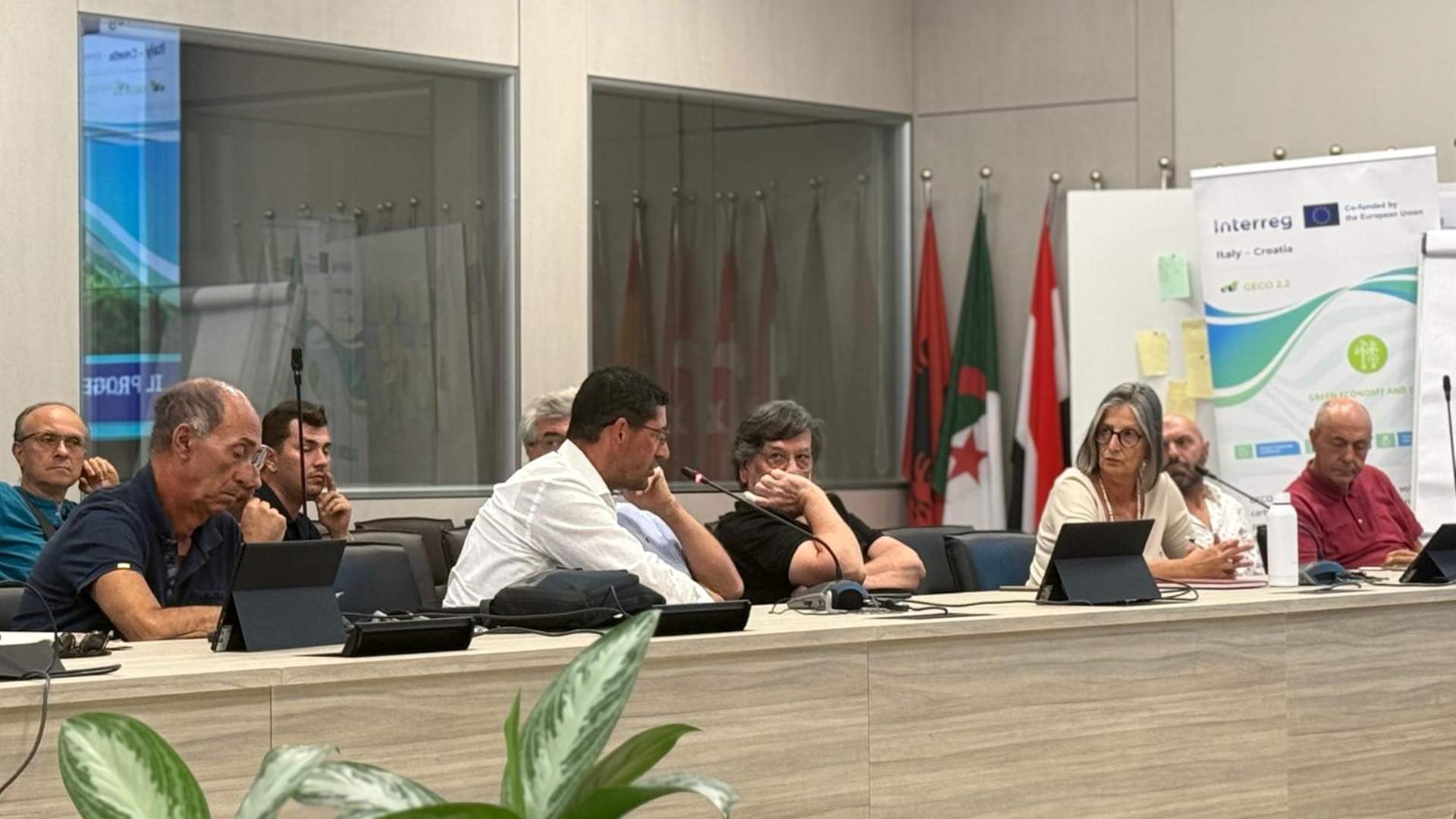
A lively discussion concluded the event, with stakeholders actively contributing their perspectives, sharing practical experiences and highlighting both the opportunities and the challenges associated with the implementation of carbon farming, certification schemes and voluntary carbon markets. The exchange confirmed the growing interest in practical solutions capable of supporting the transition towards more sustainable and climate-resilient agricultural systems.