
EU Project SOCRAT: Successful Cycle of Capacity Building Workshops for Tourism and Culture Professionals Held in Kvarner
24/06/2026
How can we connect tradition, contemporary art, and sustainable tourism? The recently concluded cycle of SOCRAT workshops in Kvarner (Croatia) provided the answers, equipping local stakeholders with practical tools to develop innovative cultural tourism products.
The Kvarner Region Tourist Board has successfully implemented a cycle of intensive capacity building workshops tailored for tourism and culture professionals. The workshops were designed to stimulate the development of authentic, co-created, and long-term sustainable tourism experiences. This training series was organized within the framework of the cross-border project SOCRAT – Socializing Craft & Contemporary Art for Sustainable Tourism.
Through three thematically linked workshops, participants gained practical knowledge, tools, and guidelines for implementing the innovative SOCRAT sustainable tourism model. This model focuses on the active involvement of the local community, social innovation, and the synergy between cultural and creative industries and the tourism sector.
Three Steps to Excellence: From Idea and Finance to the Market
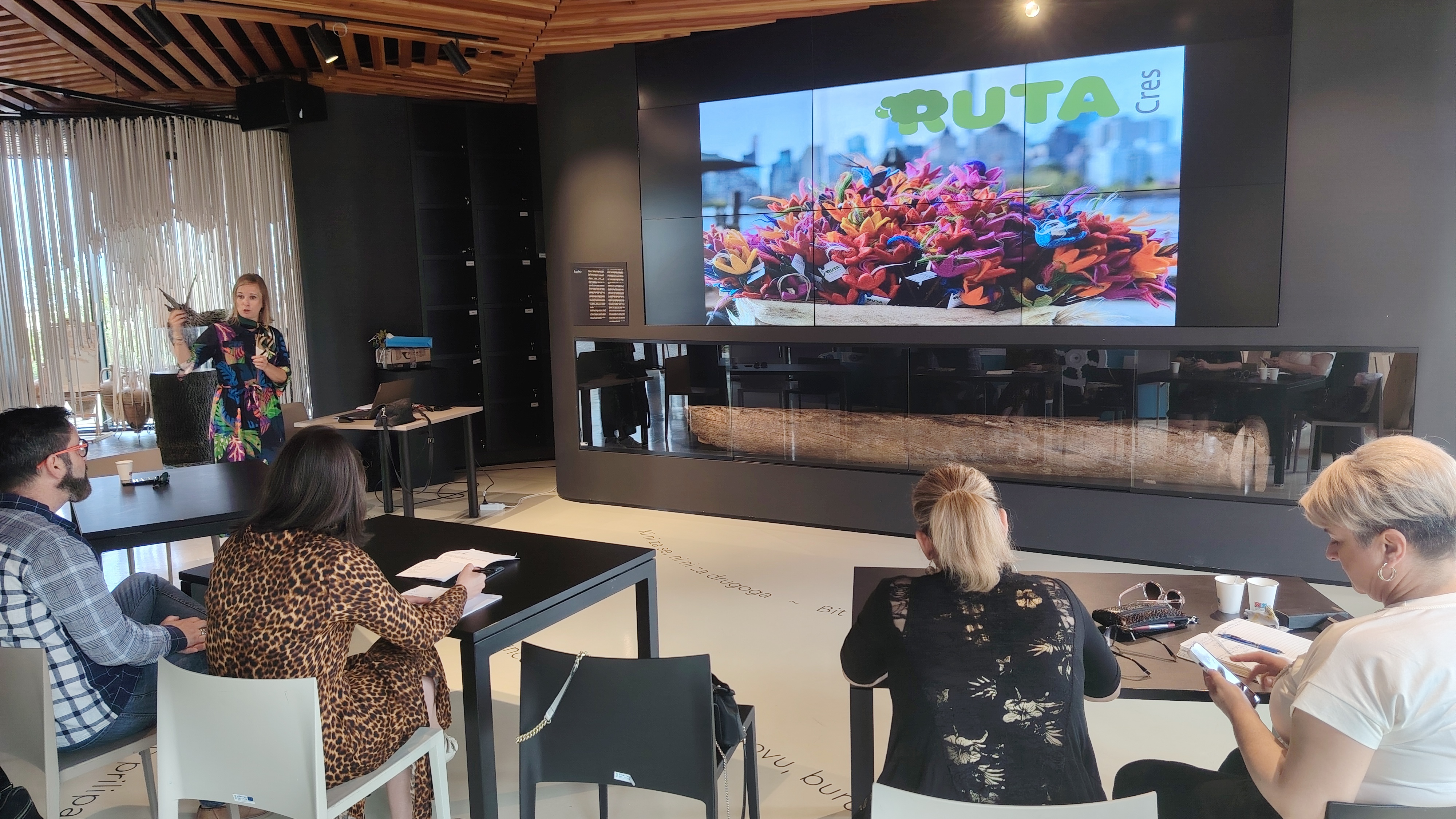
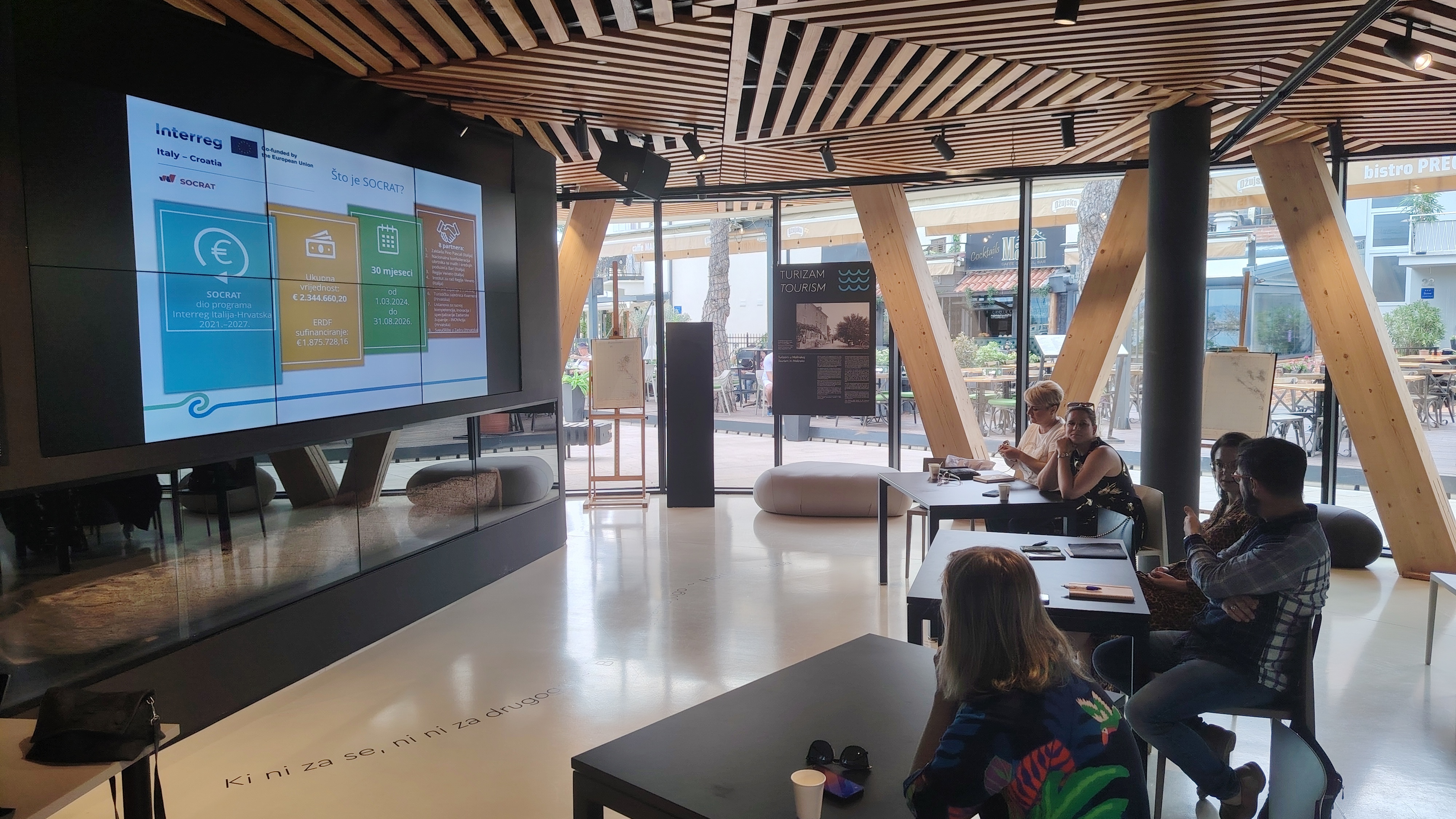
The cycle kicked off on May 27, 2026, in Malinska, where the Maritime Heritage Interpretation Centre DUBoak hosted a workshop dedicated to developing authentic, community-based tourism experiences. Participants mapped local resources and stakeholders. As an inspiring best-practice example of connecting tradition with contemporary tourism, the work of the "Ruta" Association and their projects with Cres wool was presented.
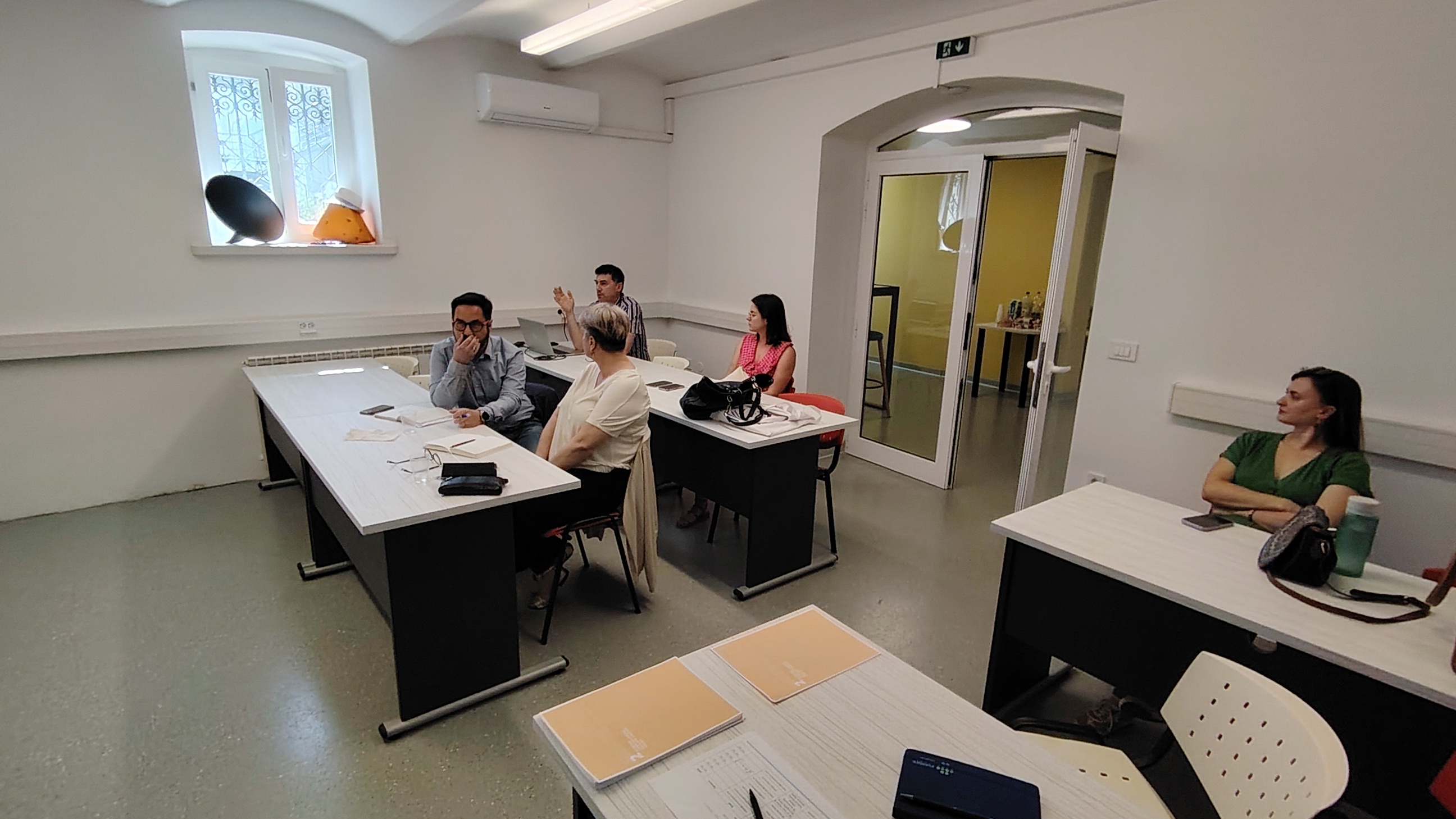
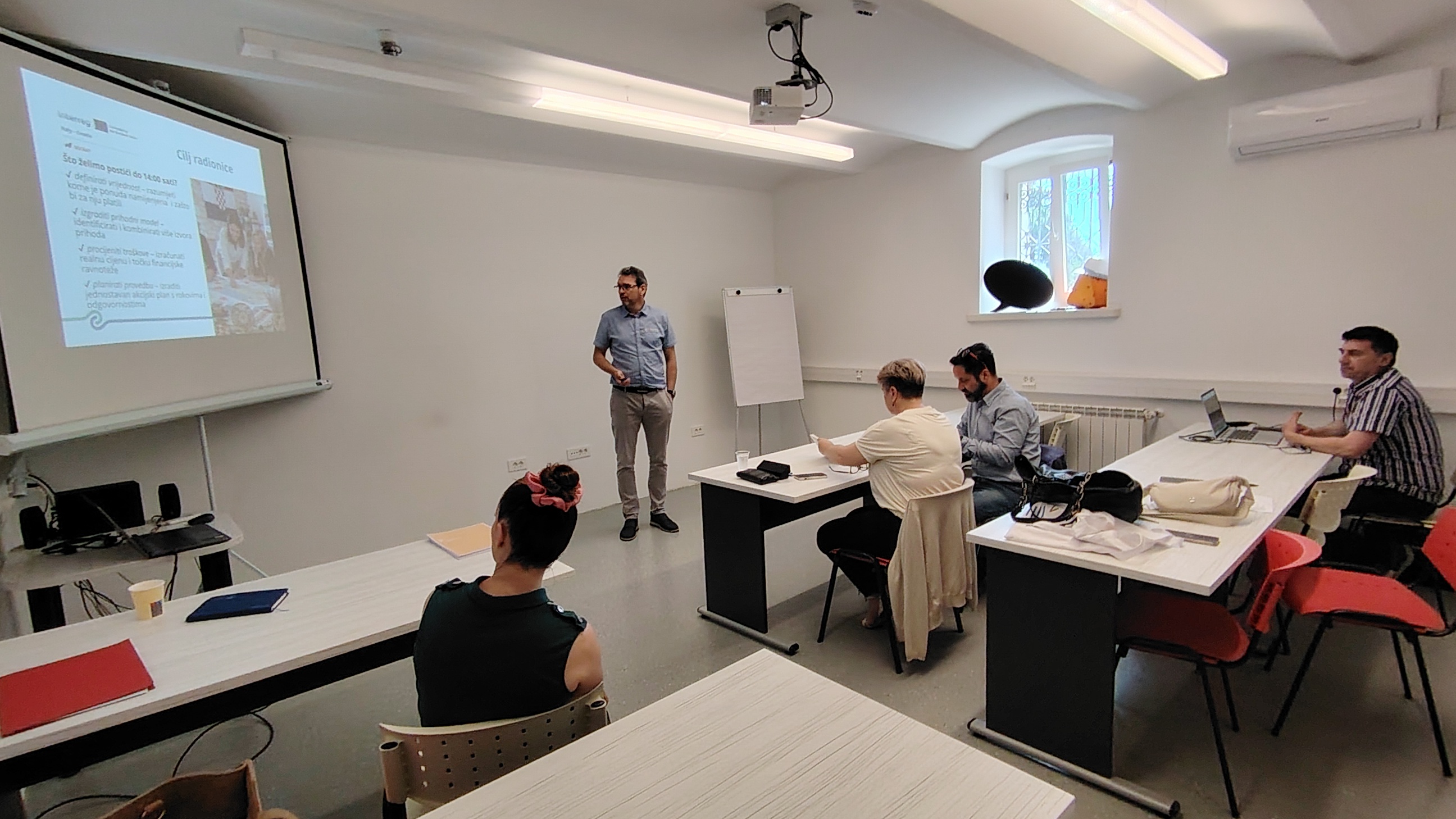
The capacity building continued on June 2, 2026, in Opatija, at the Hubbazia Entrepreneurship Incubator, focusing on creating a financially sustainable cultural tourism offer. During this workshop, participants utilized tools to define unique value propositions and developed stable revenue models and strategic partnerships essential for the economic stability of their projects.
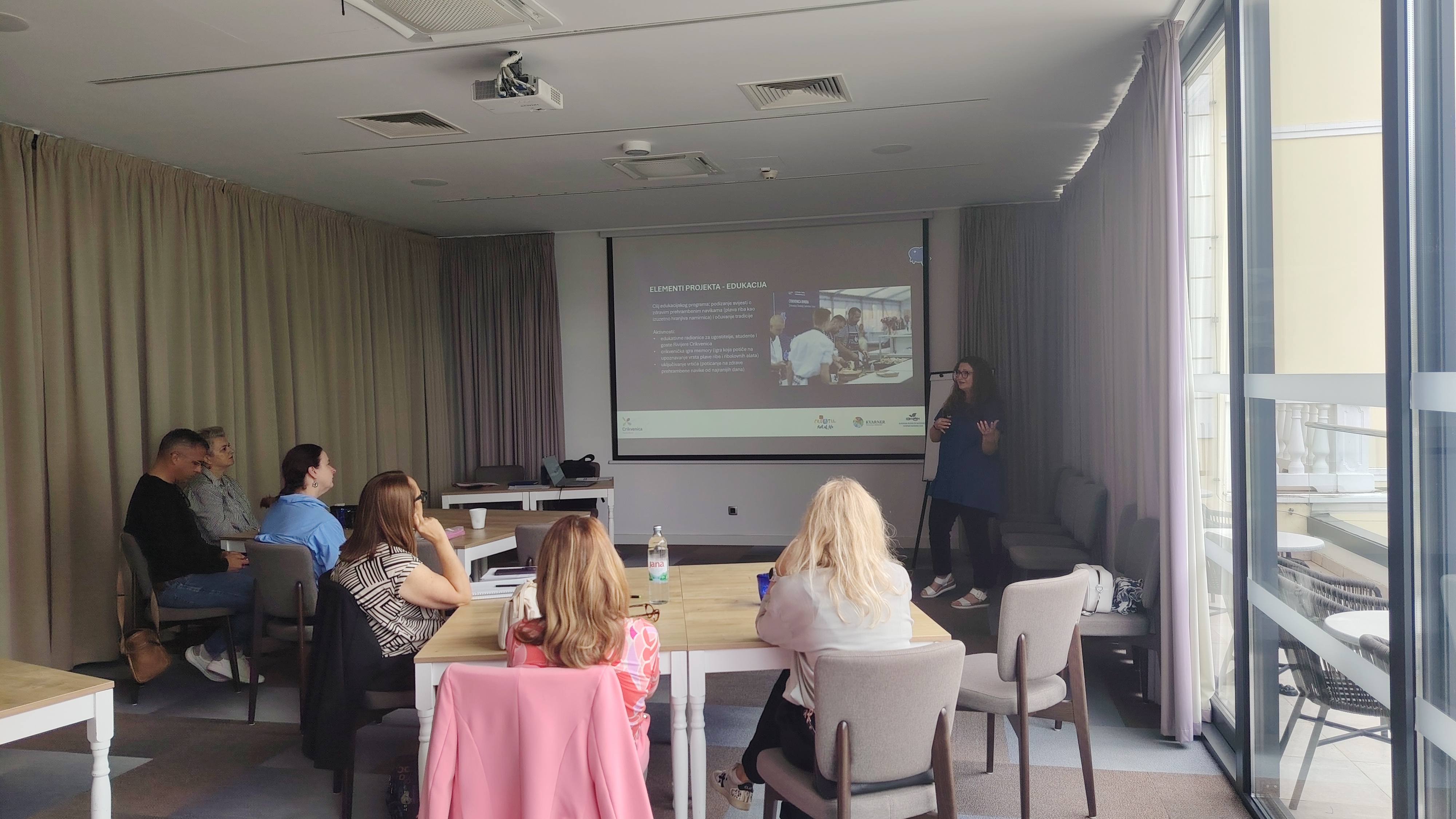
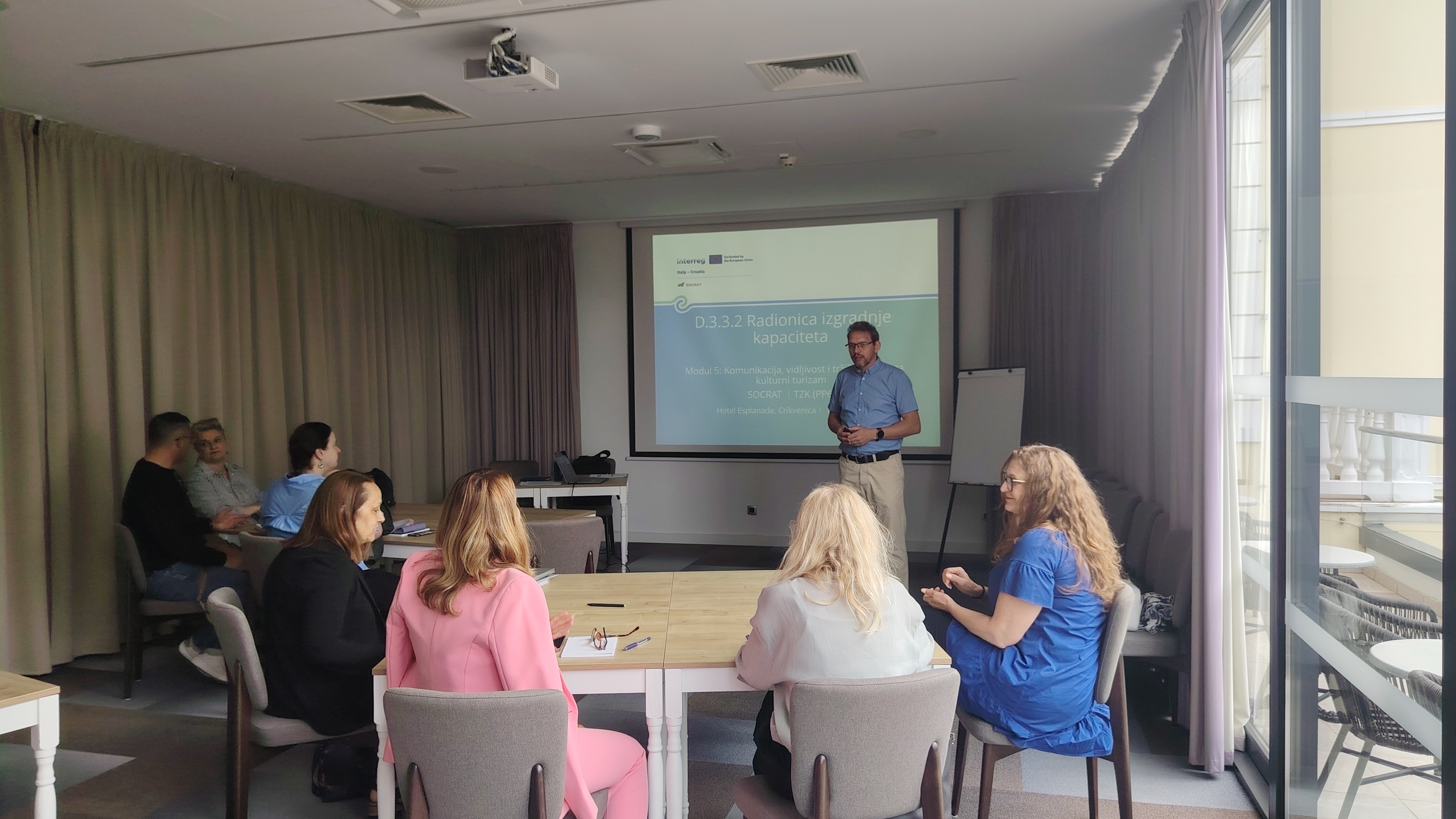
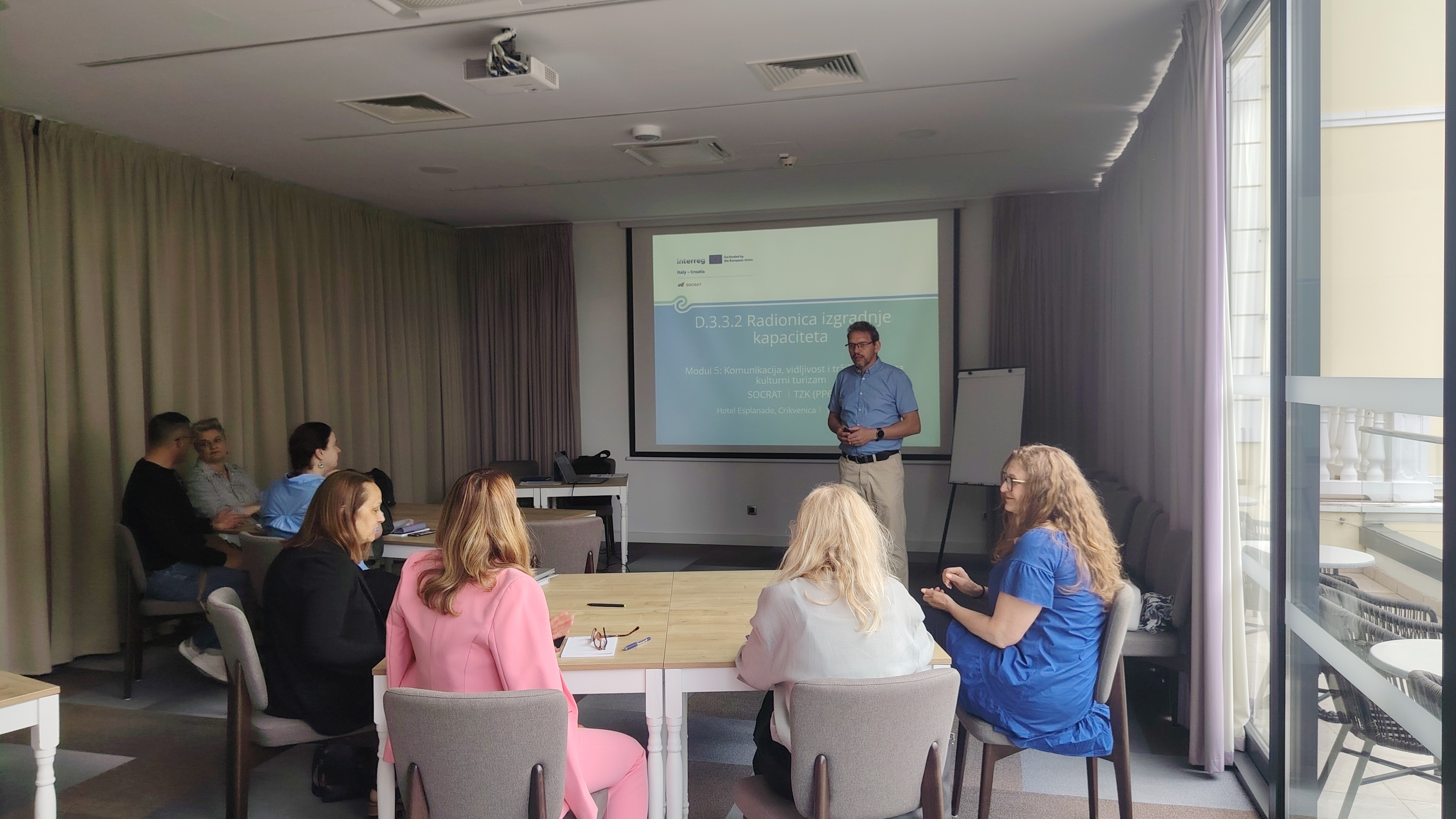
The final part of the cycle took place on June 11, 2026, in Crikvenica, at the Boutique Hotel Esplanade, where the focus shifted to communication, visibility, and market reach. Alongside analyzing the local good practice example " Oily Fish Route" (Cesta plave ribe), participants learned how to craft impactful communication messages, precisely define target groups, and select the most effective promotion channels for cultural tourism content in a market-relevant manner.
Joint Conclusions and Next Steps
All workshops were characterized by interactive group work and discussions, allowing participants to directly apply theoretical knowledge to concrete ideas. The presented concepts demonstrated great potential for the cultural valorization of Kvarner's heritage through creative industries. Furthermore, the next steps were defined to foster stronger cross-sectoral networking among artists, civil society organizations, and tourism professionals.