
Empowering young people for a more sustainable Adriatic Sea
23/06/2026
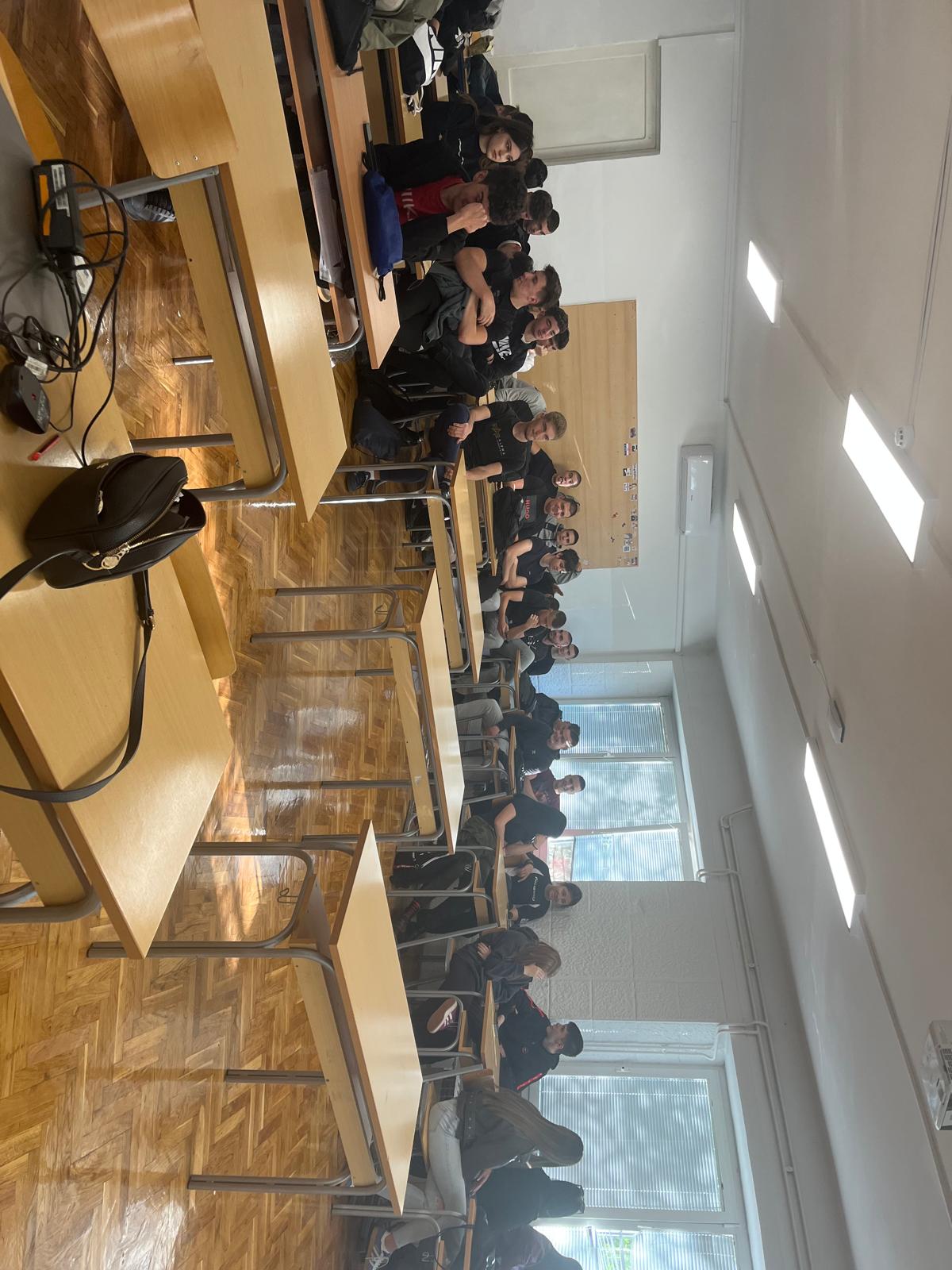
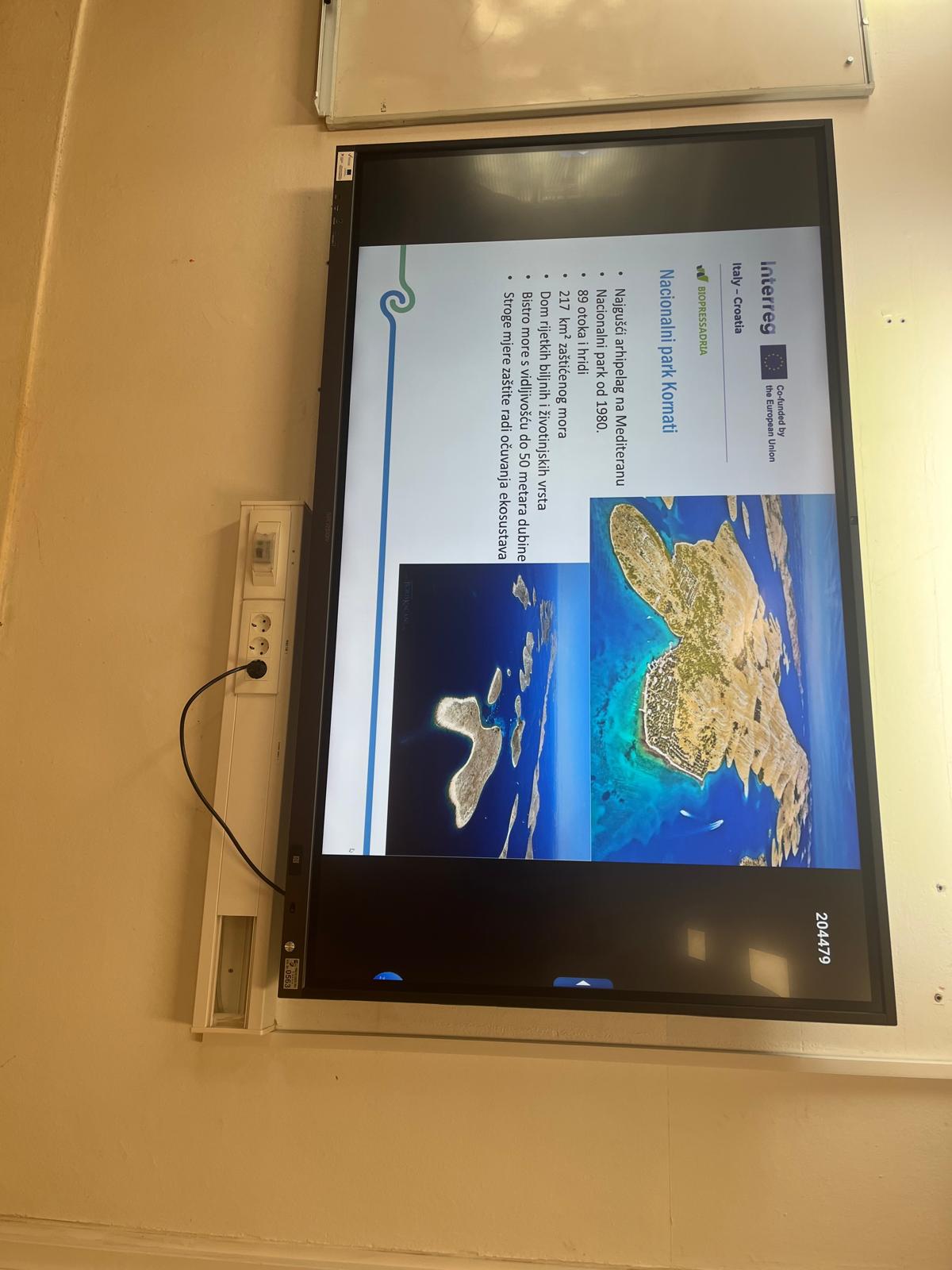
Last month, the BIOPRESSADRIA project was presented to students in Sibenik, Coratia, to raise awareness for the protection of Kornati’s marine ecosystems.
As part of the Eco Camp Kornati 2026 initiative, students from the Traffic and Technical School in Šibenik had the opportunity to learn about the importance of protecting one of the Adriatic Sea’s most valuable natural treasures: the marine ecosystems of Kornati National Park.
The presentation was organised within the framework of the BIOPRESSADRIA project and was integrated into the activities of Eco Camp Kornati, a project implemented by a local NGO in cooperation with diving clubs and Kornati National Park. The initiative aims to promote environmental awareness among young people and includes practical conservation activities, such as marine litter removal and coastal cleanups. This year, participating students helped clean Lojena Beach, one of the most visited locations in the Kornati archipelago.
The educational session focused on responsible behaviour in protected areas and highlighted the challenges faced by marine habitats in Kornati National Park. Special attention was given to the pilot actions being implemented through BIOPRESSADRIA in the bays of Lojena and Anica on Levernaka Island.
These bays host valuable Posidonia oceanica meadows, one of the most important marine habitats in the Mediterranean. Often referred to as the “green lungs” of the sea, Posidonia meadows provide oxygen, absorb carbon dioxide, stabilise sediments and offer shelter and breeding grounds for numerous marine species. Their conservation is therefore essential for maintaining biodiversity and ensuring the long-term health of coastal ecosystems.
During the presentation, students learned about the various pressures affecting these habitats, including marine litter, wastewater discharges, invasive species and the impacts of climate change. However, the discussion focused primarily on the damage caused by recreational boating and anchoring.
Kornati National Park welcomes around 20,000 vessels every year. During the peak summer season, an average of 200 boats enter the park daily, occasionally reaching 400 in a single day. Traditional anchoring can cause significant mechanical damage to Posidonia meadows by uprooting plants and degrading the seabed.
To address this issue, BIOPRESSADRIA supported the installation of eco-mooring buoys in the bays of Lojena and Anica. These innovative mooring systems allow boats to secure safely without dropping anchors onto sensitive seabed habitats, significantly reducing environmental impacts while maintaining access for visitors.
The presentation placed particular emphasis on the role of eco-mooring buoys as a practical solution for balancing sustainable tourism and marine conservation. Students were encouraged to understand how individual behaviour, both on land and at sea, can contribute to protecting fragile ecosystems and preserving natural heritage for future generations.
Beyond installing eco-buoys, Kornati National Park contributed its expertise to the technical evaluation of these systems, assessing their performance and durability over time. The knowledge gained from the pilot action will support the development of a technical guide and recommendations for future eco-buoy concessions in Croatia's coastal areas.
By engaging young people through initiatives such as Eco Camp Kornati, BIOPRESSADRIA demonstrates that effective marine conservation depends not only on innovative technical solutions, but also on education, awareness and active community involvement.
The students of Šibenik are therefore becoming important ambassadors for protecting the Adriatic Sea and the unique marine habitats of Kornati National Park.