
The final project training: eco-moorings
22/06/2026
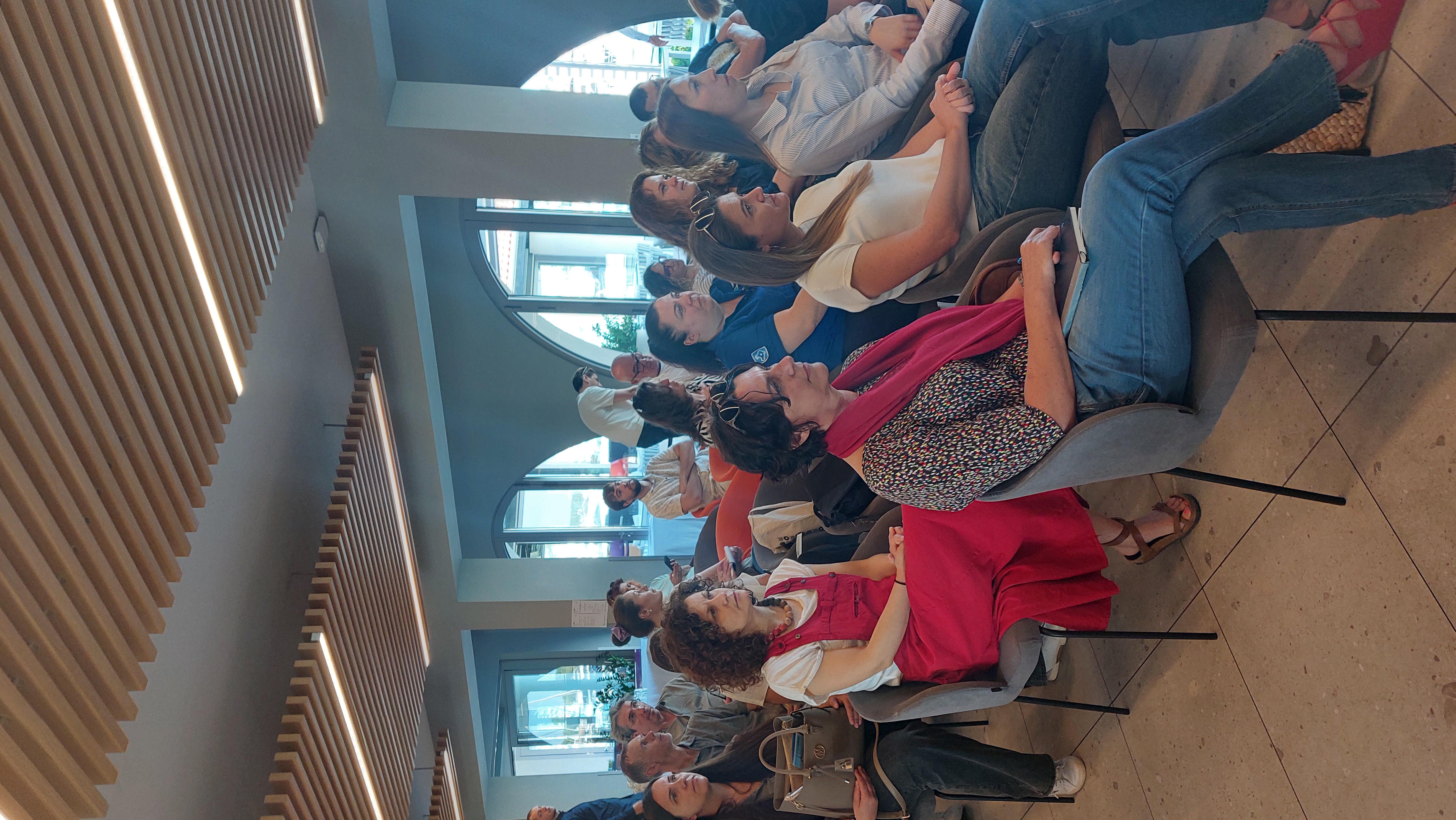
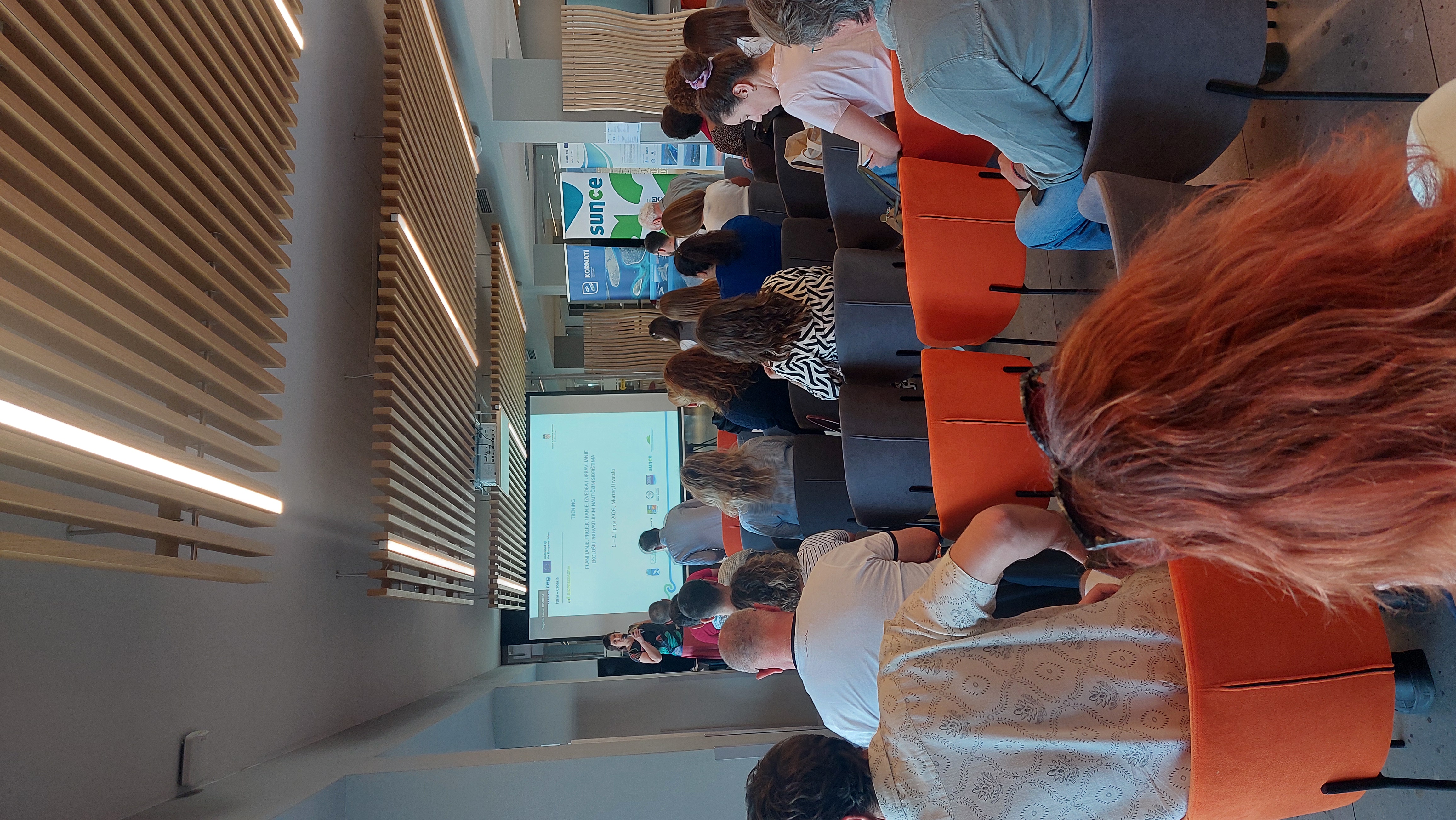
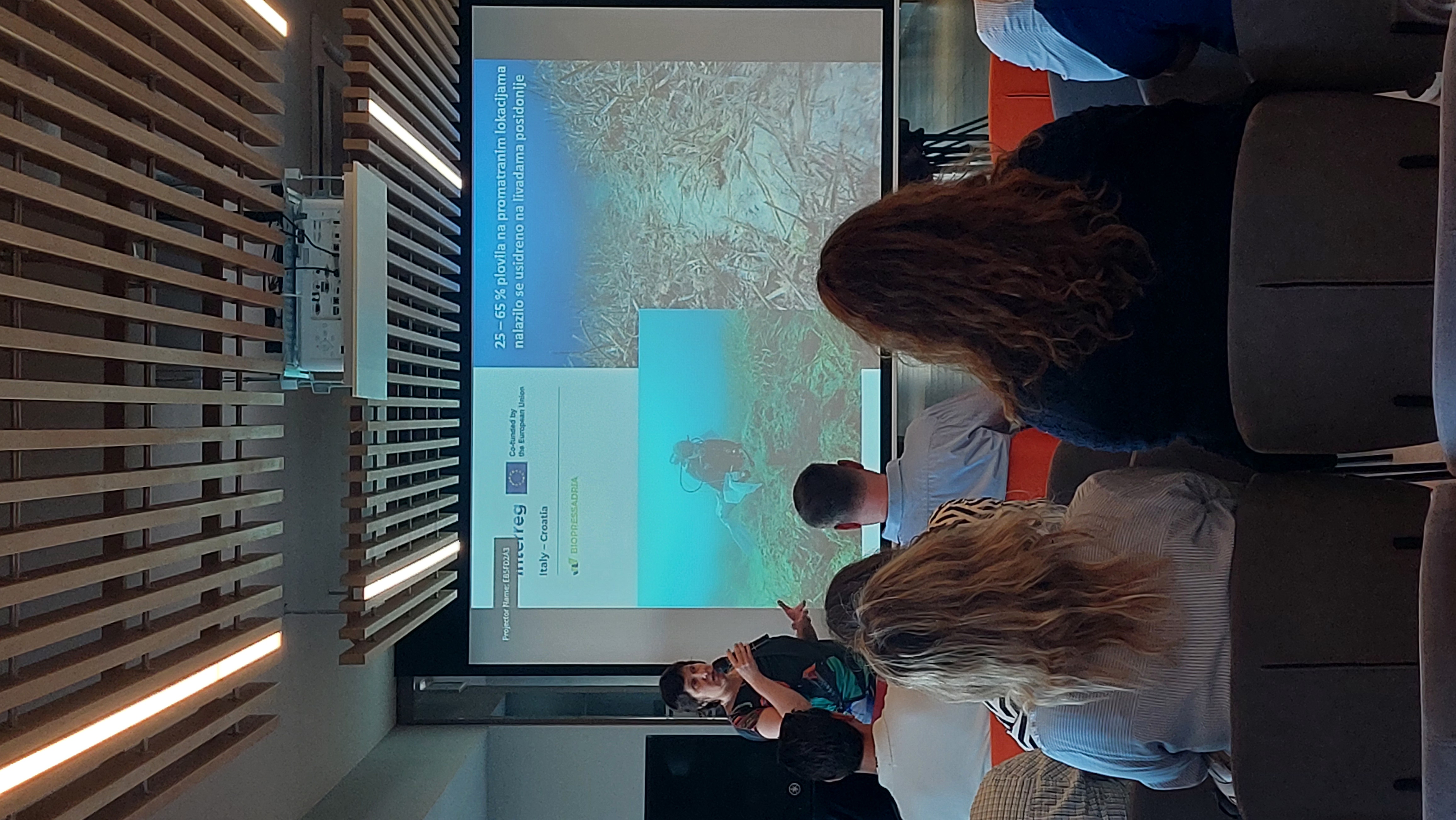
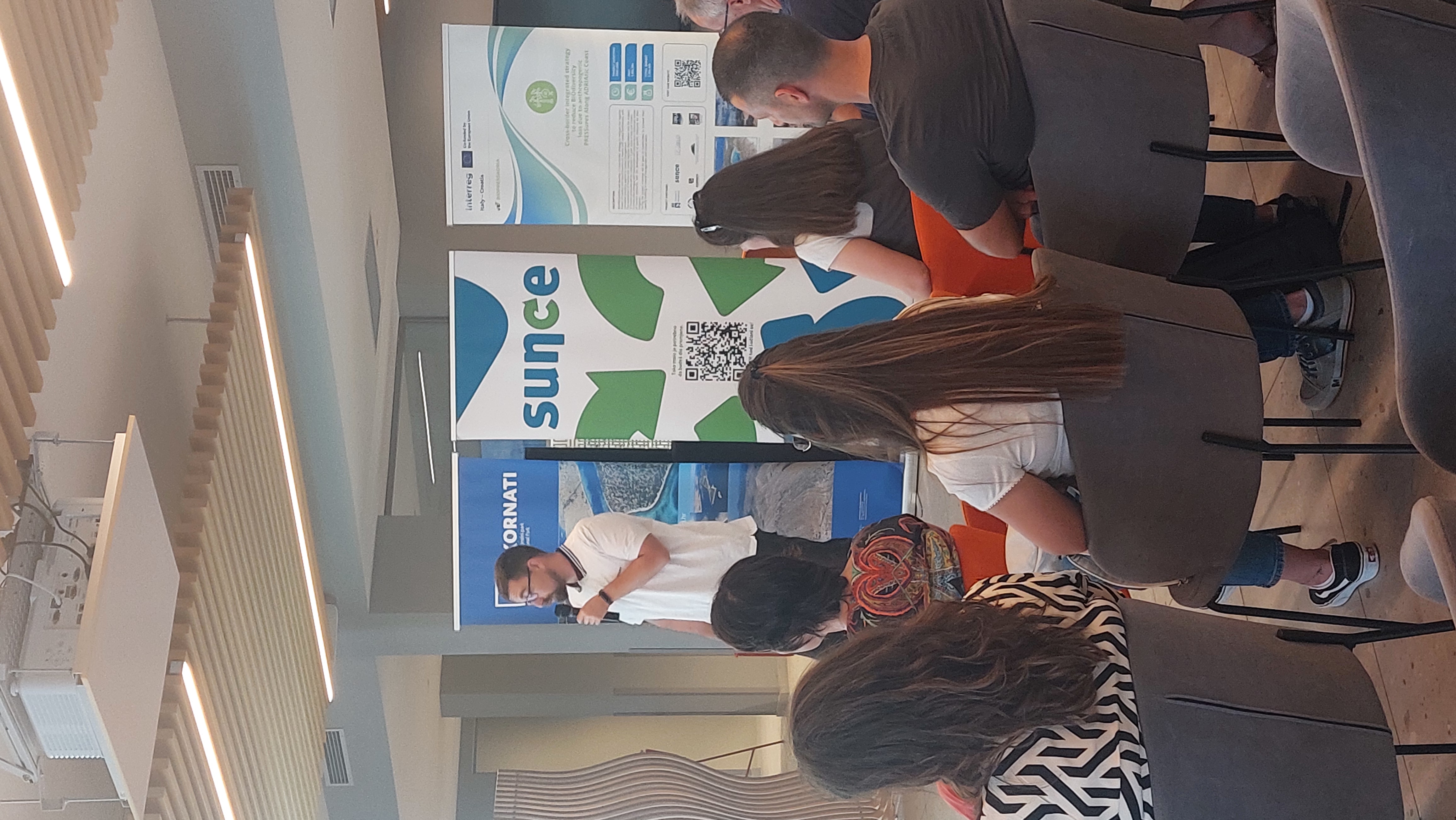
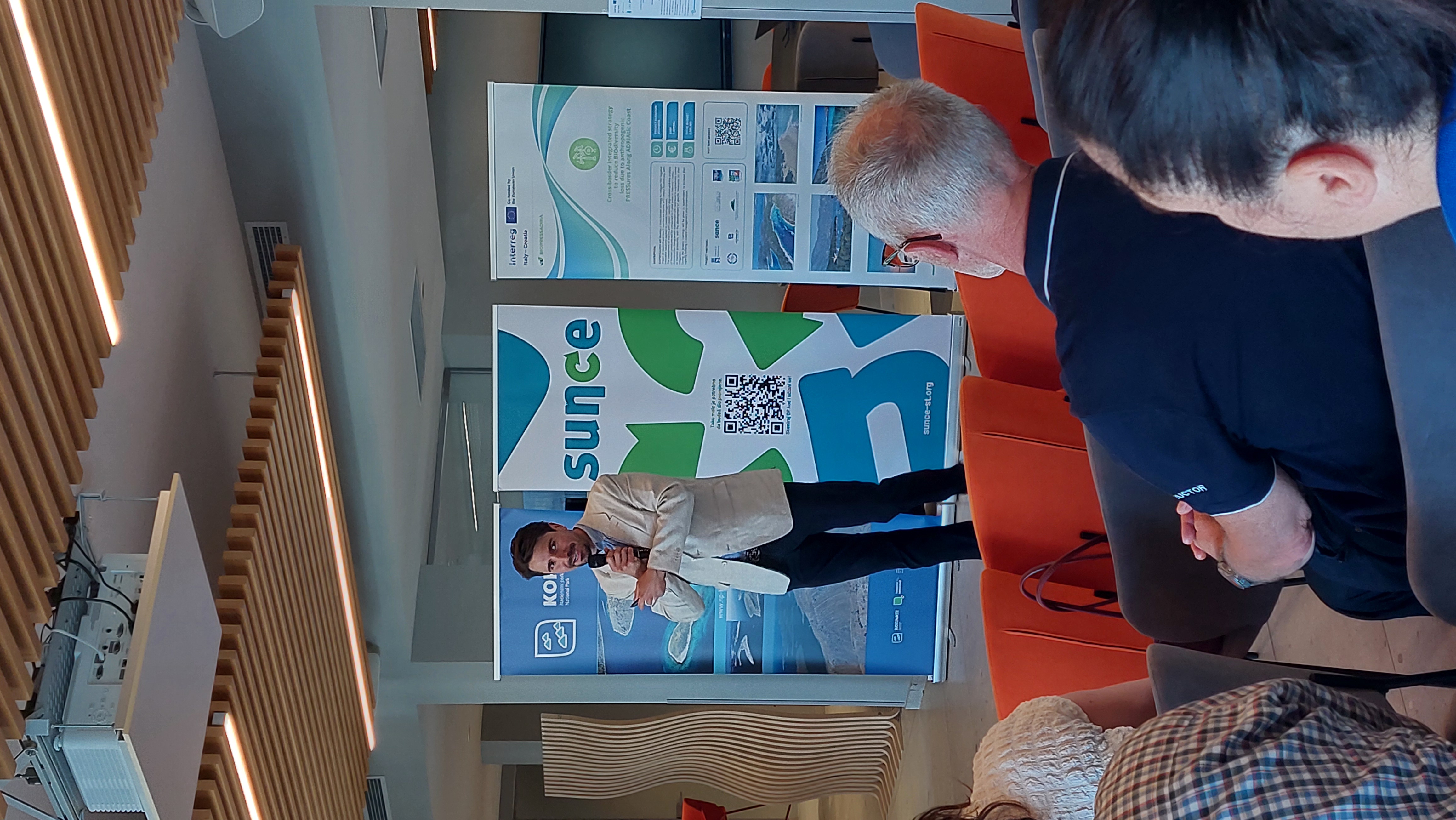
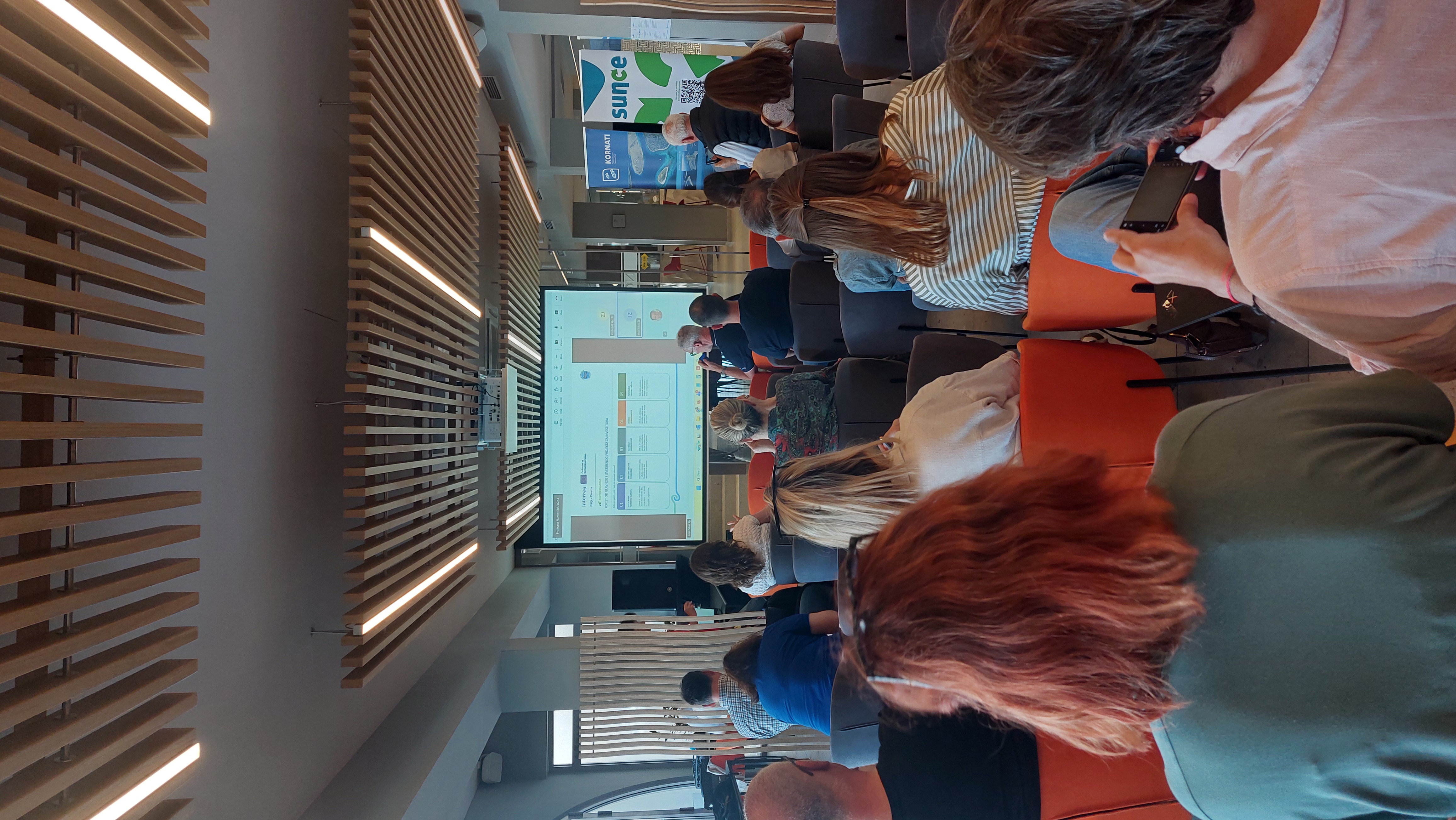
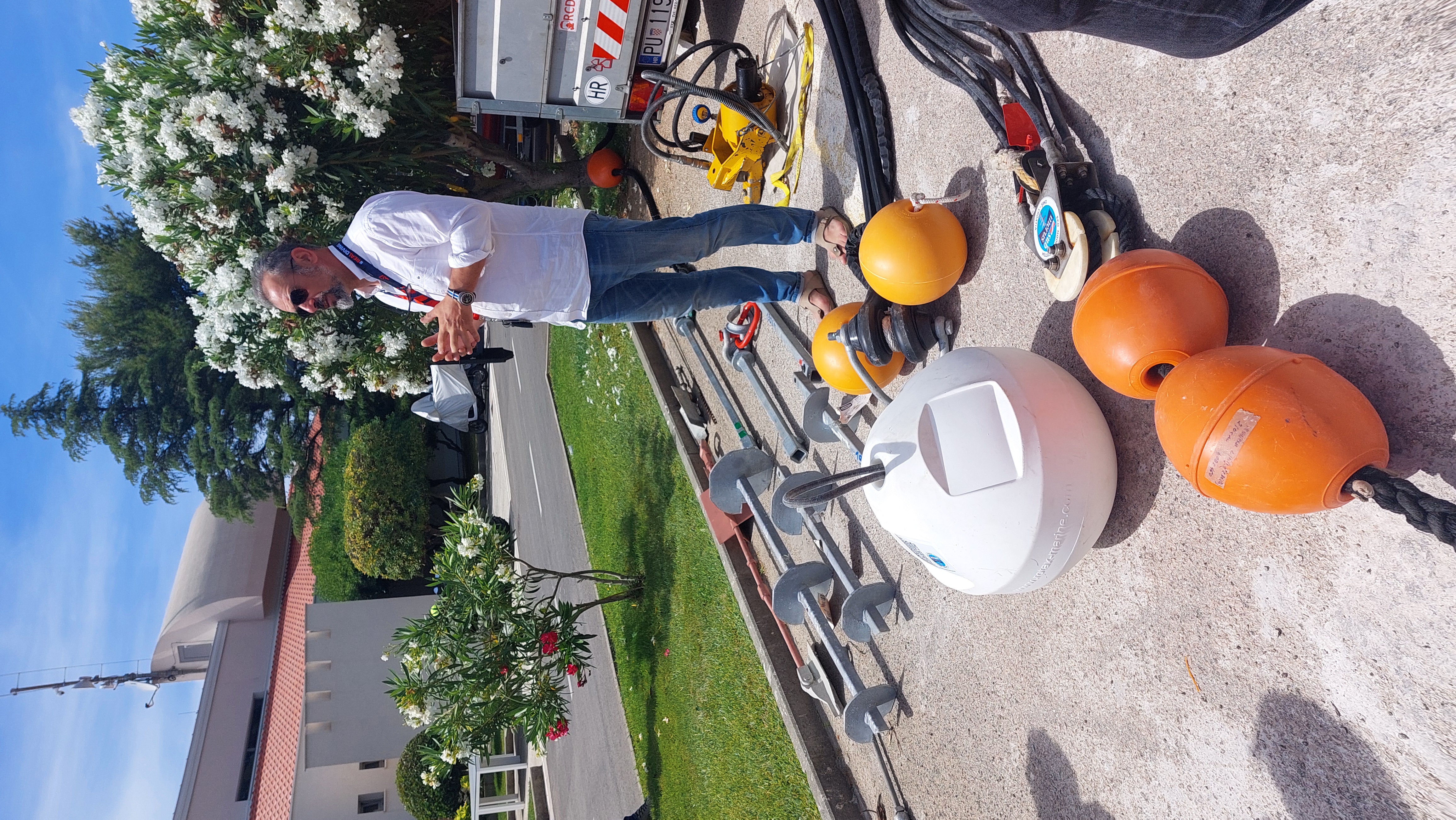
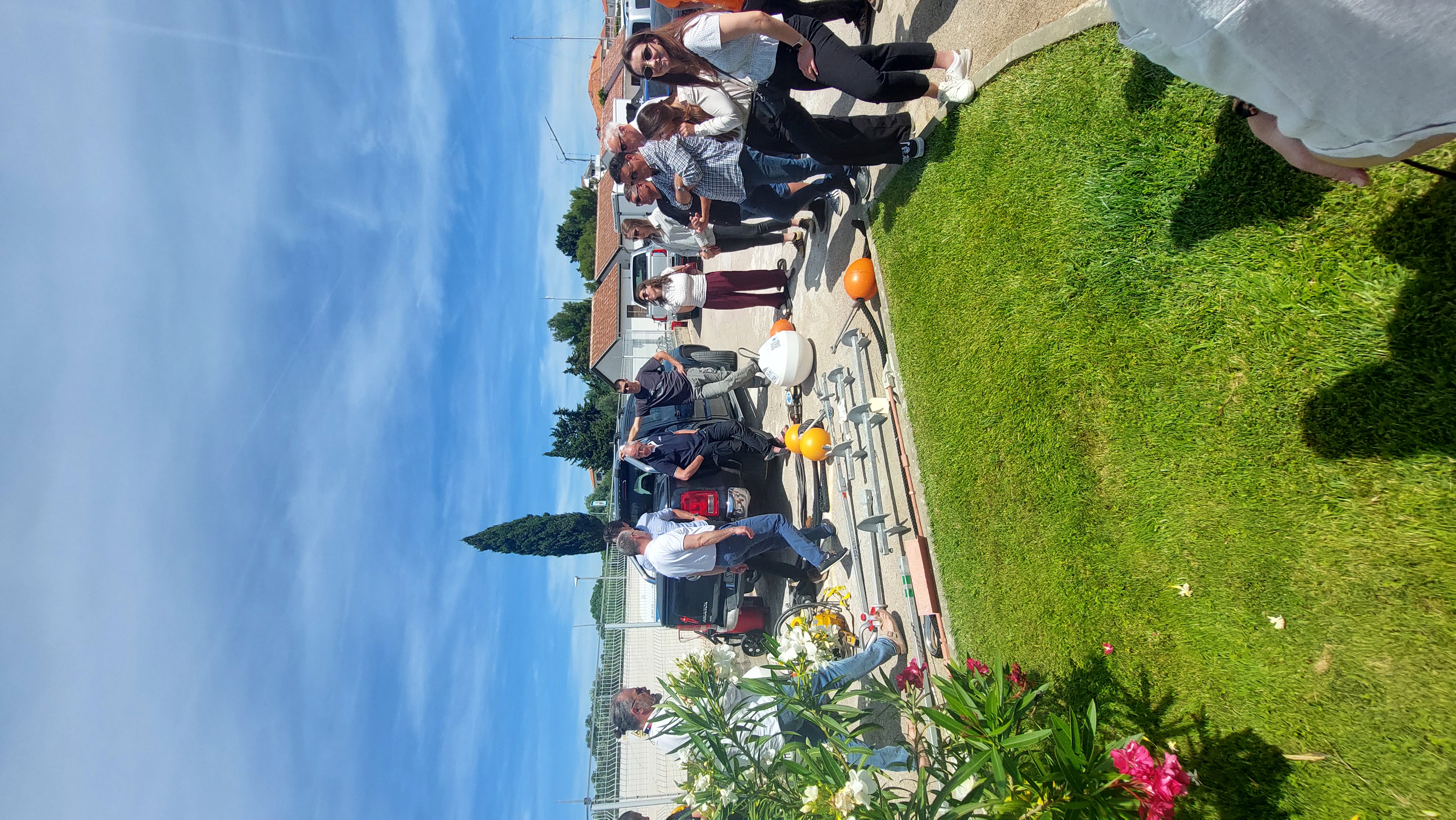
The BIOPRESSADRIA project has reached another significant milestone with the international training workshop “Planning, Designing, Executing and Managing Eco-Moorings”, held in Murter, Croatia, on 1–2 June 2026, and organised by the project partners, Kornati National Park and Sunce.
The two-day event marked the fifth international training activity delivered within the project, following successful courses in Porto Cesareo and Monfalcone (Italy), as well as Dubrovnik and Split (Croatia). Together, these initiatives are building a growing network of professionals committed to sustainable marine management, environmentally responsible boating practices, and promoting citizen science as a powerful tool for safeguarding the Adriatic Sea.
Why eco-moorings matter
Every summer, thousands of boats anchor along the Adriatic coast. While often considered harmless, traditional anchoring systems and uncontrolled mooring can cause severe damage to sensitive marine habitats, especially the precious Posidonia oceanica seagrass meadows.
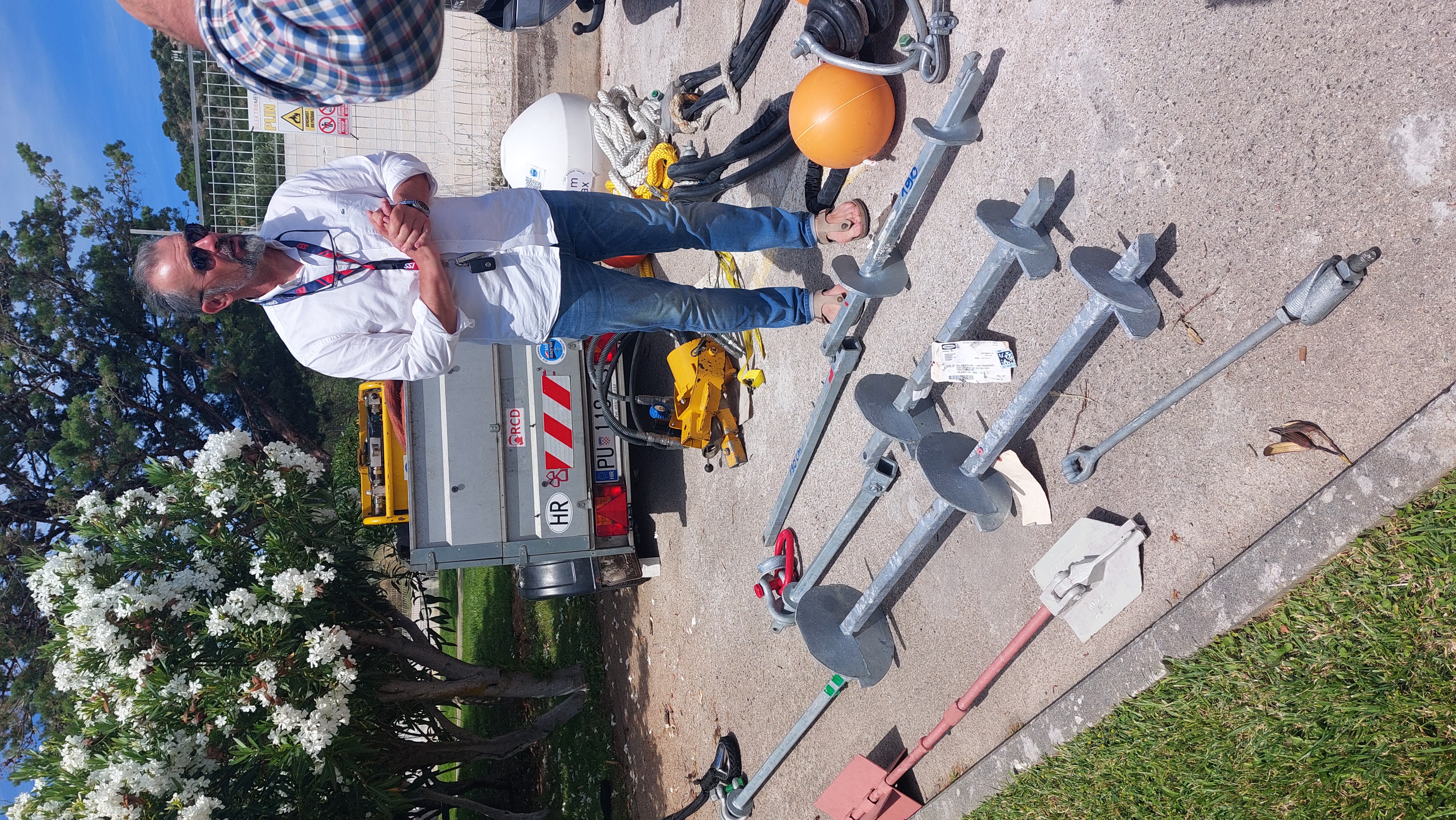
Often referred to as the “lungs of the Mediterranean,” Posidonia meadows produce oxygen, store carbon, stabilise seabeds, and provide shelter and nursery grounds for countless marine organisms. Once damaged, these ecosystems can take decades to recover. Eco-moorings offer a practical and effective solution. Designed to secure vessels while minimising impacts on the seabed, these innovative systems use advanced geotechnical anchors installed with minimal disturbance to marine habitats, avoiding the destructive footprint of traditional concrete blocks and dragging anchors.
Learning to Protect the Sea
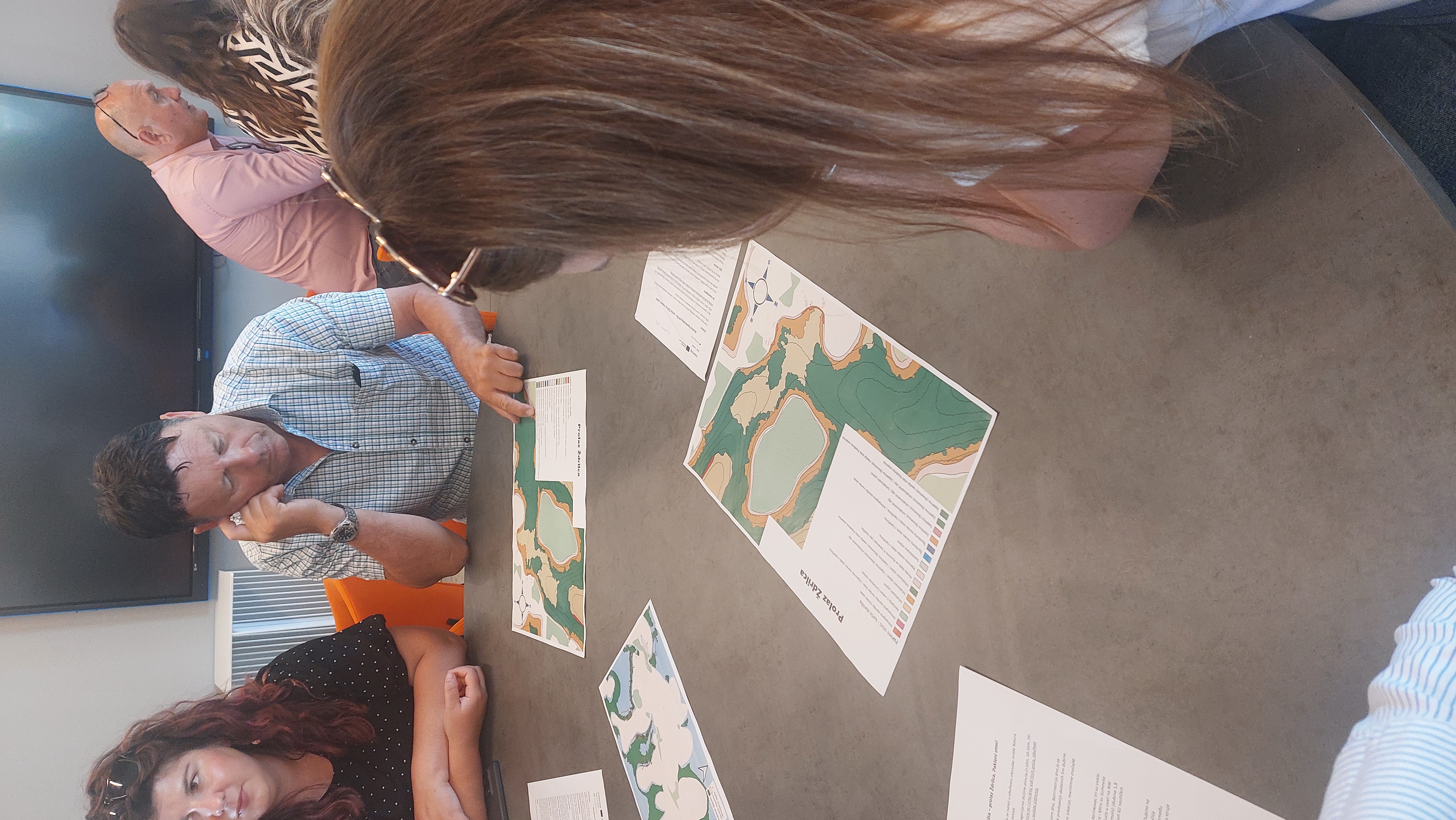
The Murter training brought together representatives from government institutions, protected area managers, engineers, concessionaires, and marine conservation professionals, all sharing a common goal: making nautical tourism more sustainable. Participants explored every stage of eco-mooring development, from seabed surveys and habitat assessments to the selection of suitable anchoring technologies, installation procedures, long-term maintenance, and effective management strategies. Experts emphasised that successful eco-mooring projects begin with a thorough understanding of the marine environment. Careful seabed mapping and site-specific design are essential to ensure that mooring systems remain safe for boaters while preserving the ecological integrity of the surrounding waters.
Kornati National Park: A Pioneer in Marine Conservation
Kornati National Park has been at the forefront of environmentally friendly mooring solutions in Croatia. Recognising the threats posed by uncontrolled anchoring, the park began implementing eco-mooring projects in 2021 to protect its exceptionally rich marine habitats. Its commitment demonstrates that protecting marine biodiversity and supporting responsible recreational boating are not conflicting objectives, but complementary ones.
Every eco-mooring installed, every habitat protected, and every professional trained represents another step toward a more resilient and sustainable Adriatic Sea for future generations.