
Keys to a successful implementation of ecological moorings across the Adriatic region
03/06/2026
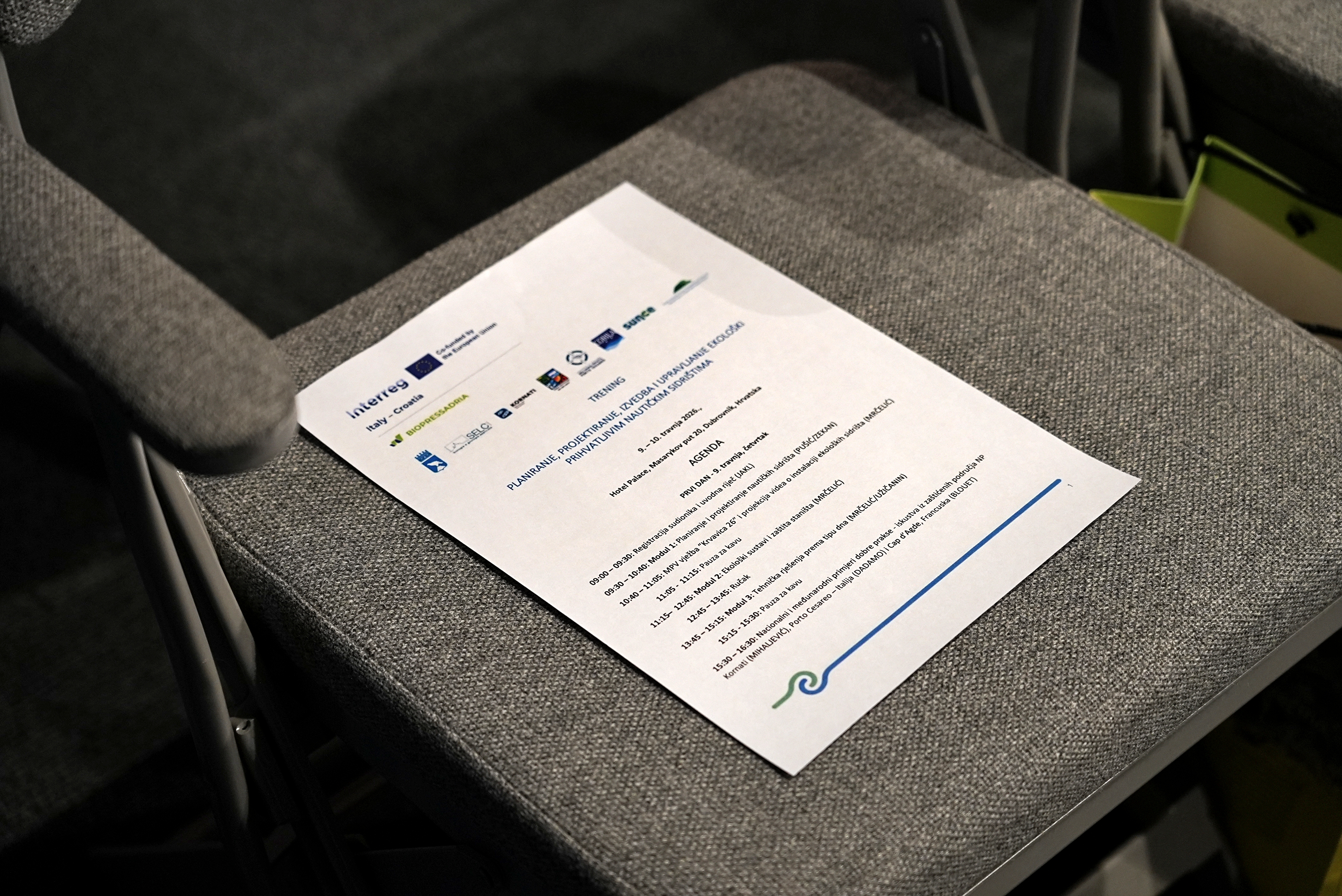
Following the training activities carried out in Italy between 2025 and early 2026 in Porto Cesareo and Monfalcone, the BIOPRESSADRIA project continued on the Croatian side of the Adriatic with the Dubrovnik training held in April 2026, the Split training held in May and the Murter training in June. The event held in Dubrovnik marked the first in a series of international, cross-border training sessions on the Croatian side of the project, aimed at strengthening cooperation and expertise across the Adriatic region.
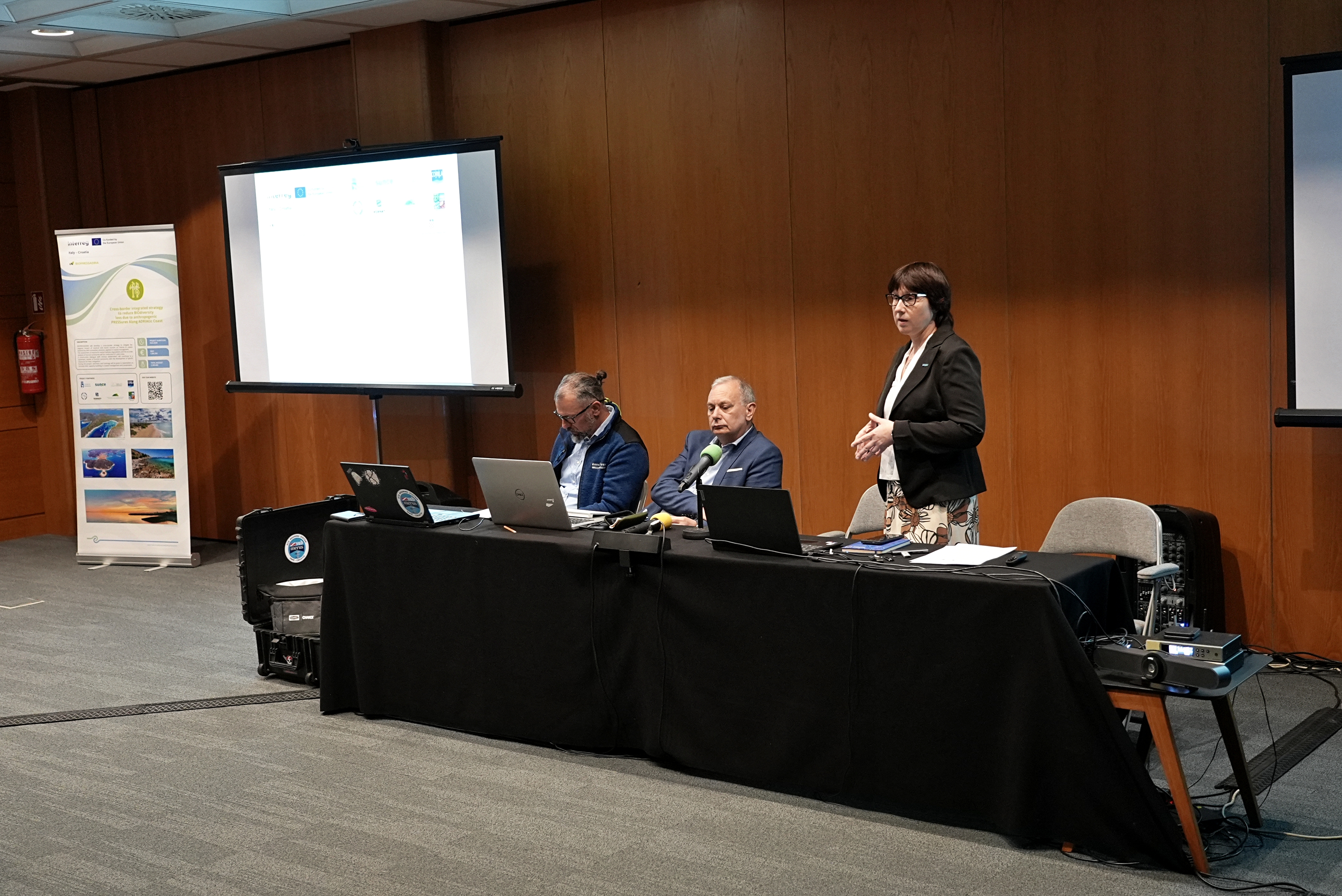
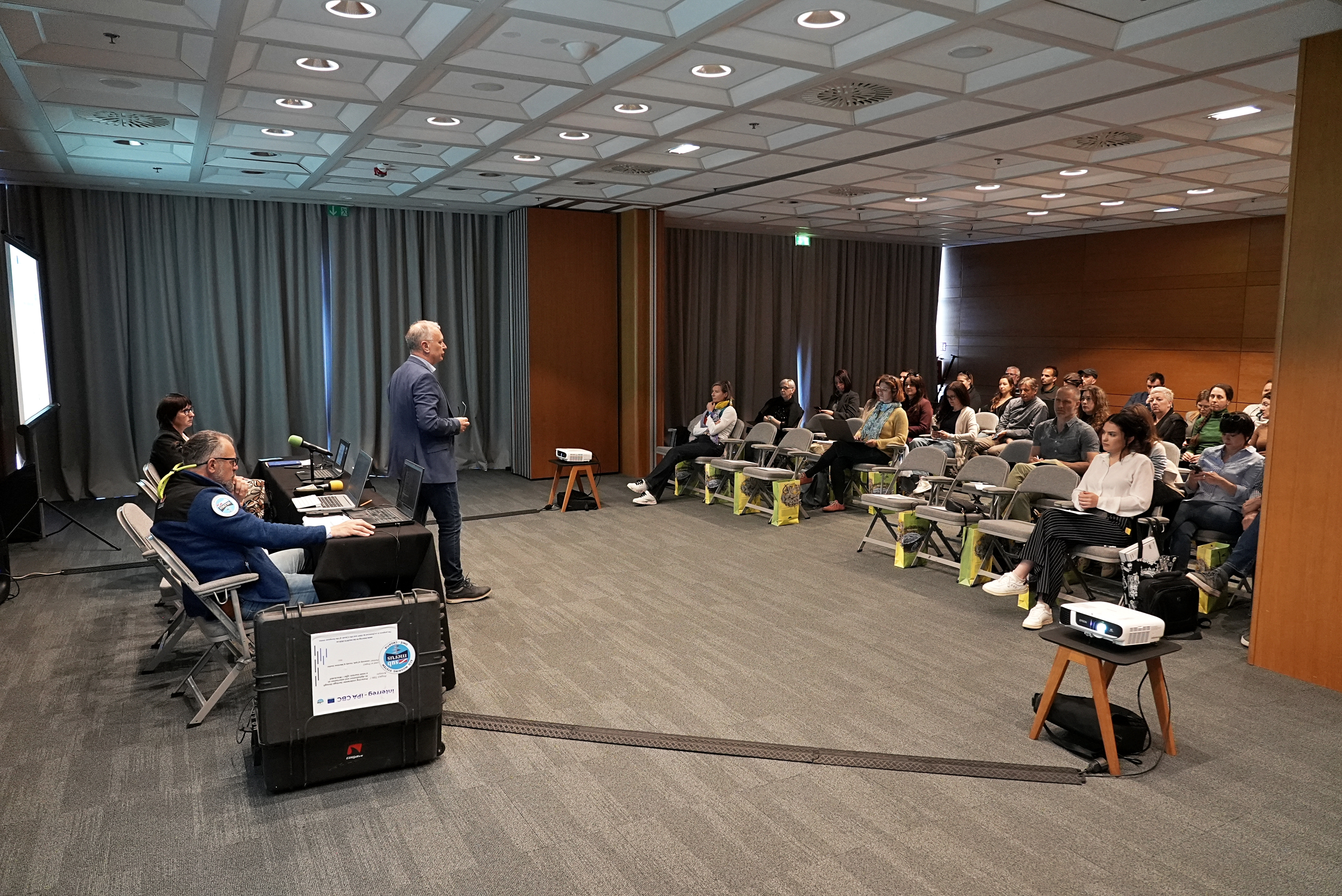
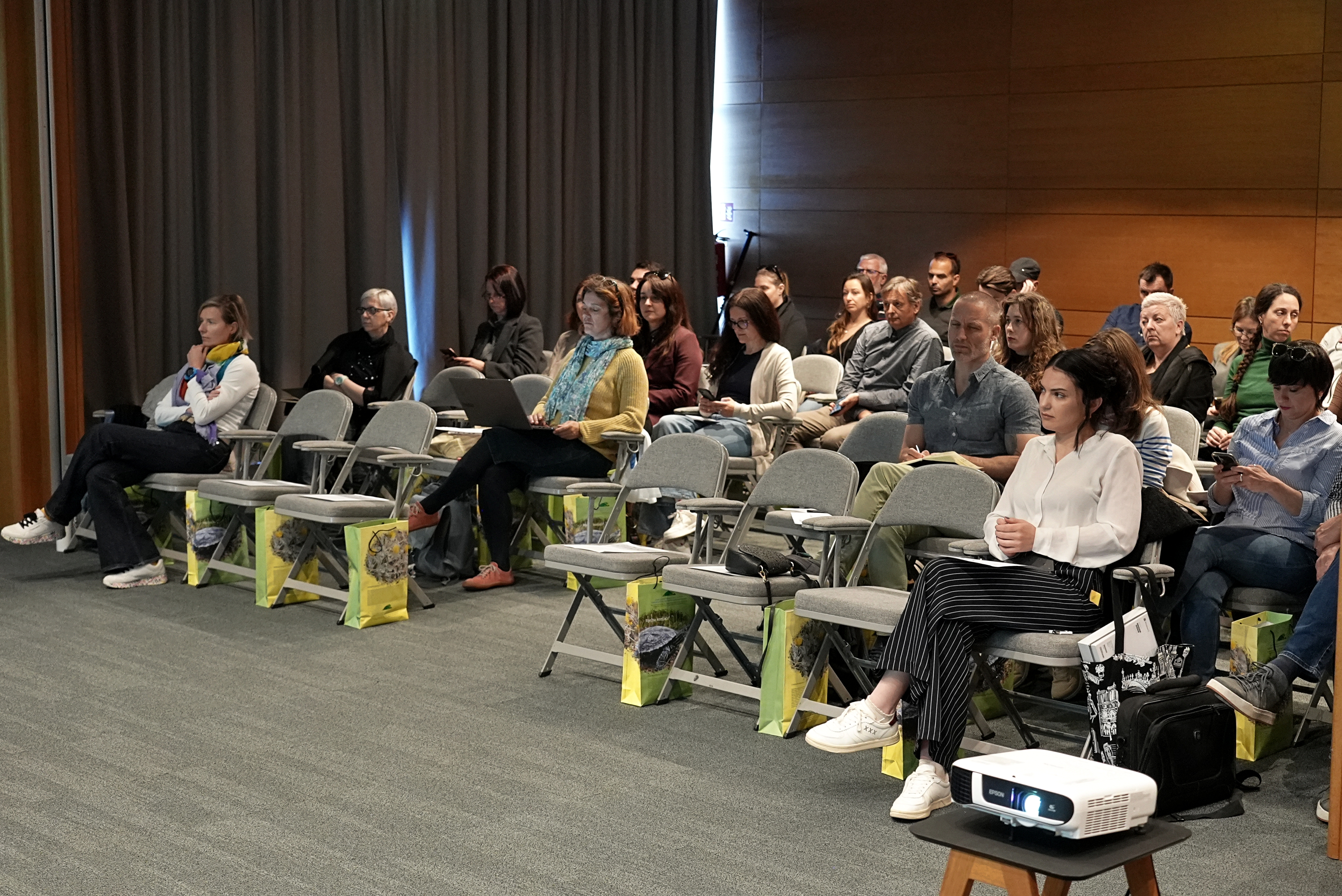
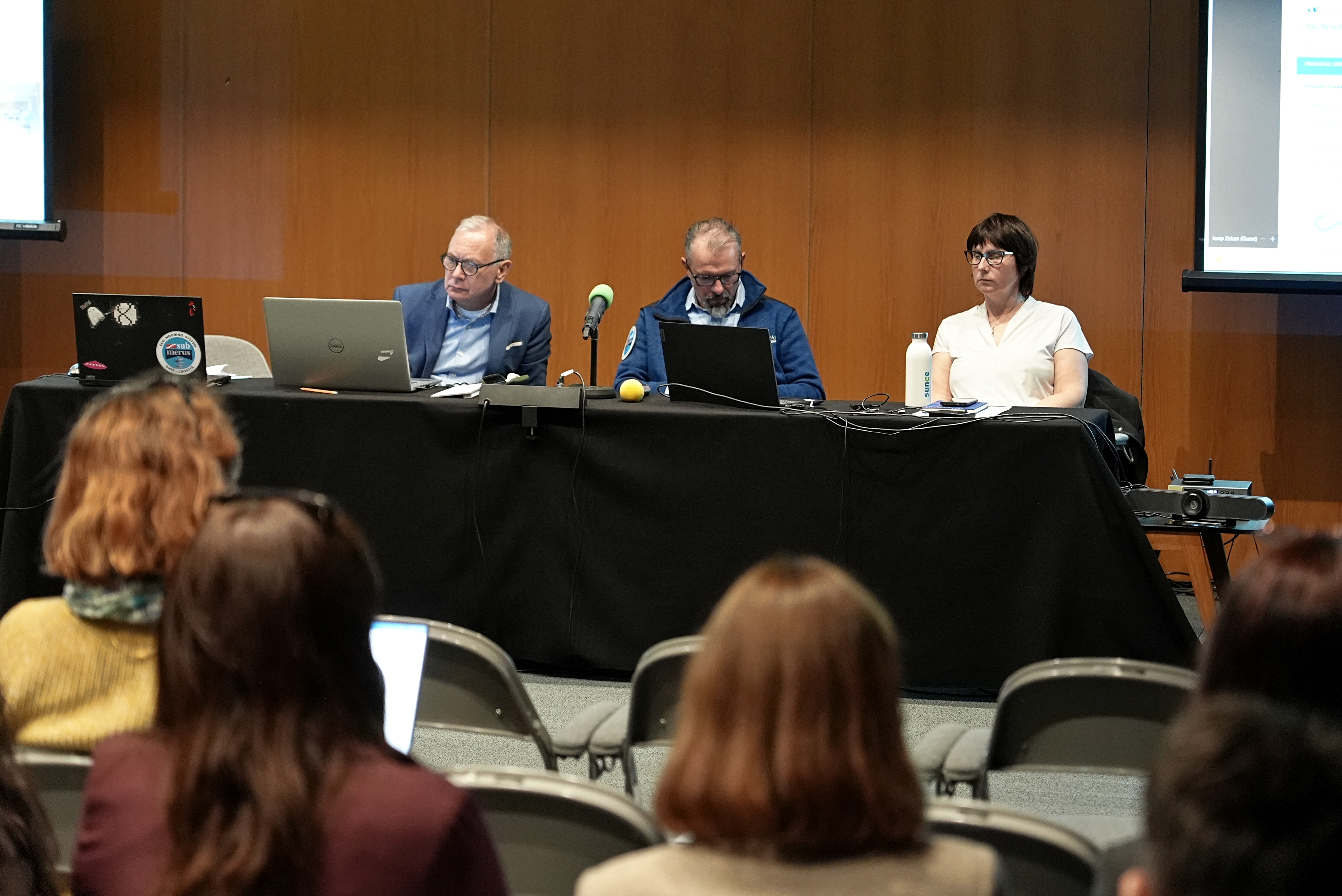
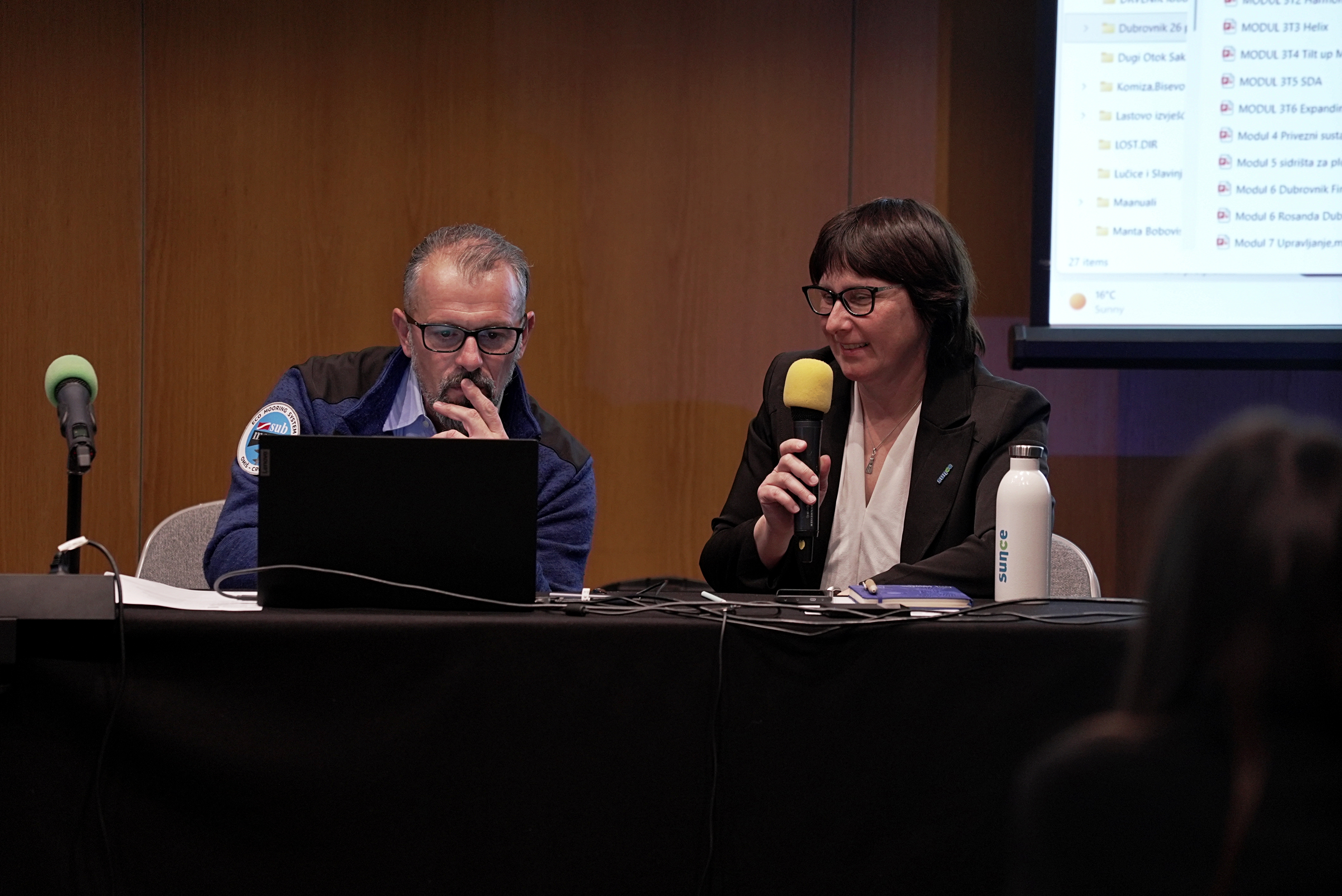
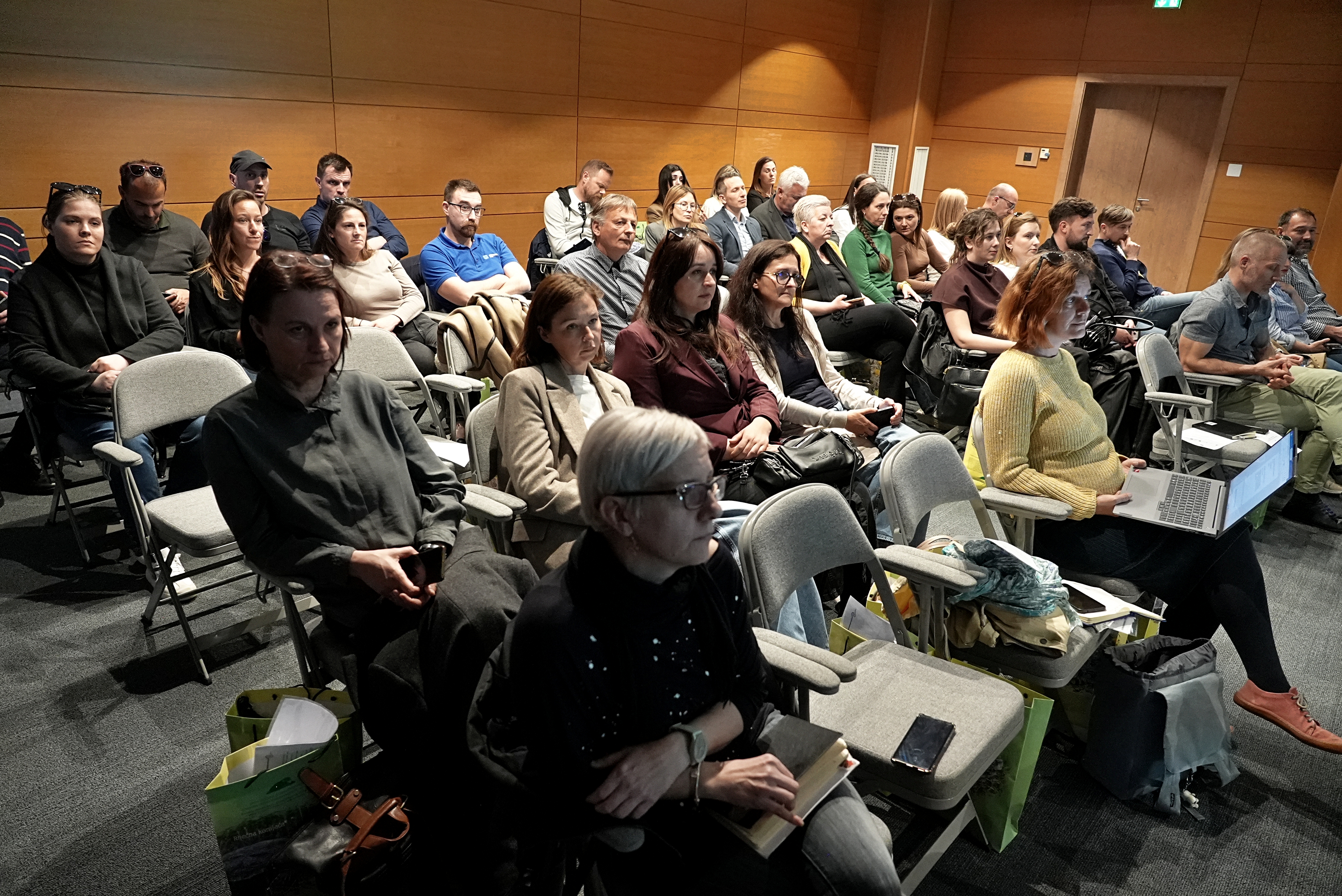
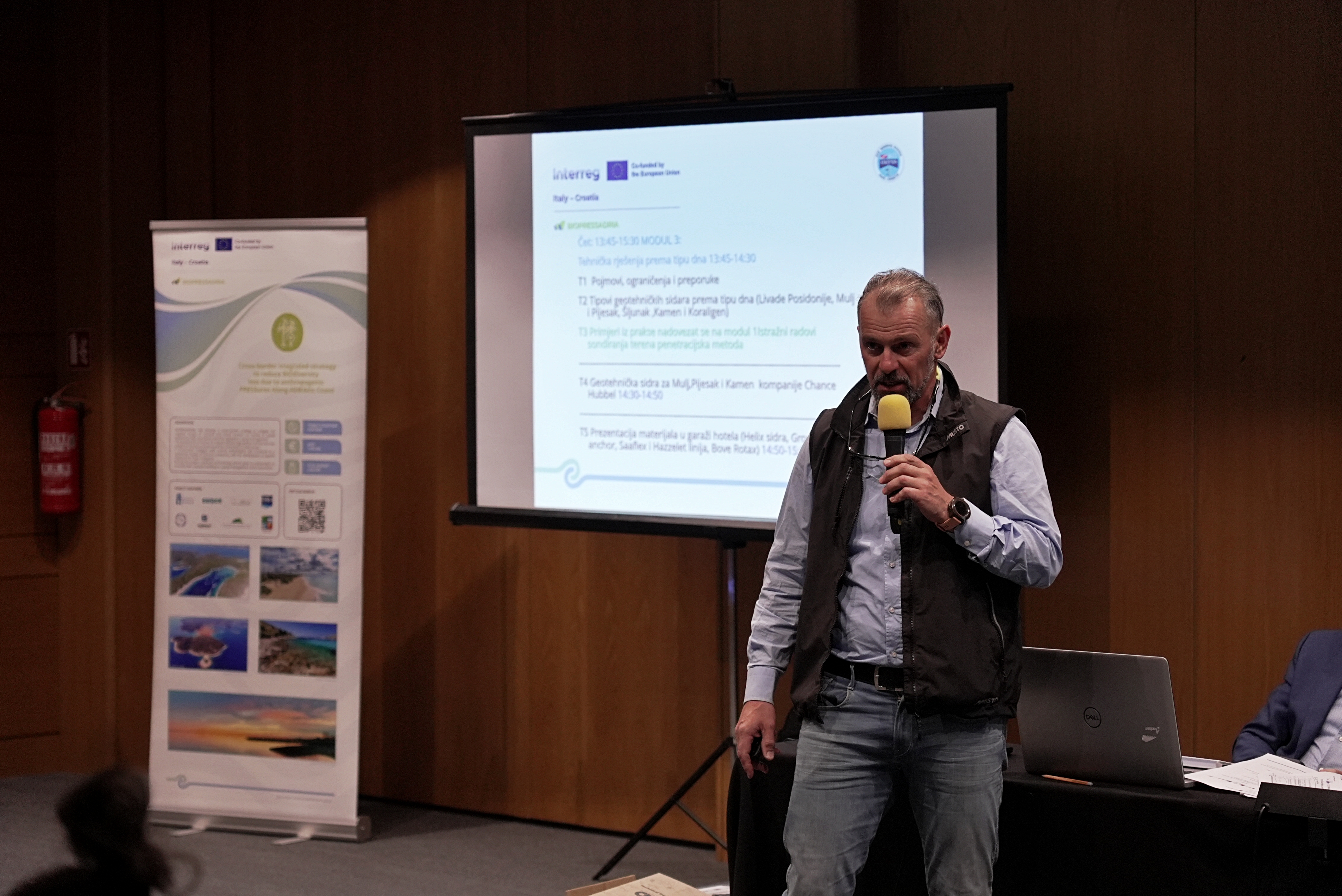
The two-day training, hosted and in Dubrovnik by the project partner Public Institution for the Management of Protected Natural Areas of Dubrovnik-Neretva County and co-organised with the BIOPRESSADRIA project partner Sunce - Association for Nature, Environment and Sustainable Development, brought together concessionaires, port authorities, public institutions, ministries, investors, and maritime and environmental experts, all working toward a common goal: improving the sustainable development and management of nautical anchorages. Participants exchanged practical experiences, analysed case studies, and benefited from peer-learning opportunities that connected technical knowledge with real-world applications.
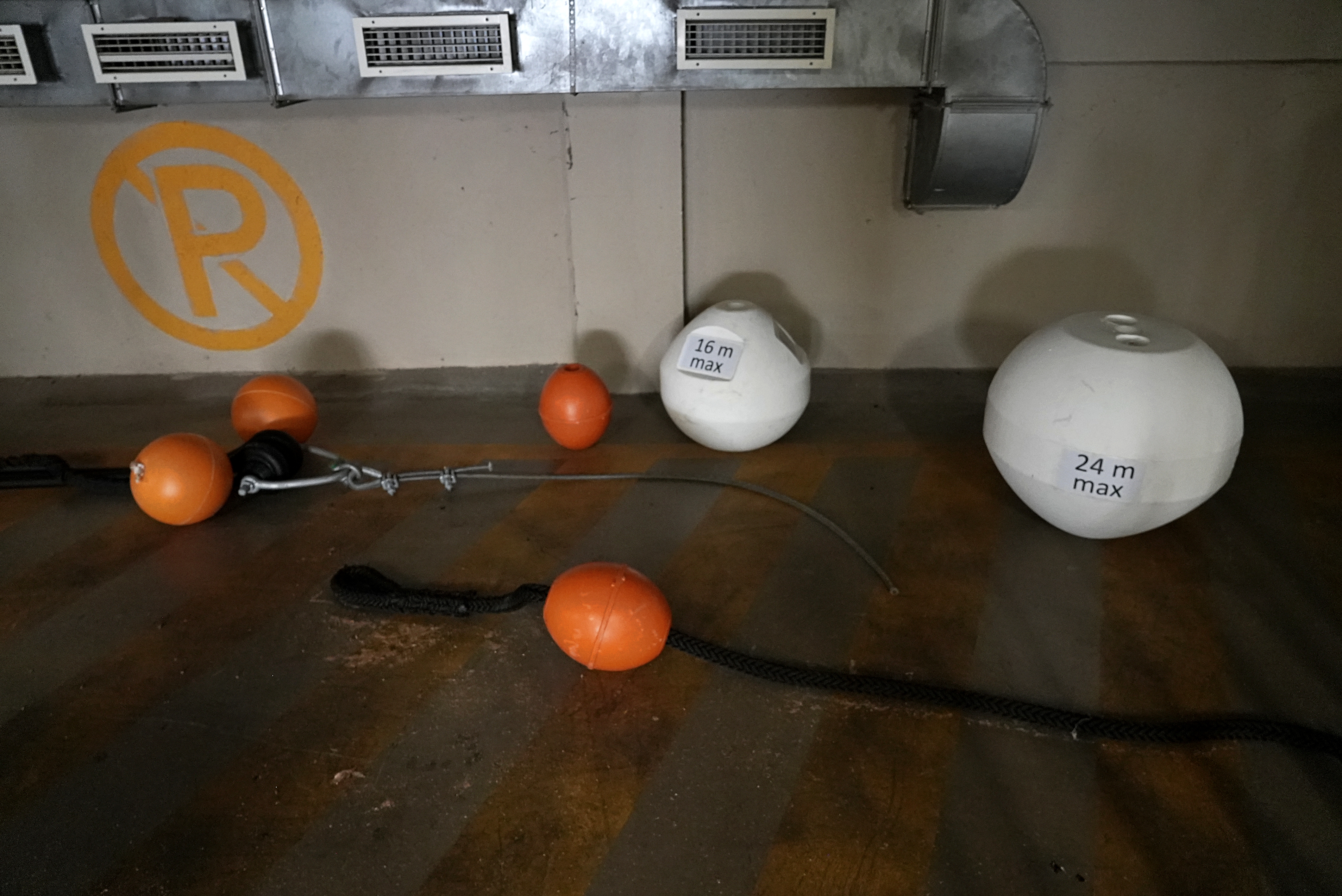
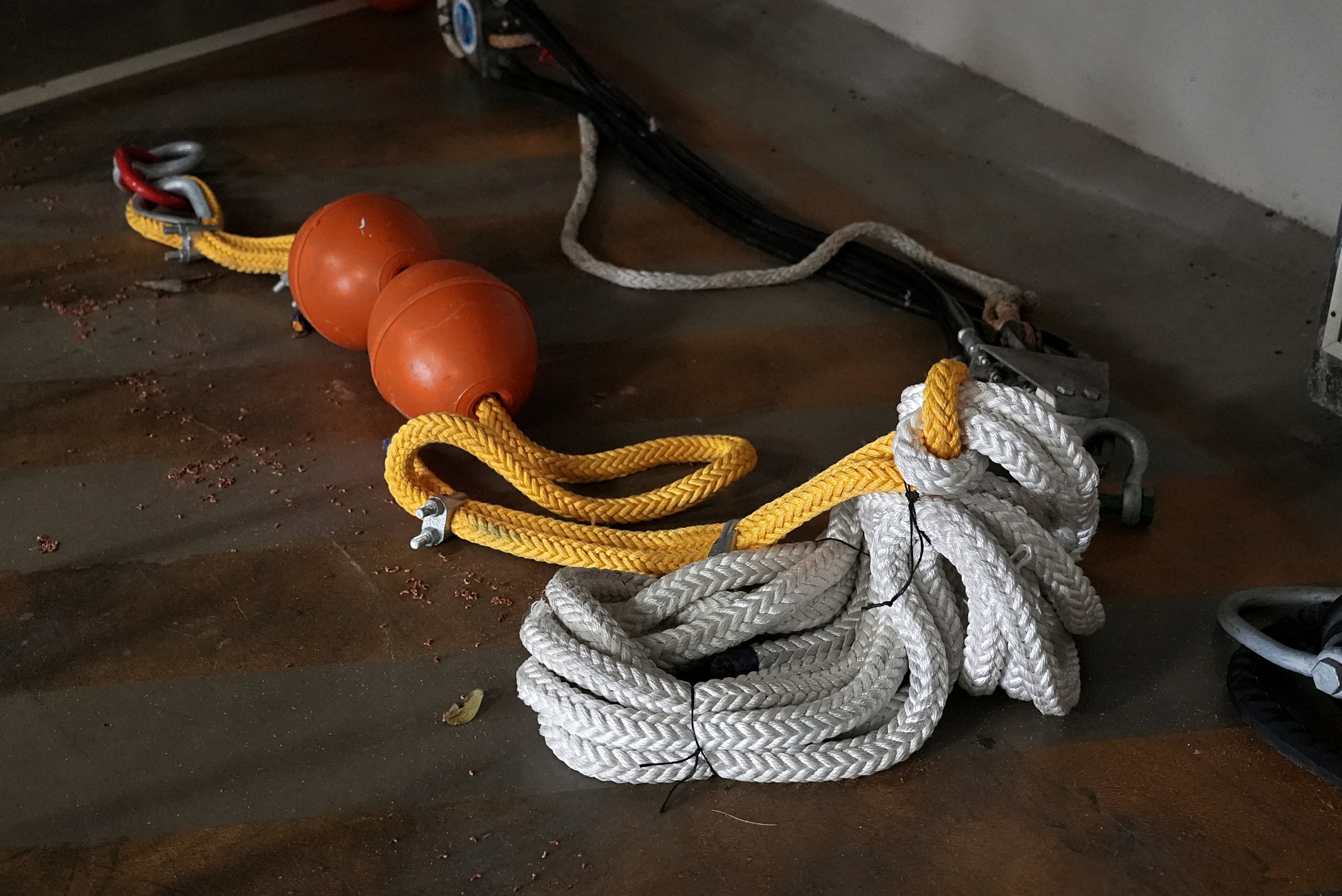
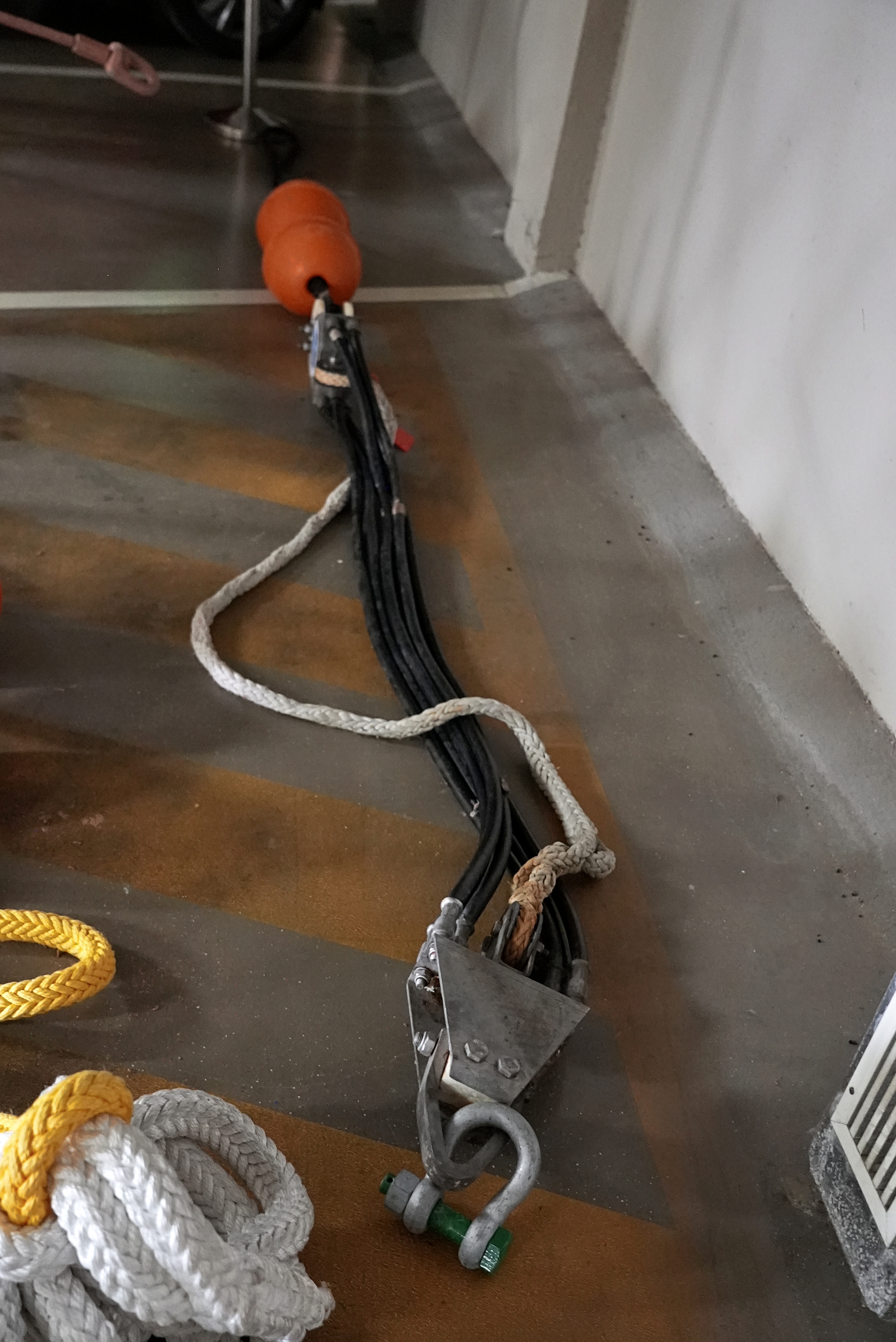
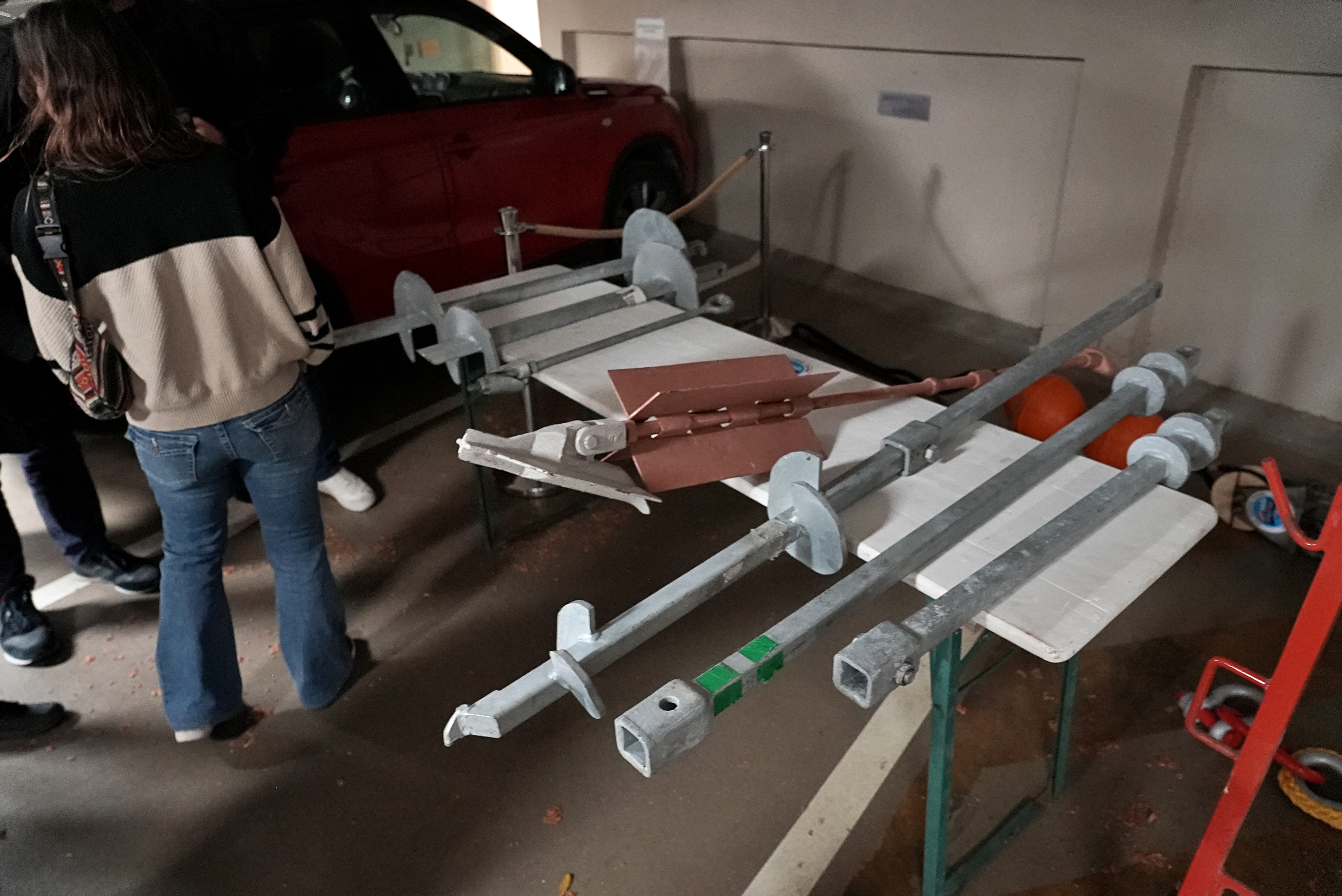
A central focus of the training was the promotion of environmentally friendly anchoring systems designed to protect sensitive marine habitats, particularly Posidonia seagrass meadows. Research presented within the BIOPRESSADRIA project highlighted the significant pressure caused by traditional anchoring practices, with a large proportion of vessels in some Adriatic destinations anchoring directly on Posidonia habitats. Experts emphasised and stressed that ecological mooring systems, based on modern geotechnical anchors and floating mooring lines, can significantly reduce seabed damage while maintaining high safety standards.
The training also provided in-depth insights into the entire lifecycle of nautical anchorages, including site selection, planning, technical design, installation, management, monitoring, maintenance, and long-term economic sustainability. Speakers stressed that, thanks to seabed surveys, the use of quality materials, and installation by certified professionals, it is essential to ensure both environmental protection and reliable infrastructure.
Through presentations, technical demonstrations, and collaborative workshops, participants explored how sustainable anchorage solutions can balance the growth of nautical leisure tourism with the preservation of marine ecosystems. The Dubrovnik training confirmed that education, knowledge exchange, and the adoption of best practices are key to the successful implementation of ecological moorings across the Adriatic region.