Amap Marche hosted the event about the Adriatic cooperation for the energy transition of fisheries and aquaculture
28/05/2026
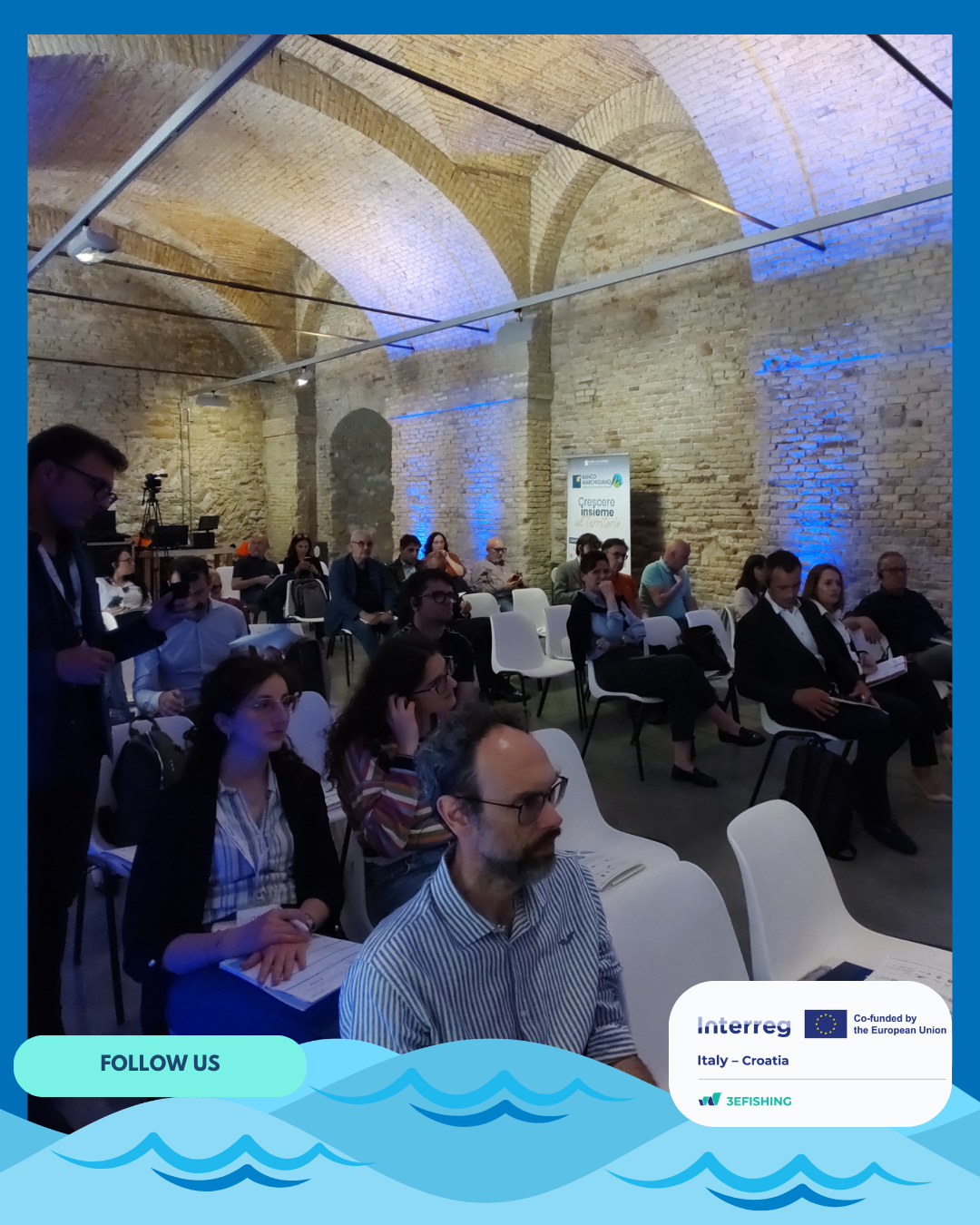
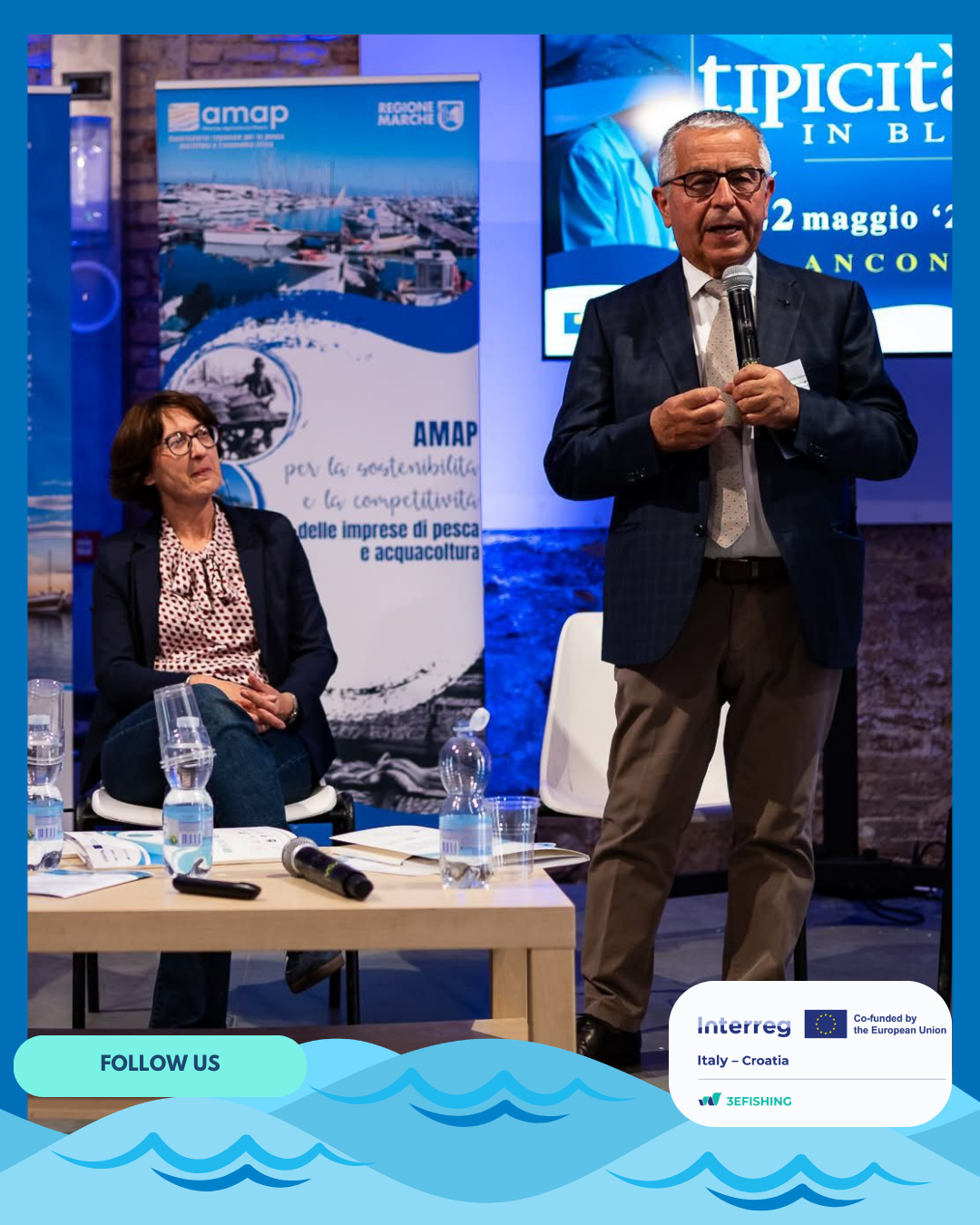
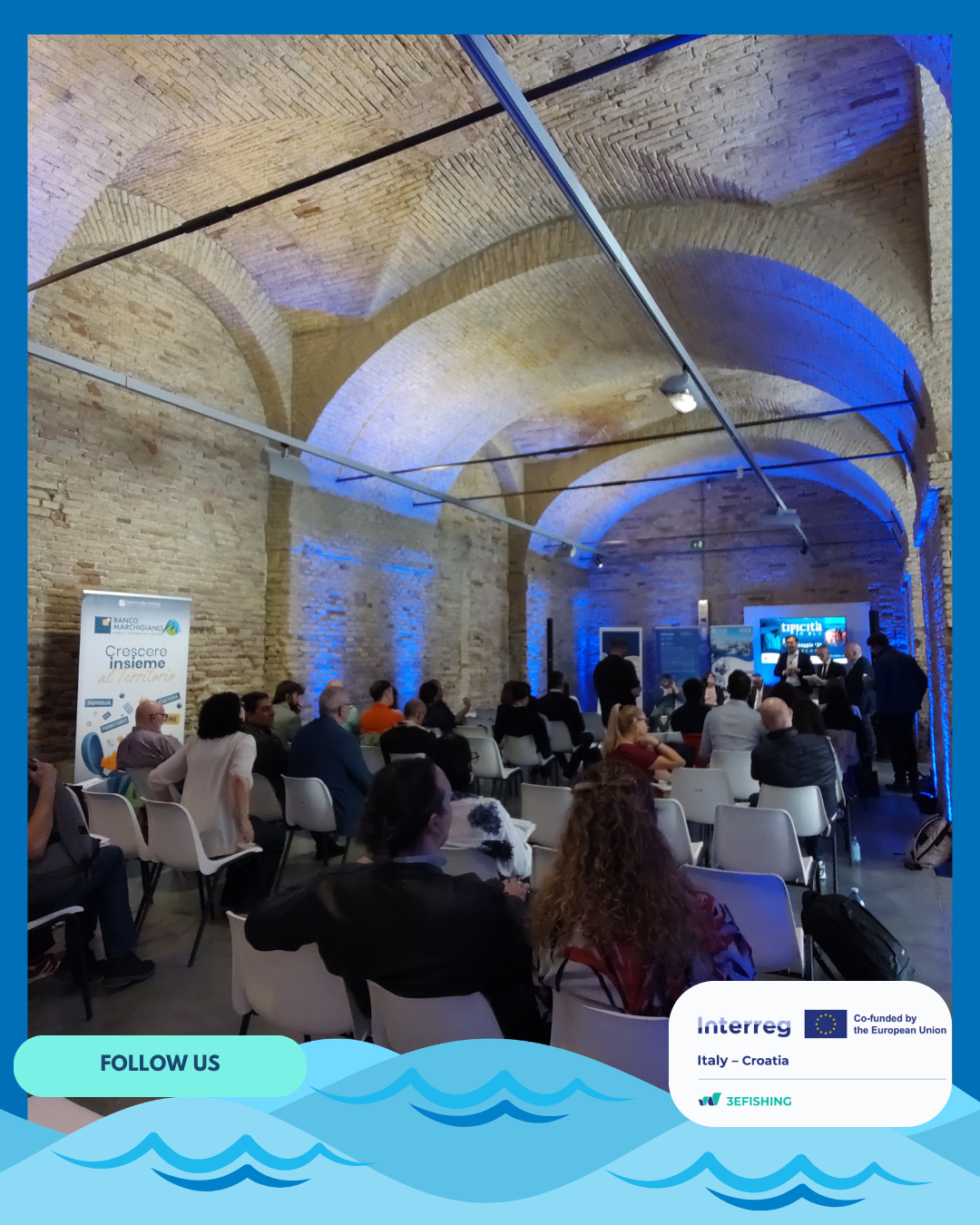
On Thursday, 21 May 2026, the workshop “The innovations of the 3EFISHING project – Towards the decarbonisation of the fisheries and aquaculture sector” was held at the Mole Vanvitelliana in Ancona, as part of the Tipicità in Blu initiative.
Organised by AMAP, the event brought together institutions, research organisations, businesses, fishers, aquaculture operators, and Italian and Croatian stakeholders to discuss innovation, sustainability, and the future of the blue economy in the Adriatic area.
The workshop about 3EFISHING project
The 3EFISHING project, coordinated by the University of Bologna - Alma Mater Studiorum and funded by the Interreg Italy–Croatia 2021–2027 Programme, promotes the energy transition of the fisheries and aquaculture sectors through the study and testing of hybrid and electric technologies. The project follows a “triple-E” approach: electric technologies, environmental quality, and economic sustainability.
The workshop opened with institutional greetings from Renato Frontini, President of AMAP, together with representatives of the Marche Region and the Ministry of Agriculture and Fisheries of the Republic of Croatia. The University of Bologna then presented the overall framework of the project and its objectives.
Sharing the results of the project with stakeholders and partners
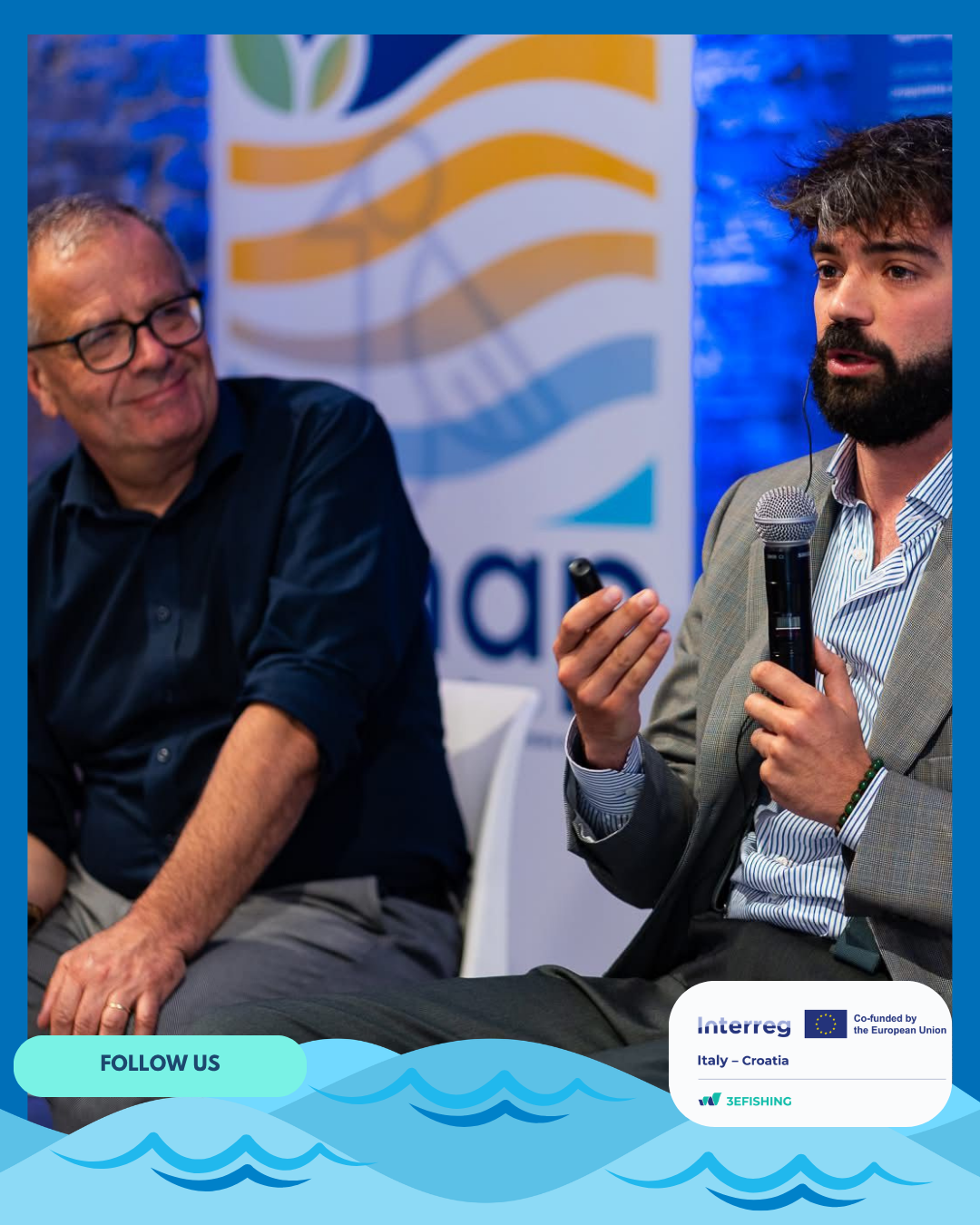
During the meeting, the first results of 3EFISHING activities were shared, with a focus on the technical challenges linked to vessel electrification, the operational feasibility of hybrid and electric propulsion systems, and the financial tools that may support the ecological transition of the sector.
A key part of the discussion concerned the direct involvement of fisheries and aquaculture operators from Marche, Puglia, and Croatia. Through engagement activities and data collection, the project is assessing the needs of operators, the characteristics of vessels, and the opportunities and concerns connected to the introduction of new propulsion technologies.
The external contributions
The workshop also hosted contributions from external projects and research bodies. RINA Consulting presented the REFEST project, focused on retrofitting and technological integration for more efficient vessels, while CNR IRBIM introduced the DecarbonyT project, highlighting possible pathways for decarbonising Mediterranean fisheries.
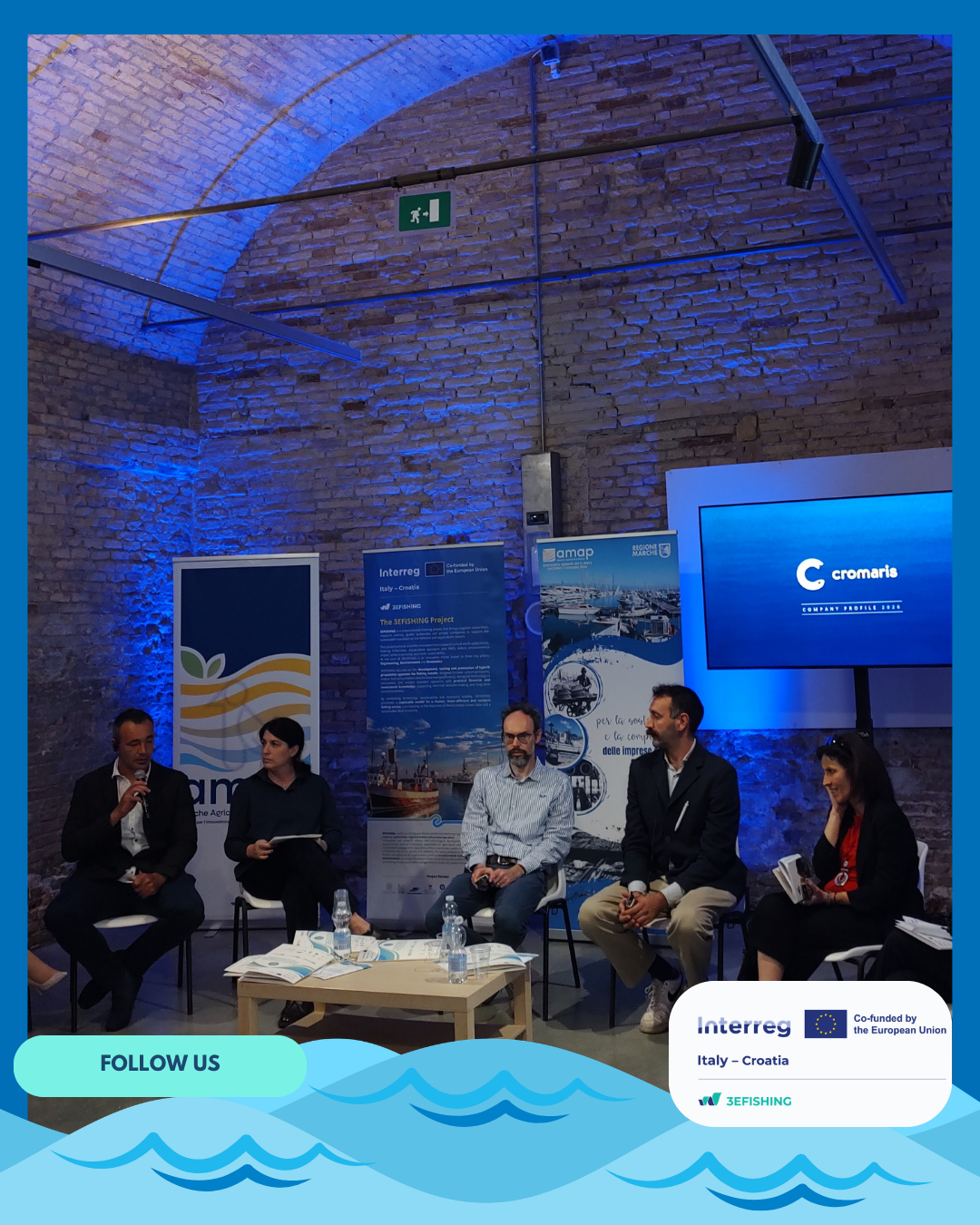
Croatian partners also contributed to the technical session. Cromaris presented opportunities linked to hybrid systems in aquaculture, while Zadar County addressed safety aspects related to vessels equipped with next-generation engines.
Further contributions focused on the economic and social dimensions of the transition. The University of Bologna presented analyses on the willingness of fishers and aquaculture operators to adopt hybrid propulsion systems, while ISMEA highlighted the role of financial instruments and the European regulatory framework in supporting the sustainable conversion of fleets.
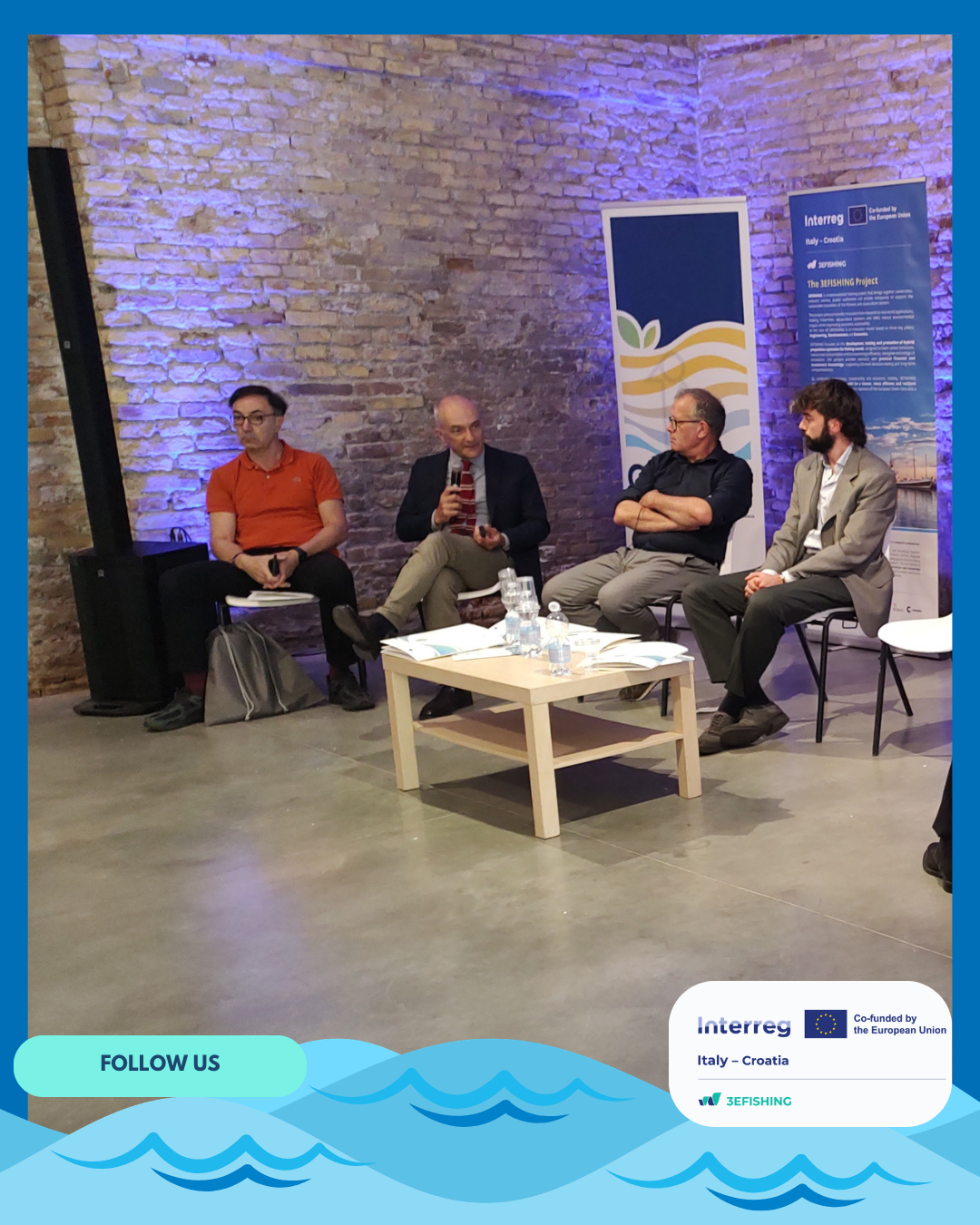
The plenary session at Tipicità in Blu
The event concluded with a plenary session dedicated to the future of the Adriatic fleet’s energy transition and to the tools needed to guide the sector towards European sustainability and climate neutrality goals.
The Ancona workshop confirmed that the energy transition in fisheries and aquaculture is no longer only a future perspective. It is a concrete challenge that requires cooperation, applied research, technological innovation, and practical support for operators, in order to build a more sustainable, competitive, and resilient blue economy.