
FORTIC Study Visit to Roman Fortifications
14/05/2026
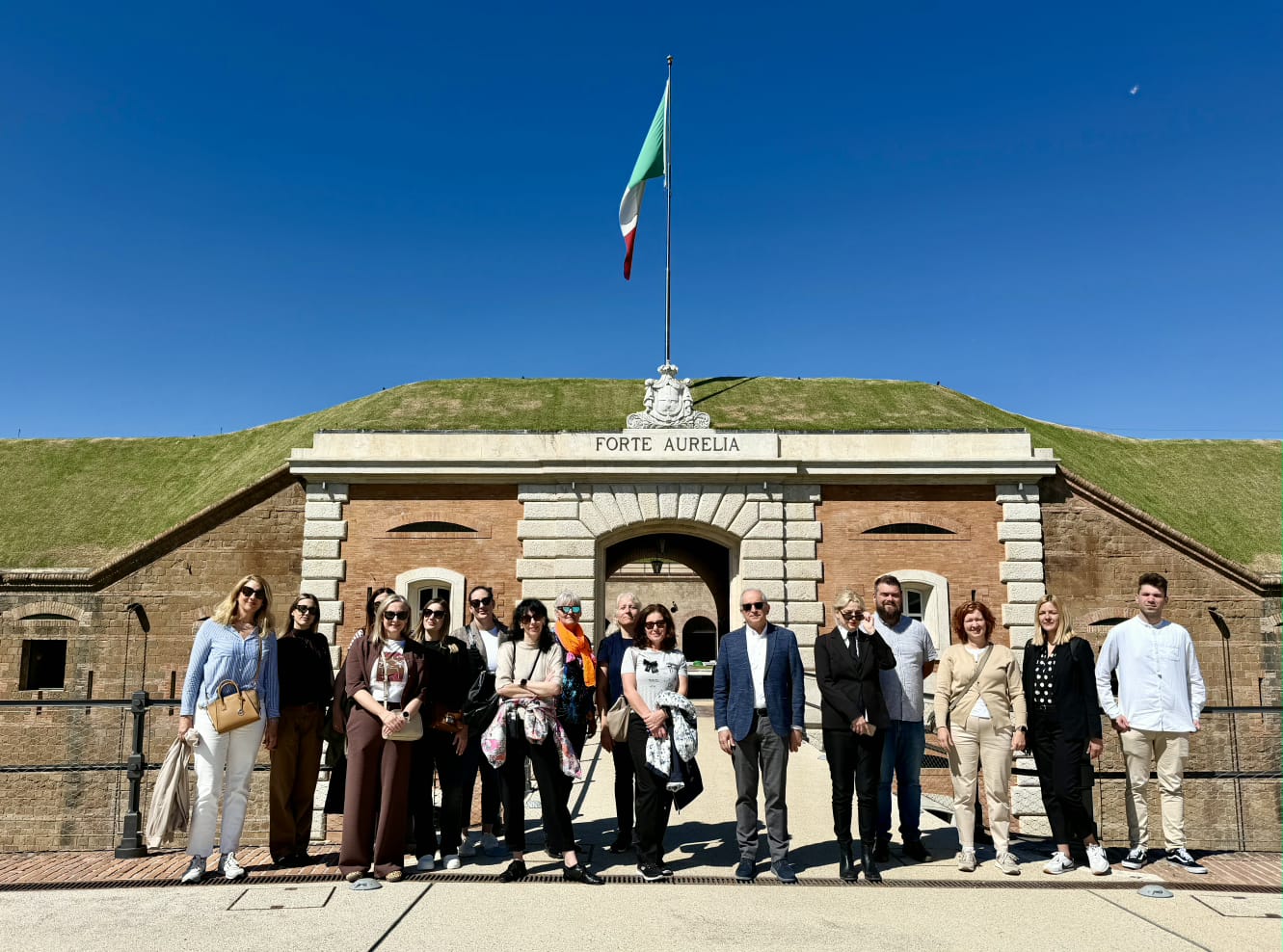
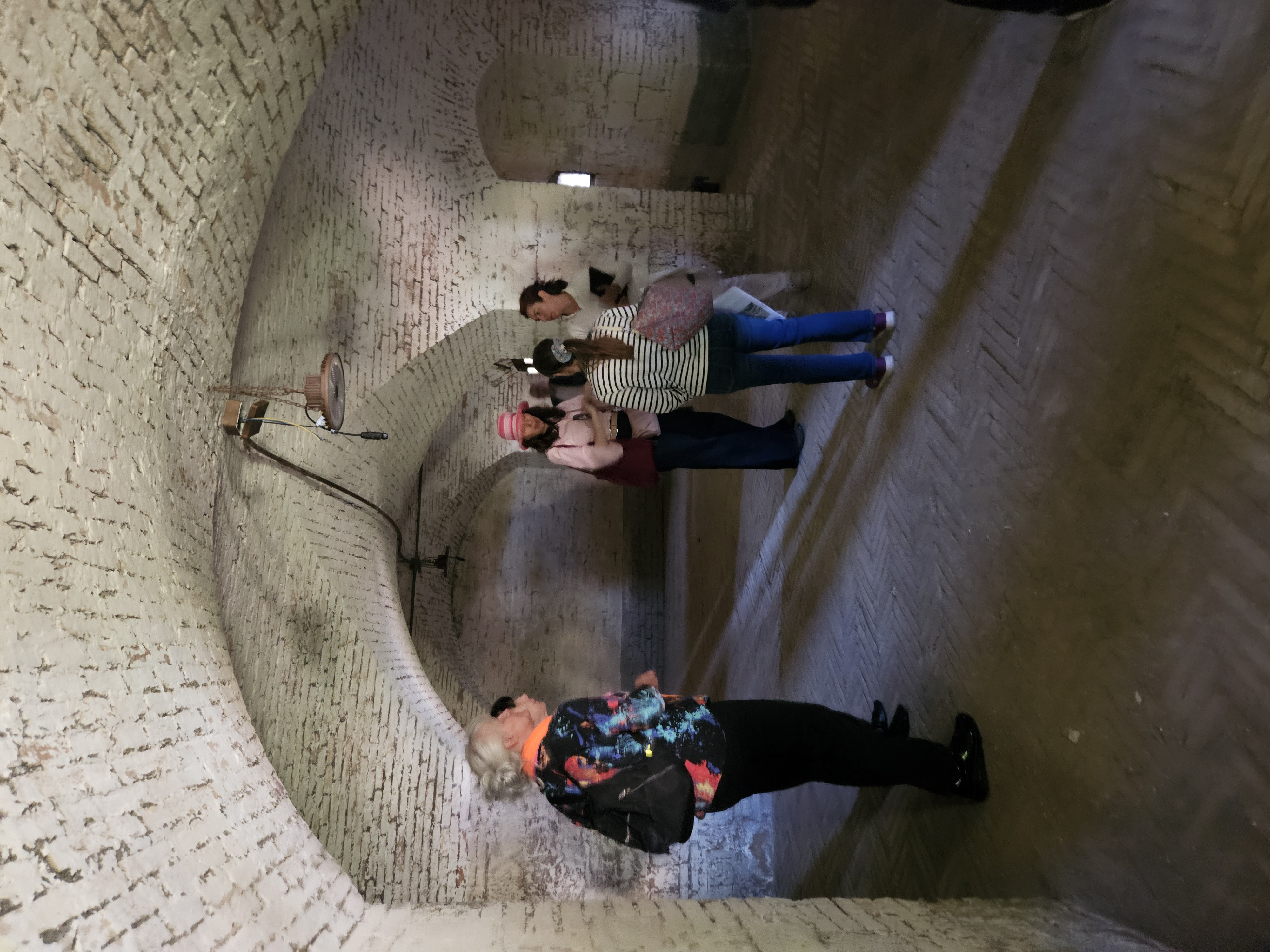
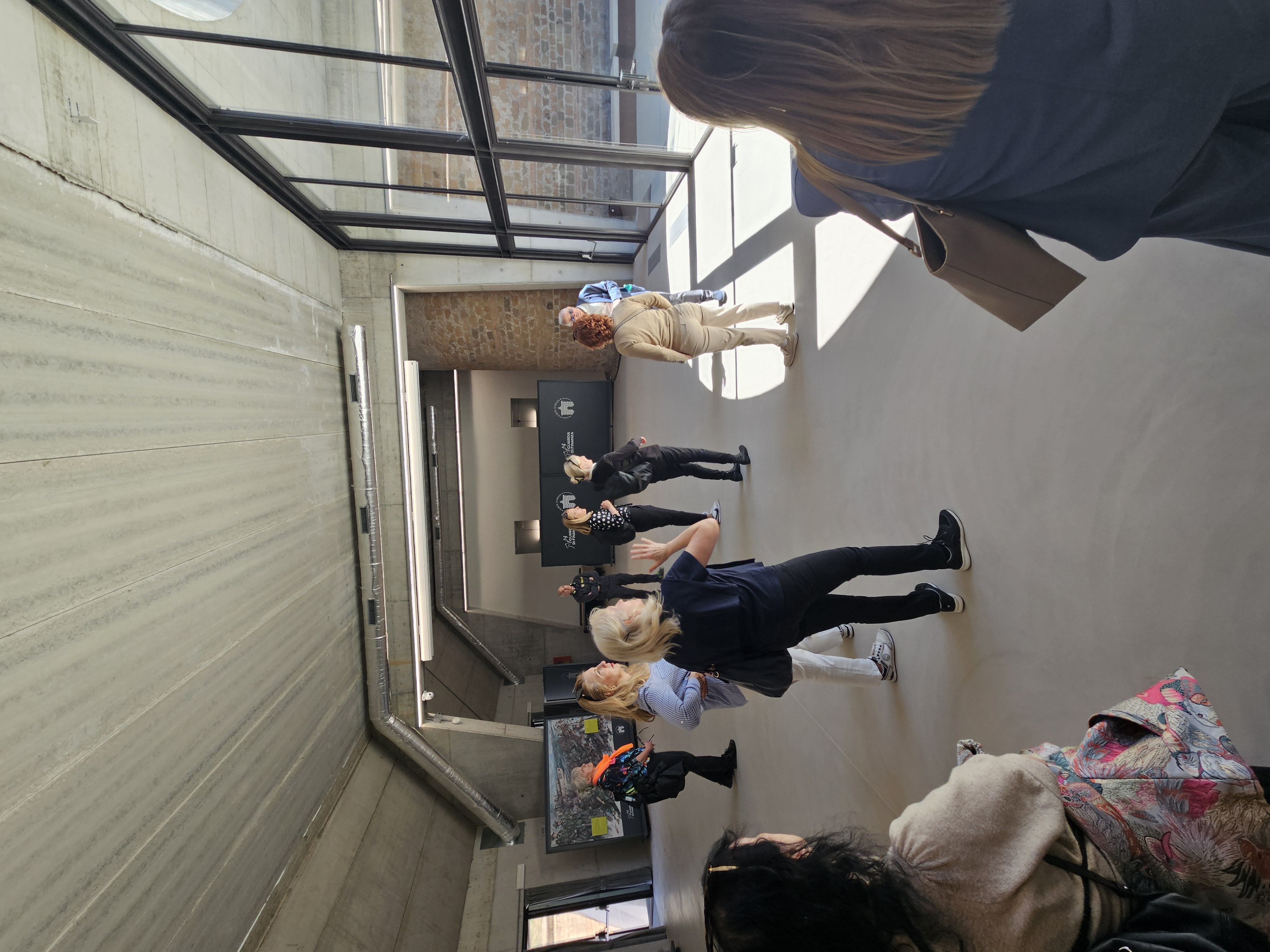
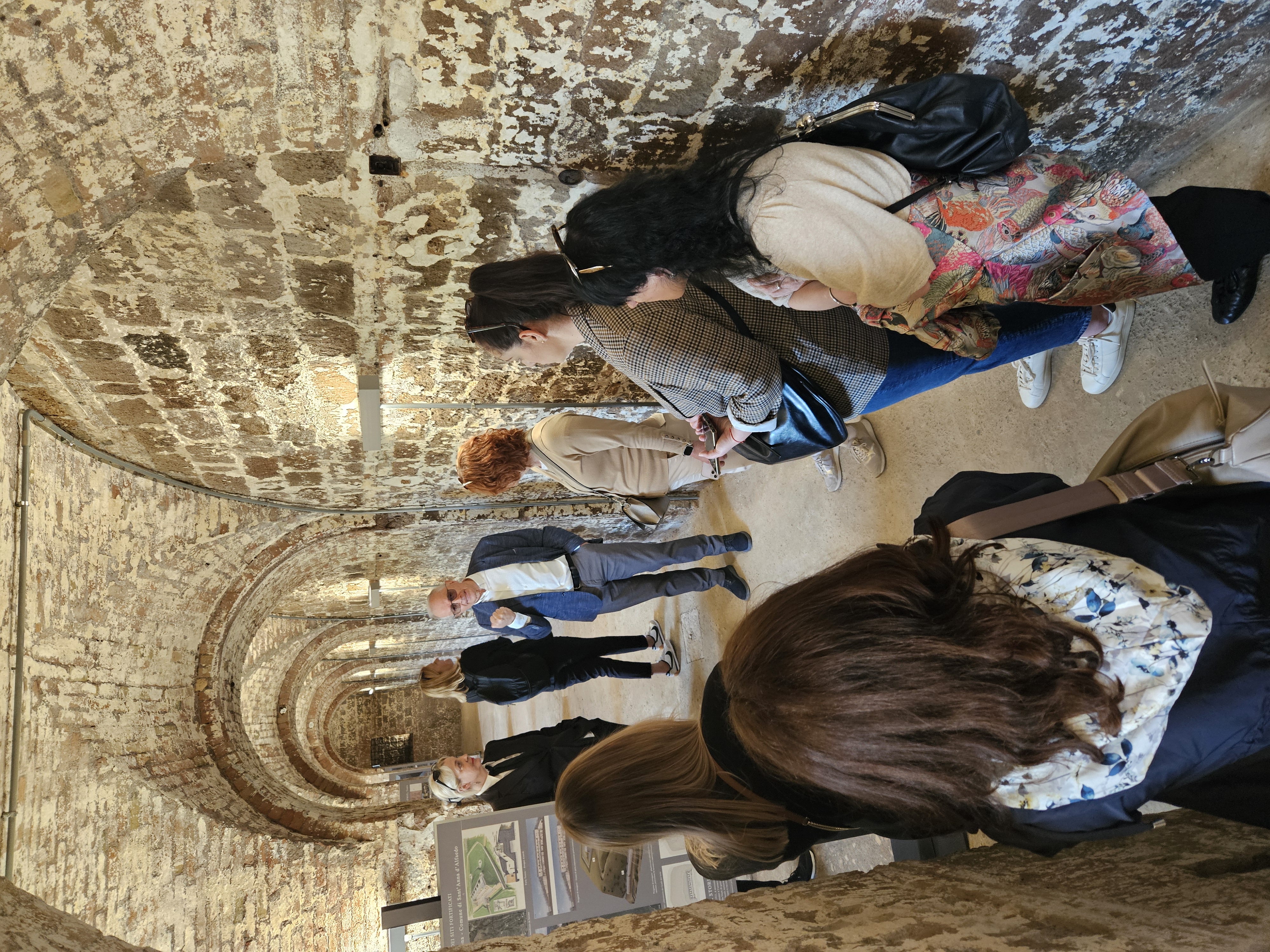
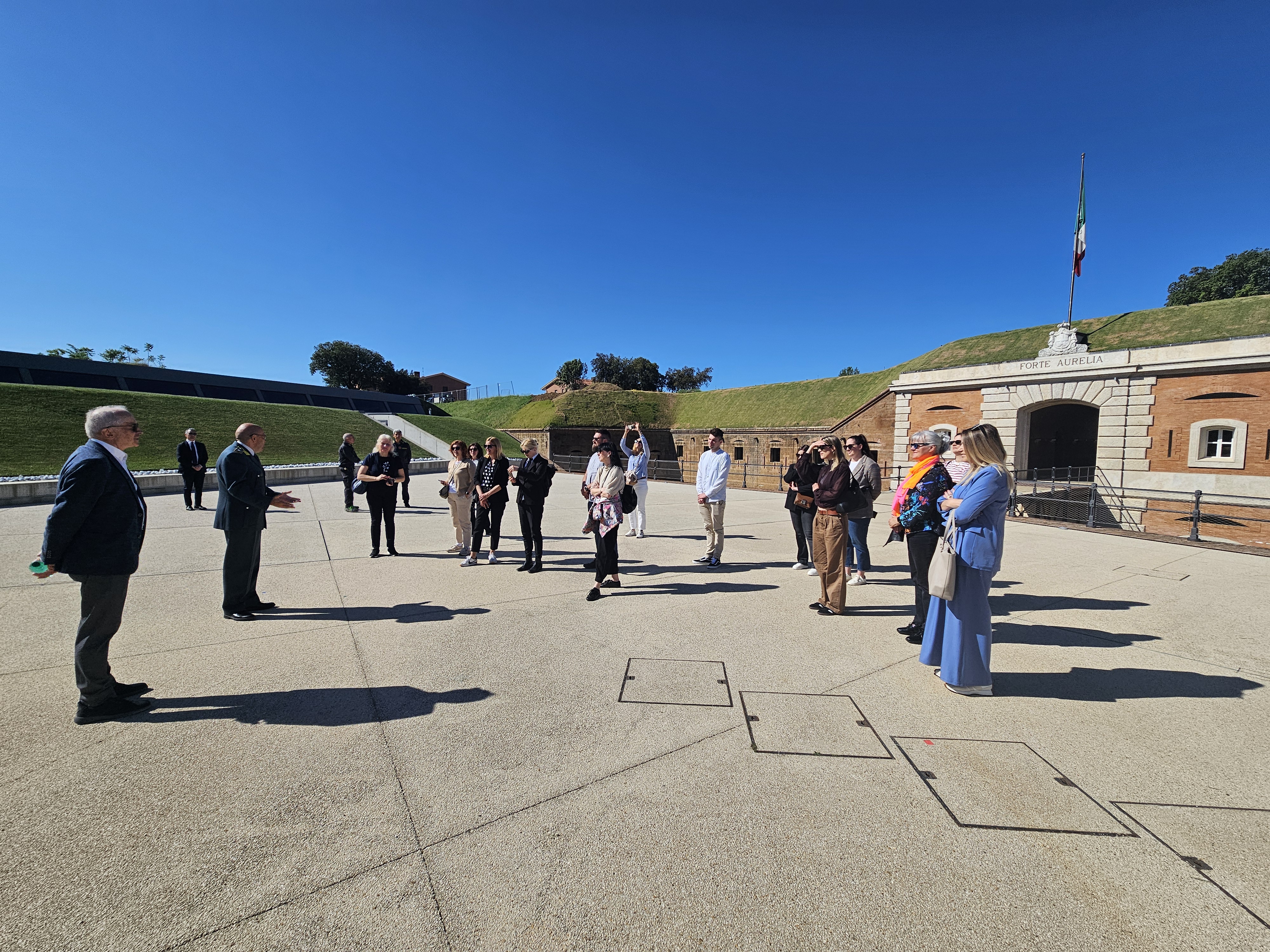
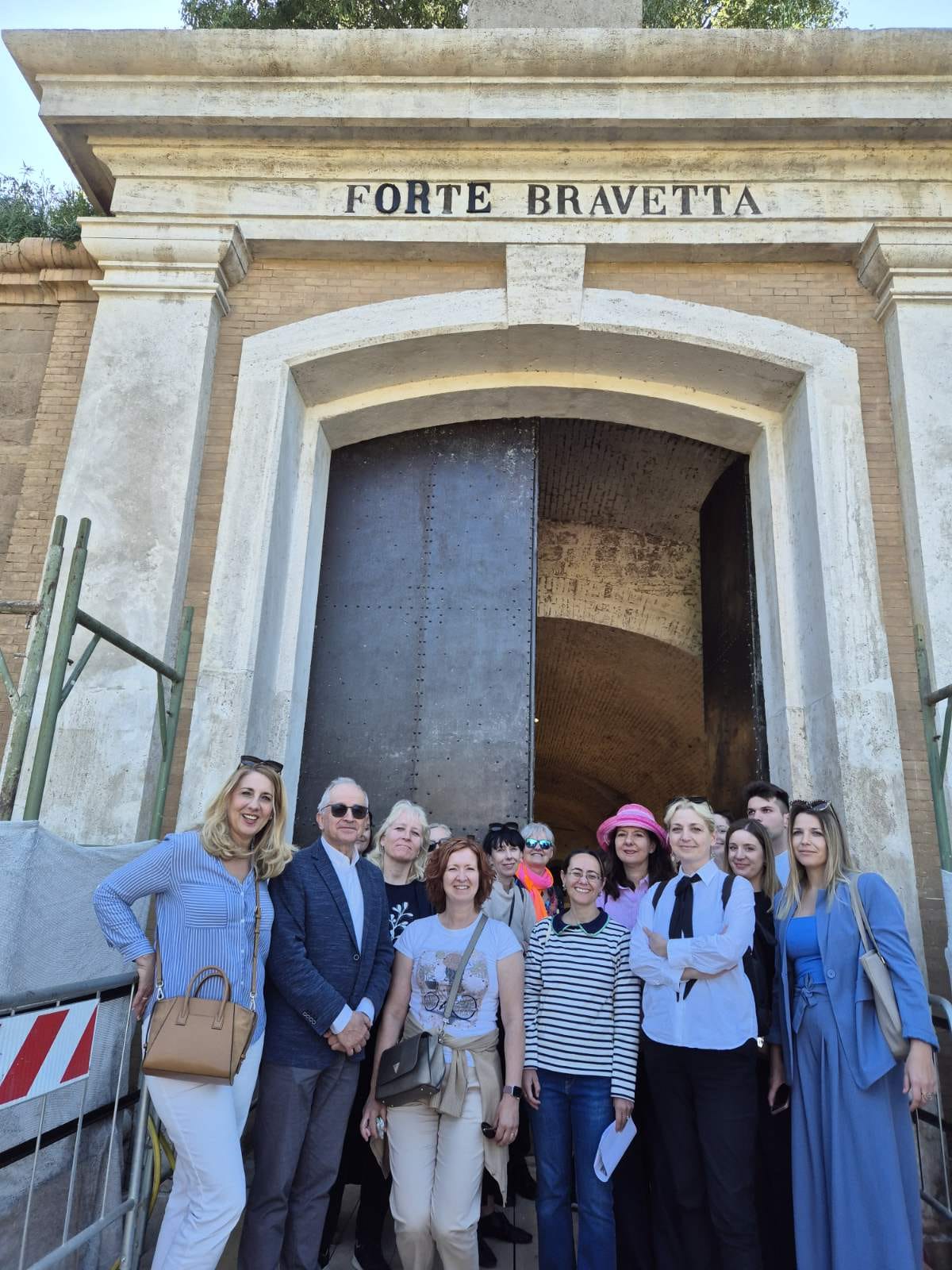
The City of Pula-Pola together with the project partners the City of Korčula and the Juraj Dobrila University of Pula, as well as the associated partner the School for Education and Rehabilitation Pula, and representatives of the Pula Tourist Board and the Historical and Maritime Museum of Istria, participated on 28 April 2026 in a study visit to the Roman fortifications Forte Aurelia and Forte Bravetta. The visit was organized as part of project activities aimed at exchanging knowledge and good practices in the field of revitalisation of military and fortification heritage.
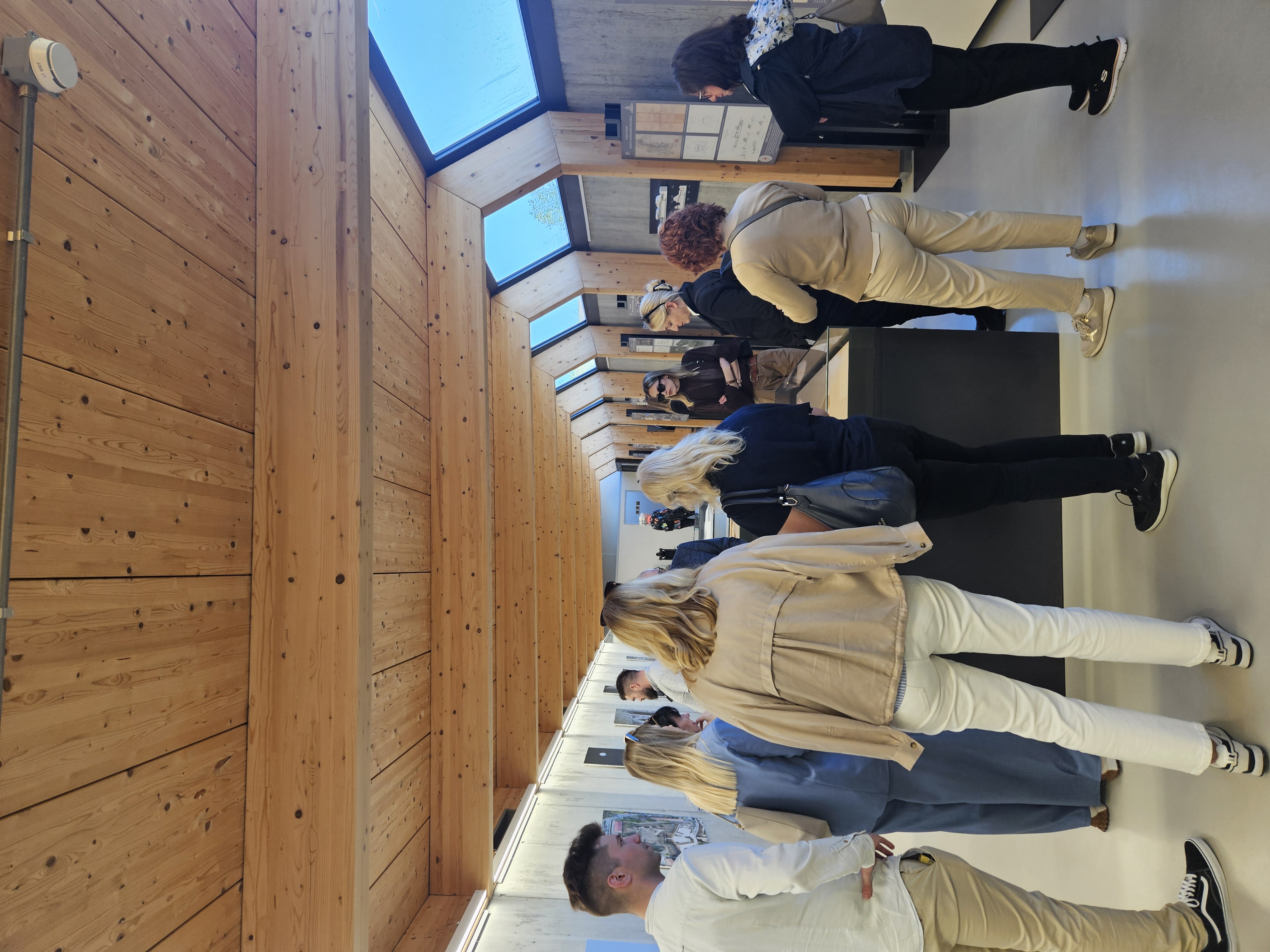
The expert tour was led by architect Fiorenzo Meneghelli, Vice President of the Italian Institute of Castles (Istituto Italiano dei Castelli – IIC) and the lead architect of the Forte Aurelia restoration project. He presented to participants the restoration process, conservation approaches, and contemporary models for repurposing historic military structures for cultural and social use.
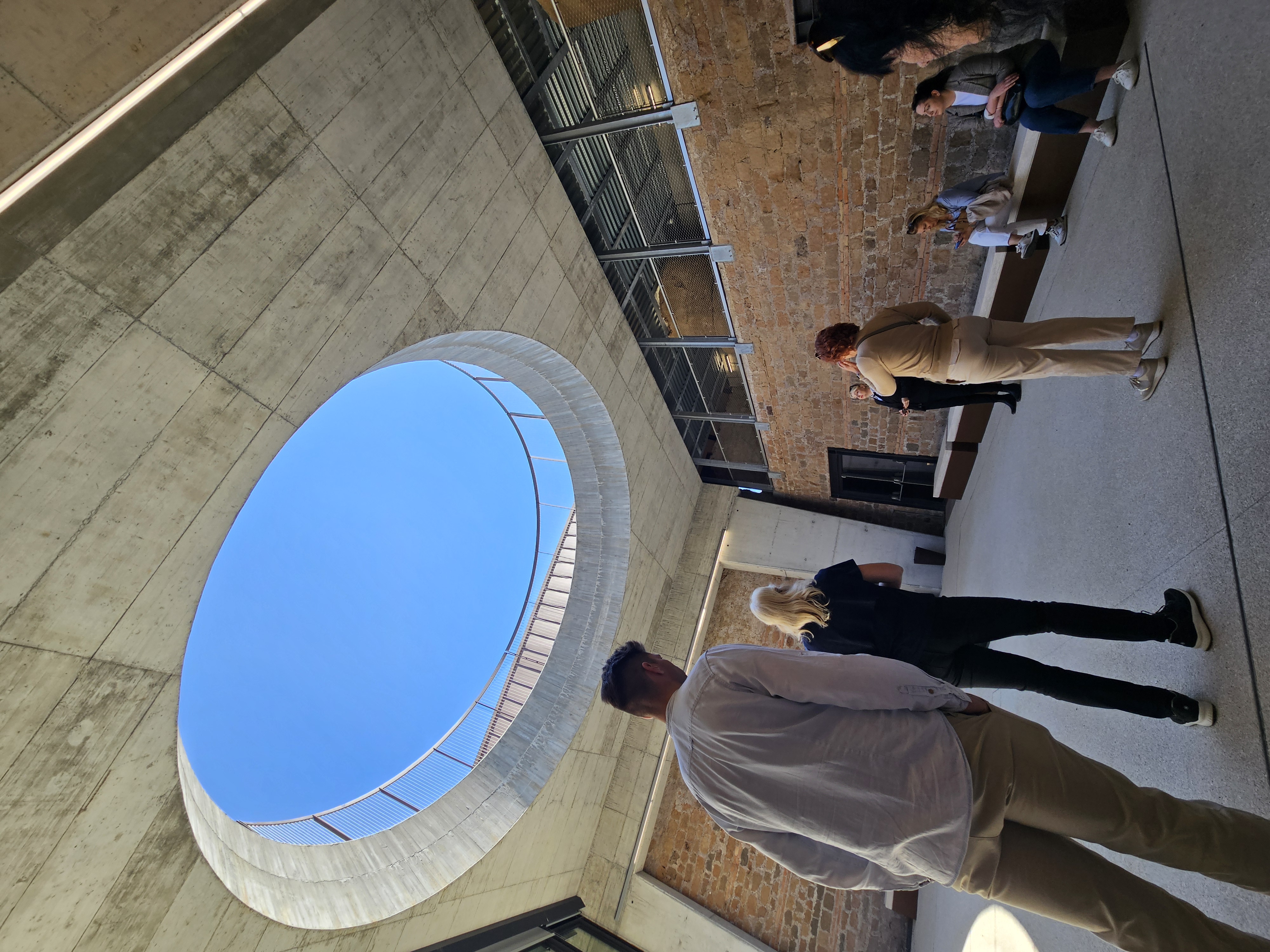
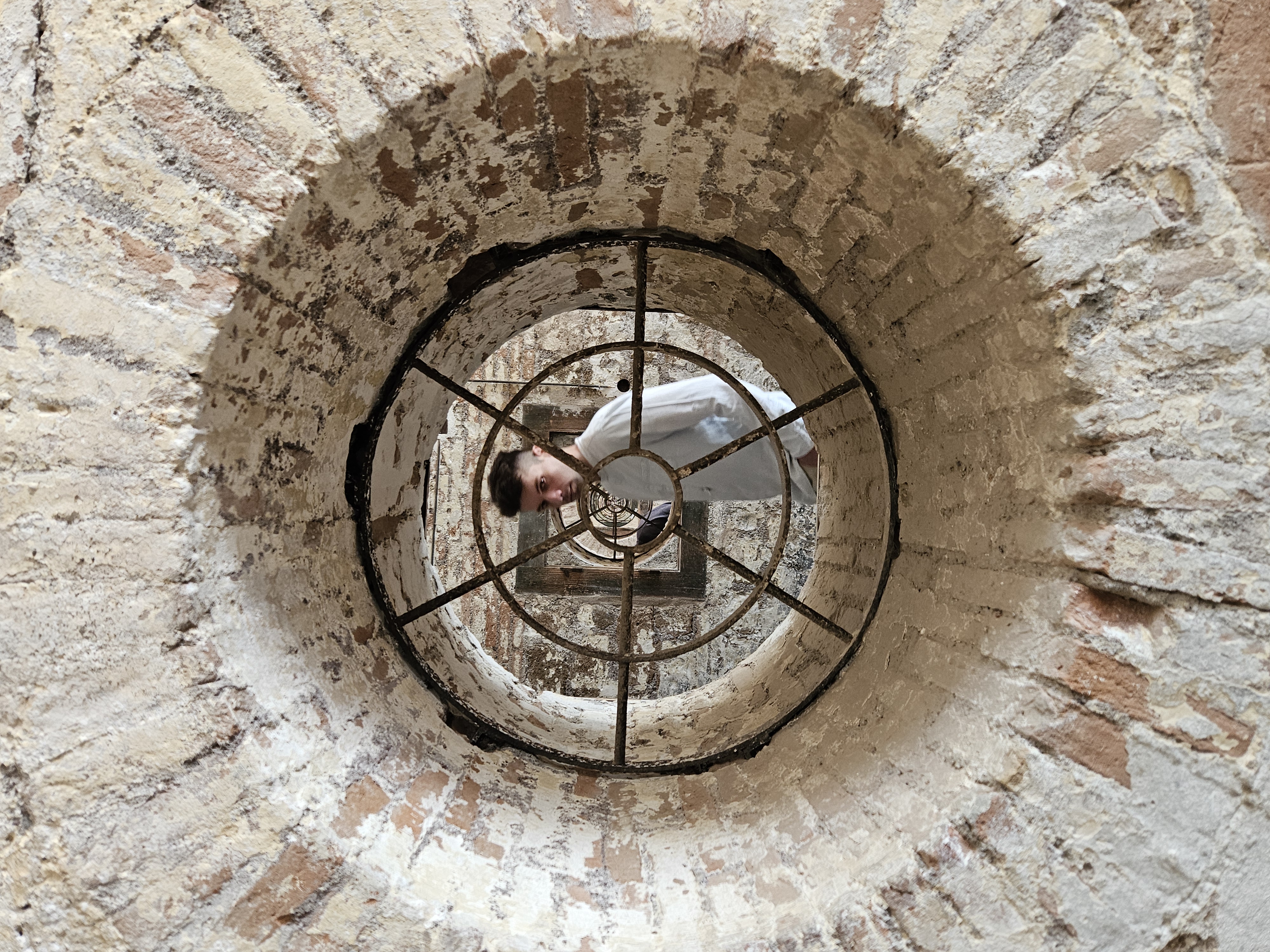
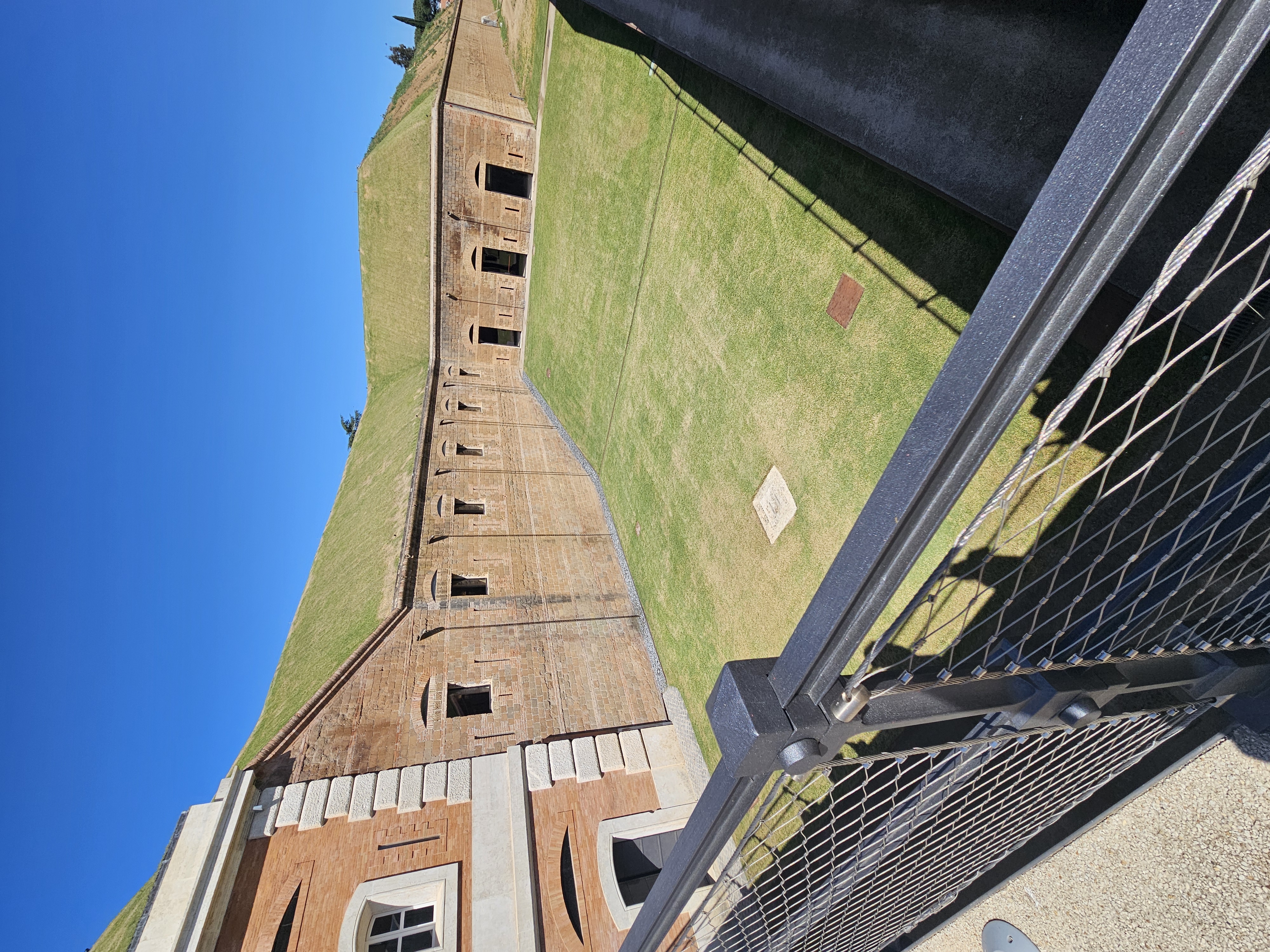
Forte Aurelia made a particularly strong impression as an outstanding example of the successful revitalisation of a long-abandoned fortification, now transformed into a contemporary public and cultural space. Following an extensive restoration project, original elements of the structure were preserved, while damaged sections were reconstructed through contemporary architectural interventions, giving the site renewed functional and social value. Today, Forte Aurelia includes exhibition spaces, cultural and educational facilities, multipurpose event halls, and landscaped outdoor areas accessible to citizens, developing into a new hub of cultural and community life in the local area.
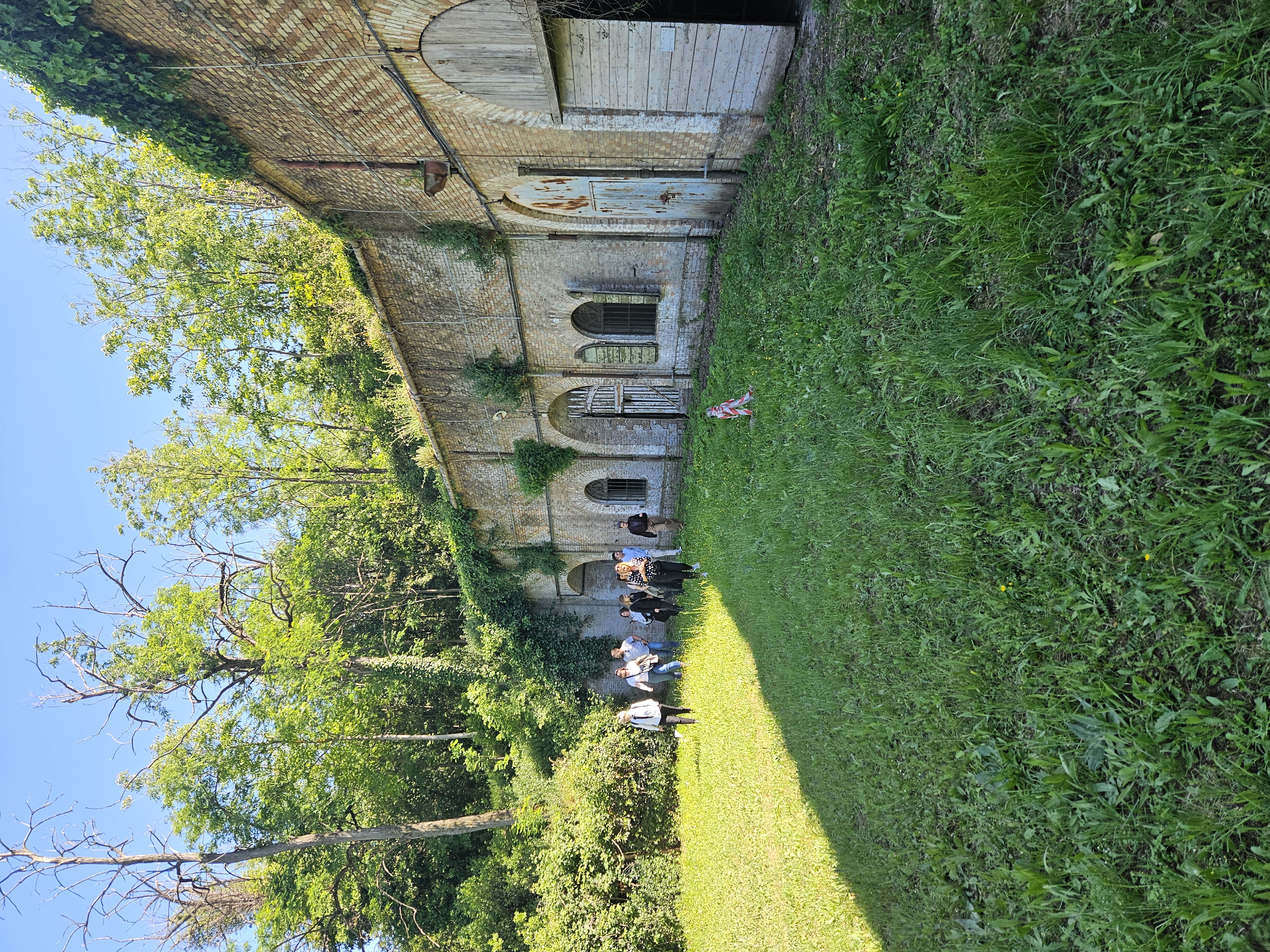
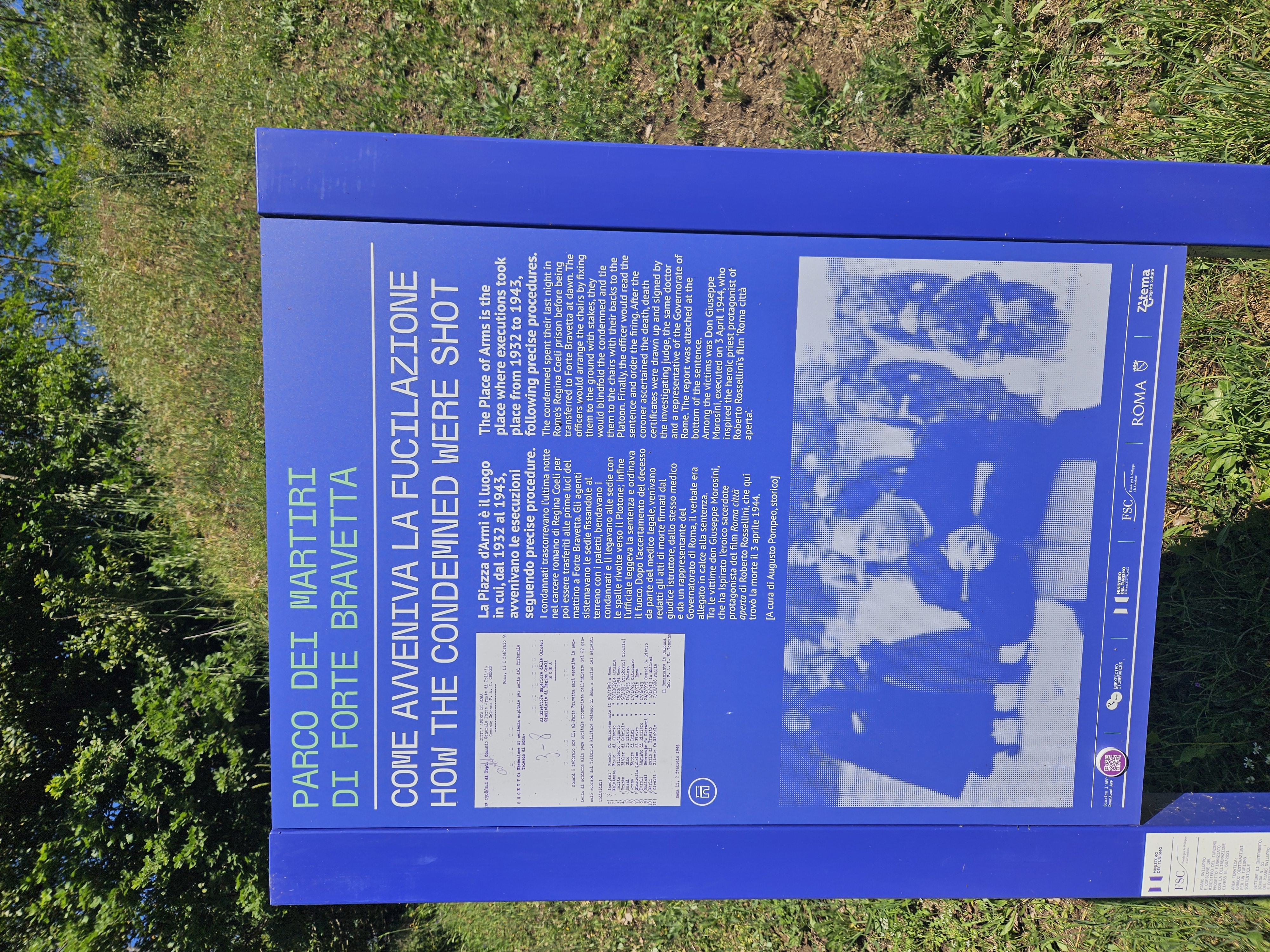
The visit continued to Forte Bravetta, a fortification built in the late 19th century, preserved in very good condition and today accessible to the public as a landscaped park and memorial site. Between 1932 and 1945, the fort played a significant historical role as a site of executions, particularly during the German occupation of Rome, which is why it is now an important place of collective memory for the victims of Nazism and Fascism and members of the Italian Resistance movement.
Within the site, the “Parco dei Martiri” has been established as a public park dedicated to the victims, serving both as a place of commemoration and as a space for everyday recreation and leisure. Forte Bravetta is also included in organized guided tour programmes, through which its historical and memorial value is actively interpreted for the public, while future management models and possible interventions for further valorisation of the site are continuously being considered, in line with its exceptional cultural and historical significance.
The study visit to Rome provided participants with valuable insight into the possibilities of revitalising fortification heritage through sustainable management models, community engagement, and the development of new cultural and educational content, contributing significantly to the ongoing implementation of the FORTIC project.