
Savudrija study visit: shaping a new tourism itinerary along the Adriatic route
30/04/2026
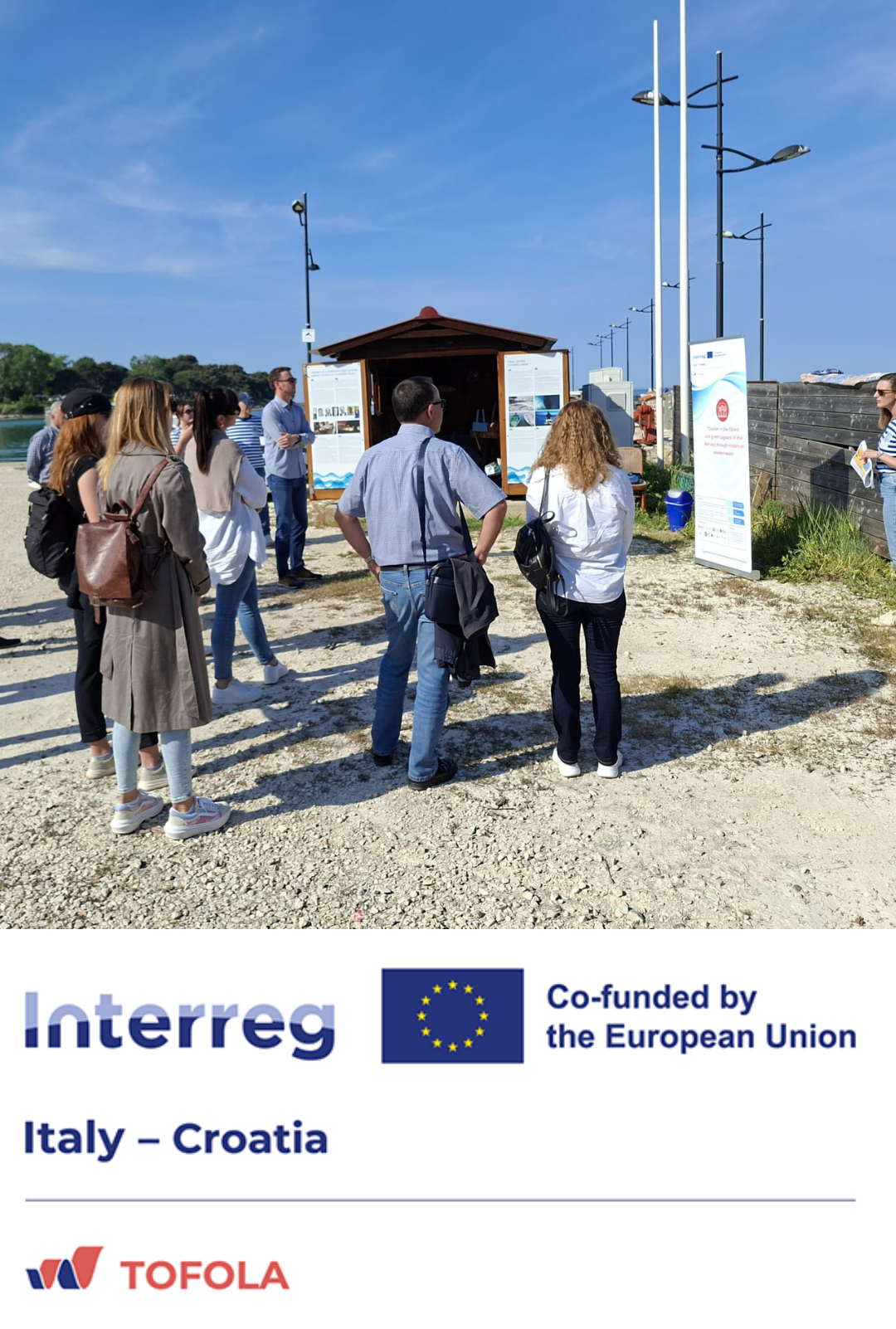
On April 28, we gathered in Savudrija for a study visit organised by the Istrian Development Agency (IDA), exploring how a new tourism product can be developed along the cross-border route Motovun Forest – Novigrad – Savudrija.
The aim of the visit was to provide a concrete example of how natural landscapes, maritime heritage and local production can be integrated into a cohesive, experience-based tourism offer — one that respects the environment and remains accessible to all those interested in discovering the Serenissima route.
The Savudrija batana
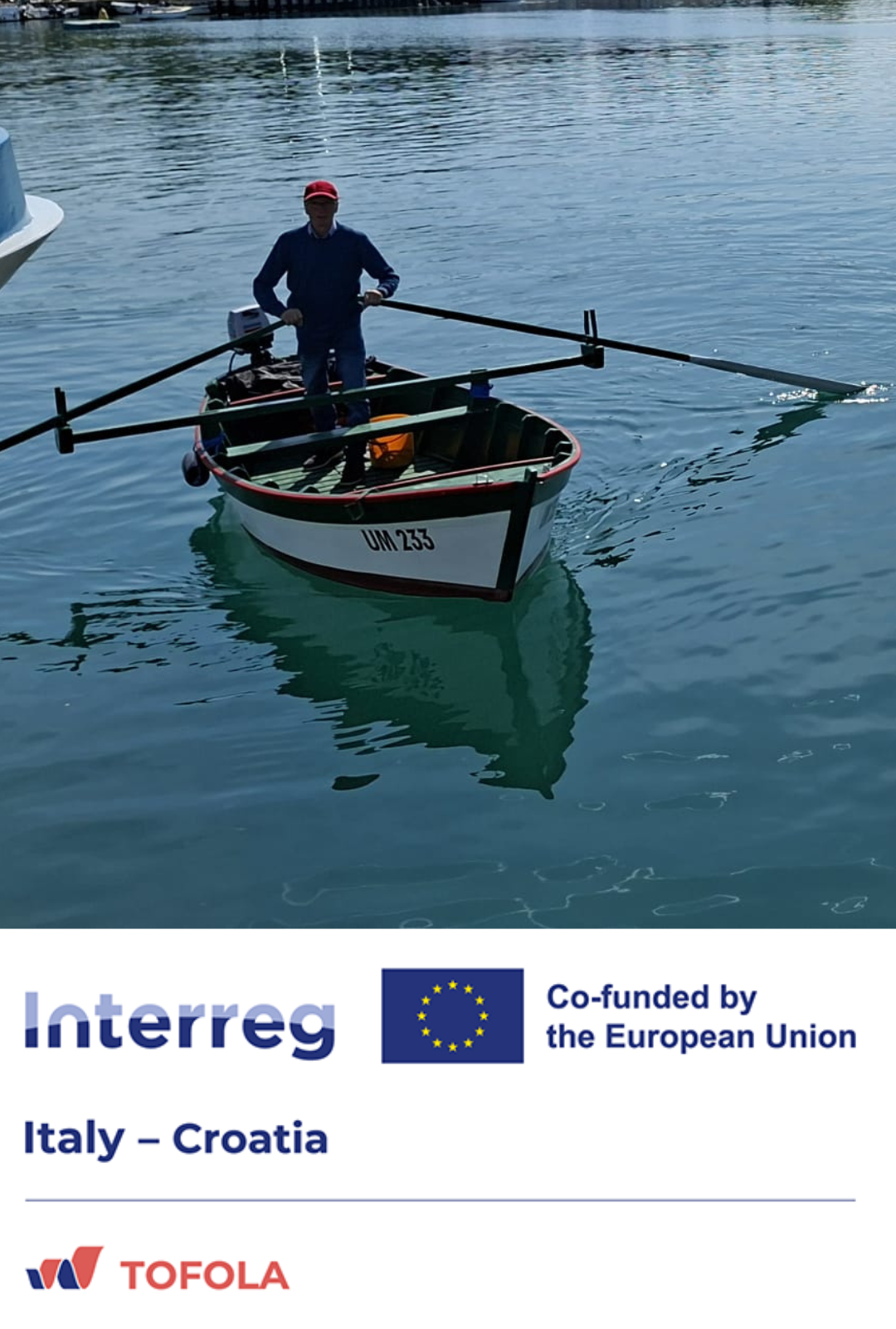
A central element of the visit was the encounter with the Savudrija Batana Association (Batana Salvorina), which preserves and promotes the traditional wooden batana as a living expression of local maritime culture.
Participants experienced the route directly through guided rowing batana and motorboat rides, gaining first-hand insight into how traditional vessels can become active components of tourism experiences — not only as heritage objects, but as tools for storytelling, engagement and slow exploration.
From inland routes to coastal identity
The Savudrija itinerary represents the coastal extension of a broader route connecting inland and maritime environments, from Motovun Forest and Livade to Antenal and Novigrad.
This integrated approach highlights how different territories can be linked into a single narrative, where forests, waterways and coastal landscapes contribute to a shared tourism identity rooted in place and continuity.
The study visit also emphasised the role of local production in strengthening tourism experiences.
A guided tasting of wine and olive oil at Monte Rosso offered participants the opportunity to connect gastronomy with landscape and culture, reinforcing the idea that local products are not complementary elements, but key components of the overall tourism offer.
The Savudrija study visit demonstrated how new tourism products can be designed by combining:
- traditional knowledge and craftsmanship
- natural and cultural assets
- experiential and slow tourism approaches
By bringing together local actors, heritage and innovation, the initiative provides a replicable model for developing sustainable, place-based tourism across the Adriatic area.
This visit contributes to testing and refining a cross-border tourism model that connects environments, communities and traditions.
It shows how carefully designed itineraries can activate local value chains, enhance cultural heritage and create meaningful experiences for visitors — paving the way for future tourism products within and beyond the project.