

Hydrogeological Model of the Ferrara coastal acquifer: a strategic asset for sustainable water management
15/04/2026
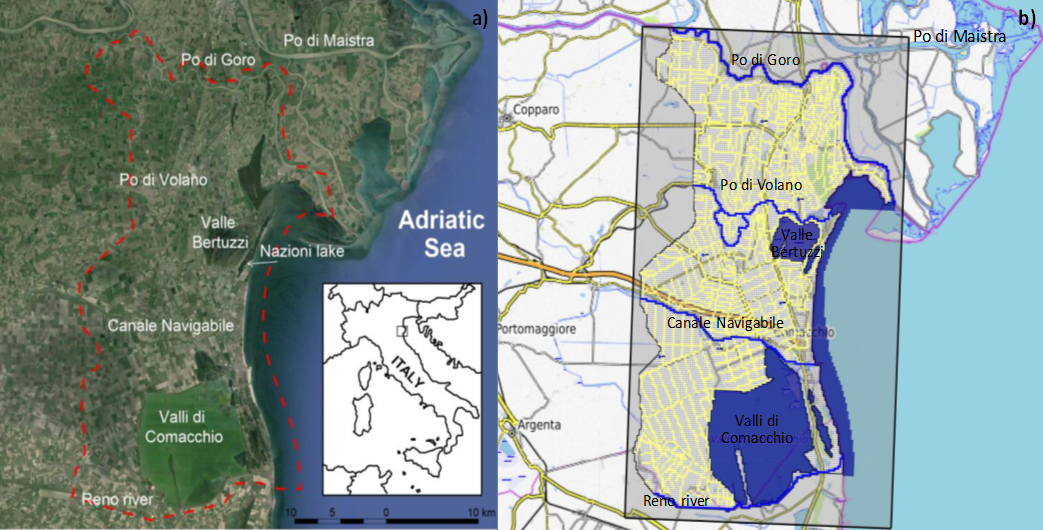
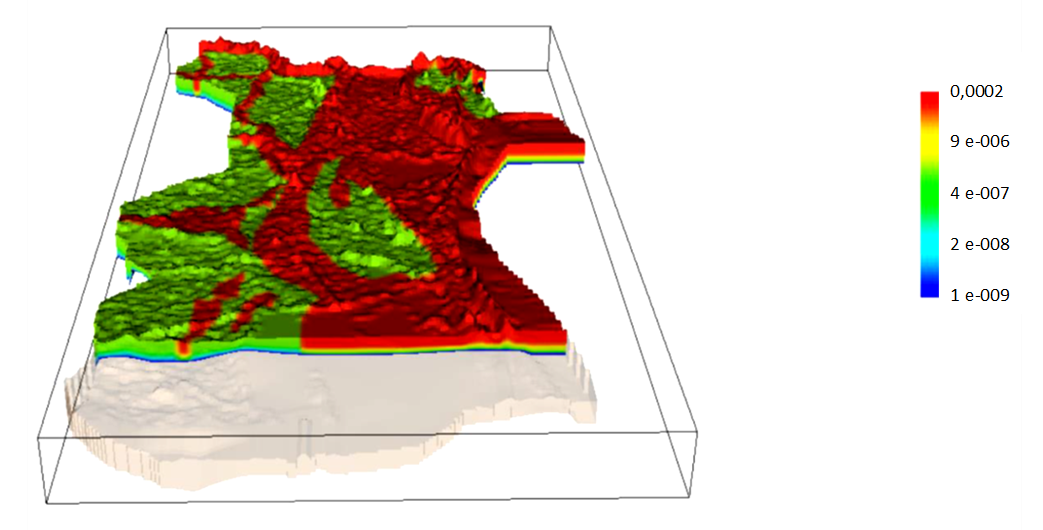
The Ferrara Plain Reclamation Consortium (CBPF), in collaboration with the Consorzio Futuro in Ricerca (CFR), has completed a major advancement in the ongoing effort to refine the hydrogeological model. This initiative builds upon the foundational work of Colombani et al. (2016), which produced the first three‑dimensional flow and salt‑transport model dedicated to the area’s coastal phreatic aquifer. The updated model now offers a more accurate, detailed, and operationally relevant tool for managing a territory increasingly exposed to hydrological stressors.
The revision process involved a multi‑layered effort to integrate new data, enhance model resolution, and improve predictive reliability.
Key activities included:
1) Extensive data collection and analysis, covering both historical records and recent observations of the main hydraulic and hydrological drivers influencing the coastal system;
2) Updating the piezometric and chemical database, incorporating groundwater measurements and monitoring data from reclamation channels;
3) Migration and modernization of the numerical model, ensuring compatibility with current computational frameworks and improved simulation performance;
4) Integration of monthly datasets from 2011 to 2021, enabling a detailed reconstruction of water‑table dynamics and salinity evolution over an entire decade;
5) Full recalibration of the model, using the most recent piezometric and salinity observations to refine parameterization and reduce uncertainty.
The updated model provides a more robust basis for understanding and managing the complex interactions between groundwater, surface water, and marine intrusion.
Its improved accuracy supports several critical objectives:
a) Identifying zones most vulnerable to groundwater salinization, a growing concern in low‑lying coastal areas;
b) Detecting potential hot spots where salinity or hydraulic anomalies may influence the performance of the reclamation channel network;
c) Supporting evidence‑based decision‑making, particularly in the context of climate change, sea‑level rise, and increasing pressure on freshwater resources;
These insights are essential for planning interventions, optimizing pumping strategies, and safeguarding agricultural productivity and ecosystem health.
This work marks a significant step toward strengthening the resilience of the Ferrara coastal territory. By enhancing the understanding of groundwater behavior and salinity dynamics, the updated model becomes a strategic asset for sustainable water management. It supports local authorities, land‑reclamation consortia, and environmental stakeholders in protecting a resource that is vital for agriculture, natural habitats, and the well‑being of local communities.