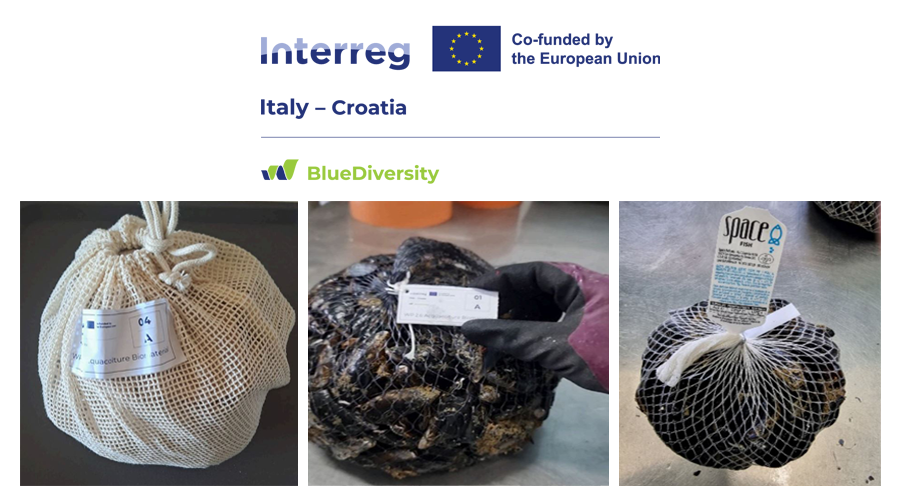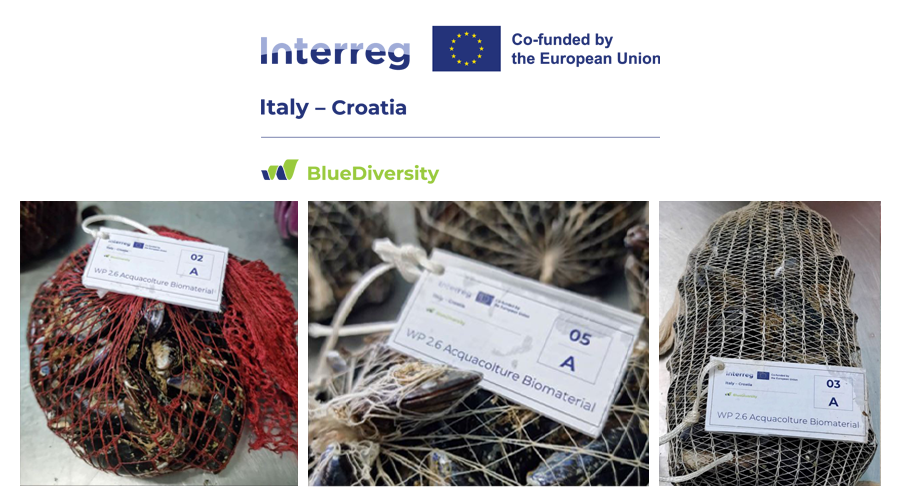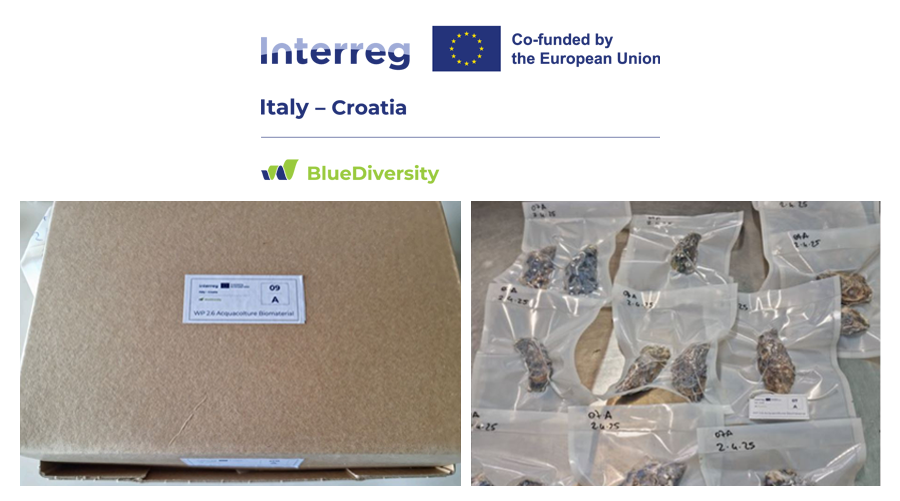


Sustainable aquaculture and mariculture: new deliverable available on eco-compatible equipment!
01/04/2026
The objective: supporting the transition to “Bluer” aquaculture
The primary goal of this document is to support the industry’s transition towards "bluer" practices. By providing robust, evidence-based data on the environmental and economic performance of eco-friendly materials, BlueDiversity offers a sustainable alternative to conventional equipment.
Research and field-testing: tradition vs innovation
Through coordinated research and field-testing conducted across the consortium, partners carried out in-depth comparative analyses. The study focused on two fundamental pillars:
1. cost-efficiency: evaluating economic viability for SMEs and local operators.
2. ecological footprint: measuring the reduction in environmental impact compared to traditional tools.
Key findings: cotton as a plastic alternative in mussel farming
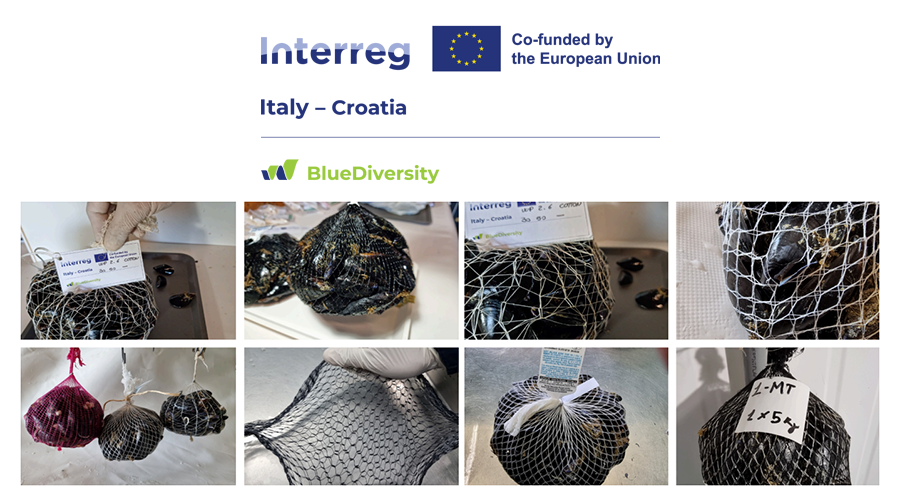
One of the most significant findings of this activity concerns mussel farming. The study highlights that the use of cotton-based materials is a promising substitute for synthetic components, particularly for the packaging netting used in mussel distribution.
Preliminary results suggest that cotton not only meets all functional requirements but also offers crucial environmental benefits:
• reduced microplastic release into the marine environment.
• enhanced biodegradability throughout the entire value chain.
This deliverable serves as a practical tool for industry operators looking to invest in innovation and sustainability while protecting the biodiversity of our seas.