Mini-Scientific Conference Held in Padua
09/03/2026
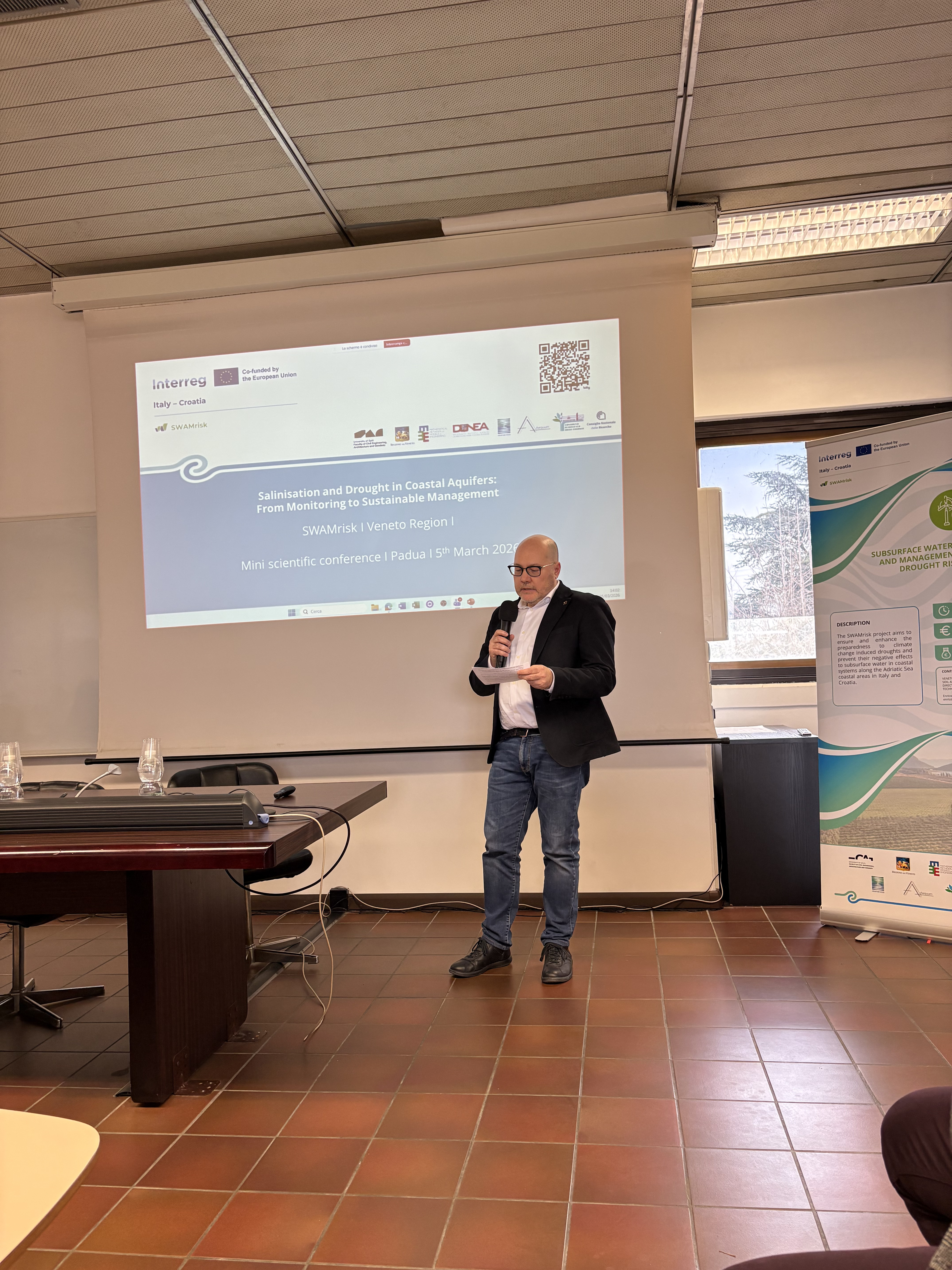
On 5 March 2026, the SWAMrisk project organised a Mini-Scientific Conference titled “Salinisation and Drought in Coastal Aquifers: From Monitoring to Sustainable Management” at the CNR-IGG headquarters in Padua, Italy. The event gathered researchers and experts working on groundwater monitoring, coastal aquifers, drought risk and climate change impacts.
The conference aimed to present recent scientific research related to coastal aquifer systems, saltwater intrusion, drought monitoring and sustainable groundwater management, which are key topics addressed within the SWAMrisk project. It also provided an opportunity for scientists from different institutions and countries to exchange knowledge and discuss current challenges related to climate change and water resource management.
The event was opened with welcome remarks by Elisa Venturini, Veneto Regional Councillor for Environment, Climate and Civil Protection, who highlighted the importance of cross-border cooperation and scientific research for addressing climate-related risks affecting coastal areas.
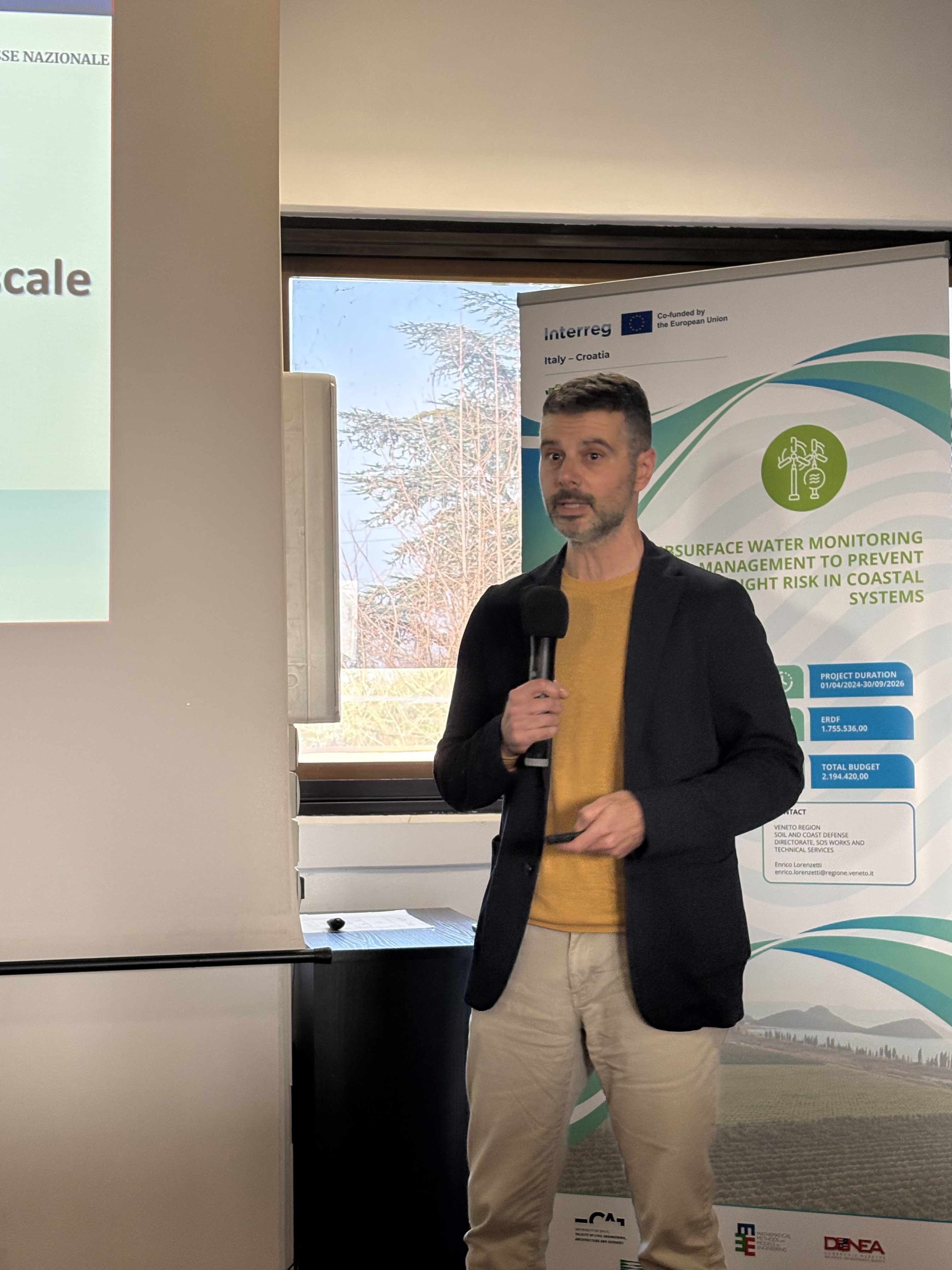
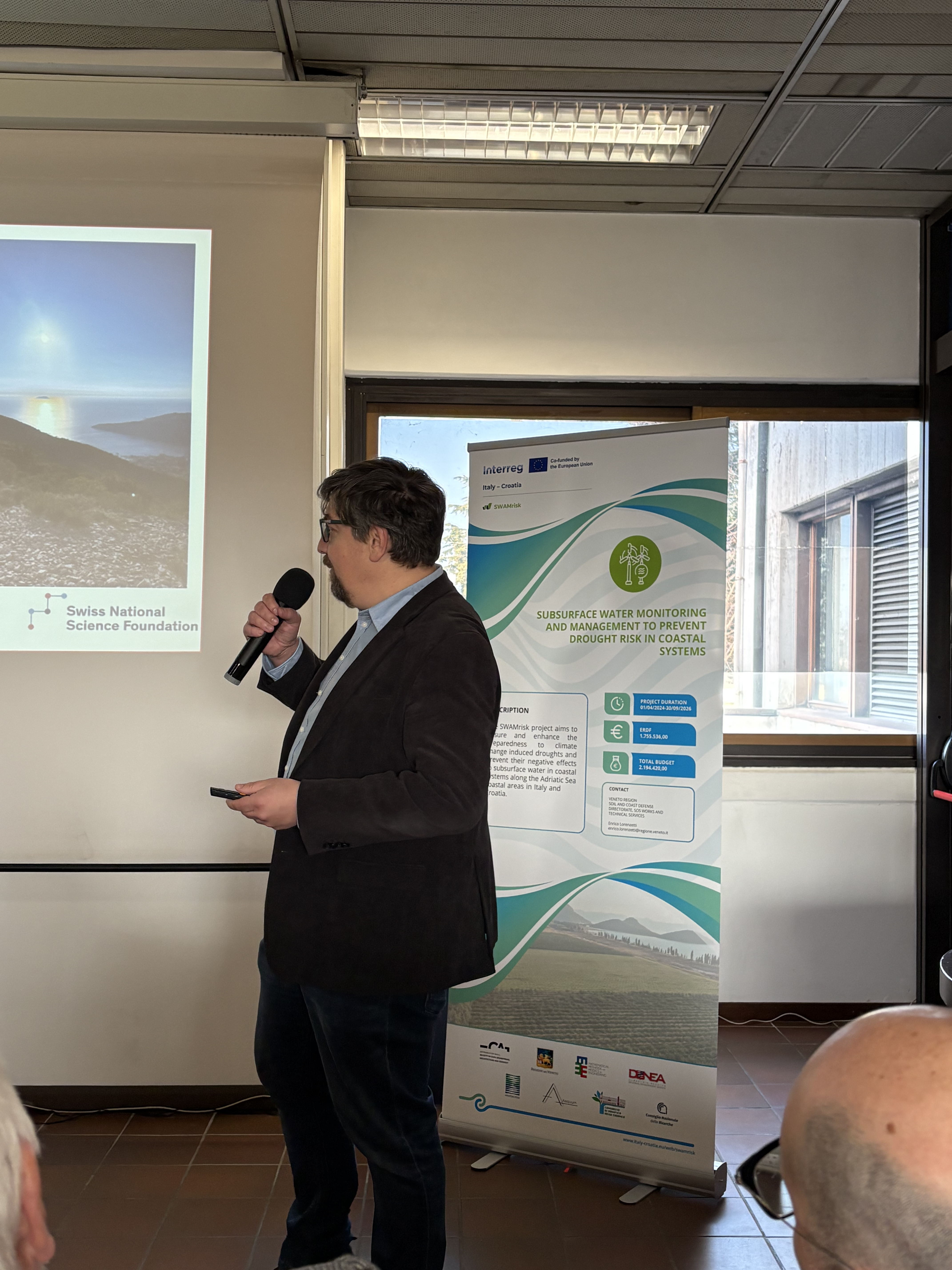
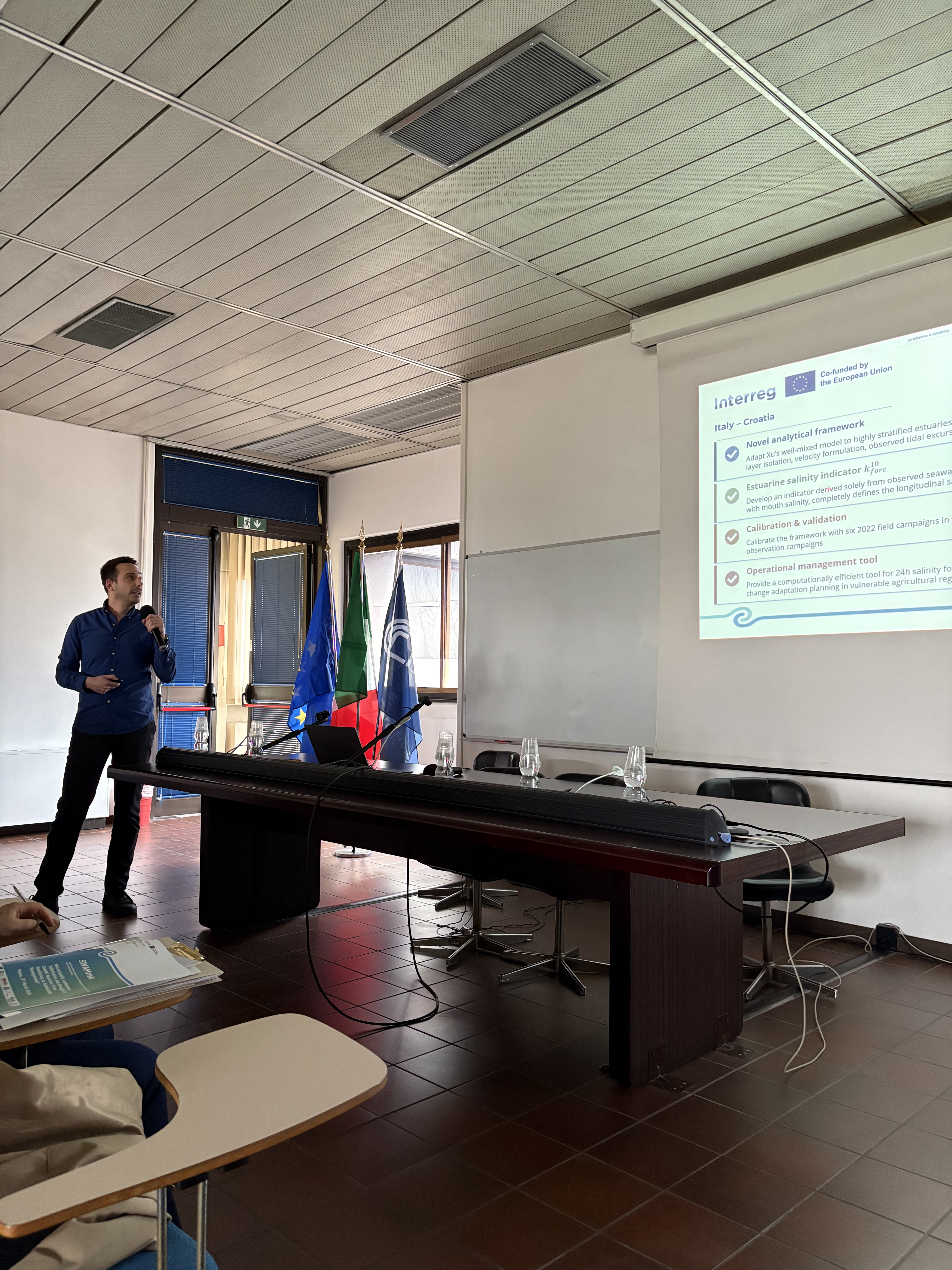
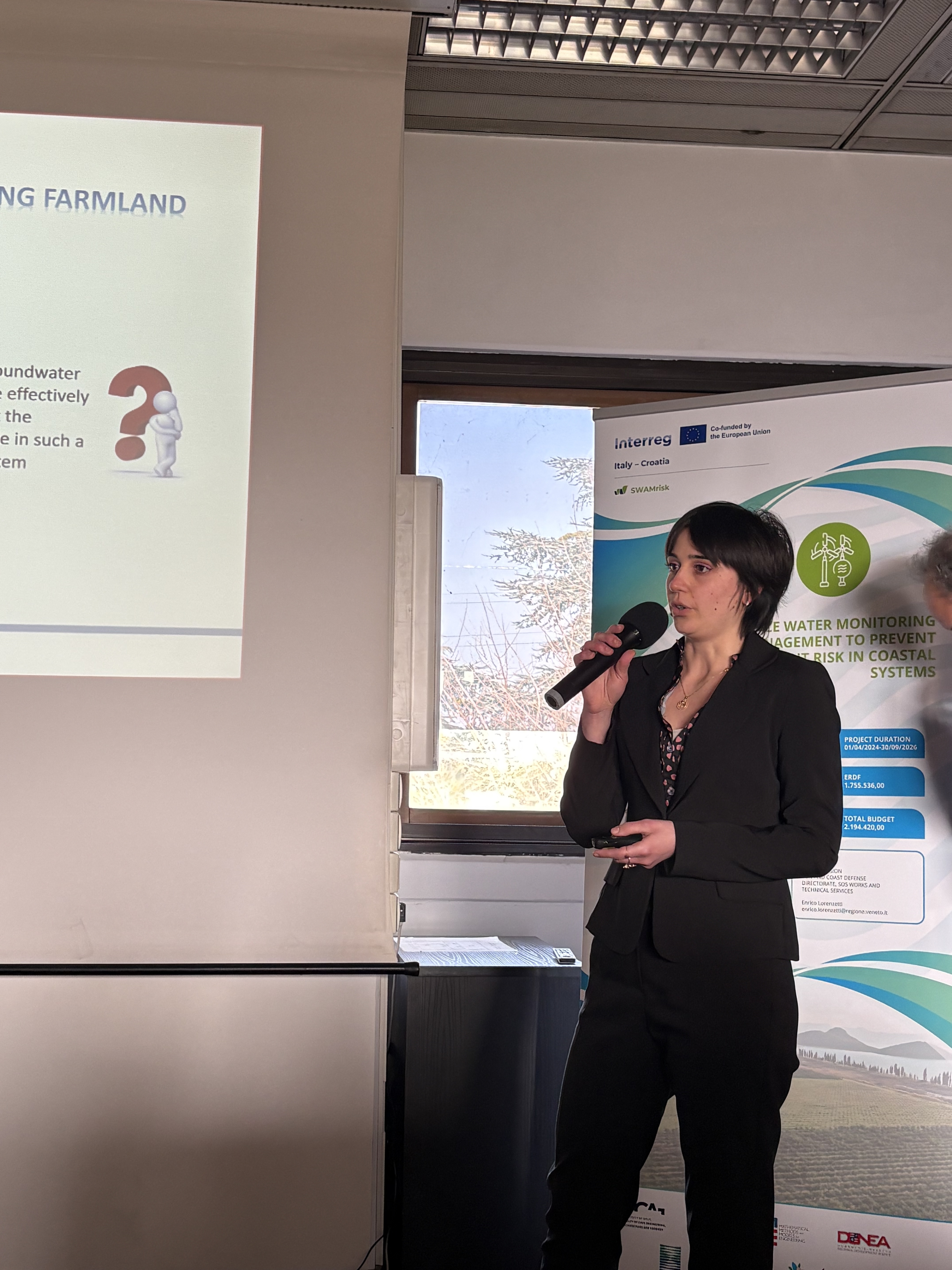
During the conference, several researchers presented their latest work and insights related to groundwater dynamics and coastal systems.
Among the speakers were:
-
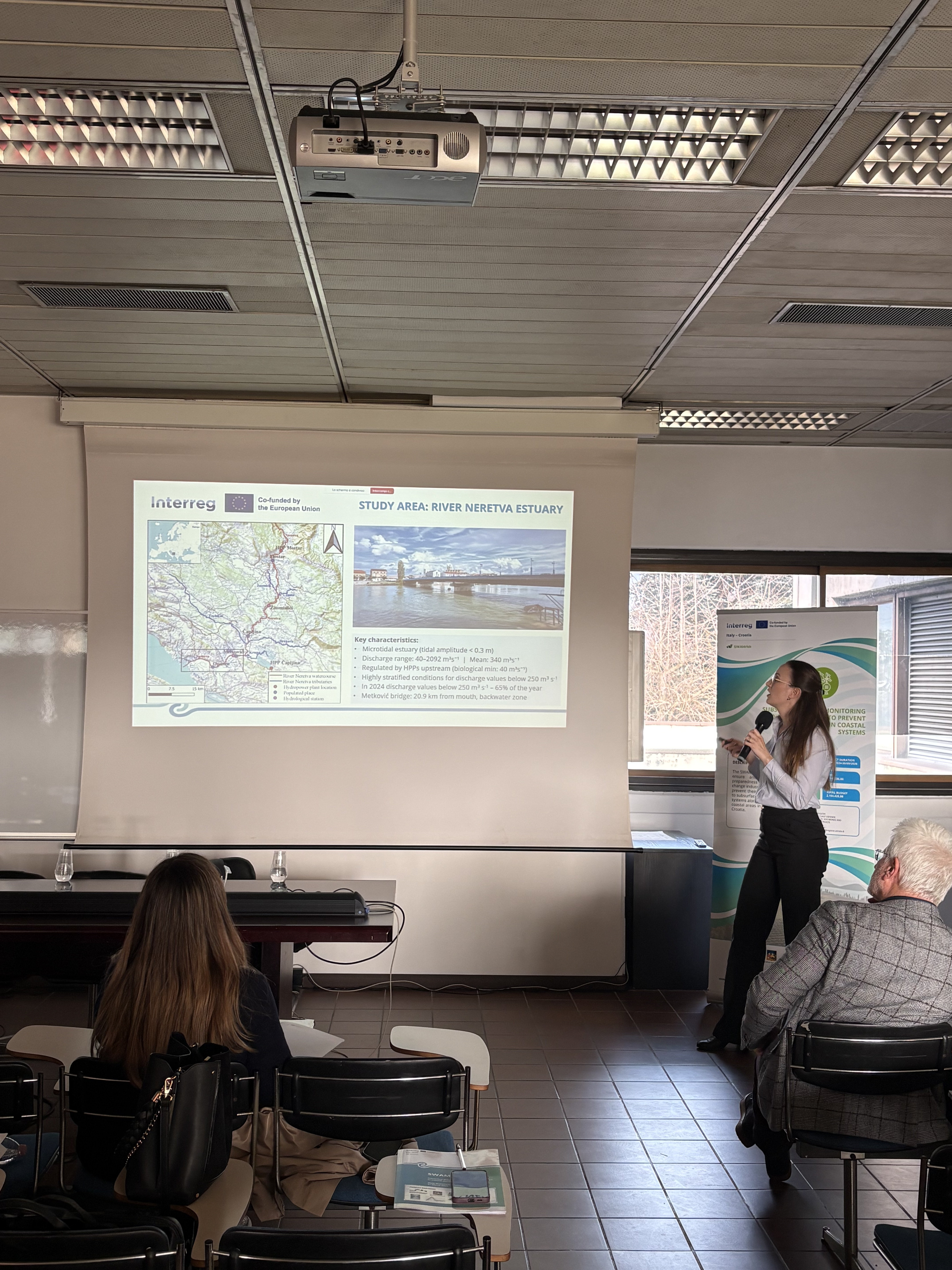
Jadran Čarija (University of Split, Croatia), who presented analytical frameworks for assessing salinity in microtidal estuaries.
-
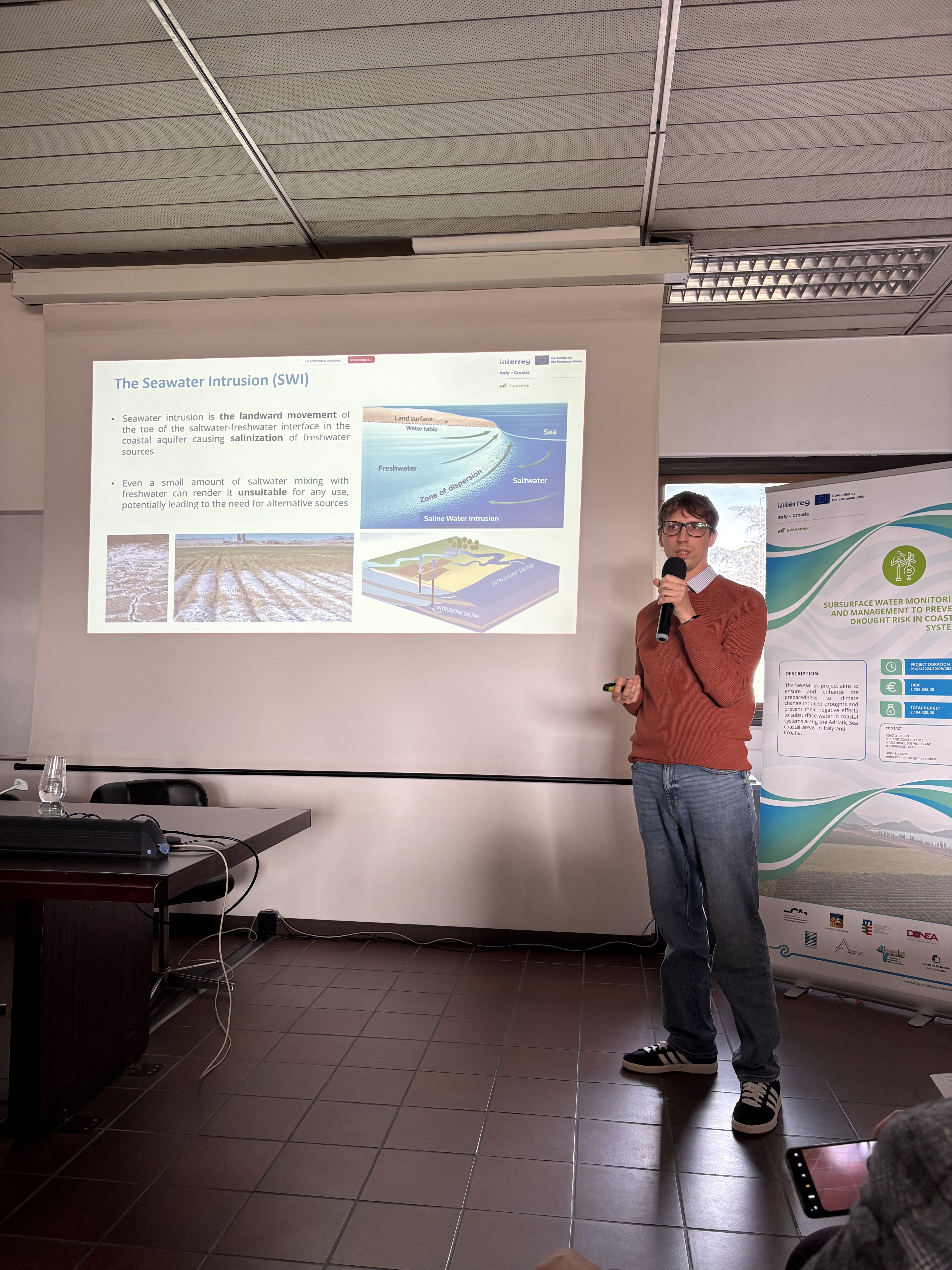
Pablo Agustín Yaciuk (CNR-IGG, Padua), who discussed high-resolution monitoring of saltwater intrusion in multilayer coastal aquifers between the Brenta and Adige rivers.
-
Pietro Teatini (M3E, Padua), who presented research on land reclamation processes and environmental challenges in low-lying coastal agricultural areas.
-
Iva Aljinović (University of Split, Croatia), who analysed the dynamics of the seawater-freshwater interface influenced by river discharge and tidal oscillations.
-
Eleonora Carol (CONICET – Universidad Nacional de La Plata, Argentina), who shared insights on freshwater lens formation along the Argentine Atlantic coast under changing climatic conditions.
-
Svjetlana Stanić-Koštroman (University of Mostar, Bosnia and Herzegovina), who presented research on ecological status and bioassessment of surface waters in the Adriatic Sea Basin.
-
Ivo Andrić (University of Split, Croatia), who discussed drought monitoring and adaptive water use in sensitive coastal karst aquifers, with a case study from the island of Vis.
-
Nicolò Colombani (Università delle Marche, Italy), who explored the origins of salinity in coastal landscapes of the Po River basin.
-
Maurizio Polemio (CNR-IRPI, Bari), who presented modelling approaches for managing coastal groundwater resources at risk of salinisation under global change.
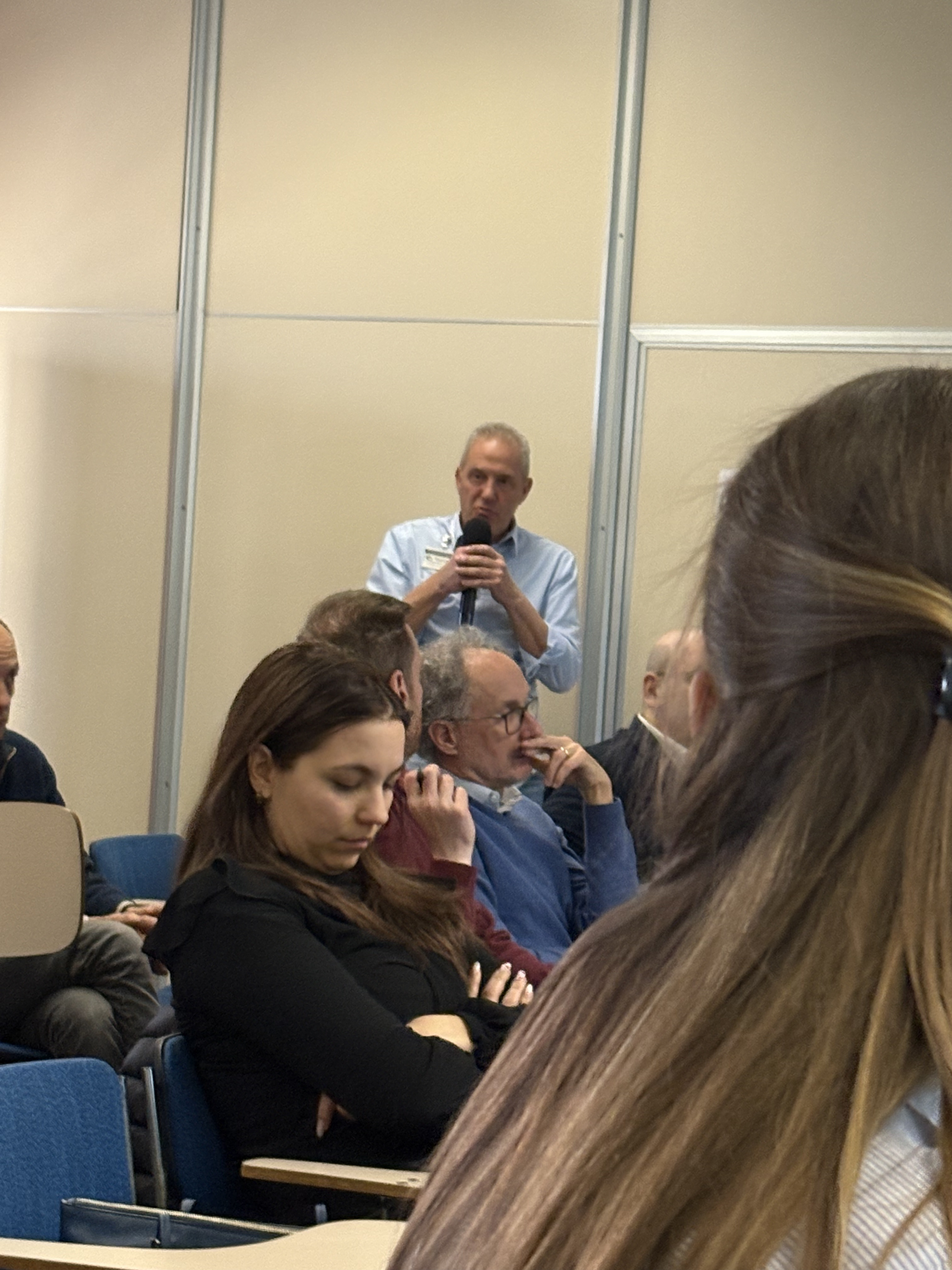
Following the presentations, a discussion session took place, where participants exchanged views on monitoring techniques, modelling approaches and management strategies for coastal groundwater systems. The discussion highlighted the importance of integrating scientific knowledge, monitoring data and practical management tools in order to better address the impacts of climate change on water resources.
The conference confirmed that small scientific events such as this can provide an excellent platform for exchanging knowledge and experiences among researchers, while also supporting the application and long-term sustainability of project results. Such interactions are essential for strengthening collaboration between institutions and ensuring that research outcomes contribute to improved management of coastal aquifers and water resources.