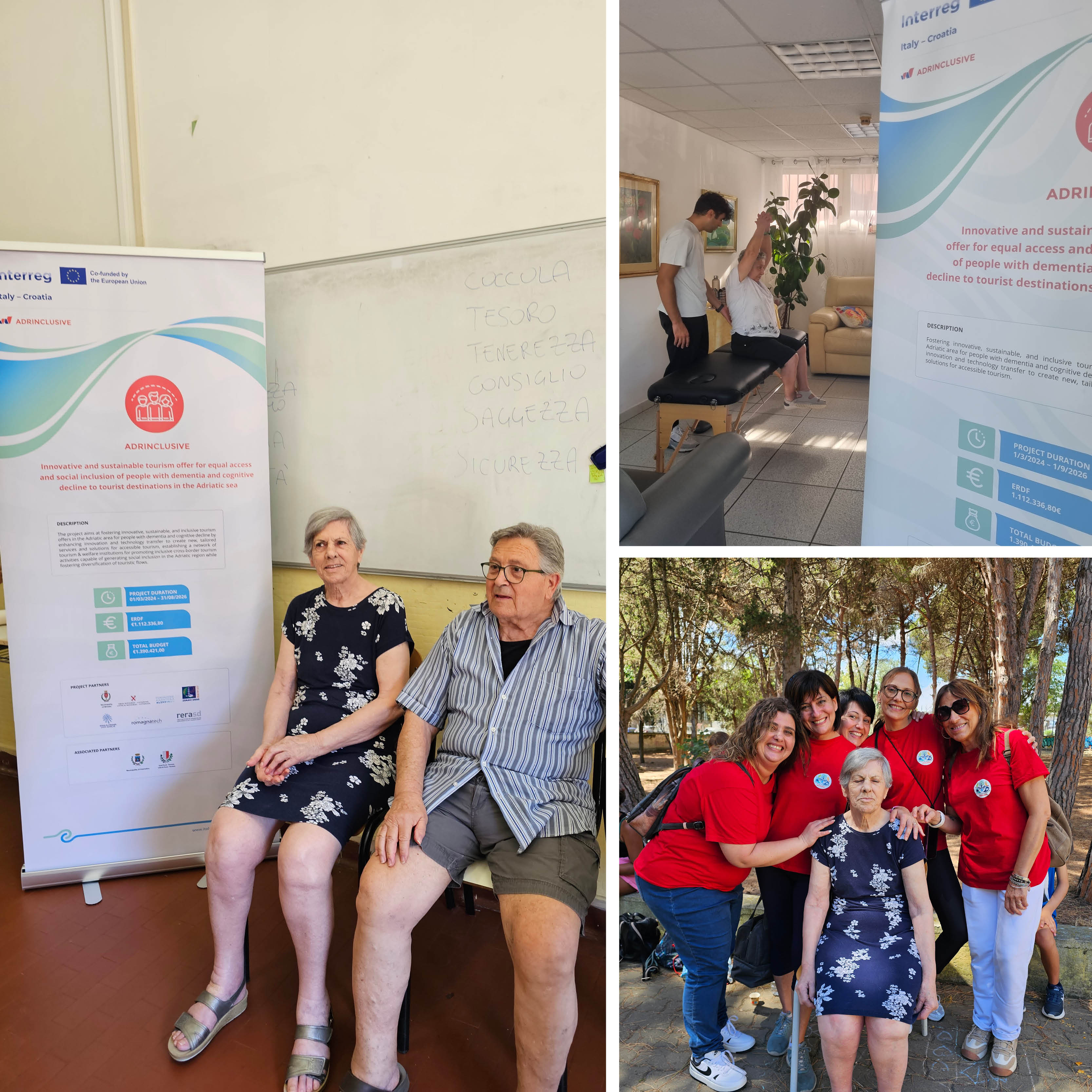


Imagine a world where everyone can experience the joy of travel, regardless of their abilities!
11/02/2026
For many families, the idea of traveling with a loved one who has dementia or Alzheimer's disease can seem daunting. The fears of managing unexpected reactions, getting lost, or simply being in an unfamiliar environment often outweigh the desire for a change of scenery. However, travel is not just about visiting new places; it's a powerful tool for well-being, social connection, and maintaining a sense of purpose. With careful planning and a positive approach, a family vacation can be a restorative and enriching experience for everyone involved.
Dementia is a term that describes a general decline in memory and other cognitive skills, severe enough to affect a person's ability to perform everyday activities. It's important to remember that dementia is not a specific disease itself but rather a group of symptoms. Alzheimer's disease is the most common form of dementia, and it is a progressive condition that worsens over time, though the rate of progression can vary greatly among individuals. When discussing these topics, it is crucial to use person-first language, such as "a person with dementia" or "a person living with dementia," rather than defining them by their illness. Despite the challenges, a person with dementia remains a unique individual with their own life story, personality, and preferences. It is absolutely possible for them to live a full and active life, including enjoying vacations and new experiences.
A short guide for an inclusive holiday
Planning an inclusive holiday requires thoughtful preparation to ensure a safe and enjoyable trip. Here is a practical, step-by-step guide on how to organize and inclusive holiday tailored to their needs.
Step 1: Selecting the right destination and accommodation
Selecting a destination is the first and most crucial step. Choose quiet and familiar places, avoiding destinations and seasons that are too crowded or chaotic. Seaside, mountain, or countryside locations are often ideal, especially during the off-season. When selecting accommodation, look for places that are safe, comfortable, and easy to navigate. Quiet, protected common areas and secure gardens can be a huge advantage. Informing the staff about your specific requirements can also help prevent stressful situations. For meal management, consider a full-board hotel that offers familiar meals and consistent meal times, which can help maintain a comfortable daily routine. It is also wise to carry light snacks and drinks to prevent dehydration or low blood sugar.
Step 2: Pre-trip planning and flexibility
Plan activities that are short, flexible, and follow a predictable routine. Gentle walks, card games, or creative workshops are all great options that stimulate both mind and body. A vacation of at least a week is recommended, as the first few days are often needed to unplug and become familiar with new surroundings. This longer period allows you to better recover from travel fatigue and provides a balance between moments of relaxation and more dynamic activities. It is essential to be flexible and ready to change plans if needed, prioritizing the comfort of your loved one. Whenever possible, involve the person with dementia in the planning to create an itinerary that reflects their preferences. Always have a contingency plan, including emergency contact numbers and access to medical care. The person with dementia should also carry identification and contact information.
Step 3: Arranging transportation
Organize transportation well in advance. Keep travel times short, ideally no more than four hours by car. If traveling by car, consider having a third person to support the caregiver. Plan the route in advance with scheduled stops every two hours to allow for breaks. Bringing familiar items like a favorite blanket or pillow can provide comfort and reassurance. It is also a good idea to pack snacks and drinks and to bring music or audiobooks to keep the person calm and distracted. If you are traveling with an Alzheimer's association or another group, a bus or coach can be a great option, as it allows the caregiver to focus on their loved one instead of on driving. This option also has a much lower environmental impact.
Step 4: Crafting a daily program
A well-structured daily program provides a sense of security and routine. The key is to maintain consistent meal times and locations, allow for ample rest, and incorporate a variety of activities with plenty of free time. For example, a morning might include a leisurely breakfast followed by a light activity like a walk or card games. The afternoon could involve a longer rest period, followed by a more engaging activity such as visiting a museum or a park. The day can end with a light and relaxing evening activity, like listening to music or playing a simple game.
Step 5: Understanding and addressing behavior
Inappropriate behavior is often an expression of an unmet need or discomfort that the person cannot easily explain. It is crucial to be empathetic and try to identify the triggers, which could be environmental factors like noise or crowds, physical discomfort (fatigue, pain), or emotional states like anxiety or fear. Wandering is a common behavioral disturbance, and it's important to give special attention to this. Understanding the emotion behind the behavior is essential to offering the best support. Effective strategies include distraction (redirecting attention to a more positive activity), sensory adjustments (reducing overstimulation), emotional support (offering reassurance), and using clear, simple language to avoid a confrontational tone.
The lasting impact of inclusive travel
Inclusive tourism is more than just a vacation; it's an investment in the well-being of people with dementia. Travel offers new experiences, social connections, and a powerful sense of purpose that can improve their quality of life and fight social exclusion. It also strengthens communities by making them more welcoming and accessible for everyone. After the trip, take time to reflect on what worked and what could be improved for future vacations. Share the experience with others to show that traveling with dementia is not only possible but also beneficial for everyone involved.
To deepen your knowledge on organizing vacations for people with dementia, you can rely on more complex documents created through the INTERREG ITALY-CROATIA ADRINCLUSIVE project. The manual, produced in the frame of the project, "Organising your inclusive vacation with people with dementia" provides an in-depth look at planning an inclusive vacation, while a shorter guide is also available for quick reference. Both documents can serve as valuable resources for families and caregivers looking to make travel a reality.
The ADRINCLUSIVE project partners are committed to creating innovative and sustainable tourism offerings that ensure equal access and promote social inclusion for people with dementia and cognitive decline at tourist destinations in the Adriatic Sea. Together, we can make travel accessible for everyone!