
Aquaculture for Everyone: Insights and Achievements from AE2025 in Valencia
25/09/2025
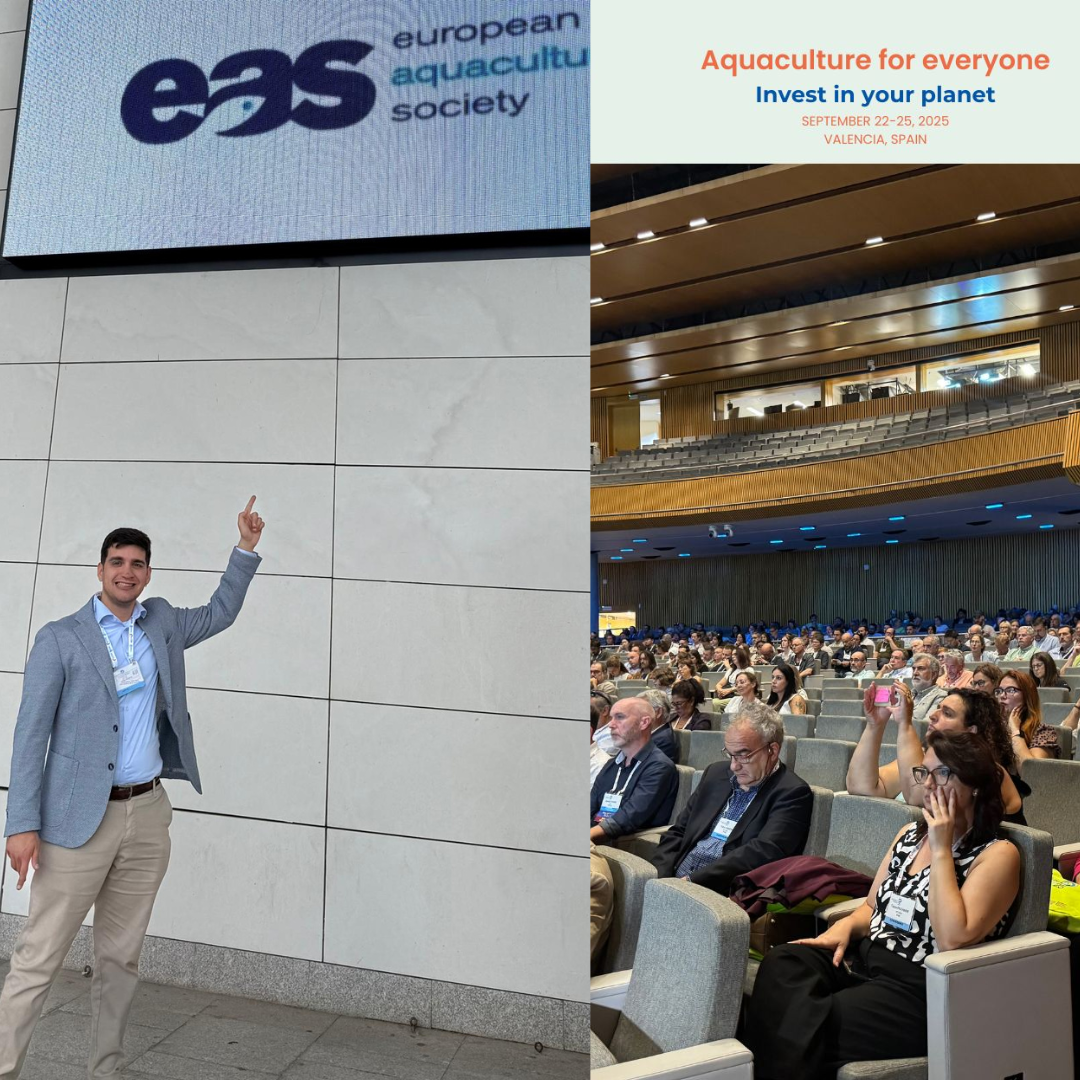
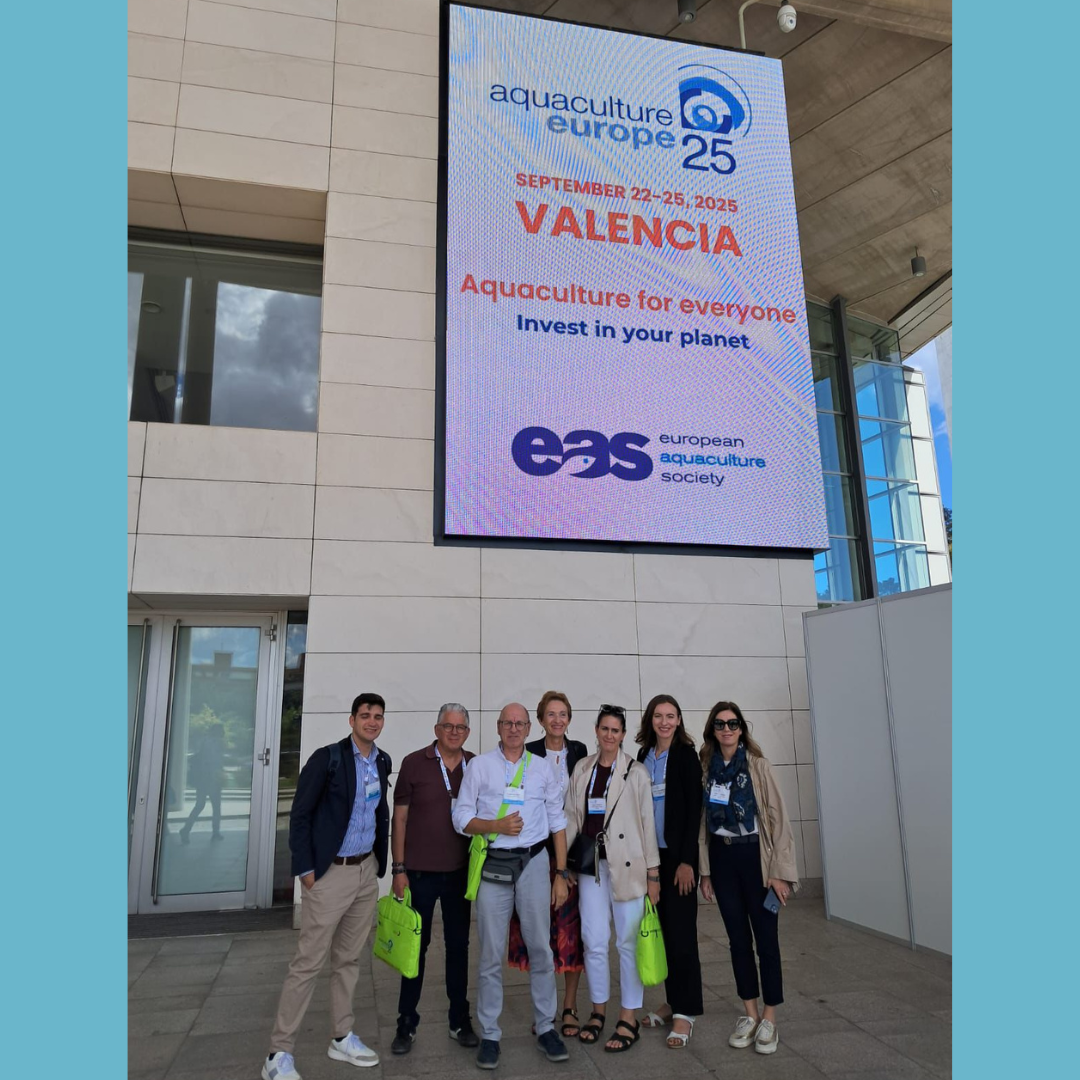
Interreg IT-HR MARINET Project partners’ teams have returned from Valencia and Aquaculture Europe 2025 (AE2025), the annual meeting of the European Aquaculture Society (EAS), very satisfied and full of positive impressions.
More than three thousand delegates and over one hundred industry partners presented their products in the exhibition area. The plenary keynote, “Regenerative aquaculture to reconcile human and planetary health,” delivered by Professor Carlos M. Duarte (King Abdullah University, Saudi Arabia), offered a fresh perspective on future approaches to aquaculture.
With its diversity of species and production technologies, its wide range of market propositions, and its growing commitment to environmental sustainability, aquaculture is firmly established as an essential sector in the global food supply. There is therefore no doubt that “Aquaculture is, and needs to be, for everyone”—the central message of this year’s conference.
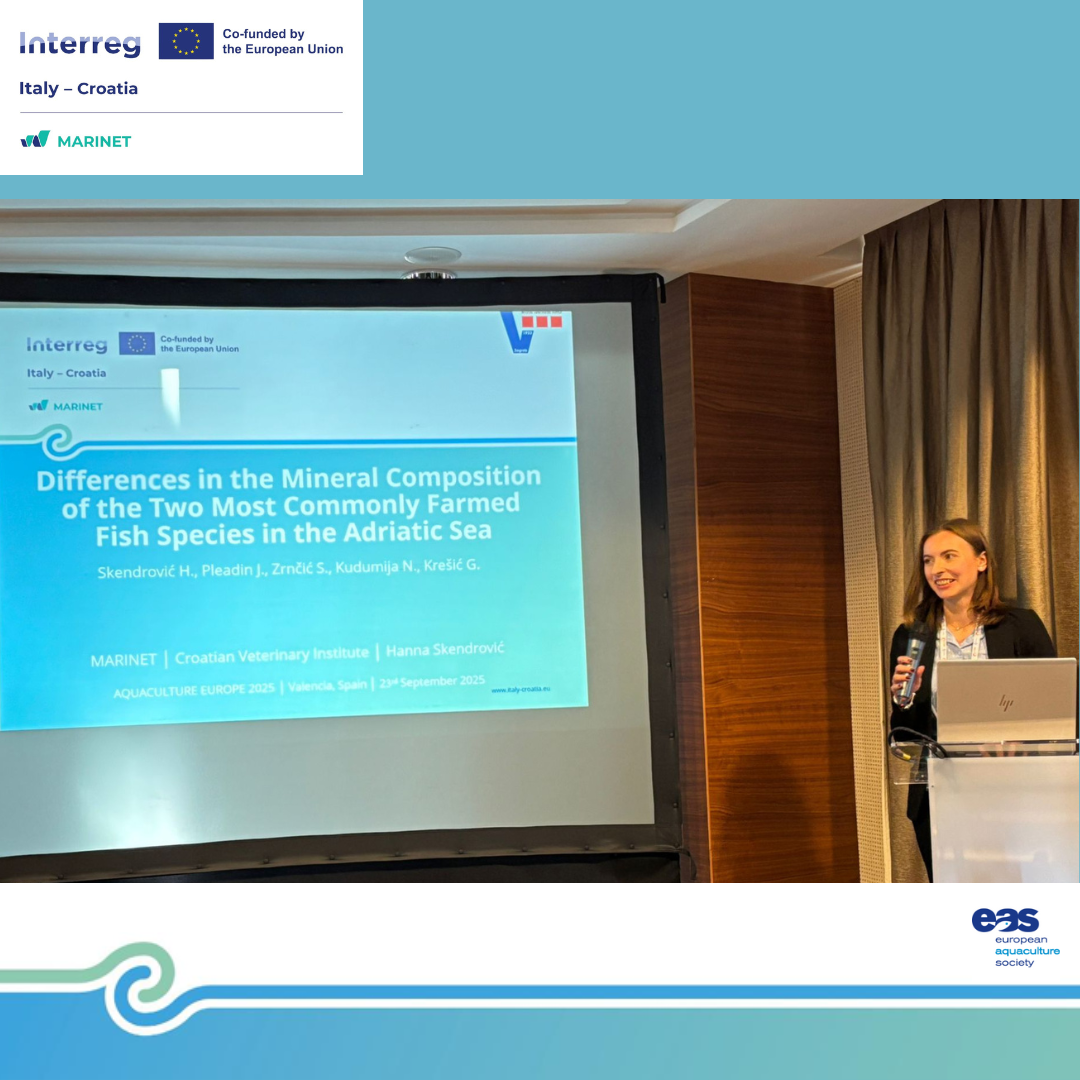
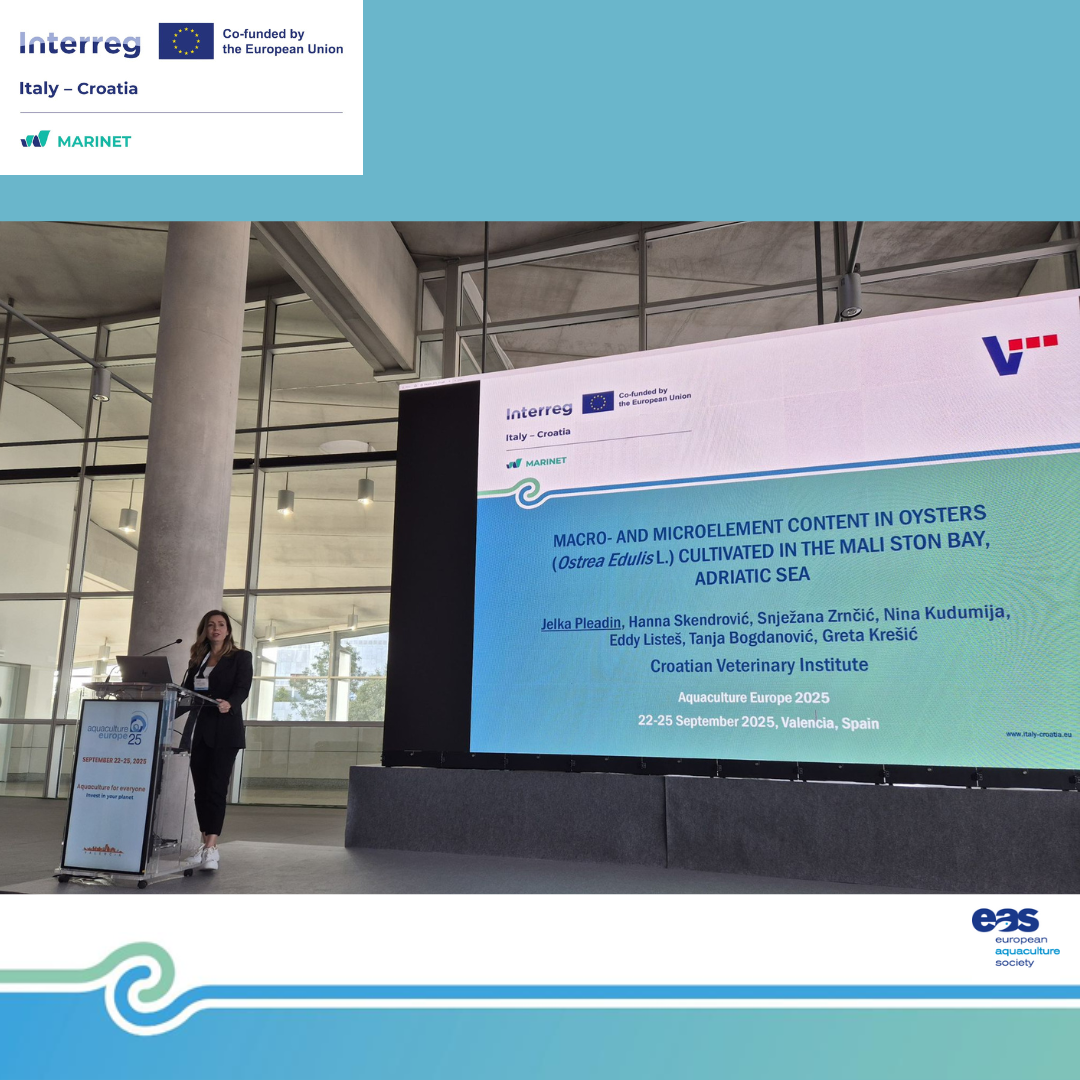
Our scientists contributed through various posters and oral presentations. Five presentations were from the Veterinary Institute of Croatia, two from University of Udine and one from the IZSVE institute.
• Ivana Giovanna Zupičić (instead of Dražen Oraić): “Photobacteriosis dynamics in European seabass (Dicentrarchus labrax) in Croatia in the last five years”
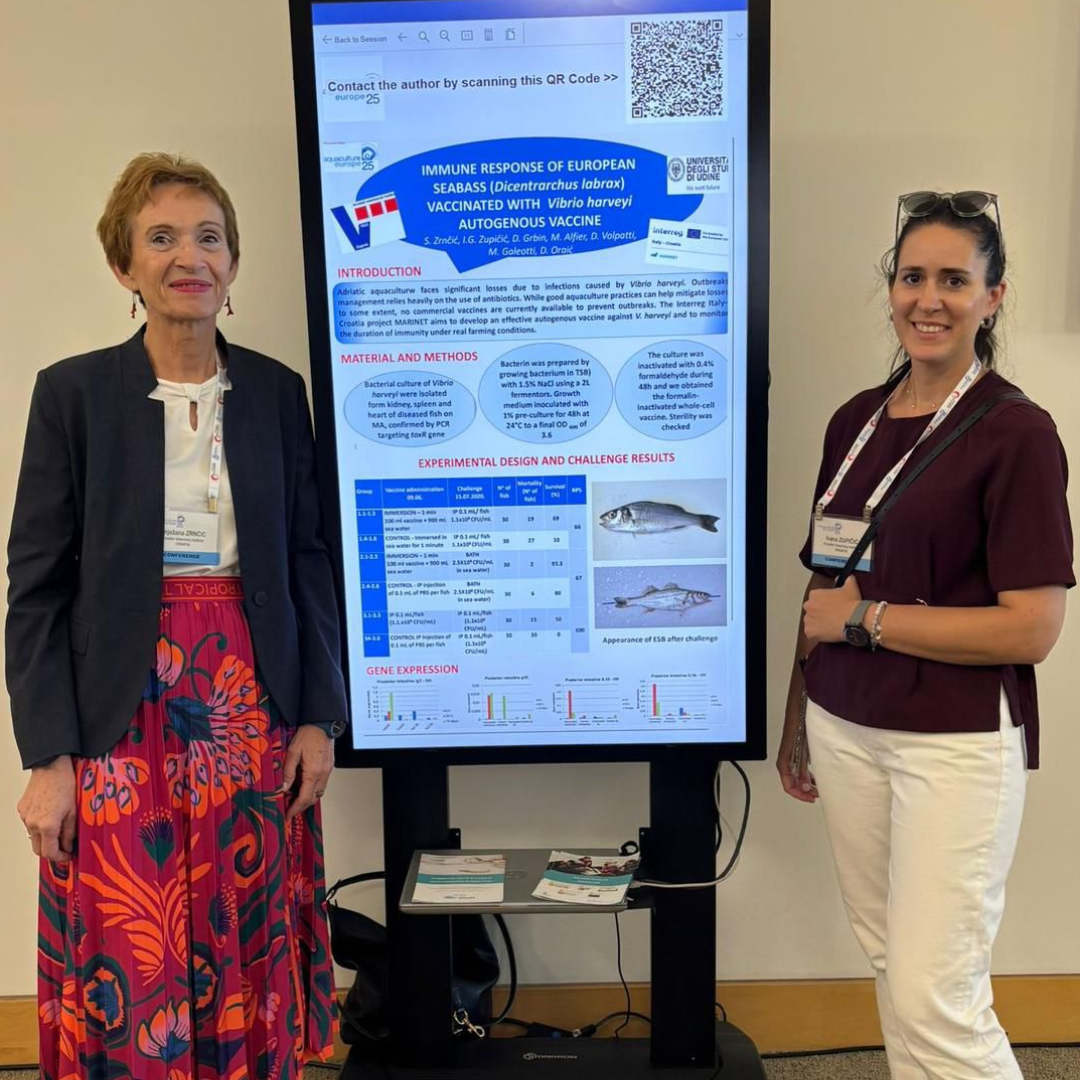
• Snježana Zrnčić: Immune response of European seabass (Dicentrarchus labrax) vaccinated with Vibrio harveyi autogenous vaccine”
• Jelka Pleadin: “Micro- and macroelement content in oysters (Ostrea edulis L.) cultivated in Mali Ston Bay, Adriatic Sea”
• Hanna Skendrović: “Differences in the mineral composition of the two most commonly farmed fish species in the Adriatic Sea”
• Giuseppe Comi: “Evaluation of methods to increase the shelf-life of flat oysters”
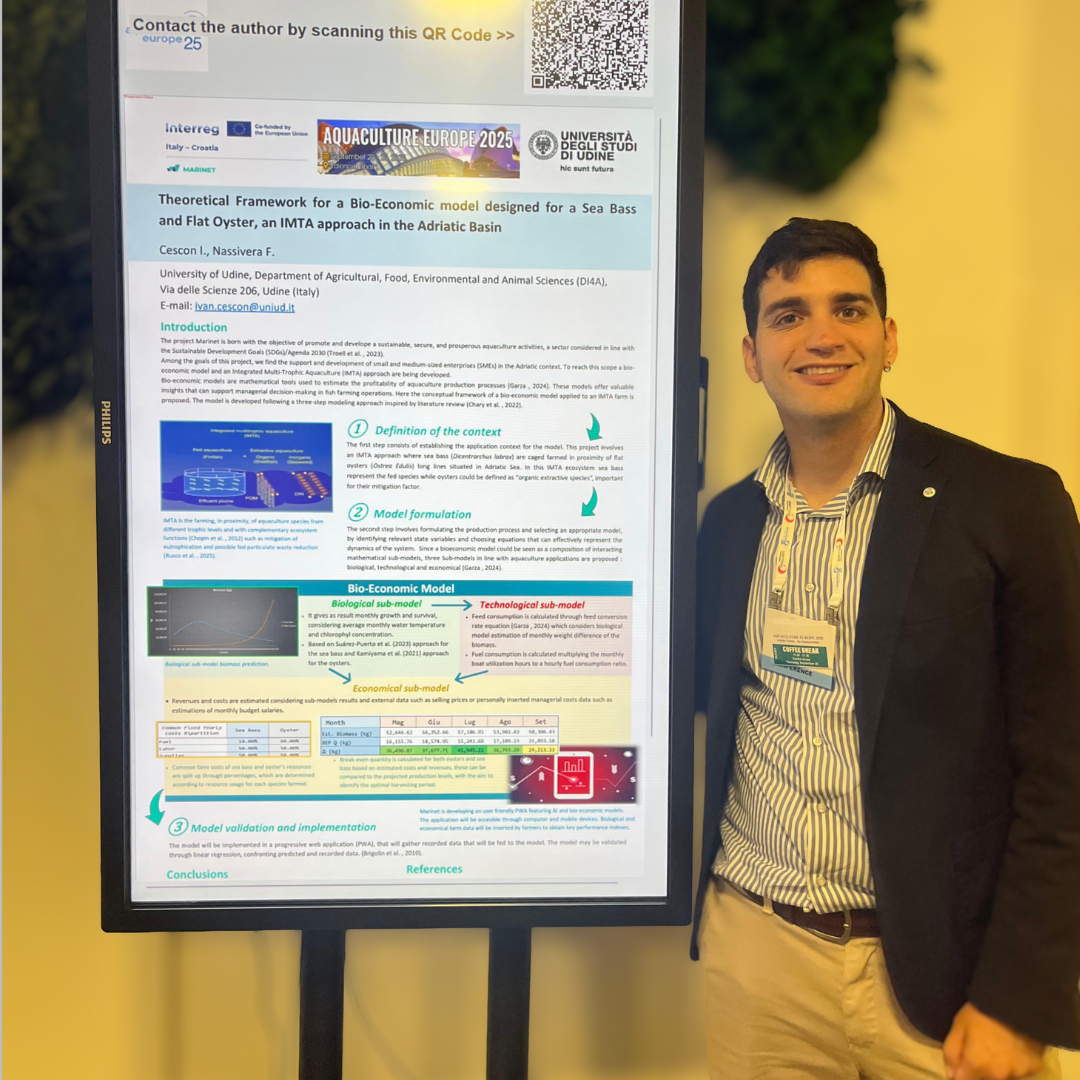
• Ivan Cescon: “Theoretical framework for an IMTA bioeconomic model designed for seabass and flat oyster farms in the Adriatic basin”
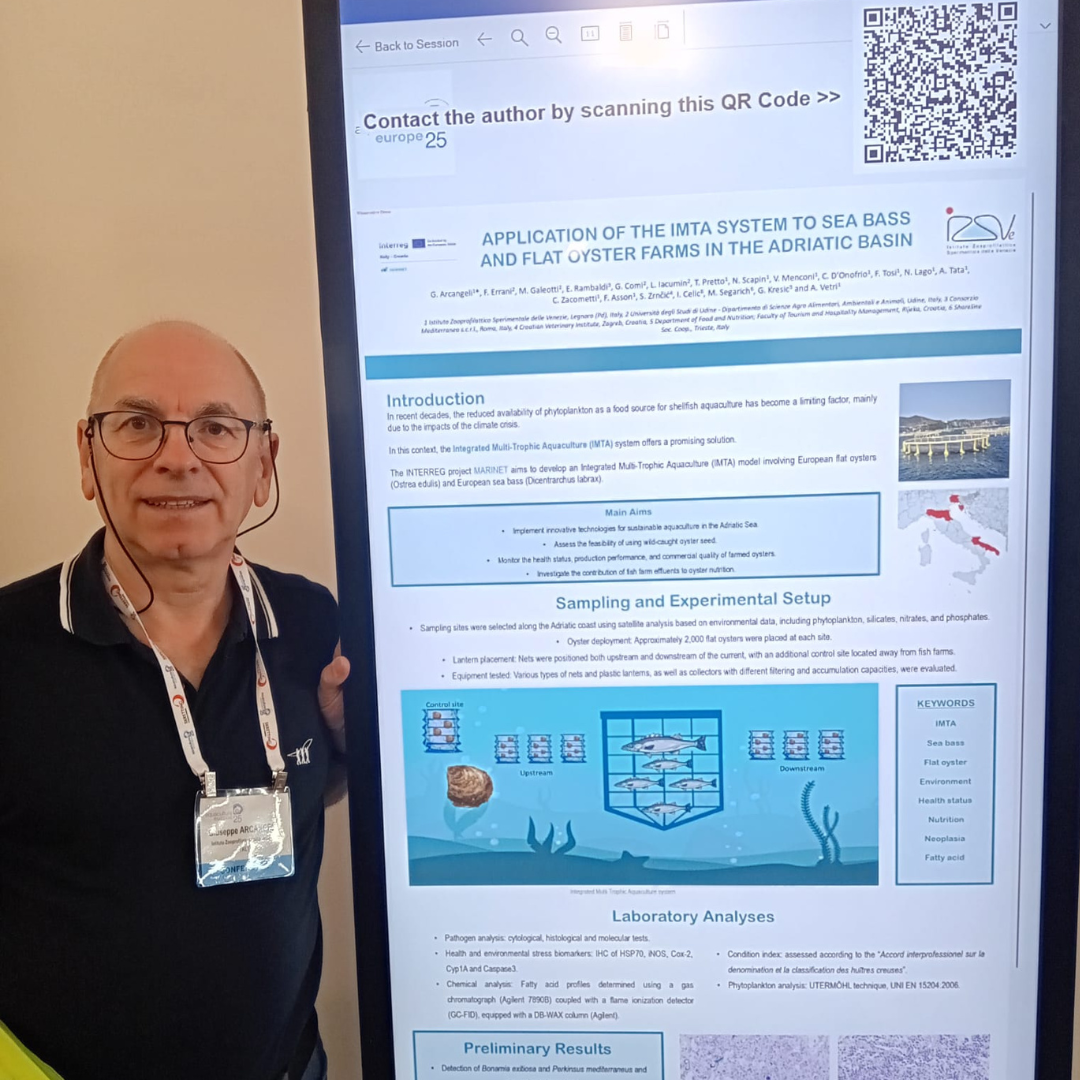
• Giuseppe Arcangeli: “The application of the IMTA system to seabass and flat oyster farms in the Adriatic basin”
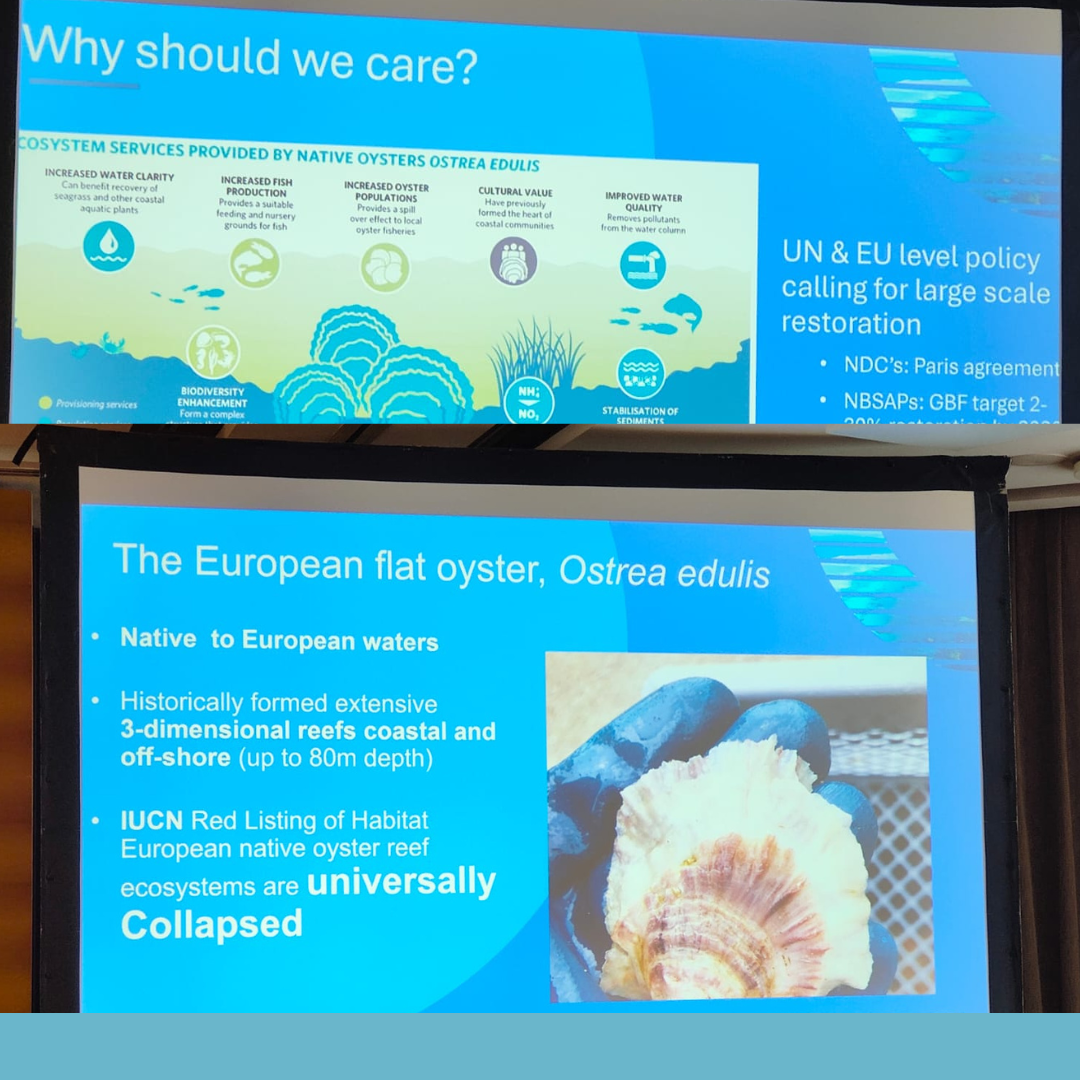
Several sessions were of particular interest, including one focused on flat European oysters, which strongly validated our ongoing research and efforts in this field.