Lead Partner Participated at EGU2025 Conference in Vienna
05/05/2025
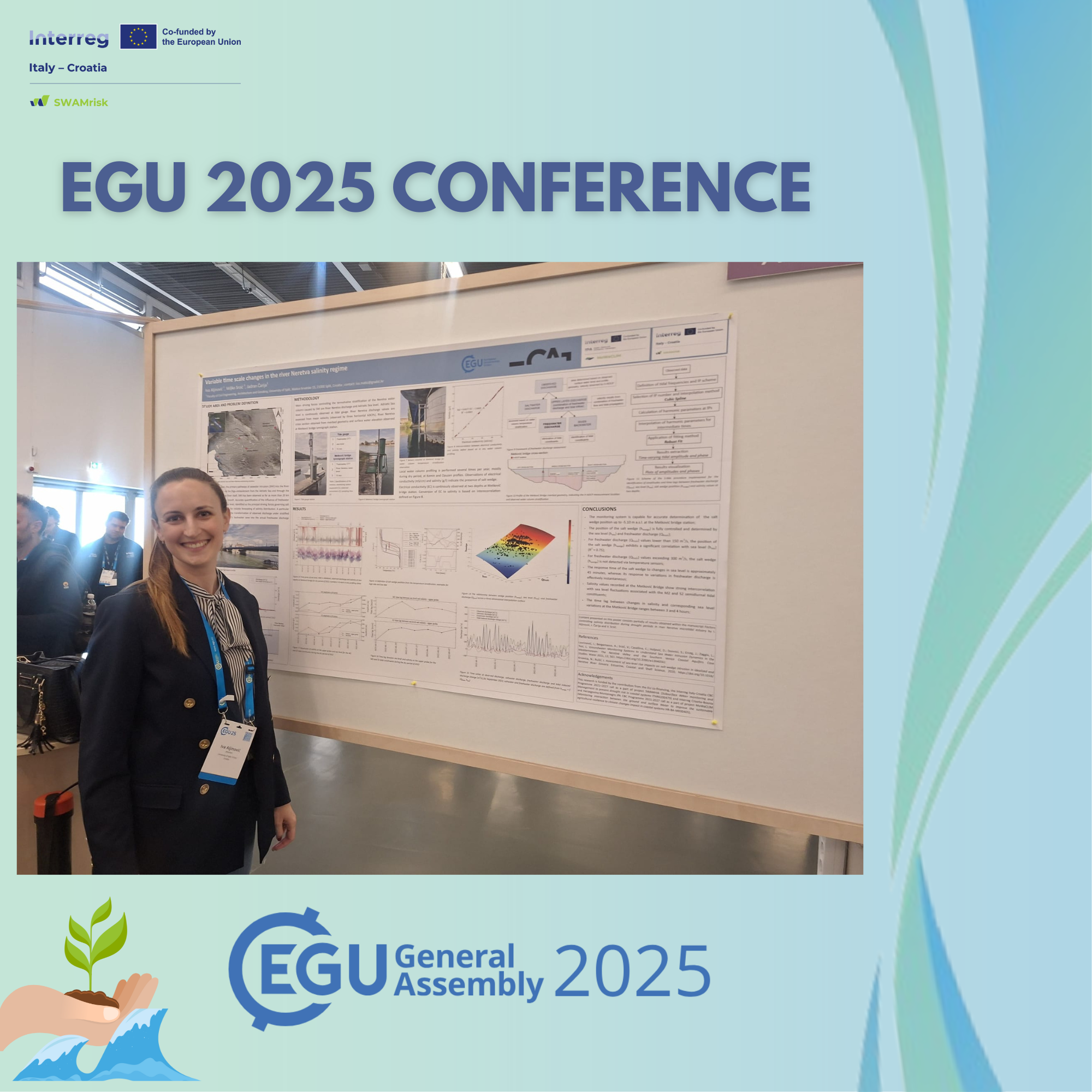
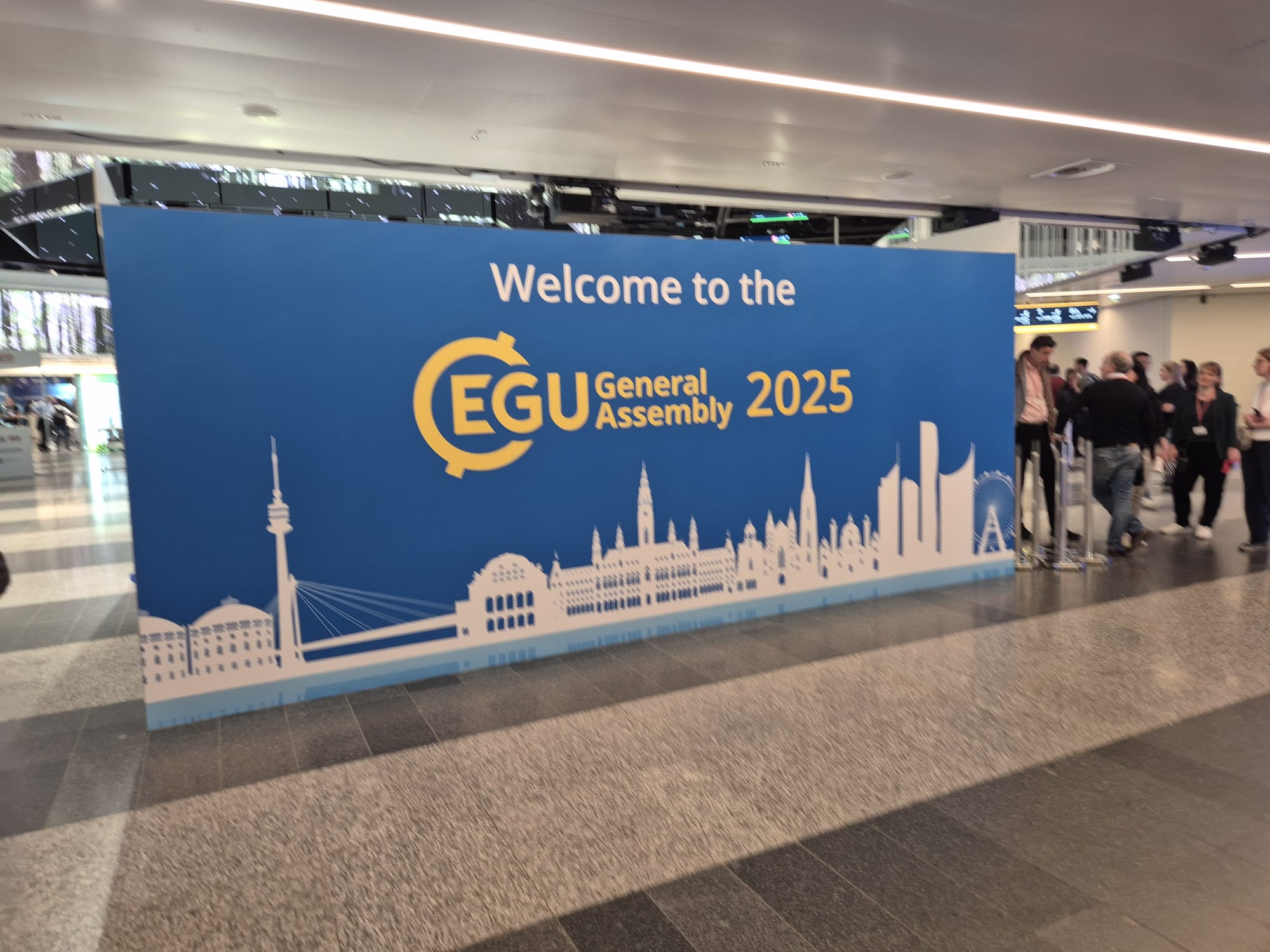
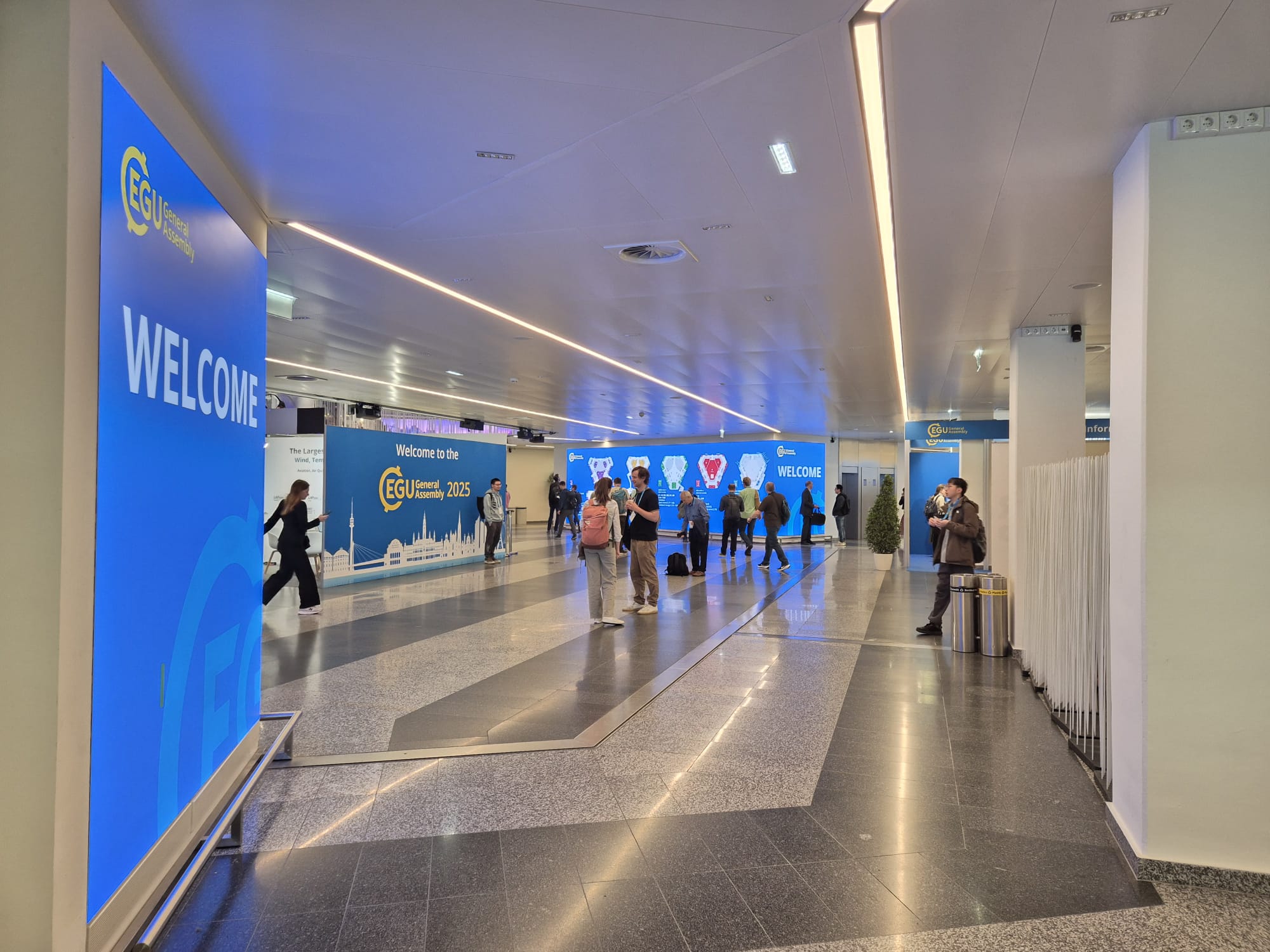
The Faculty of Civil Engineering, Architecture and Geodesy (FGAG) – University of Split, as the Lead Partner of the SWAMrisk project, proudly participated in the European Geosciences Union (EGU) General Assembly 2025, held in Vienna, Austria from 27 April to 2 May 2025.
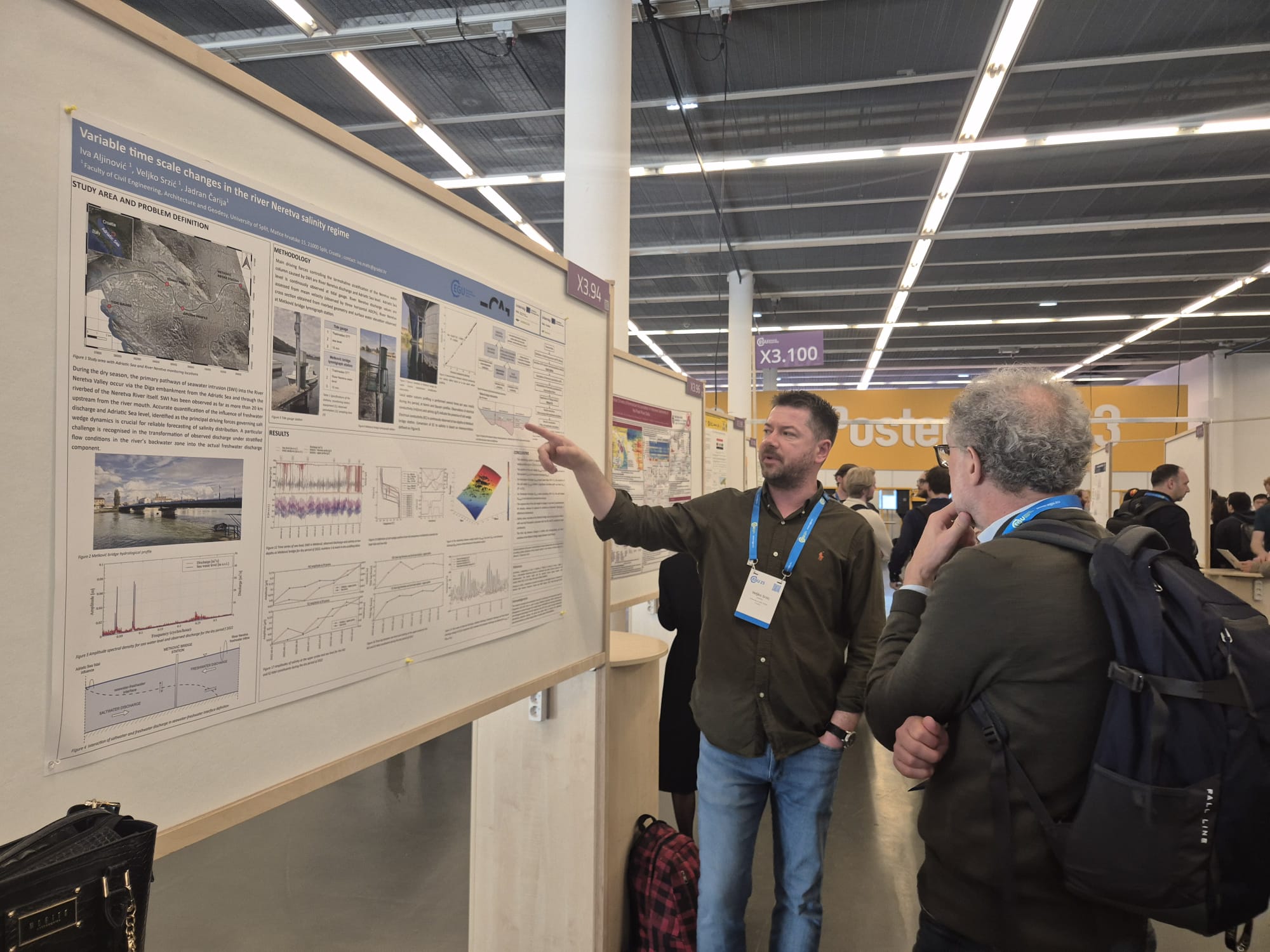
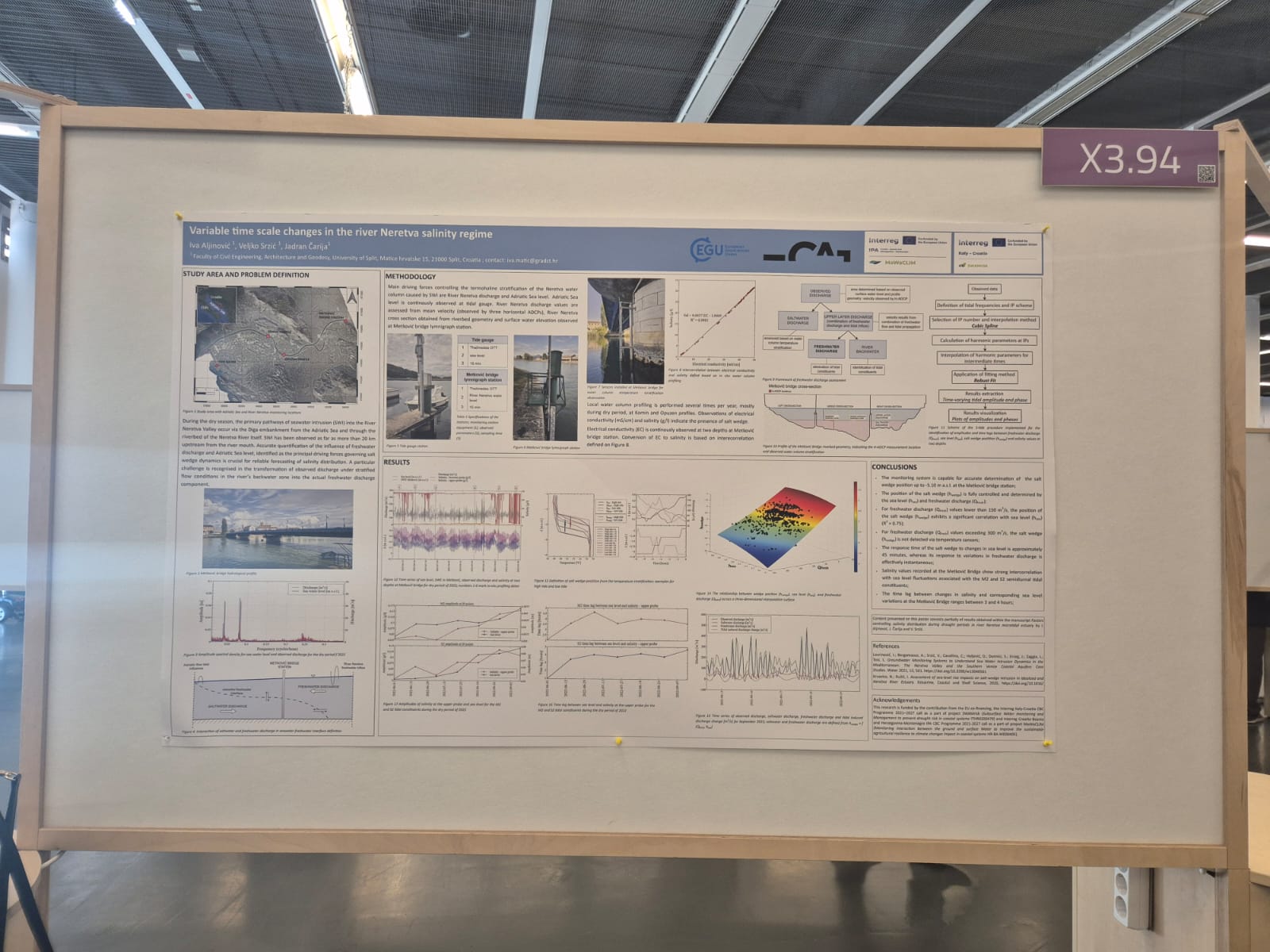
As part of the poster session focused on coastal groundwater and water resource challenges, FGAG presented a scientific poster entitled:
“Variable Time Scale Changes in the River Neretva Salinity Regime”
This poster highlighted ongoing research conducted within the SWAMrisk project and addressed critical environmental and socio-economic issues related to the intrusion of saltwater into freshwater aquifers in low-lying coastal areas.
The poster provided a comprehensive overview of:
-
Hydrogeological characteristics of the Neretva Delta – a region of high ecological and agricultural value in southern Croatia
-
Current observations and predictive models concerning saltwater intrusion caused by climate change, sea-level rise, and reduced river inflows
-
The impacts of intensive irrigation and drainage systems on groundwater salinity
-
Risk assessment methodology developed within SWAMrisk to identify vulnerable zones and support local water management strategies
FGAG researchers engaged with international experts to share data, methods, and experiences, and to promote collaborative approaches to coastal aquifer protection.
Why Participation in EGU2025 Matters
The EGU General Assembly is the largest and most prestigious European conference in the field of Earth, planetary and space sciences. With:
-
20,984 participants from over 120 countries
-
18,934 presentations in 1,102 sessions
-
56% of contributions from Early Career Scientists (ECS)
For the SWAMrisk project, participation in EGU2025 allowed us to:
-
Increase visibility and credibility within the international scientific community
-
Promote cross-border cooperation on water-related climate adaptation challenges
-
Strengthen dialogue between research institutions and policy-makers
-
Encourage the adoption of evidence-based solutions in regional and national water management policies