Climate science supporting climate policies: Information Day held in Otranto
17/08/2026
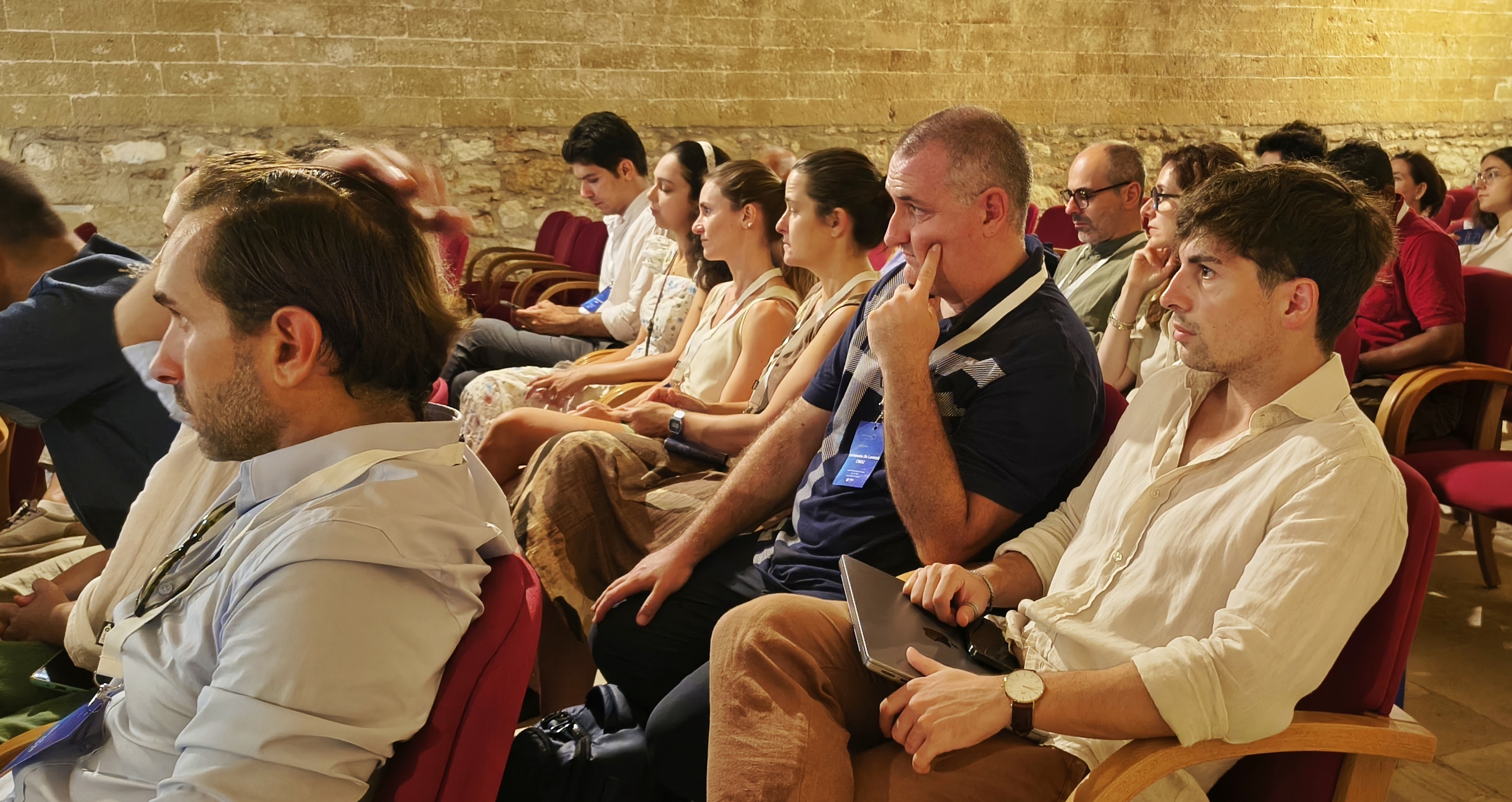
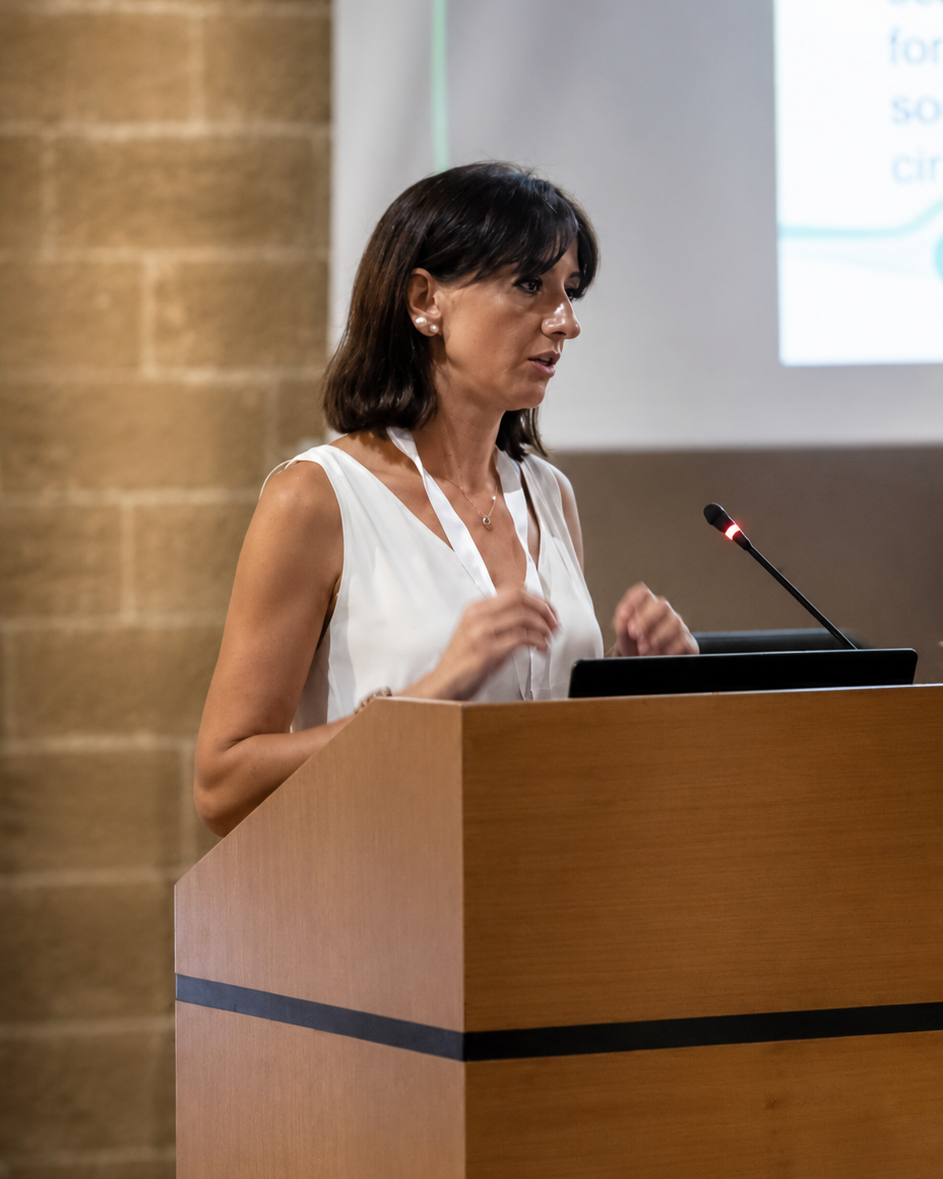
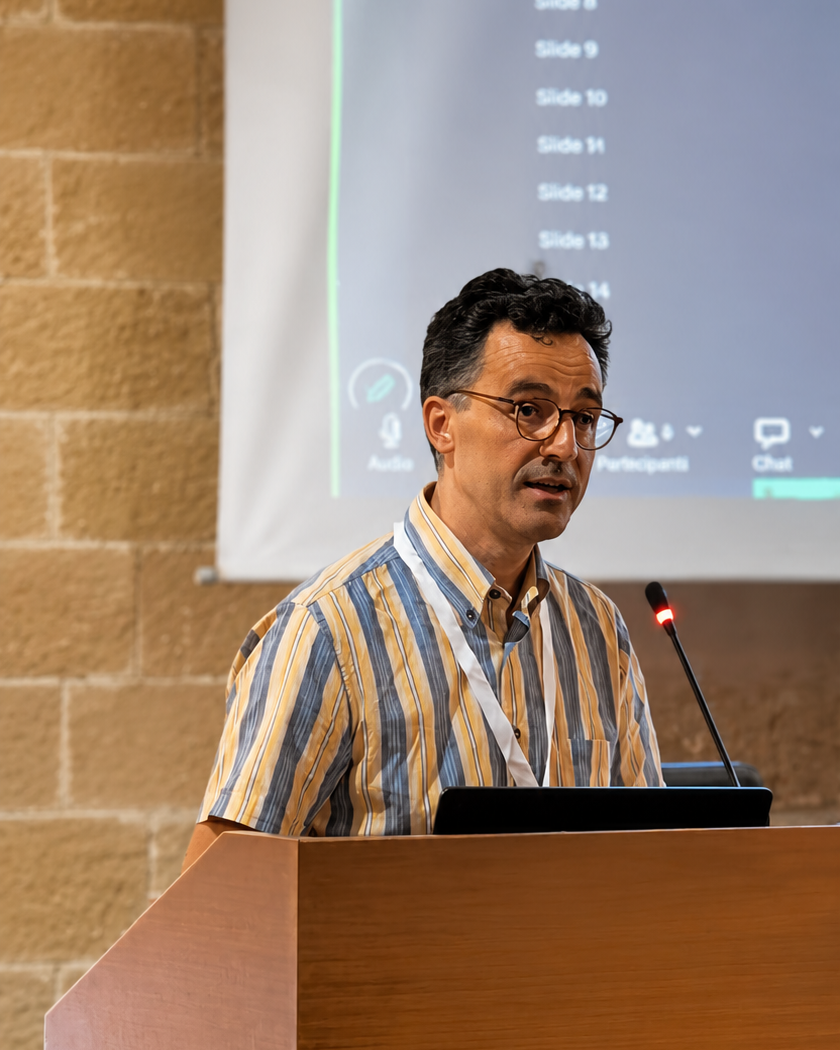
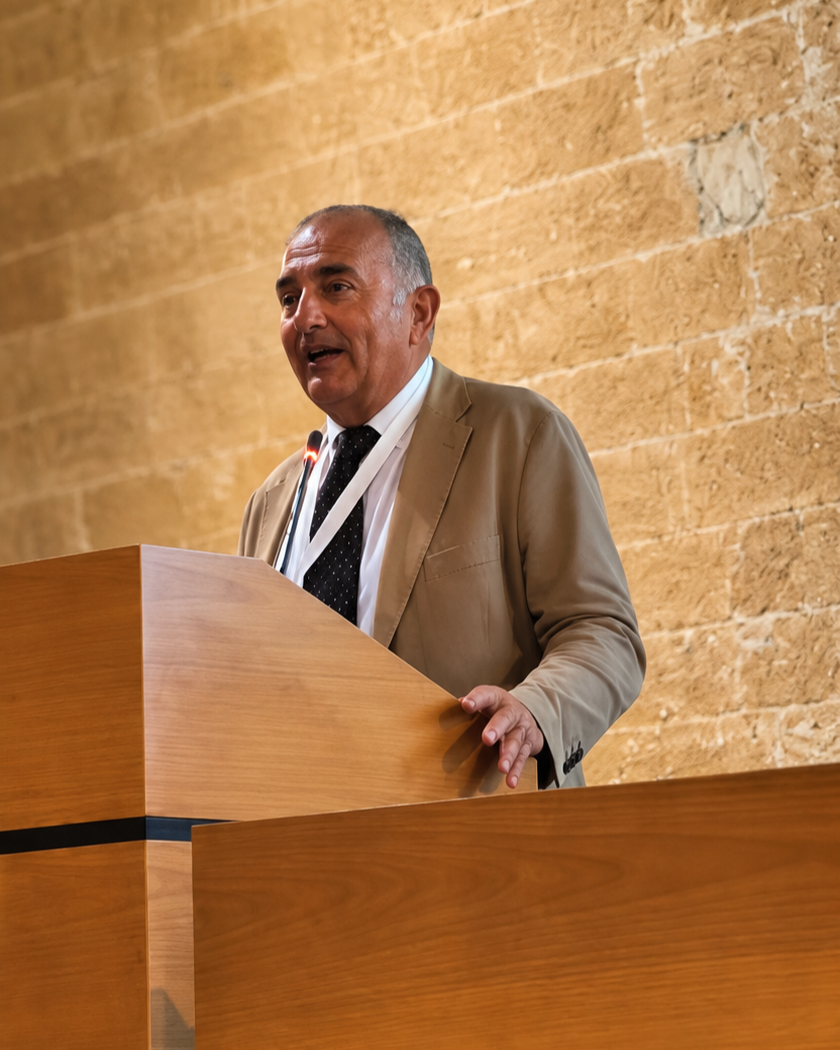
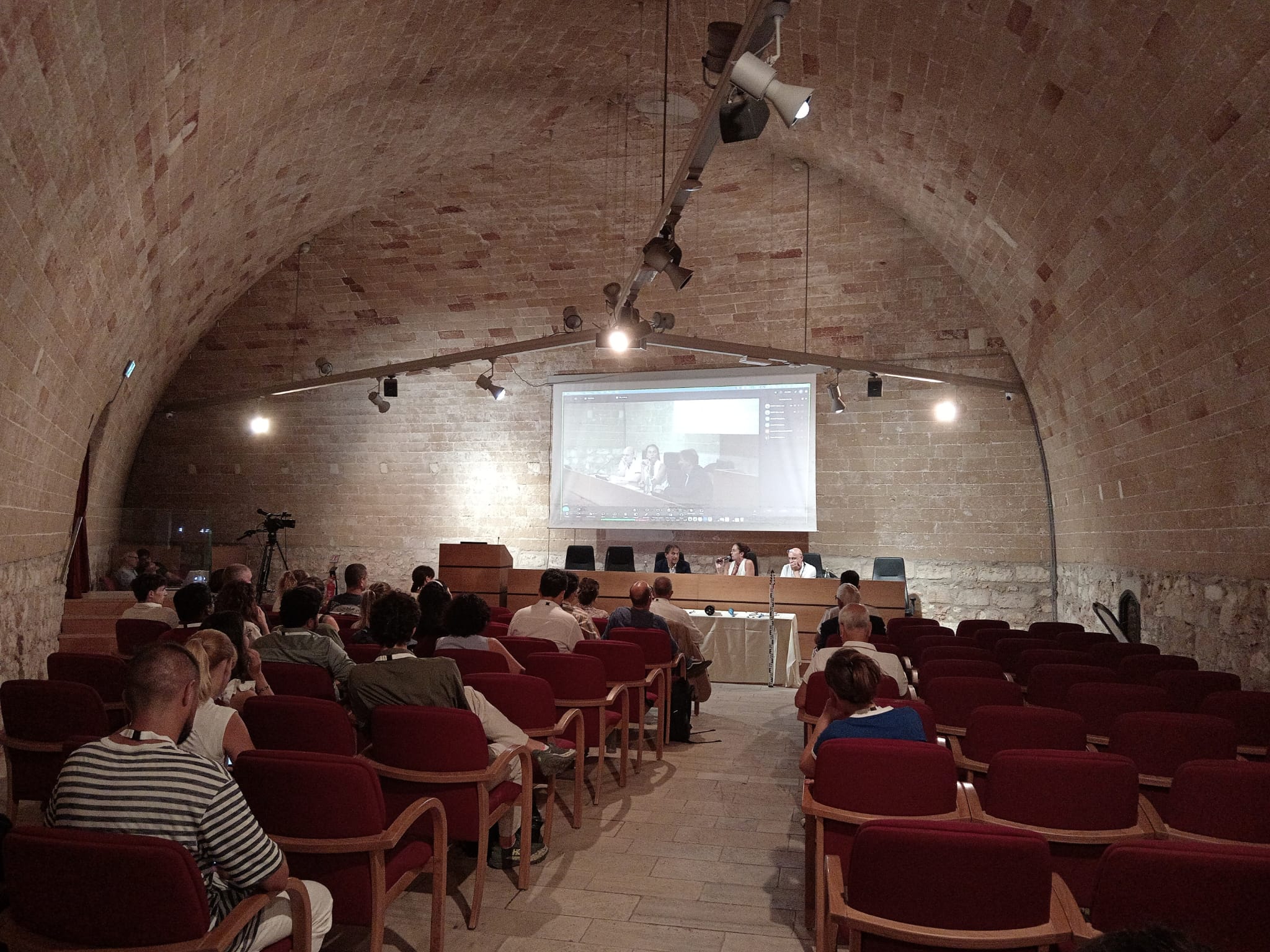
On 29 July 2026, the Information Day, titled "Climate Science Serving Climate Policies – Insights from the AdriaClimPlus Project: Promoting Innovative Research and Actionable Knowledge", was successfully held at the Castello Aragonese in Otranto, Italy.
The event brought together researchers, public authorities, regional institutions and stakeholders to explore how scientific knowledge can support evidence-based climate policies and strengthen adaptation efforts in the Adriatic region.
Understanding climate risks in the Adriatic
The first thematic session focused on climate risks and the vulnerability of Adriatic coastal areas.
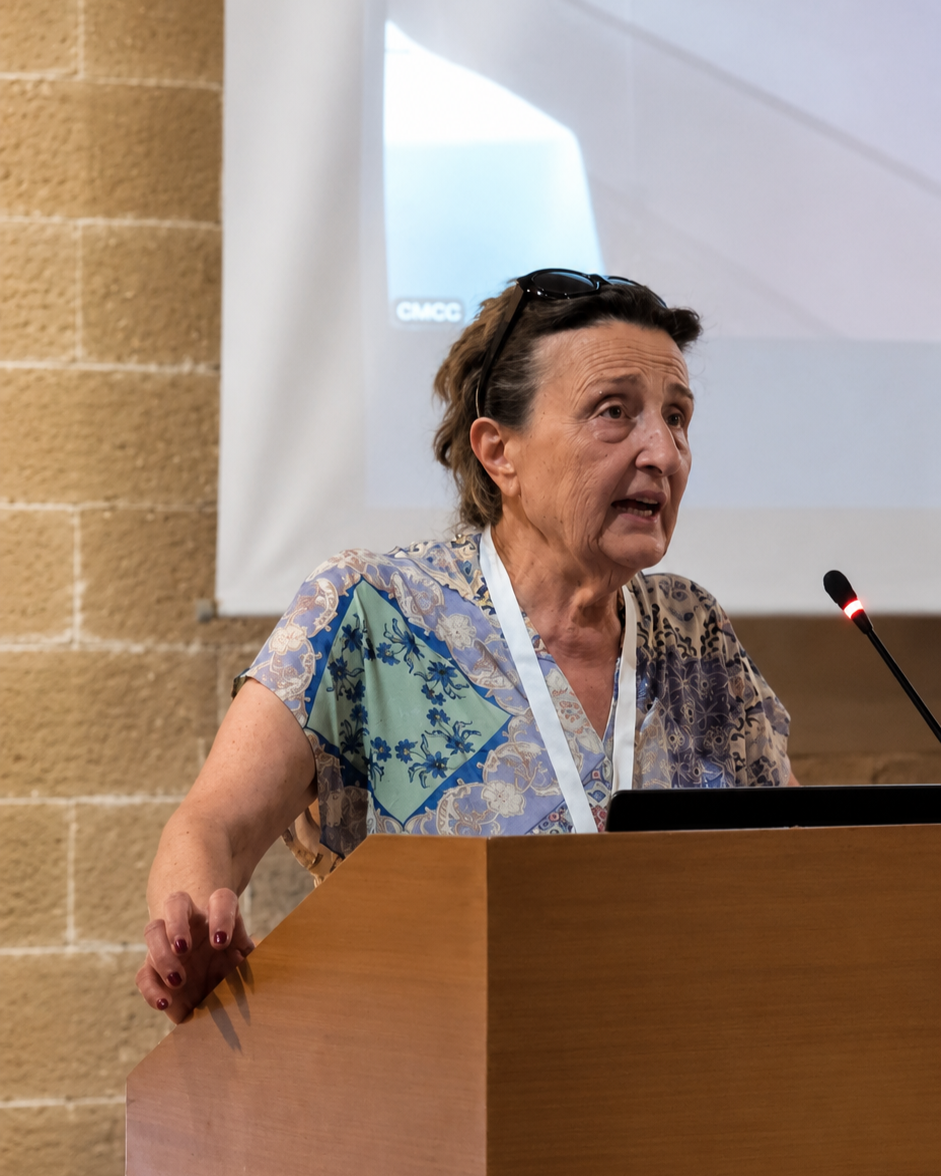
The programme opened with Nadia Pinardi (University of Bologna), who presented the role of the UN Ocean Decade in strengthening coastal resilience through science and international cooperation.
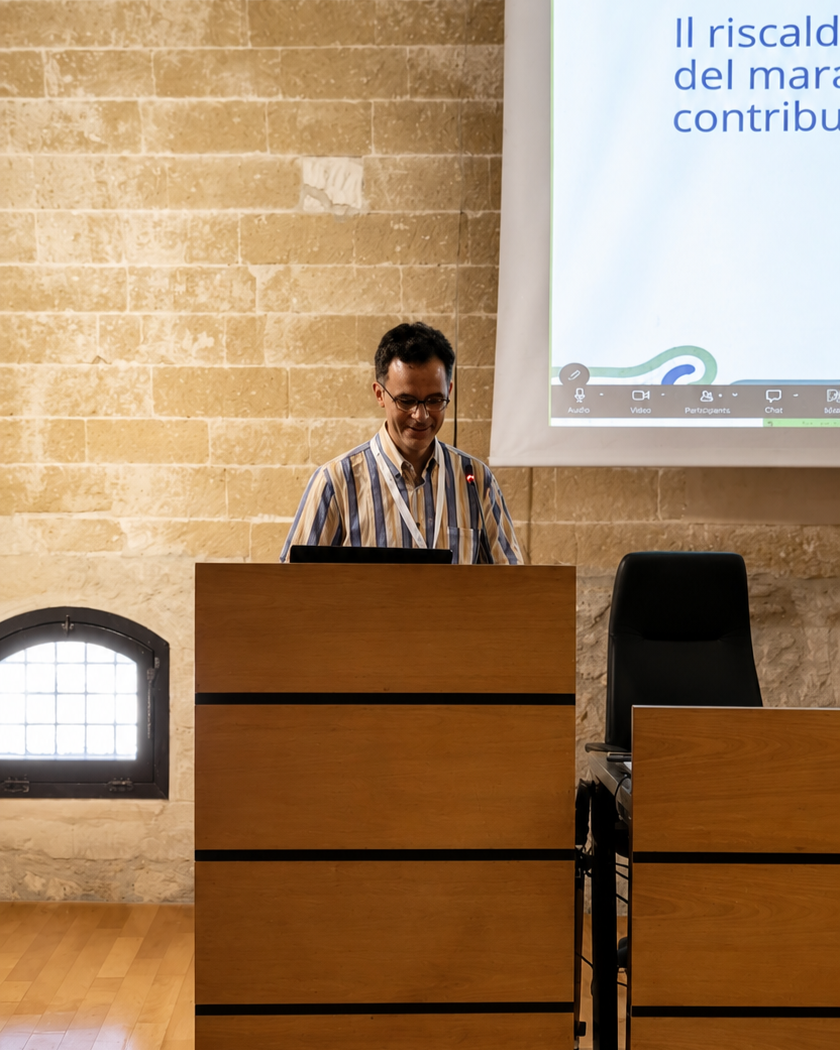
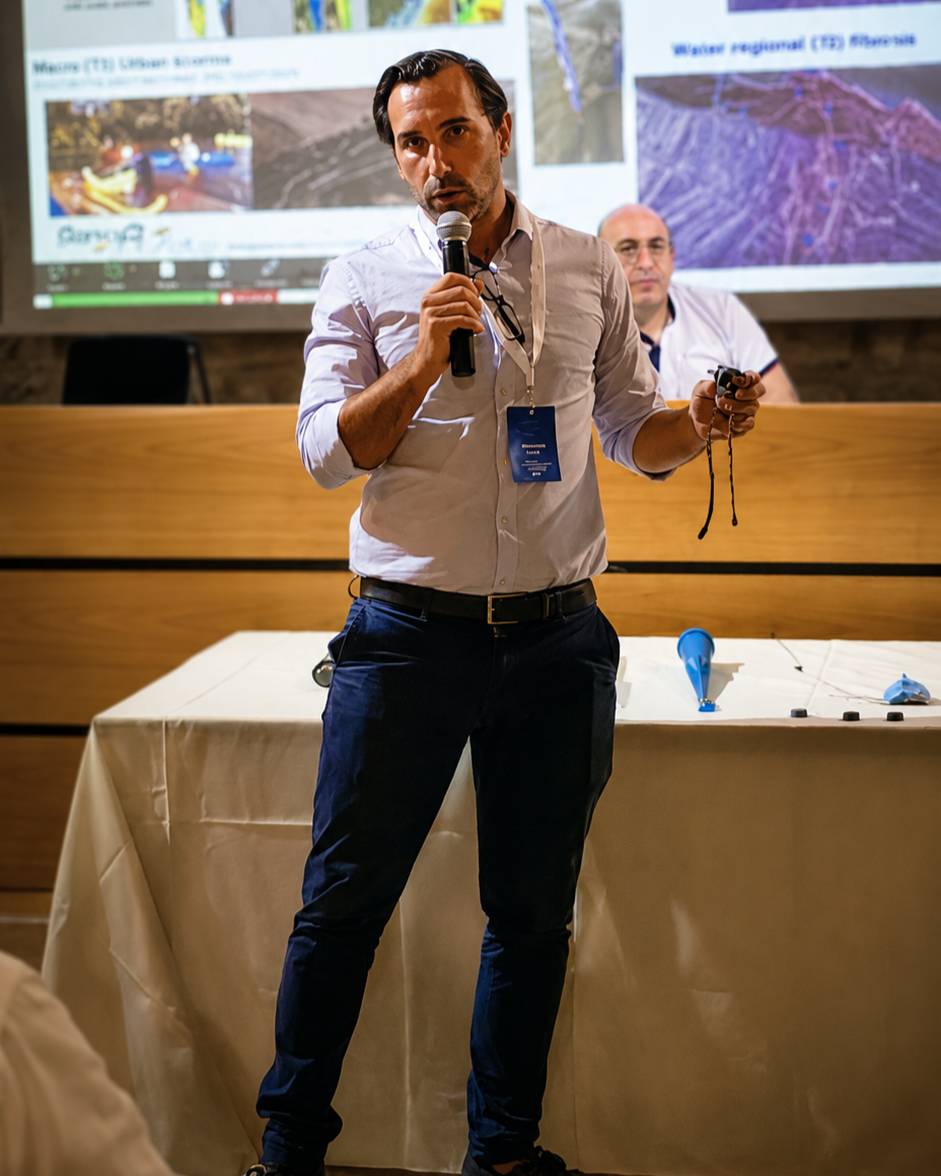
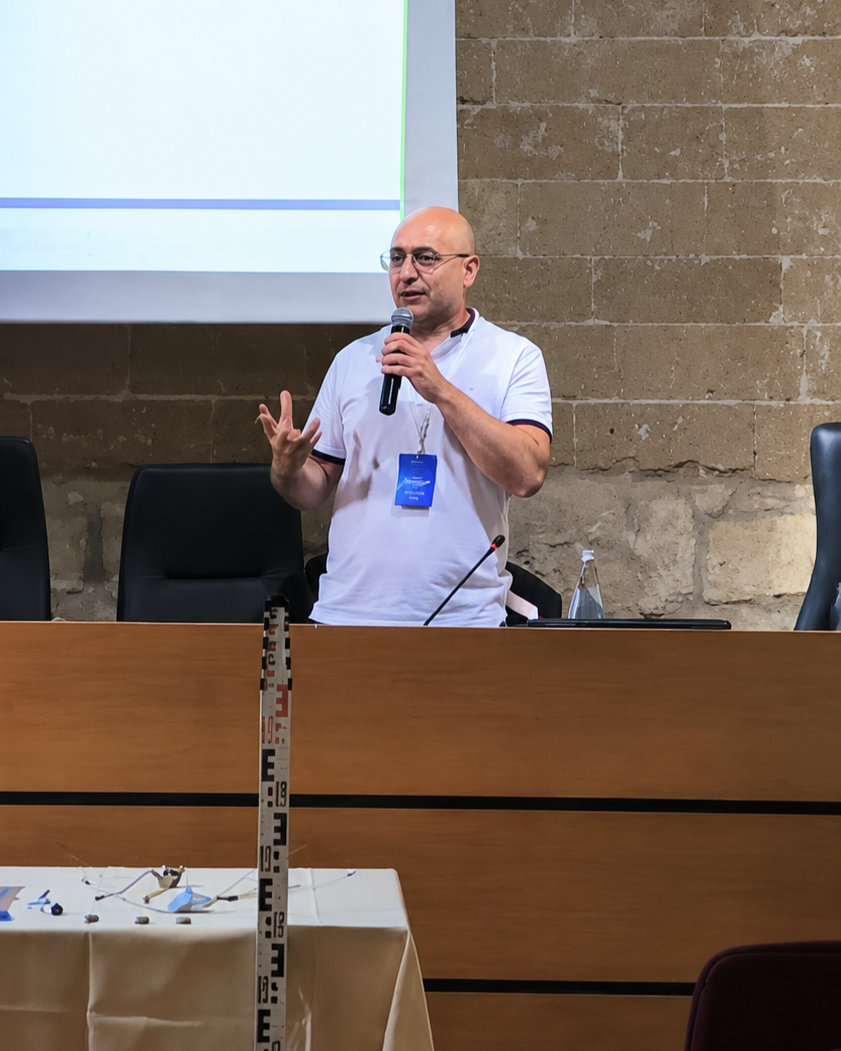
Participants then gained valuable insights into expected climate changes across the Adriatic from Giorgia Verri (CMCC), while Marco Puce (CMCC) highlighted the growing role of citizen science in monitoring Adriatic coastlines.
Further presentations by Gianandrea Mannarini (CMCC) and Paola Mercogliano (CMCC) explored climate trends in the Salento Sea and emphasised the importance of advancing climate knowledge to better understand risks and support adaptation planning.
From scientific knowledge to local action
The second session demonstrated how scientific information can be translated into practical solutions for local and regional authorities.
Nicola Ungaro (Arpa Puglia) presented institutional monitoring of the Apulian Seas, focusing on sea surface temperature trends and their relationship with non-indigenous marine species.
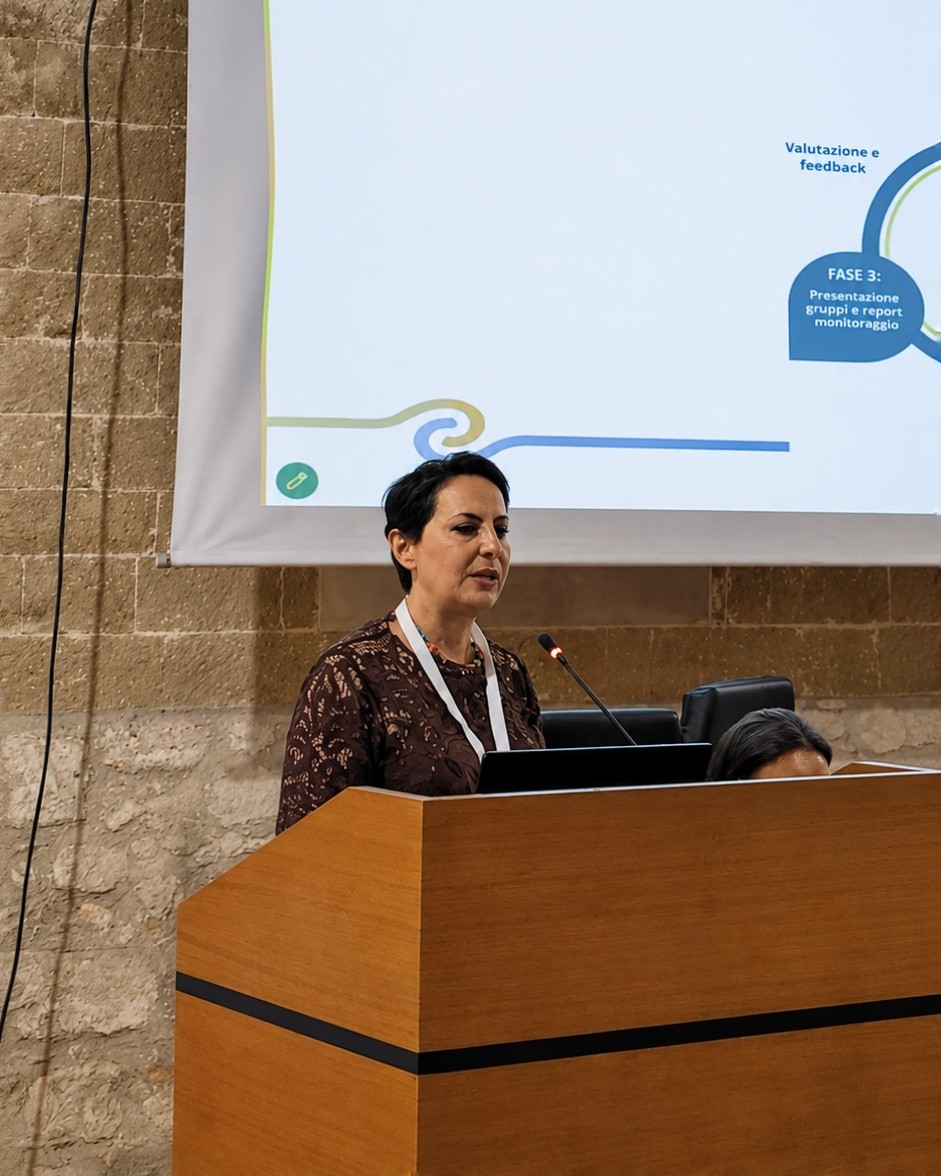
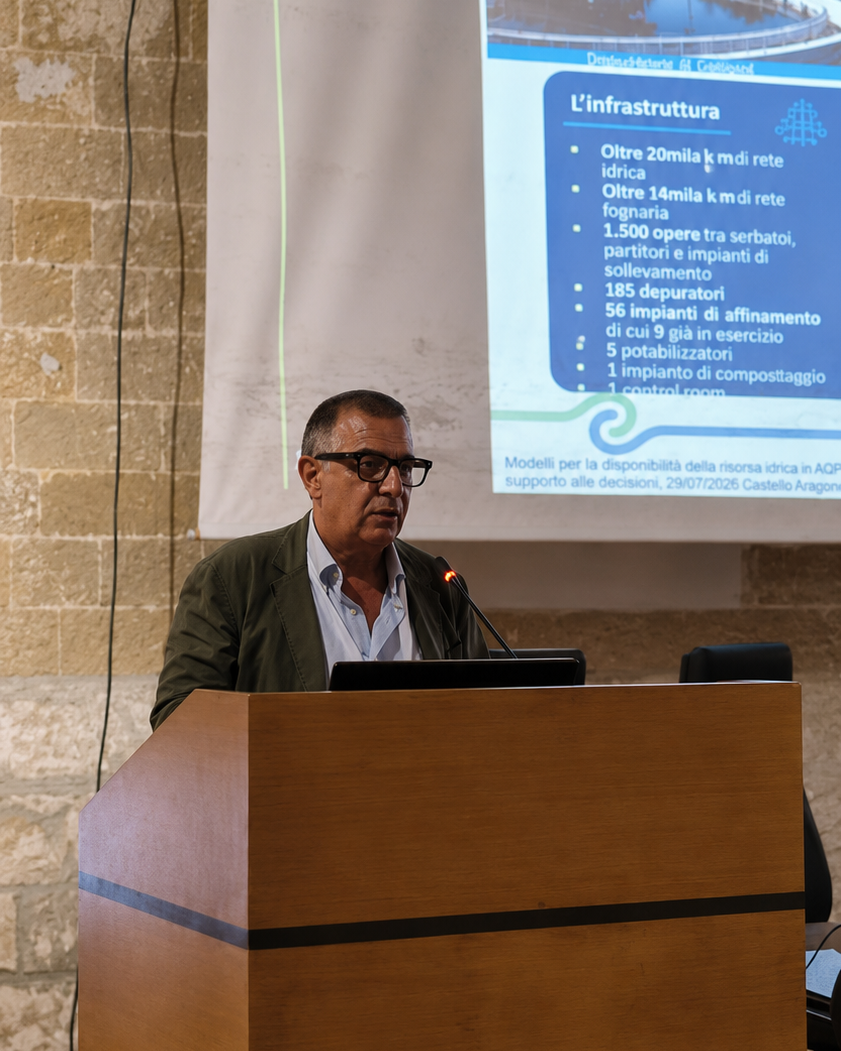
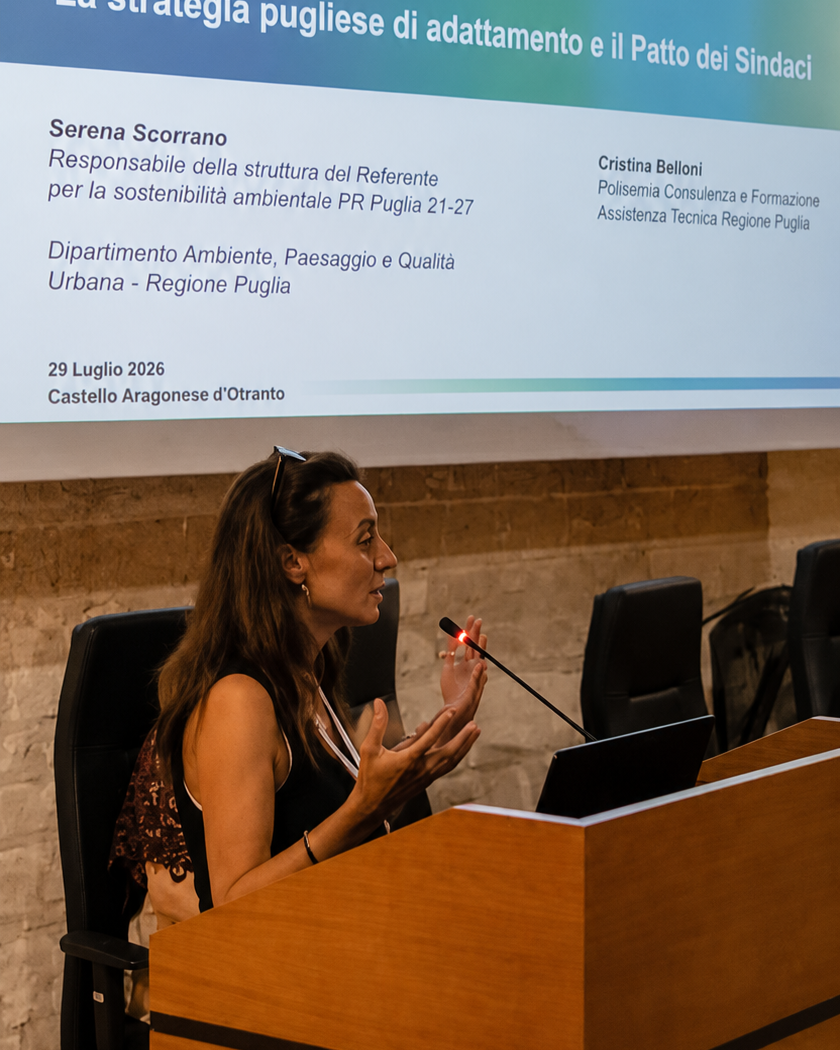
Gerardo Ventafridda (Acquedotto Pugliese) showcased decision-support models for water resource management, while Serena Scorrano (Regione Puglia) and Cristina Belloni (Polisemia) presented experiences from the Covenant of Mayors initiative and Sustainable Energy and Climate Action Plans (SECAPs) implemented across the region.
Dialogue for more resilient coastal communities
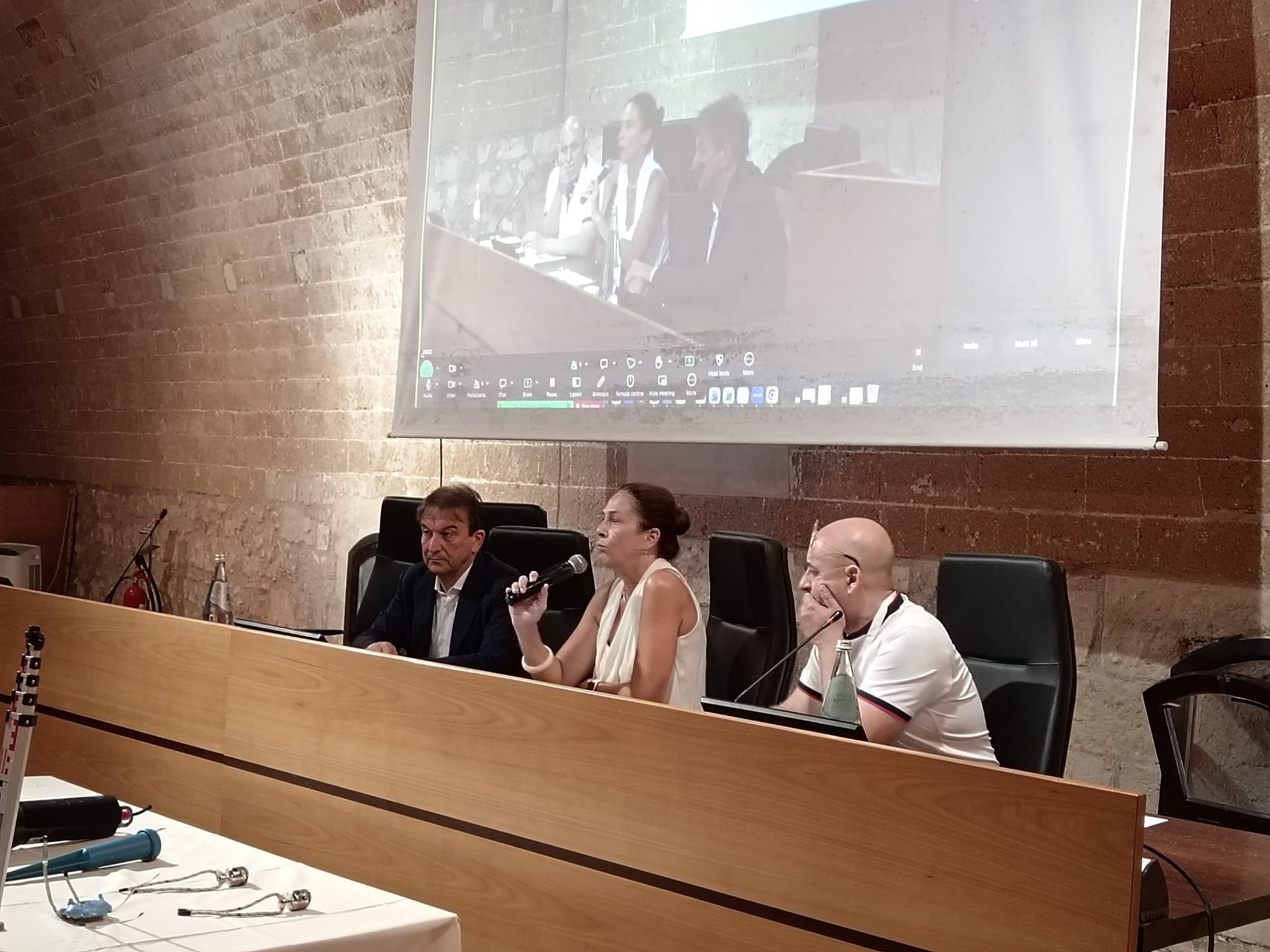
The event concluded with a roundtable discussion moderated by Mauro Buonocore (CMCC), bringing together representatives from CMCC, Arpa Puglia, Acquedotto Pugliese and Regione Puglia.
The discussion highlighted the importance of strengthening cooperation between science, institutions and local authorities to improve climate adaptation policies and enhance the resilience of coastal communities throughout the Adriatic.
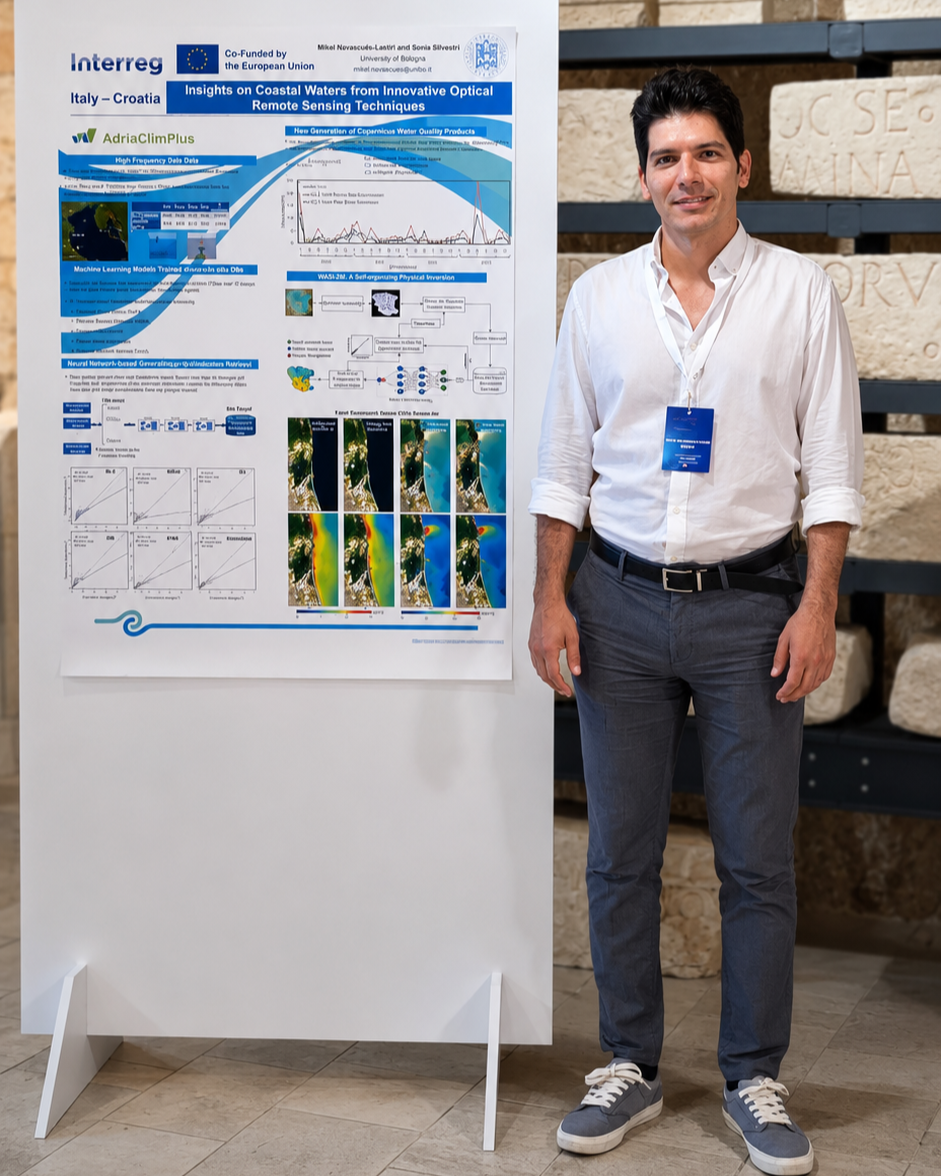
Throughout the day, participants also had the opportunity to explore an exhibition featuring project videos, scientific posters, climate projection visualisations, monitoring activities and citizen science initiatives developed within the AdriaClimPlus project.
The Information Day reaffirmed the project's commitment to ensuring that scientific knowledge, innovative tools and cross-border cooperation continue to support climate adaptation long after the project's completion.