
Adriatic under pressure: up to 2 in 3 boats anchor on Posidonia
12/08/2026
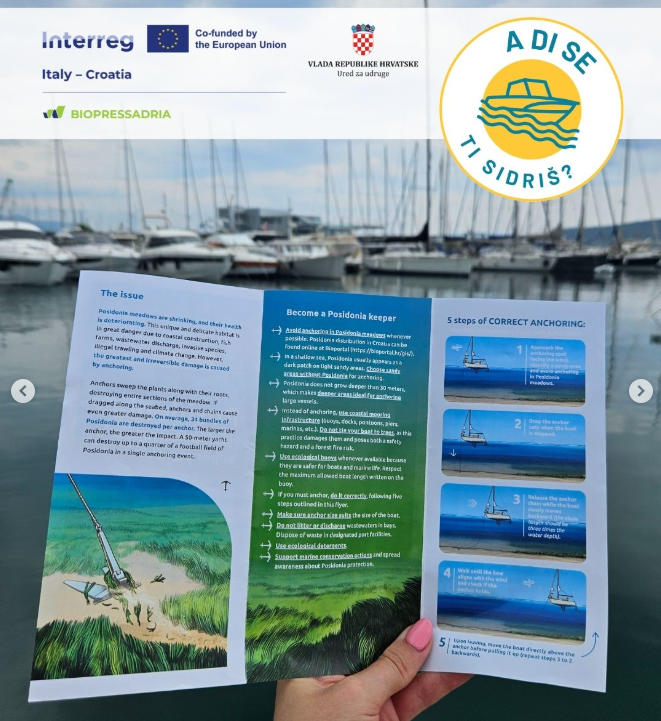
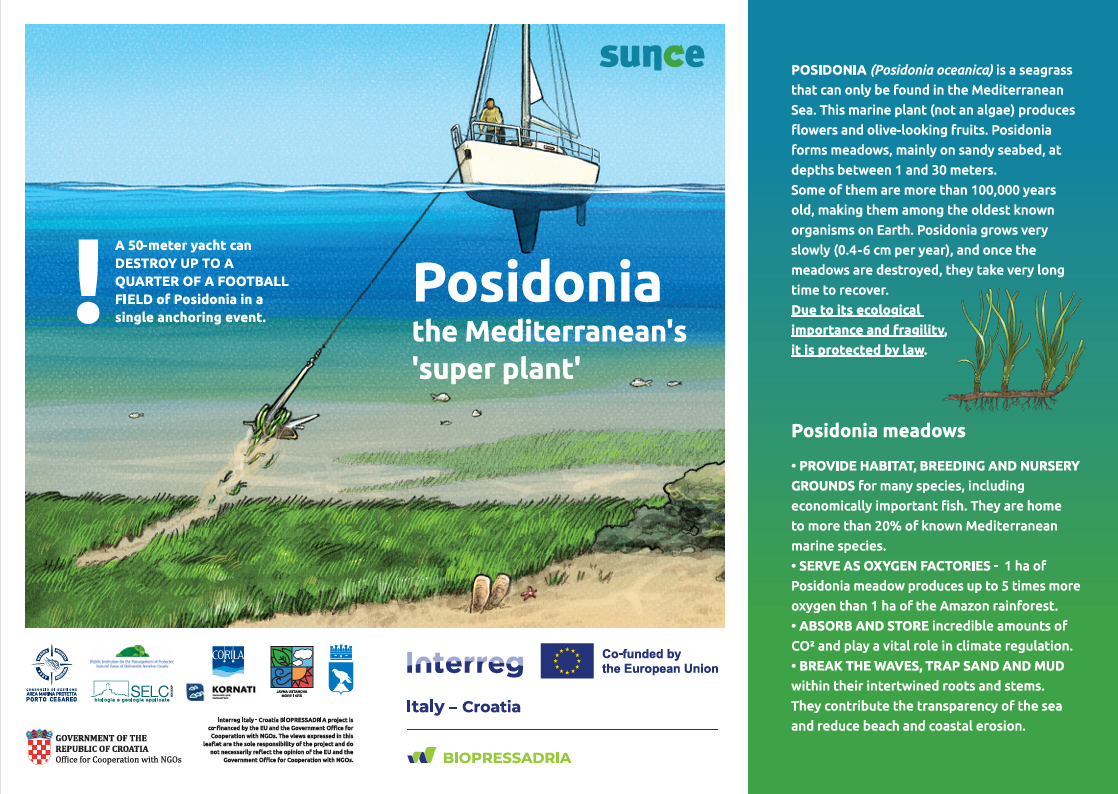
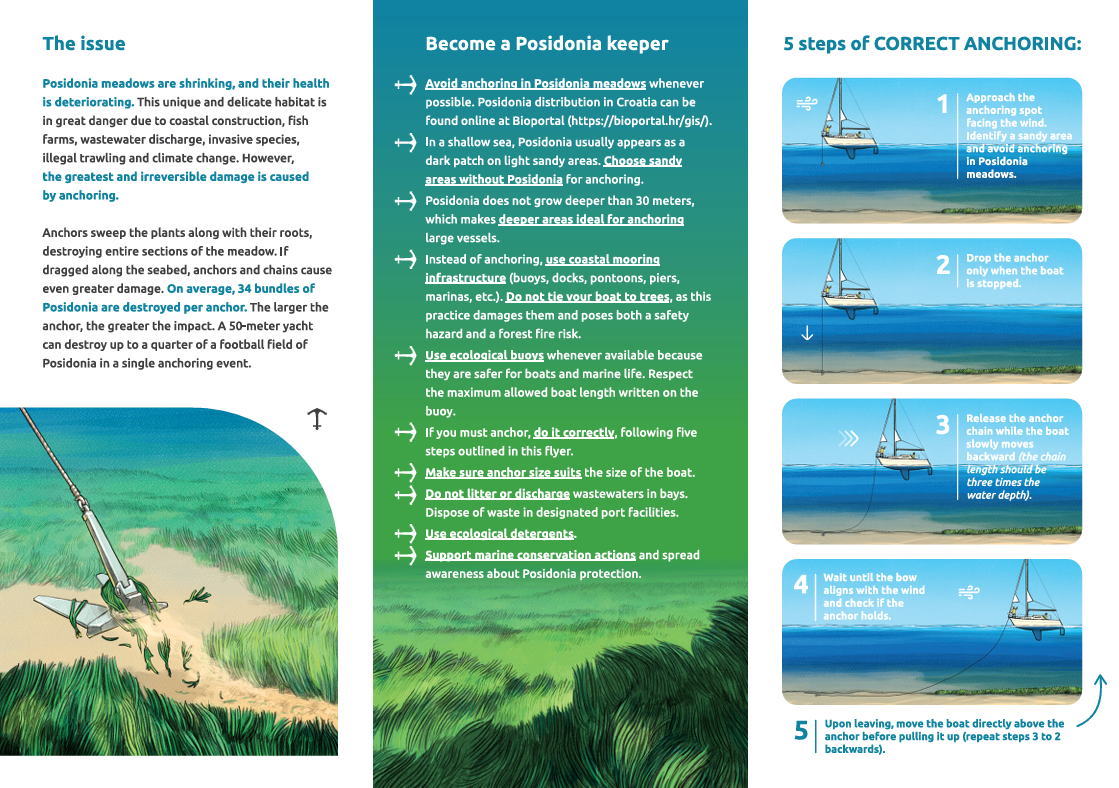
One of the main goals of the pilot actions set up by the BIOPRESSADRIA project was to find concrete solutions to reduce the damage to marine habitats caused by anthropogenic pressures linked to recreational boating and nautical tourism. In particular, BIOPRESSADRIA supported good practices, such as installing eco-friendly mooring buoy fields and raising awareness among boaters about how non-environmentally friendly anchoring can damage the seabed and seagrass meadows there, particularly Posidonia oceanica meadows, a vital and protected marine habitat.
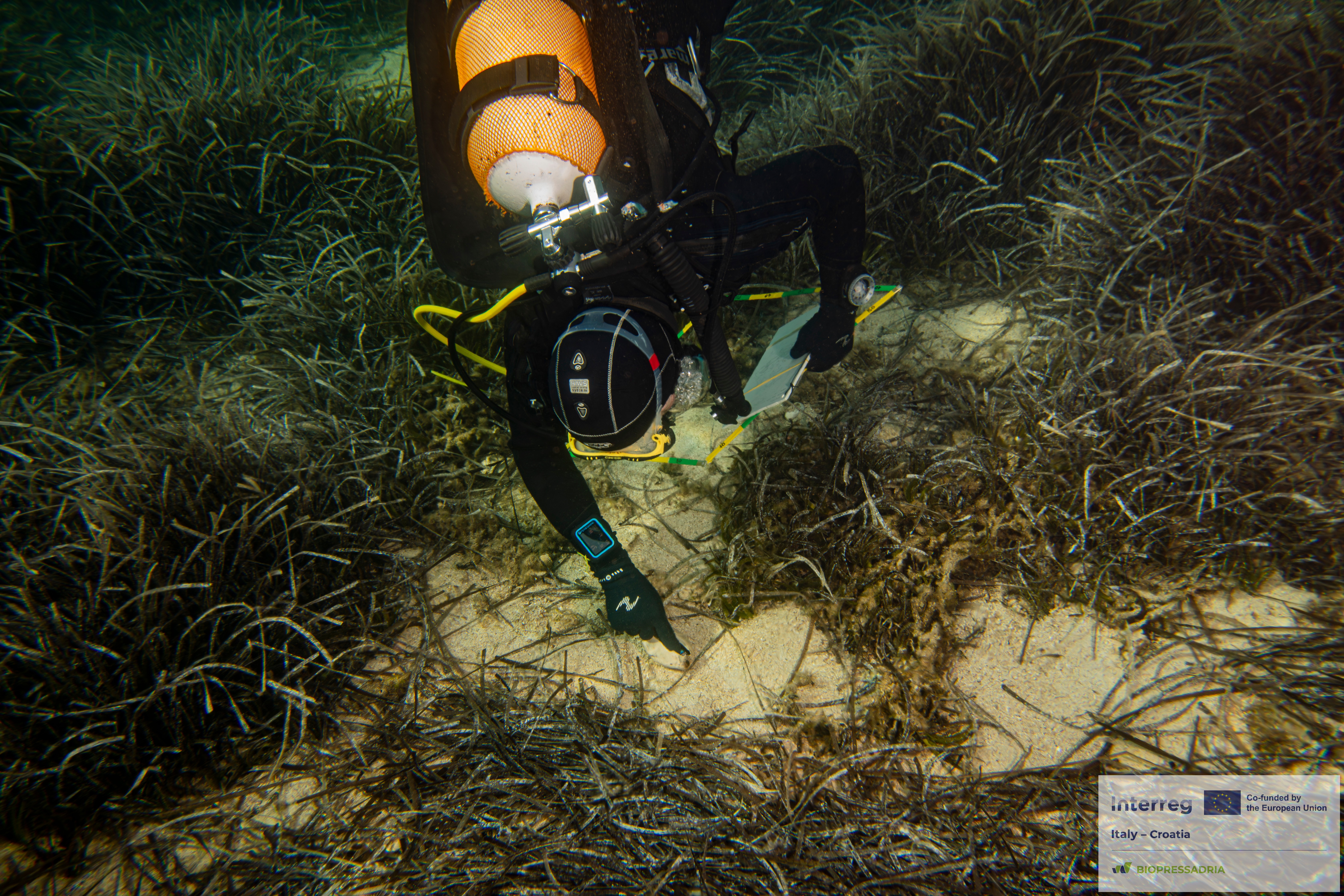
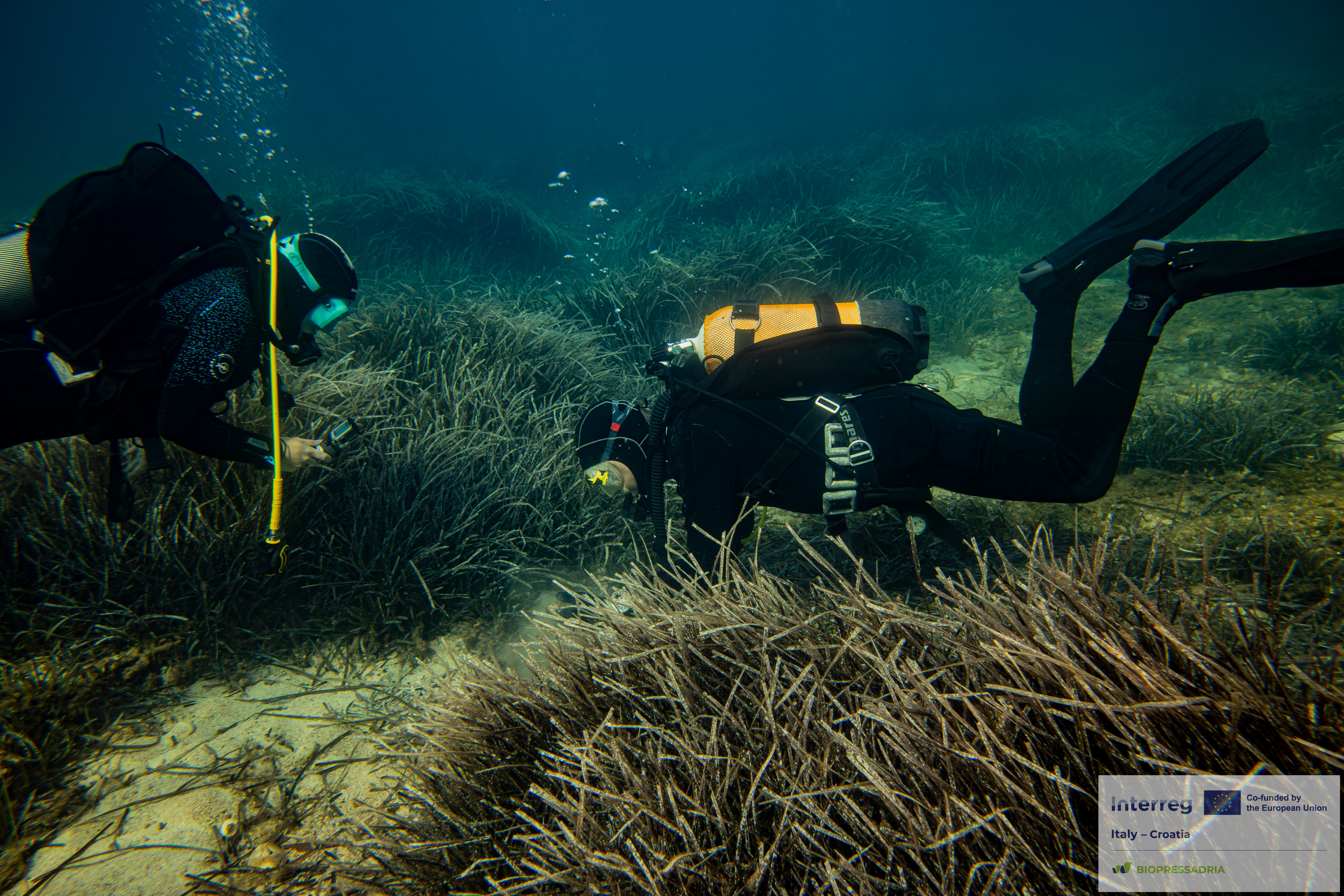
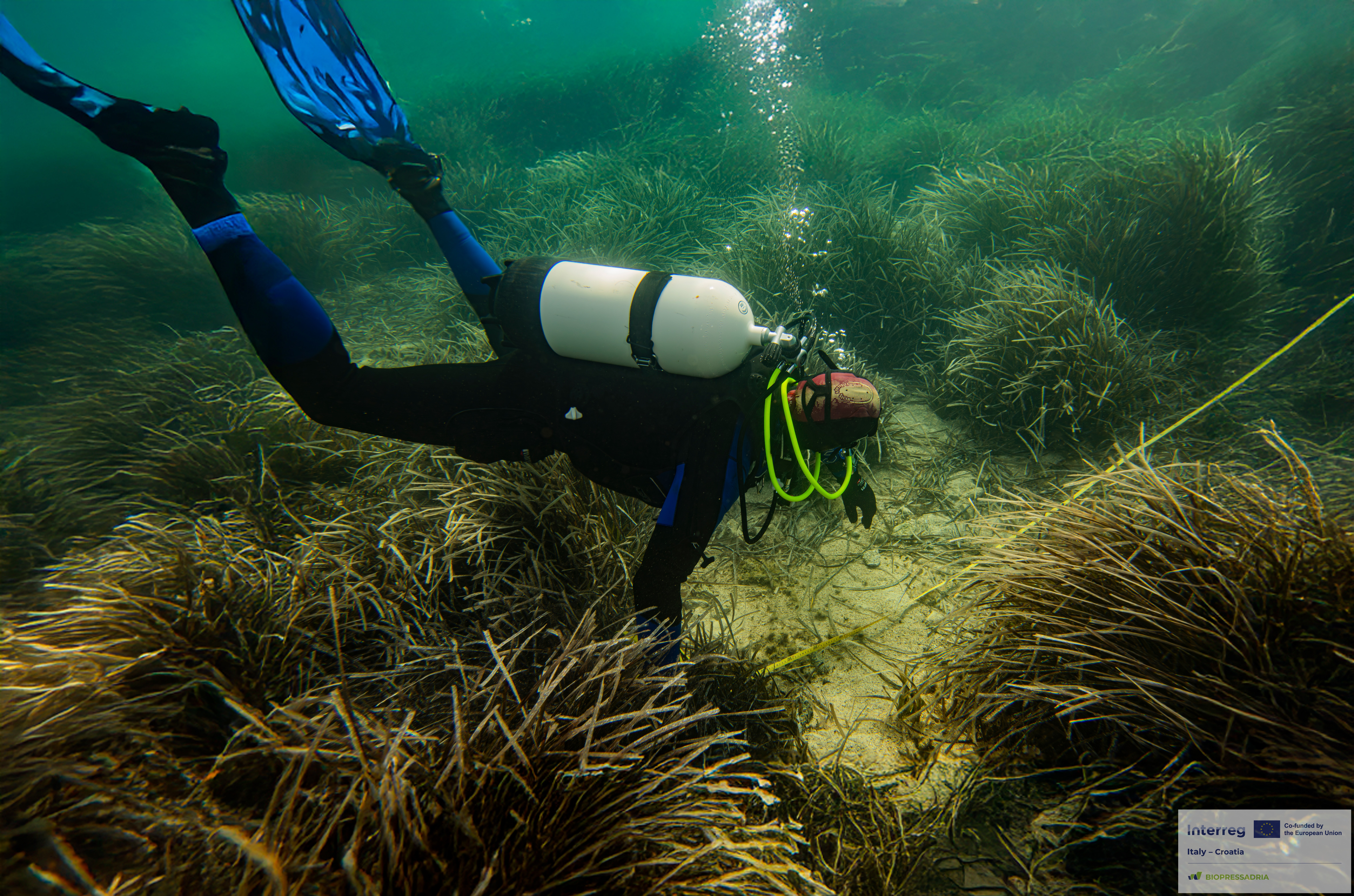
Satellite monitoring conducted through the BIOPRESSADRIA project (2023–2025) revealed a striking figure: between 25% and 65% of monitored vessels were anchored directly on Posidonia meadows, depending on the location. The situation is better in highly protected areas with regulated eco-mooring systems, while the share of vessels anchoring on Posidonia is higher in less regulated areas, such as parts of the Pakleni Islands and Badija.
The impact is serious: anchors and chains can destroy Posidonia and create bare areas on the seabed. Since this seagrass grows extremely slowly, recovery can take decades, making the damage potentially almost permanent.
Eco-mooring systems offer a concrete solution, preventing chains from dragging across the seabed and significantly reducing damage to Posidonia. Combined with stronger regulation, monitoring and awareness among boaters, they can help reconcile nautical tourism with the protection of the Adriatic.
The key message is clear: in some areas, up to 2 out of 3 vessels are anchoring on Posidonia. This is a clear signal that the way anchoring is managed needs to change.
Are you interested in know more about this? Read the whole article at this link