Advanced Summer School on Climate Change successfully concluded in Split
03/08/2026
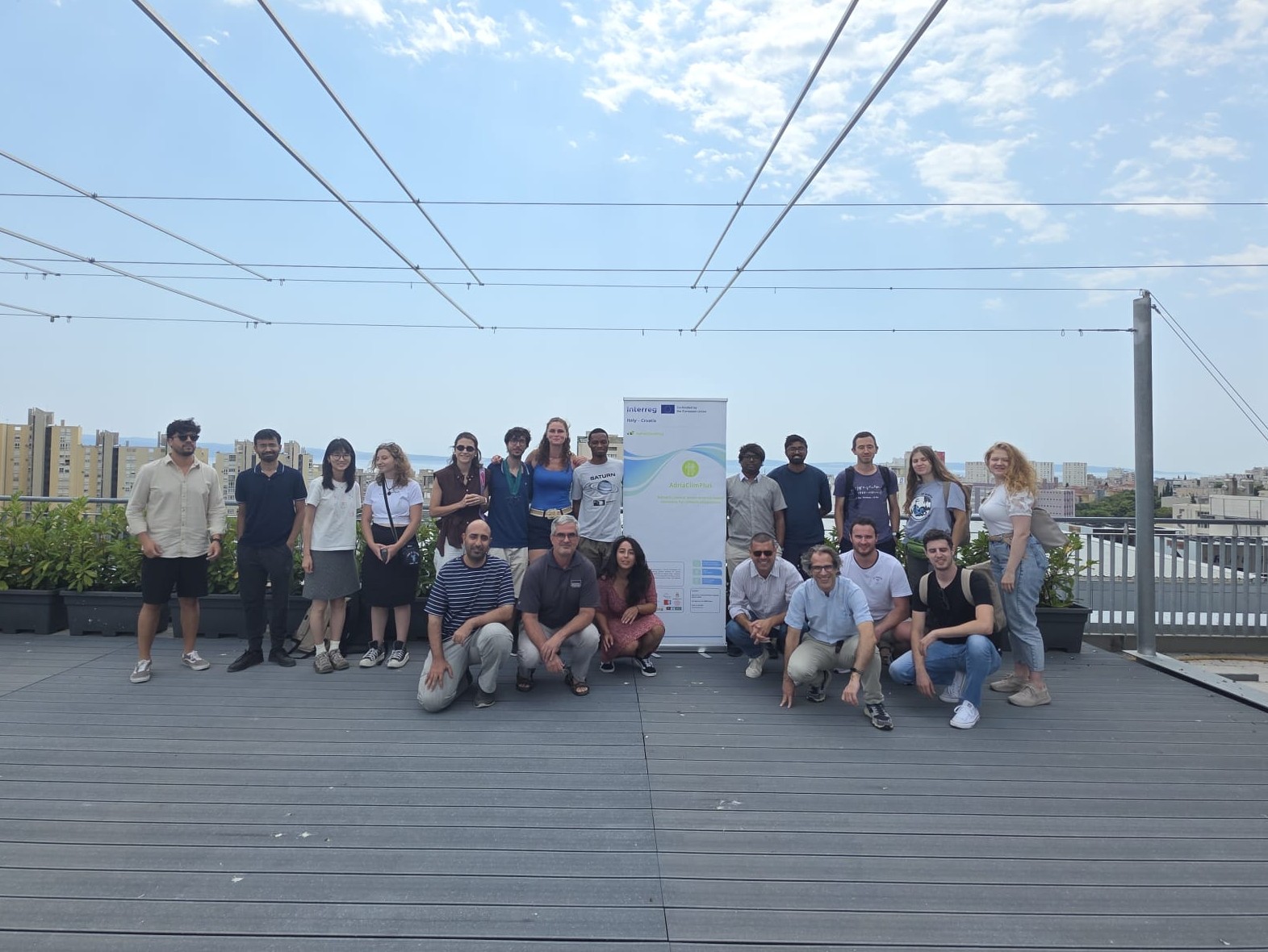
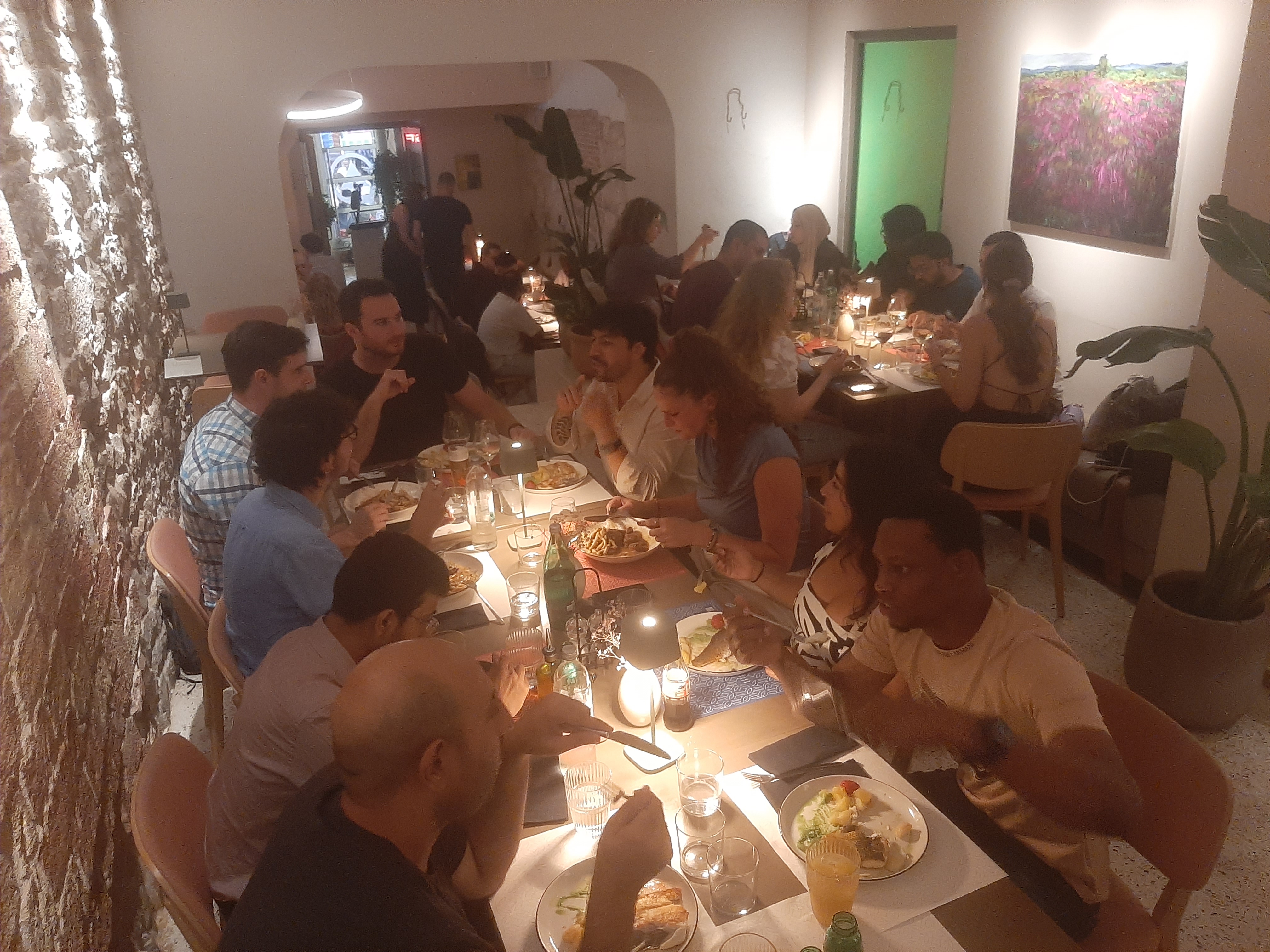
The AdriaClimPlus Advanced Summer School on Climate Change was successfully held from 19 to 24 July 2026 at the University of Split, Croatia, bringing together students, early-career researchers and experienced scientists from across Europe for an intensive week of learning, collaboration and hands-on scientific research.
Organised by the Ruđer Bošković Institute, with the support of all AdriaClimPlus project partners, the Summer School formed part of the Interreg Italy–Croatia AdriaClimPlus project. Building on the success of the Introductory Summer School held in Lecce in 2025, this advanced edition focused on strengthening participants' scientific knowledge while encouraging international cooperation and collaborative research on climate change in the Adriatic Sea.
Learning through collaboration
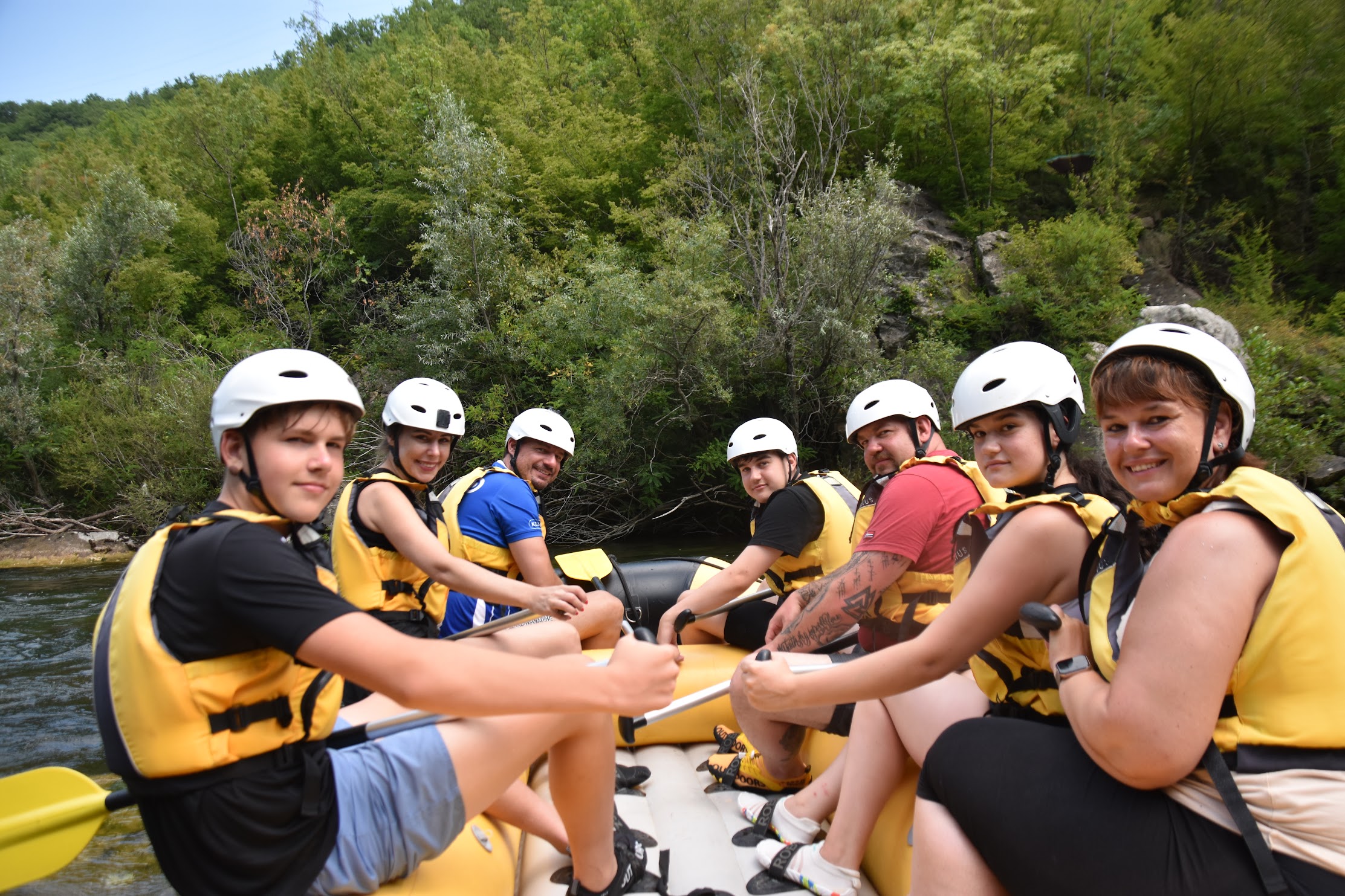
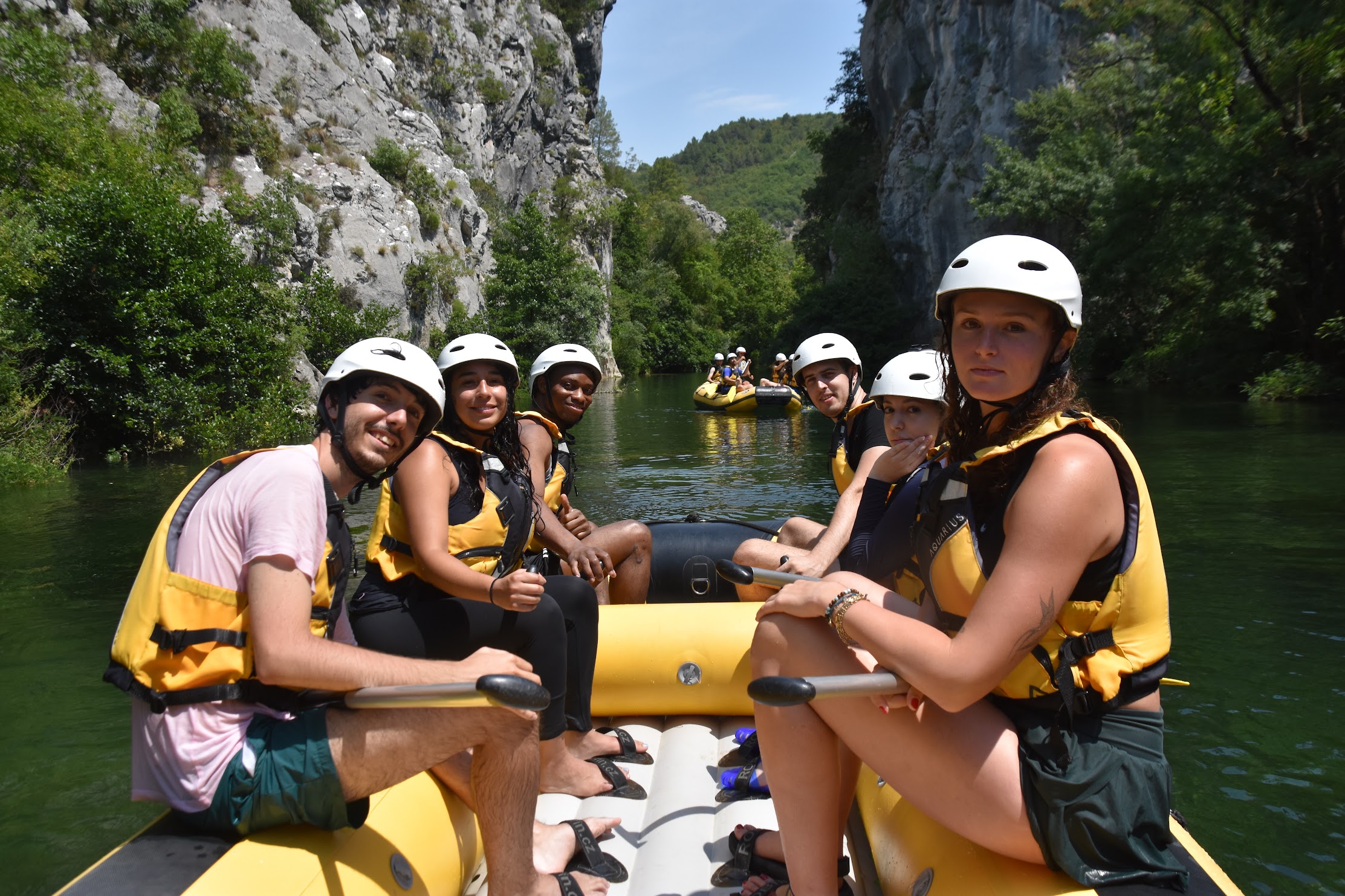
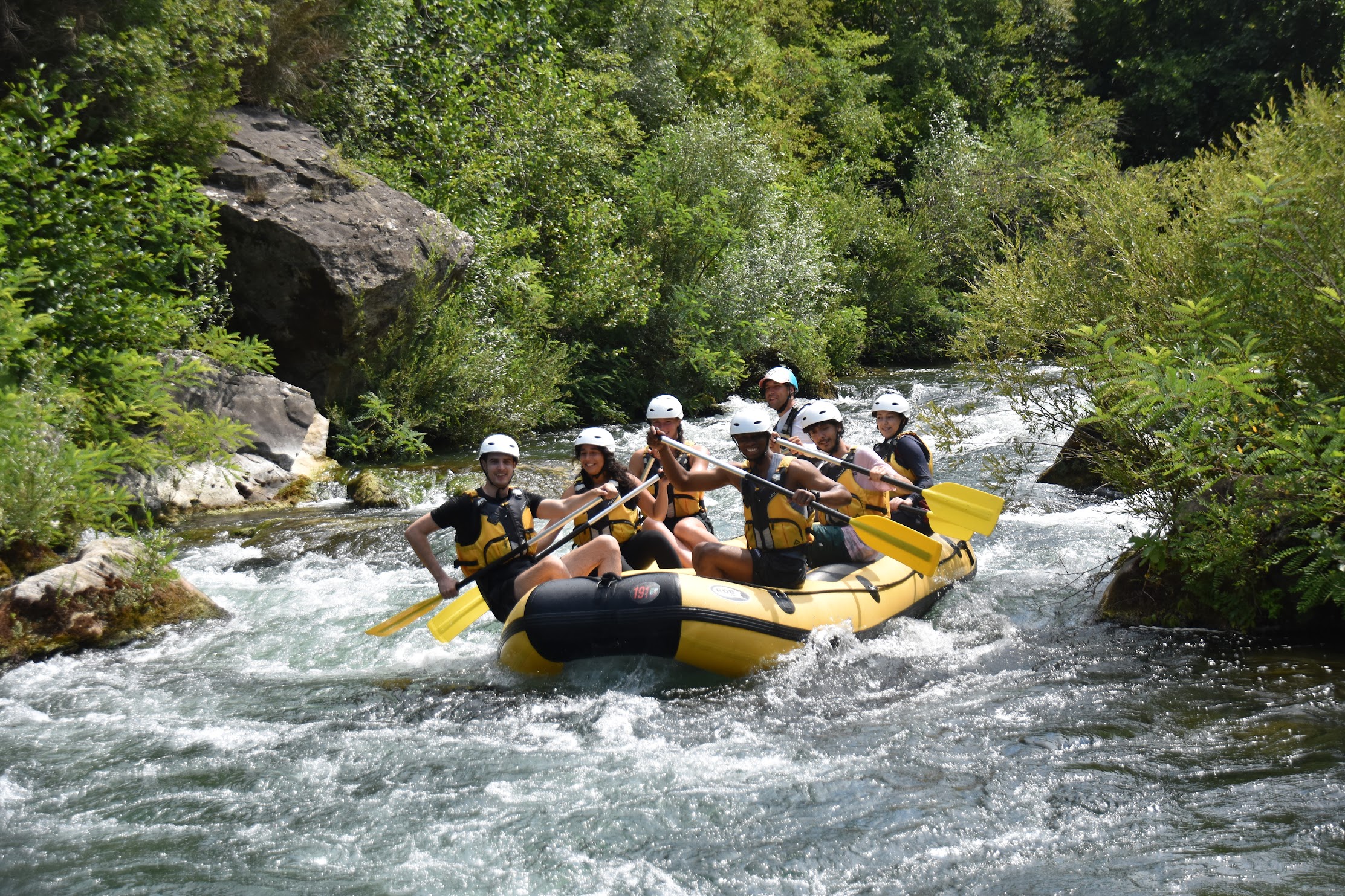
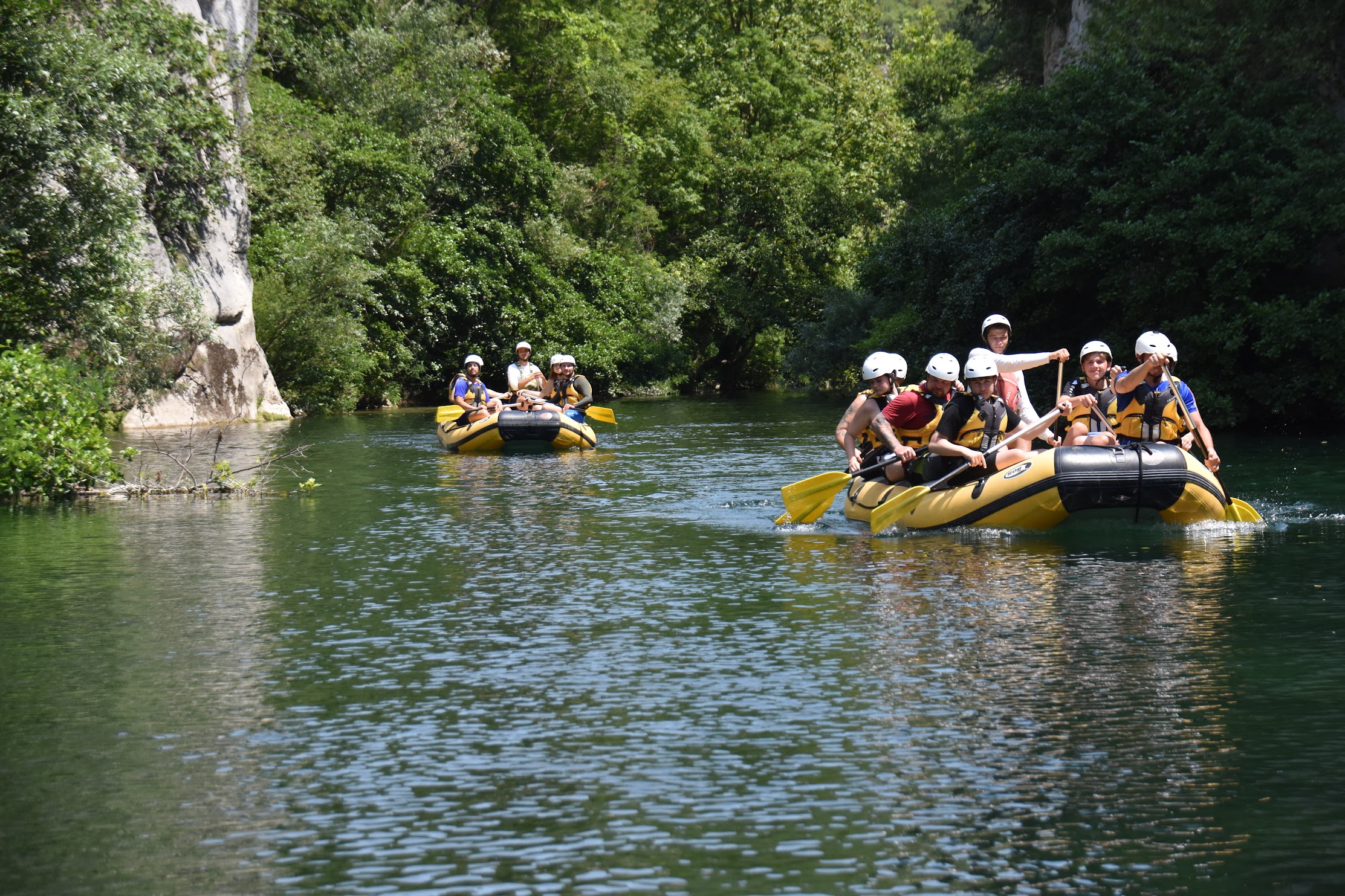
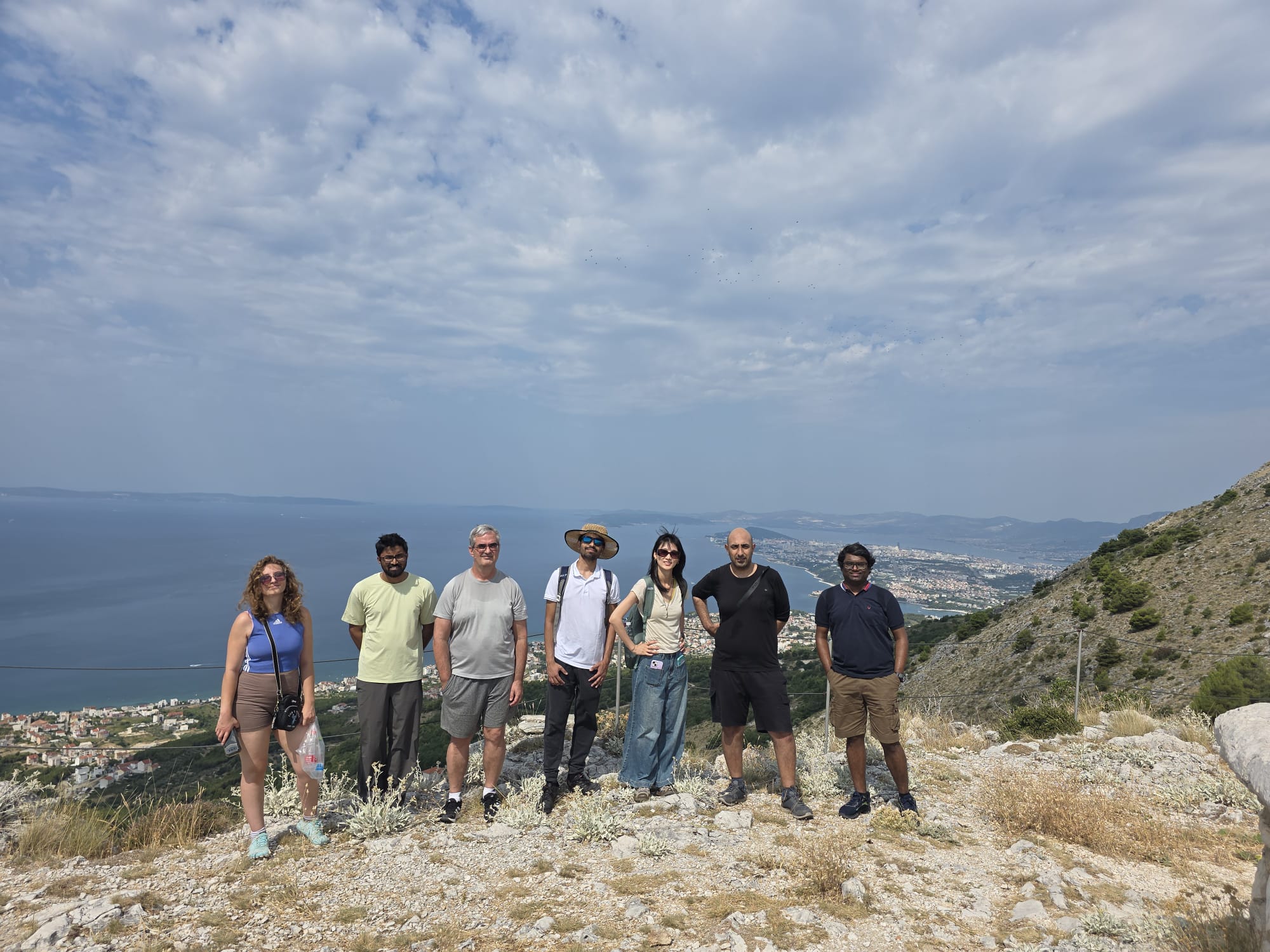
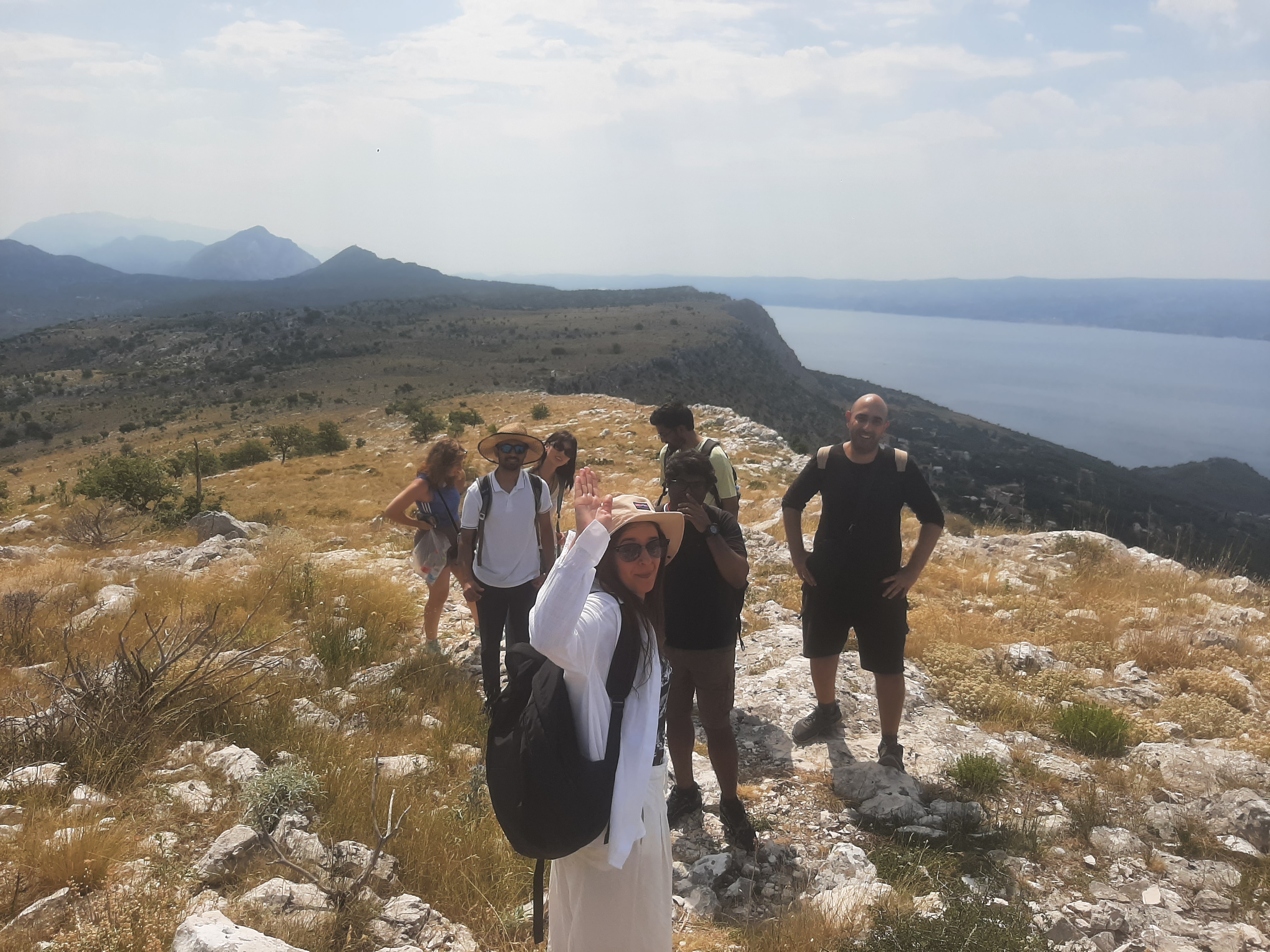
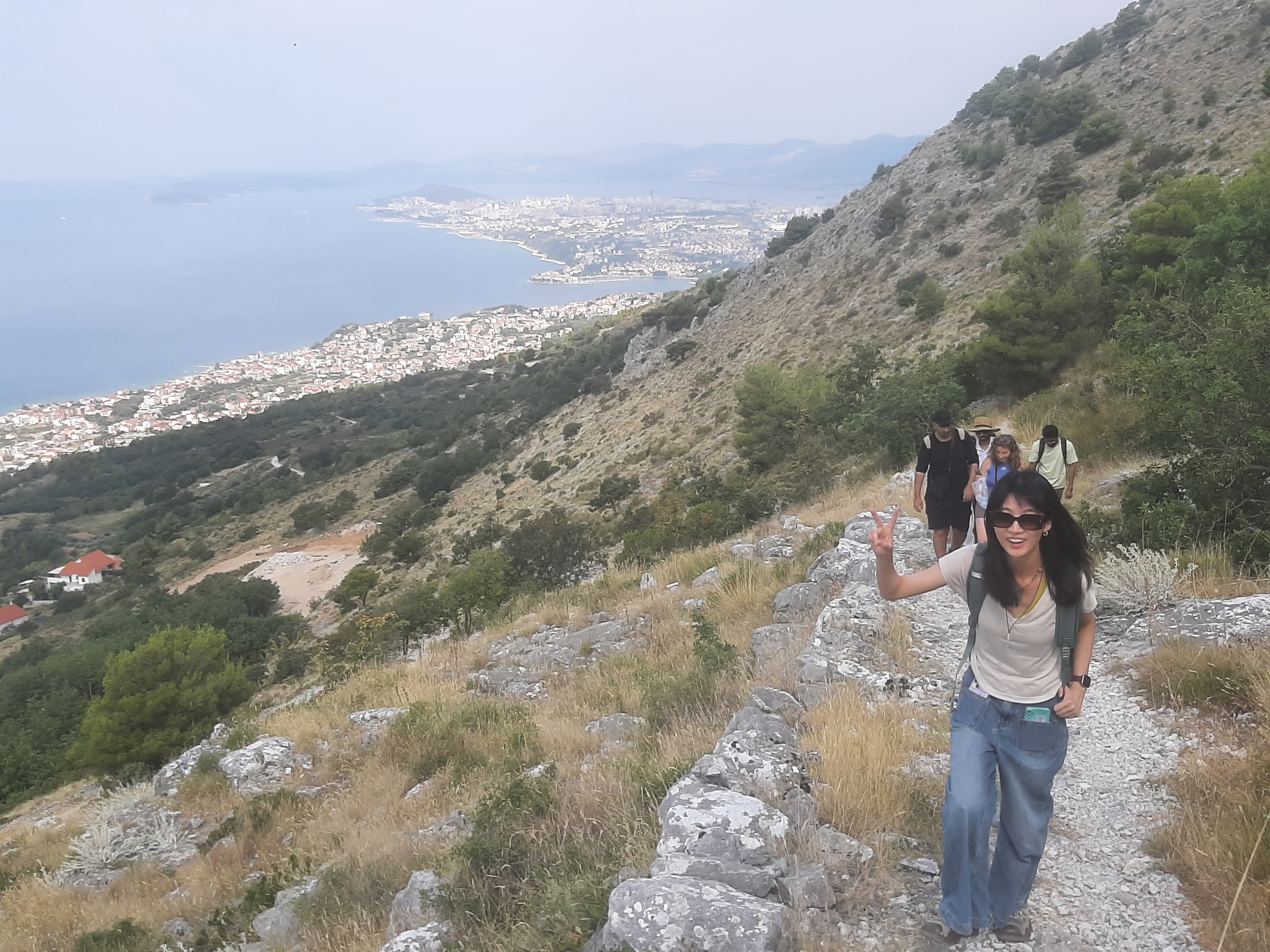
The programme officially began on 19 July with the arrival of participants, while the first full day was dedicated to outdoor team-building activities. Students explored the natural environment through either a rafting excursion on the Cetina River or a hiking tour in the surrounding mountains.
These activities provided an excellent opportunity for participants to meet one another, build international teams and establish a collaborative atmosphere before embarking on the scientific part of the programme.
Building scientific foundations
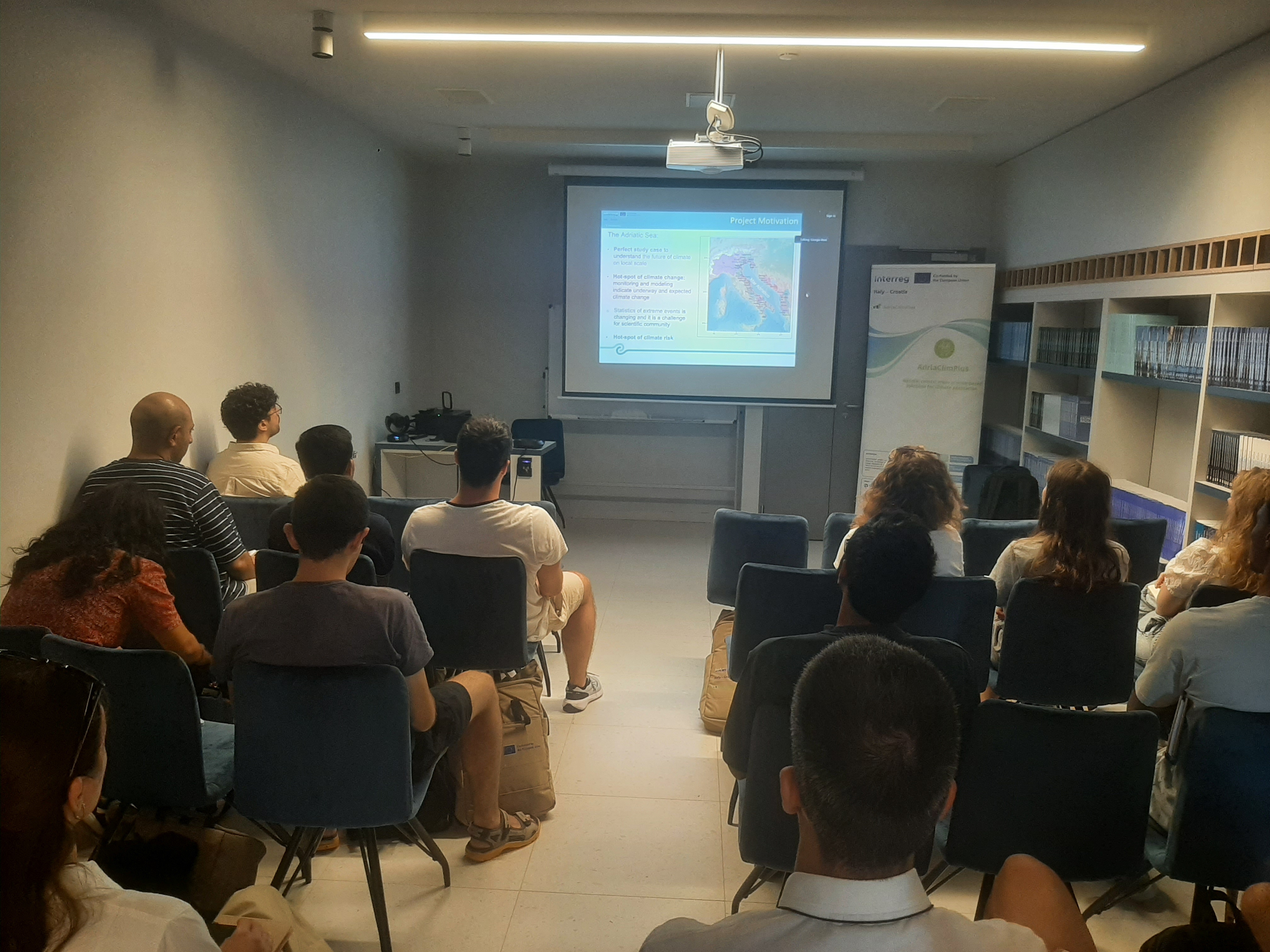
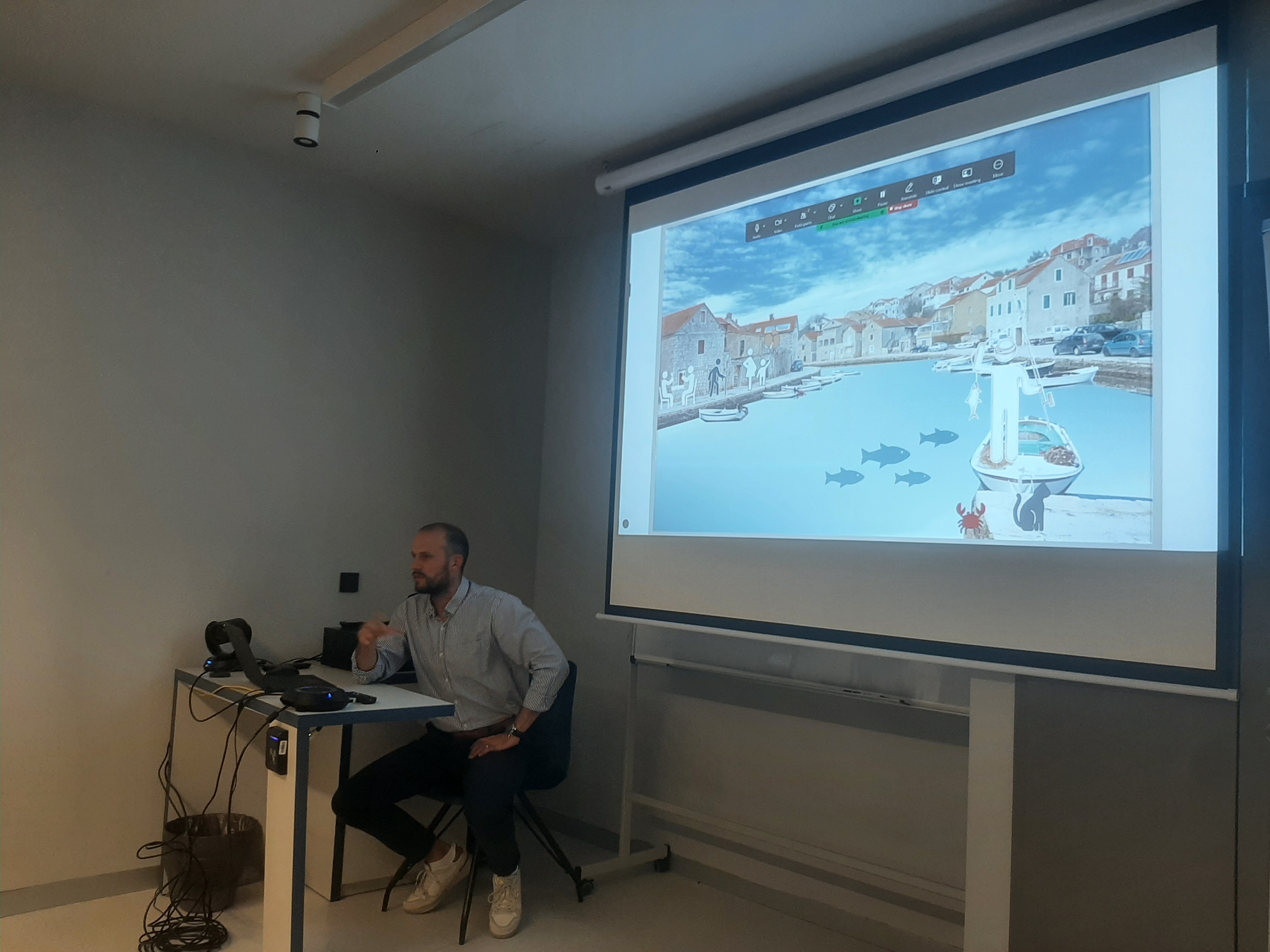
The lecture programme, held on 21 July, introduced participants to the latest scientific knowledge and modelling approaches related to climate change in the Adriatic region.
The day opened with an introduction to the AdriaClimPlus project presented by Giorgia Verri (CMCC Foundation), followed by a series of expert lectures covering key scientific topics:
-
Ivica Vilibić (Ruđer Bošković Institute) – Climate changes in the Anthropocene: from global to local and AdriSC modelling suite and applications
-
Elena Terzić (Ruđer Bošković Institute) – Is the Adriatic Ocean climate changing?
-
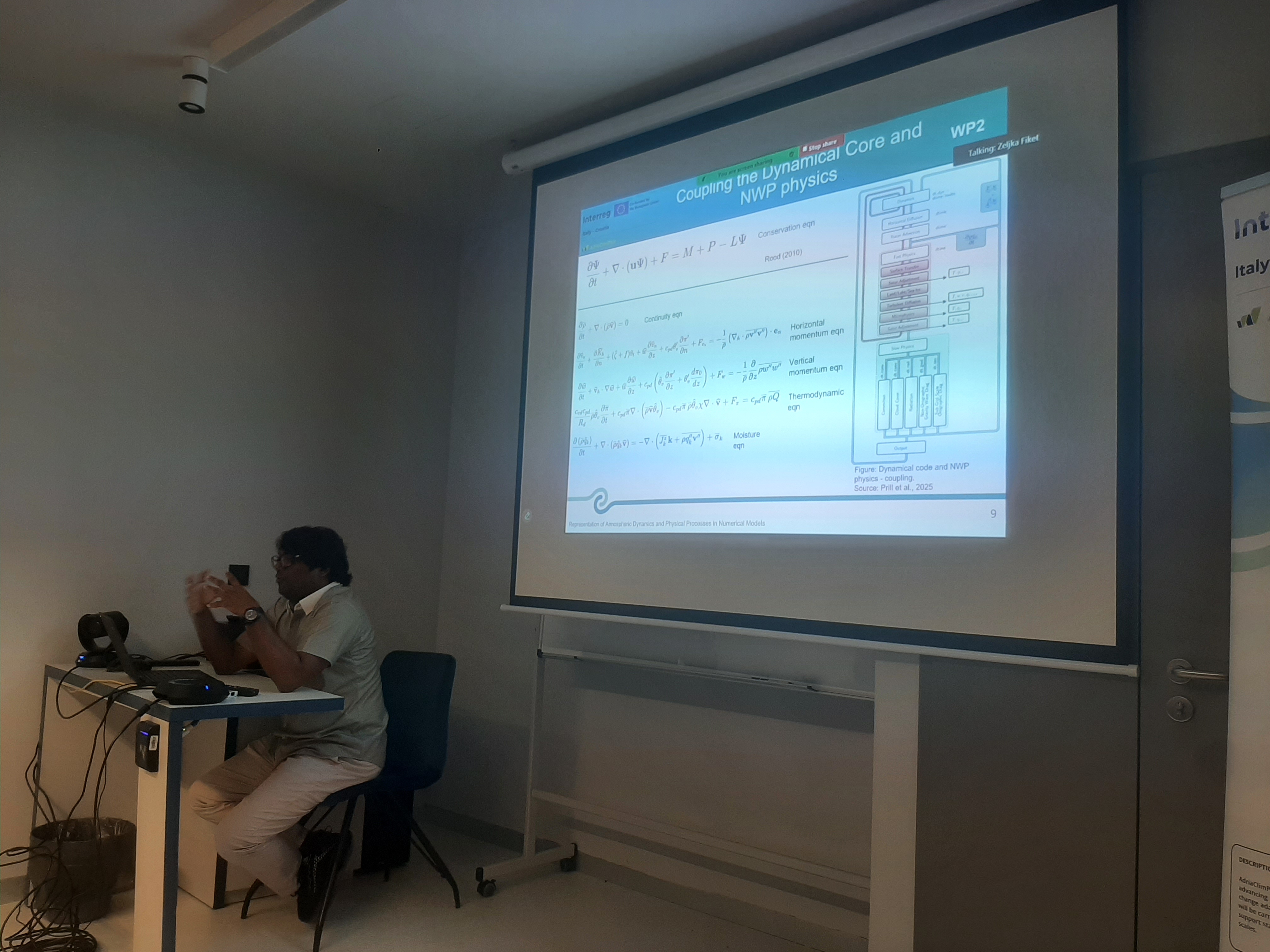
Veeramanikandan Ramadoss (CMCC Foundation) – Subregional climate downscaling: atmosphere, land and hydrology
-
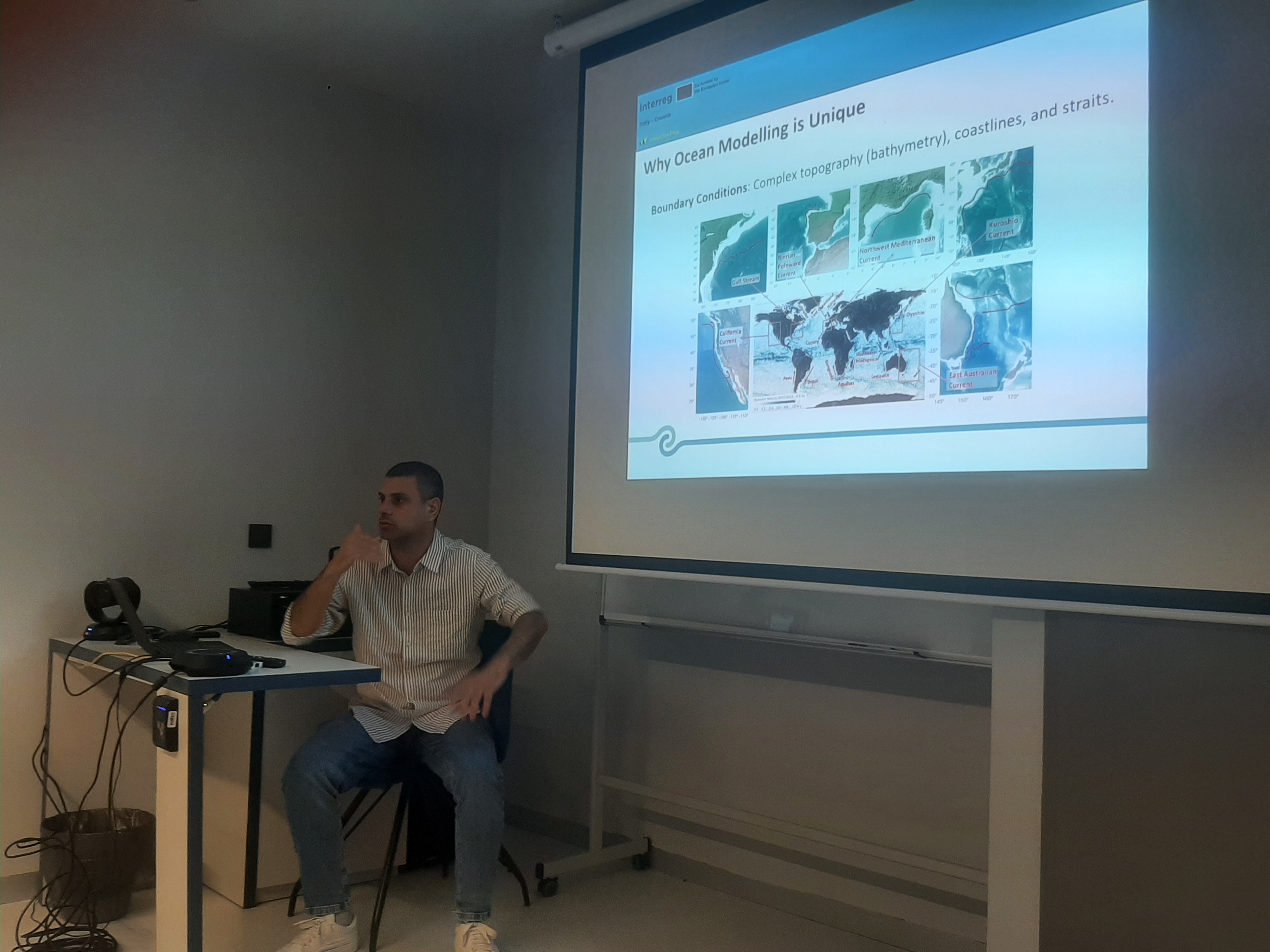
Vladimir Santos da Costa (CMCC Foundation) – Subregional climate downscaling: ocean modelling
-
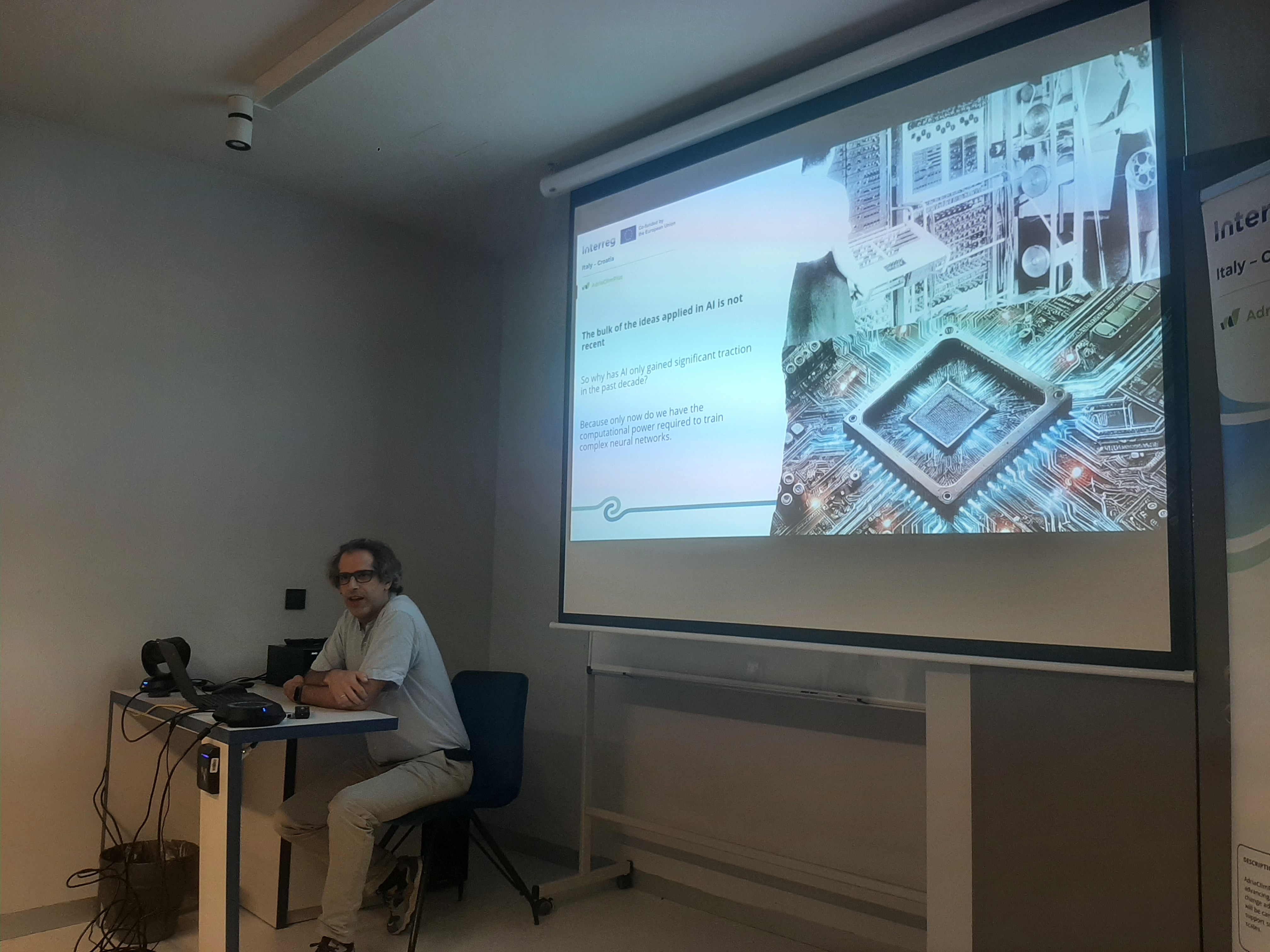
Lorenzo Mentaschi (University of Bologna) – Introduction to artificial neural networks
-
Krešimir Ruić (Ruđer Bošković Institute) – Meteotsunamis and high-frequency sea-level oscillations
The introductory lectures provided participants with the scientific background and methodological tools required for the collaborative research activities that followed.
From lectures to research: a three-day climate hackathon
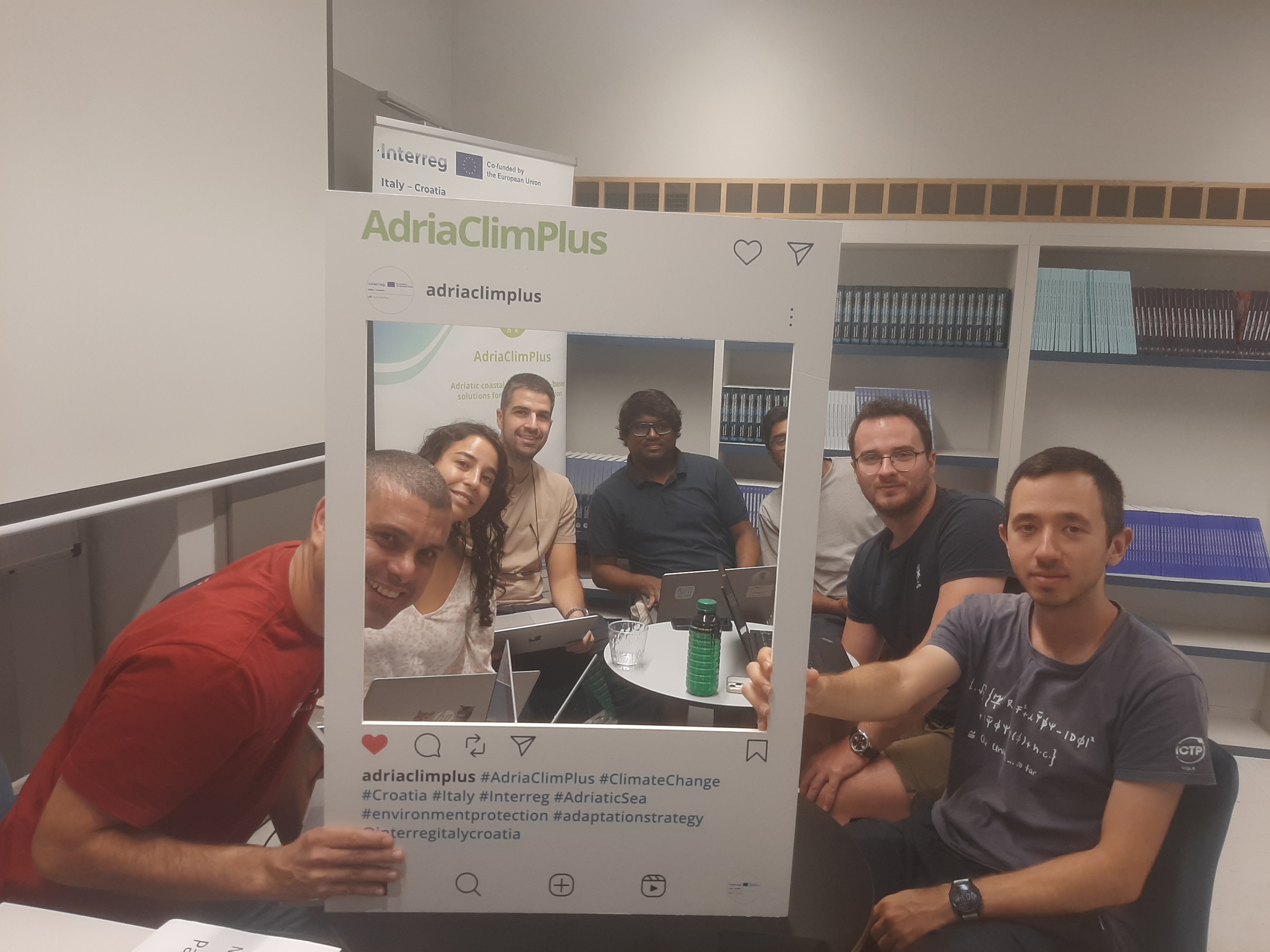
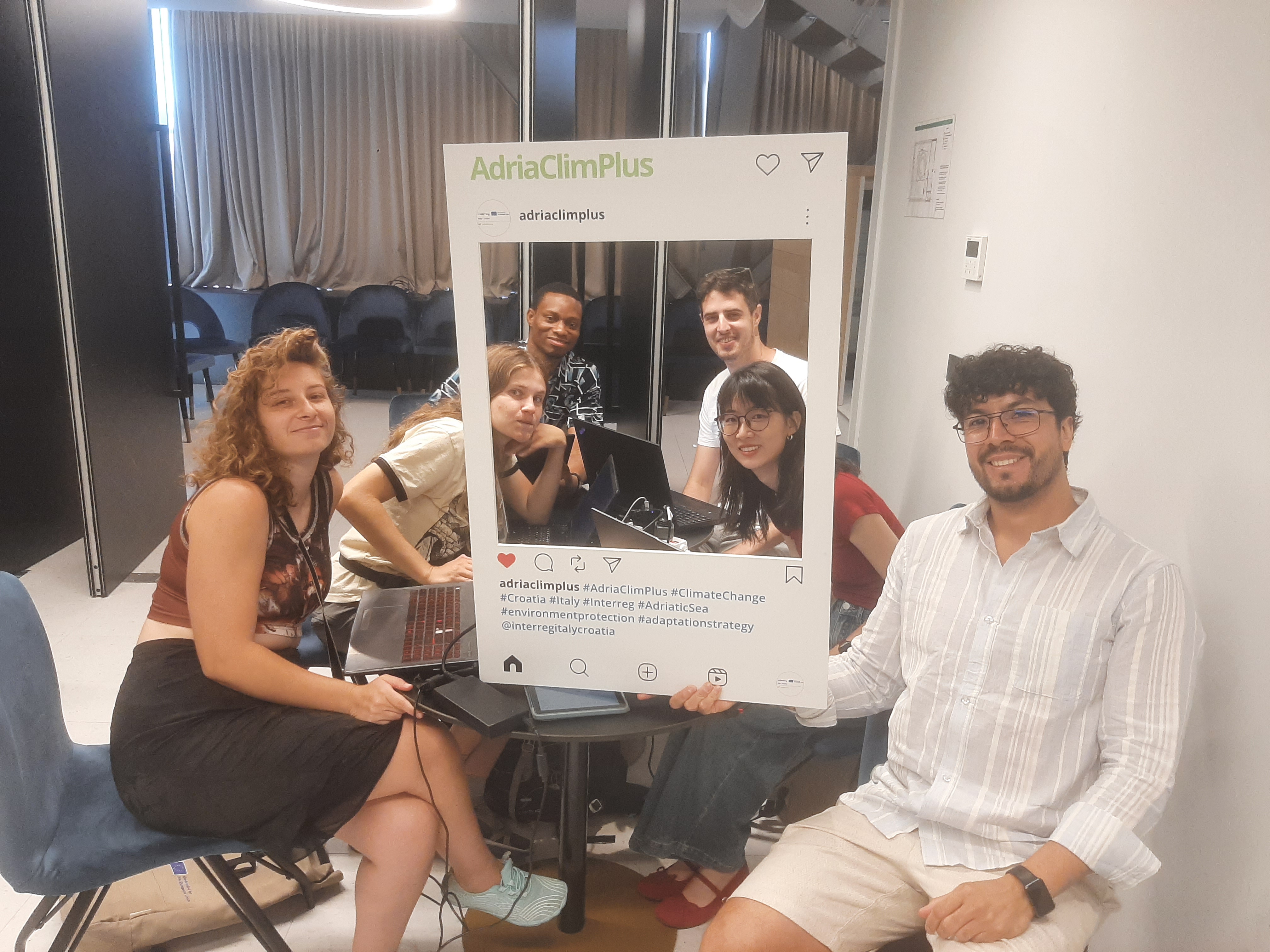
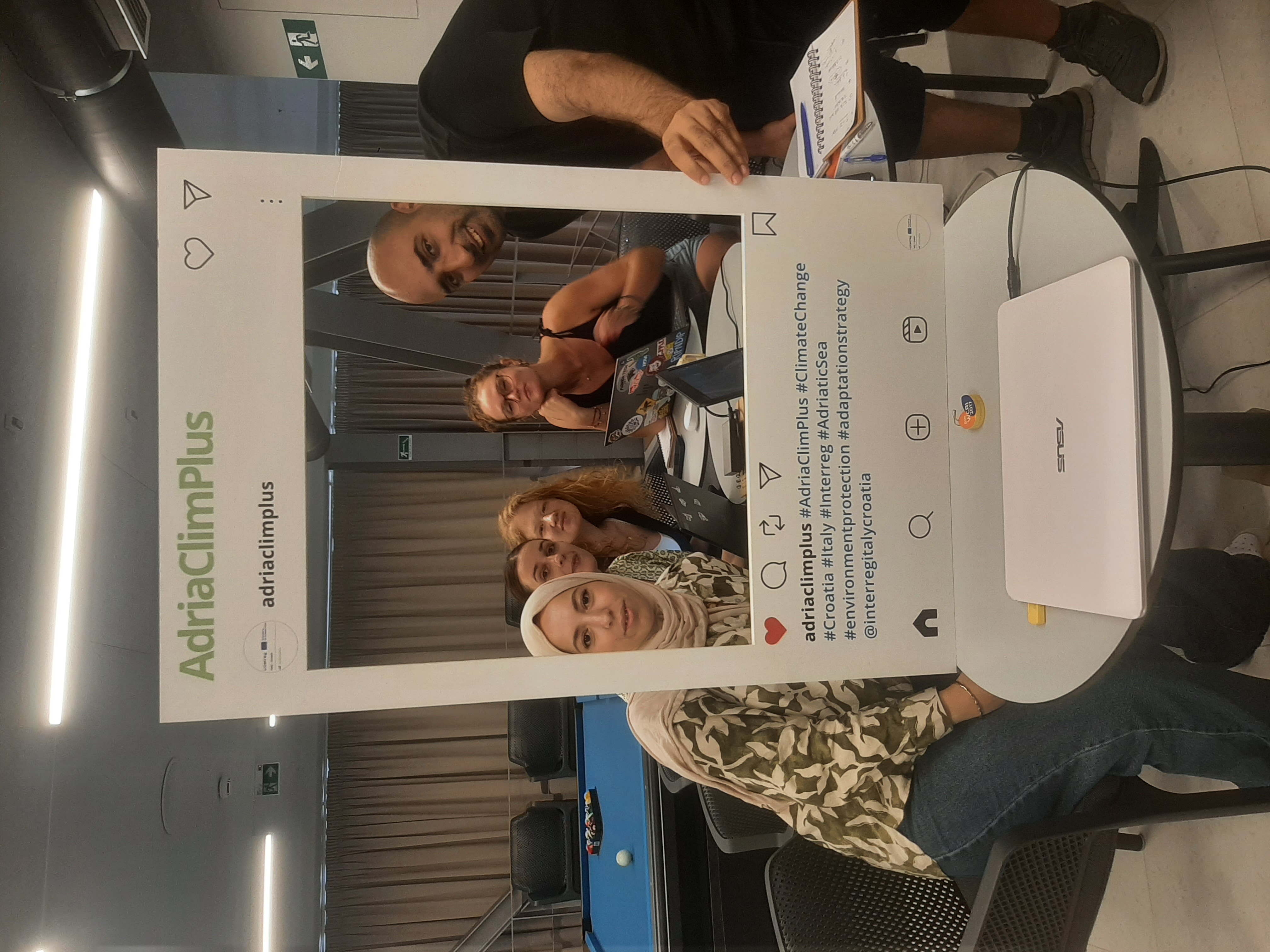
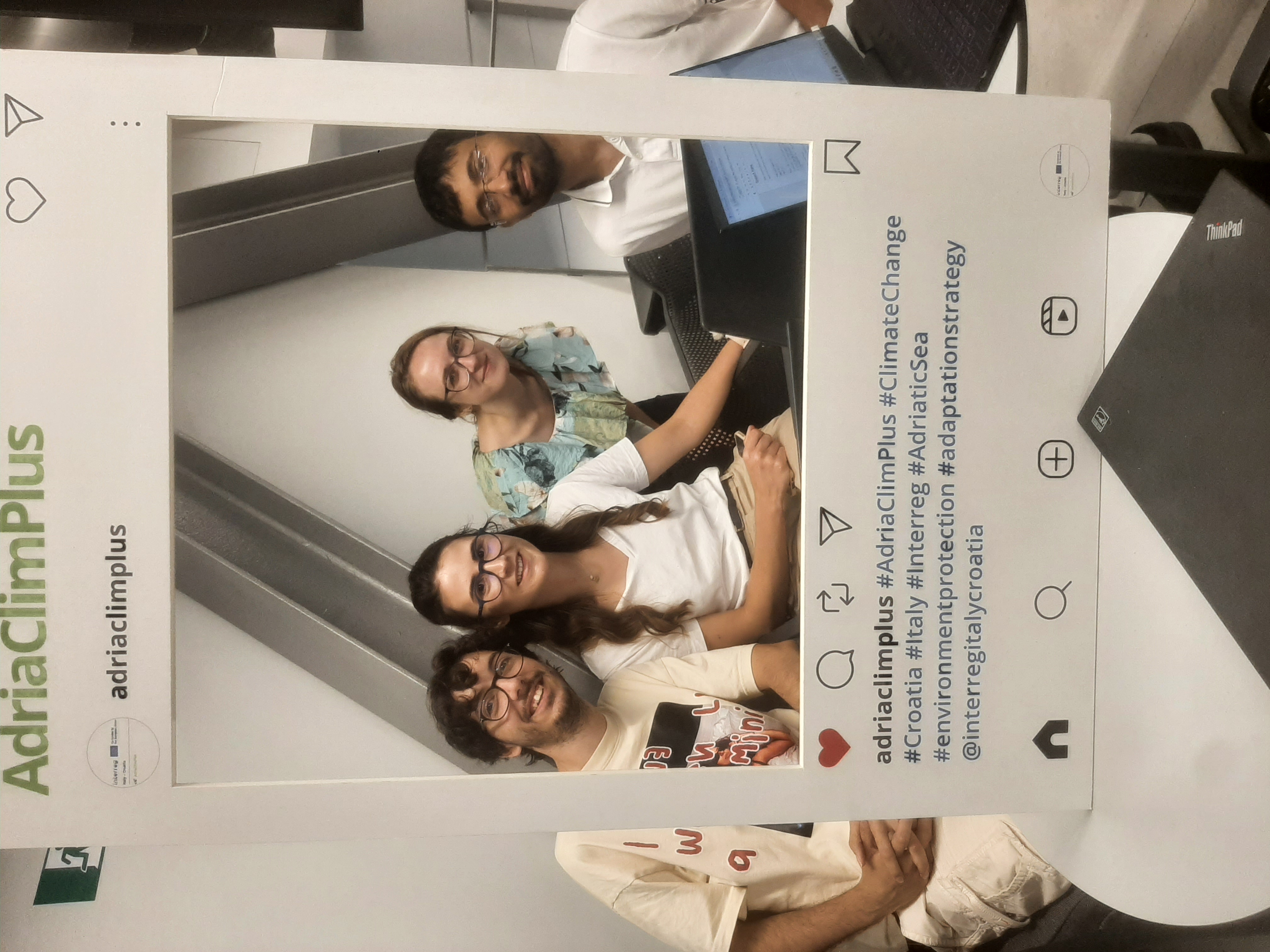
The central element of the Summer School was a three-day research hackathon, held from 22 to 24 July, during which participants worked in international teams under the guidance of experienced scientists and young researchers from the AdriaClimPlus consortium.
Using real climate datasets, Earth observation products and programming tools such as Python, participants analysed climate processes, tested innovative methodologies and developed practical scientific solutions addressing climate-related challenges in the Adriatic region.
Four research groups tackled different scientific topics:
-
Detection of atmospheric and marine heat waves using AdriaClimPlus modelling datasets, mentored by Giorgia Verri, Vladimir Santos da Costa and Veeramanikandan Ramadoss.
-
Neural networks for storm surge modelling, mentored by Lorenzo Mentaschi and Rodrigo Vicente Campos Caba.
-
Near-surface biogeochemical modulations observed by BGC-Argo, mentored by Elena Terzić, Iva Dominović Novković and Krešimir Ruić.
-
Cloud-top temperature climatology, convective systems and meteotsunamis, mentored by Ivica Vilibić, Ana Radovan and Krešimir Ruić.
Throughout the hackathon, participants combined scientific knowledge with practical coding, data analysis and teamwork while receiving continuous support from their mentors. Daily discussions encouraged the exchange of ideas, problem-solving and interdisciplinary collaboration.
Presenting research results
On the final day, each research group presented the outcomes of its work, explaining the research questions, methodologies, data analyses and key findings developed during the hackathon.
The presentations demonstrated not only the scientific quality of the projects but also the participants' ability to work collaboratively in an international environment and apply advanced analytical techniques to real climate-related challenges.
The programme concluded with discussions on future research opportunities, including the possibility of further developing the projects into scientific publications and continuing collaboration beyond the Summer School.
Investing in the next generation of climate researchers
The Advanced Summer School on Climate Change demonstrated how international collaboration, scientific excellence and hands-on research can empower the next generation of researchers to develop innovative solutions for the climate challenges facing the Adriatic region.
By combining expert lectures, practical coding, teamwork and interdisciplinary exchange, the Summer School equipped participants with valuable scientific knowledge and practical skills while strengthening the network of young researchers working on climate adaptation and resilience across the Adriatic.
👏 The AdriaClimPlus partnership extends its sincere thanks to all lecturers, mentors, organisers and participants whose enthusiasm, expertise and commitment made the Summer School a great success. The knowledge, partnerships and research ideas developed during the programme will continue to contribute to building a more climate-resilient Adriatic region.