The Adriatic Sea: A Shared Space, A Shared Responsibility
28/07/2026
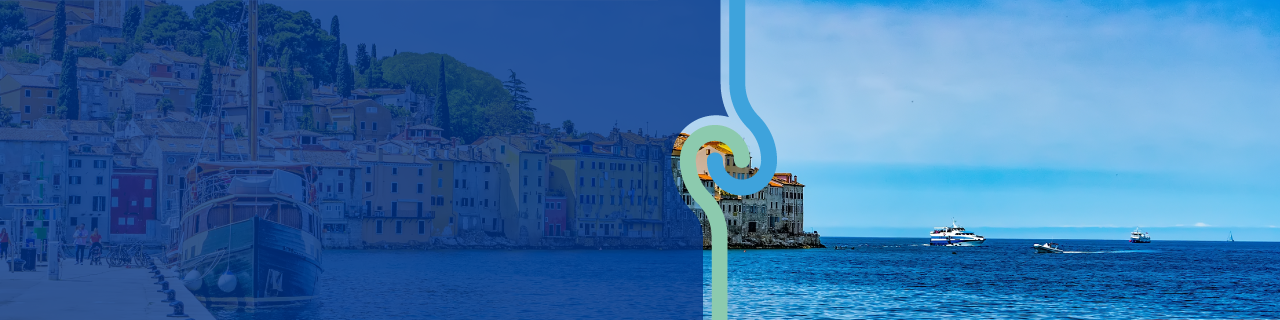
The Adriatic Sea is one of Europe's most valuable semi-enclosed seas, supporting a remarkable diversity of marine life while providing essential resources and opportunities for millions of people living along its coastline. It serves as an important corridor for maritime transport, a source of income for fisheries and tourism, and an increasingly important area for the development of renewable energy.
These different activities all rely on the same marine space. As demand for maritime resources continues to grow, ensuring that these uses can coexist sustainably has become one of the key challenges facing the region.
Unlike land, where different activities can often be physically separated, marine environments are highly interconnected. Changes in one area may influence ecosystems, economic sectors and communities elsewhere. For this reason, planning activities at sea requires a comprehensive understanding of environmental conditions as well as social and economic needs.
Protecting marine biodiversity remains a fundamental priority. The Adriatic is home to numerous habitats and species that contribute to the ecological health of the region. At the same time, healthy marine ecosystems provide valuable services that support fisheries, tourism and climate resilience.
Alongside environmental protection, Europe is accelerating the transition towards renewable energy systems. Offshore renewable energy has an important role to play in reducing greenhouse gas emissions and strengthening energy security. However, its development should always be carefully integrated with existing maritime activities and environmental considerations.
Finding this balance requires collaboration between scientists, public authorities, industry representatives and local stakeholders. Evidence-based planning, transparent decision-making and continuous knowledge exchange all contribute to more sustainable solutions.
This collaborative approach is particularly important in the Adriatic, where Croatia and Italy share not only a maritime border but also many common environmental and economic interests. Effective cooperation helps address shared challenges while promoting long-term sustainability throughout the region.
The BEYOND Project contributes to this broader discussion by supporting knowledge exchange and promoting integrated approaches to offshore renewable energy planning in the Adriatic. Through cross-border cooperation, the project encourages dialogue between different sectors and highlights the importance of considering environmental, technical and socio-economic aspects together.
As Europe continues its energy transition, the sustainable management of marine resources will become increasingly important. Balancing environmental protection with economic development is not a one-time task but an ongoing process that depends on cooperation, scientific knowledge and responsible planning.
The future of the Adriatic will be shaped by the decisions made today. By recognising the sea as a shared space and a shared responsibility, stakeholders across the region can contribute to preserving its ecological value while supporting sustainable opportunities for future generations.

