
The CRESPORT project has reached the heart of the EU institutions as part of its dissemination and institutional positioning efforts.
19/11/2026
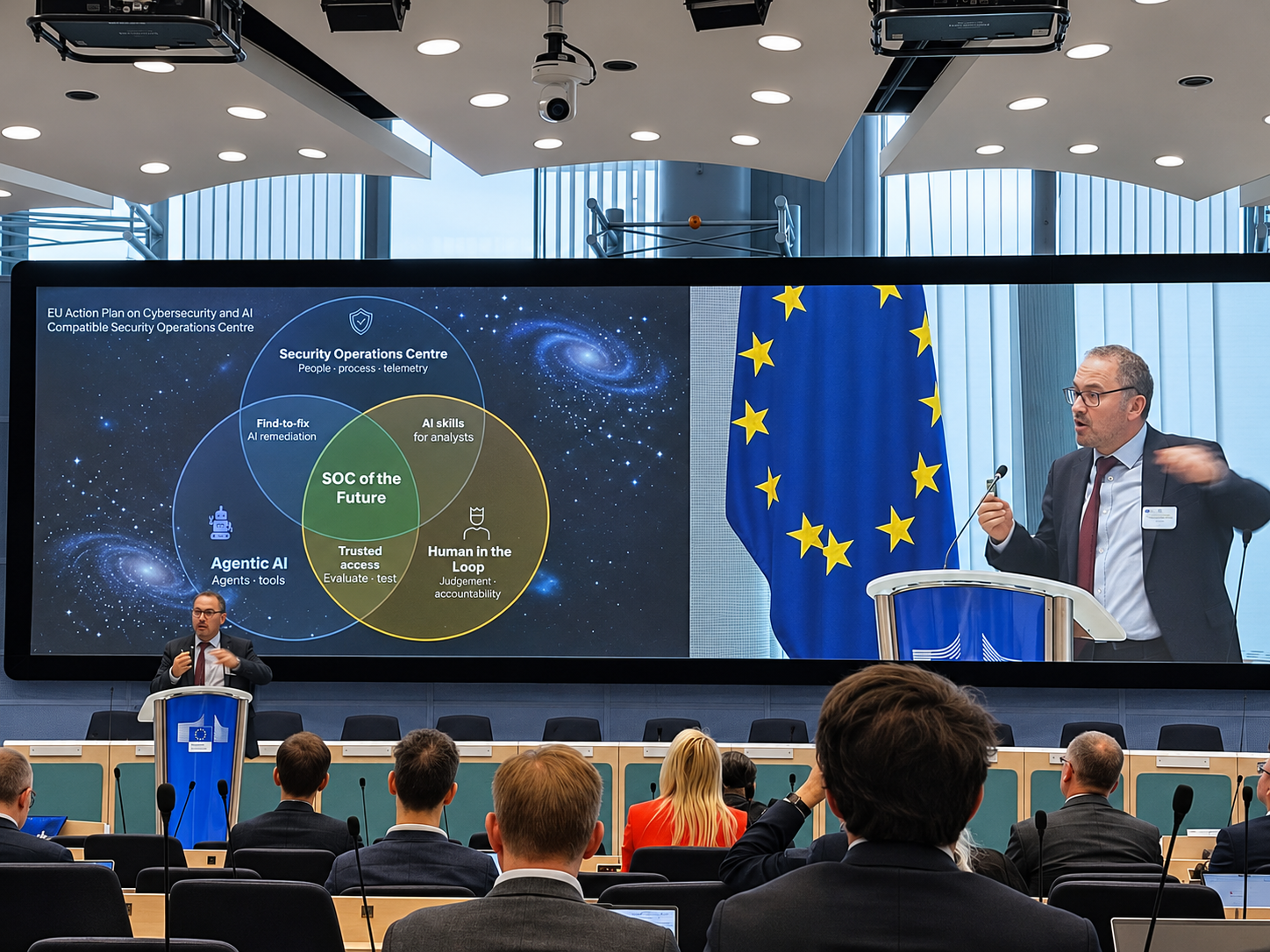
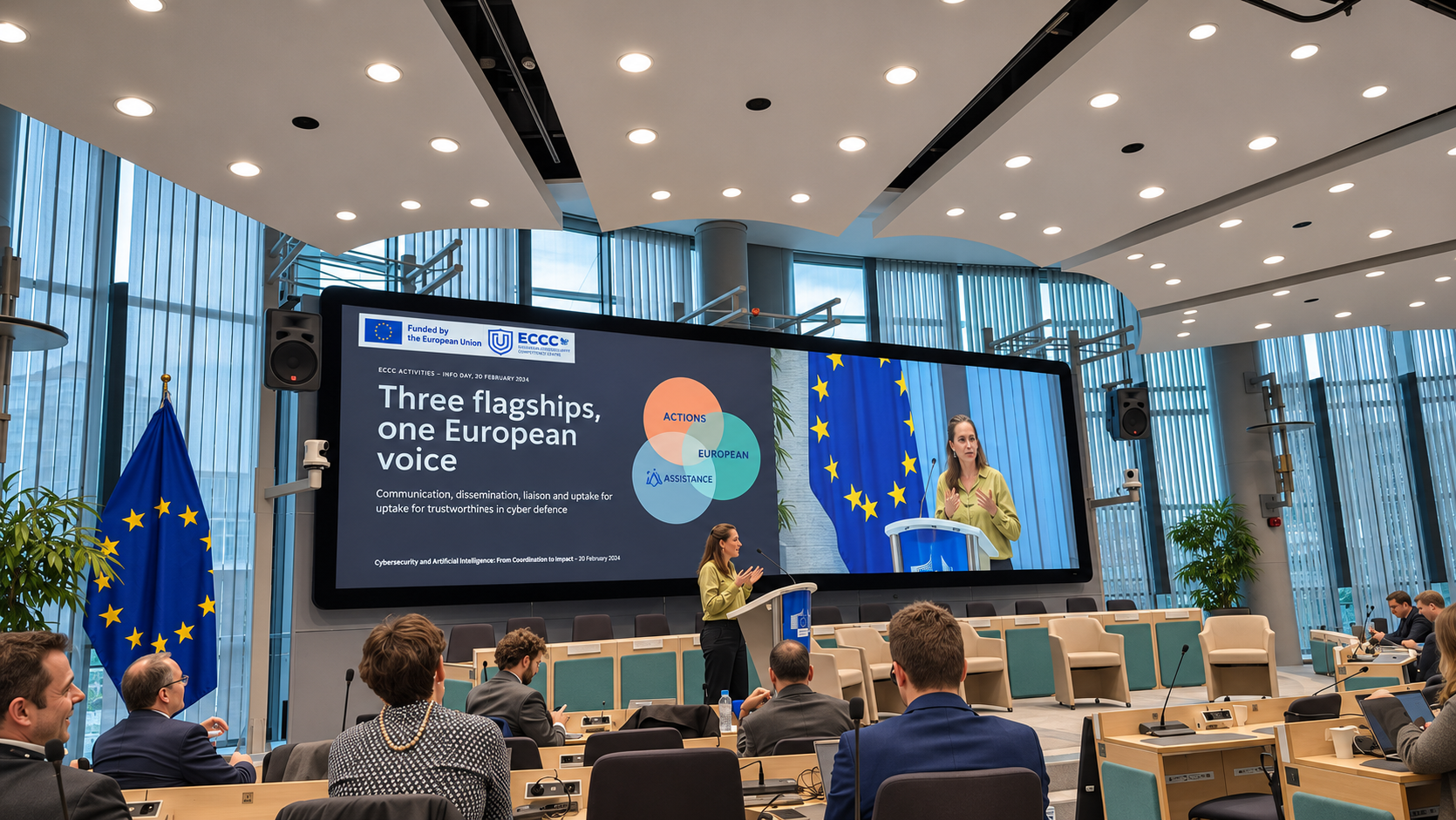
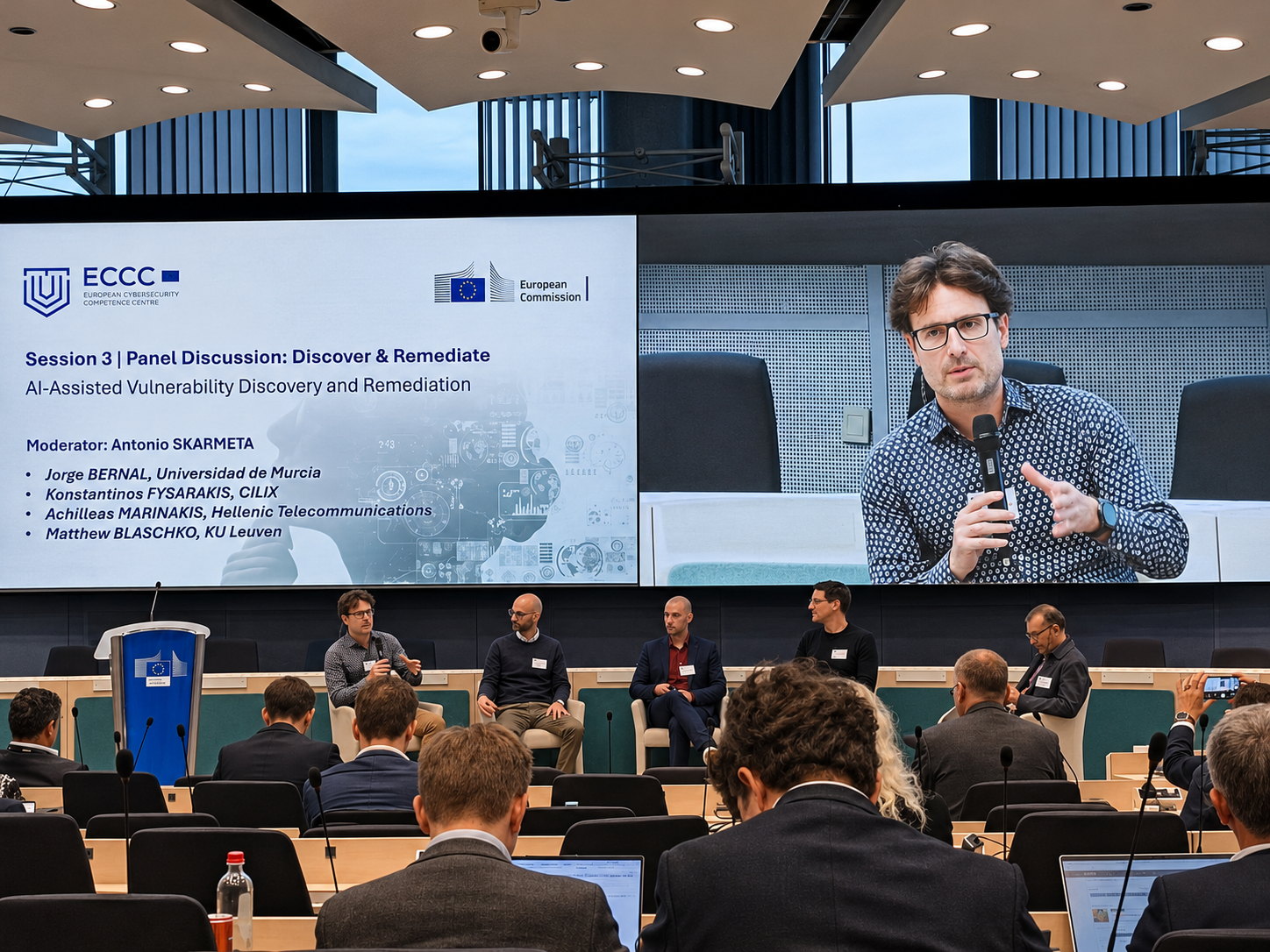
The Port of Ravenna, in its capacity as Lead Partner and project coordinator, took part in the important high-level European conference entitled “Cybersecurity and Artificial Intelligence: From Innovation to Impact”, organised in Brussels by the European Centre of Competence for Cybersecurity (ECCC) in collaboration with DG CNECT (the European Commission’s Directorate-General for Communications Networks, Content and Technology).
In Brussels, the ECCC and the European Commission brought EU-funded projects, industry, researchers and policymakers together for one question: how can AI for cybersecurity get from the lab to real impact? The discussion went well beyond technology. AI is speeding up both attack and defence, and the gap between finding a vulnerability and fixing it is becoming the main risk factor. This is why the forthcoming EU Grand Challenge on AI-assisted vulnerability remediation matters. For ports, the issue is very concrete. A port authority manages a patchwork of networks, operational systems, surveillance and third-party services, often built over decades, where a quick patch can disrupt operations as much as an attack can. CRESPORT is working on exactly this ground. Adriatic port authorities are assessing threats, strengthening networks and access control, aligning with international standards and training their port communities. The Brussels debate points to the next step: moving from protecting each port alone to shared defence, with common threat intelligence, harmonised procedures and clear rules on what automated tools may do on their own and where human judgement remains essential. Because NIS2 sets common obligations for Italian and Croatian ports alike, it gives this cooperation a shared basis. With the project now extended to February 2027, CRESPORT has time to consolidate its results and turn them into shared know-how for ports on both sides of the Adriatic. That way, Adriatic ports will not just use innovation. They can become a real test bed for it