
The method behind the numbers
30/10/2026
Yesterday we published the Report on characterization of habitat quality and pressures in pilot areas, showing where, and how much, nautical and beach tourism weighs on Adriatic coastal habitats: the condition of seagrass meadows, boat pressure, anchoring damage, dune trampling. Today we take a step back. Behind every underwater survey, satellite image and drone flight lies planning that began much earlier: the document Protocol definition for monitoring beach and leisure boating tourism pressures in pilot areas, coordinated by SUNCE with all partners.
The "how" and the "what we found" - The protocol is the "how": which methods to use, what to measure and how to assess it, so the work is the same at every site. The report is the "what we found": the result of applying that protocol in the field. We chose to publish the more technical document second, to explain why yesterday's results are reliable and comparable.
One language for very different places - From the muddy seabeds of Panzano Bay to the dunes of Porto Cesareo and the Posidonia meadows of Kornati, the Pakleni Islands and Badija (Korčula), the project needed a common method. The protocol builds on national and international standards and on the Interreg SASPAS project, selecting tools that all partners can apply.
What it covers
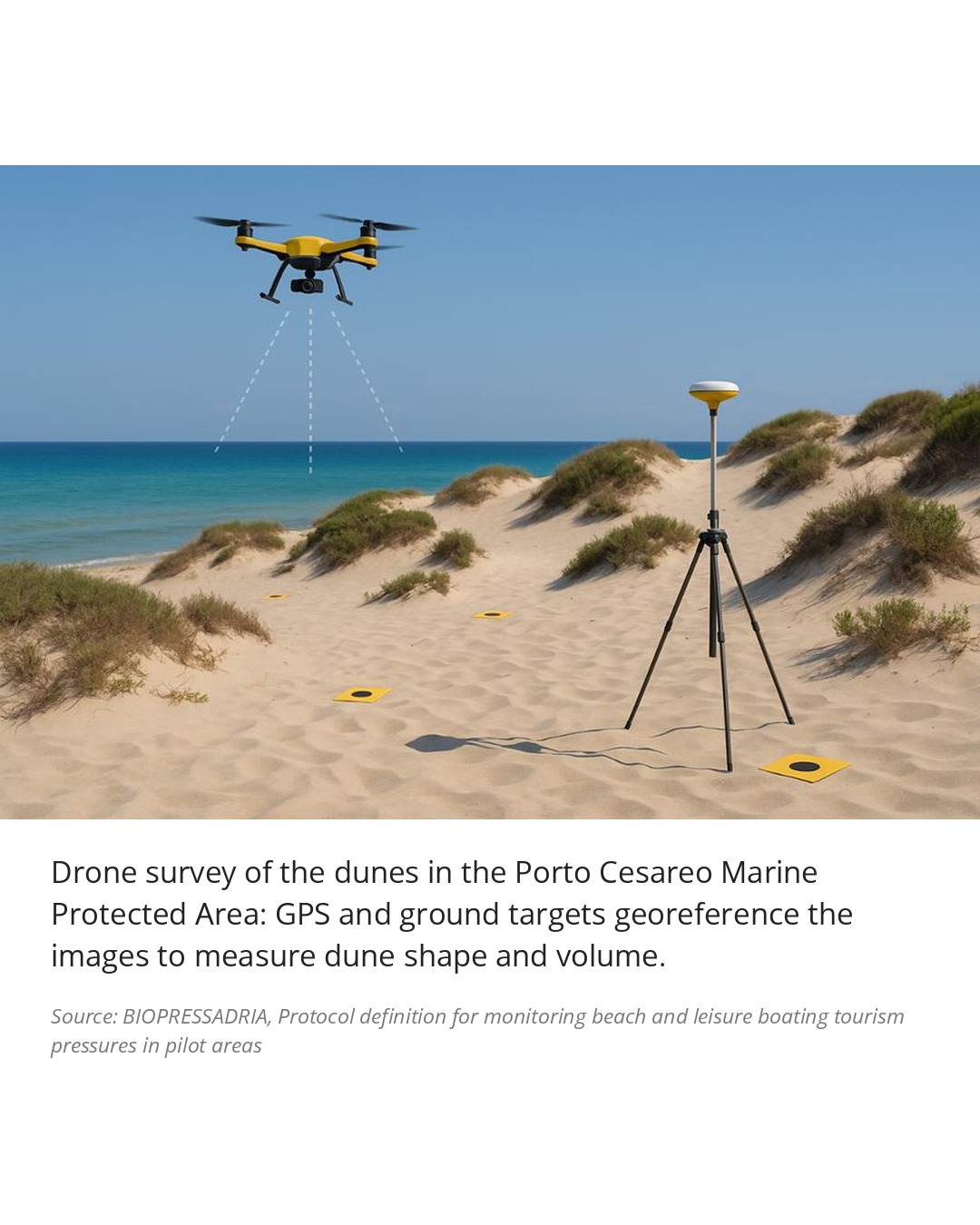
• Habitat health: seagrass cover and density, and dune shape and volume surveyed by drone.
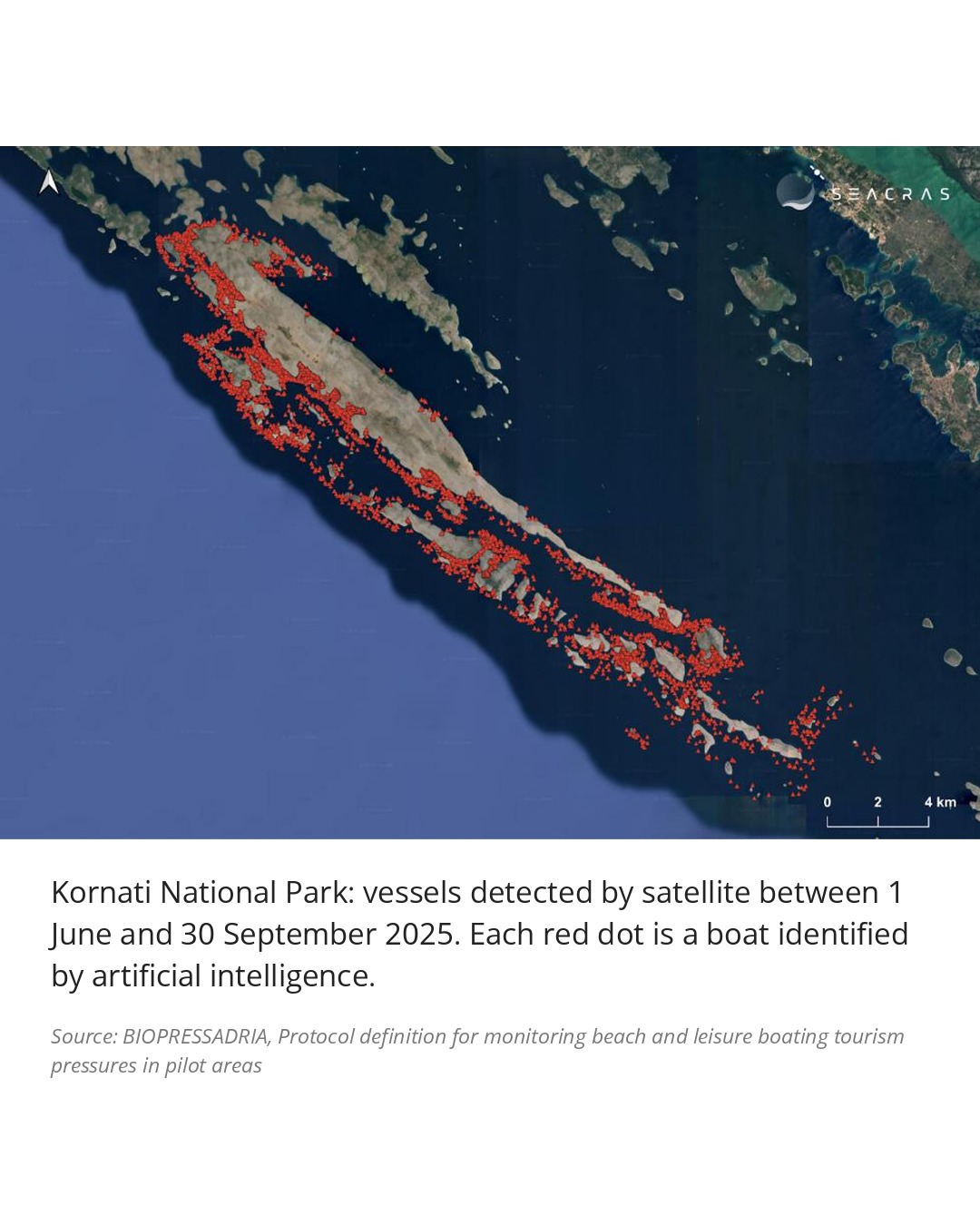
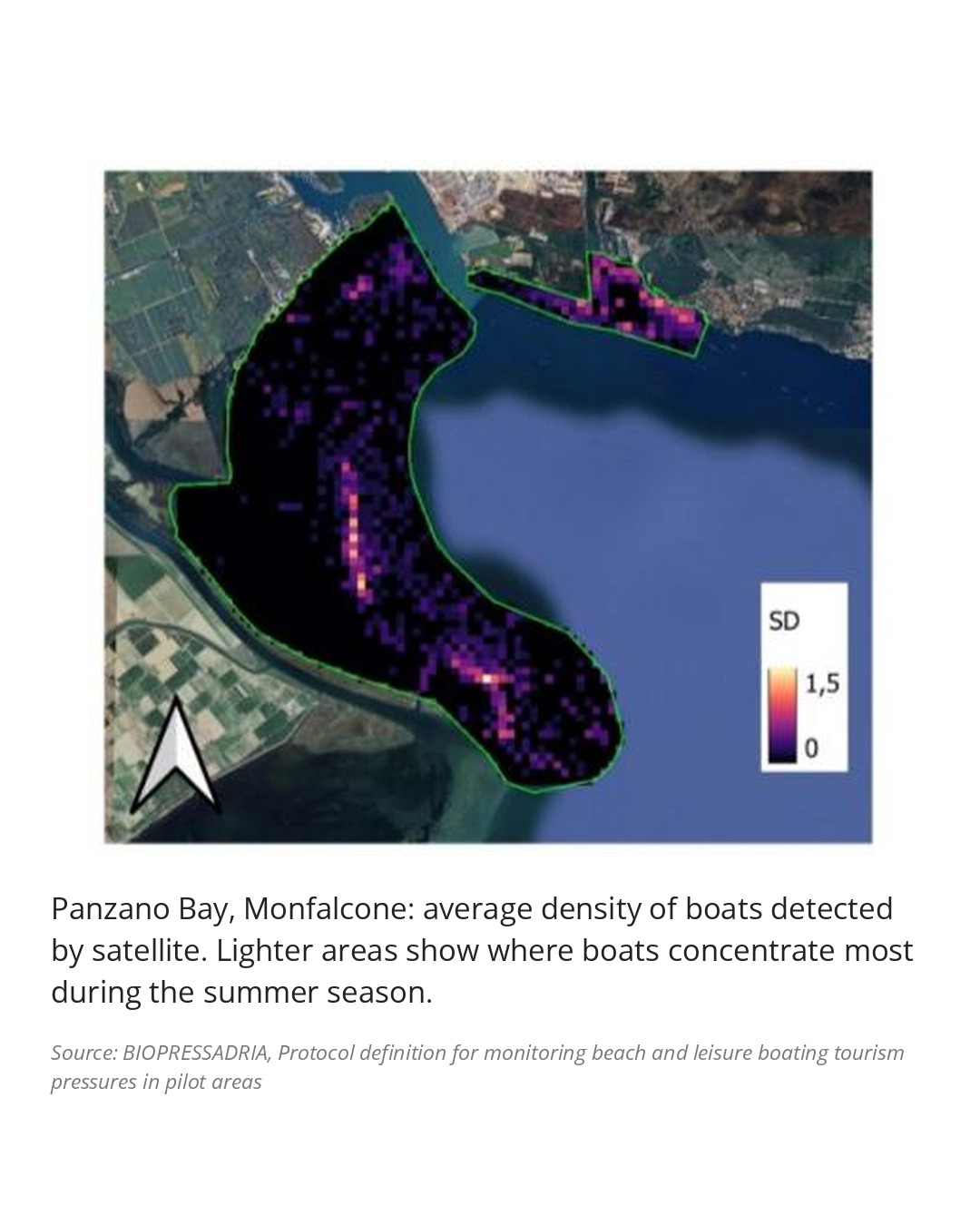
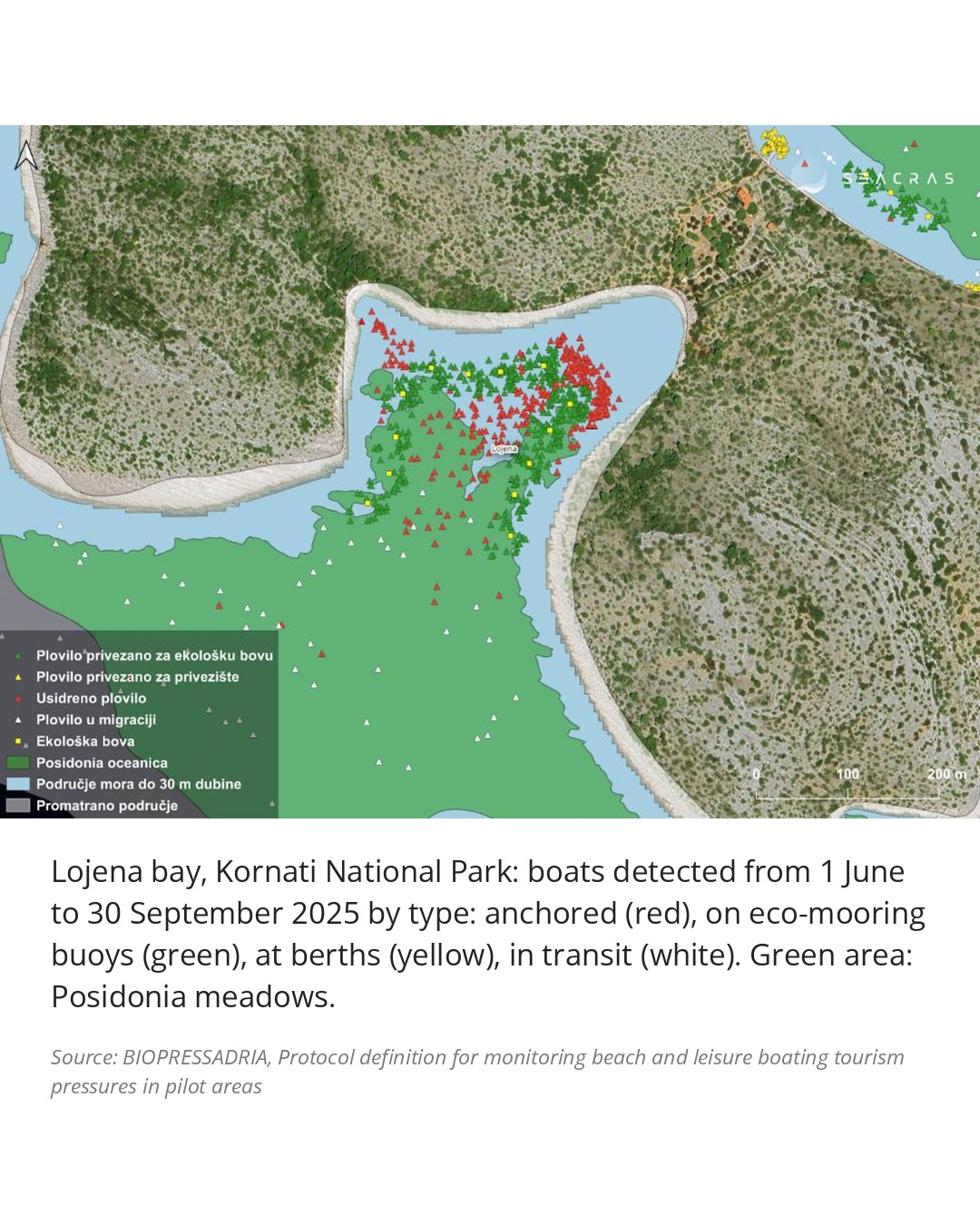
• Boats: satellite images analysed with AI to count even small boats and map anchoring hotspots.
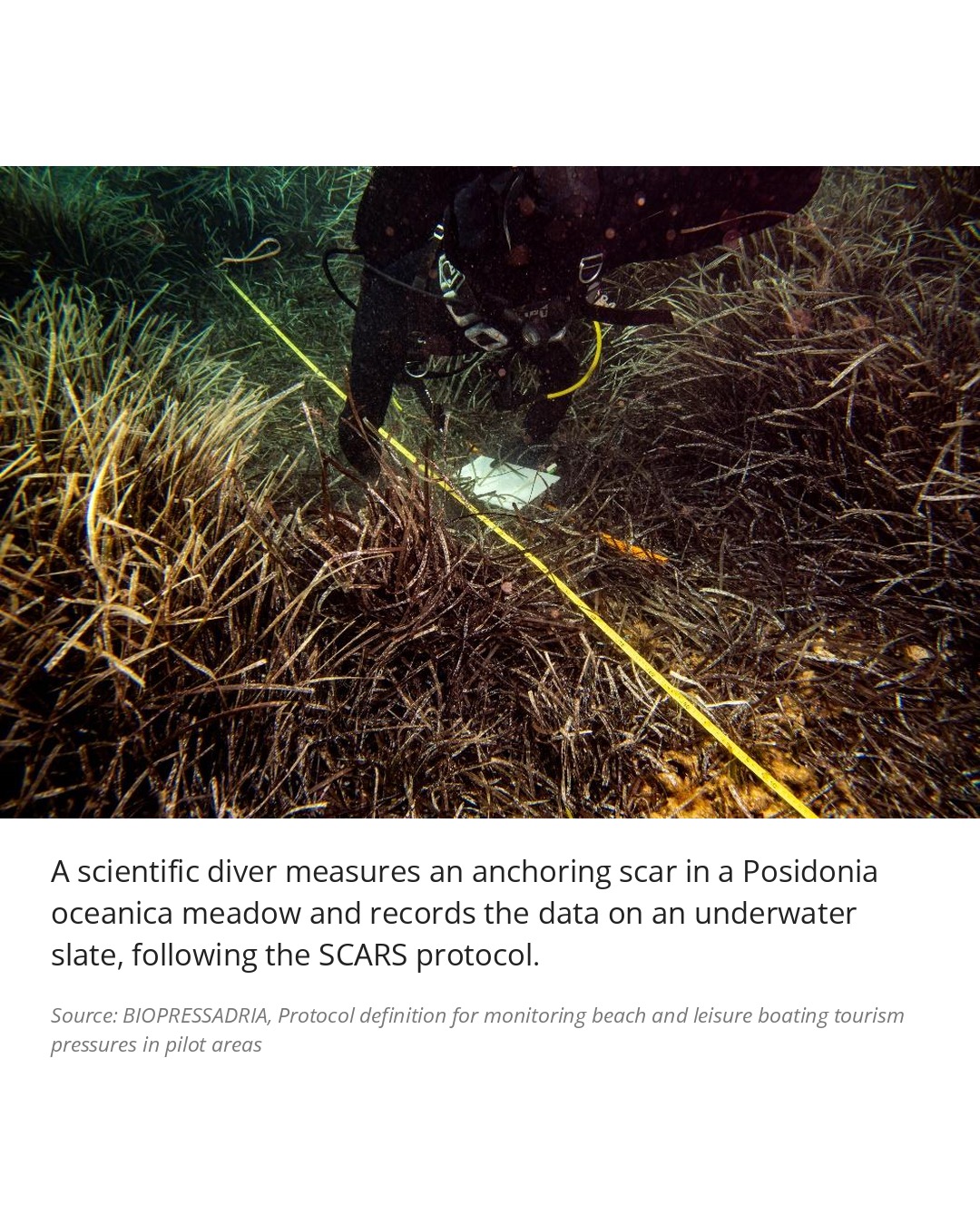
• Anchoring damage: the "SCARS protocol", with scientific divers measuring the scars anchors leave in the meadows.
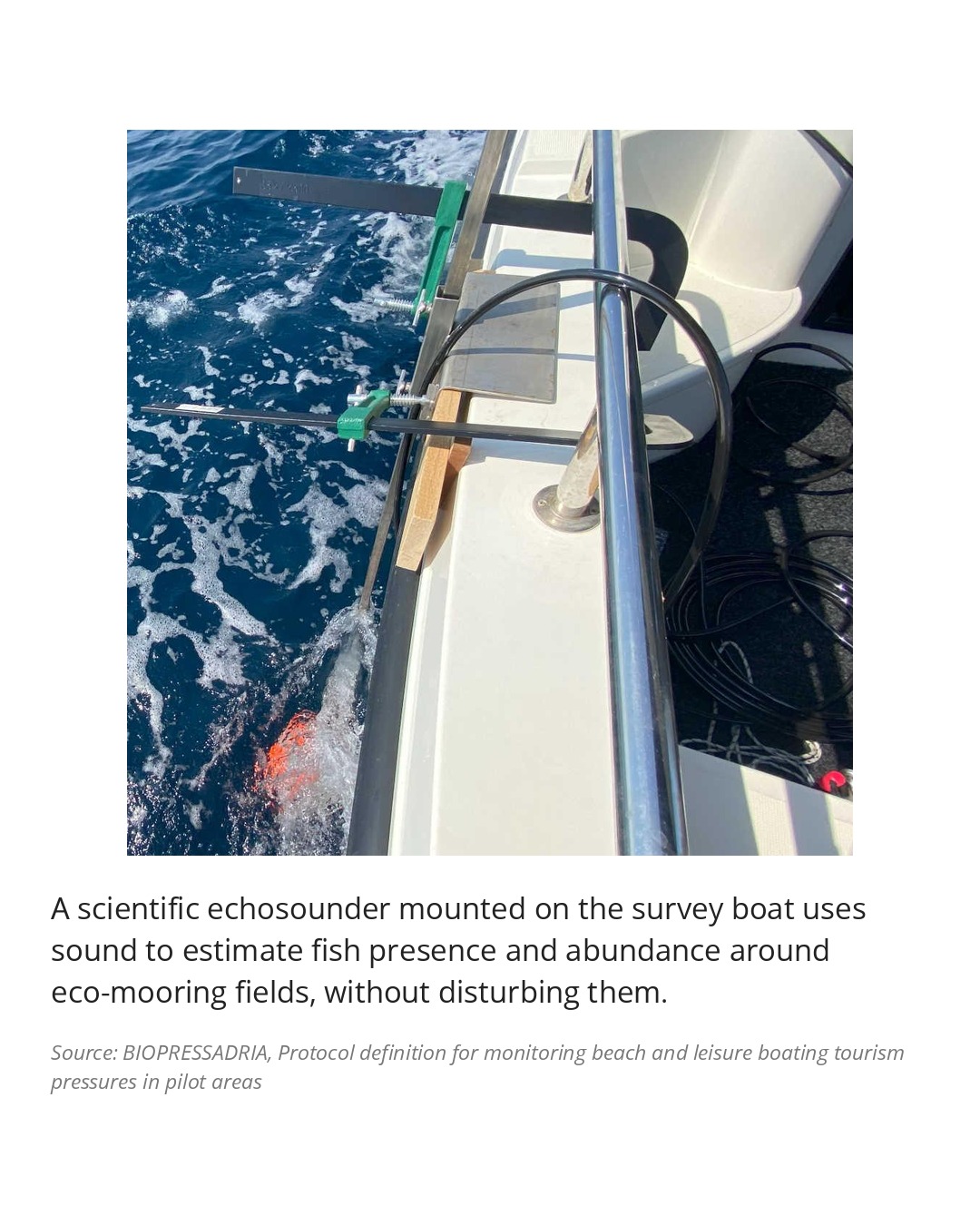
• Fish around eco-moorings: scientific echosounders in the buoy fields of Panzano and Kornati.
• An overall assessment: a matrix that weighs degradation risk, recovery potential and pressure intensity.
Actions with deep roots
BIOPRESSADRIA's pilot actions are not improvised. Eco-mooring buoys, mooring planning and dune interventions rest on a step-by-step path: method first, then data, then results read together with local stakeholders.
The protocol also looks beyond the project, proposing large-scale monitoring every 5–10 years and targeted checks every 2–5 years, so managers can keep measuring with the same yardstick.
Join us in Venice
Want to see how method, data and pilot actions come together? Join us at the BIOPRESSADRIA final conference, on 10–11 November 2026 at the Sala Polifunzionale, Palazzo Grandi Stazioni, Venice. Partners, experts and stakeholders from Italy and Croatia will share results, lessons learned and the tools the project leaves behind to protect Adriatic seagrass meadows and dunes.
Register now: read our past news!