

CRESPORT European project: 6th Steering Committee meeting held in Rijeka. The Port of Ravenna is leading the transition towards concrete measures for port cybersecurity
29/10/2026
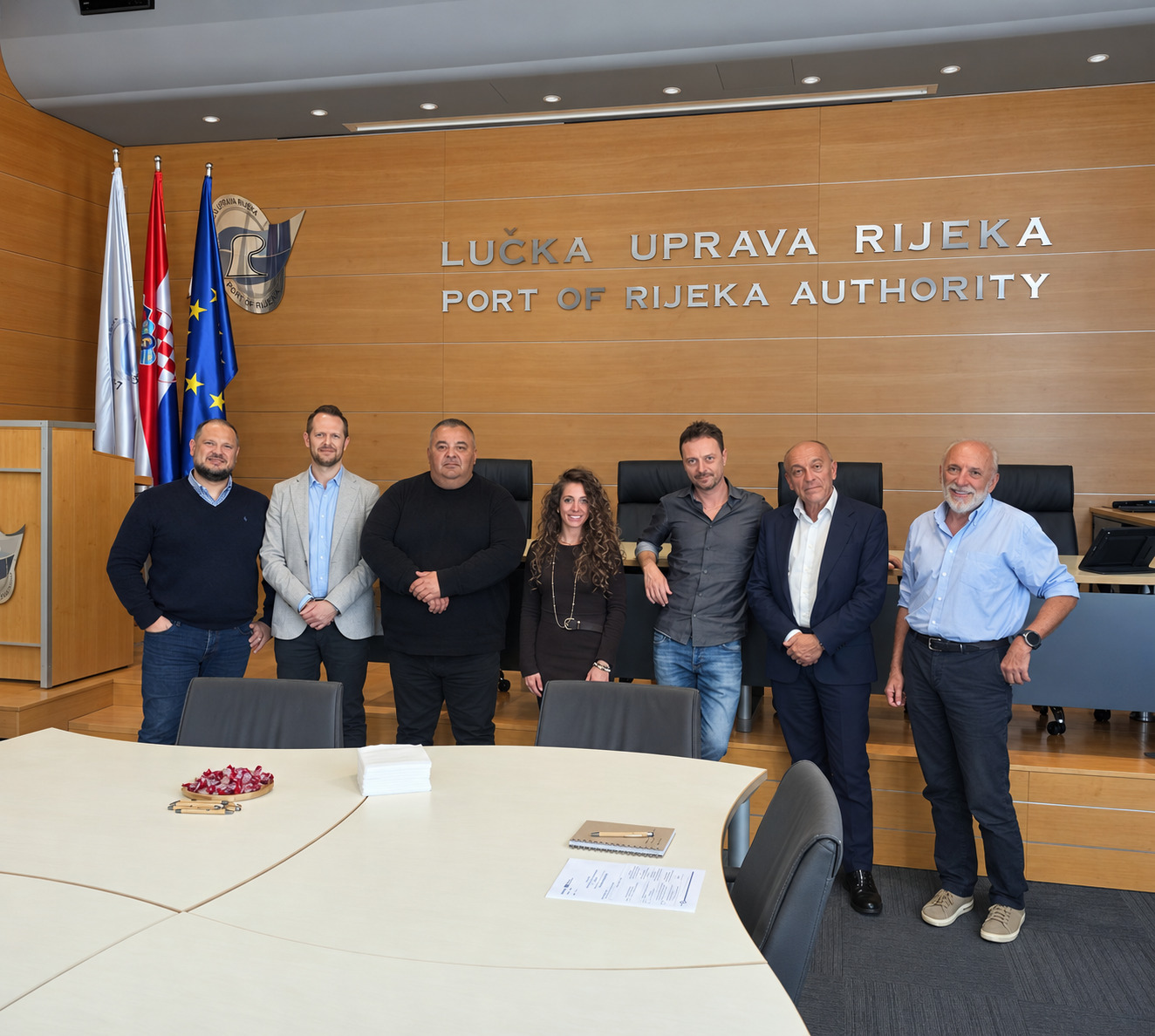
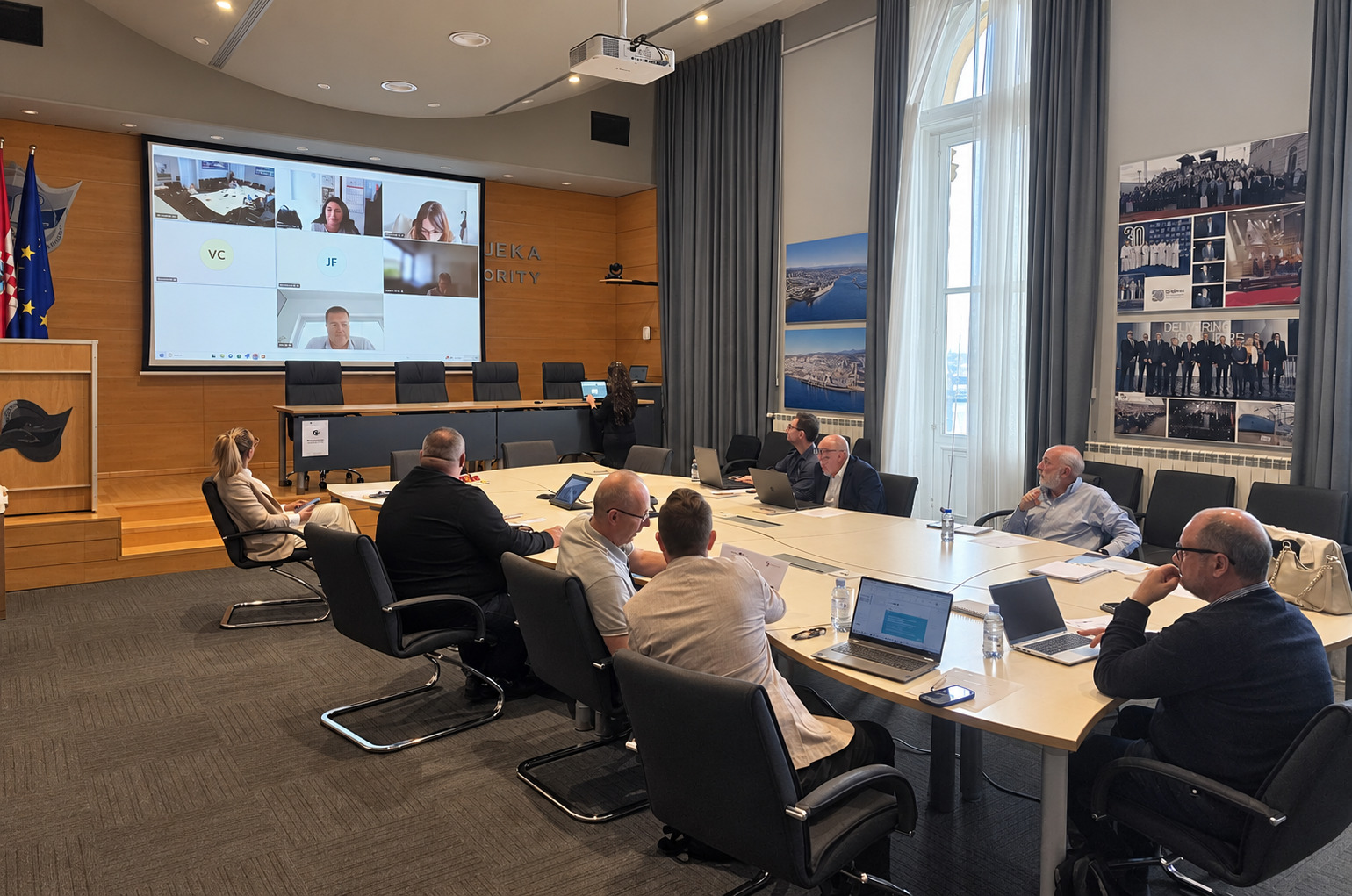
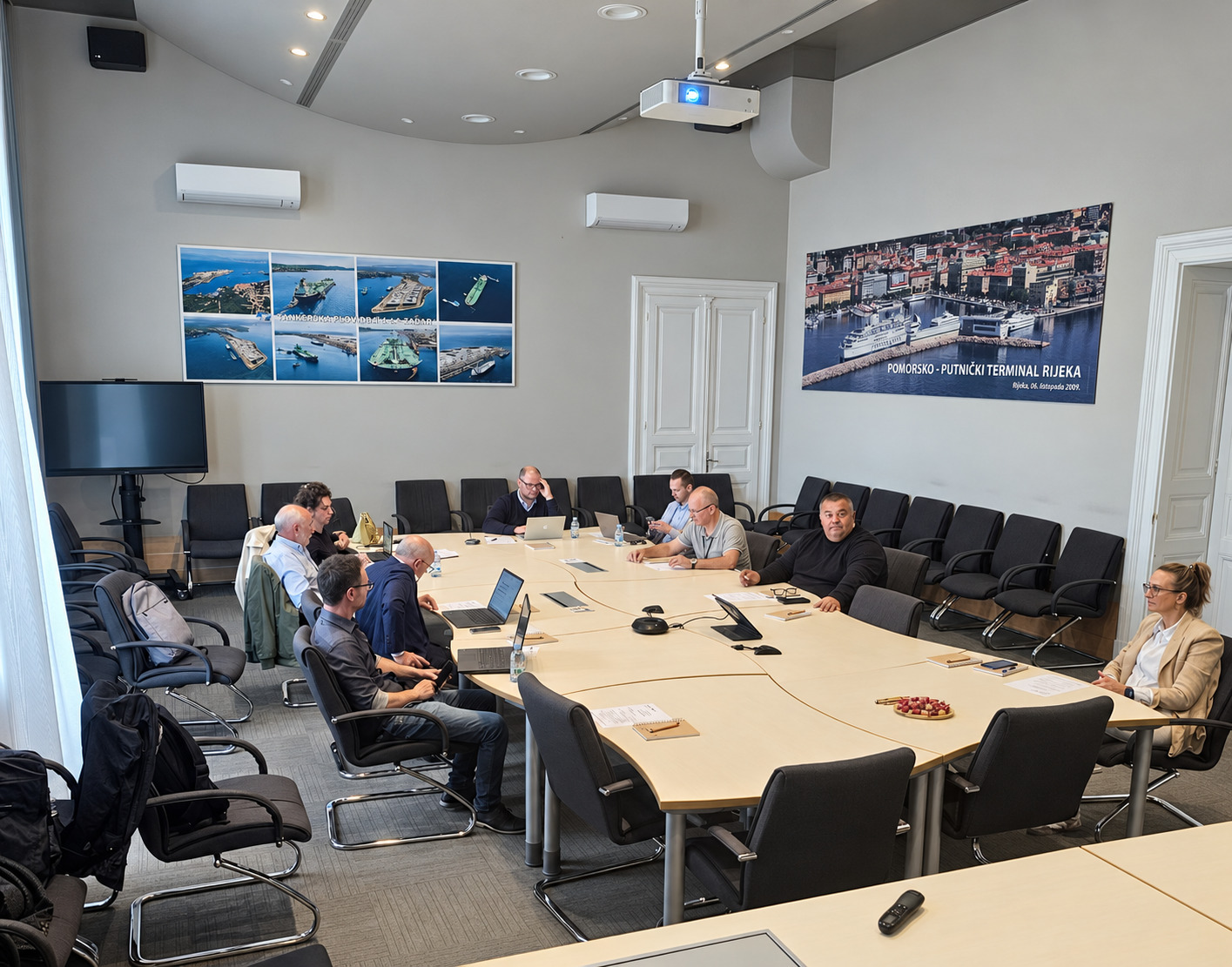
Rijeka (Croatia) / Ravenna – The 6th Steering Committee Meeting of CRESPORT (Improving Cyber Resilience and Security of Adriatic Ports), the European project co-funded by the Interreg VI-A Italy-Croatia Programme 2021–2027, was held in Rijeka at the headquarters of the Rijeka Port Authority.
The meeting provided a crucial opportunity for operational discussion amongst the consortium’s seven partner ports (Ravenna, Dubrovnik, Rijeka, Ancona, Trieste, Venice and Ploče), which came together to analyse the progress of activities, assess the tangible results emerging from the technological trials at each port, and define the roadmap for the project’s final phase. Coordinating the proceedings and presenting the management and technical reports on behalf of the Port System Authority of the Central-Northern Adriatic Sea (coordinating lead partner) were Andrea Minardi (Head of the Smart Port and Security Unit) and Anna Esposito (European Project Planning Service).
Cyber security and resilience are now an urgent and unavoidable priority for the entire Ravenna port system. With this in mind, the CRESPORT project represents, for the Port of Ravenna and for all operators within the port community, a practical tool for raising security levels, constantly monitoring the organisation’s digital perimeter and preventing potential attacks or disruptions.
During the meeting, it became clear that CRESPORT is making the decisive transition from theory to practice and from mere awareness to concrete defensive actions. The trials conducted in recent months in the Adriatic ports — ranging from monitoring the attack surface and 24-hour coverage via the Security Operations Centre (SOC) to simulations of cyber-attacks on employees and operators — provide operational responses fully in line with the latest European guidelines on the security of critical infrastructure, starting with the European NIS2 Directive.
The ultimate objective of the project, which is set to be completed in early 2027, will be the definition of shared minimum technical requirements and the signing of a cross-border Memorandum of Understanding (MoU), consolidating the Adriatic as a model for cooperation and maritime security in Europe.