


Passive acoustic monitoring of cetaceans in the Adriatic Sea.
24/09/2026
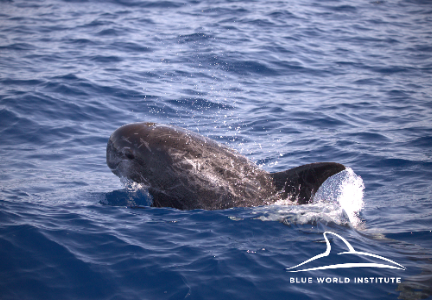
The UNDERSEA project has contributed to the development of an integrated approach for monitoring cetaceans in the Adriatic Sea, combining traditional visual surveys with passive acoustic monitoring. This approach makes it possible to complement observations collected from boats or aircraft with information obtained directly from the underwater acoustic environment.
Hydrophone recordings have demonstrated the potential of passive acoustic monitoring for detecting cetaceans that may remain submerged for extended periods and therefore escape visual detection. The analysis of underwater recordings also provides information on the acoustic characteristics of different species, supporting their identification even when animals are not directly observed.
An important outcome of the project is the development of a dedicated library of cetacean sounds for the Adriatic Sea. The library includes characteristic acoustic signals associated with the species recorded in the basin and represents a reference resource for the analysis and classification of underwater recordings. This resource can support future monitoring activities and facilitate the comparison of acoustic data collected in different areas and periods.
Acoustic monitoring also provides insights into the relationship between cetaceans and their acoustic environment. Background noise, particularly that generated by vessel traffic, can affect cetacean communication and may lead to changes in vocalisation patterns, frequencies or whistle structure. The acoustic data collected within UNDERSEA therefore provide not only information on cetacean presence, but also a means of investigating their response to increasing levels of anthropogenic underwater noise.
The results further highlight the ecological value of monitoring cetaceans in the Adriatic Sea. As top predators, cetaceans occupy an important position within marine food webs and may respond to environmental pressures such as pollution, underwater noise and climate change. Their presence, distribution and acoustic behaviour can therefore provide useful information for assessing changes in the marine environment.
Overall, the combination of visual observations, passive acoustic monitoring and the development of a dedicated regional sound library has strengthened the ability to detect and characterise cetaceans in the Adriatic Sea. The UNDERSEA approach provides a broader picture of cetacean occurrence and acoustic behaviour and establishes a foundation for continued monitoring of the Adriatic marine ecosystem.
Photo credits: Blue World Institute of Marine Research and Conservation

