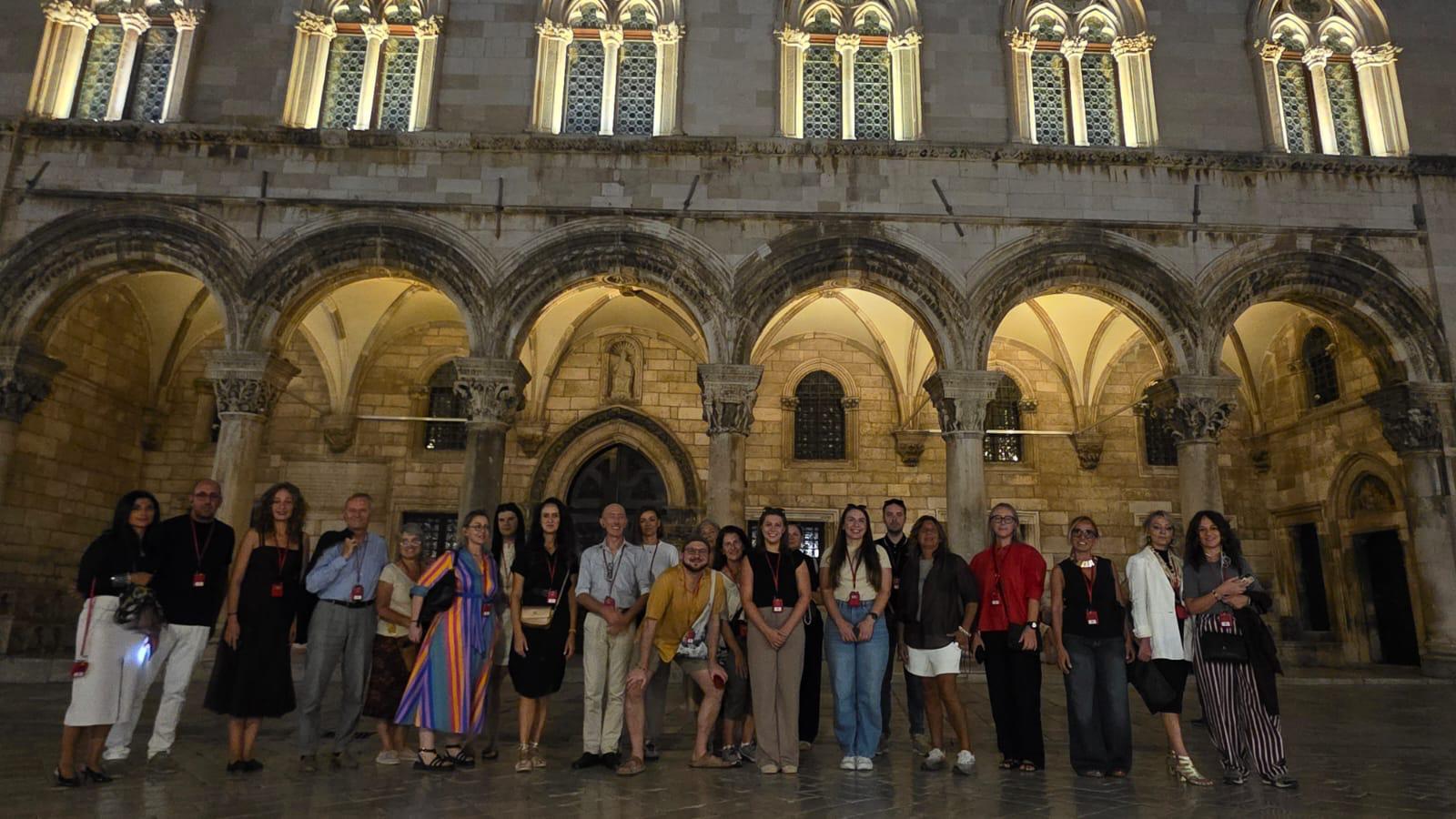

Sustainable Gastronomy at the Heart of the GUSTI Project Finale in Dubrovnik
22/09/2026
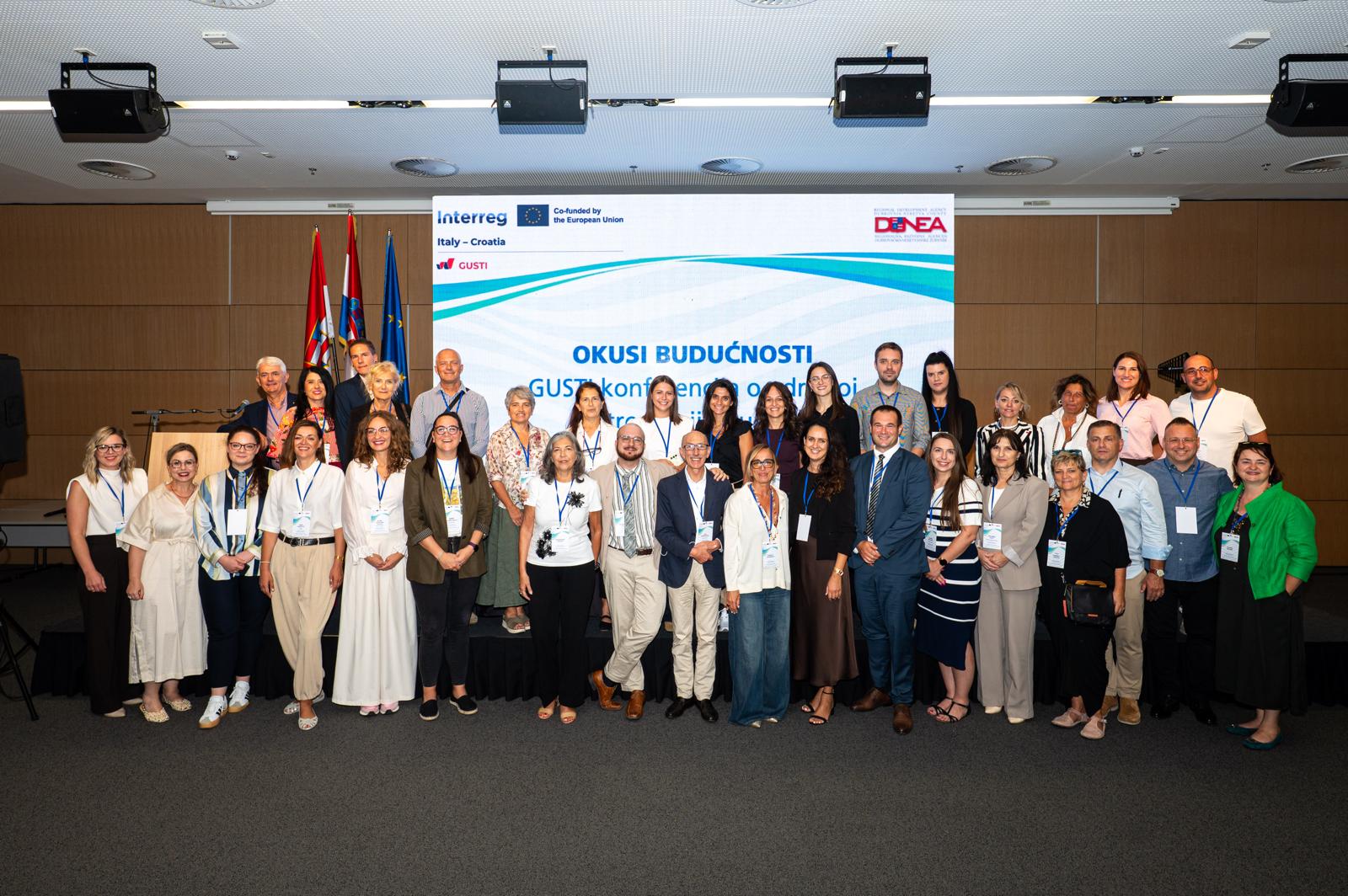
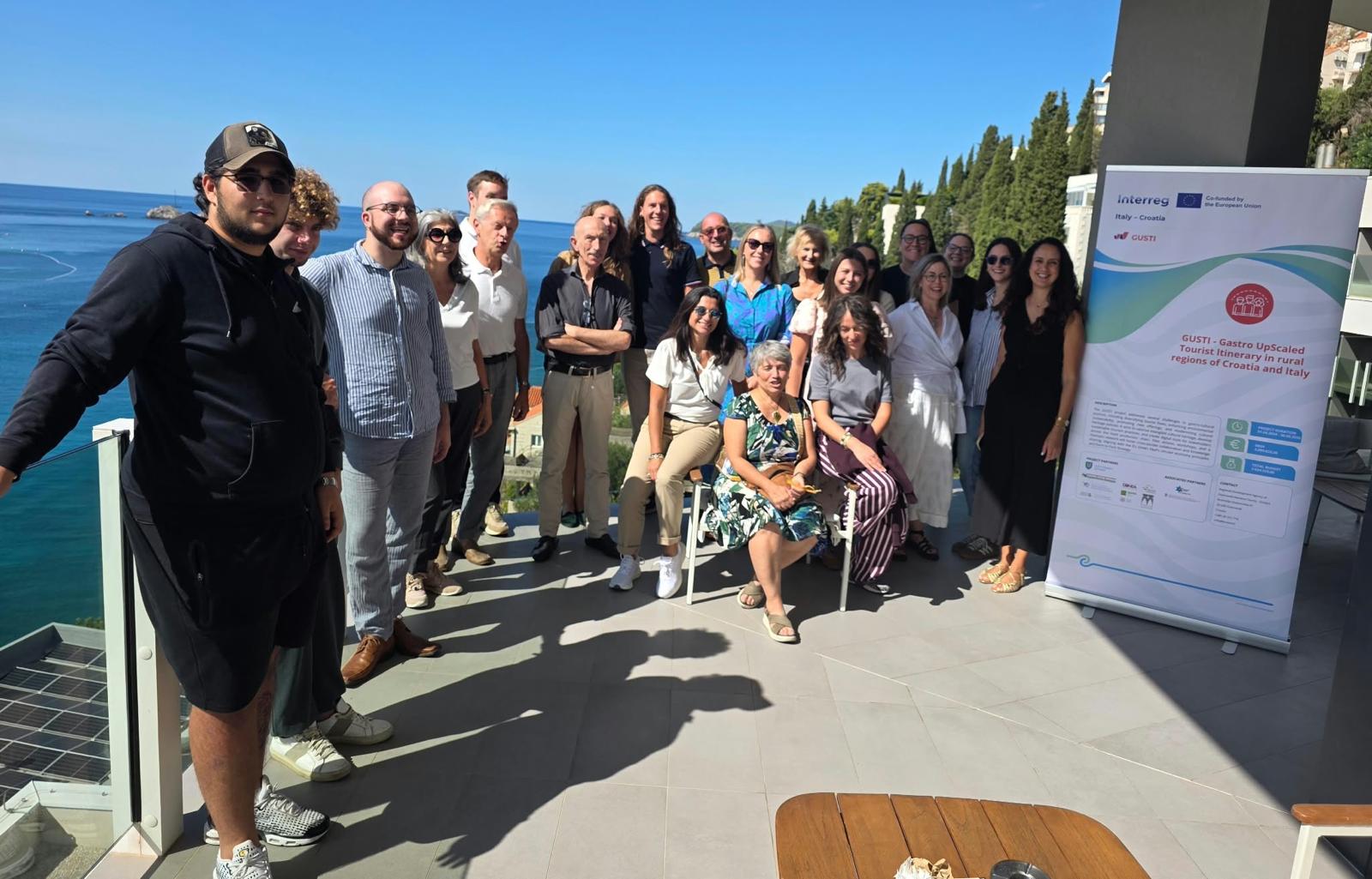
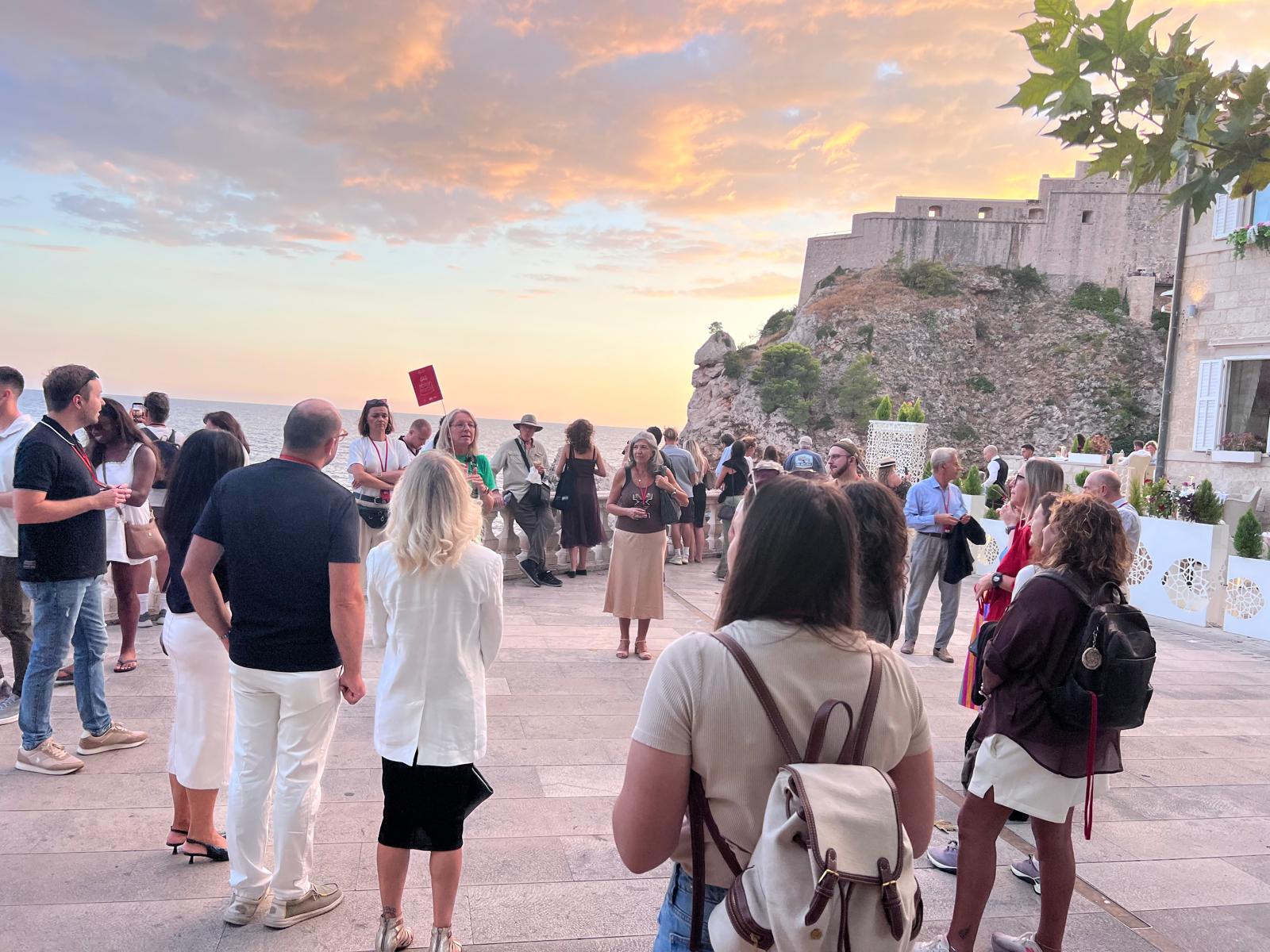
The cross-border EU project GUSTI has successfully come to an end, with its central two-day closing program held on September 15 and 16 in Dubrovnik, organized by the DUNEA Regional Agency. The event gathered numerous experts, chefs, and stakeholders from the tourism, hospitality, and gastronomy sectors from Croatia, Italy, and Slovenia.
About the GUSTI Project
Implemented from April 2024 to the end of September 2026 under the Interreg Italy – Croatia 2021 – 2027 Program, the project had a total value of over 2.6 million euros. Its main goal was to recognize, valorize, and promote sustainable gastronomic tourism as an important intangible cultural heritage of rural areas. Through the development of new content, modernization of heritage management, and directing visitors to lesser-known areas, the project contributed to enriching the tourism offering, extending the season, and creating positive economic impacts for local communities.
Two-Day Program and Key Themes
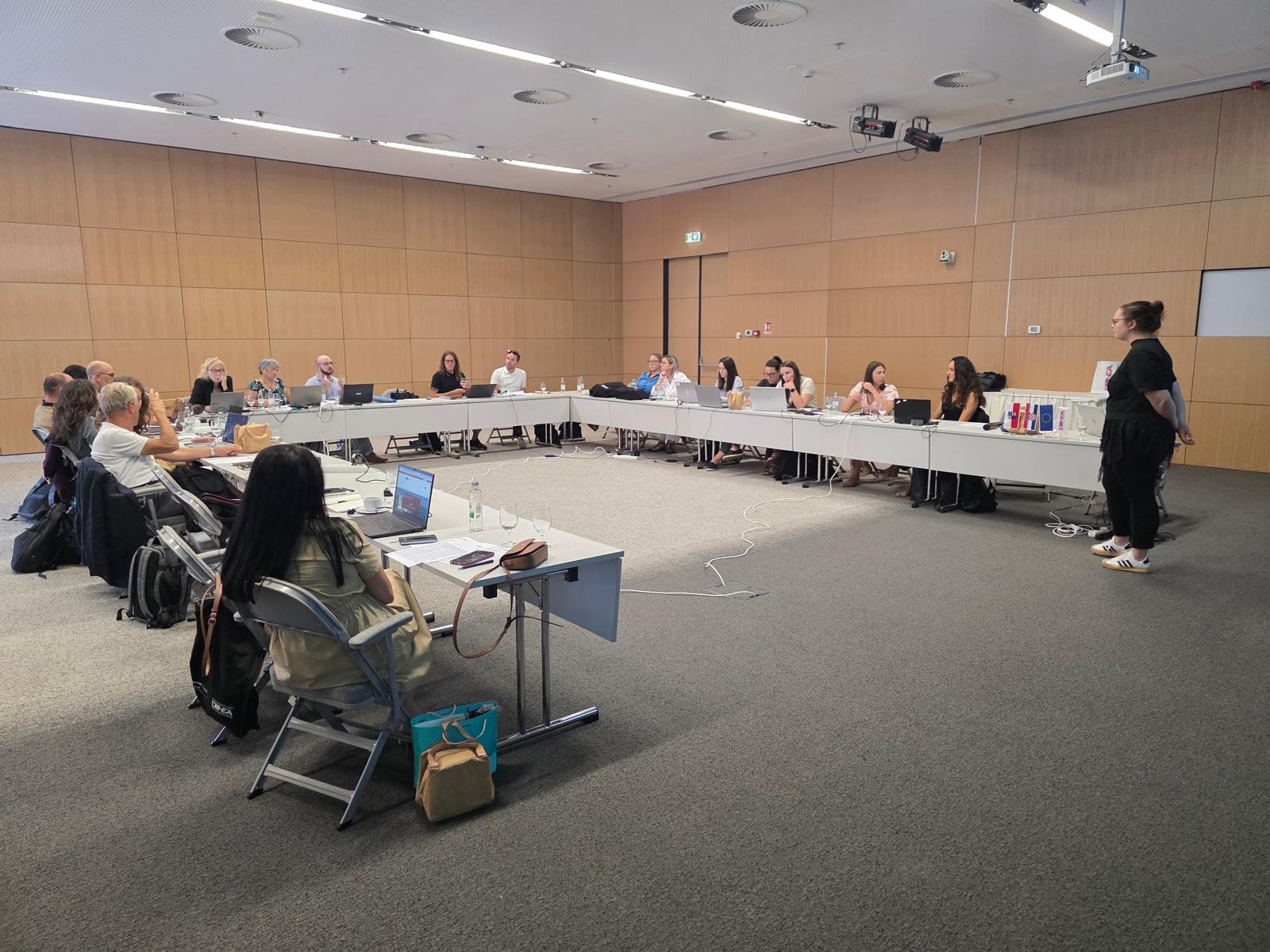
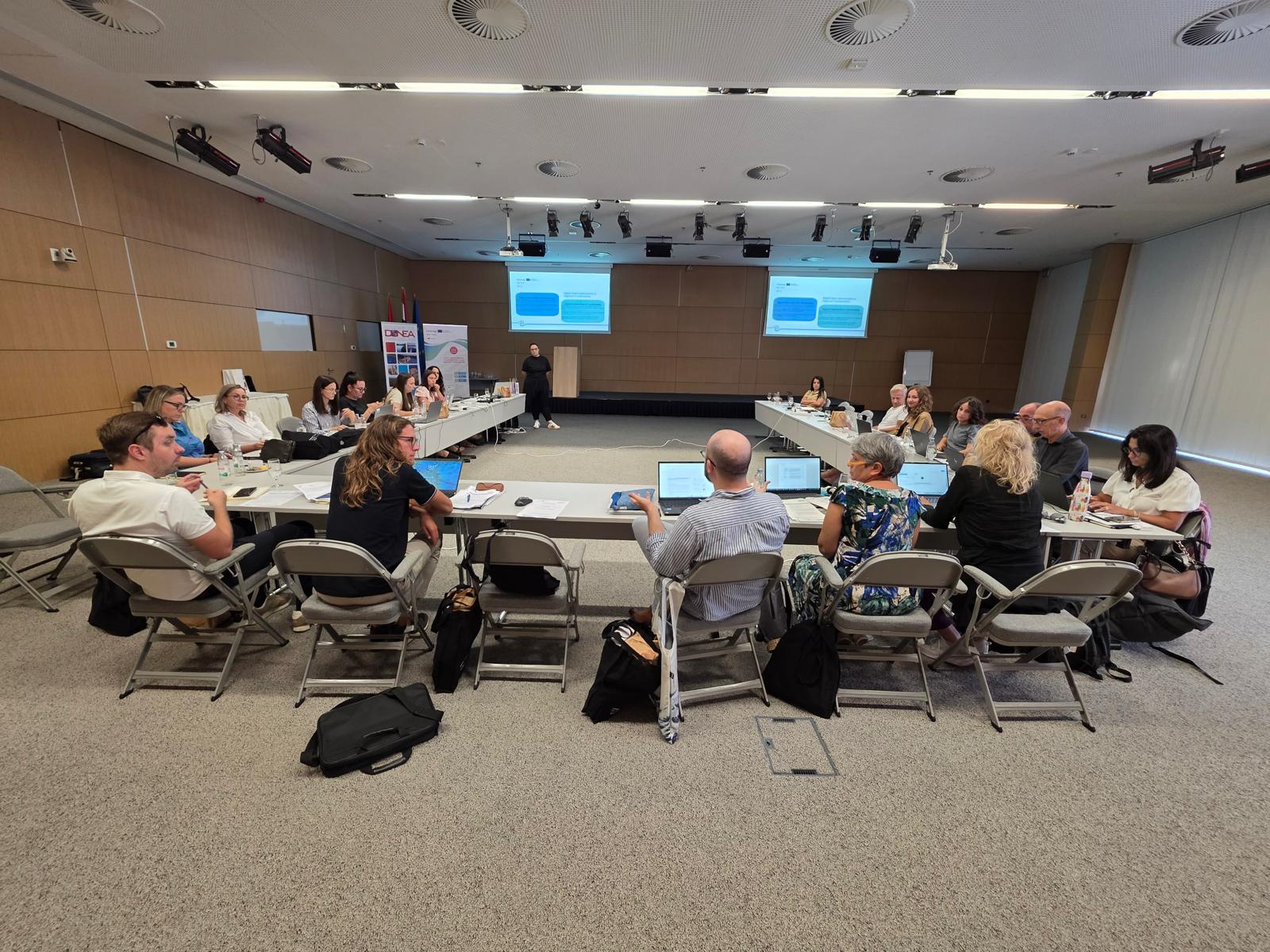
On the first day, a final project partner meeting was held at Hotel Kompas, presenting the implementation status of project activities—ranging from the analysis of project areas, knowledge transfer, and the development of digital solutions to the cross-border gastro-diplomacy network.
The second day featured the international conference “Tastes of the Future: GUSTI Conference on Sustainable Gastronomy and Tourism.” Through inspiring presentations, best-practice examples, and dynamic panel discussions, the focus was placed on:
- Sustainable Gastronomy: Applying modern trends and the zero-waste philosophy in modern kitchens.
- The "Farm-to-Table" Concept: Connecting local producers, caterers, and tourism through shorter supply chains.
- Heritage Preservation: Protecting cultural and gastronomic traditions while developing authentic rural and wine tourism.
- Cross-Border Cooperation: Networking regions and jointly managing tourism development based on sustainability, authenticity, and competitiveness.
Results and Looking Forward
The afternoon session showcased the achieved results and the vision for sustainable destination management. It was emphasized that the goal is not merely to increase visitor numbers, but to develop more responsible tourism rooted in local spaces, because authenticity cannot be faked—it must be lived.
The ceremonial part of the conference was marked by the signing of a Memorandum of Understanding, officially confirming ongoing cross-border cooperation in preserving and promoting local flavors and exchanging knowledge between the partner regions.
Thank you to everyone who supported our vision of sustainable tourism and contributed to the success of this cross-border journey!