
RESONANCE – Improving Landslide Risk Prevention and Management in Coastal Areas
31/08/2026
The RESONANCE – impRoving landslidE riSk preventiOn aNd mAnagement iN Coastal arEas project, ID ITHR0200175, was implemented from 1 March 2024 to 31 August 2026 within the Interreg Italy–Croatia Programme 2021–2027. The total project budget amounted to EUR 1,183,551.15, bringing together five partner institutions from Italy and Croatia.
The Lead Partner was the University of Urbino “Carlo Bo”, with a budget of EUR 514,019.99, while the other partners were the National Research Council – Institute of Heritage Science, CNR-ISPC, with EUR 151,697.90, the University of Rijeka Faculty of Civil Engineering with EUR 260,271.50, Conero Regional Park with EUR 107,019.26 and the Istrian University of Applied Sciences – METRIS Research Centre with EUR 150,542.50.
The University of Urbino coordinated the overall project implementation and led the development of advanced digital and virtual tools. CNR-ISPC was responsible for integrated field surveys, spatial data collection and geodatabase development, while the University of Rijeka Faculty of Civil Engineering played a key role in slope stability analyses, hazard and risk assessment and numerical modelling. Conero Regional Park and the Istrian University of Applied Sciences contributed significantly to communication, education, public events and the transfer of project results to institutions, professionals, citizens and youth.
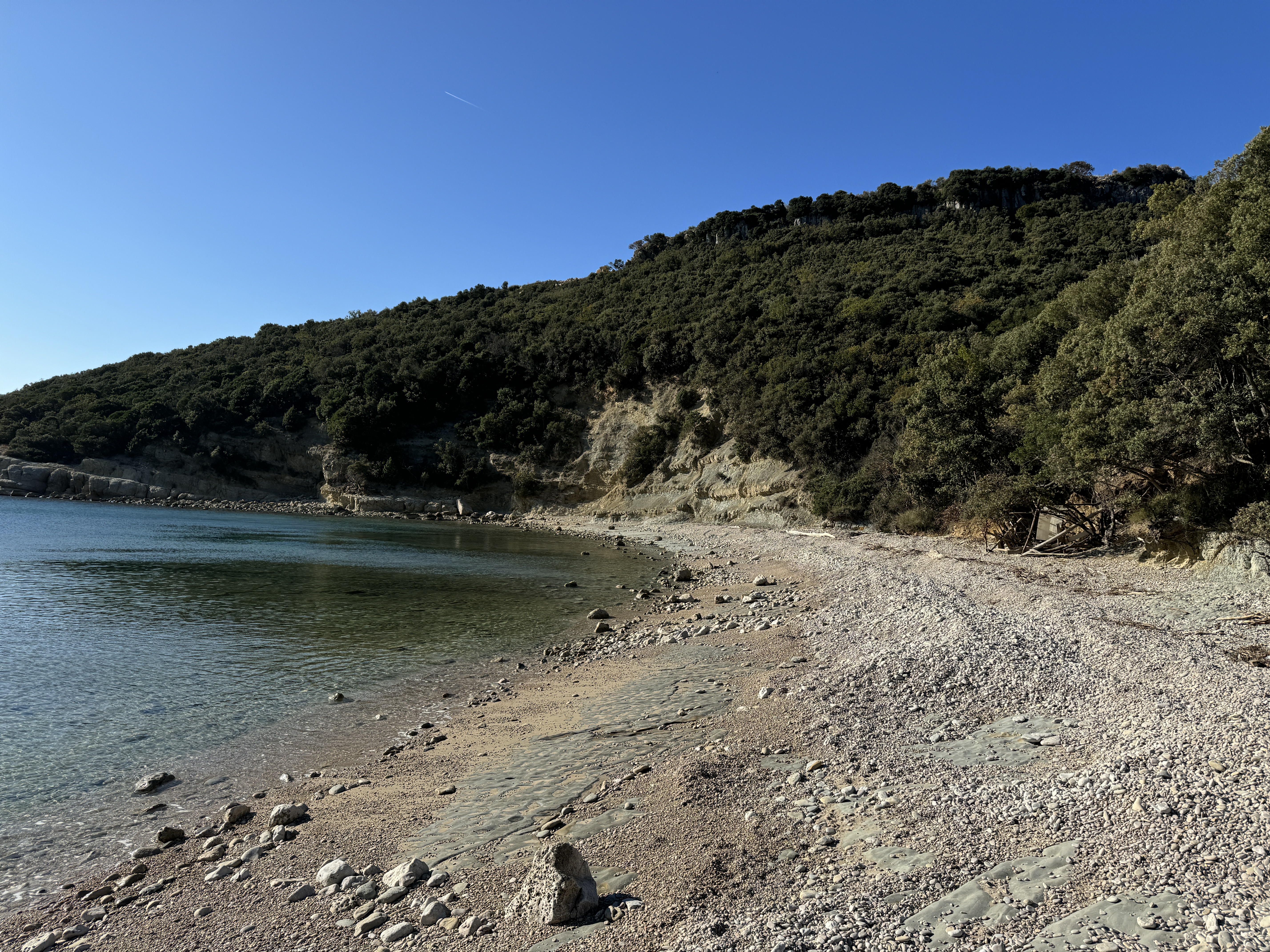
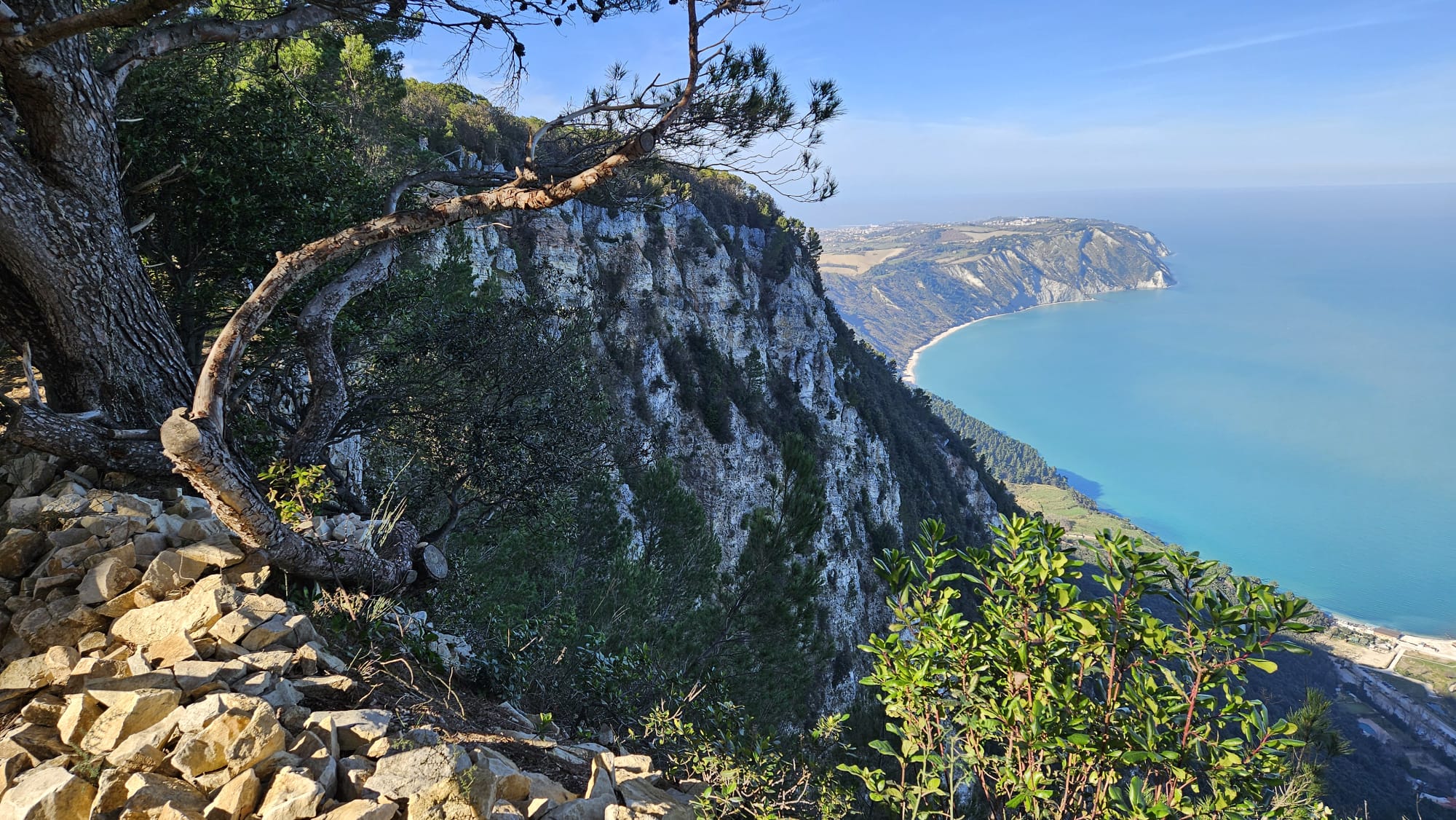
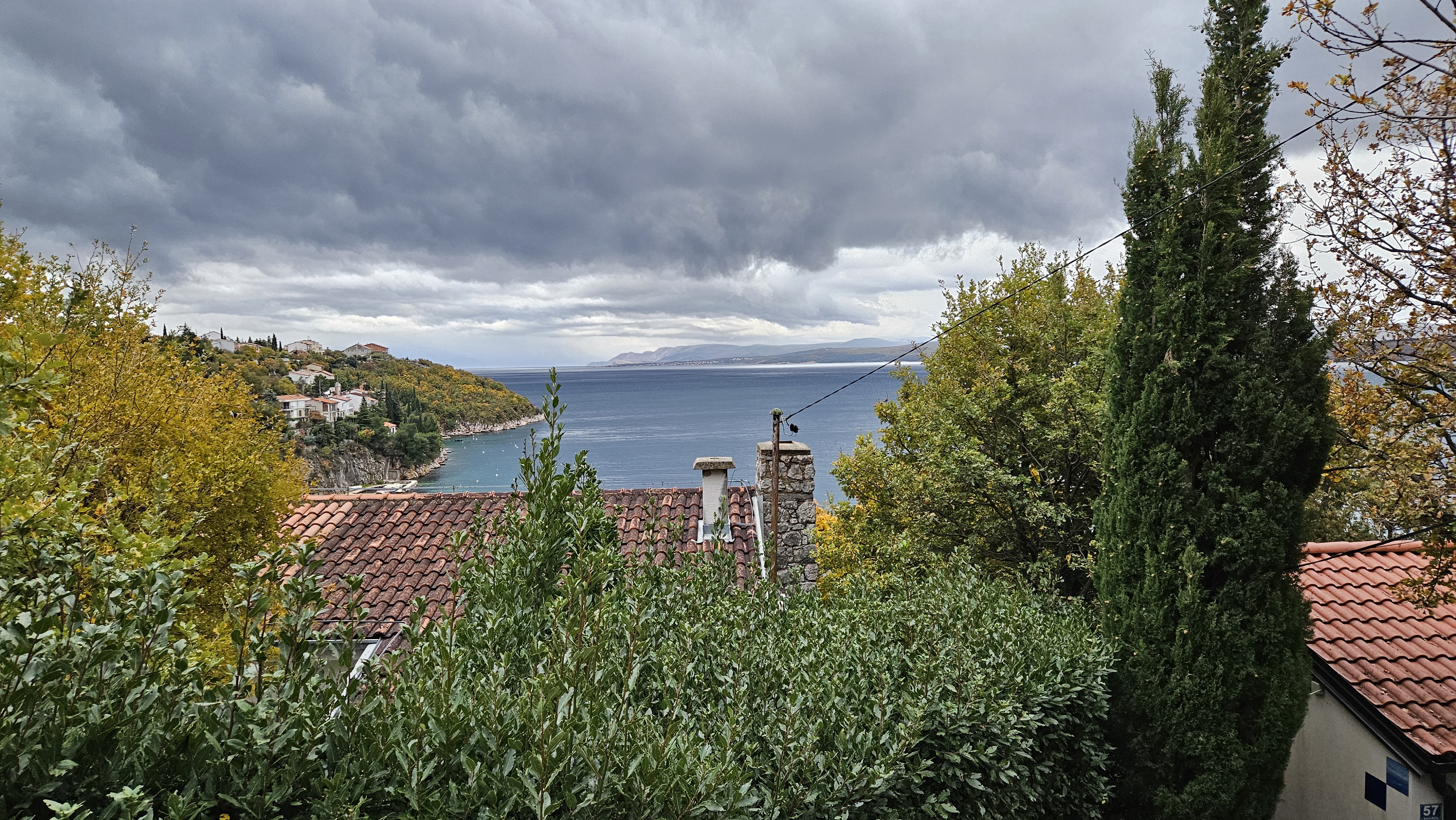
Research activities focused on four representative pilot areas: Conero and Roca in Italy and Brovinje and Havišće in Croatia. The investigations included geological and geomorphological surveys, geophysical measurements, UAV photogrammetry, UAV LiDAR surveys, geomechanical investigations and the development of digital terrain models and three-dimensional representations of coastal slopes. The collected data were used to assess slope stability, prepare landslide hazard and susceptibility maps and develop risk assessment models.
Throughout the project, a series of partnership, technical and Steering Committee meetings were organised, including meetings in Rijeka, Lecce and Pula, together with several online coordination meetings. Field activities and public events were also carried out in Conero, Roca, Brovinje, Havišće, Pula and Fano. During the final project phase, an Open Doors Day, a climate change conference, stakeholder training at Saccorgiana Beach in Pula and a major public event in Fano followed by a field visit to the Conero area were organised.
Project results were also presented at international scientific and professional events, including the EGU General Assembly 2026 in Vienna, as well as through media appearances, workshops and educational activities.
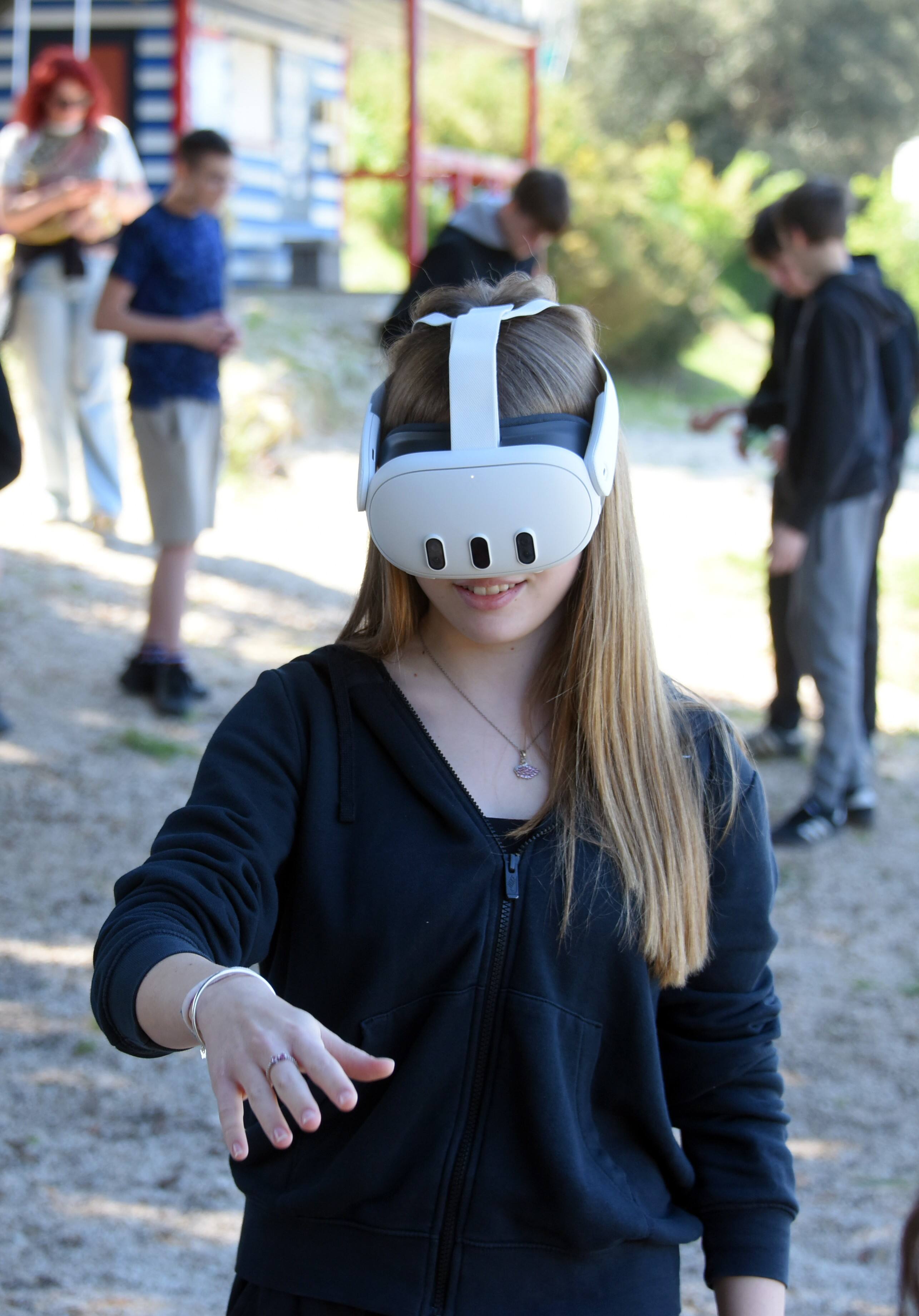
Among its lasting outputs, RESONANCE delivered an integrated coastal landslide survey and monitoring system, a WebGIS platform, hazard and risk maps, 3D models and VR, AR and MR tools for visualisation, education and decision support. The project also produced new guidelines and proposed measures for landslide and erosion risk prevention and mitigation.
RESONANCE demonstrated the importance of cross-border cooperation in addressing climate-related natural hazards that do not stop at administrative boundaries. By connecting scientific research, innovative technologies, public authorities and local communities, the project contributed to the development of safer, better-informed and more resilient coastal areas on both sides of the Adriatic.
Research activities focused on four representative pilot areas: Conero and Roca in Italy and Brovinje and Havišće in Croatia. The investigations included geological and geomorphological surveys, geophysical measurements, UAV photogrammetry, UAV LiDAR surveys, geomechanical investigations and the development of digital terrain models and three-dimensional representations of coastal slopes. The collected data were used to assess slope stability, prepare landslide hazard and susceptibility maps and develop risk assessment models.
Throughout the project, a series of partnership, technical and Steering Committee meetings were organised, including meetings in Rijeka, Lecce and Pula, together with several online coordination meetings. Field activities and public events were also carried out in Conero, Roca, Brovinje, Havišće, Pula and Fano. During the final project phase, an Open Doors Day, a climate change conference, stakeholder training at Saccorgiana Beach in Pula and a major public event followed by a field visit to the Conero area were organised.
Project results were also presented at international scientific and professional events, including the EGU General Assembly 2026 in Vienna, as well as through media appearances, workshops and educational activities.
Among its lasting outputs, RESONANCE delivered an integrated coastal landslide survey and monitoring system, a WebGIS platform, hazard and risk maps, 3D models and VR, AR and MR tools for visualisation, education and decision support. The project also produced new guidelines and proposed measures for landslide and erosion risk prevention and mitigation.
RESONANCE demonstrated the importance of cross-border cooperation in addressing climate-related natural hazards that do not stop at administrative boundaries. By connecting scientific research, innovative technologies, public authorities and local communities, the project contributed to the development of safer, better-informed and more resilient coastal areas on both sides of the Adriatic.