
Breadcrumb

Advancing Knowledge on Carbon Farming

Advancing Knowledge on Carbon Farming

Advancing Knowledge on Carbon Farming

Discover the key outputs of the GECO 2.2 project, from comparative analyses of European initiatives to international events, technical developments and training activities.

These results provide valuable insights into carbon farming practices, voluntary carbon markets and stakeholder engagement, supporting the transition towards more sustainable and climate-resilient agricultural systems.

European projects and initiatives in carbon farming and voluntary carbon markets

European projects and initiatives in carbon farming and voluntary carbon markets

This report explores European projects and initiatives in carbon farming and voluntary carbon markets, highlighting best practices, innovative tools and emerging certification approaches.
By identifying synergies with GECO 2.2, it provides strategic insights to strengthen the project methodology and support the development of transparent and reliable carbon farming solutions in line with EU frameworks.

Responsive Image

International conference “Sustainable Agriculture and Climate Action: The GECO2.2 Carbon Market Opportunities”: Turning carbon markets into real opportunities for agriculture - 1° paragrafo

International conference “Sustainable Agriculture and Climate Action: The GECO2.2 Carbon Market Opportunities”: Turning carbon markets into real opportunities for agriculture

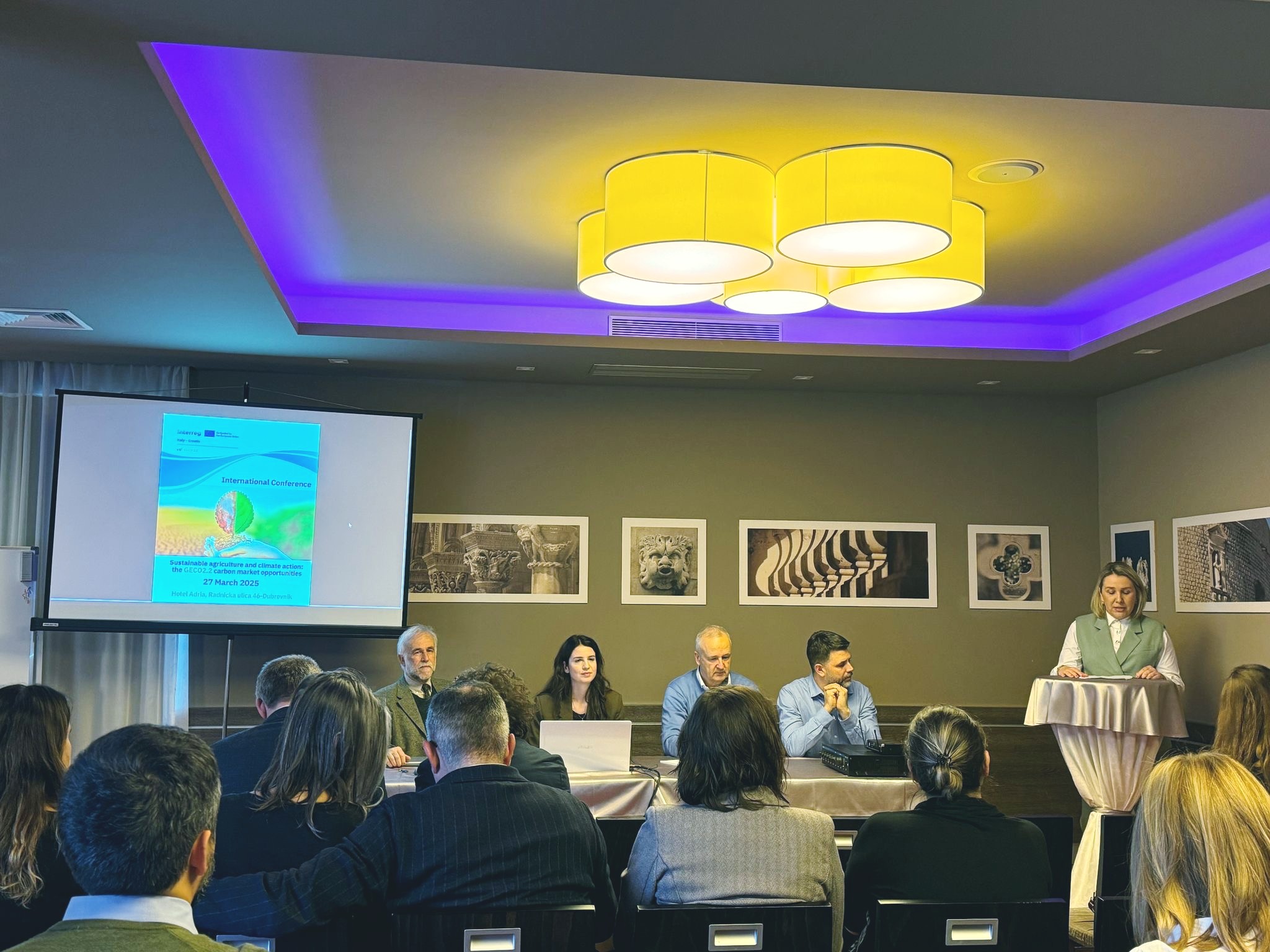
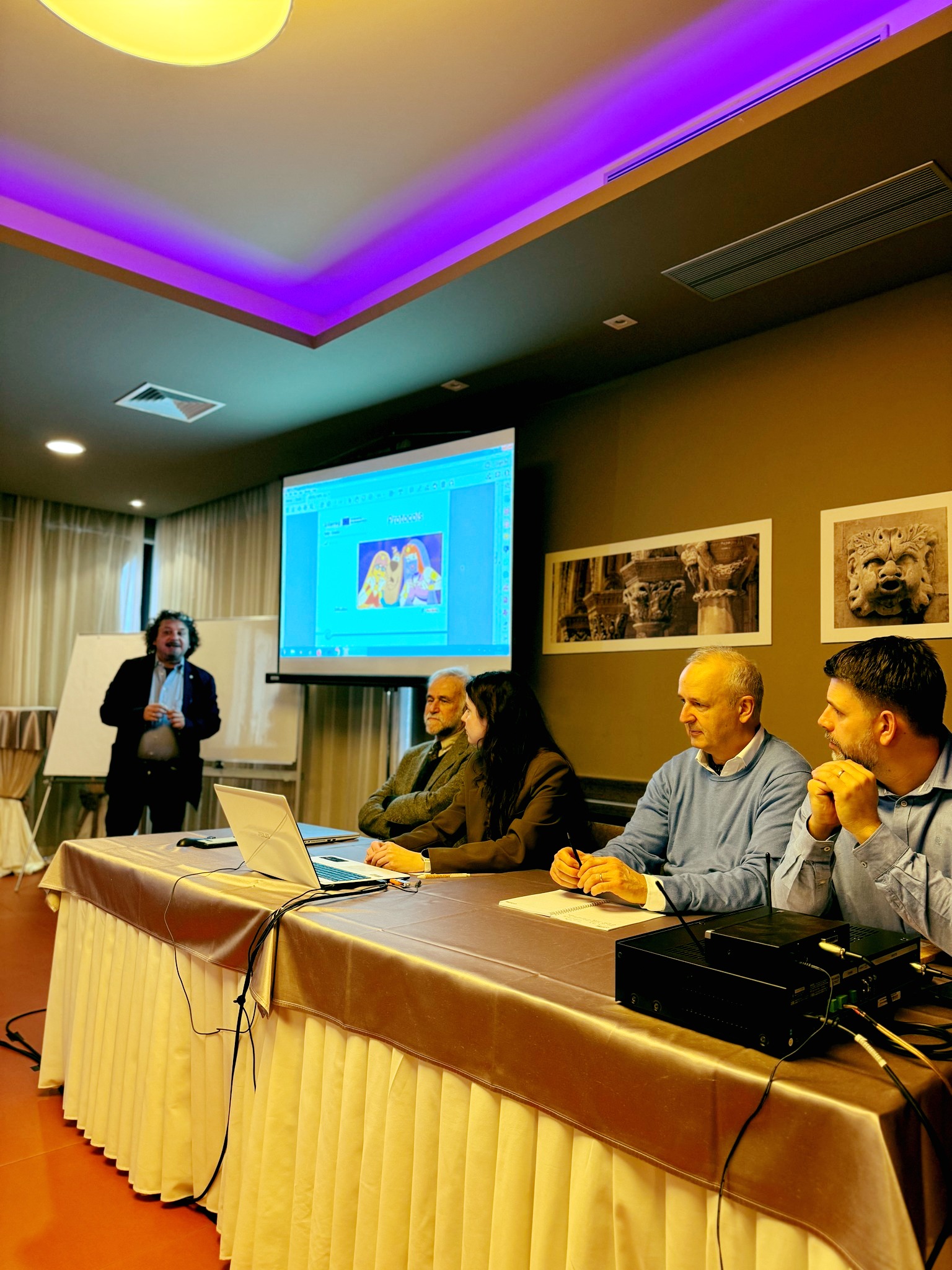
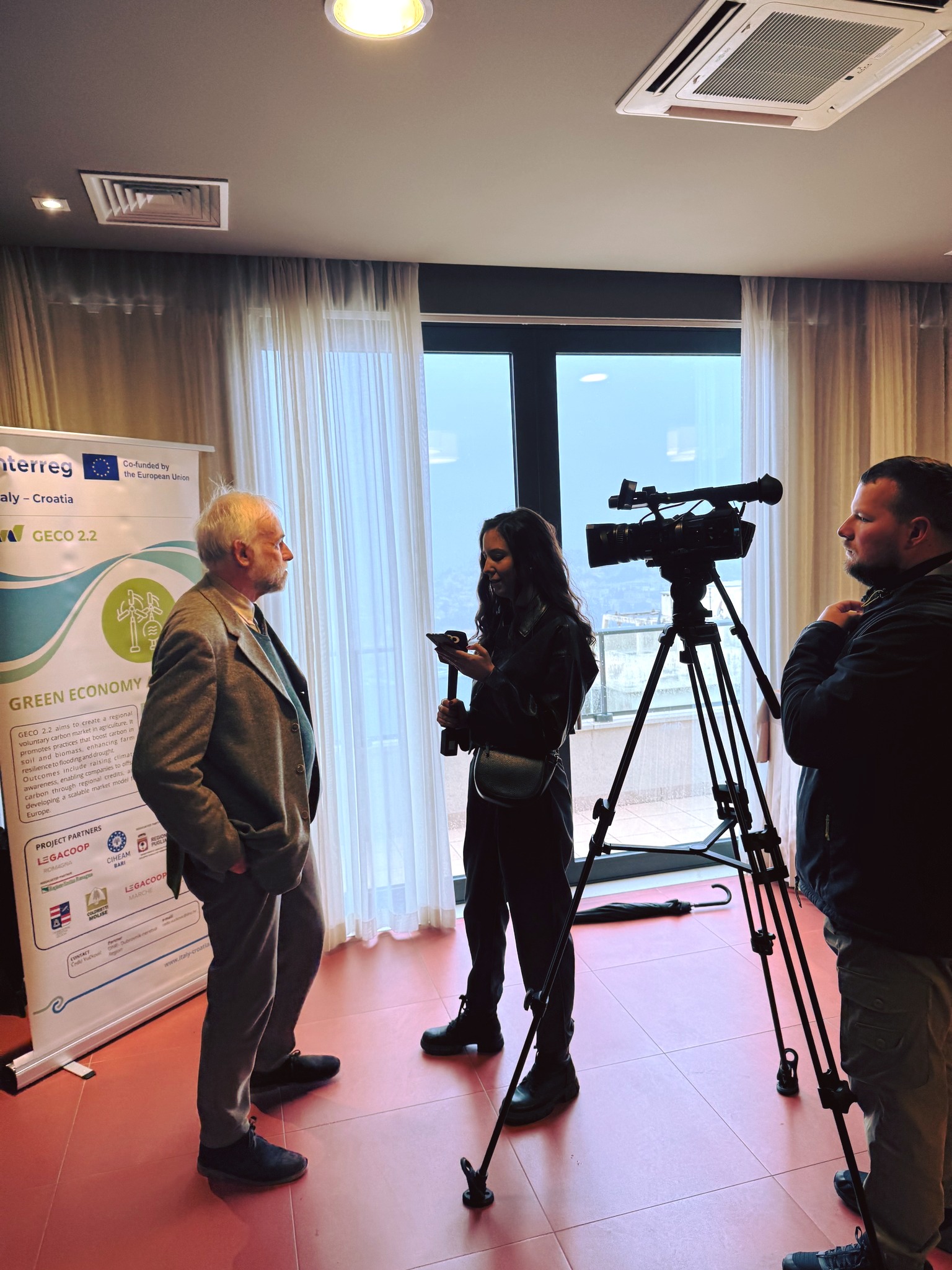
The international conference held in Dubrovnik brought together institutions, farmers, experts and market actors to explore how voluntary carbon markets can become a concrete opportunity for the agricultural sector.

At the core of the discussion was a key question for stakeholders: how to translate climate action into tangible economic and environmental value. The event provided practical insights into the development of carbon credit systems, highlighting how farmers can generate additional income while contributing to climate mitigation.
International conference “Sustainable Agriculture and Climate Action: The GECO2.2 Carbon Market Opportunities”: Turning carbon markets into real opportunities for agriculture - 2° paragrafo

The international conference held in Dubrovnik brought together institutions, farmers, experts and market actors to explore how voluntary carbon markets can become a concrete opportunity for the agricultural sector.

At the core of the discussion was a key question for stakeholders: how to translate climate action into tangible economic and environmental value. The event provided practical insights into the development of carbon credit systems, highlighting how farmers can generate additional income while contributing to climate mitigation.
International conference “Sustainable Agriculture and Climate Action: The GECO2.2 Carbon Market Opportunities”: Turning carbon markets into real opportunities for agriculture - 3° paragrafo

A strong message emerged: building effective carbon markets requires collaboration, reliable methodologies and active stakeholder involvement. The event also created valuable networking opportunities, fostering new partnerships and strengthening connections across sectors.

Find out more: 

Responsive Image

Building skills for the future of carbon farming

Building skills for the future of carbon farming

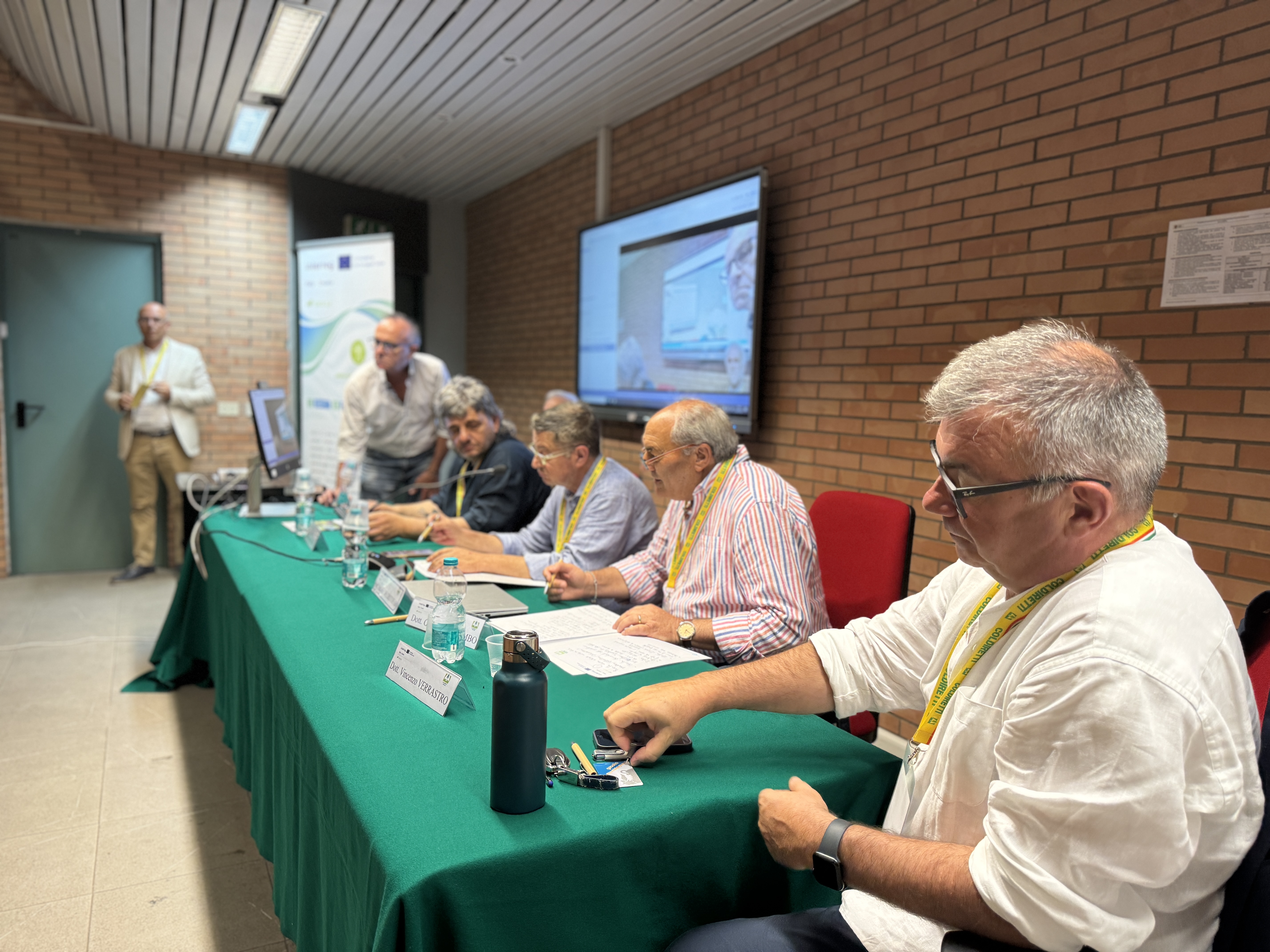
A series of training activities has been carried out across Italy and Croatia to strengthen capacities in carbon farming and support the development of regional voluntary carbon markets.

Combining awareness-raising, stakeholder engagement and practical learning, these activities explored key topics such as climate change mitigation, regenerative agriculture and carbon accounting, while offering a clear understanding of the European regulatory framework.

Participants were also introduced to the GECO 2.2 model and its digital tools, including carbon calculators and monitoring systems, gaining practical knowledge to engage in emerging carbon markets.

The strong participation and positive feedback highlight the value of this approach in fostering dialogue, building skills and empowering stakeholders to actively contribute to more sustainable and climate-resilient agricultural systems.


Responsive Image
Our contact form is open for all your requests