

Where Nature Works: Field Insights from Veneto 3rd Stakeholder Engagement meeting
19/11/2025
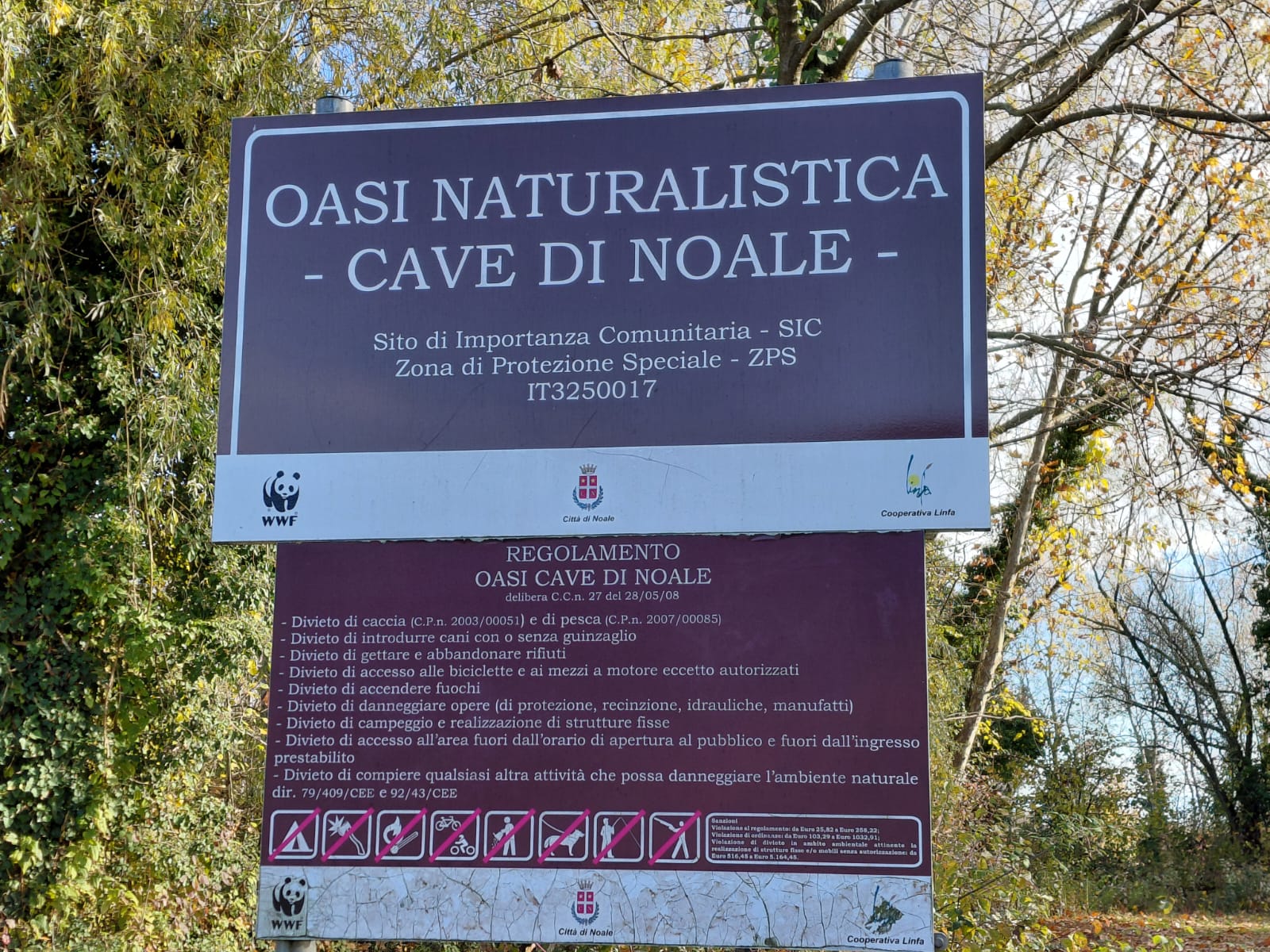
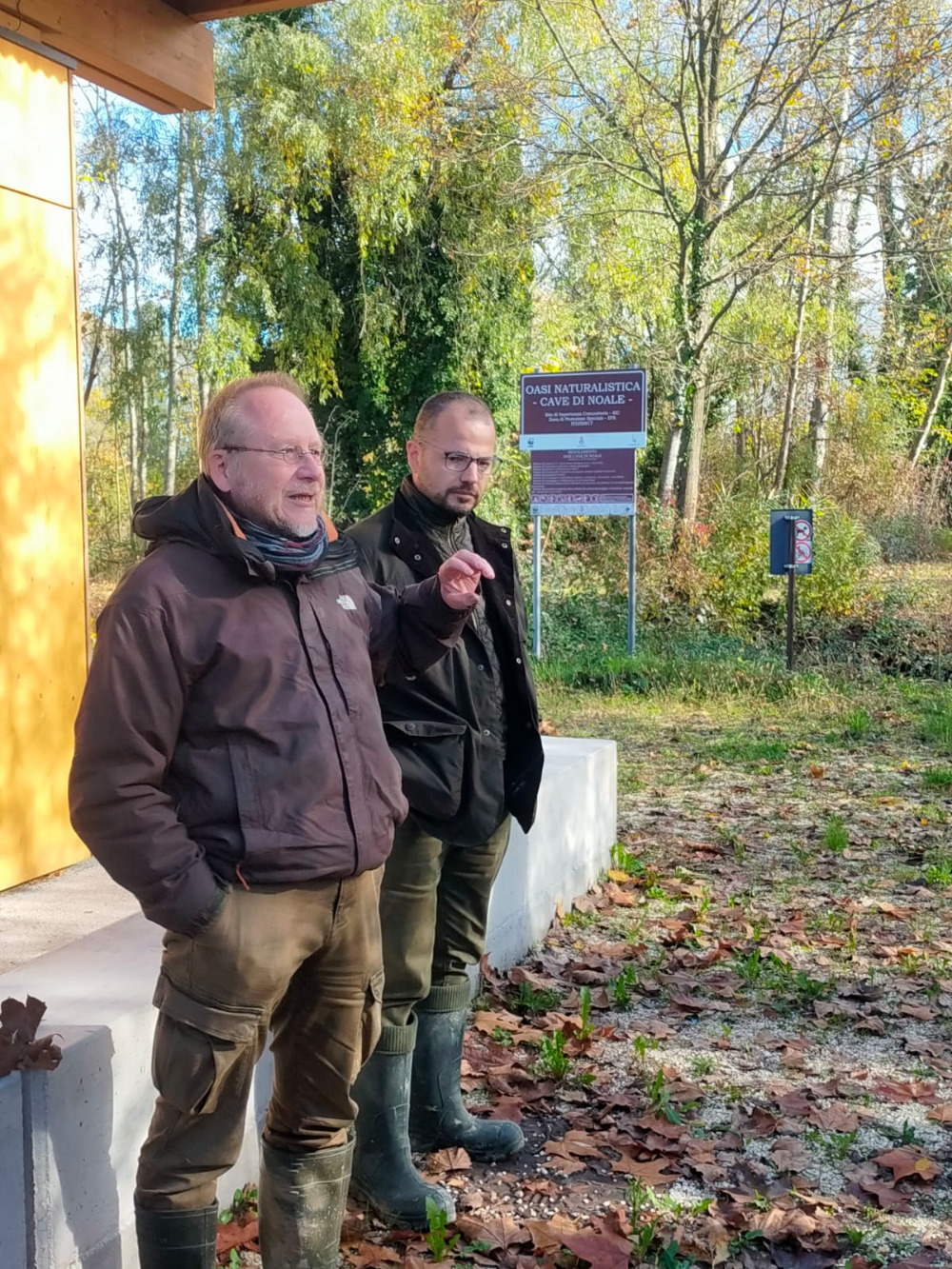
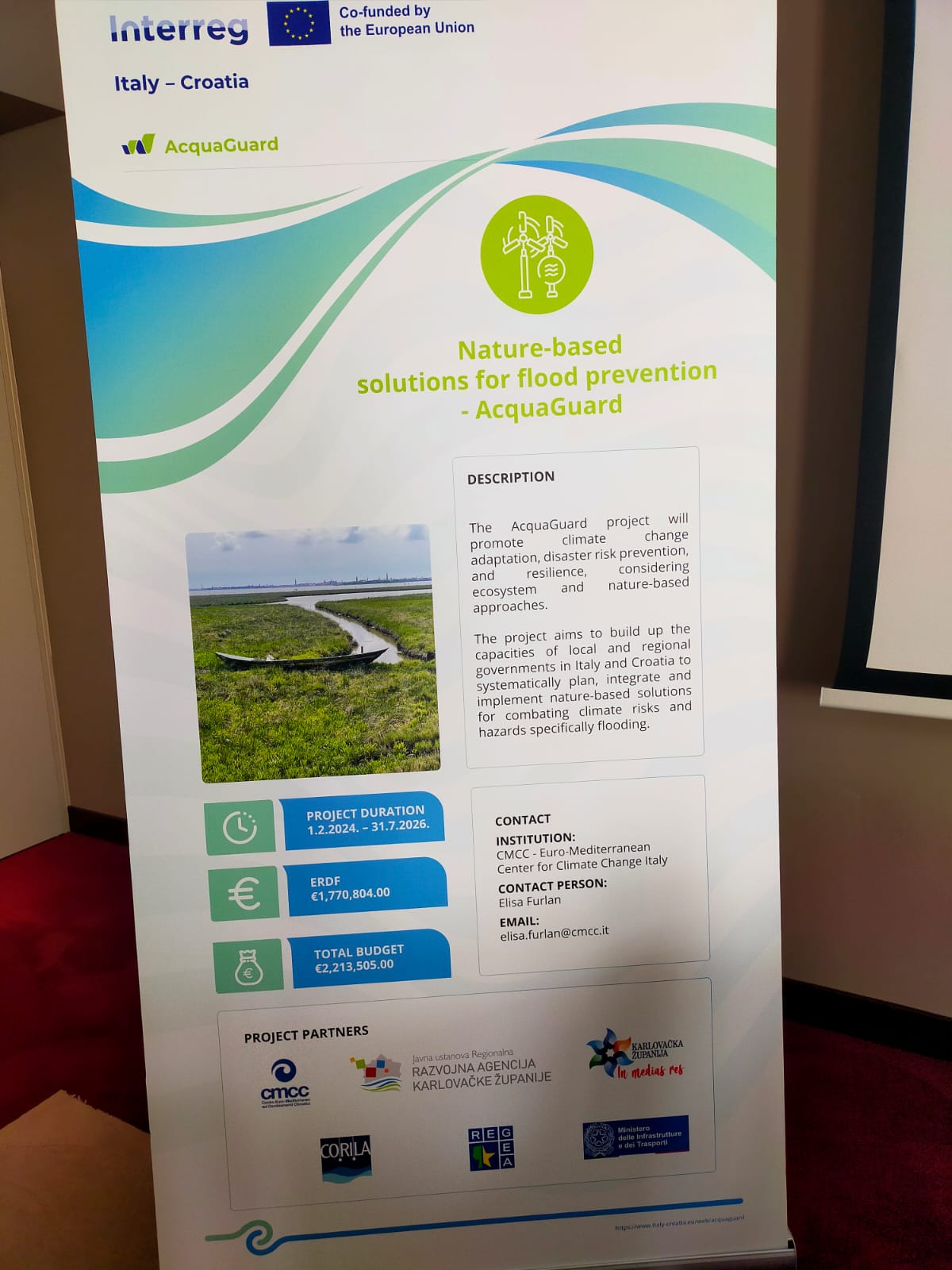
As part of the AcquaGuard project, Project team members participated in the 3rd Stakeholder Engagement Meeting in the Veneto region, which included a field visit to two nature-based solution sites: the Marzenego Forest (Salzano Wetland) and the Noale Cave Oasis.
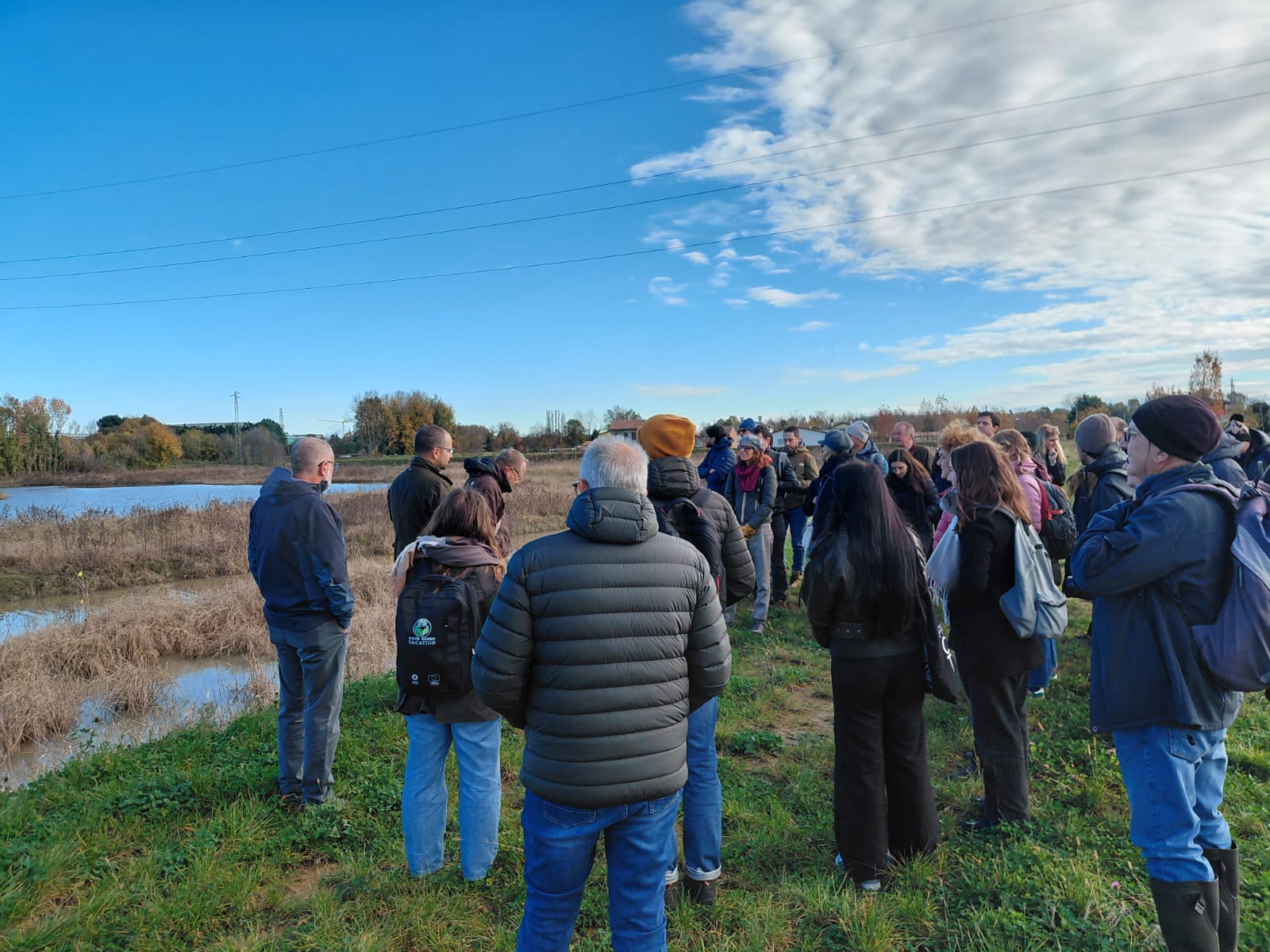
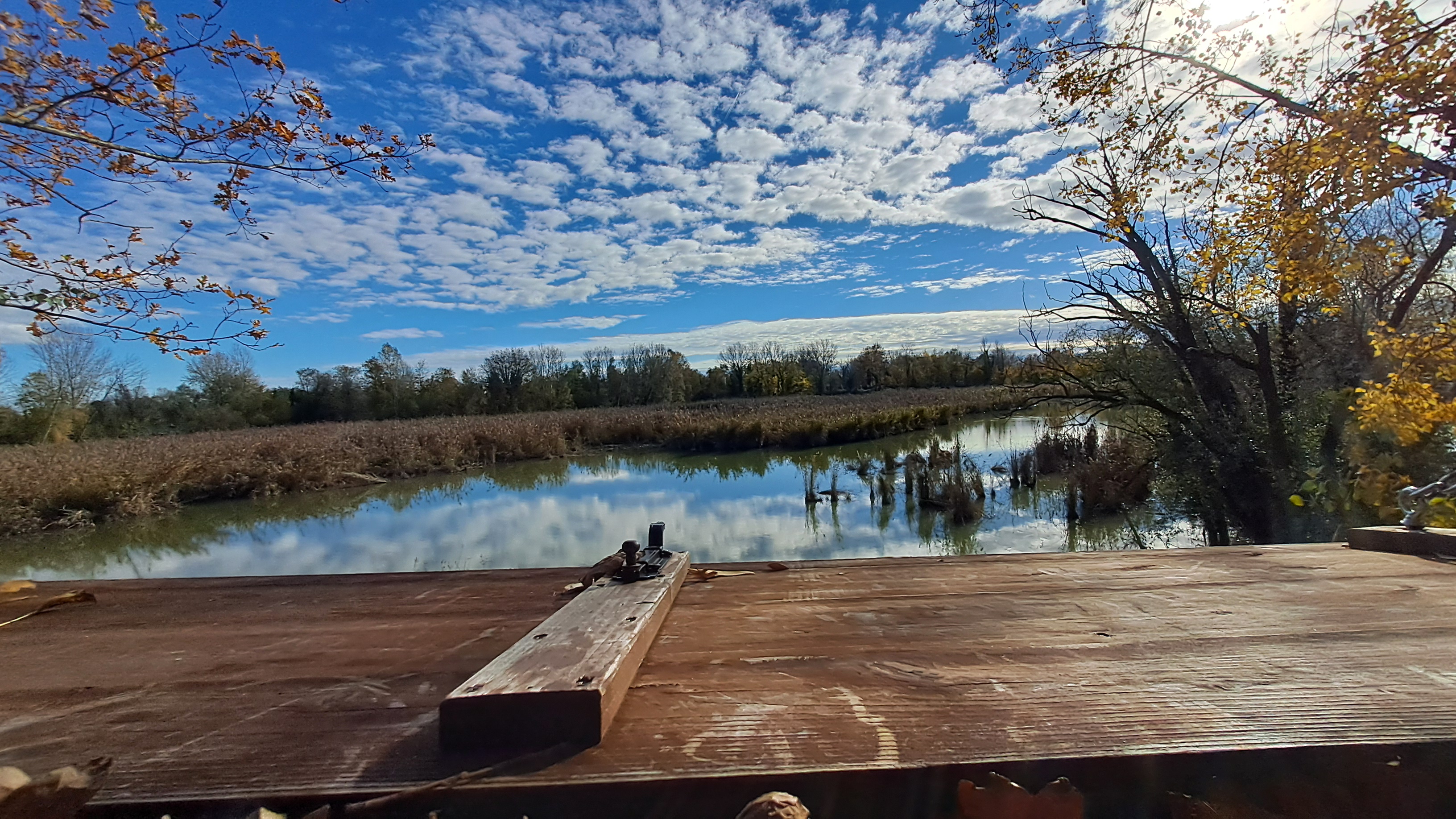
The Marzenego Forest covers approximately 60 hectares, of which around 20 hectares were formerly dry, low-value land. This area has been reshaped and reconnected with watercourses through the creation of new channels, small lakes and standing-water zones to improve water retention and reduce nutrient loads. Restoration efforts focus on re-establishing rare and sensitive wetland and aquatic plant communities, including Carex elata, Cladium mariscus, Allium angulosum, Cirsium canum, Senecio paludosus, Typha laxmannii, Iris pseudacorus and Nuphar luteum. Although detailed planting quantities are not available, several restoration zones were established with significant numbers of native willow, alder, poplar and wetland shrub saplings to stabilise banks and support natural hydrological processes. Monitoring to date indicates improved water retention and the reappearance of characteristic wetland vegetation, with long-term quantitative assessments still underway.
The Noale Cave Oasis, formerly an extraction site, has been converted into an ecological basin designed to support groundwater recharge, wet meadows and reed-bed habitats. The vegetation now includes Phragmites australis, wetland sedges and herbaceous species associated with moist grassland ecosystems. While exact planting numbers are not provided, the site has recorded the establishment of wetland communities and increasing use by bird species such as herons and kingfishers. Observations and available assessments point to better water retention and rising biodiversity, though comprehensive long-term data are expected after continued monitoring.
Management of both locations is carried out by local and regional environmental authorities, in cooperation with municipal services and conservation partners responsible for reporting and monitoring activities.
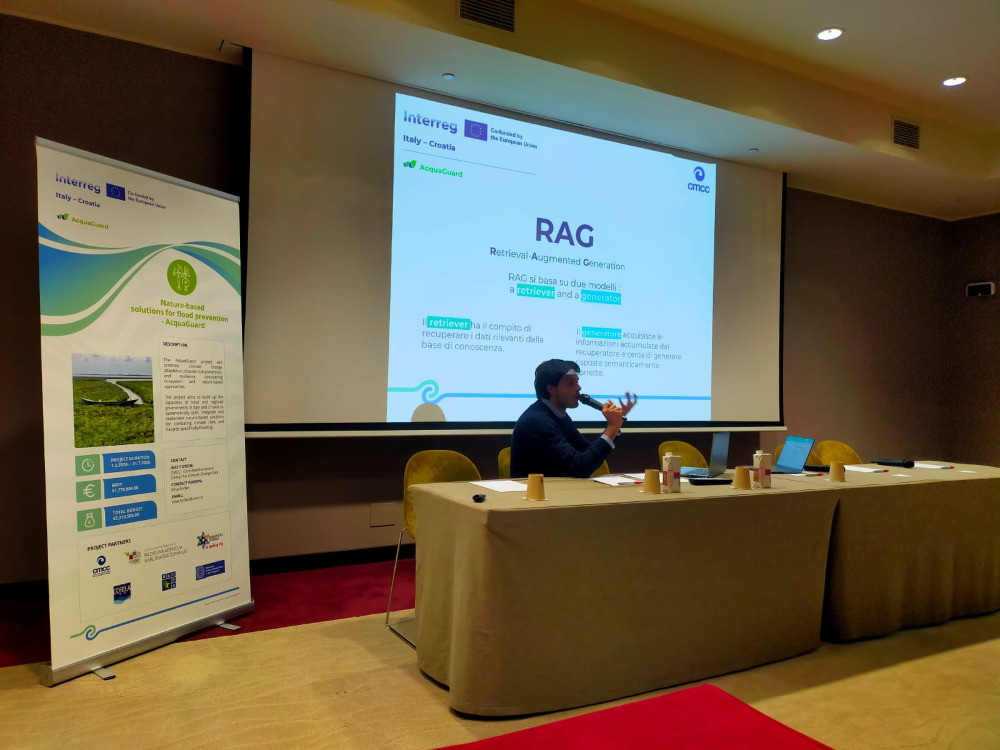
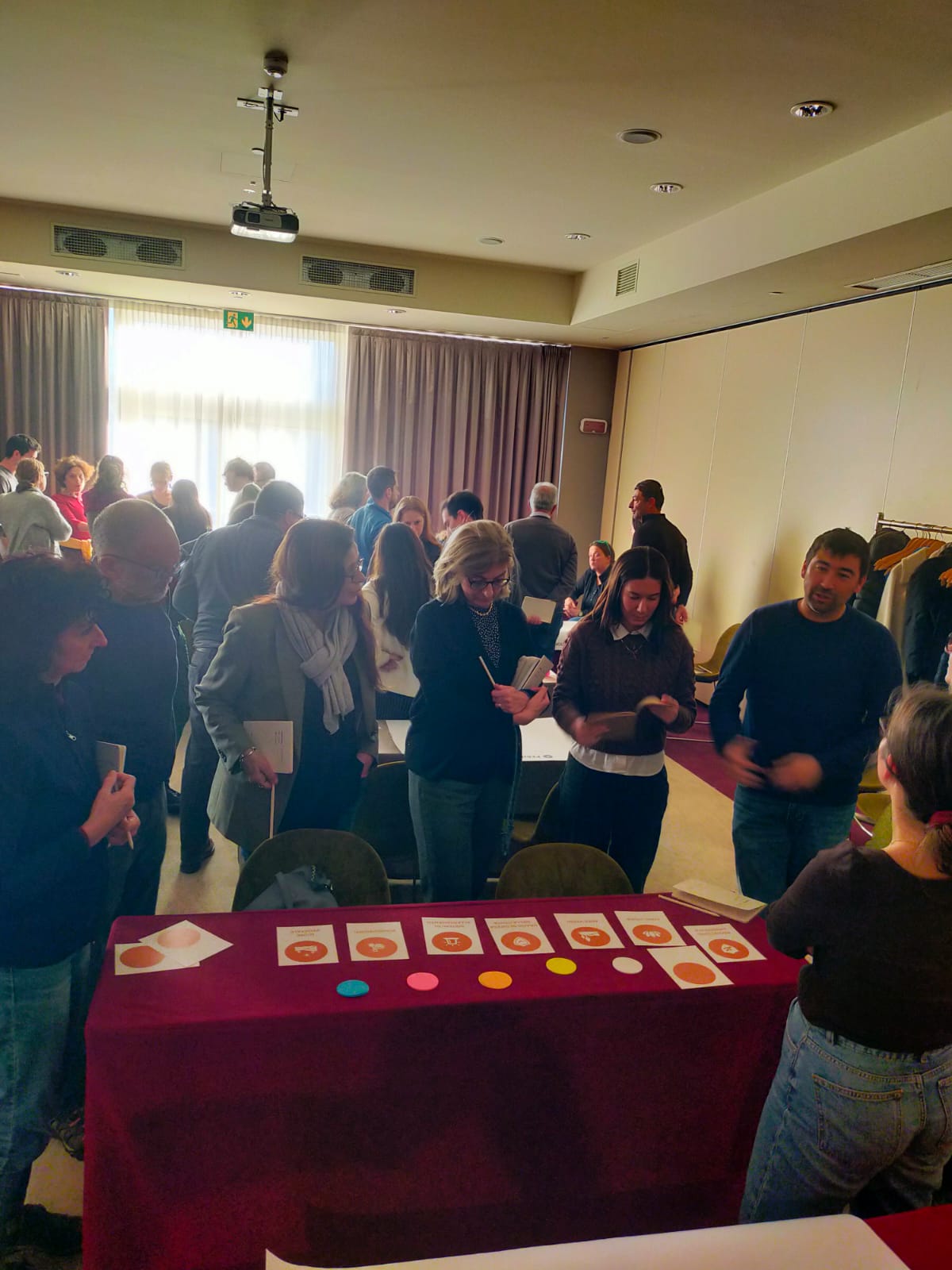
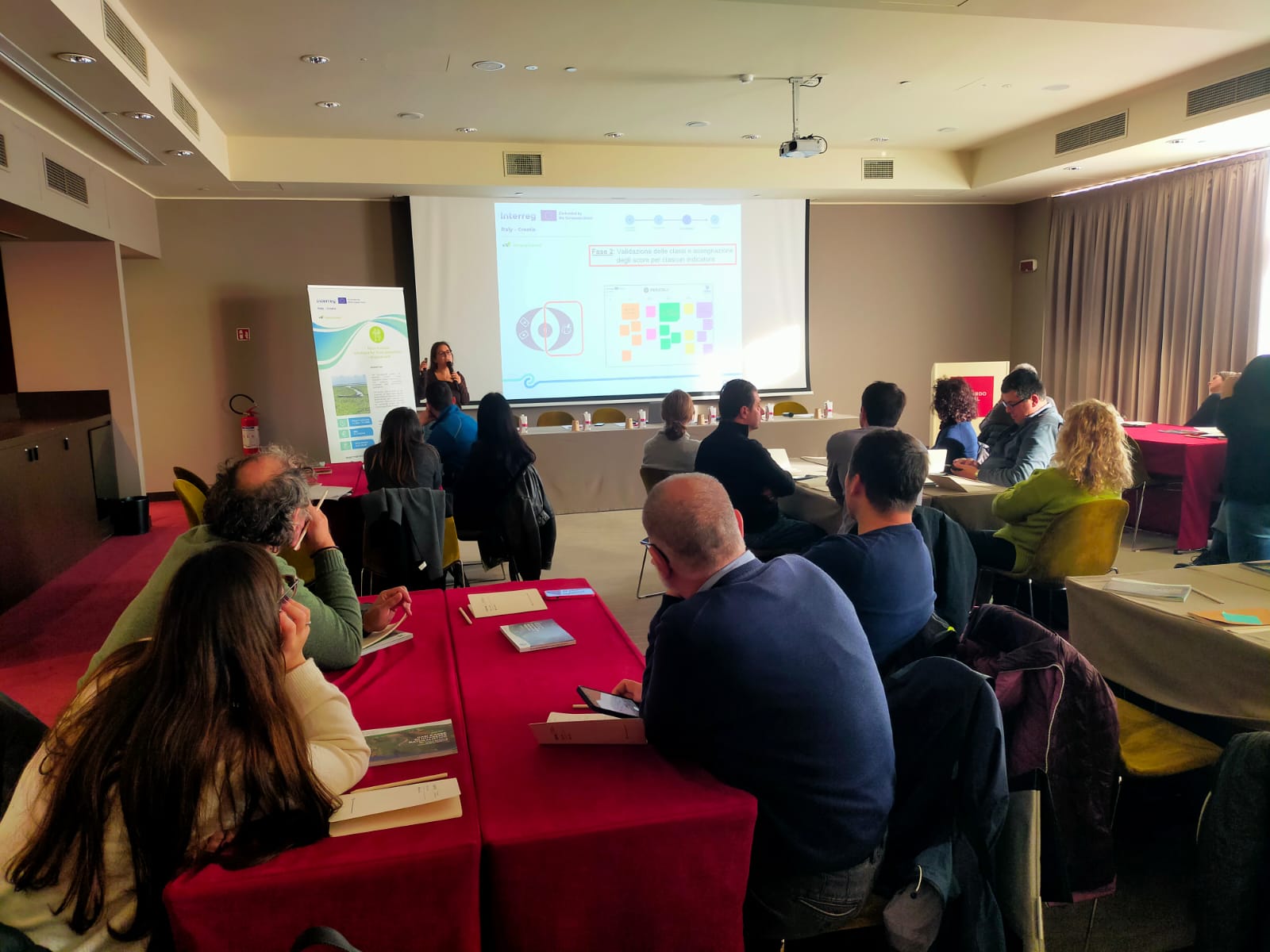
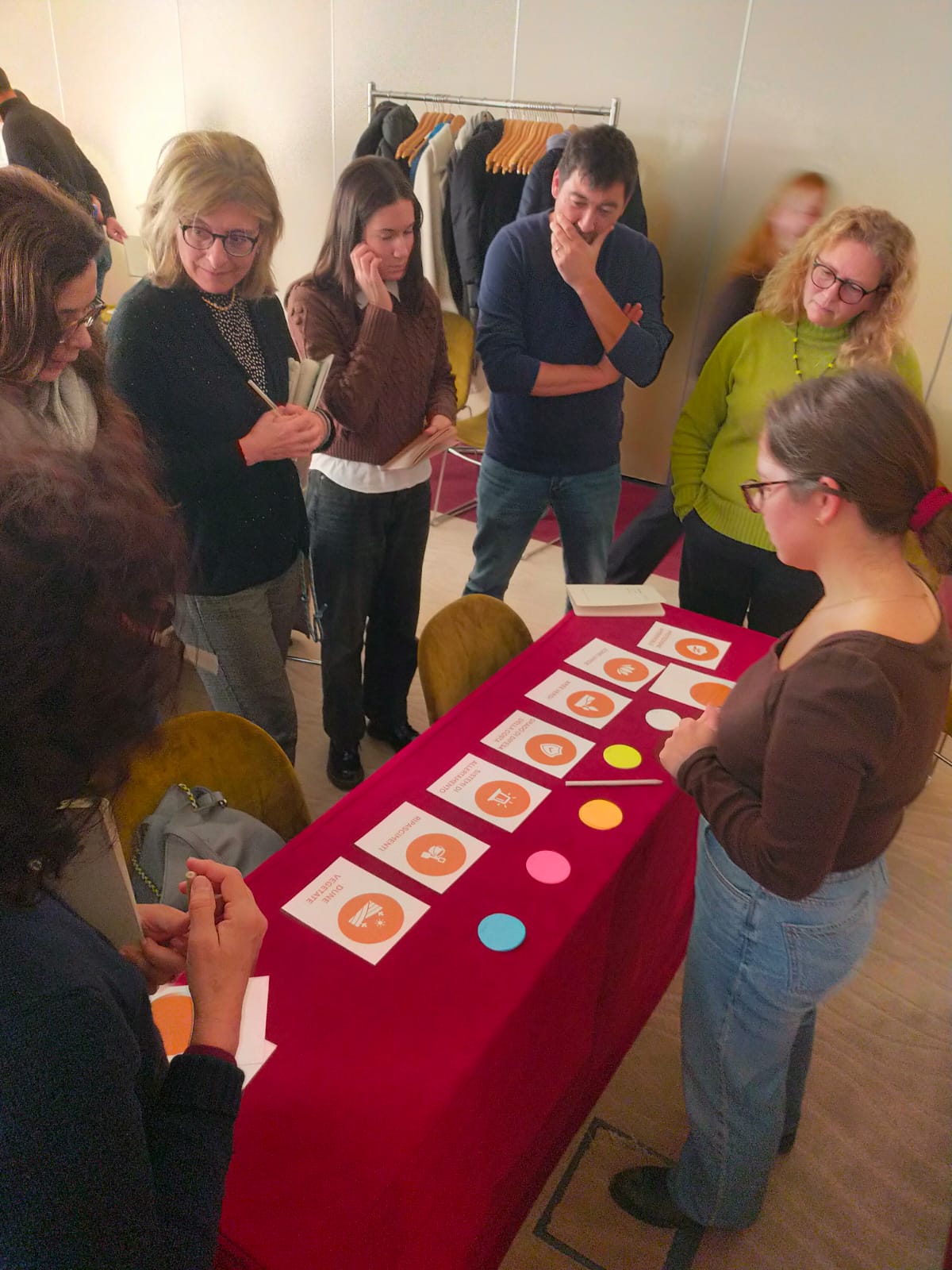
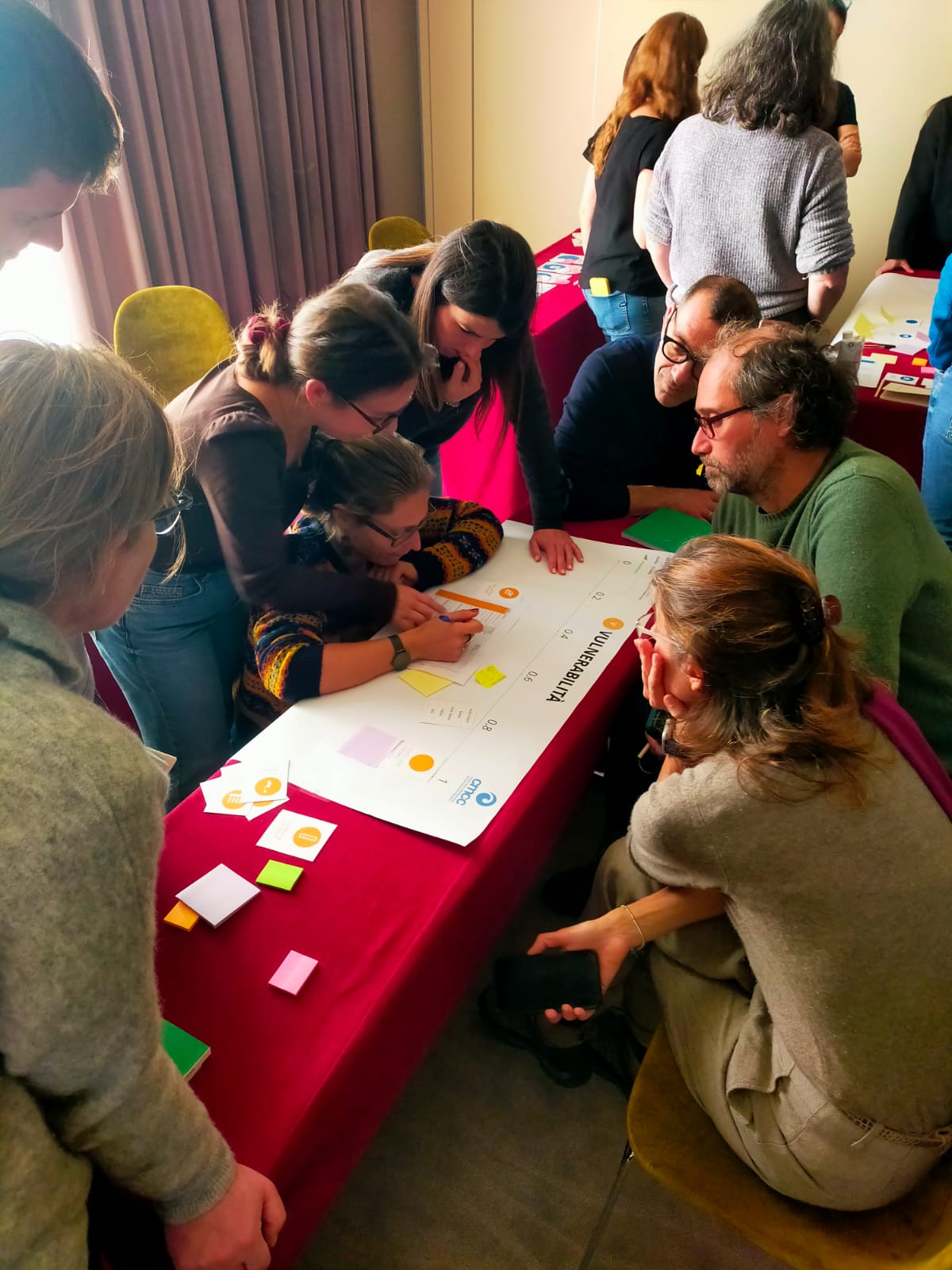
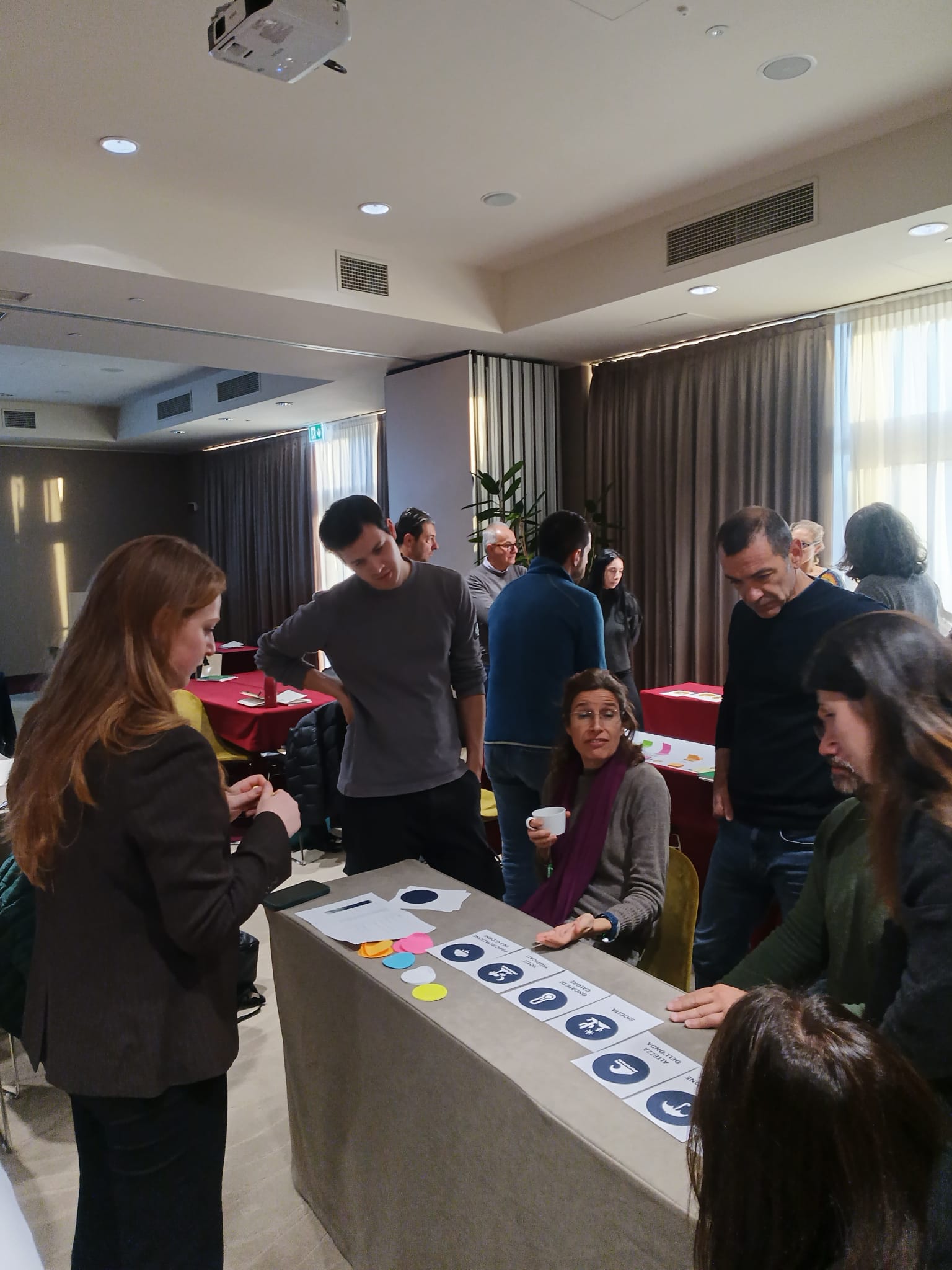
The meeting and workshop were organised by Italian partners Provveditorato, CMCC and CORILA. The programme included a guided field visit, testing of the first version of the RHEA-DAPT decision-support tool and discussions on its application in assessing flood and coastal risks. Pilot-solution testing within AcquaGuard will continue in the next project phase, contributing to further evidence-based evaluation of nature-based flood management measures.