

Deep Listening: Exploring the Depths of the Adriatic.
18/12/2025
Let's imagine the sea as a silent world, inhabited by silent creatures. In reality, the oceans and seas are crossed by an incredible variety of sounds: biophonies, generated by living organisms; geophonies, linked to natural phenomena such as the motion of waves or the movements of the earth's crust; and, with the arrival of man, anthrophonies, the noises produced by human activities. It is precisely this last category that represents the forms of underwater noise pollution, and it is the centre of the research of the Soundscape and Undersea Interreg Italy Croatia projects. Hence, the importance of bioacoustics - the science that helps us to read and understand the marine soundscape, revealing its fragility and potential for protection - is paramount.
Bioacoustics is a scientific discipline that investigates sound produced by marine organisms: far from being “mute”, fish and other marine organisms produce sound by moving their body parts or using specialised organs. Sound is important for them to sense their environment, but also to communicate danger, mating, migrations, territories, behaviour, hunting prey, etc. Therefore, sound plays a crucial role in the survival and fitness of marine organisms. Studying bioacoustics, we can provide information on biodiversity, environmental status, habitat status and the community of different species.
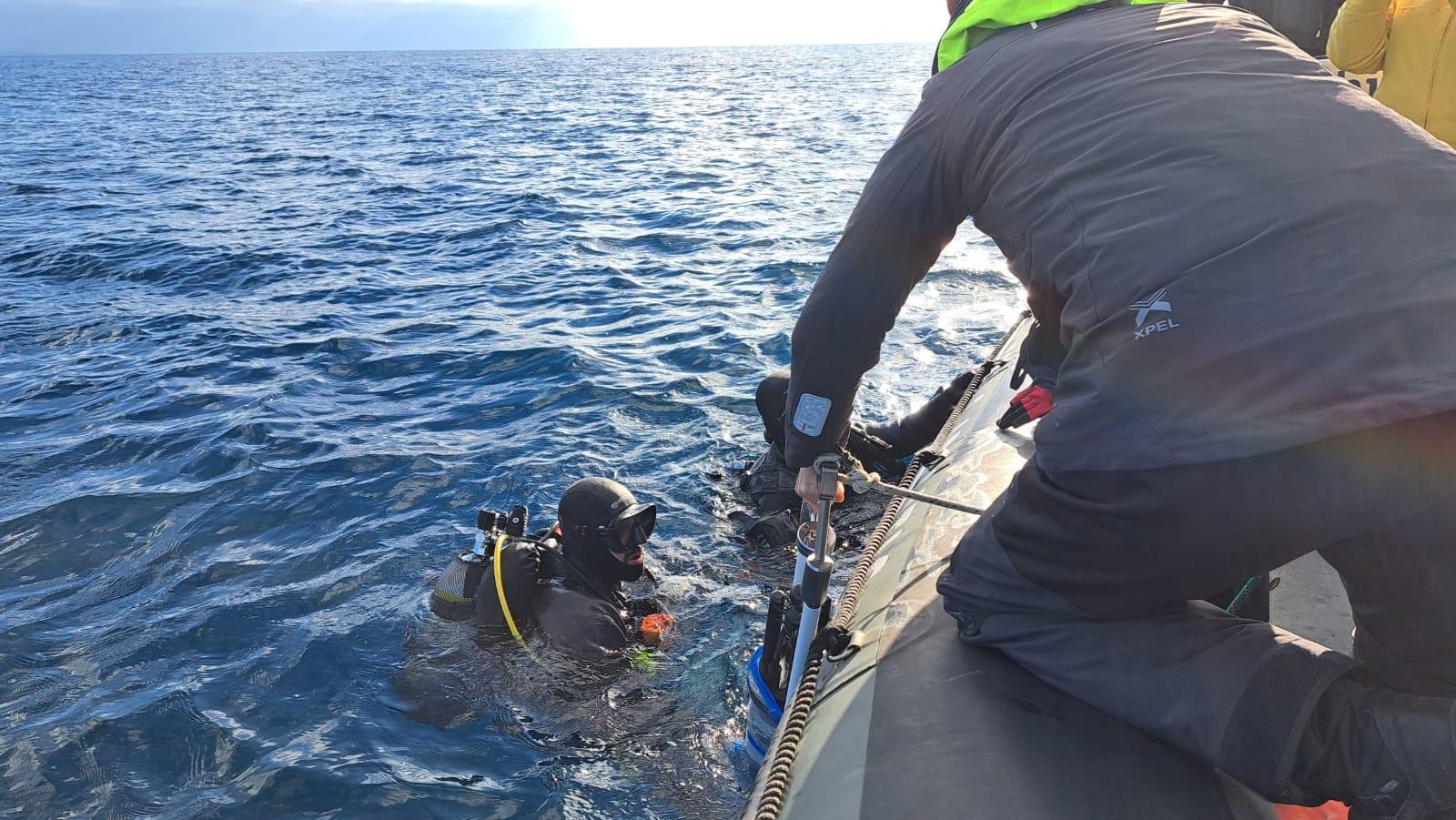
This research is done through listening and analysing underwater recordings collected using devices called hydrophones, which are attached to recorders. There are different types of these devices, varying in frequency range and duration of recording. Most of the studies investigate the impact of man-made noise on the marine organisms, and it’s habitat, and as a result, underwater noise coming from anthropogenic activities calls for constant monitoring and implementation of measures for the protection of the marine environment.
Listening to the Adriatic: more than 20 years of advances in Marine Bioacoustics.
The history of the study of bioacoustics in the Adriatic Sea begins with the advent of this millennium: in the early 2000s, data collection was at the local level regarding sounds from fish and bottlenose dolphins.
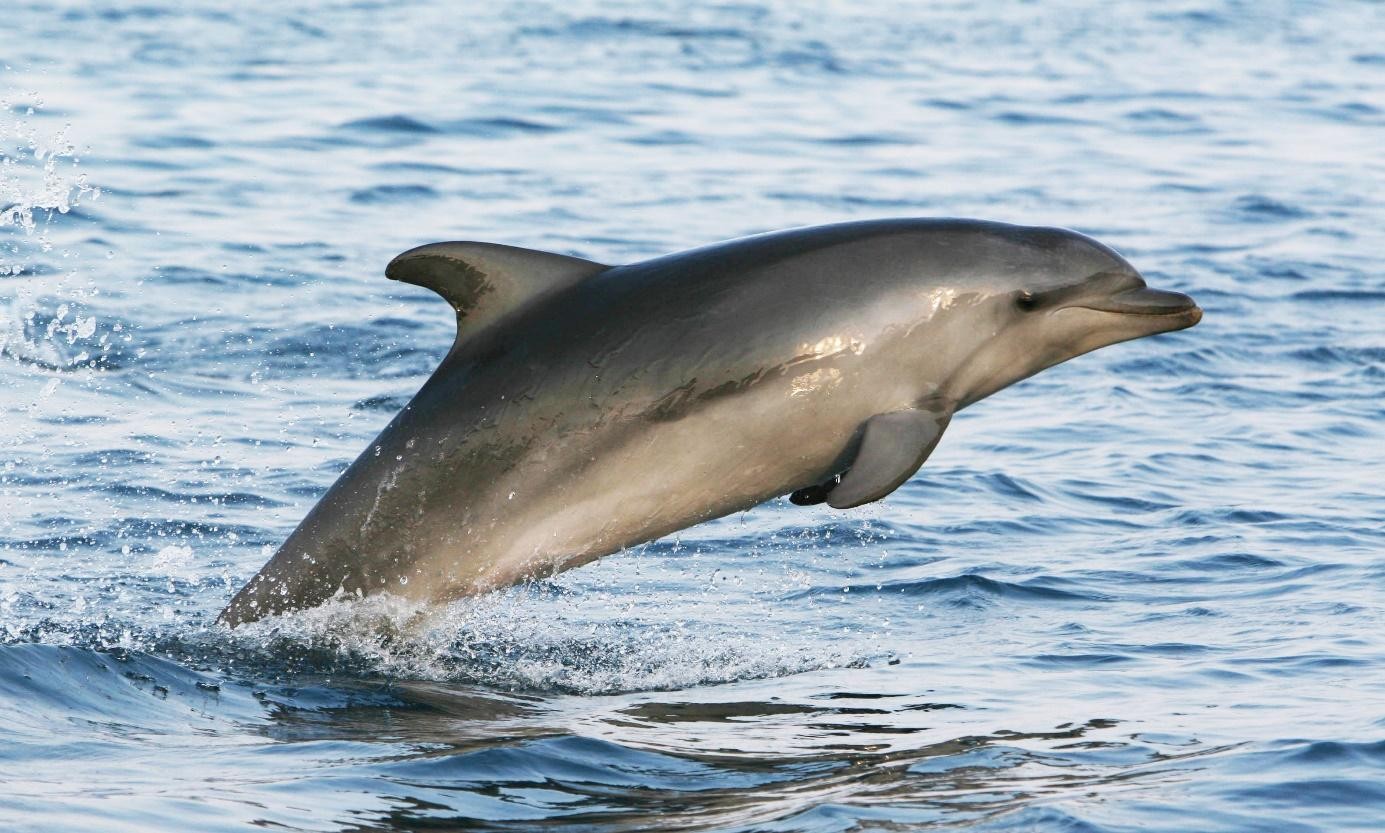
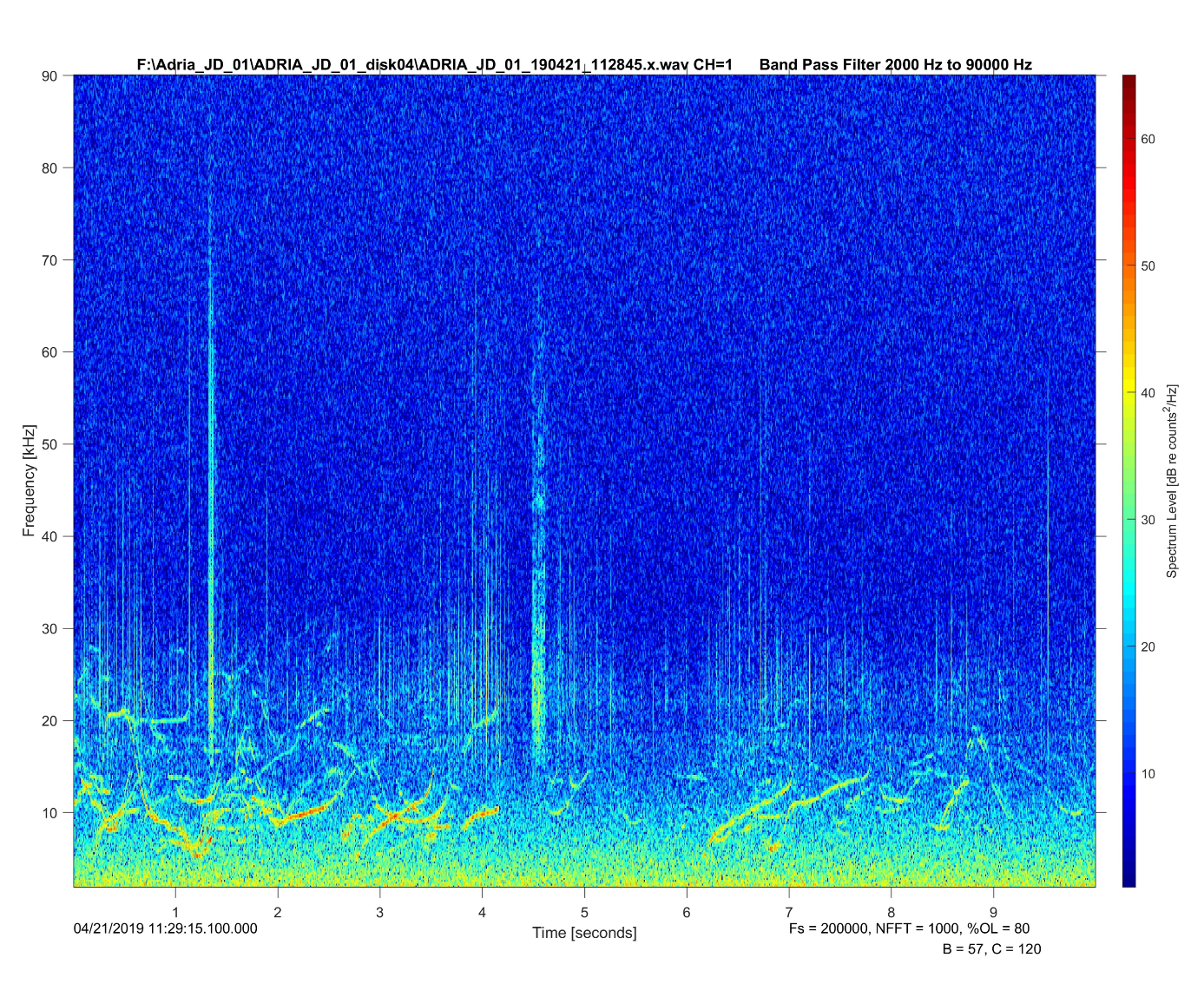
The need to understand underwater noise pollution and biophony on the level of the whole Adriatic basin encouraged scientists to develop research projects in this direction. The SOUNDSCAPE project started in 2019 when nine marine stations were formed in the North Adriatic Sea with the aim of recording simultaneously 24 hours a day for a year. Analysing underwater sounds indicates the presence of many species involved in reproduction, social interactions and foraging. The most frequently recorded bioacoustic sound came from invertebrates (snapping shrimps) and fish. Recordings of dolphin vocalisation were not that abundant, but all types of dolphin vocalisations were recorded. In addition, the project conducted a pilot study on the interaction between the noise produced by leisure boats and bottlenose dolphins. It was interesting to learn how the animals shift their frequency depending on whether the boat noise was present or not.
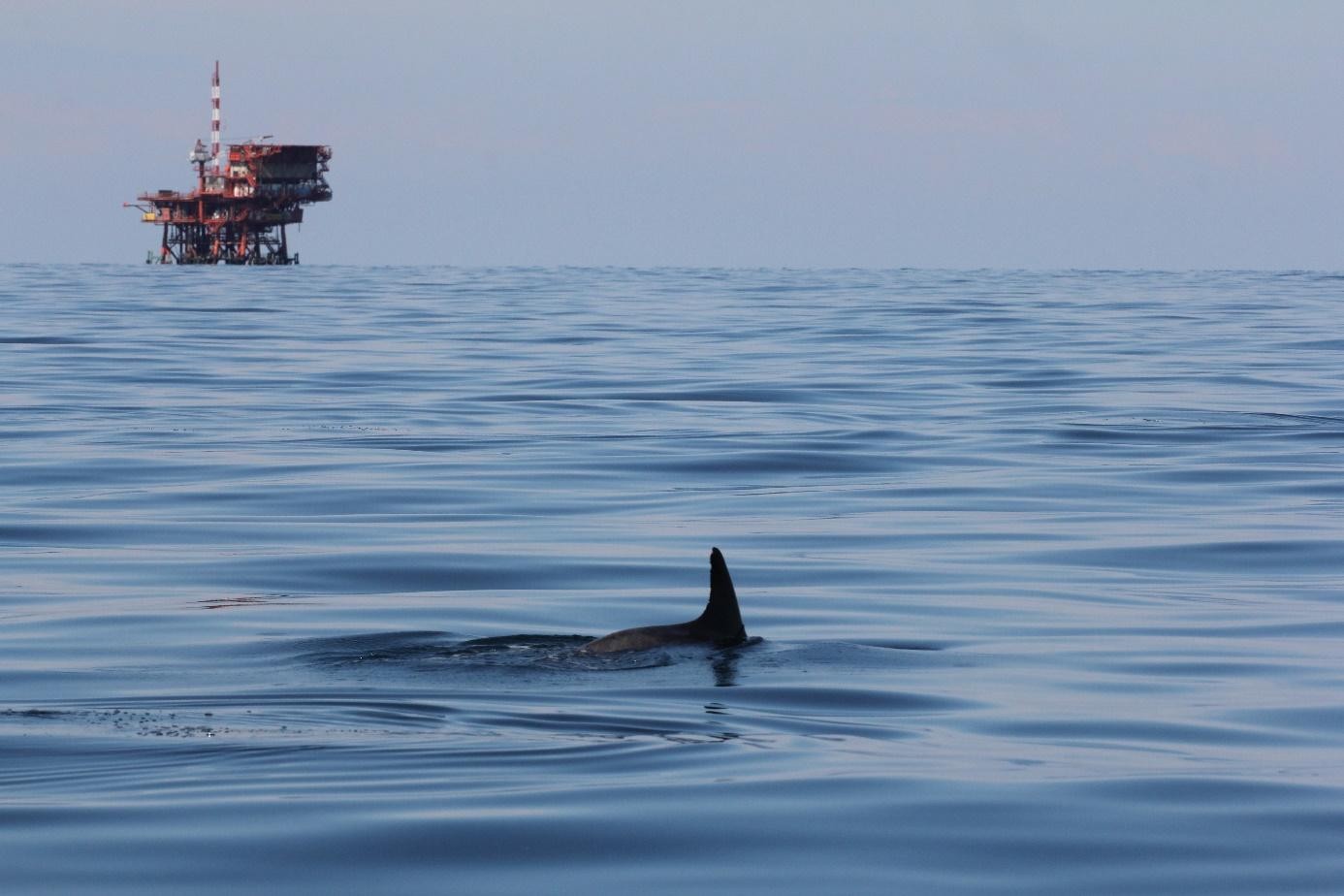
The UNDERSEA project, which started in 2024, expands from a temporal and spatial point of view the data collected by the SOUNDSCAPE project. The aim of the UNDERSEA project, besides monitoring the levels of underwater noise coming from anthropogenic sources, is to detect the presence of different cetacean species in the Adriatic Sea. Recording stations are set at 18 locations throughout the Adriatic basin and will collect data from March 2025 until March 2026. The plan is to take data from a minimum of 4 recording stations and, with a specialised program called Triton, search for echolocation clicks based on which we can define different cetacean species. In fact, there are records of 11species of cetaceans observed in the Adriatic Sea, some of them are considered regular and some as visitors from the Mediterranean Sea. Looking at the information collected so far from boat-based surveys and aerial surveys, we expect to find bottlenose dolphins, striped dolphins, fin whales, goose-beaked whales, and maybe sperm whales. We hope to capture, analyse and catalogue their vocalisation and the extraordinary variety of their communication. As a final output, a reference library of echolocation clicks will be created, which will be available to partners: a unique library, as the vocalisations of cetaceans change at the regional and population level.
Building a Cetaceans Sound Archive of the Adriatic.
The UNDERSEA project included training sessions for partners on the topic of bioacoustics. Last July 10th in Dubrovnik, on the occasion of the project's Mid-term conference, hosted by the partner Public Institution for the Management of Protected Natural Areas of Dubrovnik-Neretva County, we organised a workshop involving project partners was organised by Blue World Institute for Marine Conservation.
Scientists from the Norwegian University of Science and Technology and the University of California, San Diego helped project partners to create a program to detect echolocation clicks, group them by similarity and define which echolocation clicks belong to which cetacean species. Thanks to data analysis, participants detected bottlenose dolphins, sperm whales and goose-beaked whales. With this experience, participants with different background knowledge upgraded their skills in data analysis, gaining an insight into different methods in data processing.
Importance of data.
The underwater sounds collected across the Adriatic for an entire year will form an extraordinary reservoir of knowledge, a foundation upon which bioacoustic research can grow for many years to come. Thanks to this immense sound archive, acoustic experts will be able to uncover which species of cetaceans inhabit or cross the Adriatic, decipher the richness of their vocal repertoires, and identify the seasons and areas where they occur. The scope goes far beyond marine mammals: the data will also shed new light on the hidden lives of fish and invertebrates, revealing the complex rhythms and interactions that shape this unique ecosystem.
Perhaps most importantly, the project will allow the creation of detailed maps of underwater noise propagation throughout the Adriatic Sea—maps that will not remain locked in the hands of a few specialists, but will be openly available to scientists, conservationists, policymakers, and citizens alike. In this way, Undersea is not just a research initiative, but a bridge between science and society: a chance to listen, quite literally, to the heartbeat of the Adriatic. By learning to hear and understand this underwater world, we may finally find better ways to protect it.
Authors.
Alice Pari, Fondazione Cetacea (Italy)
Tihana Vučur Blazinić, Blue World Institute of Marine Research and Conservation (Croatia)