


Reducing Car Dependency: Why It Benefits Everyone
29/07/2026
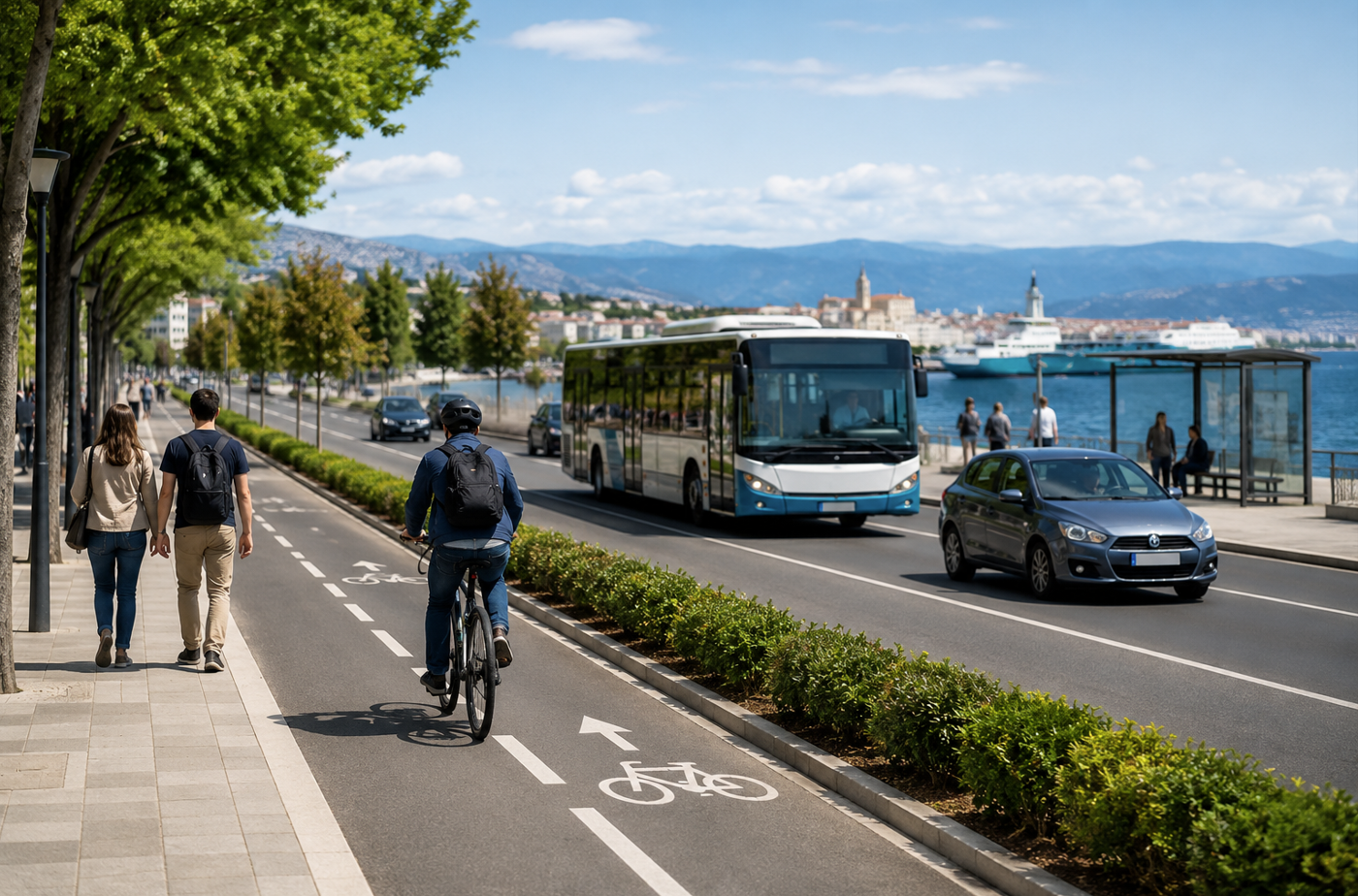
Cars remain an important part of everyday mobility, particularly in areas where public transport options are limited or where people need to travel longer distances. However, when most daily journeys depend exclusively on private cars, cities and communities face increasing challenges such as congestion, air pollution, noise, road safety risks and pressure on public space.
Reducing car dependency does not mean eliminating cars or restricting individual mobility. It means creating a more balanced transport system in which walking, cycling, public transport and shared mobility become safe, practical and attractive alternatives. When people can choose the most suitable mode of transport for each journey, the entire community benefits.
Less congestion and more efficient travel
Traffic congestion affects everyone, including drivers. Time spent in queues increases travel times, fuel consumption and stress, while also making public transport less reliable.
A significant share of daily car journeys is relatively short and could, under the right conditions, be completed on foot, by bicycle or through public transport. When even a small proportion of these journeys shifts to other forms of mobility, road space becomes available for those who genuinely need to travel by car, including emergency services, businesses, people with reduced mobility and residents of areas with limited transport alternatives.
A diversified mobility system therefore does not only support pedestrians, cyclists or public transport users. It also improves conditions for drivers.
Better air quality
Road transport is an important source of air pollution, particularly in densely populated areas and along busy traffic corridors. Pollutants emitted by vehicles can negatively affect respiratory and cardiovascular health, with children, older people and people with existing health conditions among the most vulnerable groups.
Reducing the number of unnecessary car journeys, supporting cleaner vehicles and promoting sustainable transport options can help improve local air quality. The benefits are particularly visible around schools, healthcare facilities, residential neighbourhoods and town centres, where many people are exposed to traffic-related emissions every day.
Cleaner air contributes to healthier and more attractive places to live, work and spend time.
Safer streets and public spaces
A transport system designed primarily around cars can create barriers for pedestrians, cyclists, children, older residents and people with disabilities. High traffic volumes and vehicle speeds can make even short everyday journeys feel unsafe.
Traffic calming measures, safe pedestrian crossings, continuous pavements, protected cycling routes and well-designed public transport stops can significantly improve road safety. Safer infrastructure also gives people greater confidence to walk or cycle, particularly for journeys to school, work or local services.
When streets are designed for different users rather than vehicles alone, they become more inclusive, accessible and comfortable for everyone.
Less traffic noise
Traffic noise is often accepted as an unavoidable part of urban life, but prolonged exposure can affect sleep, concentration, stress levels and overall quality of life.
Fewer vehicles, lower speeds, cleaner technologies and better traffic management can reduce noise in residential areas and public spaces. Quieter streets make it easier for people to communicate, rest and enjoy outdoor areas.
Reduced noise can also improve the attractiveness of town centres, waterfronts, parks and other places intended for social interaction and recreation.
Healthier daily routines
Active mobility, such as walking and cycling, introduces physical activity into everyday routines without necessarily requiring additional time for exercise. Walking to a bus stop, cycling to work or completing a short local journey on foot can contribute to better physical and mental health.
Regular movement supports cardiovascular health, mobility and general well-being. It can also reduce stress and create more opportunities for social interaction within neighbourhoods.
However, people are more likely to choose active mobility when routes are safe, comfortable and connected. Infrastructure and urban planning therefore have an important role in making healthier choices easier.
Stronger local economies
Reducing car dependency can also support local businesses. People who walk or cycle often notice shops, services, cafés and public spaces that may be overlooked when travelling by car. Accessible and attractive streets can encourage visitors to spend more time in local centres and contribute to increased footfall.
Businesses also benefit from reliable public transport, improved accessibility for employees and customers, and more efficient delivery conditions resulting from reduced congestion.
Public space that is no longer dominated by moving or parked vehicles can be used for outdoor seating, greenery, events, markets and other activities that strengthen local economic and community life.
More choice, not less mobility
The objective of sustainable mobility is not to replace every car journey. It is to ensure that people are not forced to use a car for almost every daily need.
Some journeys will continue to require private vehicles, particularly in rural and suburban areas, for people with mobility limitations, for families with complex travel needs and for professional or delivery services. A balanced transport system recognises these needs while also providing realistic alternatives wherever possible.
Better public transport, safe walking and cycling routes, shared mobility services and improved connections between different transport modes give people more freedom to choose how they travel.
By reducing unnecessary car dependency, communities can create cleaner, safer, quieter and healthier places while improving mobility for all users. Sustainable mobility is therefore not about being against cars. It is about building a transport system that works better for everyone.