

Project SOCRAT: Textile and Fashion Design Creative Living Lab
19/02/2026
The Textile and Fashion Design Creative Living Lab was held in Pula from 24 January to 14
February within the SOCRAT project – Socialising Craft and contemporary Art for
sustainable Tourism (Interreg VI A Italy-Croatia 2021-2027), implemented by the Region of
Istria - Regione Istriana, Administrative Department for Culture and Heritage, in cooperation
with partners. The planned results of the experimental Creative Living Labs are new,
innovative and inclusive cultural tourism products and services, including innovative cultural
tourism experiences and product prototypes, diary entries and storytelling films, as well as
model assessment.
In line with the main project goal, Textile and Fashion Design Creative Living Lab has
created a lasting impact on the local community, artists, artisans-designers, scientists,
representatives of civil associations and cultural institutions through intercultural dialogue.
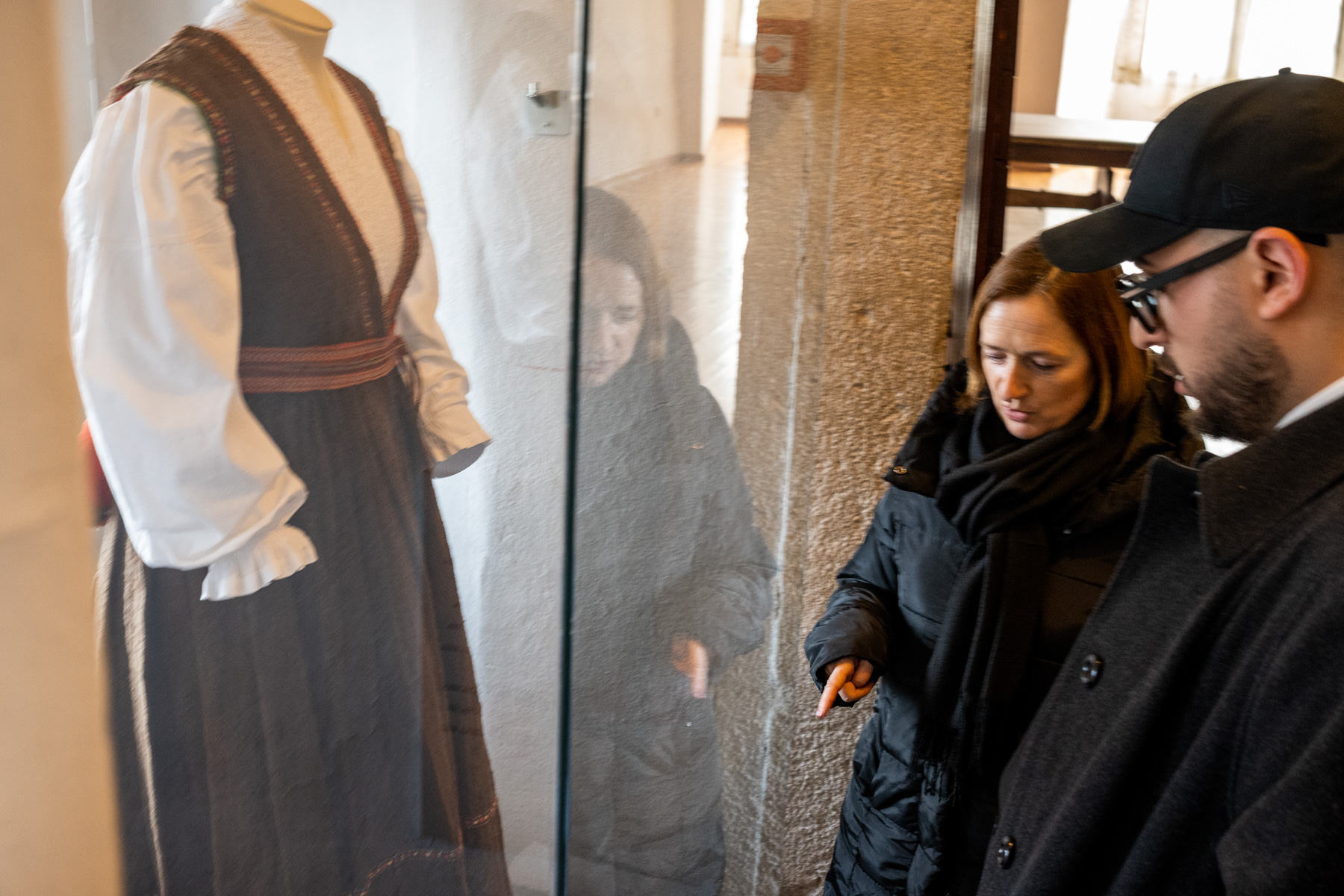
Their work involved immersive research into the tangible and intangible heritage of the Istrian
peninsula, reflecting on community memory to reinterpret textile traditions. By transforming
this heritage into an active resource for contemporary design, the project seeks to create more
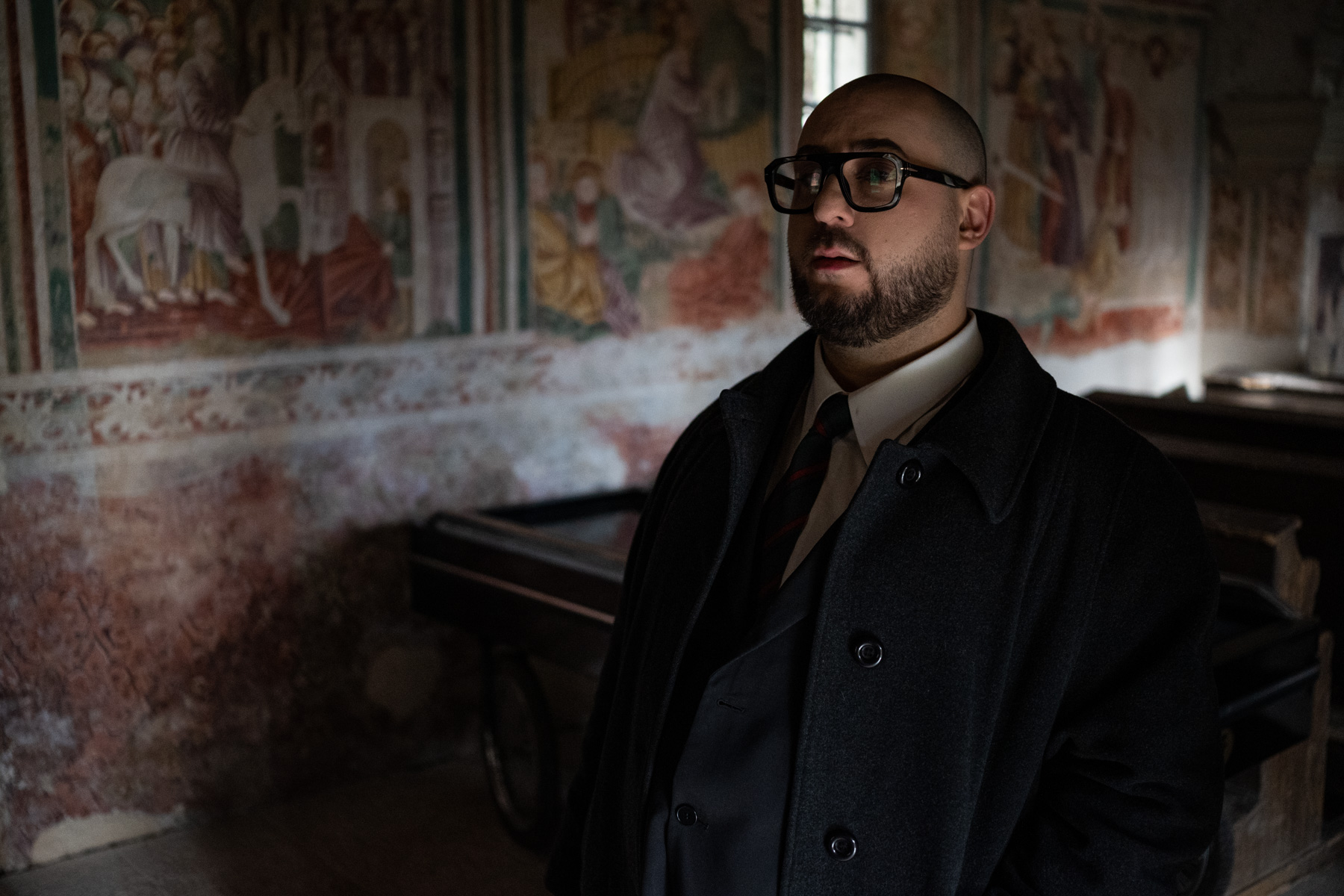
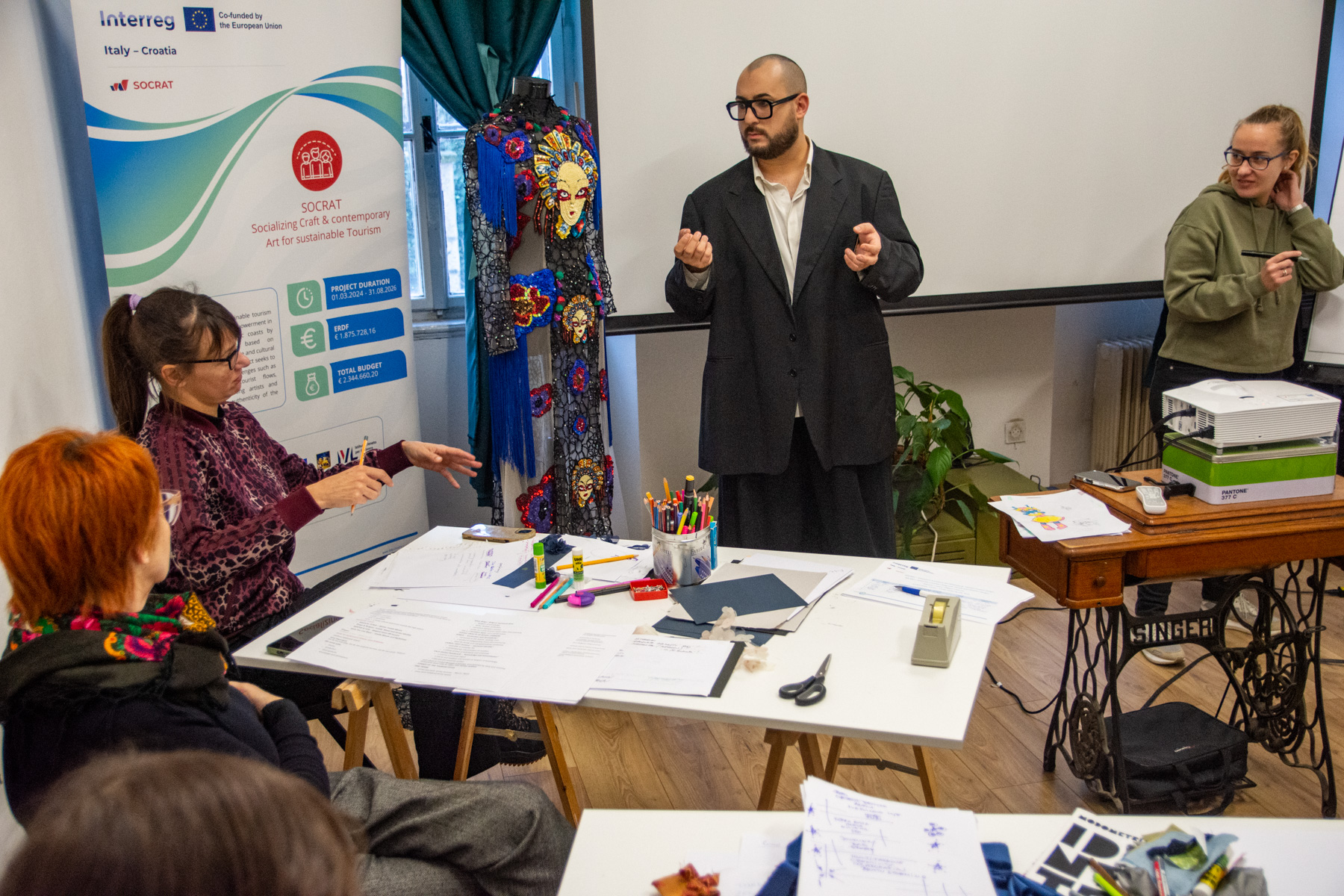
authentic and sustainable tourism experiences. The mentor of Creative Lab was globally
acclaimed Italian fashion designer and artist Filippo Laterza, who hosted the first part and
participated in the co-creation process alongside the internationally renowned designer from
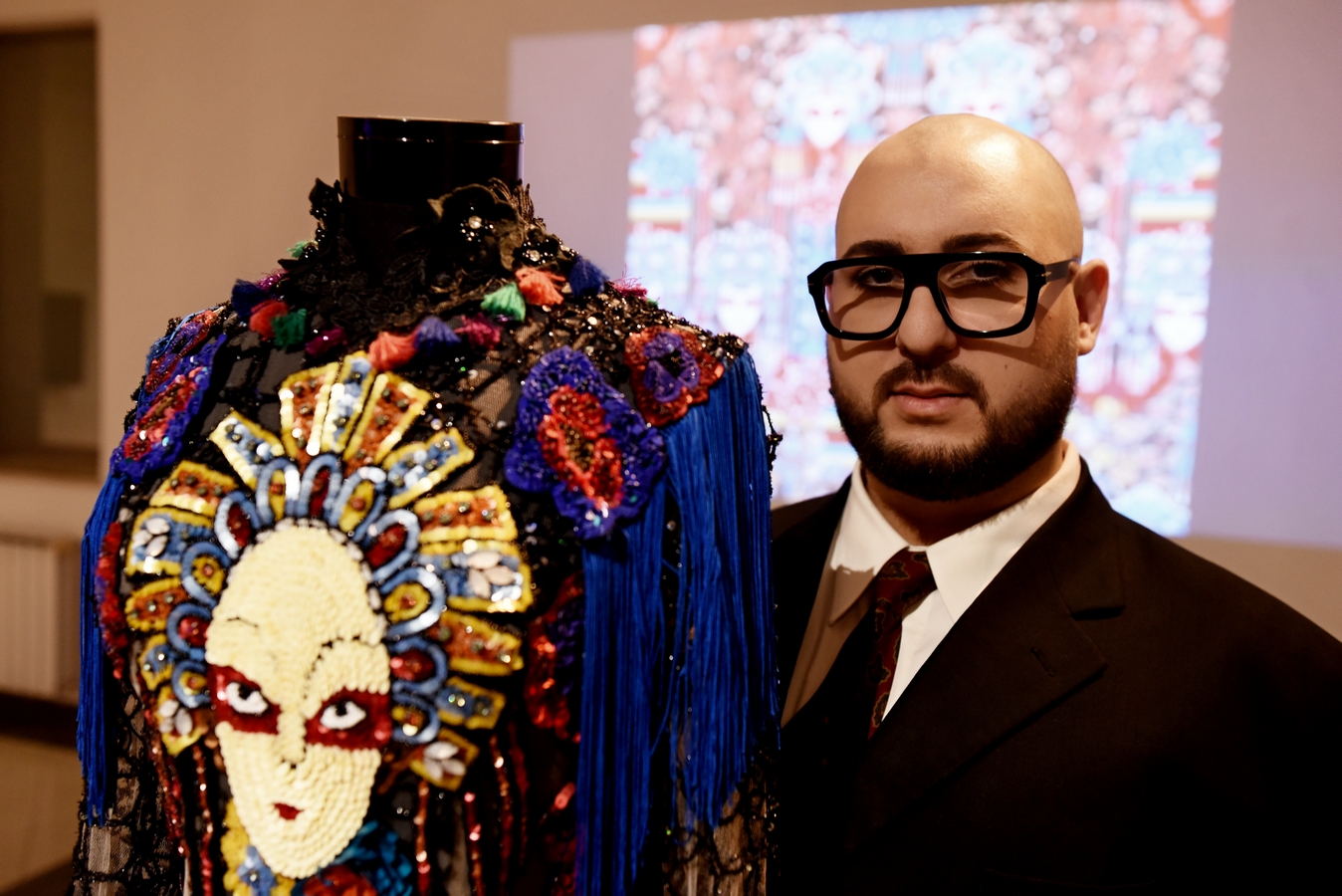
Pula, Staša Doblanović Randall. The creations of these two designers were presented to the
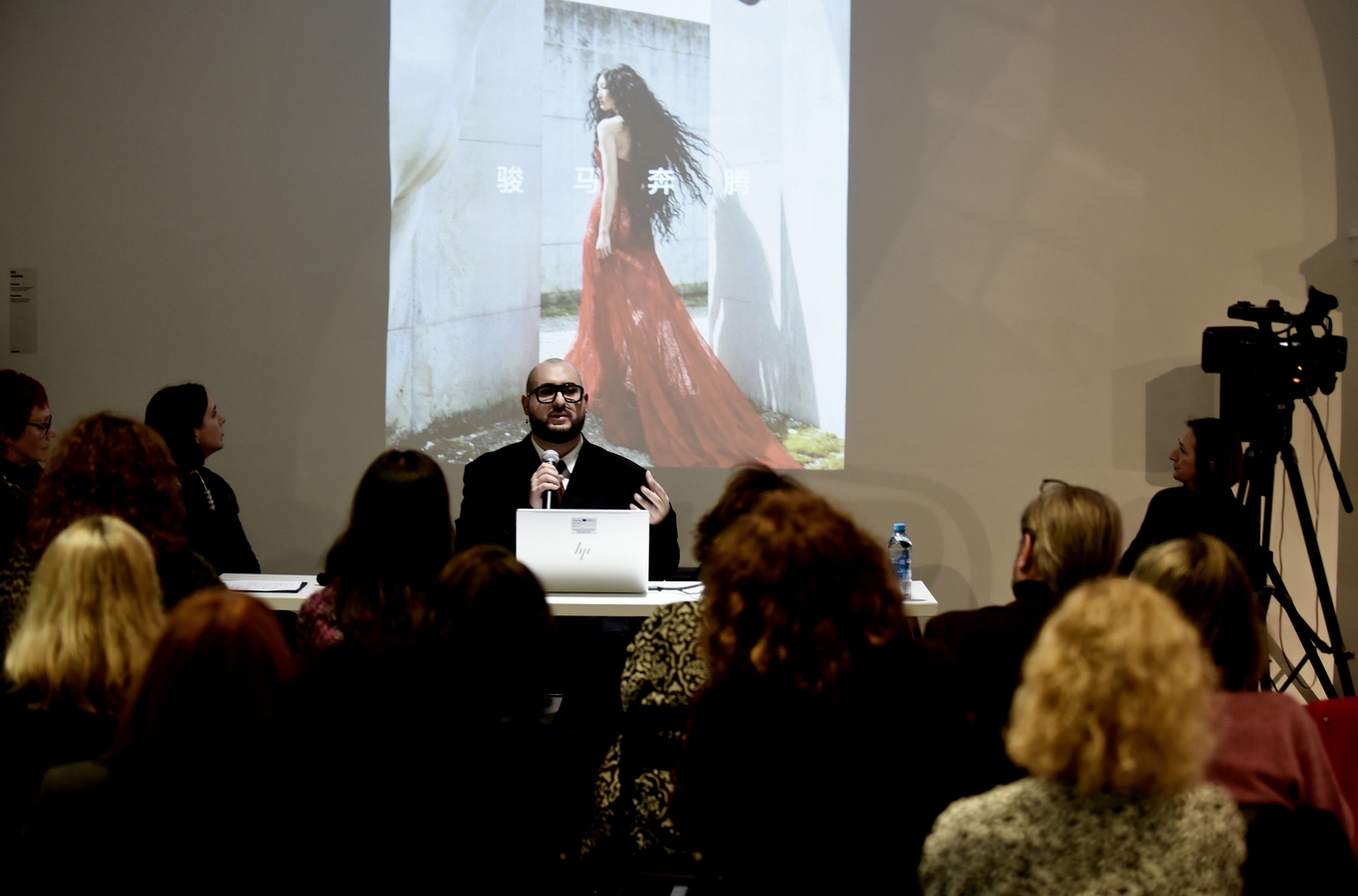
local community at an exhibition organised during a Textile and Fashion Design Roundtable
held at the Novo Gallery in Pula, initiating and promoting Lab activities.
“The opportunity to participate in the textile-design Creative Lab of the SOCRAT project is
one of the most interesting experiences I have had. What we are doing here is not only
creating something beautiful, but also promoting the region and the encounter, the merging of
two cultures, and then presenting the whole process to the public. This is what initially drew
me to the project and why I eventually applied. I find the connection between art and fashion
to be exceptionally important, since communication is at the very core of my work, and art is
the most powerful means of communication I know. It serves as a medium for storytelling,
building bridges and transmitting emotions and values across geographical and cultural
boundaries,” said Filippo Laterza during his stay in Istria. The core values of freedom,
creativity, and curiosity that define his artistic vision also formed the foundation of the Lab’s
activities. These principles guided the exploration of contemporary fashion and creative
processes, while fostering meaningful cultural exchange between Italy and Croatia. In
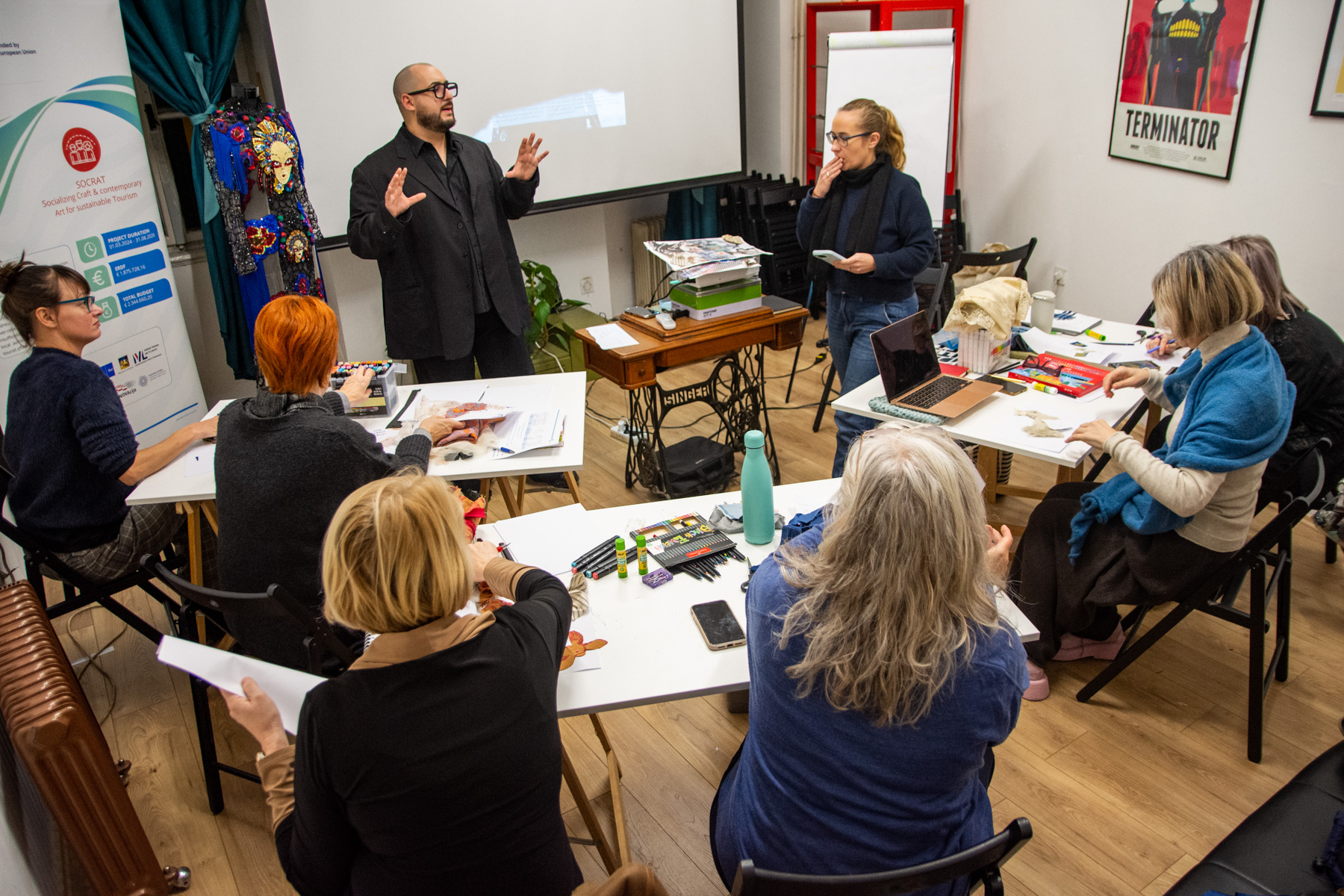
addition to art and design students, professionals and experts from the field were also
involved. The emphasis was not only on fashion as a final product, but on creativity as a
process that can be liberated, guided, and transformed into a structured project.
“This approach made it possible for the participants to understand how creativity can be
directed into something broader, starting from fashion and developing into a cultural and
tourism project. We discussed identity, territory, cultural heritage, contemporary language,
communication and the role of fashion as a bridge between cultures. The exchange between
the Italian and Croatian perspectives was constant and natural. It enriched the creative process
and strengthened the idea of cooperation, rather than separation,” said Laterza and
emphasised his profound satisfaction with the outcome. Namely, the result of this joint
journey was a project developed through genuine synergy between the two groups. Together,
they designed a concept for tourism development with fashion at its core, working together on
logos, slogans, communication tools and marketing strategies, guided by free and conscious
creativity.
The second part of the Creative Living Lab was hosted by designer Staša Doblanović Randall,
along with field experts Iva Katalinić, specialised in embroidery, and Katja Kliba, specialised
in eco-print. The workshop centred on scarves, aprons, jewellery and other textile accessories,
with a contemporary reinterpretation of the wedge-shaped forms characteristic of Istrian folk
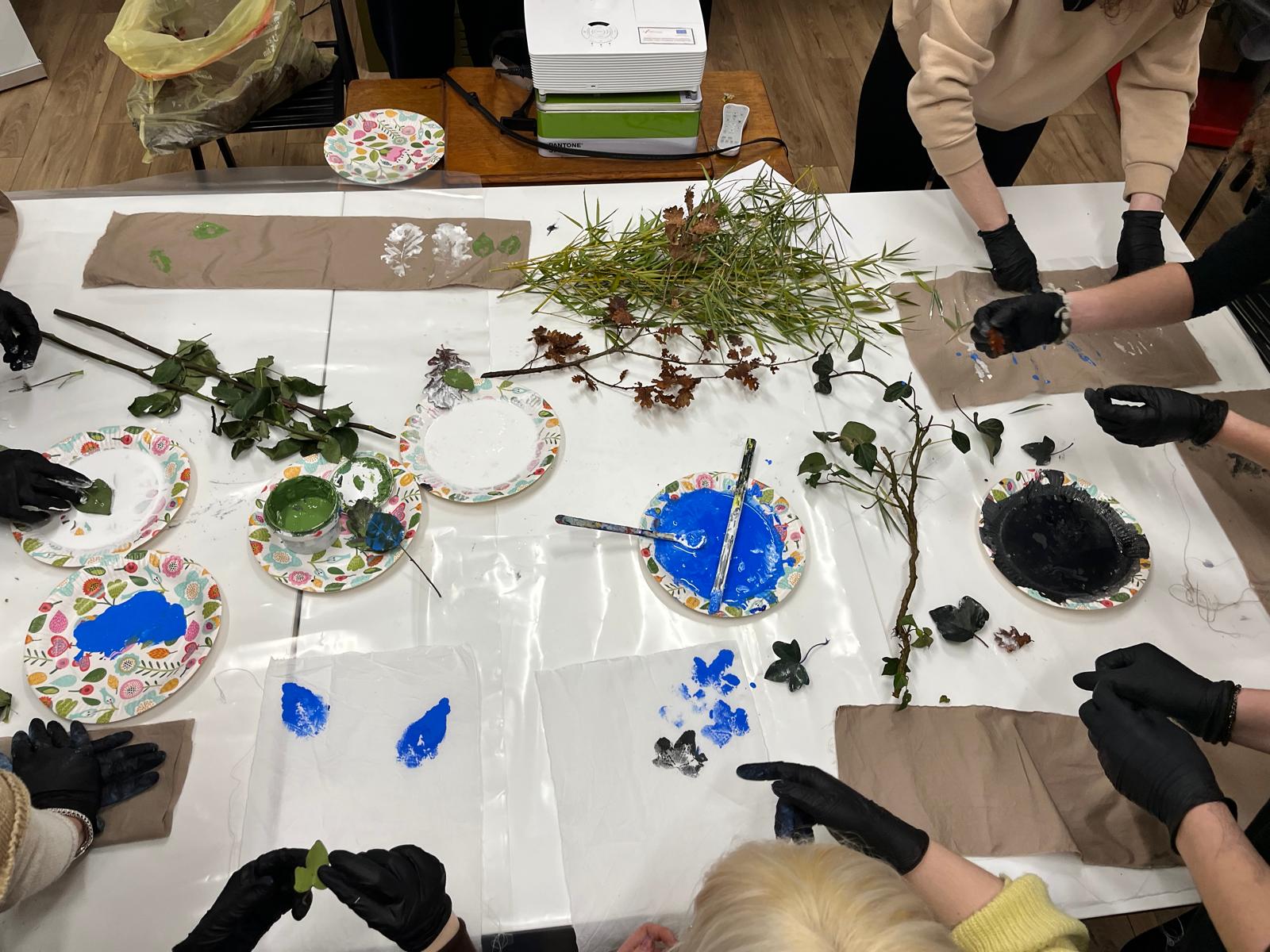
costumes. “We experimented with plants and natural materials that leave imprints on the
textile during the process. Our expectations did not focus on finished products, but on
well-planned design prototypes. At the end of each day, we jointly evaluated the process in
conformity with the SOCRAT methodology and prepared materials for further production and
presentation, since we believe that the reflection on the process is as important as the practical
work,” said Kristina Nefat, Lab coordinator from the Croatian Association of Interdisciplinary
Artists.
Through intense collaboration and co-creation of the two designers, Laterza and Doblanović
Randall, six models/prototypes were designed simultaneously. Reinterpreting tradition and
encouraging the synergy of cross-border access, they will be completed and presented at the
final event of the SOCRAT project – an exhibition to be held on 7 July 2026 at the
Archaeological Museum of Istria in Pula, where the results of all 13 Creative Living Labs
organised in the partner regions will be presented. Throughout the labs, “on-the-road” diary
entries for social networks and storytelling films are produced to document the journey,
supported by continuous model assessment.
“Clothes as a boundary between the individual and the community, the private and the public,
the body and society, from prehistory to the end of the twentieth century, reveal the layered
role and meaning of clothing items and trends defined by social and technological changes.
Different historical contexts have created contemporary fashion challenges, as well as
ecological and social aspects. In this context, tradition and sustainability issues may serve as
the foundation for new collaboration models between artisans, designers and cultural
stakeholders in the creation of authentic experiences and the reinterpretation of heritage,”
pointed out Katarina Nina Simončić, a scientist involved in the project. The multiple layers of
this phenomenon in an intense and complex process have been presented through various
Creative Living Lab methods and techniques. Furthermore, hands-on work with a prominent
cross-border mentor had a deep and lasting impact on the workshop participants. Inspired,
they continue their creative gatherings until the final event of the SOCRAT project and after
the official end of the Lab activities.
Photo credits: Hassan Abdelghani, Igor Dražić