

From Trend to Necessity: The Growing Demand for Inclusive Travel in Europe
05/02/2026
From Trend to Necessity: The Growing Demand for Inclusive Travel in Europe
Introduction: Redefining Travel for Everyone
Tourism in Europe is undergoing a deep transformation. Once considered a privilege for the few, it
is now recognized as a right and a central aspect of quality of life. However, despite the progress in
accessibility, many people are still excluded from fully enjoying travel experiences due to physical,
sensory, or communicative barriers.
This article explores why inclusive travel is no longer a niche concern but a mainstream necessity,
and how Universal Design (UD)—the principle of creating environments and services usable by
all—can guide the sector towards a more sustainable and competitive future.
I. Demographic Reality: Europe Is Getting Older and More Diverse
Demographic change is one of the strongest forces shaping the future of tourism, with three
groups driving demand for more inclusive experiences: elderly travellers, families with children, and
people with disabilities.
Europe is the fastest-ageing continent: already 21% of its population is above 65, and by 2050,
one in six people worldwide will be in this age group. Seniors often have both the time and
financial resources to travel, but they require accessible transport, safe accommodation, and
simplified wayfinding systems.
Families with children also face specific challenges. Today, households with at least one child
under 14 represent over 30% of all European families. They look for stroller-friendly
infrastructure, safe play areas, and intuitive orientation systems—features directly linked to
Universal Design, where elevators, wider pathways, and clear booking tools are not just
conveniences but deciding factors in destination choice.
At the same time, 87 million Europeans live with some form of disability (about one in four
adults). Despite representing a powerful market, they still encounter multiple barriers such as
inaccessible accommodation, poor information, and inadequate transport.
Finally, the SITE Market Research highlights another emerging group: people with food-related
restrictions. Over 20 million Europeans suffer from allergies, and about 7 million live with
celiac disease. Providing safe food options, transparent menus, and allergen information is now an
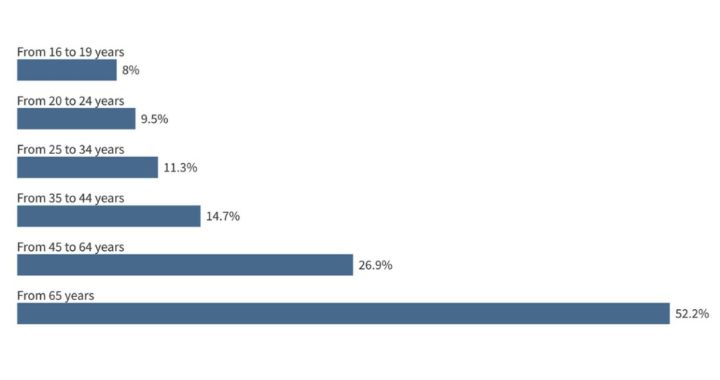
integral part of inclusive tourism. (Chek Image 1 below the text - Share of people with disabilities by age in the EU)
Together, these groups make inclusivity not just desirable but essential. Universal Design provides
the framework to anticipate their needs, eliminate barriers, and ensure that tourism is truly
enjoyable for all.
II. What People Are Searching
Online behaviour offers a valuable window into how tourists' needs are evolving. The SITE market
research analysed both data from Google Trends and Semrush - a professional software for
analysing user searches on the web - revealing that the search interest for inclusive tourism is not
only growing, but also widespread across different European countries, including Italy and
Croatia.
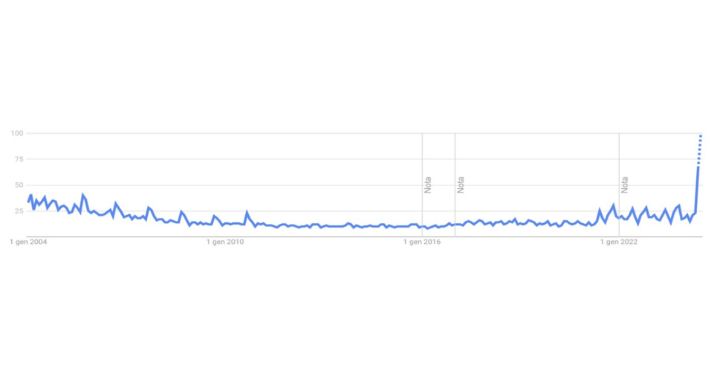
For example, Google Trends data analysed globally from 2004 to 2024 show a steady increase in
interest for keywords such as “accessible tourism”, “universal design”, “inclusive travel”, and “tourism for all”. (Chek Image 2 below the text -Trend of searches on Google over time in the world from January 2004 to July 2024 about the topic “Universal Design”)
Semrush data adds another layer of insight:
- 47.000 searches per month in Italy are related to issues of accessibility for people with disabilities and needs like families with kids, the elderly and people with food restrictions.
- In Croatia, out of the 90.000 Google searches on holidays, only around 130 concern issues of accessibility for people with needs. While still a limited share, this highlights a significant potential for growth: as awareness increases and more inclusive solutions are promoted, Croatian travellers and destinations can rapidly expand their interest and sensitivity towards accessibility in tourism.
While mainstream queries like “cheap flights” or “beach holidays” remain dominant, terms linked to
accessibility now appear within the top quartile of thematic travel searches—a major shift from
even five years ago.
This online behaviour confirms a clear trend: travellers are actively seeking solutions that
match their specific needs, and destinations that fail to meet these expectations risk being left
behind.
III. The Post-COVID Shift: From Mass Tourism to Meaningful Travel
The COVID-19 pandemic radically reshaped global travel habits. Lockdowns, restrictions, and the
heightened awareness of health risks have left a permanent mark on the way people approach
tourism. This period triggered a clear shift in demand from mass tourism towards responsible,
sustainable and inclusive travel:
- Travellers now prioritise safety, comfort, and ease of navigation.
- There’s a shift toward less crowded, off-season destinations, which inclusive planning helps make viable.
- Well-being and ease of movement became essential, especially for those at higher health risk, like seniors and immunocompromised travellers.
This is where Universal Design plays a crucial role. By integrating accessibility and inclusivity from
the beginning, UD responds to the new post-COVID paradigm: less mass tourism, more
responsible, human-centred travel. In this way, inclusivity is no longer perceived as a “special
service” but as an essential component of quality.
IV. From Niche to Norm: How Universal Design Meets Traveller Expectations
For many years, accessibility in tourism was seen as a specialised service aimed at a small audience, but data today demonstrates that this perception is outdated: Universal Design is no longer a niche solution, but a mainstream necessity.
Searches and surveys confirm that tourists now expect destinations to be intuitive, comfortable,
and barrier-free, and the demand for accessible services in Italy is growing significantly.
Concrete examples illustrate how UD enhances the experience for all: Scandic Hotels has
pioneered Universal Design in the hospitality sector by integrating accessibility into every detail of
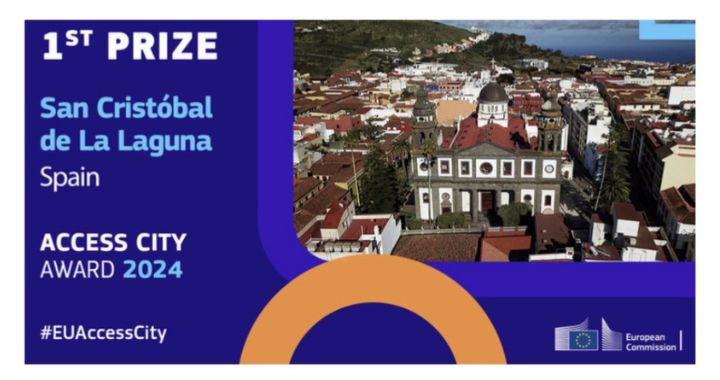
the guest experience, from room layouts to staff training. Similarly, the historic city of San
Cristóbal de La Laguna in Tenerife has applied UD principles to its pedestrian areas and signage,
proving that inclusivity can successfully coexist with cultural heritage. (Chek Image 3 below the text - Access City Award 2024 granted to San Cristóbal de La Laguna)
Automatic doors help wheelchair users, parents with strollers, and travellers carrying heavy
luggage. Intuitive wayfinding systems support both people with cognitive impairments and
tourists navigating a foreign language, and at least Accessible Websites make it easier for visually
impaired users to plan their trip, but also benefit everyone through clearer design and faster
navigation.
Universal Design represents the evolution of quality in tourism: what was once considered a
niche adaptation is now becoming the standard expectation of modern travellers. Those
destinations that embrace UD gain not only in inclusivity but also in competitiveness, attracting a
broader audience and ensuring longer-term sustainability.
V. Conclusion: Universal Design Is the Future of Tourism
The evidence is clear: inclusive travel is no longer a trend—it is a necessity. Demographic change,
digital search behaviour, and post-COVID travel expectations all converge towards the same
direction: tourists now demand environments and services that are safe, intuitive, and welcoming
for everyone.
Universal Design offers the framework to meet this demand. By integrating accessibility at every
stage—from communication and wayfinding to public spaces and hospitality—UD eliminates
barriers and enhances the overall quality of the travel experience.
This benefits not only people with disabilities but also elderly travellers, families with children, and
anyone facing temporary or situational limitations.
The SITE project demonstrates how these principles can be put into practice through pilot actions,
training, and co-design processes. By fostering collaboration across borders and between
stakeholders, SITE is showing that inclusive tourism is not just socially necessary but also
economically strategic, as it allows destinations to diversify their offer, extend the tourist season,
and strengthen their international reputation.
In short, the future of tourism is universal by design. Destinations that embrace inclusivity today
will be the ones that thrive tomorrow, offering experiences that are truly enjoyable for all.