

Project Showcased at JOB&Orienta 2026: Digital Innovation and New Skills for Sustainable Cultural Tourism
27/11/2026
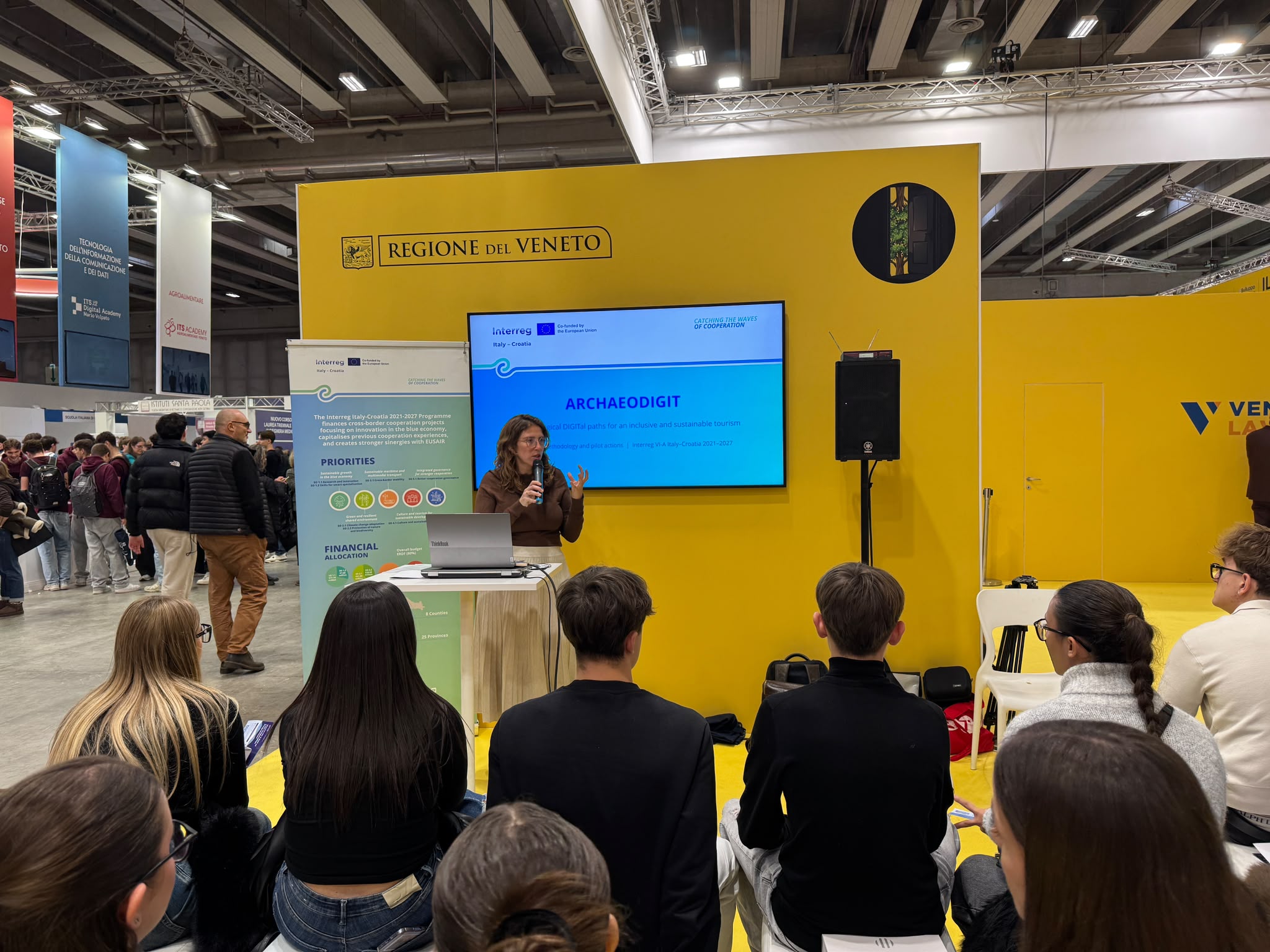
On 27 November 2026, the ARCHAEODIGIT project (ARCHAEOlogical DIGITal paths for an inclusive and sustainable tourism)—co-funded by the European Union under the Interreg VI-A Italy–Croatia 2021–2027 Programme—was presented by ETT at JOB&Orienta, Italy’s leading national exhibition dedicated to career guidance, education, training, and employment.
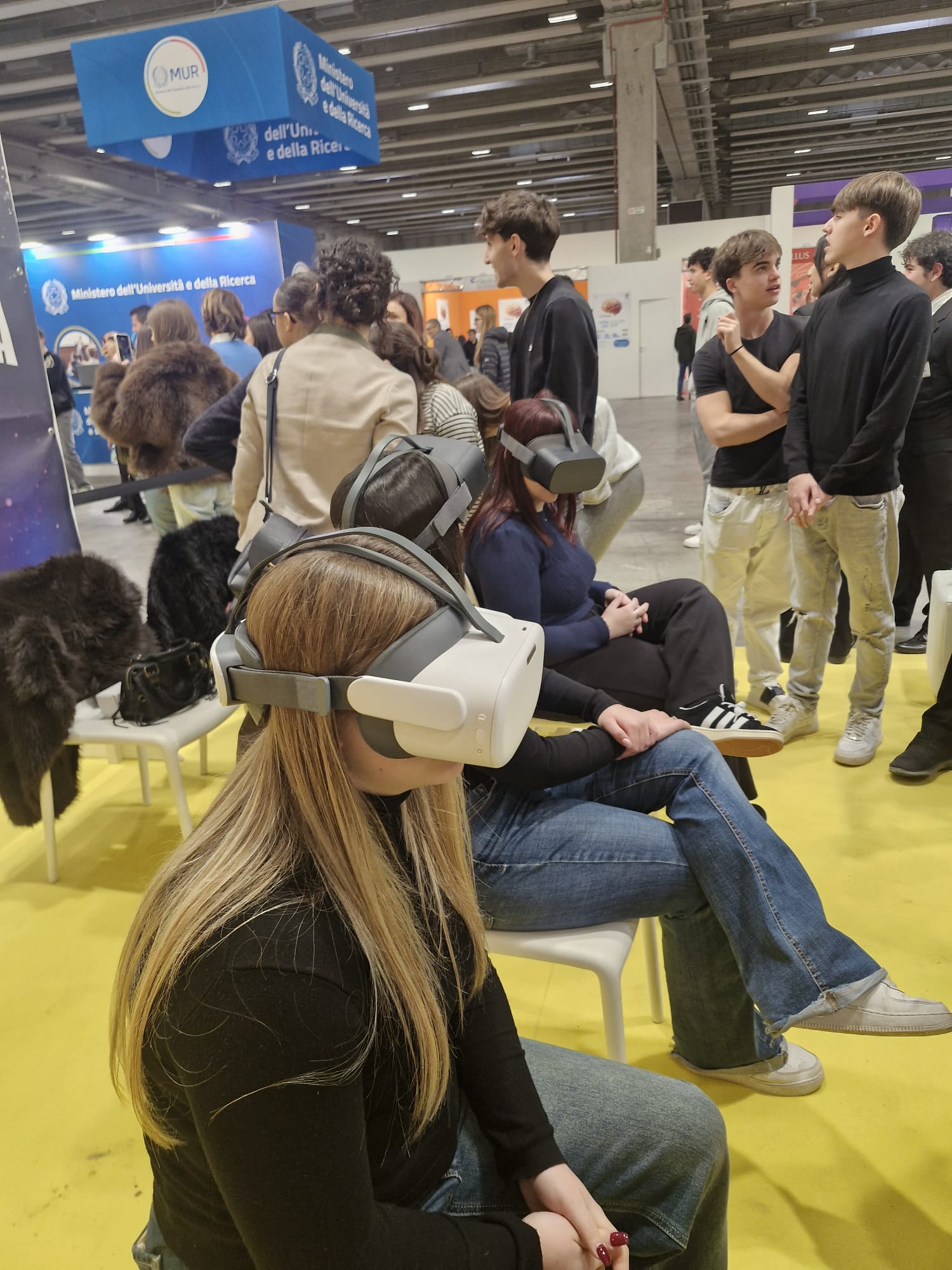
Participating in the fair provided a valuable opportunity to show students, educators, cultural operators, and institutions how digital technologies can transform the management and visitor experience of archaeological heritage across Italy and Croatia, while fostering new professional skills and training pathways.
From a Shared Digital Platform to On-Site Pilot Actions
During the presentation, Maria Emanuela Oddo, from the project partner ETT, showcased the technological ecosystem and transferable methodology developed by the partnership to make archaeological sites more accessible, engaging, and sustainable:
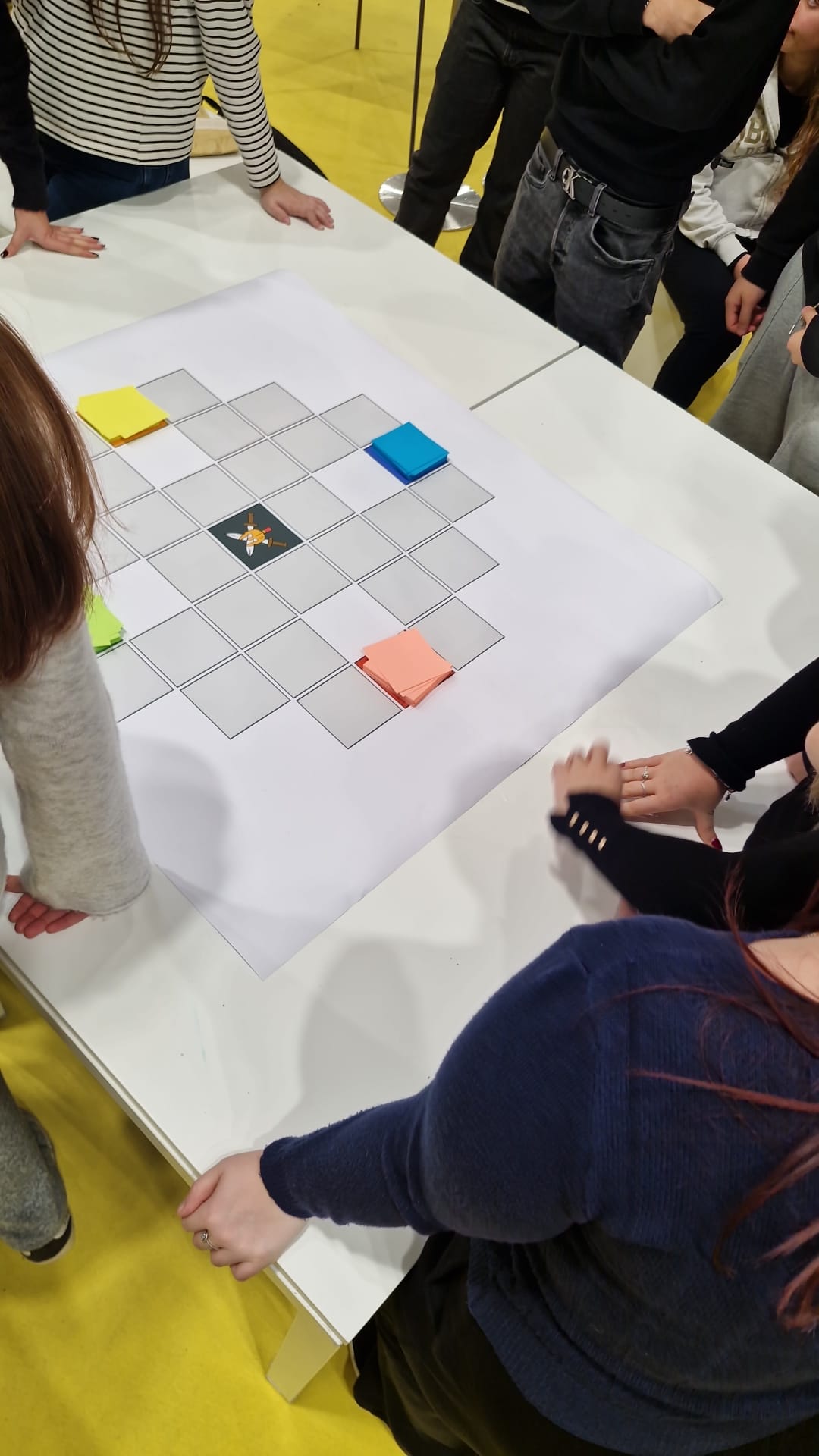
- One CMS, four dedicated apps: A central Content Management System powers four mobile applications (available on iOS and Android) alongside a web hub for local stakeholders, offering map-based itineraries, layered multimedia content (texts, images, audio, and storytelling tailored to adults, families, and young visitors), gamified routes, and a circular e-commerce section where cultural sites can resell decommissioned equipment and furnishings.
- Four pilot sites across Italy and Croatia: Digital solutions have been combined with immersive on-site installations in four strategic destinations:
- Helvia Ricina (Macerata, Marche, Italy): A narrative installation, Virtual Reality (VR) reconstruction of the Roman theatre, gamified visits, and a dedicated app connecting the city’s theatres and surrounding territory.
- Saepinum (Sepino, Molise, Italy): 3D surveys, VR reconstructions, an interactive Then & Now comparison tool, and a dedicated app to explore the Roman town set within a rural landscape.
- Fulfinum-Mirine (Omišalj, Krk Island, Croatia): Interactive totems, a 3D exhibition, VR storytelling, family games, and a 360° virtual tour allowing users to walk through the archaeological site from anywhere.
- Balavan Hill and Trstenik (Kaštela, Croatia): A tactile 3D model of underwater Roman shipwrecks, storytelling of the invisible heritage, and a dedicated app sharing the stories of the hilltop fortress and coastal history.
Participatory Methodology and Open Training Opportunities
Alongside digital innovation, the presentation highlighted ARCHAEODIGIT’s community-driven approach, centred on territorial Local Hubs where residents, associations, archaeologists, and tourism operators co-design site management plans and pilot actions.
In line with JOB&Orienta’s focus on education and skills development, special emphasis was placed on the project’s capacity-building initiatives—from transnational masterclasses and field study visits to the free ARCHAEODIGIT MOOC, an open online course on managing and valorising archaeological heritage complemented by a train-the-trainer pathway.