From Universal Design to Action. Achievements and Legacy of our Project
27/11/2026
From Universal Design to Action: The Achievements and Legacy of the SITE Project
From accessible communication to inclusive public spaces, four pilot sites in Italy and Croatia demonstrate how Universal Design can help shape more welcoming tourism experiences.
The SITE – Shaping Inclusive Tourist Experiences project has concluded its journey, demonstrating how cross-border cooperation, research, participatory design and practical investments can contribute to building a more accessible and inclusive tourism ecosystem.
Co-funded by the European Union through the Interreg Italy–Croatia 2021–2027 Programme, SITE brought together eight project partners from Italy and Croatia with a shared objective: reducing physical, digital and communication barriers through the application of Universal Design principles.
The project started from a simple but fundamental idea, that tourism experiences should be designed to accommodate the widest possible range of people, regardless of their age, abilities or individual needs.
Accessibility is not only about removing physical barriers. It is also about making information easier to understand, helping visitors navigate unfamiliar environments, supporting families with children and older travellers, and creating spaces and services that more people can enjoy independently and comfortably.
Turning Universal Design into practice
Throughout the project, SITE combined research, methodological development, stakeholder engagement and pilot investments to explore accessibility across three key moments of the tourist journey: planning the trip, finding one's way around a destination and enjoying its spaces, attractions and services.
The partnership developed a common methodology to assess tourism environments, identify accessibility needs and co-design solutions with local stakeholders, users and organisations representing persons with disabilities.
Particular attention was dedicated to inclusive communication. Four tourism-related websites were assessed to identify opportunities for improving digital accessibility. Selected information materials from the four pilot sites were adapted using Easy Language principles, making their content clearer and easier to understand.
The simplified materials were developed in English, Italian and Croatian, complemented by video translations in Italian and Croatian Sign Language.
These activities helped translate Universal Design principles into practical approaches that can support tourism professionals, public authorities and destination managers in creating more inclusive visitor experiences.
Four pilot sites, four approaches to more inclusive tourism
At the heart of SITE were four jointly developed pilot actions addressing different tourism environments: coastal public spaces, cultural heritage, museums and airport infrastructure.
Each pilot translated shared Universal Design principles into concrete solutions adapted to local needs and opportunities, demonstrating the versatility of a common cross-border approach.
Fano, Italy – Seaside and Beaches for All
In Fano, the pilot investment focused on improving the accessibility and usability of two public seaside areas, Sassonia and Pontesasso.
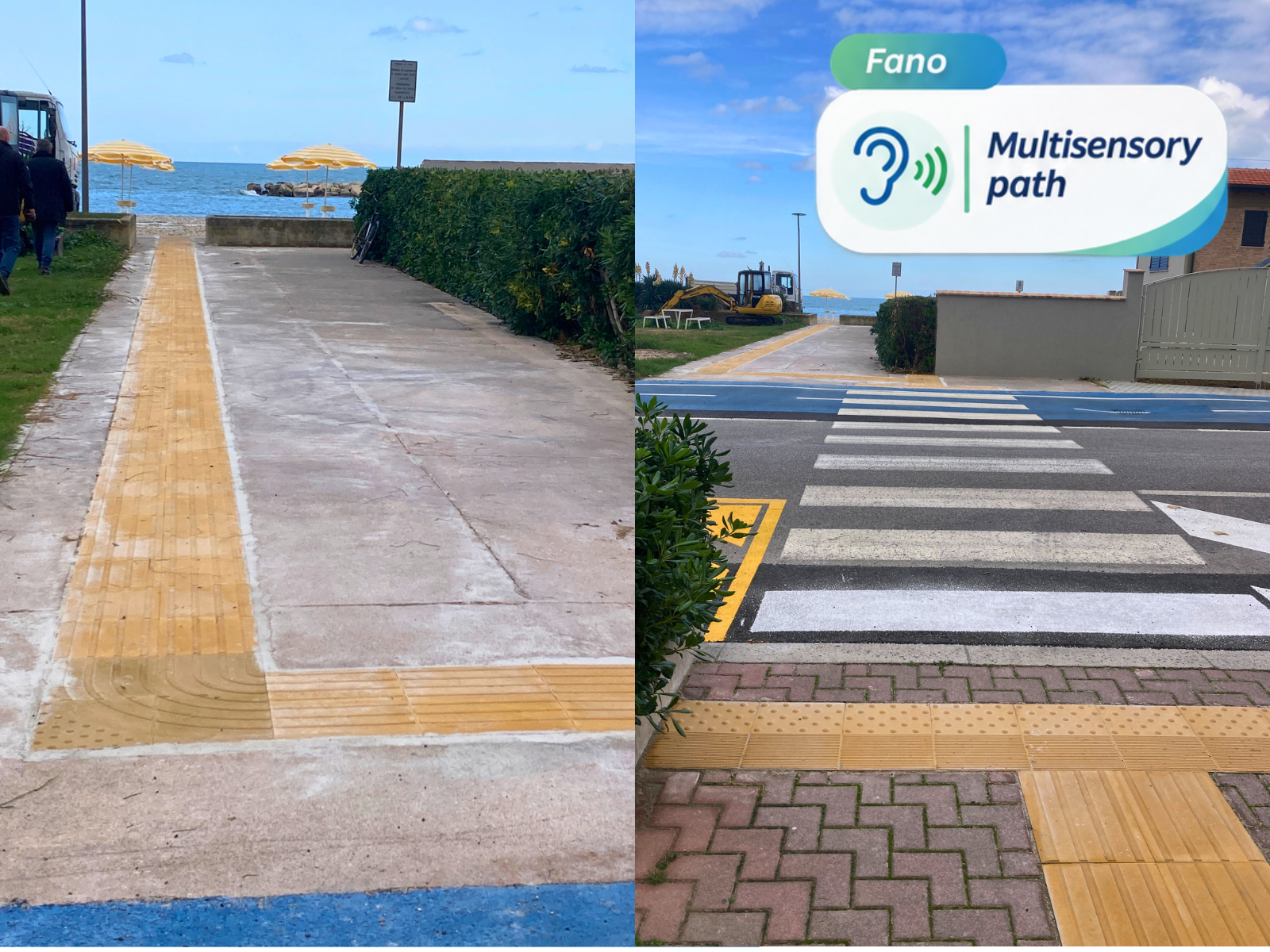
At Pontesasso, the Municipality of Fano redeveloped a public park, introducing an inclusive play area, a multisensory path with tactile surfaces, Braille and large-print information panels, and QR codes providing access to audio content.
Accessible parking, improved pedestrian pathways, ramps and crossings help connect the park to its surroundings.
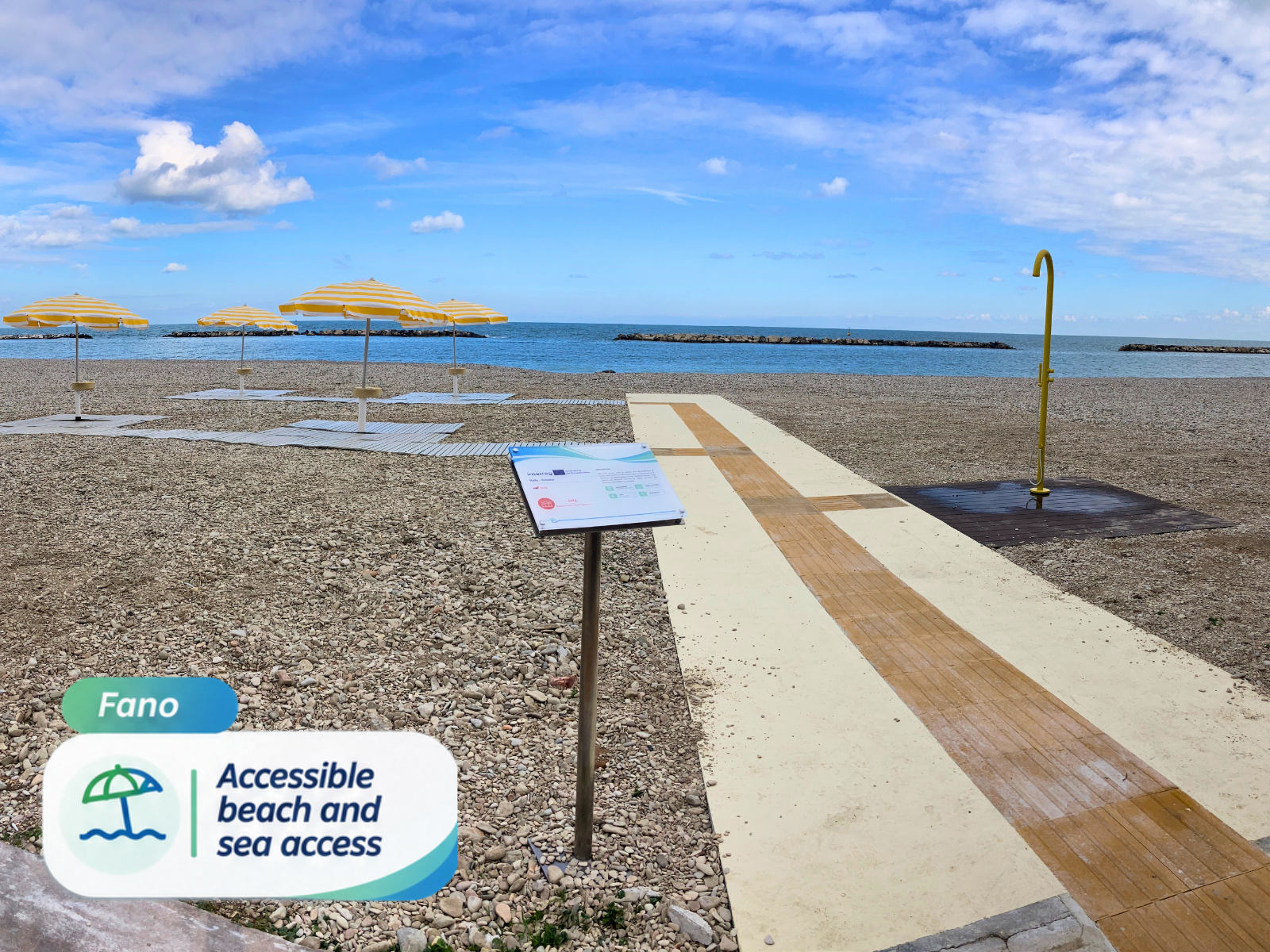
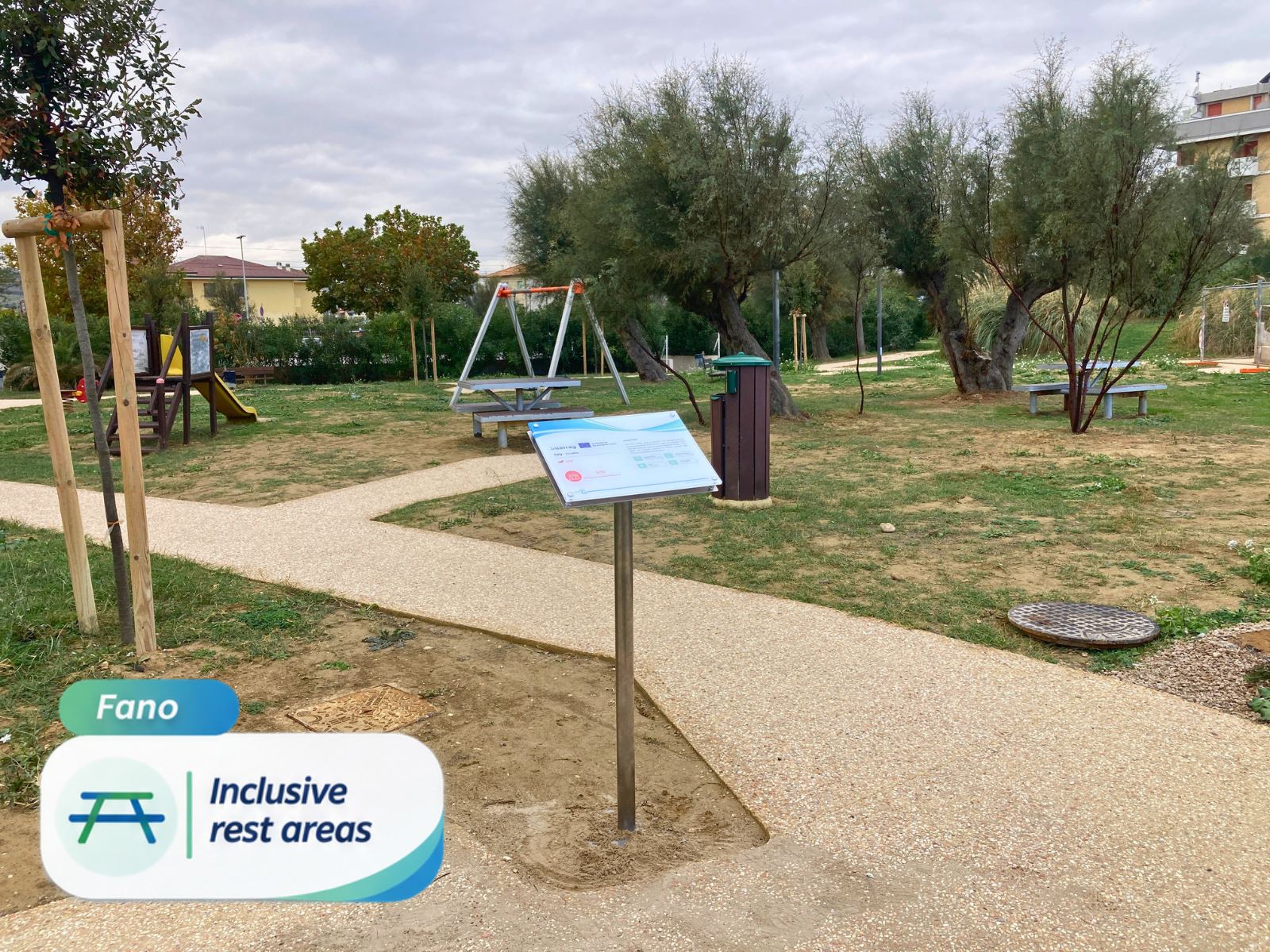
At Sassonia, a renewed platform and walkway improve access to the beach and the shoreline, complemented by a shaded area and an inclusive shower. Inclusive rest areas further enhance the coastal experience.
The pilot addressed accessibility as a continuous journey, from arrival to the enjoyment of public spaces and the sea, demonstrating how Universal Design can help create more welcoming coastal environments for residents and visitors.
Šibenik, Croatia – Making Cultural Heritage More Accessible
In Šibenik, the pilot focused on St. Michael's Fortress and the historic city centre.
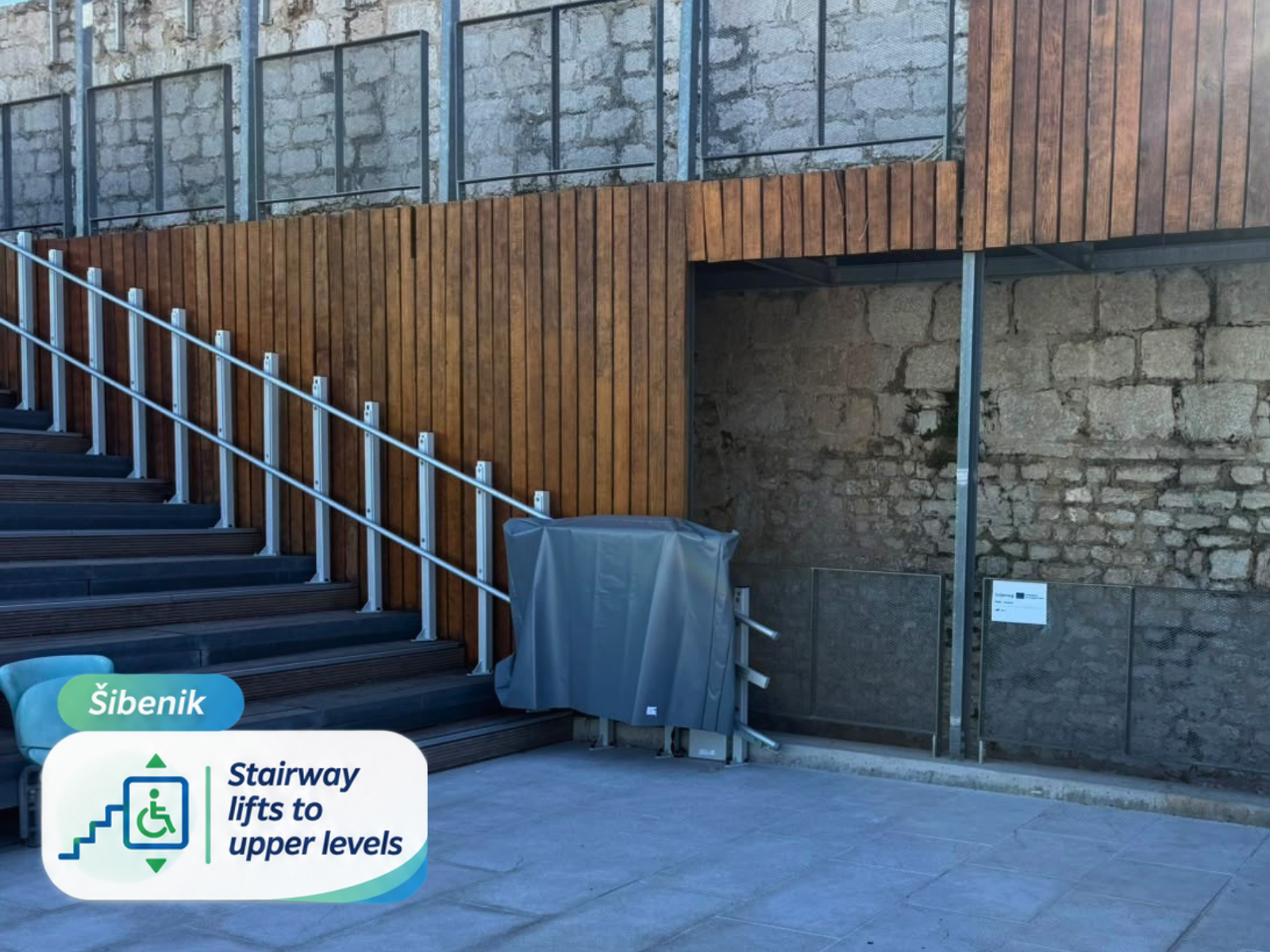
The City of Šibenik implemented two stairway lifts providing access to the first level of the fortress seating area, enhancing the accessibility of one of the city's most significant cultural landmarks.
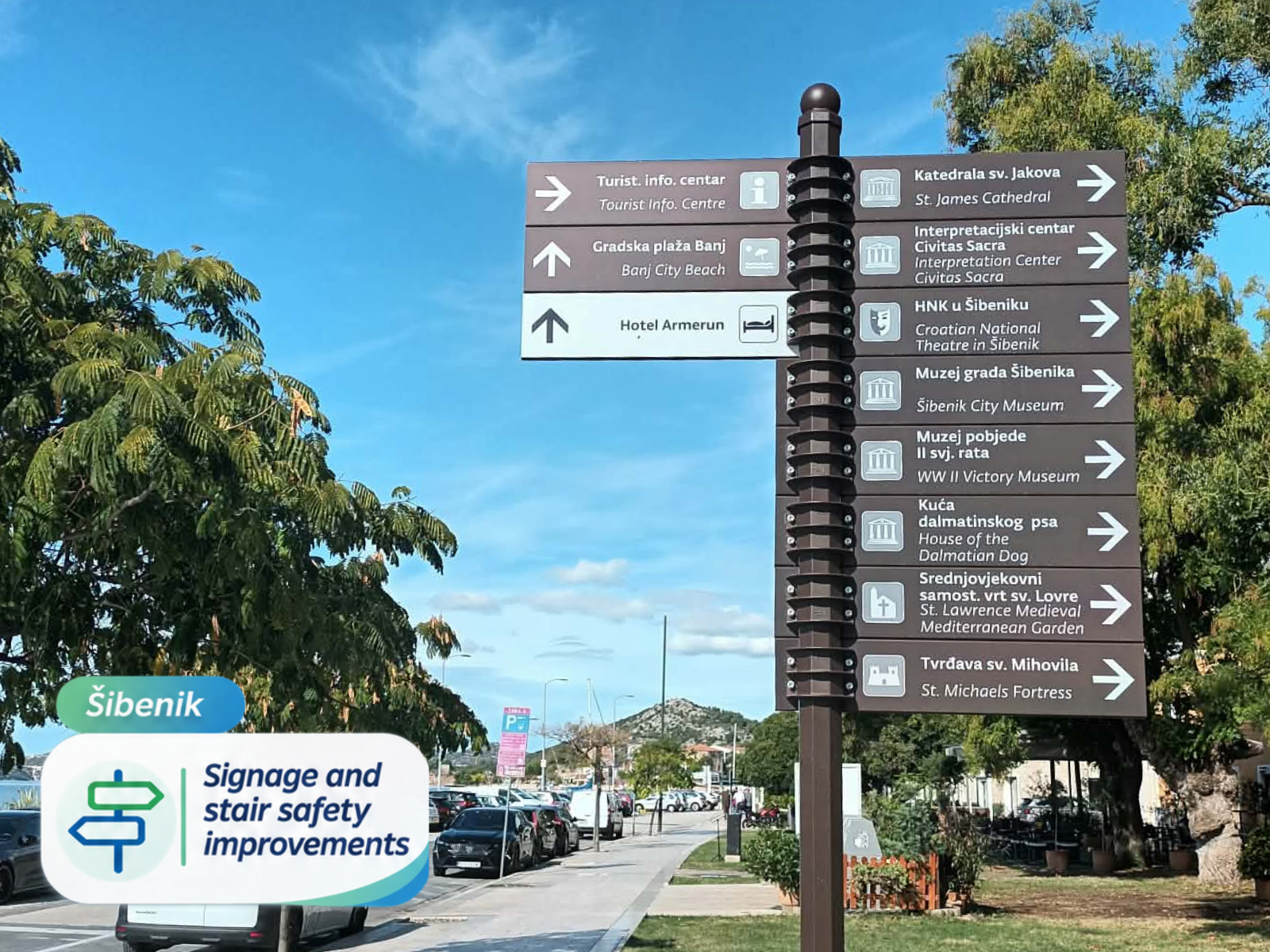
In cooperation with the Šibenik Tourist Board, the pilot also introduced renewed tourist signage in the historic city centre, designed to make information clearer, more legible and easier to follow.
These interventions demonstrate how Universal Design can be integrated into historic environments, improving accessibility, orientation and the overall visitor experience while preserving their cultural and architectural identity.
Dubrovnik, Croatia – Bringing Cultural Heritage Closer to Children
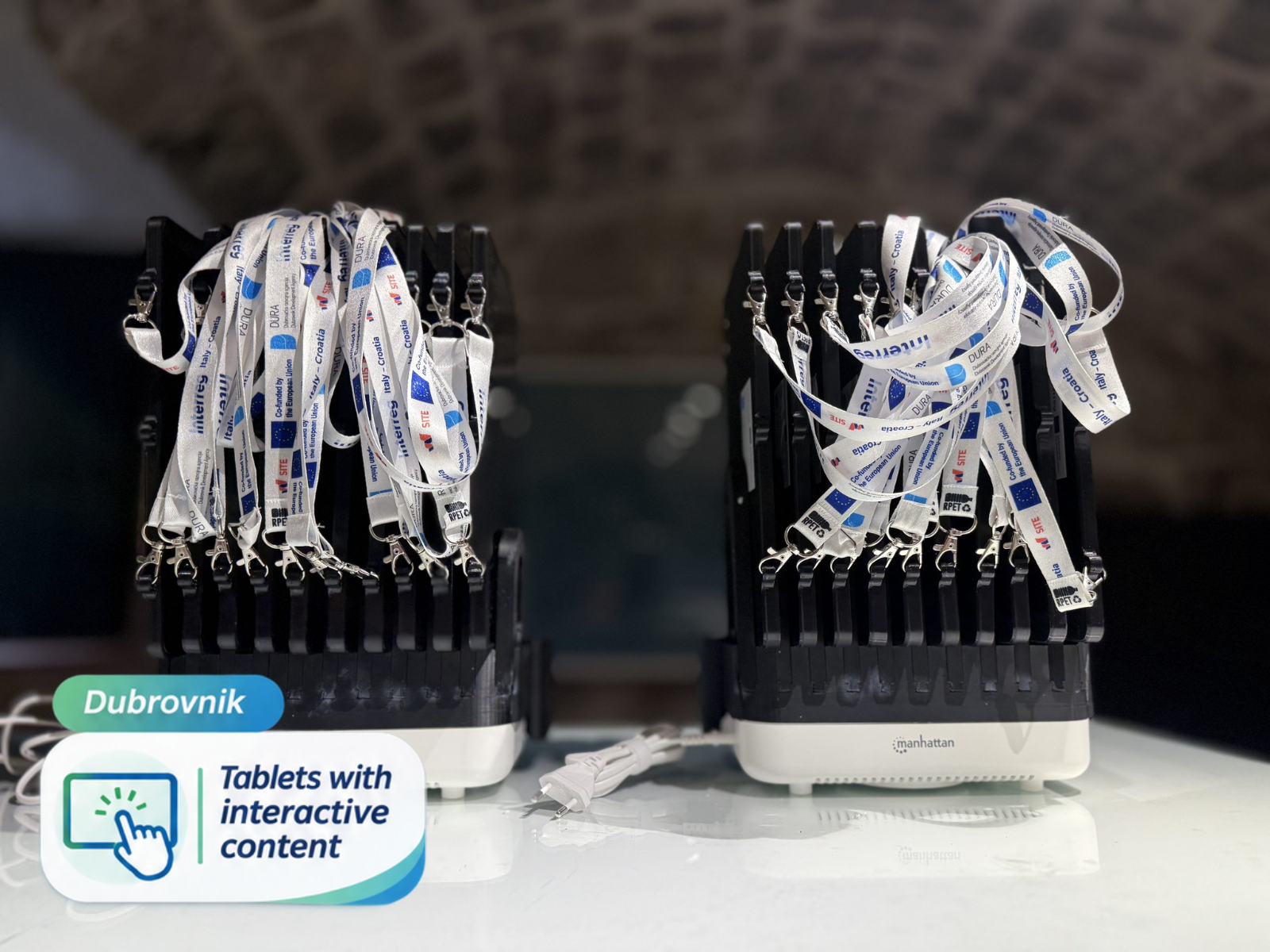
At the Rector's Palace, Cultural History Museum in Dubrovnik, the Dubrovnik Development Agency – DURA, focused on making the museum experience more accessible, interactive and engaging, particularly for children and families.
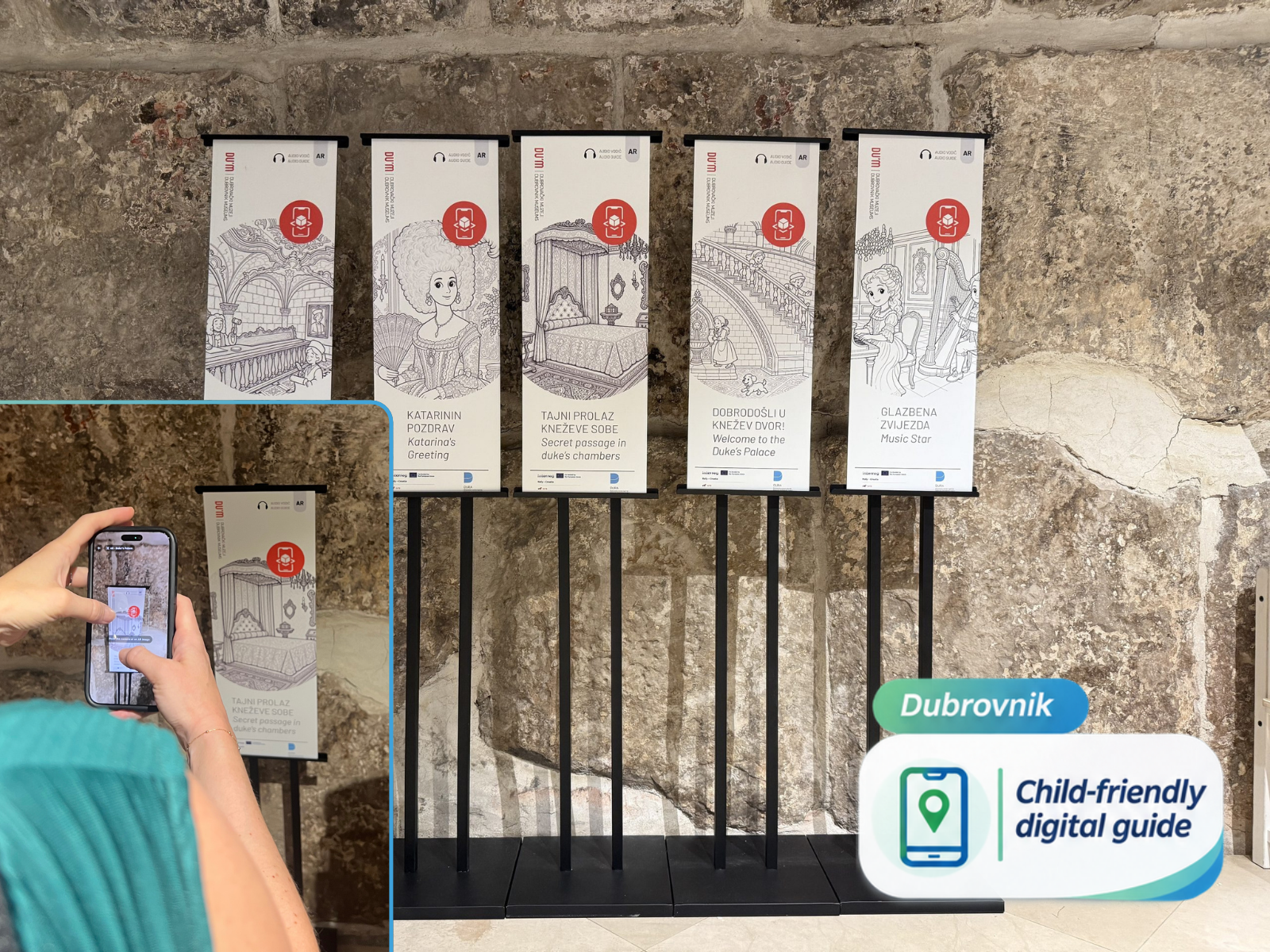
The pilot led to the development of a multimedia digital guide in Croatian and English, featuring 15 mini-games, narration, subtitles, adjustable font sizes and simplified language.
Five Augmented Reality (AR) interpretation points walk through the palace offer innovative ways to explore its history and cultural heritage, enriching the museum experience through interactive and immersive technologies.
By combining education, technology and play, the pilot demonstrates how digital solutions can complement traditional exhibitions and create engaging cultural experiences for diverse audiences.
Dubrovnik Airport, Croatia – Making Air Travel More Inclusive
At Ruđer Bošković Airport in Dubrovnik, the pilot addressed different accessibility needs throughout the passenger journey.
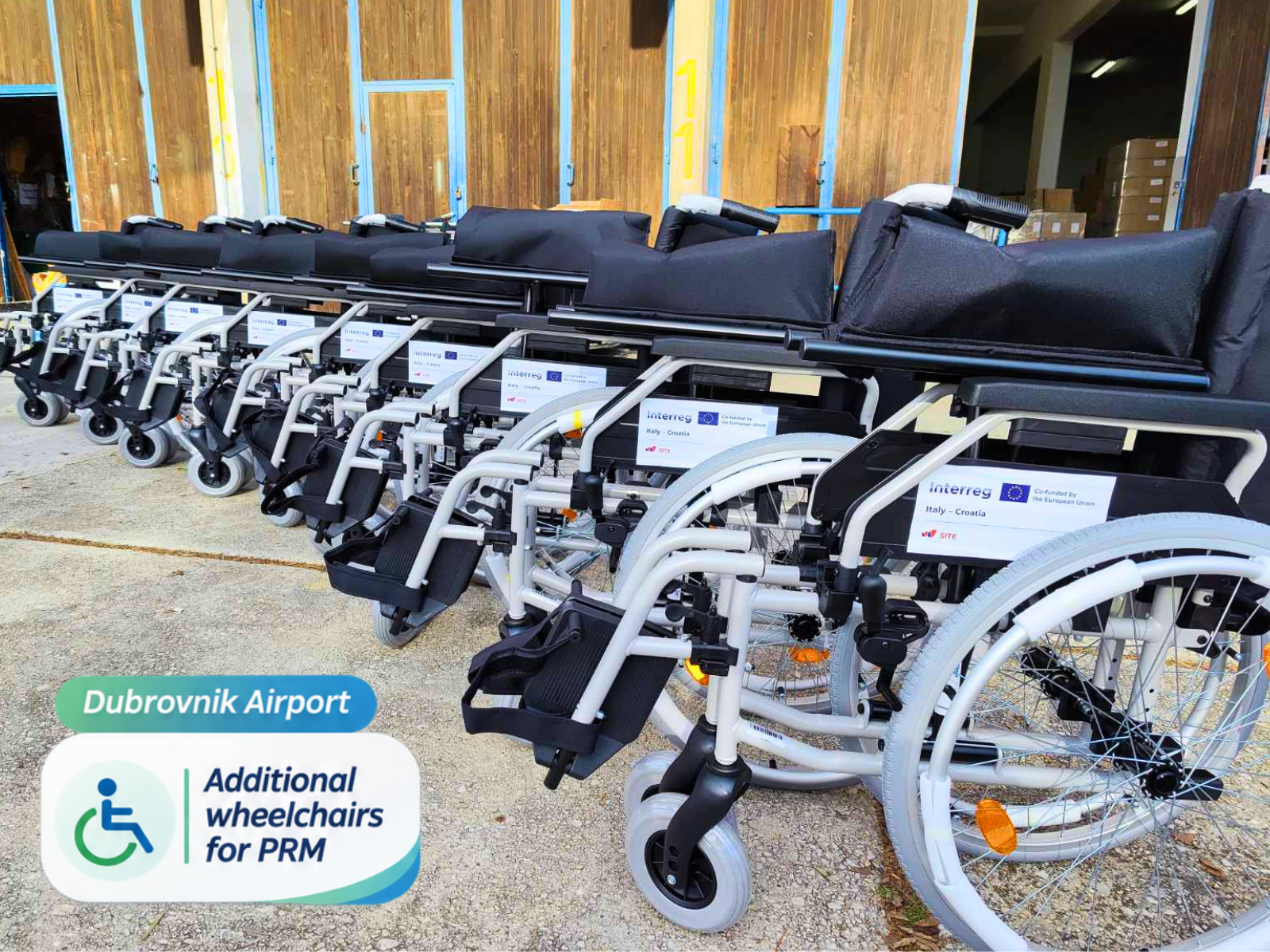
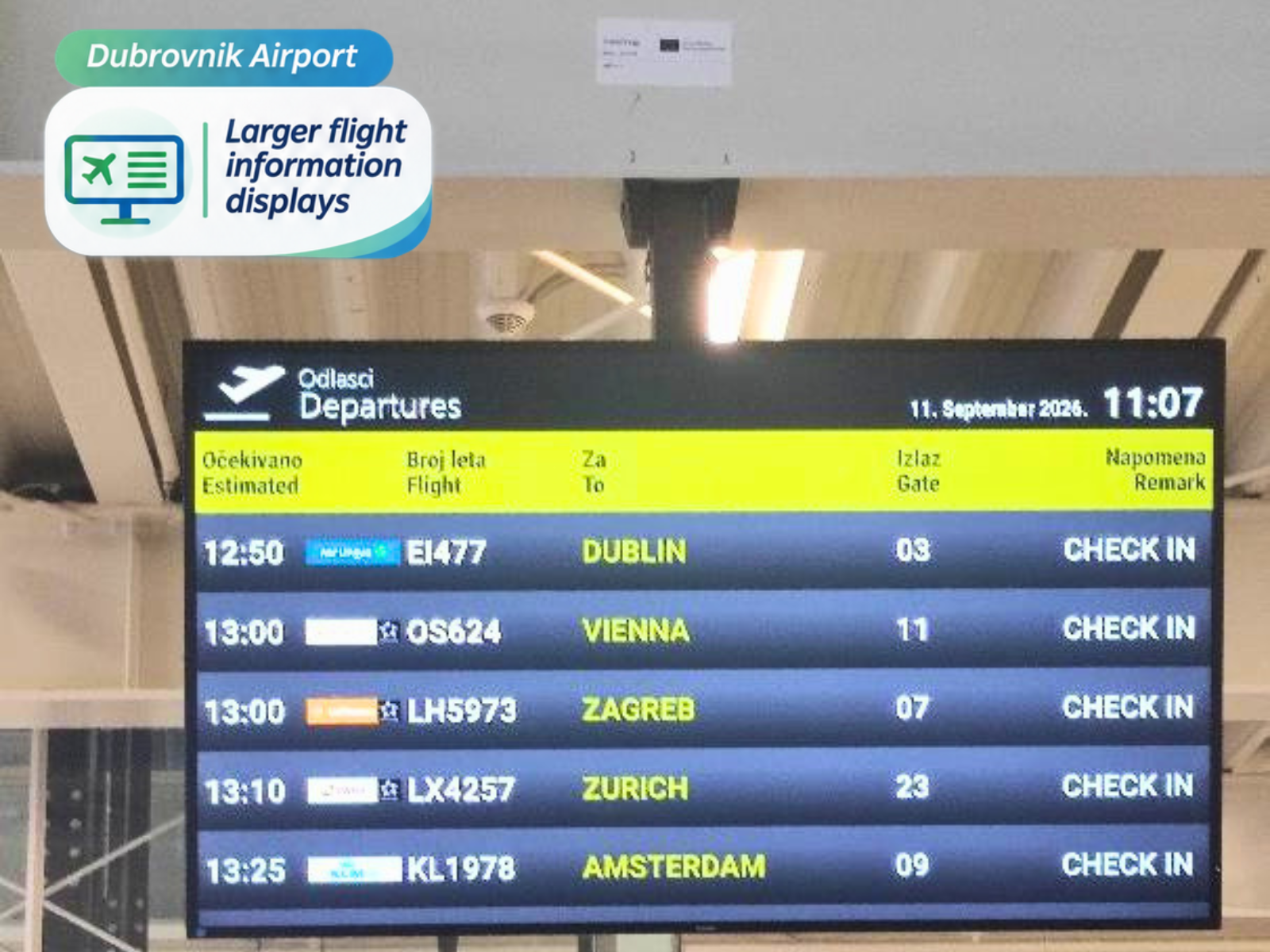
The investment included the purchase of 30 additional wheelchairs for passengers with reduced mobility and the installation of four larger Flight Information Display System (FIDS) monitors, improving the visibility of essential flight information.
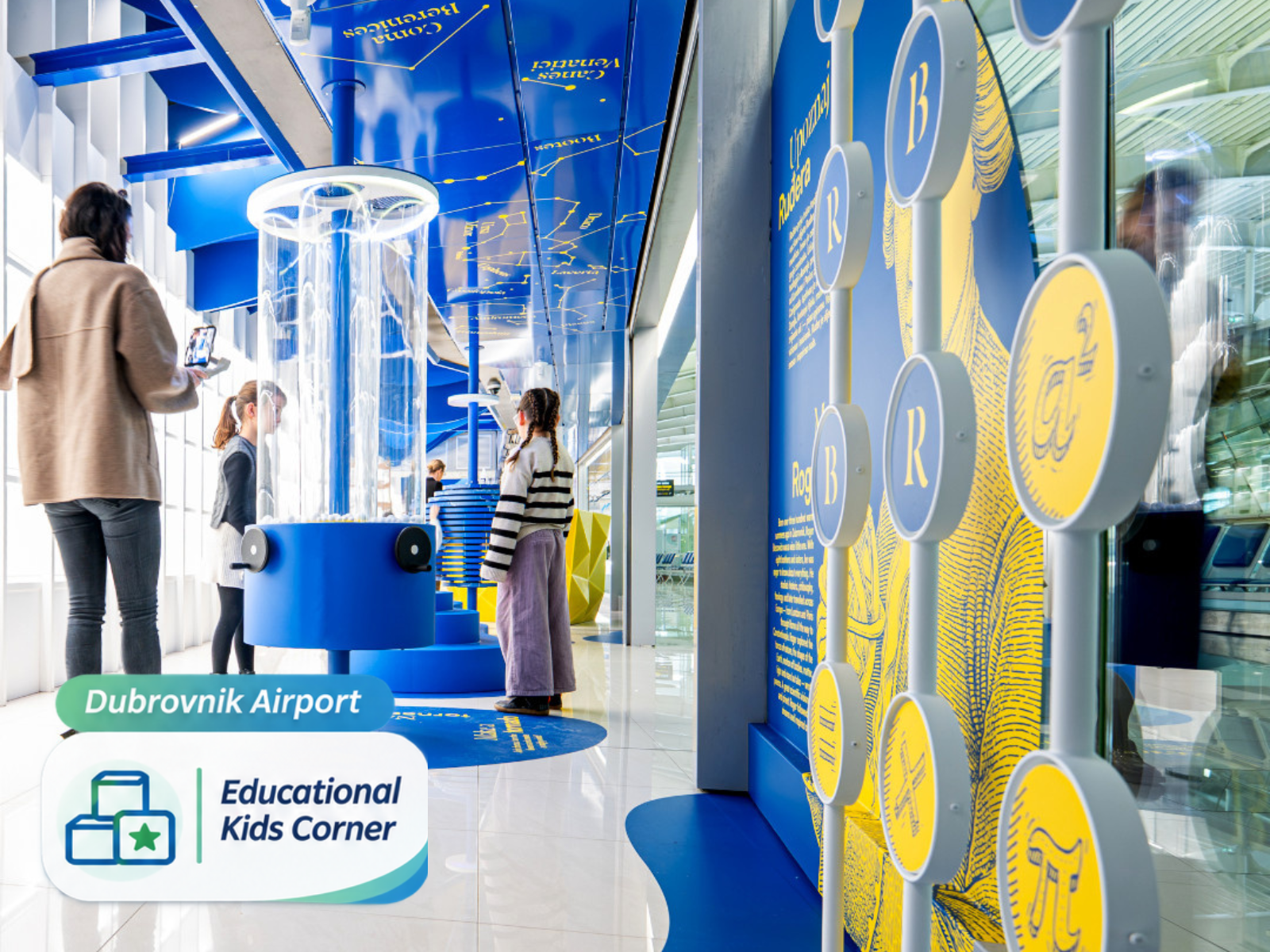
A dedicated Kids Corner was also developed, featuring five custom-made educational toys inspired by the scientific discoveries of Ruđer Bošković.
Together, these interventions support a more comfortable and inclusive airport experience, addressing the needs of passengers with reduced mobility, travellers with visual impairments, older people and families with children.
The pilot demonstrates how targeted investments guided by Universal Design can improve the travel experience for a wide range of passengers.
Beyond the pilot sites: building knowledge and capacity
SITE's achievements extend beyond its physical and digital investments.
Study visits, co-design workshops, webinars, training sessions and international events created opportunities for knowledge exchange and collaboration between project partners, tourism professionals, researchers, public authorities and local communities.
Throughout the project, SITE engaged 64 organisations across seven target group categories, and directly reached 955 members of the general public.
The SITE Hackathon, held in Trieste in November 2025, engaged young innovators in developing creative solutions for inclusive tourism.
Dedicated training activities in Trieste, Opatija and the pilot destinations supported the transfer of knowledge on Universal Design, accessible communication and inclusive tourism planning.
The project also contributed to academic and professional research, with six scientific contributions presented at international conferences, doubling the initial target of three.
A major milestone was SITECON 2026, the project's final international scientific conference, held in Opatija on 27 May 2026.
The conference brought together 72 participants from eight countries, providing a platform for sharing research findings, practical experiences and innovative approaches to accessible tourism. Its official proceedings include 32 contributions, eight of which are case studies related to the SITE project.
Together, these activities fostered a shared culture of accessibility and inclusion, strengthening cooperation and creating opportunities for the future application of Universal Design in tourism.
A legacy beyond the project: Welcoming Destination Framework
One of the most significant achievements of SITE is the development of the SITE Welcoming Destination Framework, a practical solution jointly designed to support tourism decision-makers in creating more inclusive and welcoming destinations.
Building on the experiences and lessons learned across the four pilot sites, the framework provides a structured approach based on three main steps:
-
Map the existing situation and identify accessibility needs and investment priorities through co-design with stakeholders and users.
-
Enable accessibility and ensure inclusiveness throughout the visitor journey.
-
Integrate and promote the tourist offer in an accessible manner, through inclusive communication, stakeholder cooperation and continuous staff education.
Evaluation and continuous improvement connect these steps, helping destinations develop solutions that respond to evolving visitor needs.
The framework translates the SITE Strategy into an operational approach that can be adapted by other destinations, public authorities, tourism organisations and service providers.
Importantly, the SITE Strategy has been taken up across all four pilot areas, laying the foundations for continued accessibility improvements and the long-term sustainability of the project's achievements.
The pilot investments will continue to be managed and maintained locally, while cooperation among project partners, associated partners and stakeholder networks will support the transfer and further development of SITE's results beyond the project lifetime.
The project's legacy also includes a range of transferable resources:
-
Research and assessment methodologies based on Universal Design;
-
Guidelines and materials for inclusive communication;
-
A Living Catalogue of good practices, tools and solutions;
-
Pilot action reports, case studies and evaluation tools;
-
Training materials for tourism stakeholders;
-
Scientific publications and conference proceedings;
-
Practical recommendations for destination planners and decision-makers.
These resources can help other destinations learn from SITE's experience and integrate accessibility into the planning of tourism spaces, services and communication.
The project reinforces an important message. Accessibility is a continuous journey, built on collaboration, innovation, knowledge sharing and a shared commitment to creating welcoming experiences for everyone.
Discover the SITE Project Library
The knowledge, tools and experiences developed throughout the project can support future initiatives across Italy, Croatia and beyond.
Explore the Libray Section on out website to discover the project's public deliverables, the SITE Strategy, the Welcoming Destination Framework and other resources dedicated to Universal Design and inclusive tourism.
As we celebrate the achievements of SITE, we would like to thank all project partners, associated partners, stakeholders, experts, local communities and participants who contributed their knowledge, experiences and commitment throughout the project.
Together, we have taken meaningful steps towards shaping tourism experiences that are more accessible, inclusive and welcoming for everyone.
From research to action. From action to legacy.
Because a destination designed for everyone is a better destination for all.
Photo Gallery – Universal Design in Action
Discover the pilot interventions implemented in Fano, Šibenik, Dubrovnik and Dubrovnik Airport through a selection of photographs showcasing how Universal Design principles have been translated into practical solutions.