
When data becomes action: protecting the sea and the coast
25/11/2026
BIOPRESSADRIA does not stop at collecting and analysing data on the pressures affecting several pilot sites in the Adriatic and Ionian Seas. It turns this knowledge into concrete action on the ground, and in this case we are not talking about solutions, but about environmental protection. The project's satellite monitoring of nautical traffic made it possible to identify a beach and a stretch of seabed of particular environmental value on the island of Jakljan, next to the island of Šipan, both under strong human pressure, where an intervention was needed to protect the marine habitat and the coastline. The volunteer clean-up of Veliki Jakljan Bay is a concrete example of how project data can guide new protection measures, moving from analysis to direct care for the sea and the coast.
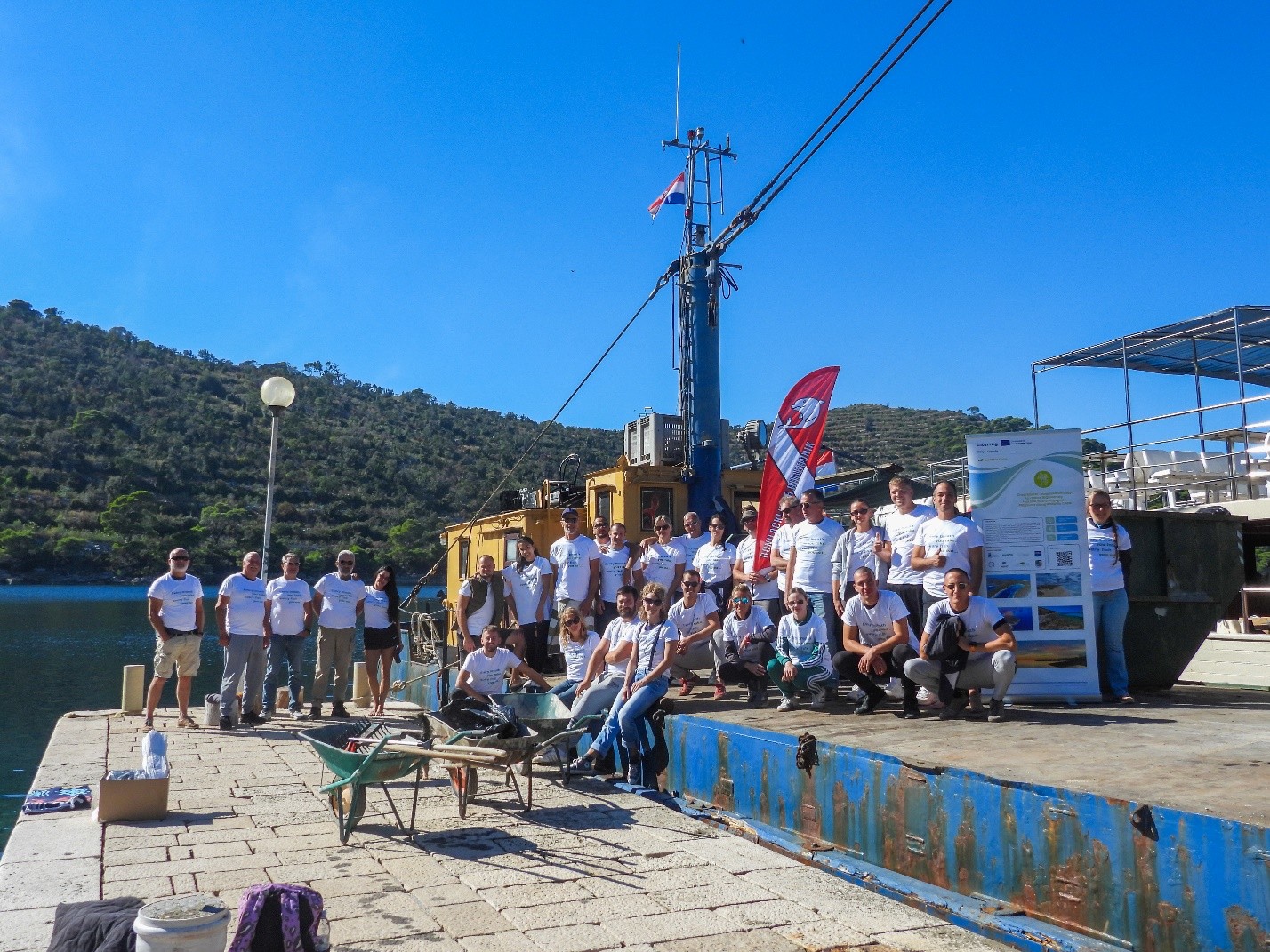
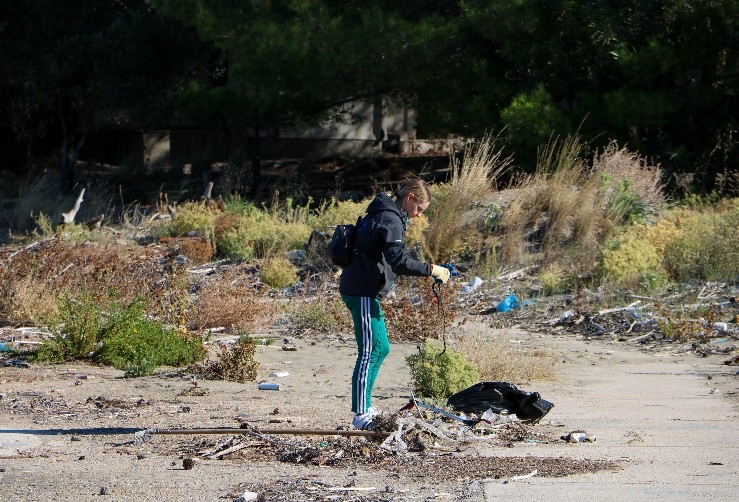
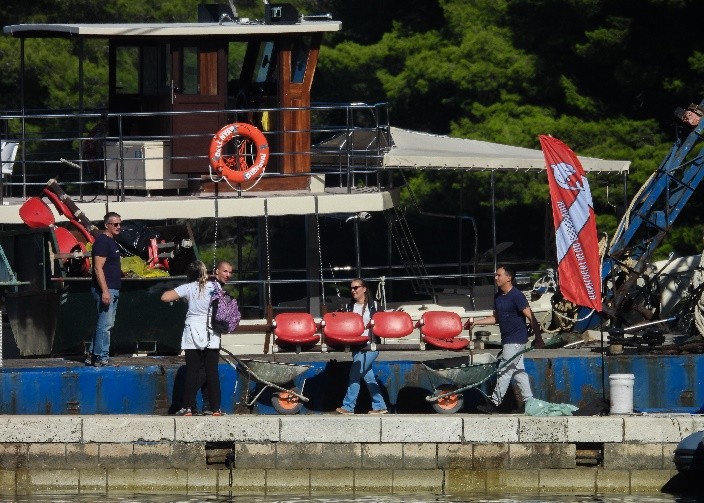
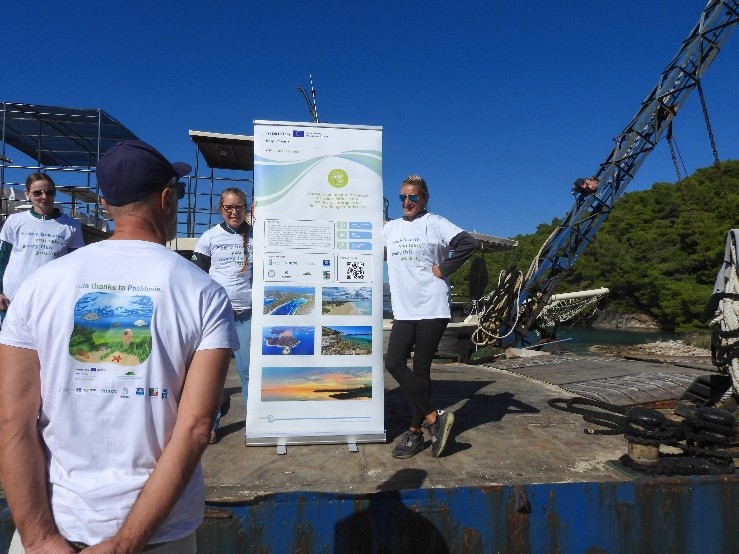
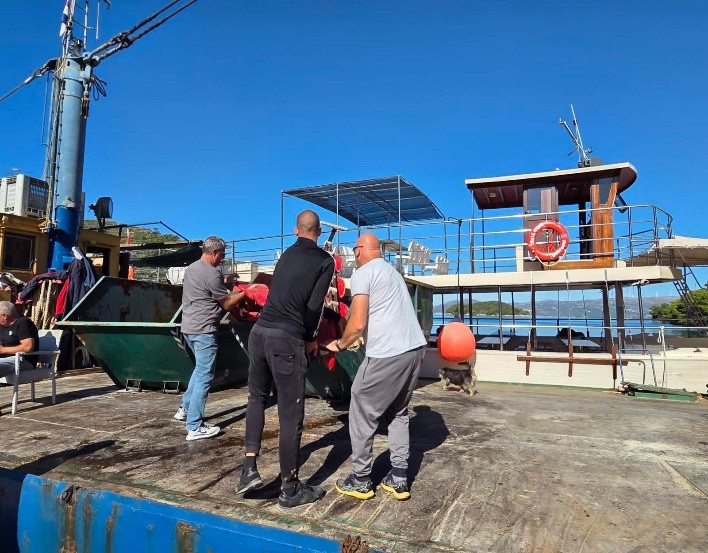
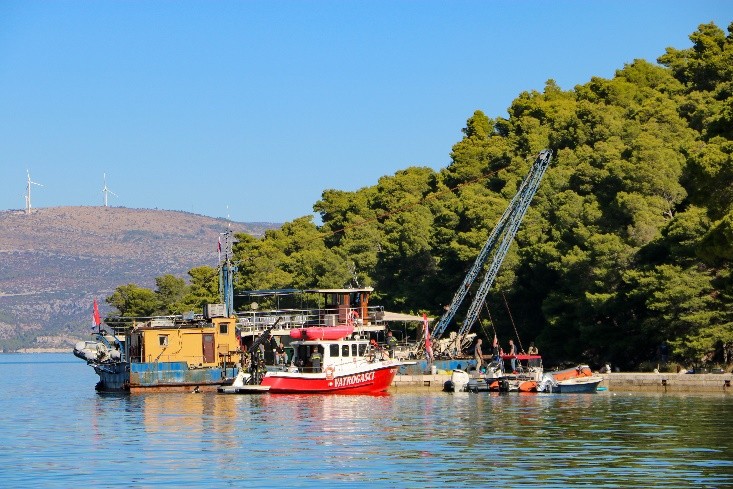
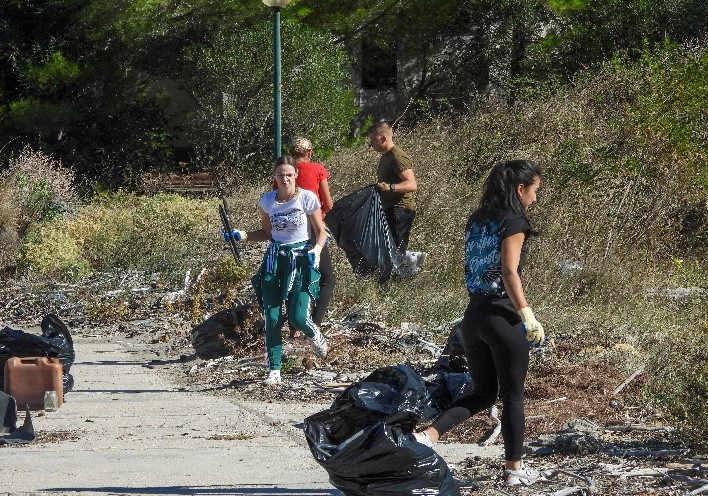
On 17 October 2026, our project partner The Public Institution Dubrovnik-Neretva County (PIDNC) organised a volunteer clean-up action of the seabed and coastal zone in Veliki Jakljan Bay, as part of the BIOPRESSADRIA project. The satellite analysis identified Jakljan as a location under high pressure from large vessels, in the absence of regulated nautical infrastructure. The action was carried out with the support of the Diving Club Dubrovnik and the Sports Fishing and Ecological Society Šijun from Slano. It also raised awareness of the impact of marine litter on marine ecosystems, in particular on Posidonia oceanica meadows. The action took place simultaneously at sea and on land. Divers from the Diving Club Dubrovnik inspected the seabed of the bay and removed the waste that had accumulated there. Meanwhile, members of the Šijun society, PIDNC staff and other volunteers cleaned the beach and the coastal strip.
Altogether, almost 12 cubic metres of waste were collected, most of it plastic waste from land. This shows how much waste accumulates along the shore, whether washed up by the sea or left behind by visitors. Waste that is not removed is easily carried back into the sea by waves, wind and rain. There, plastic breaks down into ever smaller particles and enters the food chain. Waste lying on the seabed also shades seagrass, damages its leaves and rhizomes and changes conditions on the bottom. This is particularly harmful for slow-growing Posidonia oceanica meadows.
The action contributes to the project objective of reducing the negative impacts of nautical and coastal tourism on marine and coastal ecosystems. It also helps raise awareness among the local community and visitors about responsible behaviour at sea and on the coast.