
YPACT turns youth participation into a lasting pillar of territorial cooperation
28/10/2026
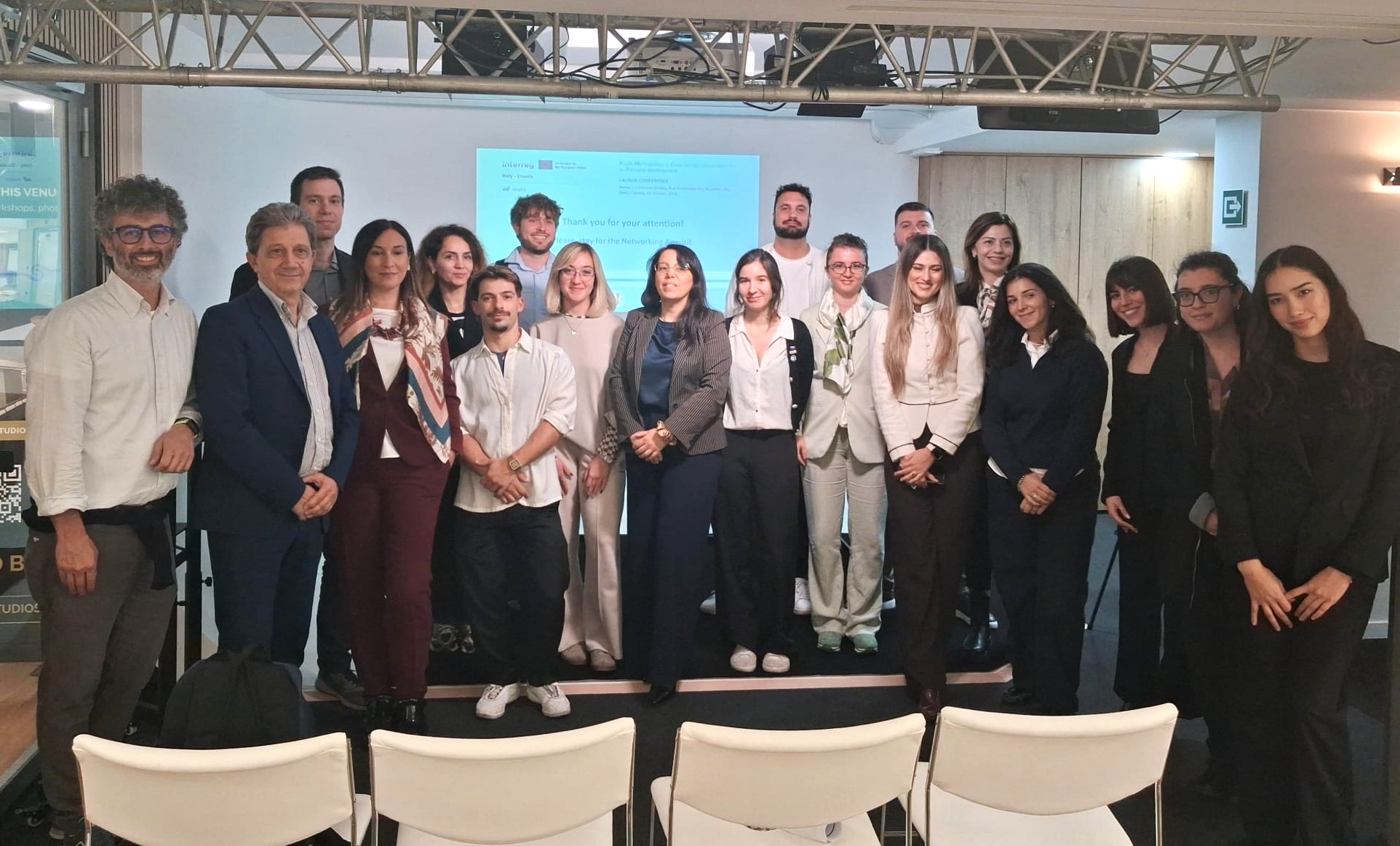
On 13 October 2026, Eurelations GEIE organised the YPACT Launch Conference in Brussels, in the heart of the European Quarter and alongside the European Week of Regions and Cities. The event marked an important milestone for YPACT as it placed the future of youth engagement in territorial cooperation at the centre of a wider discussion involving representatives of European institutions, EU-wide networks working on territorial governance, local and regional authorities, and youth-focused civil society organisations.
Beyond presenting the project, the Launch Conference in Brussels sought to stimulate a broader reflection on how youth engagement in territorial cooperation has worked so far, how cooperation governance can promote it further and make it evolve from the experienced forms of consultation and project-based engagement towards influence in territorial policy-making. The conference particularly highlighted the contribution that Interreg can make to this process. Through the Interreg Italy–Croatia Programme 2021–2027, YPACT is developing its approach within the framework of Priority 5, Integrated governance for stronger cooperation, and Specific Objective 5.1, Better cooperation governance. This provides an opportunity to explore co-creation of youth-responsive policies as conducive to a more inclusive governance and stronger cooperation between territories across the Adriatic.
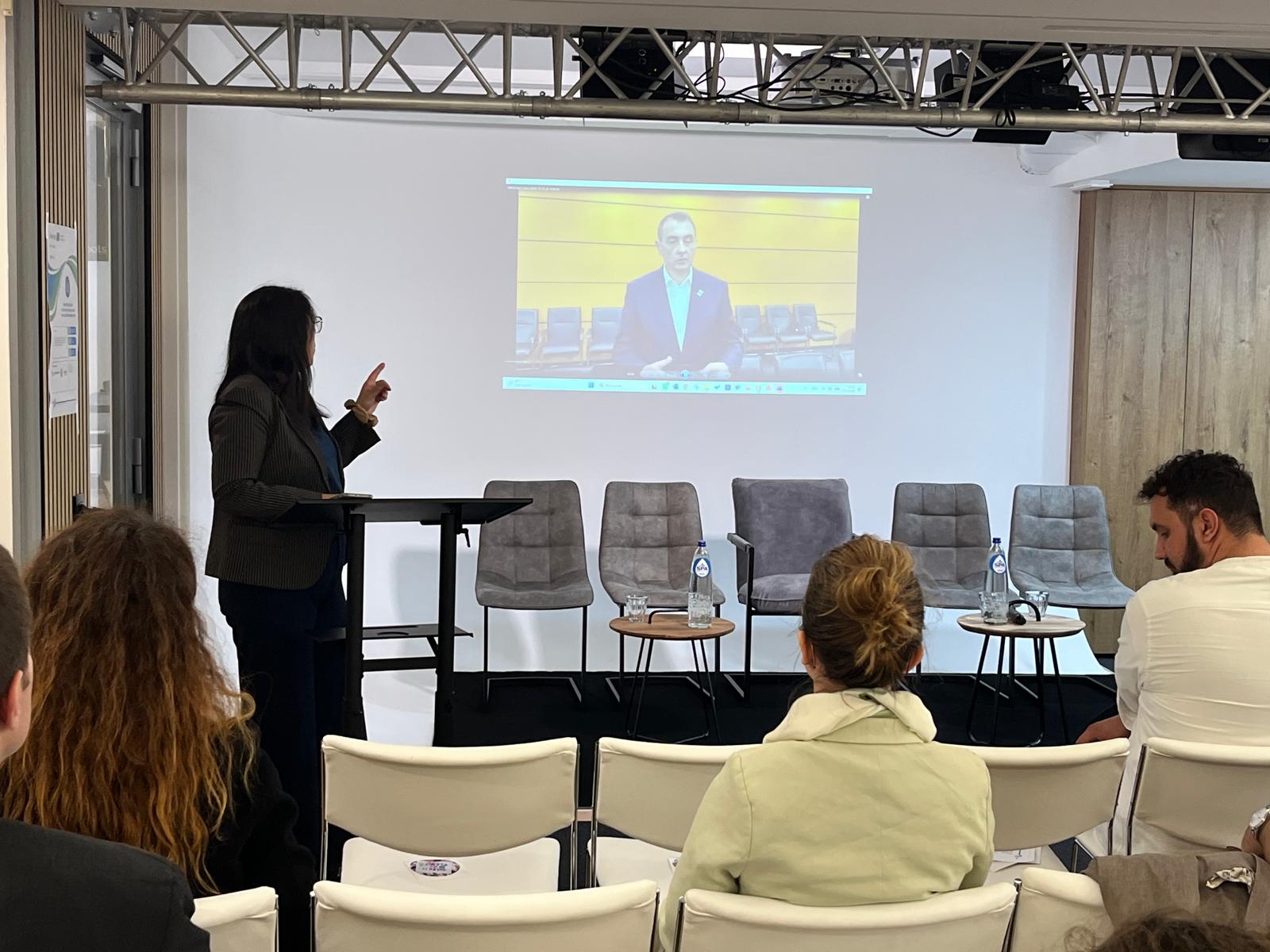
The conference opened with a video message from Aldrin DALIPI, Head of the Tirana Region and President of the Adriatic Ionian Euroregion (AIE), who expressed his support for the YPACT initiative and encouraged continued joint efforts on youth-related issues. DALIPI highlighted one of the major challenges facing territorial cooperation in the post-2027 period: ensuring that youth participation does not depend solely on the duration of individual projects, the availability of funding or the commitment of a few particularly active stakeholders. He stressed the importance of exploring how youth participation can become a cross-cutting dimension of territorial cooperation and its governance, connecting European, regional and local levels through a shared commitment.
“Working closely with and for young people for many years now, we have learned that offering opportunities to young people is not enough. The real challenge is to create the conditions that translate these experiences into real participation, effective influence and, ultimately, a recognised role in decision-making processes”. He stated.
Following the opening remarks, Maria Luisa ESPOSITO, Communication Manager at Eurelations GEIE (LP), presented the project within the broader evolution of youth engagement in European territorial cooperation. YPACT aims to strengthen the capacity of young people aged 15–30 in Italy and Croatia to understand and contribute to policy development from a youth-centred perspective, with particular attention to the United Nations 2030 Agenda, the Sustainable Development Goals (SDGs) and the circular economy. In the coming months, capacity-building activities will help young people deepen their understanding of the SDGs and explore how public policies can contribute to their achievement. They will also develop practical skills in policy analysis and policy briefing, enabling them to identify policy challenges, formulate evidence-based proposals and communicate recommendations to decision-makers. In a subsequent phase, young people will participate in policy dialogues with decision-makers, building on the identification of entry points through which they can contribute to policymaking for sustainable development.
These activities will support the development of the project’s central output: the Cross-Border Youth Pact for Sustainable Development, a strategic document to be developed in collaboration with participating young people from Italy and Croatia. As ESPOSITO emphasised, the ambition is to move beyond one-off consultations and isolated project-based activities and create clearer pathways through which young people’s knowledge, priorities and proposals can inform territorial policies.
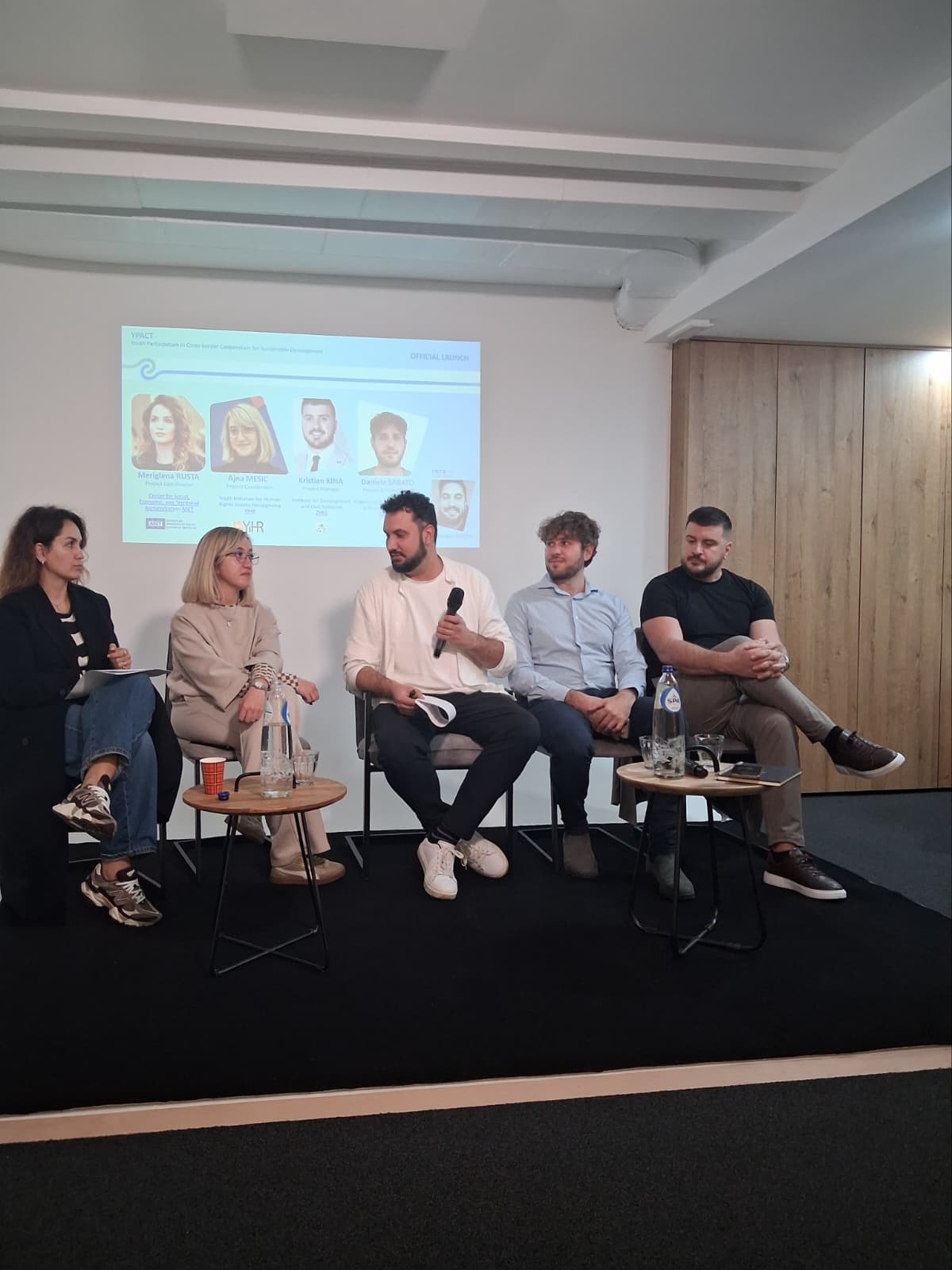
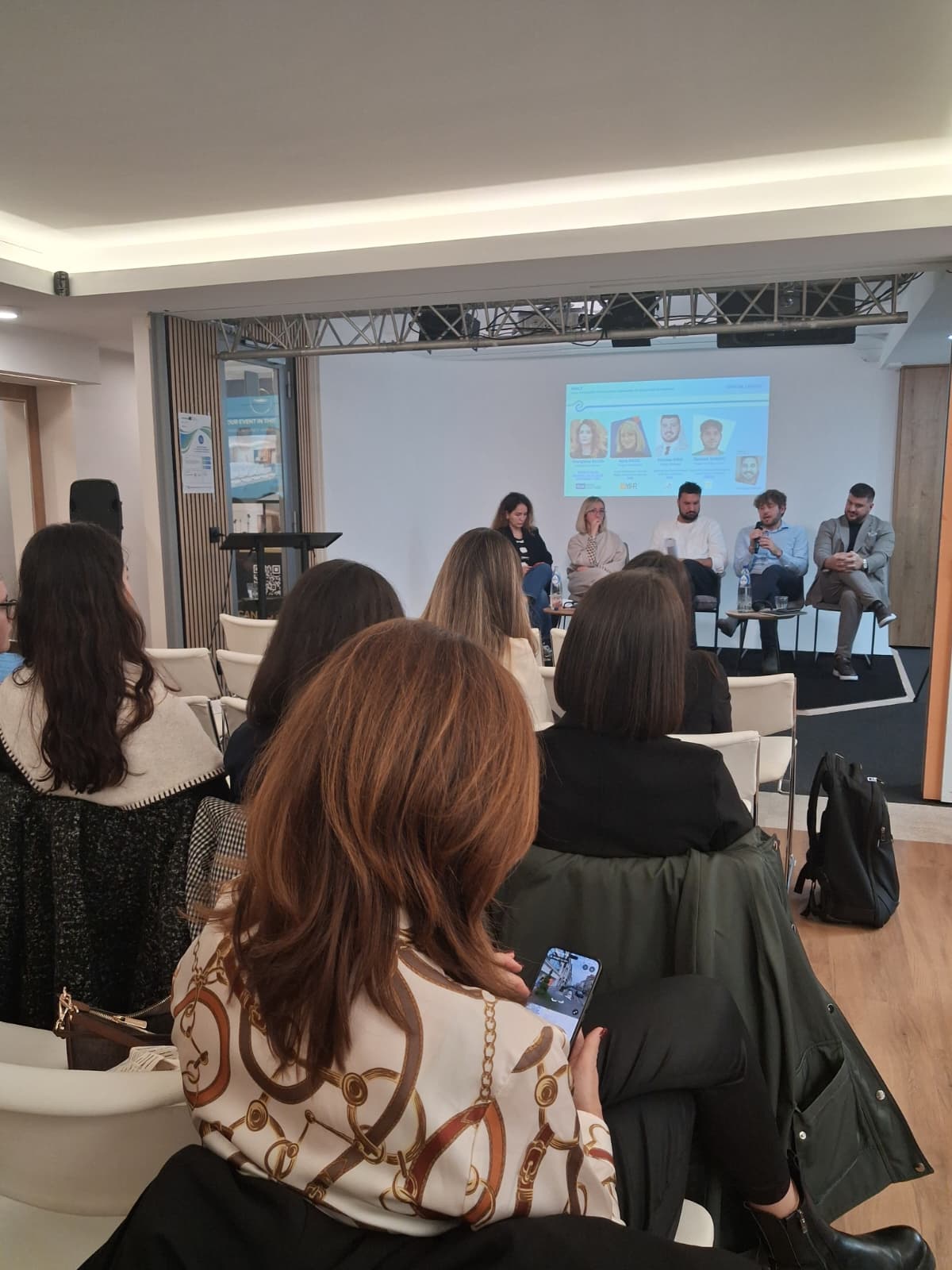
Two Networking Talks followed the presentation, highlighting both the progress achieved in youth engagement and the need to strengthen cooperation, developing creative approaches to give voice to young people. Moderated by Domagoj GORETA (PI RERA SD, PP), the session brought together representatives of four organisations working with and for young people across the EU and beyond. Meriglena RUSTA (ASET, AL), Kristian KINA (IZHIQ, AL), Ajna MEŠIĆ (YIHR, BA) and Daniele SABATO (OBESSU, BE) to discuss youth engagement across different territorial and institutional contexts.
Drawing on their organisations’ experiences, speakers explored the challenges of translating young people’s needs into policy priorities, particularly where donor requirements, short funding cycles and administrative constraints limit the continuity of local initiatives. Reflecting on Bosnia and Herzegovina, Ajna MEŠIĆ highlighted the contribution of youth councils and NGOs to advocating for entity- and district-level legislation on youth organisations. While these experiences demonstrate young people's capacity to influence institutional frameworks, she noted that “ministries and parliaments kept the final say”, underlining the gap that can remain between formal participation and meaningful decision-making power.
Despite their different experiences, speakers agreed on the need to involve young people and implementing organisations earlier in the design of programmes and priorities, and to ensure that the knowledge generated through individual projects informs longer-term strategies. While project-based initiatives offer valuable opportunities for engagement and empowerment, their impact risks remaining limited unless their results are carried forward into broader policymaking and governance processes.
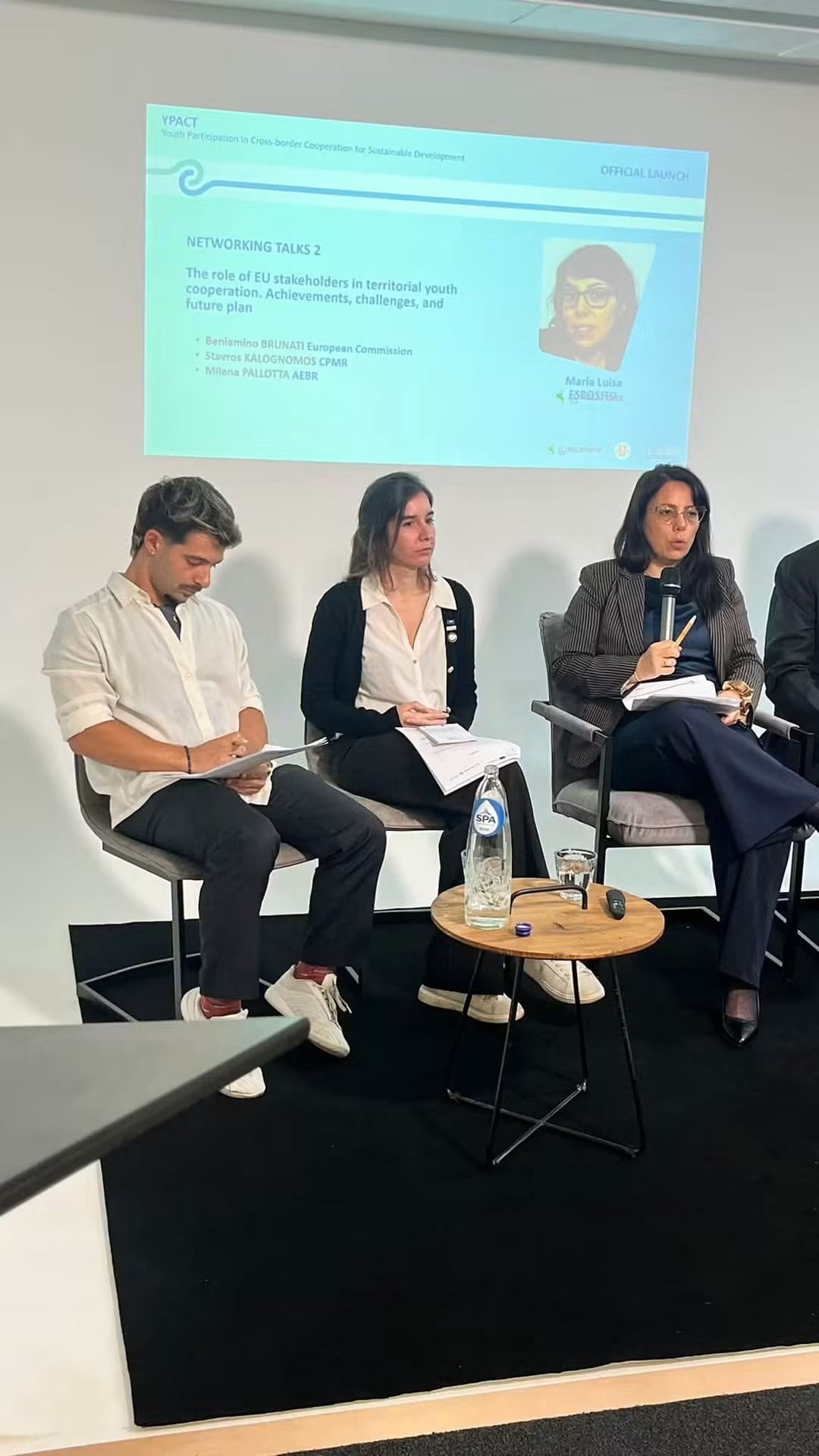
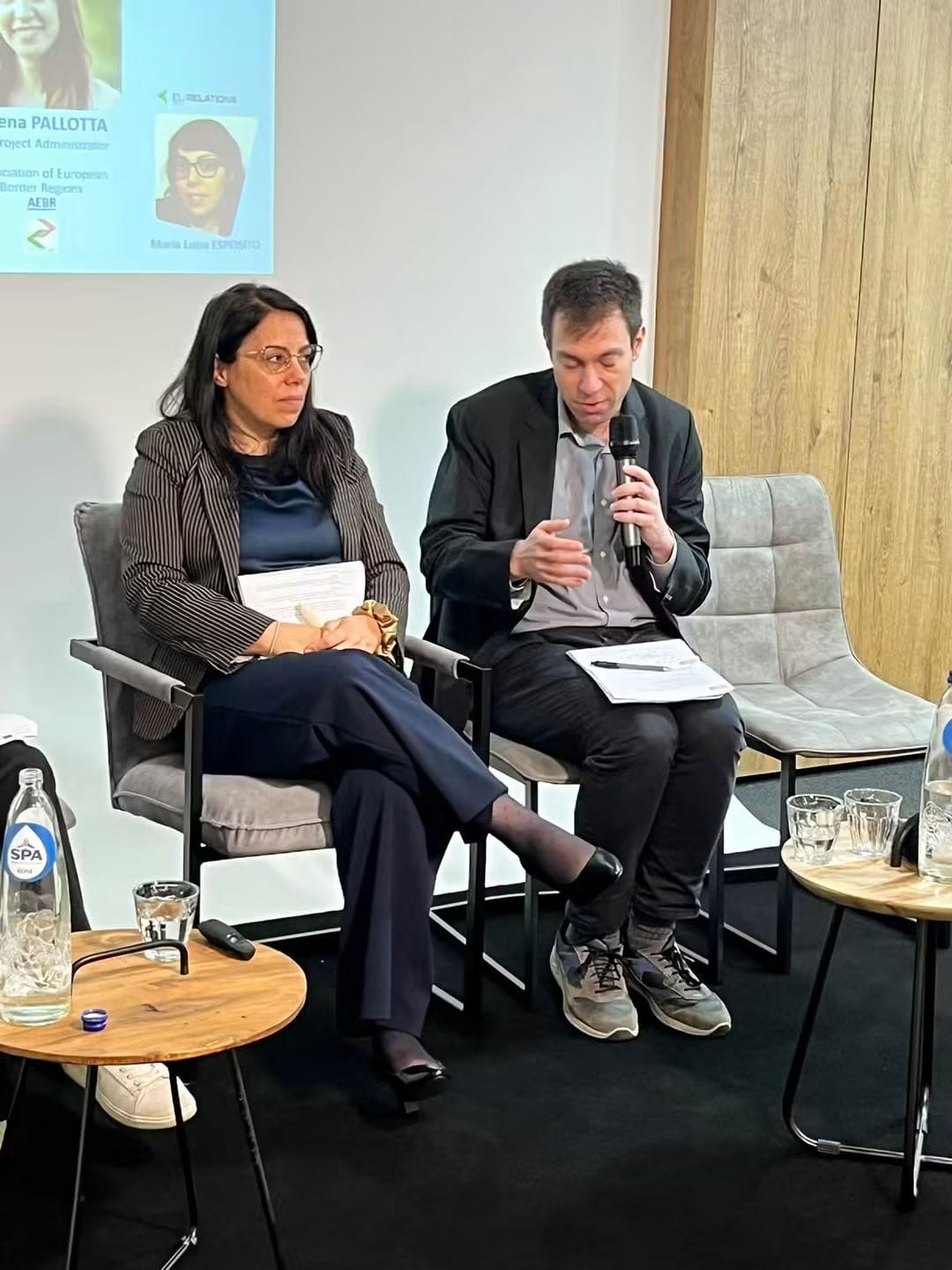
The second Networking Talk, moderated by Maria Luisa ESPOSITO, saw the participation of Beniamino BRUNATI (Directorate General for Regional and Urban Policy, European Commission), Stavros KALOGNOMOS (CPMR), and Milena PALLOTTA (AEBR). The discussion focused on embedding youth participation within multilevel governance and strengthening cooperation between European institutions, territorial networks and local and regional authorities.
Initiatives such as Interreg Volunteer Youth (IVY) and Youth4Cooperation were recognised as valuable instruments for enabling young people to experience territorial cooperation first-hand and understand how European policies translate into practice. Speakers stressed, however, that the experience, knowledge and networks generated through these initiatives need greater institutional recognition to contribute to more structured and lasting cooperation arrangements.
Milena PALLOTTA emphasised the importance of making participation concrete and accessible: “It is not enough to simply inform young people about opportunities; we need to create spaces where they can contribute their ideas, share their experiences, and see that their input can make a difference”. Beniamino BRUNATI reinforced this point, stressing the need for “meaningful inclusion in the decision-making of a policy, programme, project”, as well as outreach beyond young people already familiar with European policies and Interreg. Stavros KALOGNOMOS highlighted the EUSAIR Youth Council and the AI-NURECC PLUS Youth Forum as foundations for continued cooperation, stressing the importance of broader representation and knowledge transfer between successive youth representatives.
These experiences demonstrate the potential of existing youth structures to sustain engagement and connect young people's perspectives with territorial policy processes. Looking beyond 2027, Milena PALLOTTA called for a more systematic approach to youth participation: “We need to move from good practices that depend on the commitment of individual people or organisations towards more systematic approaches, with clear responsibilities, resources, and follow-up mechanisms".
Across the discussions, a common message stood out: youth participation cannot be secured through isolated initiatives alone. It requires continuity, accessible opportunities, adequate resources, institutional commitment and a clear connection between young people's contributions and decision-making. The experiences shared show that the foundations for stronger youth engagement already exist. The challenge is to build on their achievements while addressing persistent gaps in representation, influence, funding continuity and the transfer of knowledge.
The conference was wrapped up by Suela TAHIRAJ, Sustainable Tourism Auditor at Balkan Green (HR), bringing the event to a close highlighting the need to preserve the momentum generated by existing initiatives and turn it into more lasting cooperation practices. The strong participation in both Networking Talks, the diversity of perspectives represented and the active involvement of European networks and institutional stakeholders made the YPACT Launch Conference an important opportunity to connect ongoing efforts and identify common priorities for the future.
As YPACT moves into its core implementation activities throughout 2026 and 2027, the conference has established a clear direction for the work ahead: strengthening cooperation across governance levels, building on previous achievements and developing more structured opportunities for young people to contribute to territorial policy development. Ultimately, the ambition is not simply to increase the number of opportunities for young people to participate, but to help ensure that they become a more integral and influential part of European territorial cooperation.