
“Il Guado”, a workshop between theatre, memory and floods
15/10/2026
On 10 October, the SEDIMENTI journey continued in Faenza with Il Guado, a creative workshop organised by SOL.CO Ravenna as part of RELANDART project, led by Gianni Farina and Consuelo Battiston of Menoventi.
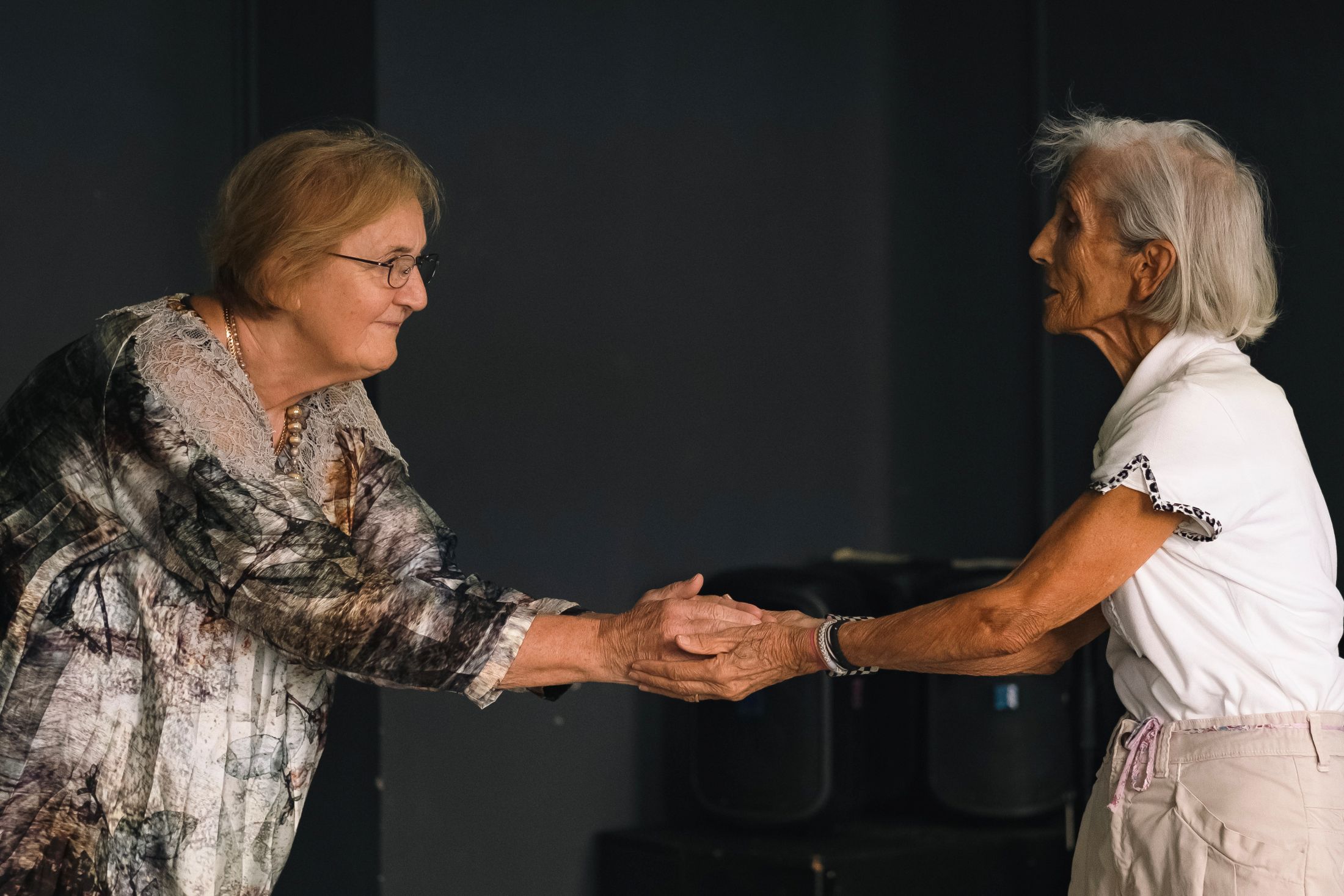
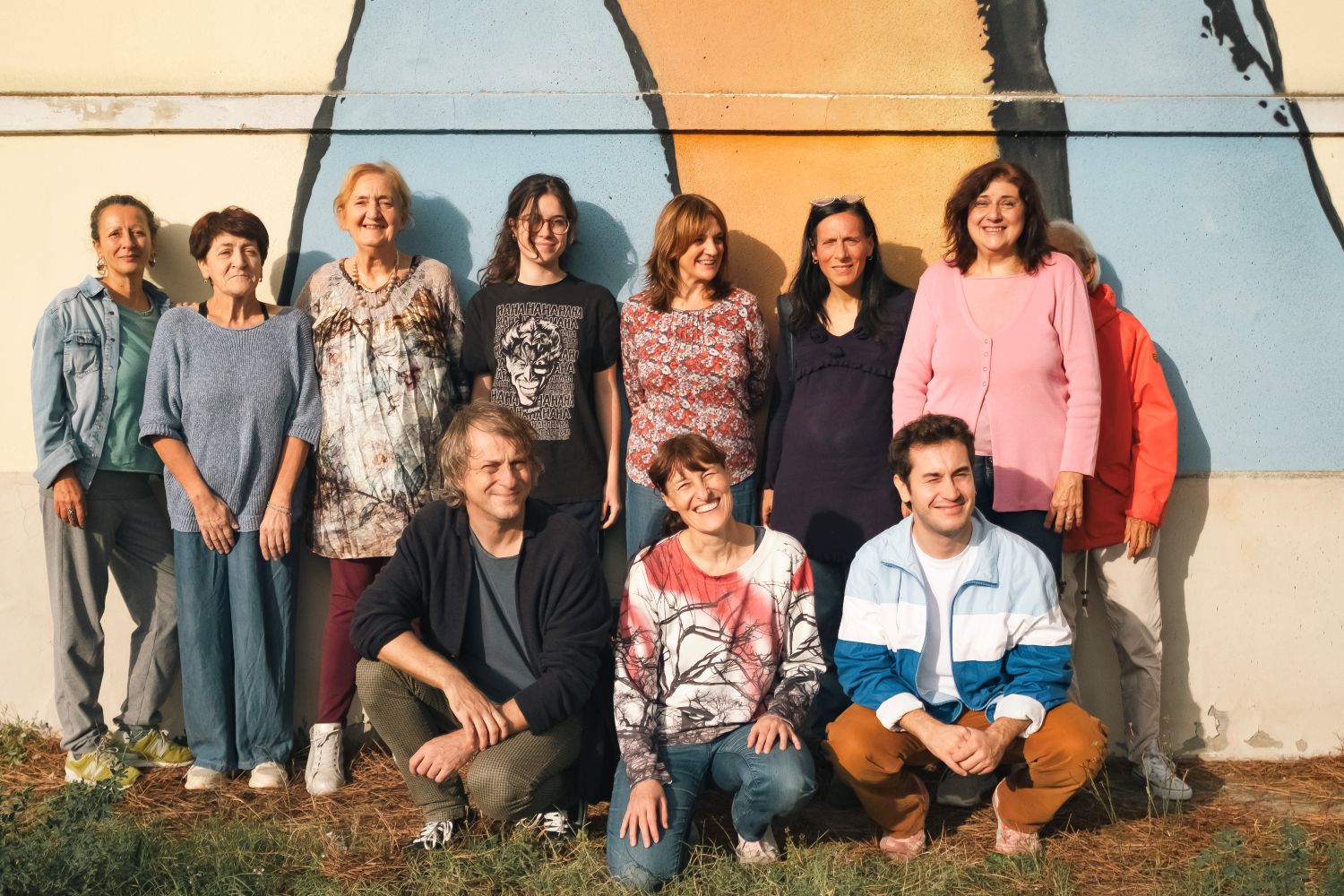
The workshop took place at Casa della Musica in Faenza and involved 12 participants in a process combining theatre, movement, voice and the shared memories of the 2023 floods.
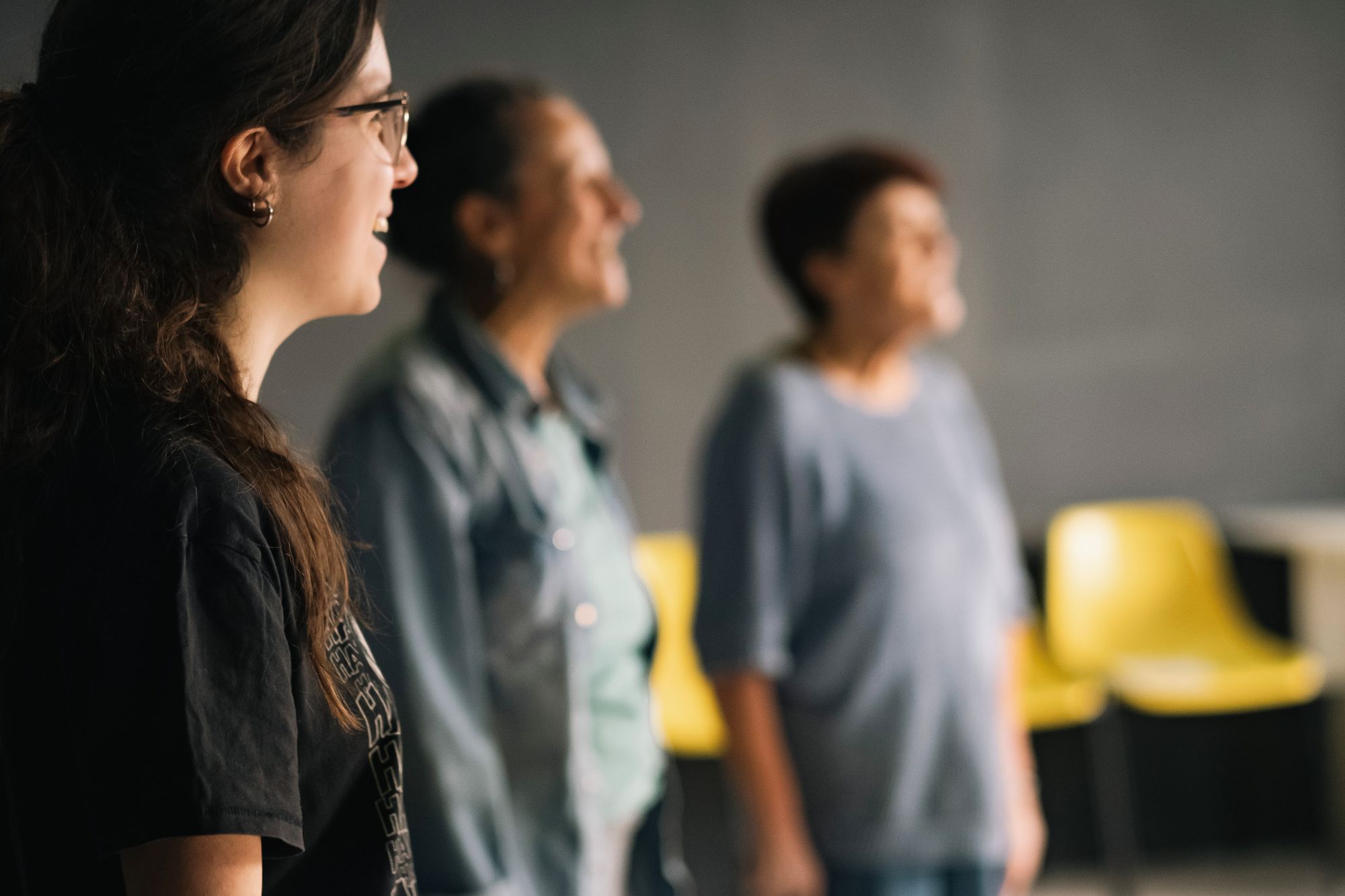
Following an introduction to the RELANDART and SEDIMENTI and to the Land Art work by Emidio Galassi that will host the final performance, participants took part in a series of physical and vocal exercises. Breathing and voice work alternated with movements inspired by the themes of the performance, including the act of crossing a ford and washing mud from one's hands.
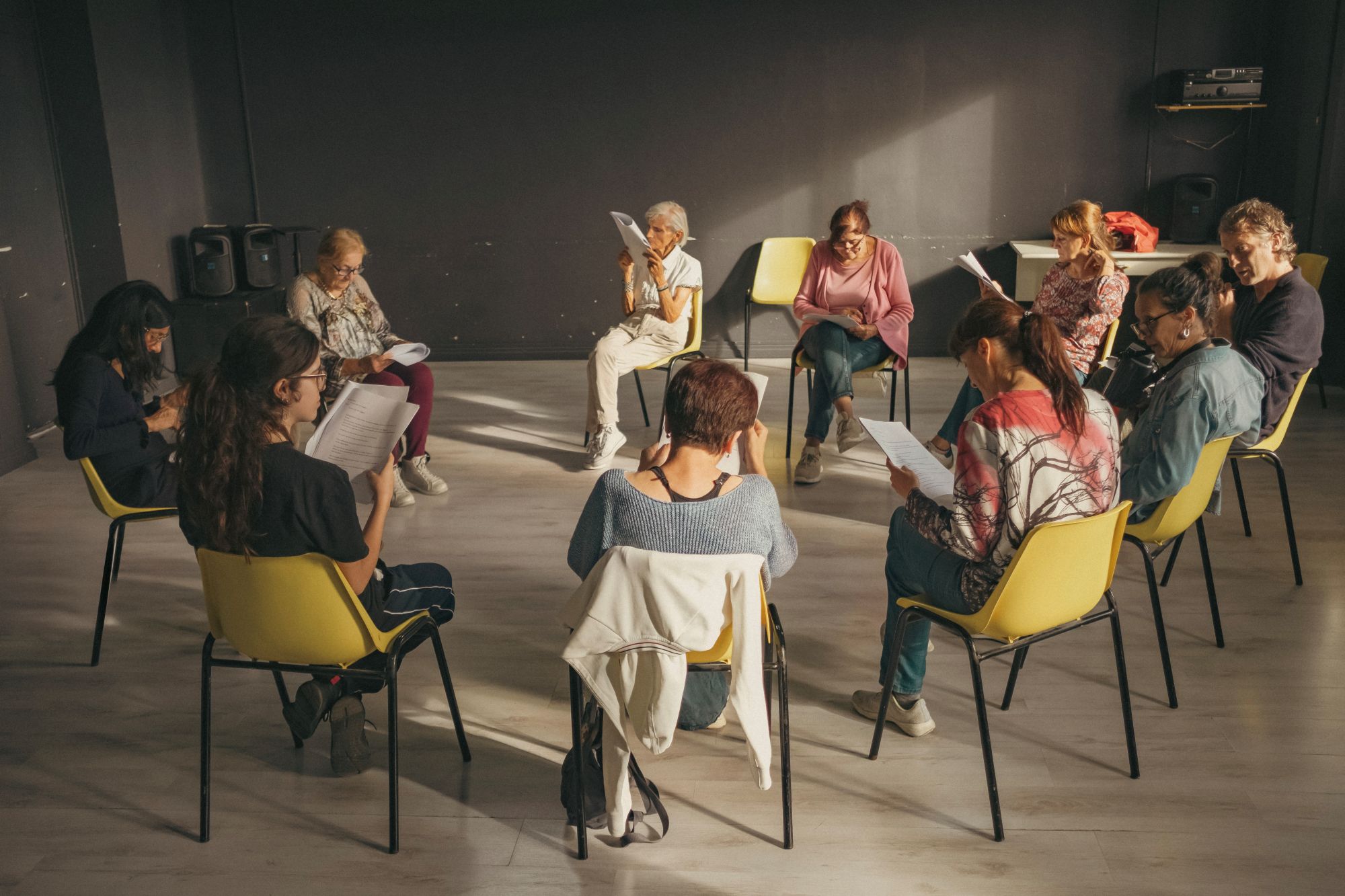
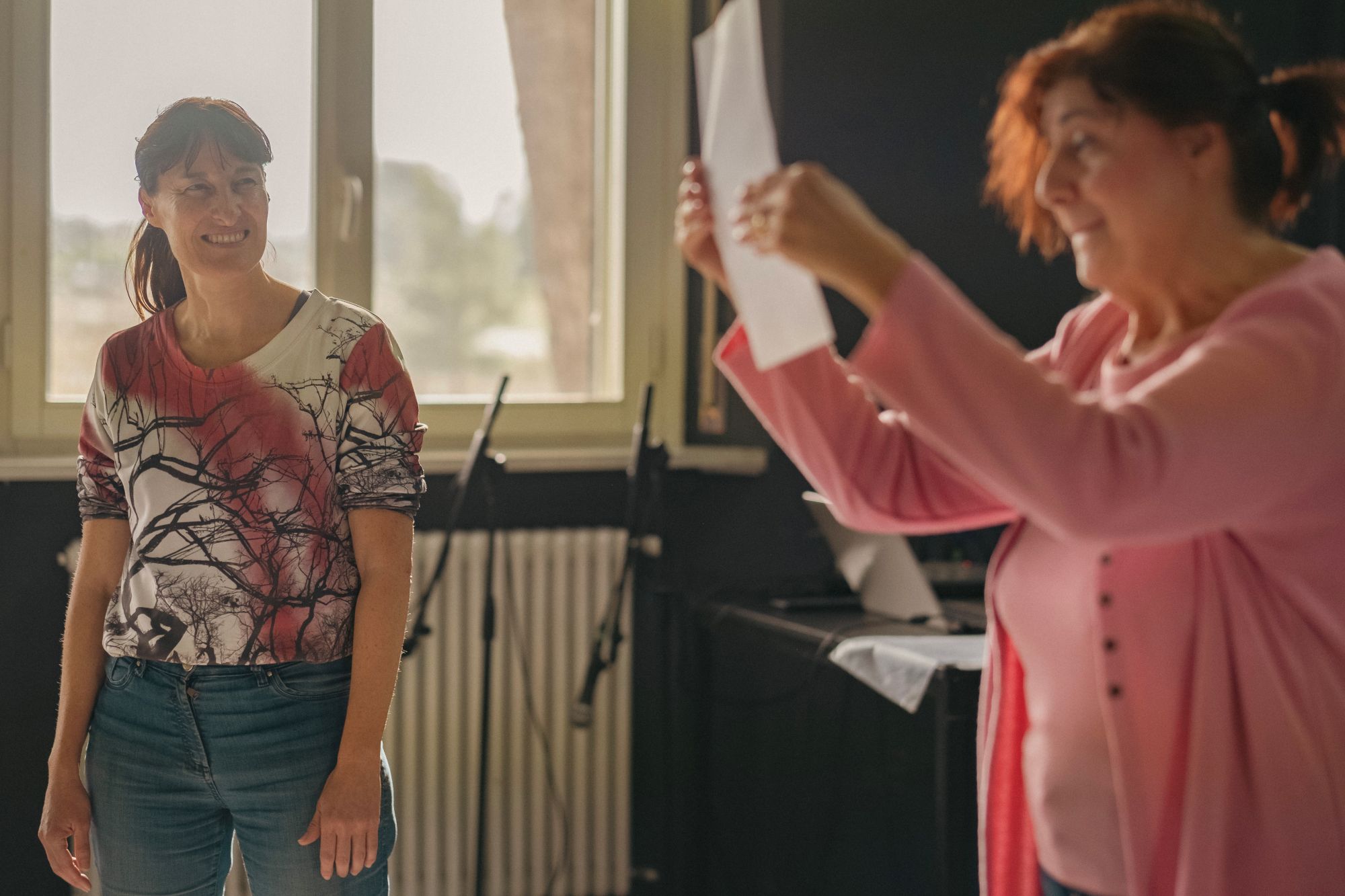
The second part of the workshop focused on the performance text developed by Menoventi from the direct testimonies collected during the previous stages of the project. Sitting in a circle, participants read the text together, alternating individual voices with collective readings.
The stories at the centre of the performance come directly from people who experienced the floods firsthand. The workshop therefore created a space where personal memories and experiences could be transformed into a collective artistic expression.
The participants will also contribute to shaping the performance itself. Actions and movements will draw on their memories of the flood and, in particular, on the solidarity and mutual support experienced during the emergency. Human chains, rescue actions and the gestures associated with emptying flooded homes will become part of the performance.
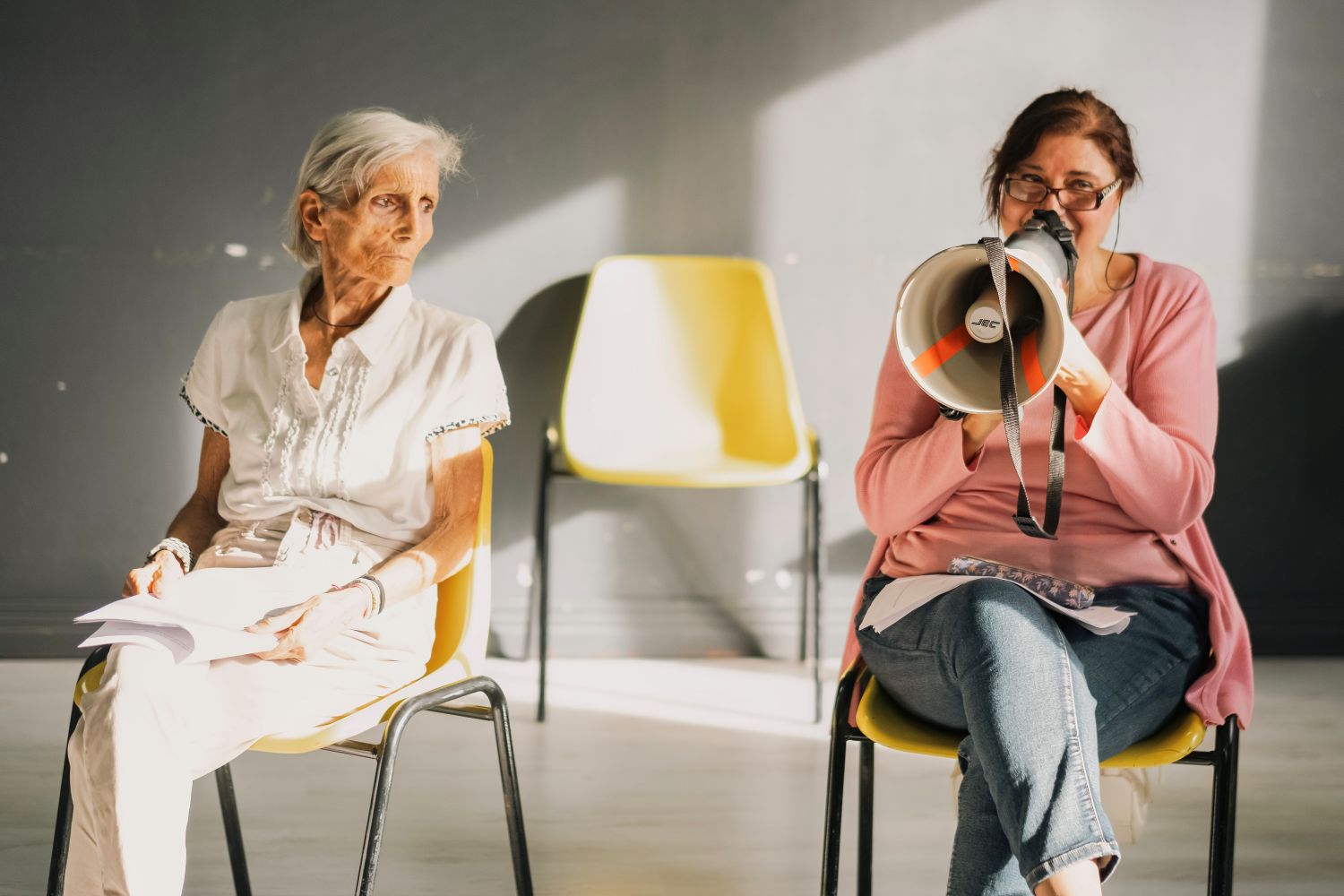
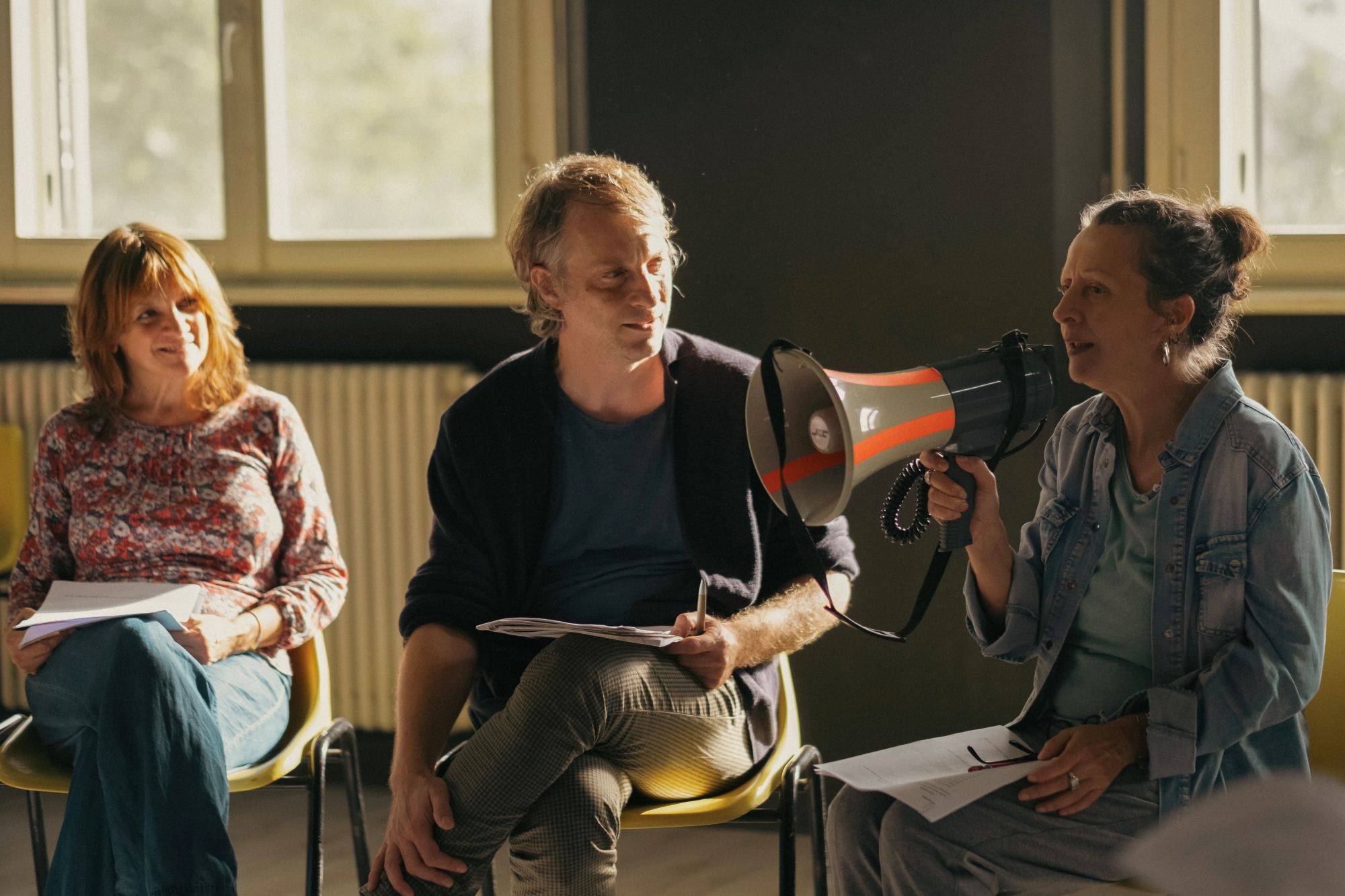
A megaphone, a powerful visual and sound symbol associated with the floods, will also be used to amplify the voices of the participants.
The workshop represents another step towards the final performance, which will take place around Emidio Galassi’s Land Art installation, a clay house created as a symbol of the flood. Theatre and Land Art will come together in a shared artistic experience, where the installation becomes a space for memories, voices and actions connected to the community’s experience of the disaster.
Ph. Federica Zani