FORTIC Final Conference Held in Pula
22/09/2026
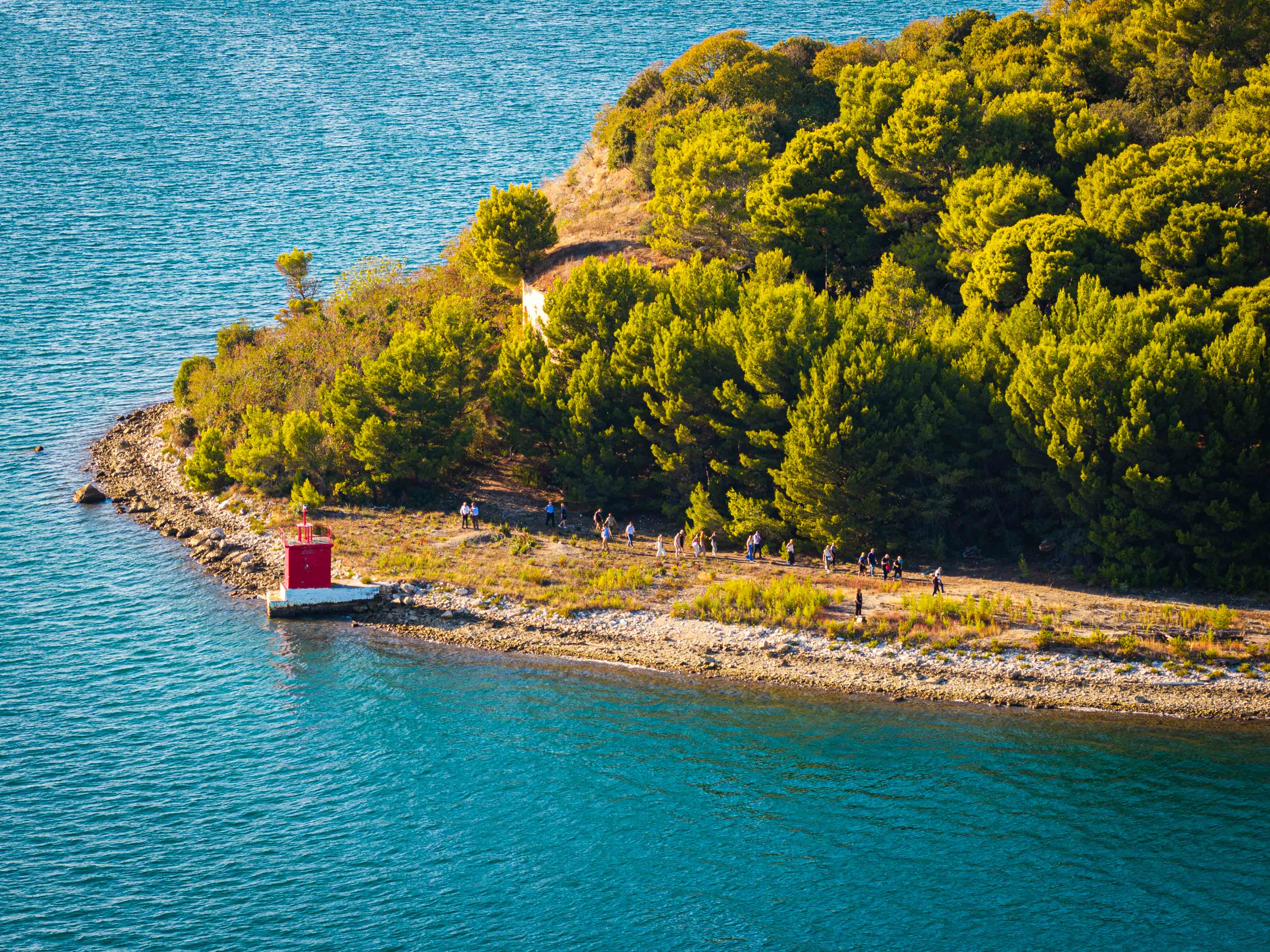
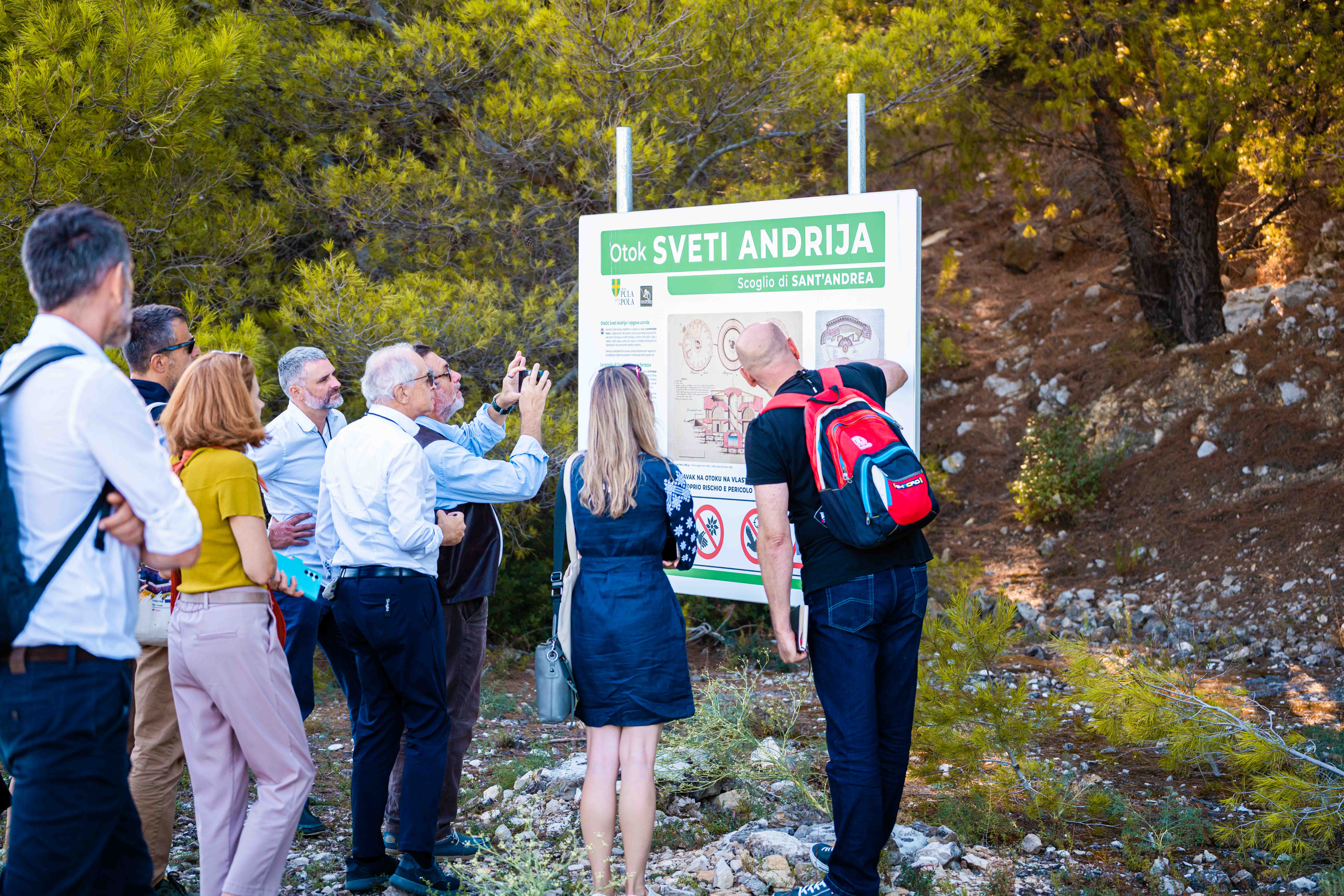
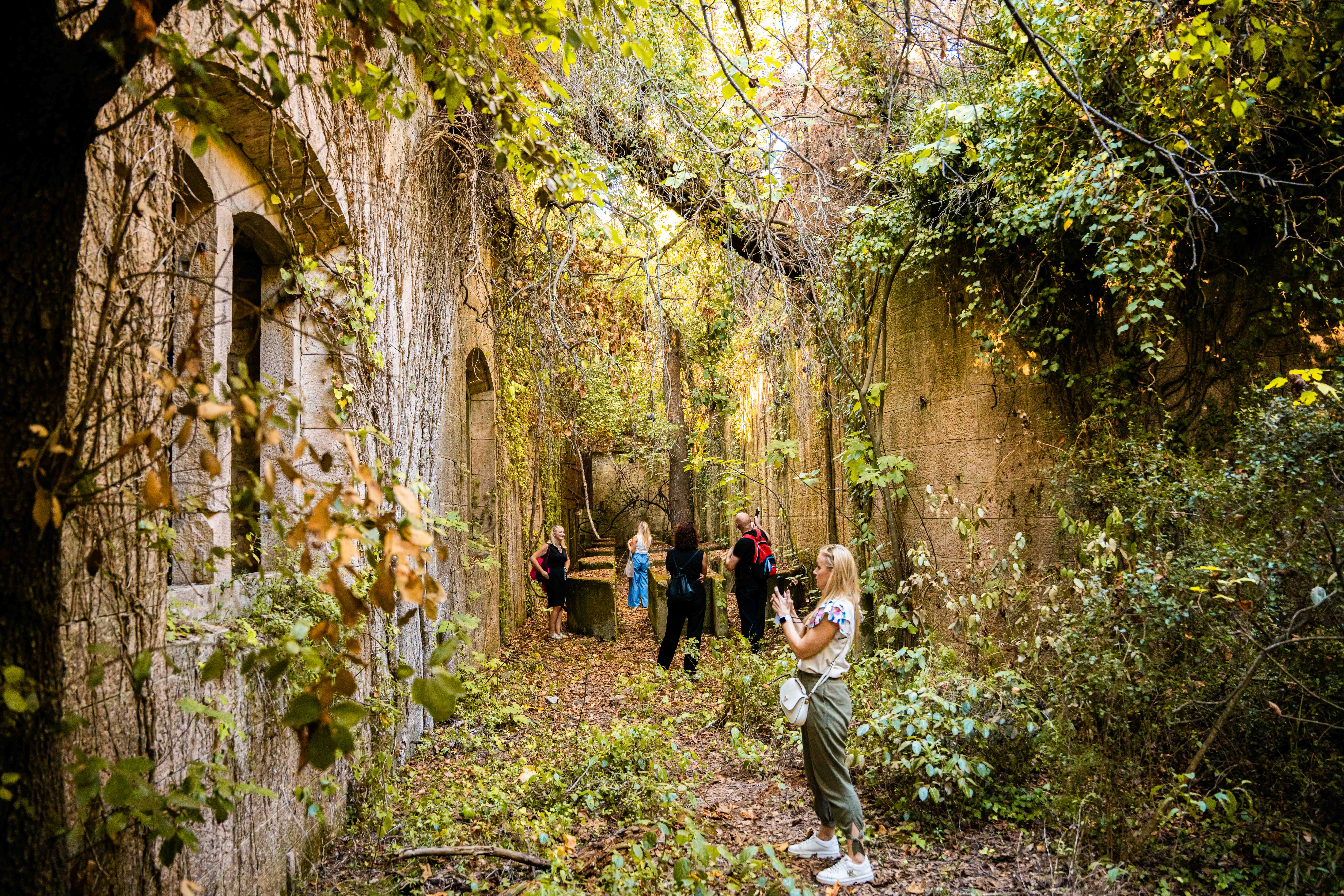
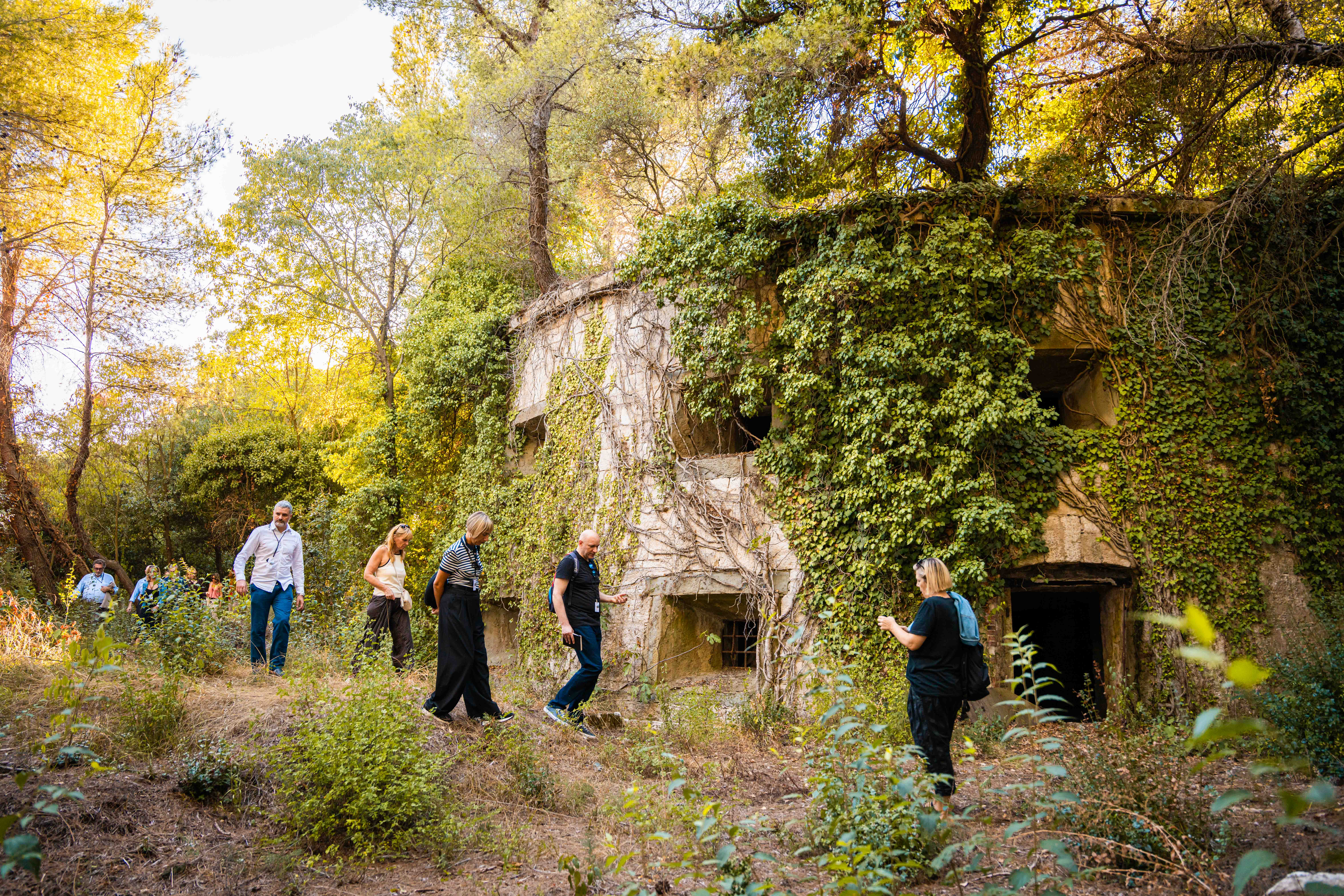
Once built to defend territories and separate people, fortifications are today being rediscovered as places that can connect communities, tell new stories and become part of a more sustainable future.
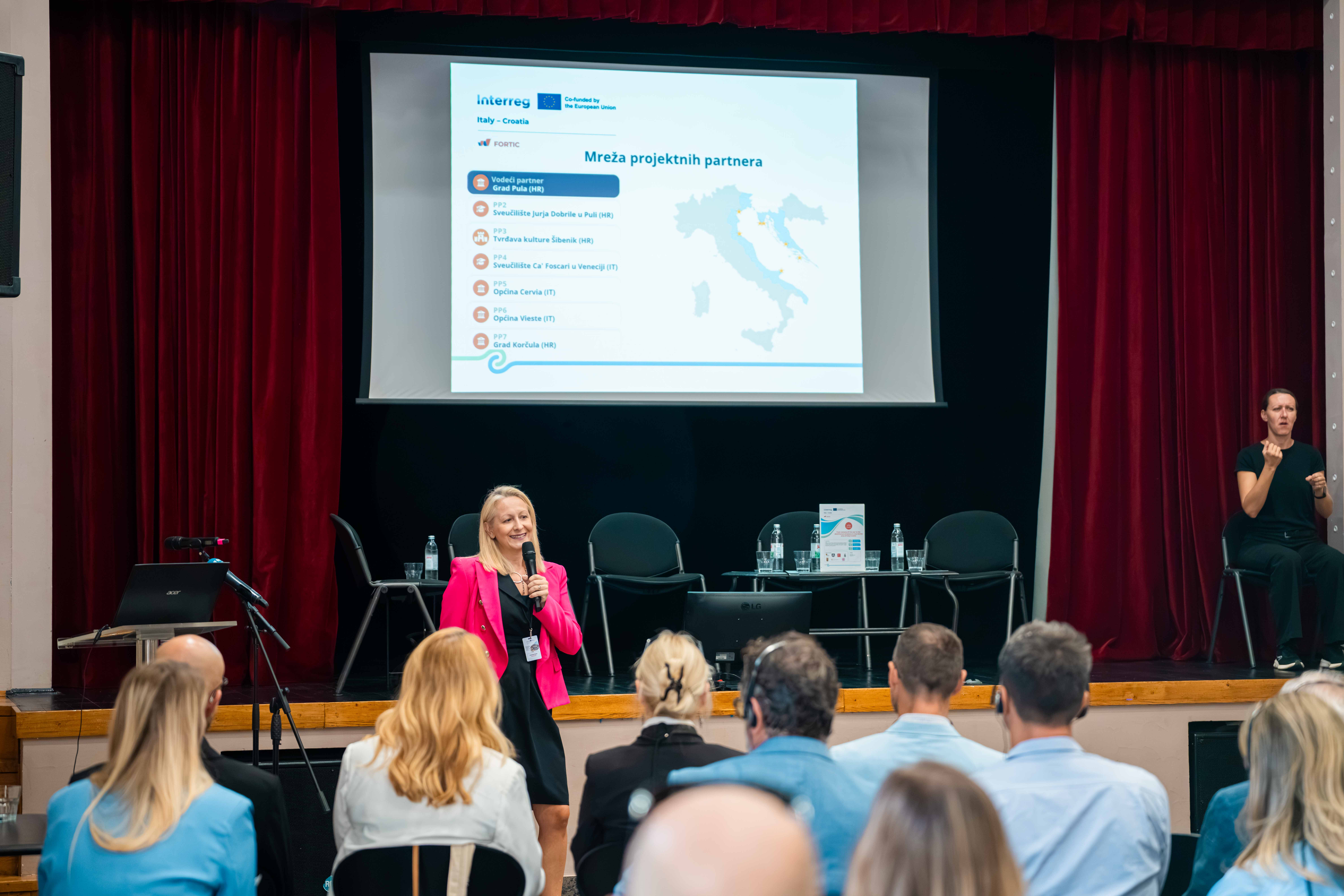
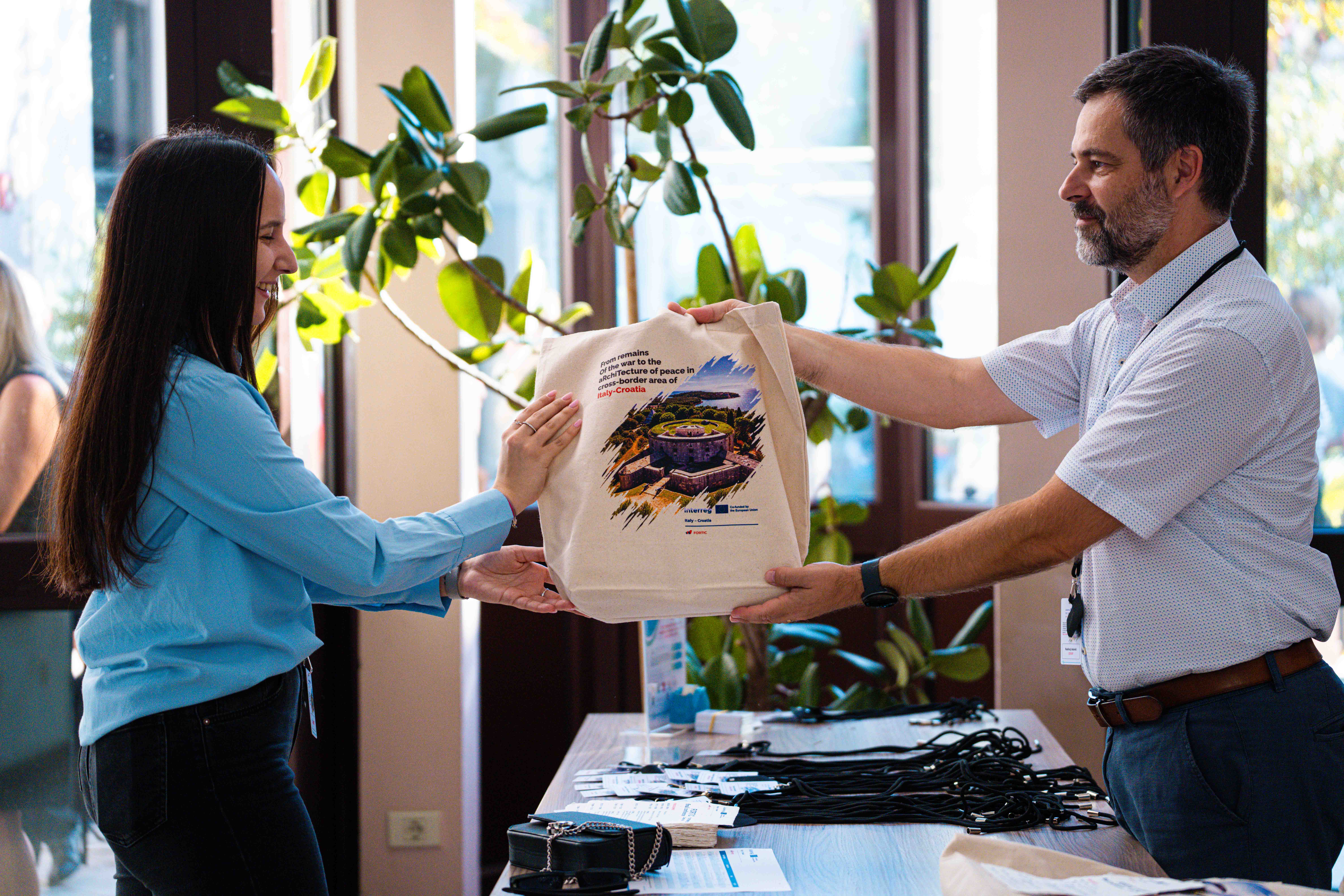
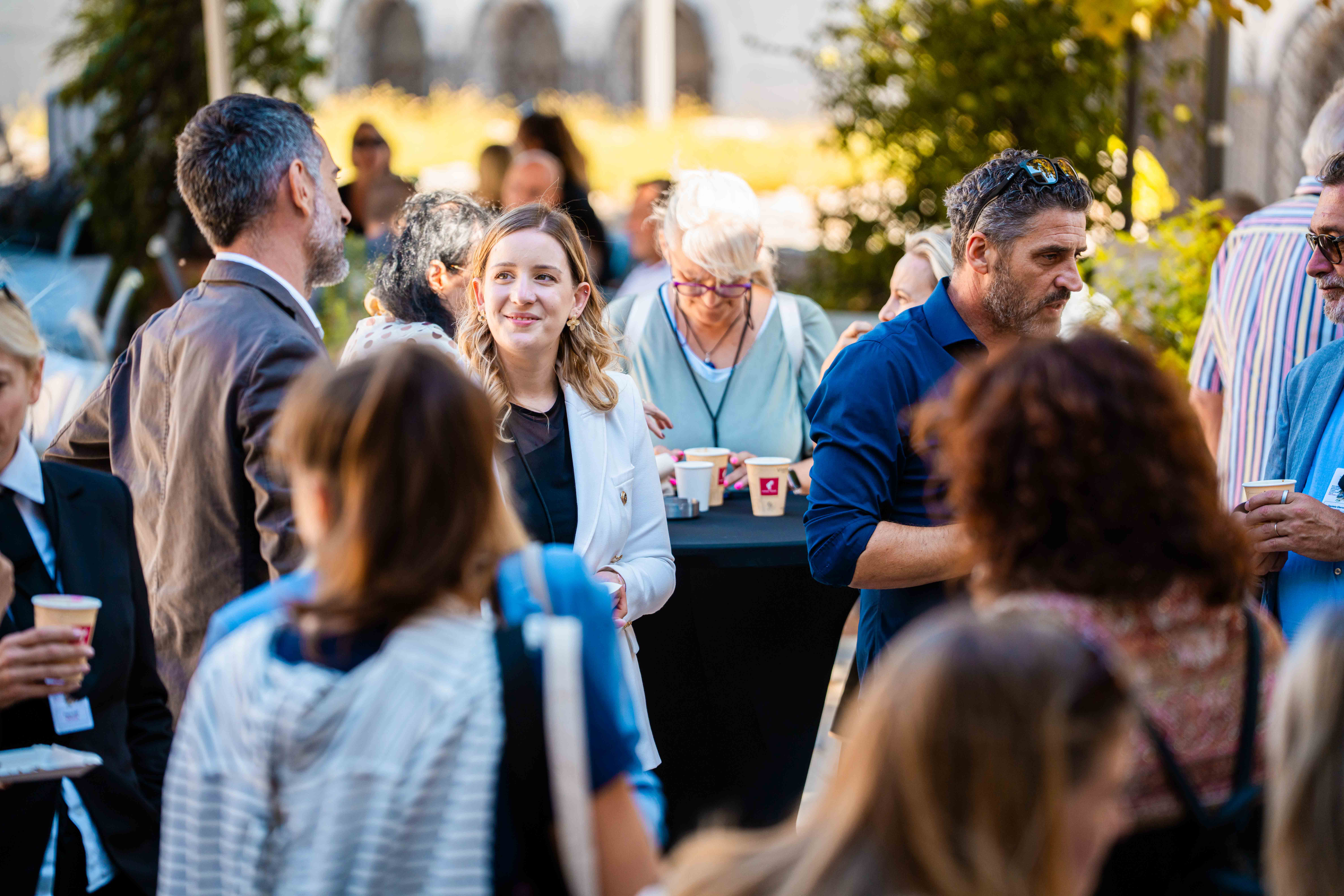
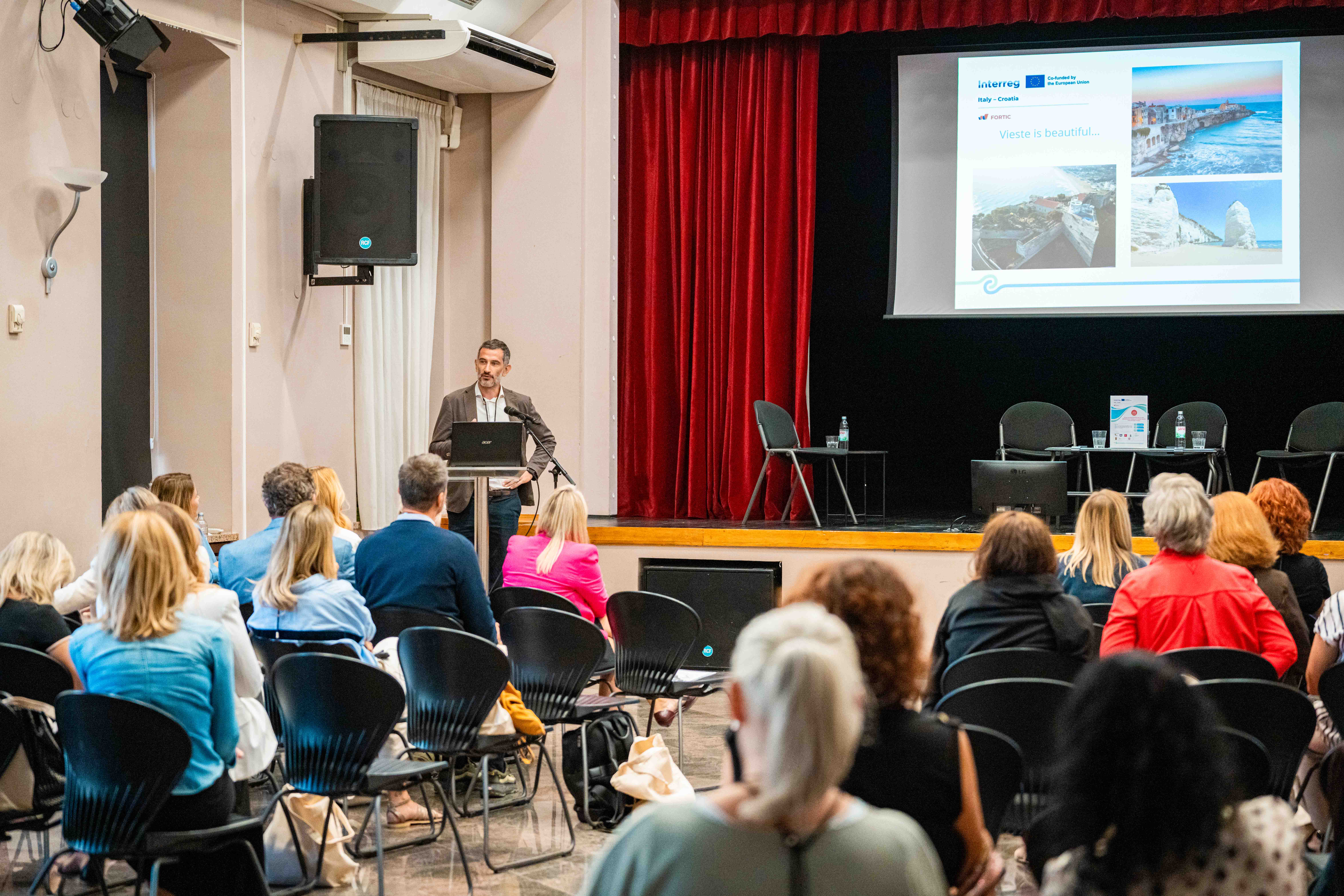
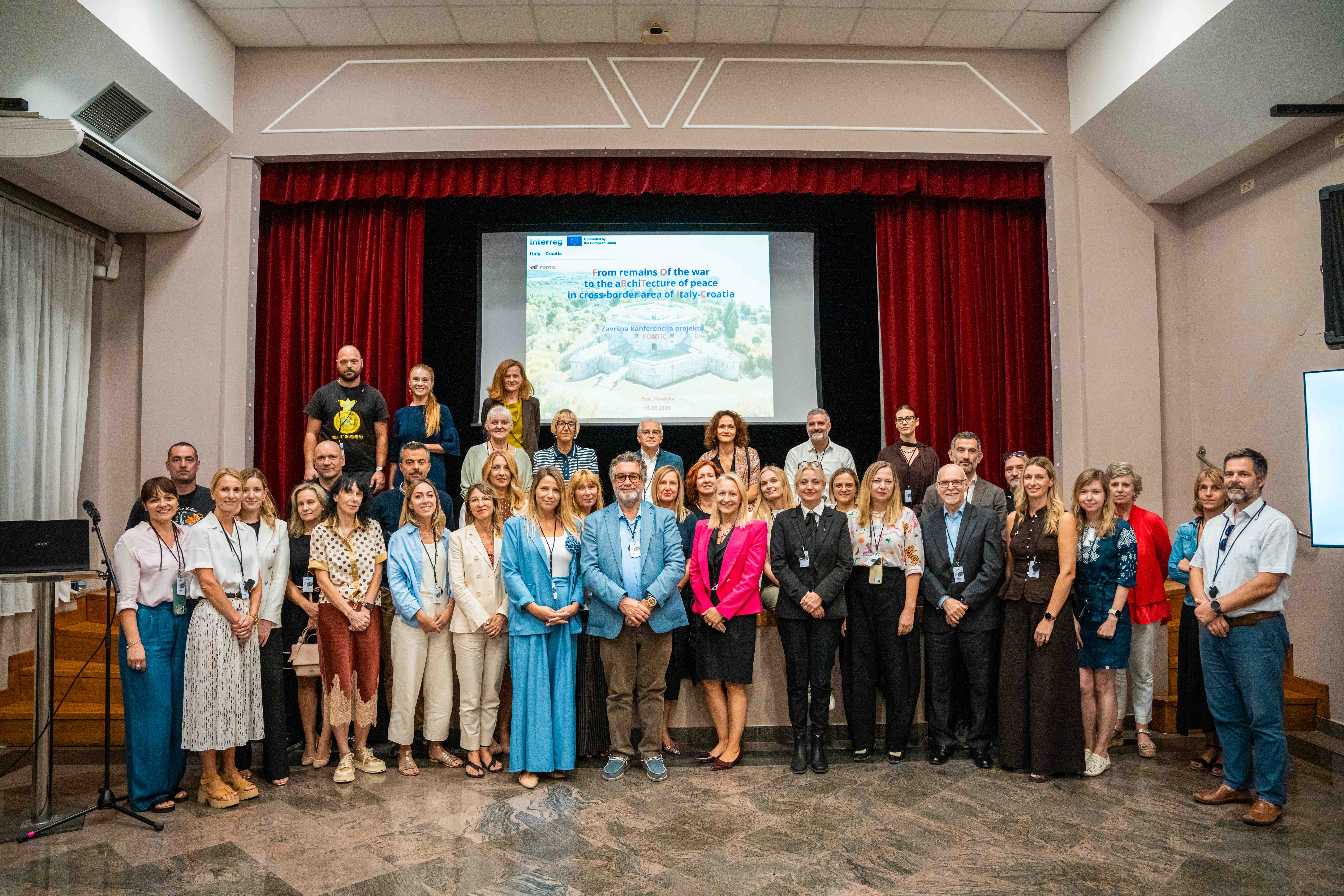
This transformation was at the heart of the FORTIC Final Conference, held in Pula on 15 September 2026, bringing together experts, institutions and project partners from Croatia, Italy and across Europe after 30 months of cross-border cooperation.
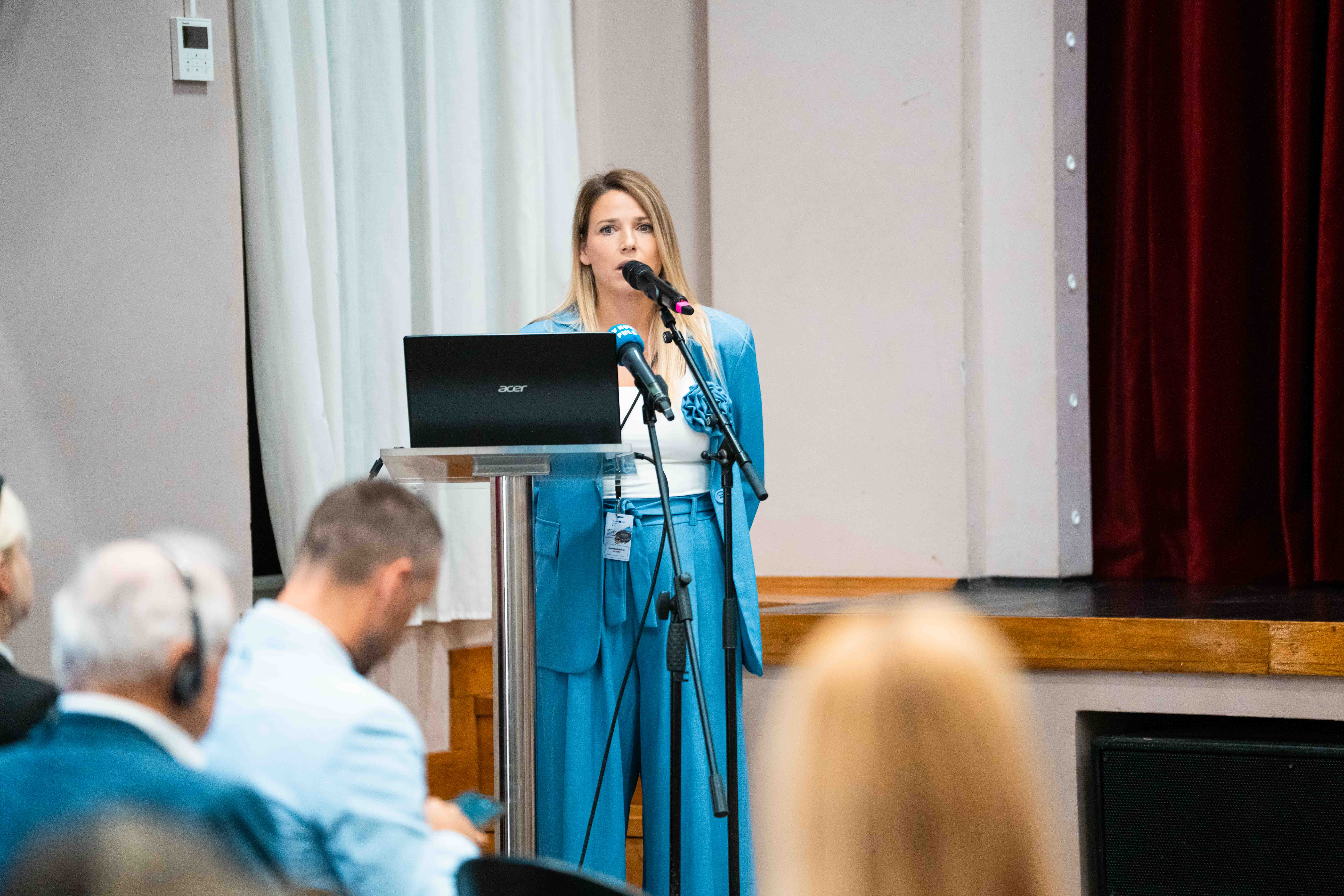
Participants were welcomed by Vito Paoletić, Deputy Mayor, while Antonija Babic, Head of the EU Projects, and Samanta Skomersic, Project Manager from the City of Pula, took the audience through the FORTIC journey–from the first project idea to the results achieved across the Adriatic.
But rather than simply looking back, the conference asked a more important question: what comes next for fortified heritage?
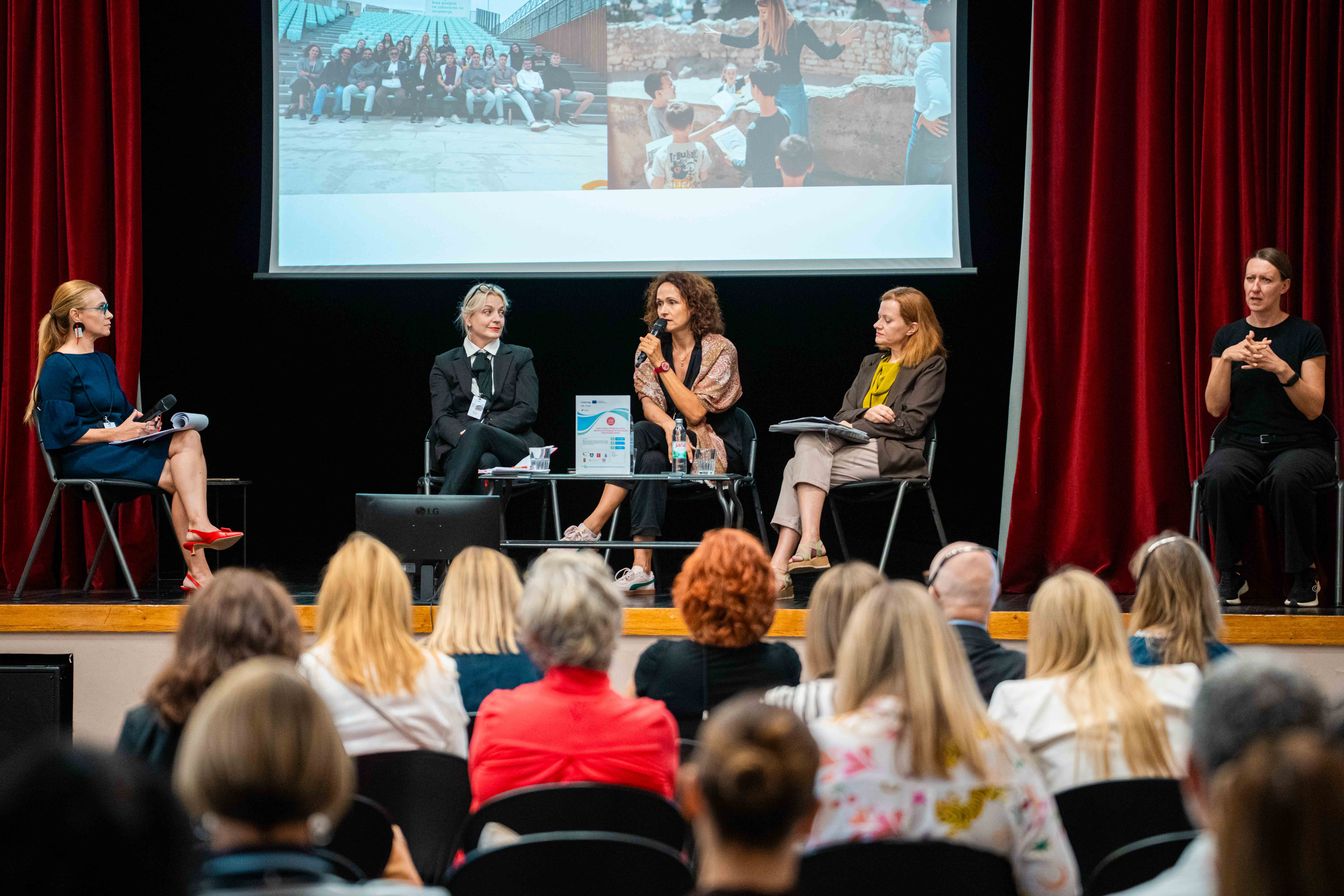
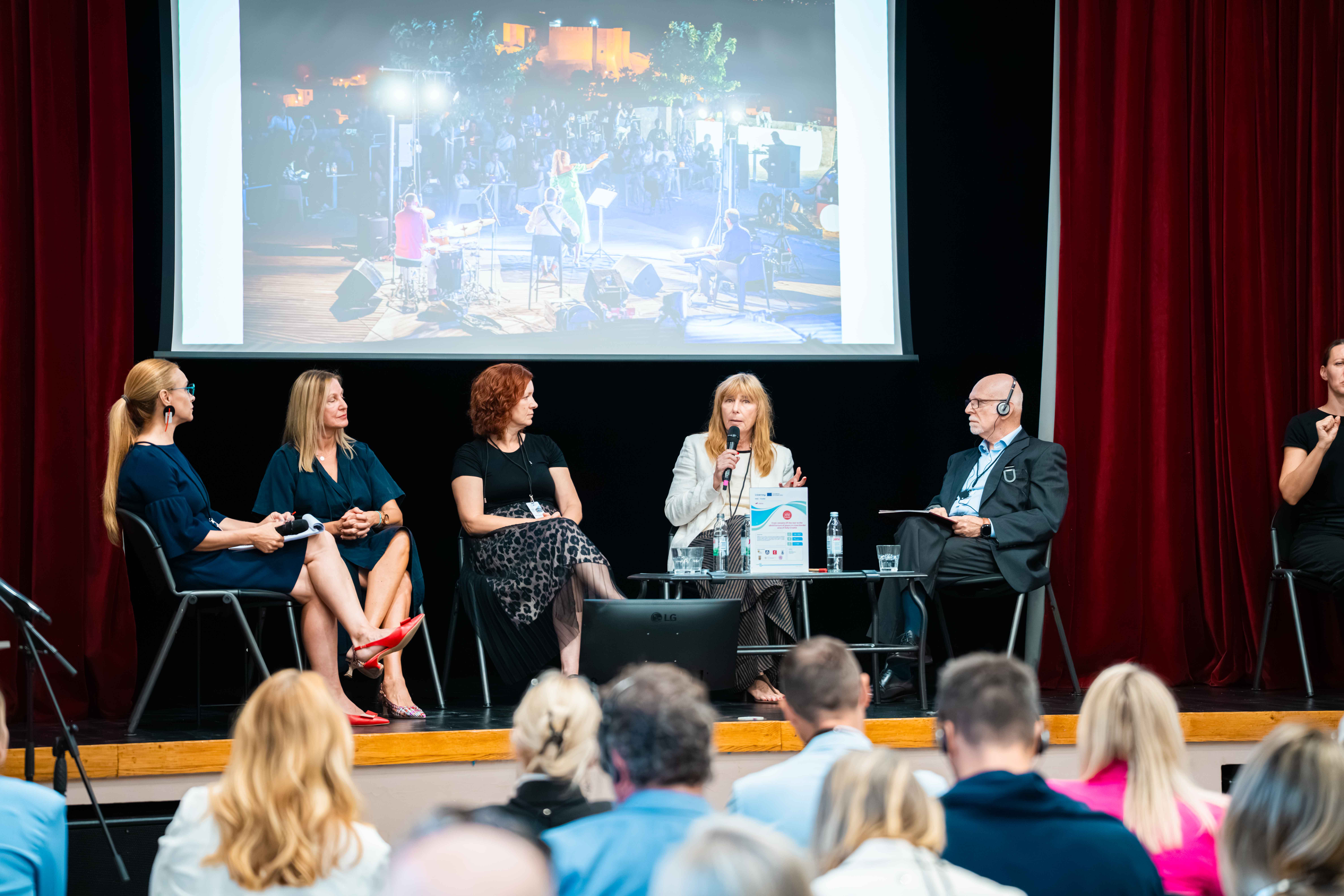
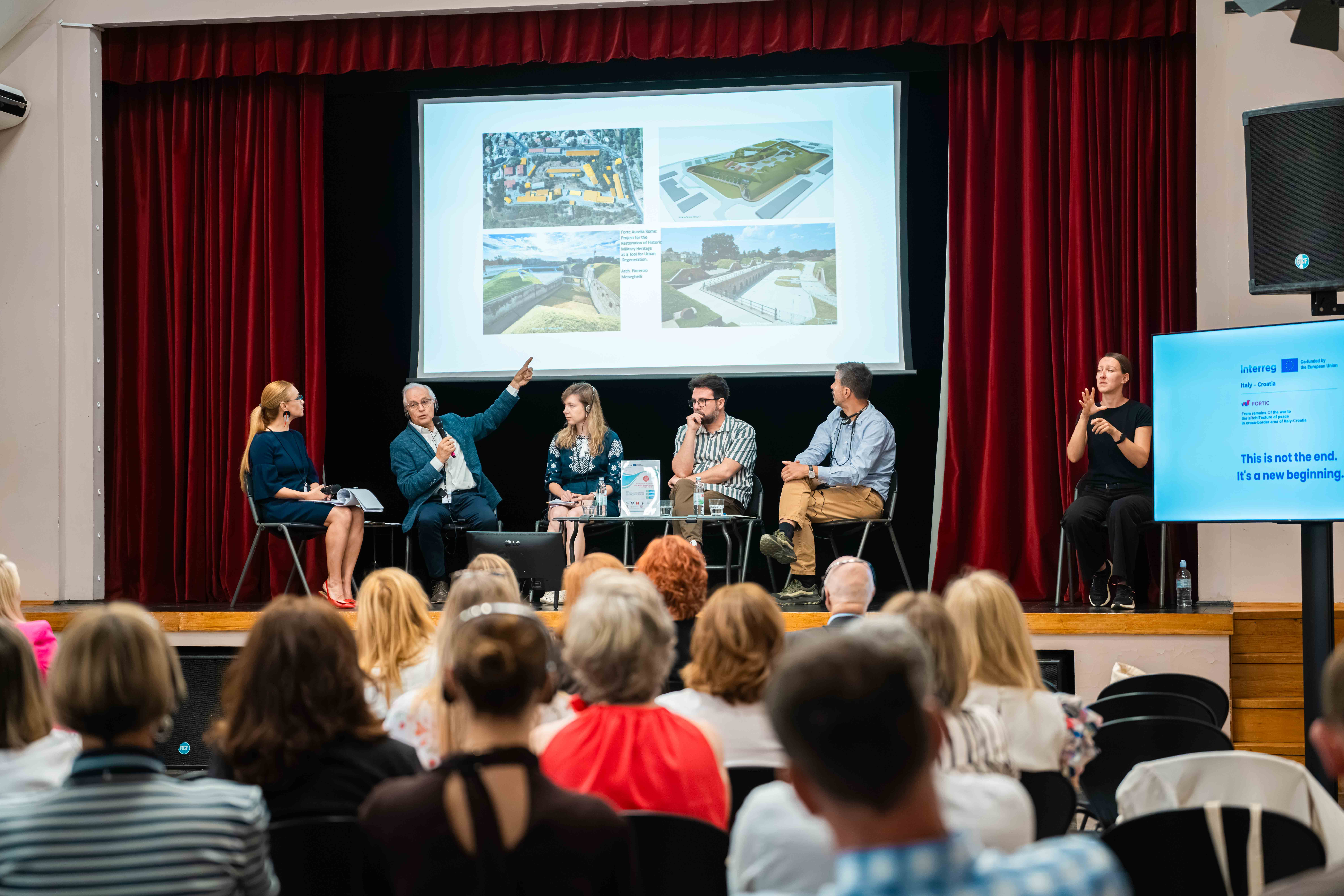
Three moderated panels explored the answer from different perspectives.
- How can we preserve heritage while giving it new life?
Architects and heritage experts Fiorenzo Meneghelli, Emil Jurcan, Olha Tikhonova and Mauro Baronchelli discussed integrated conservation, revitalisation and the delicate balance between preserving historical value and opening heritage to contemporary uses.
- Can fortifications become drivers of sustainable tourism and territorial development?
Nada Prodan Mrakovic from Istria County, Sanja Cinkopan Korotaj from the Pula Tourist Board, Daniela Angelina Jelincic from Institute for Development and International Relations IRMO and Filippo Maria Cailotto, President of FORTE CULTURA e.V., explored cultural routes, cross-border cooperation, de-seasonalisation and new approaches to visitor management.
- And who should shape the future of these places?
Paola Orlic from the City of Pula, Ðurđa Vrljević Šarić from the Fortress of Culture Šibenik and architect Irina Belusic Maggi', member of the Atrium Scientific Group, Inc. Committee, brought the conversation back to the people – highlighting community involvement and participatory governance as essential to keeping heritage alive.
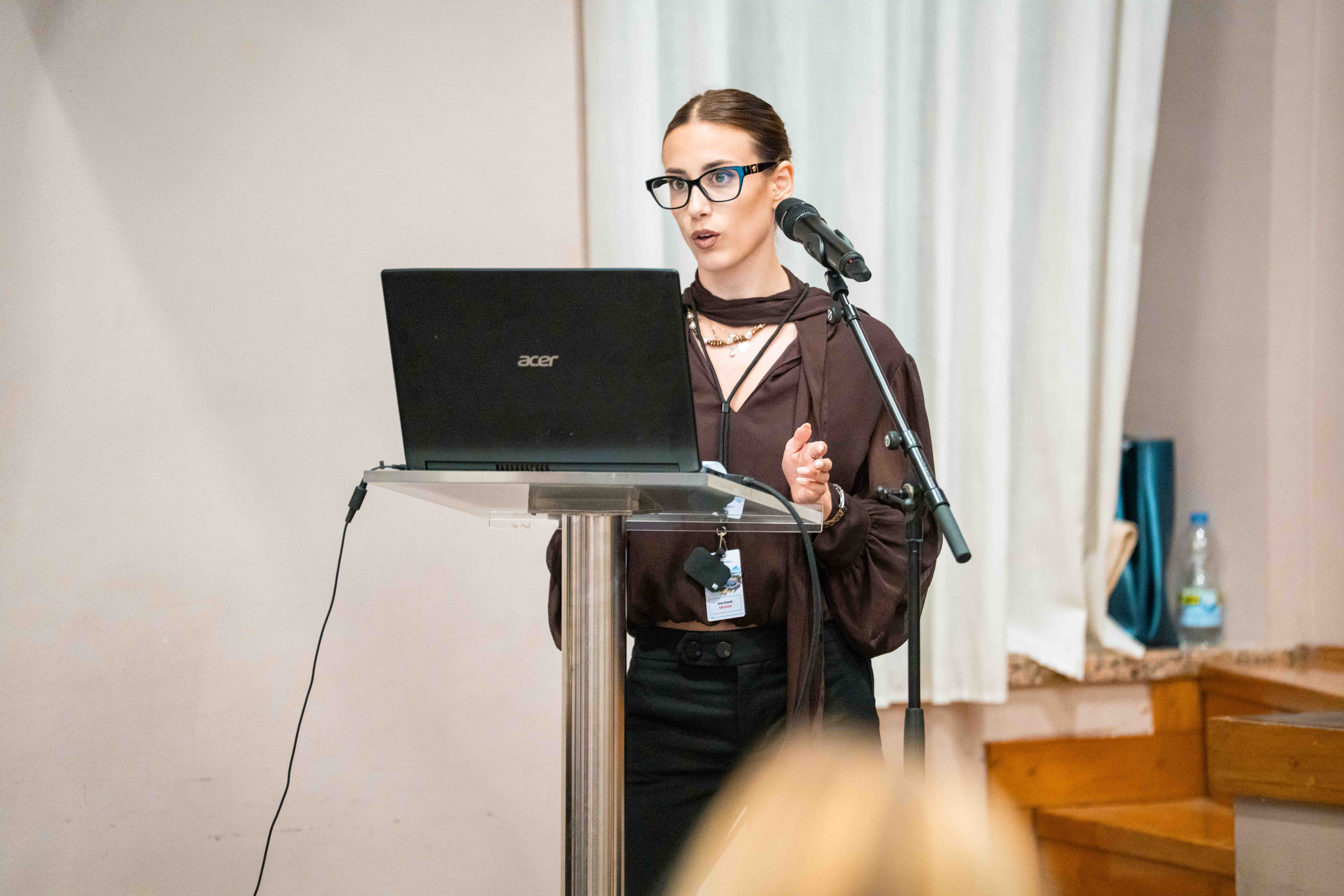
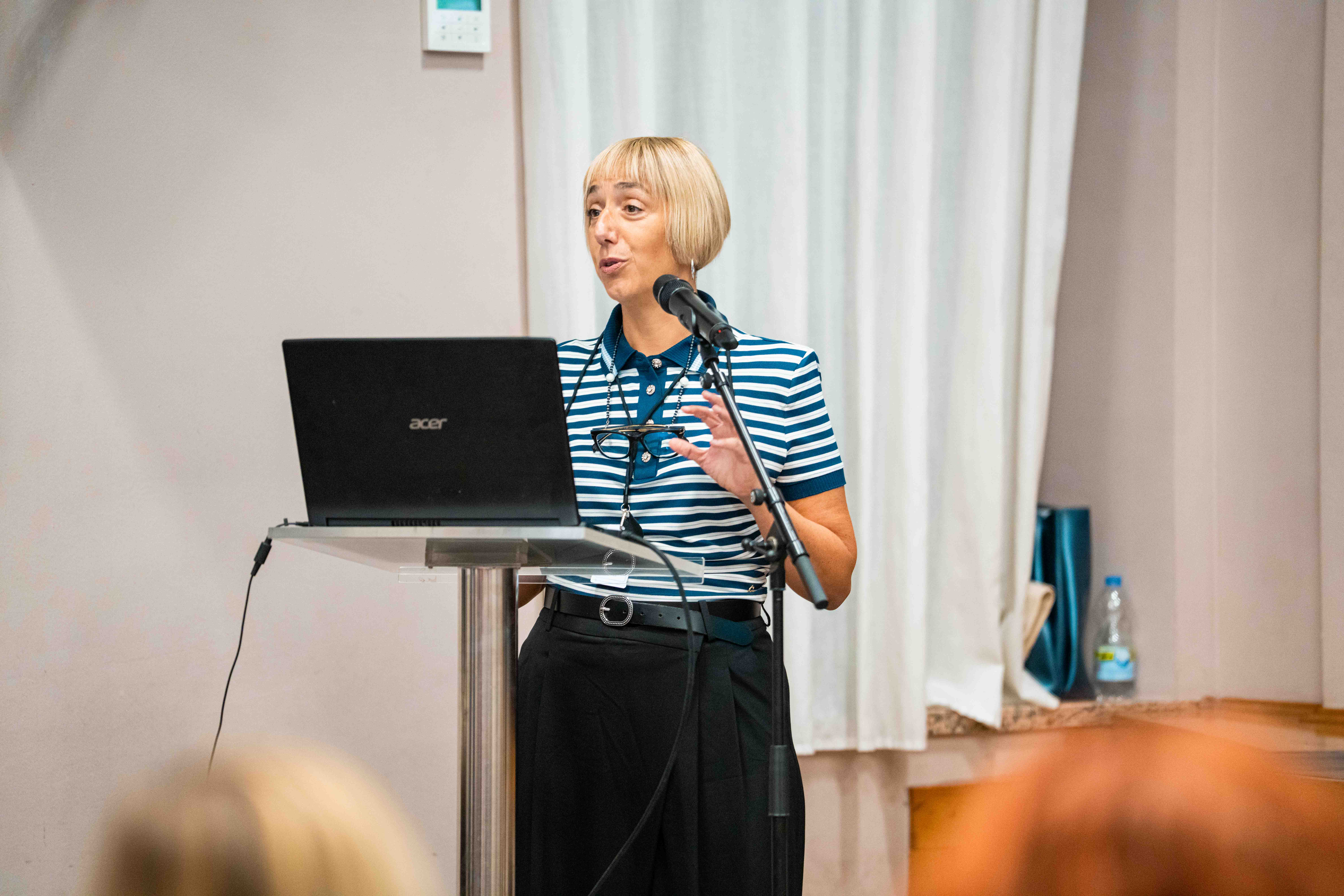
FORTIC partners also showed how these ideas are already being put into practice. Vera Jergović Bolanča, Daniele Sferra, Marco Savorgnan and Ana Granić presented project results and good practices in accessibility, inclusion and digital heritage interpretation, demonstrating how new approaches can make heritage more accessible to wider audiences and create new ways of experiencing it.
FORTIC has brought together cities, universities, cultural institutions, experts and communities across the Adriatic, building a network based on participation, shared knowledge and a common commitment to continue working together beyond the project.
As the project approaches its conclusion, the Final Conference was not simply about closing a project. It was about looking at what can grow from it.
Watch the full conference here: https://lnkd.in/d4JaASdv