
Third AcquaGuard Stakeholder Engagement Meeting: a Dive into Nature-based Solutions
01/12/2025
Article by our Intern, Emma Rossi.
The AcquaGuard project reached a significant milestone with its third Stakeholder Engagement Meeting, held on 18th November 2025 in Venice, Italy. The event successfully brought together experts, researchers, and public authorities for an immersive day focused on demonstrating, from practice to theory, how Nature-based Solutions (NbS) are key to preventing flooding in vulnerable coastal areas.
The AcquaGuard project
Funded by the Interreg Italy-Croatia Programme, AcquaGuard combats flooding in vulnerable regions of both nations by strategically leveraging NbS and comprehensive planning. Through robust cross-border cooperation, the project assesses risks, prioritises actions, and builds local capacity. The overarching aim is to foster long-term resilience and sustainable flood management, simultaneously promoting vital biodiversity and contributing to climate change mitigation.
The Venice meeting was designed to be highly interactive, giving stakeholders the unique opportunity to observe successful NbS in action and directly provide crucial input on the project’s next developmental steps.
Experiencing Nature’s Power: Site Visits
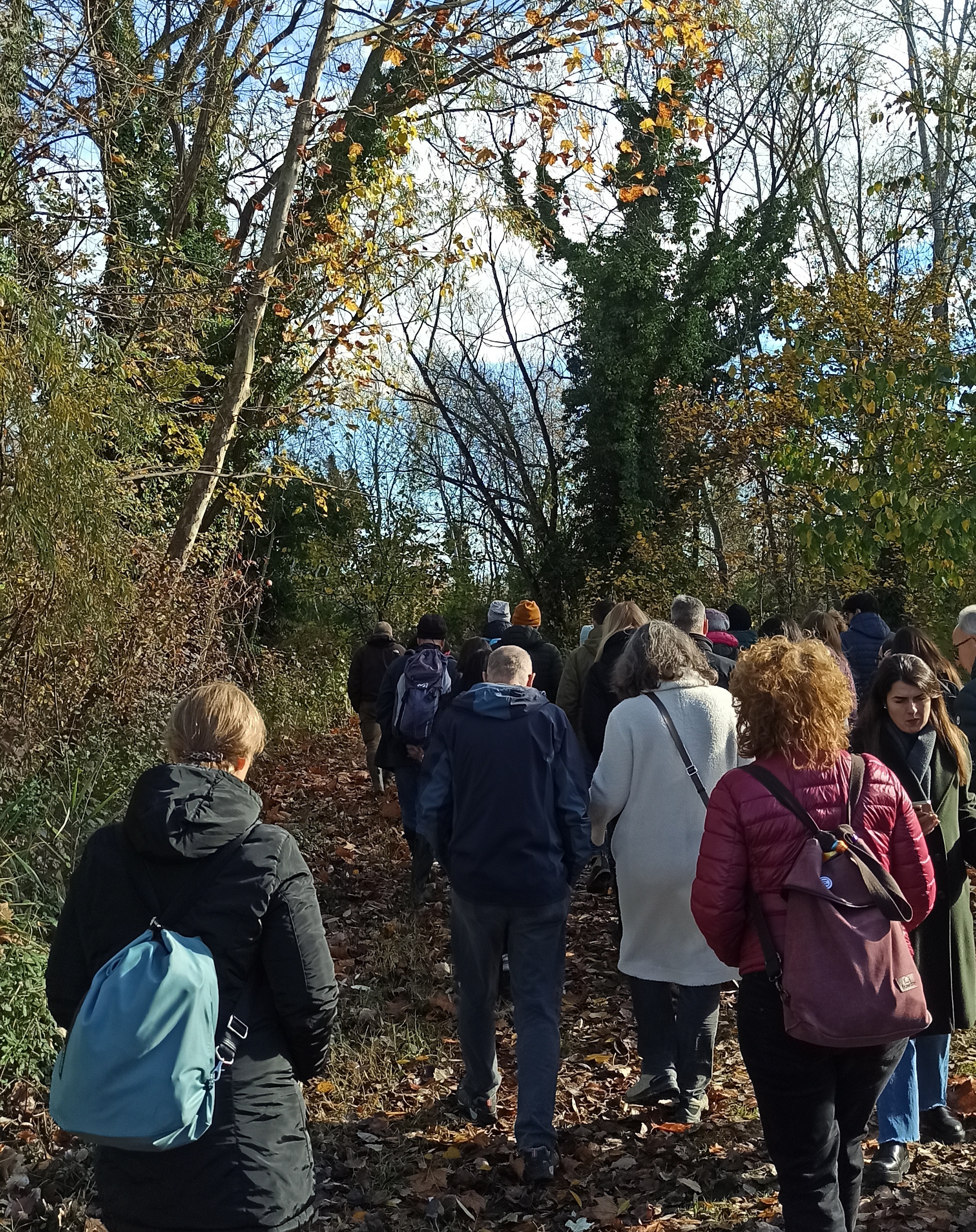
In the morning, participants explored two examples of NbS.
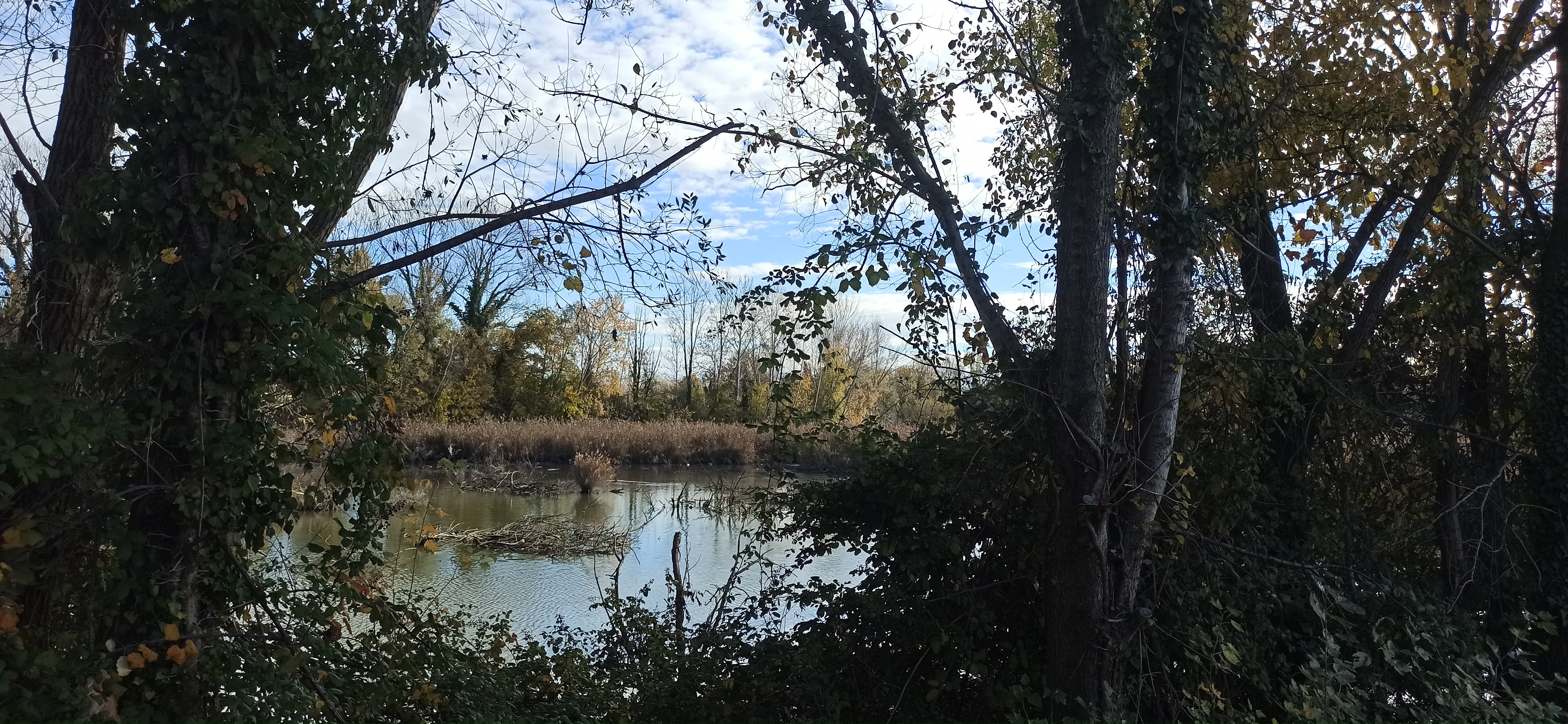
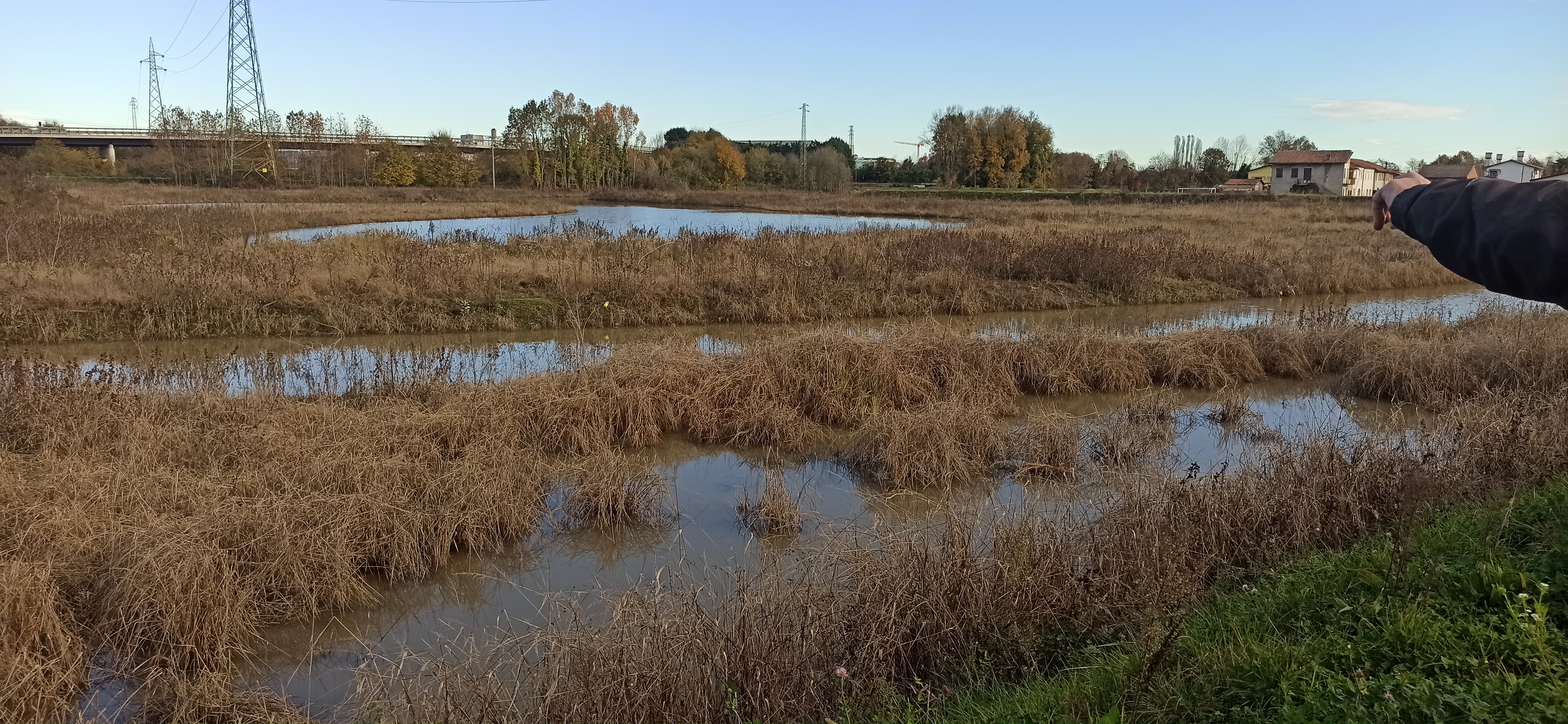
The first stop was a visit to the Woods of Marzenego, an environmental restoration project situated along the Marzenego River in the municipality of Venice. This site showcases a new kind of flood retention basin that moves away from concrete structures. It consists of multiple water bodies of varying dimensions and depths where thousands of plant species have been introduced, creating a thriving habitat for numerous animal species. The project demonstrates that using nature for flood control offers multiple benefits: it not only aids in flood retention but also facilitates phytodepuration (natural water depuration) and significantly fosters biodiversity. In the year since its creation, the basin has filled four times, effectively mitigating flood risks in the surrounding area.
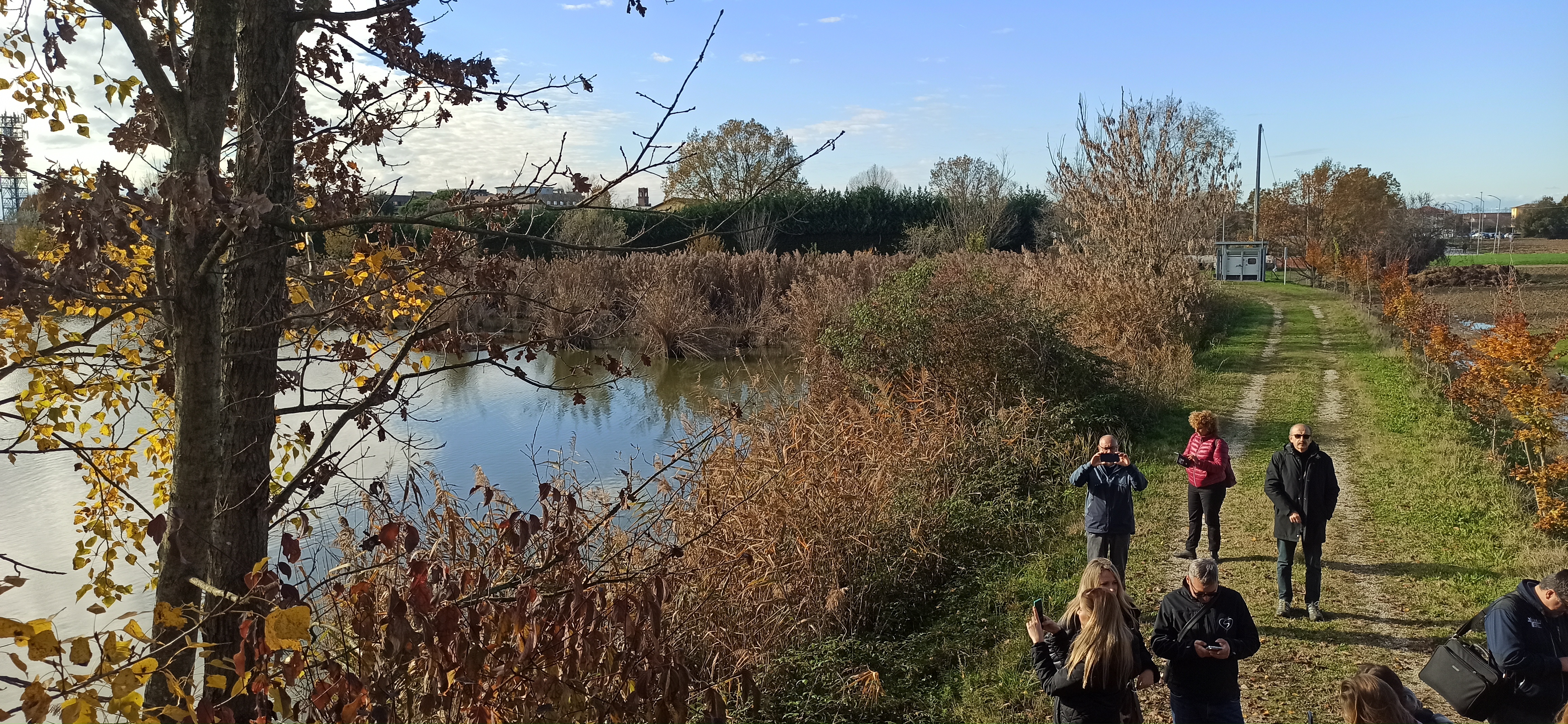
The second visit took participants to the WWF Noale Caves Oasis, a designated Natura 2000 site in the Metropolitan City of Venice. Created approximately twenty years ago, this area has multiple goals, including flood retention, phytodepuration, and the critical fostering of biodiversity - notably the protection of the European pond turtle, which is threatened by alien species.
With its established trees and rich fauna, the oasis provided a tangible example of the potential future of the Woods of Marzenego, filling participants with hope for the long-term success of NbS initiatives.
From Theory to Co-Development
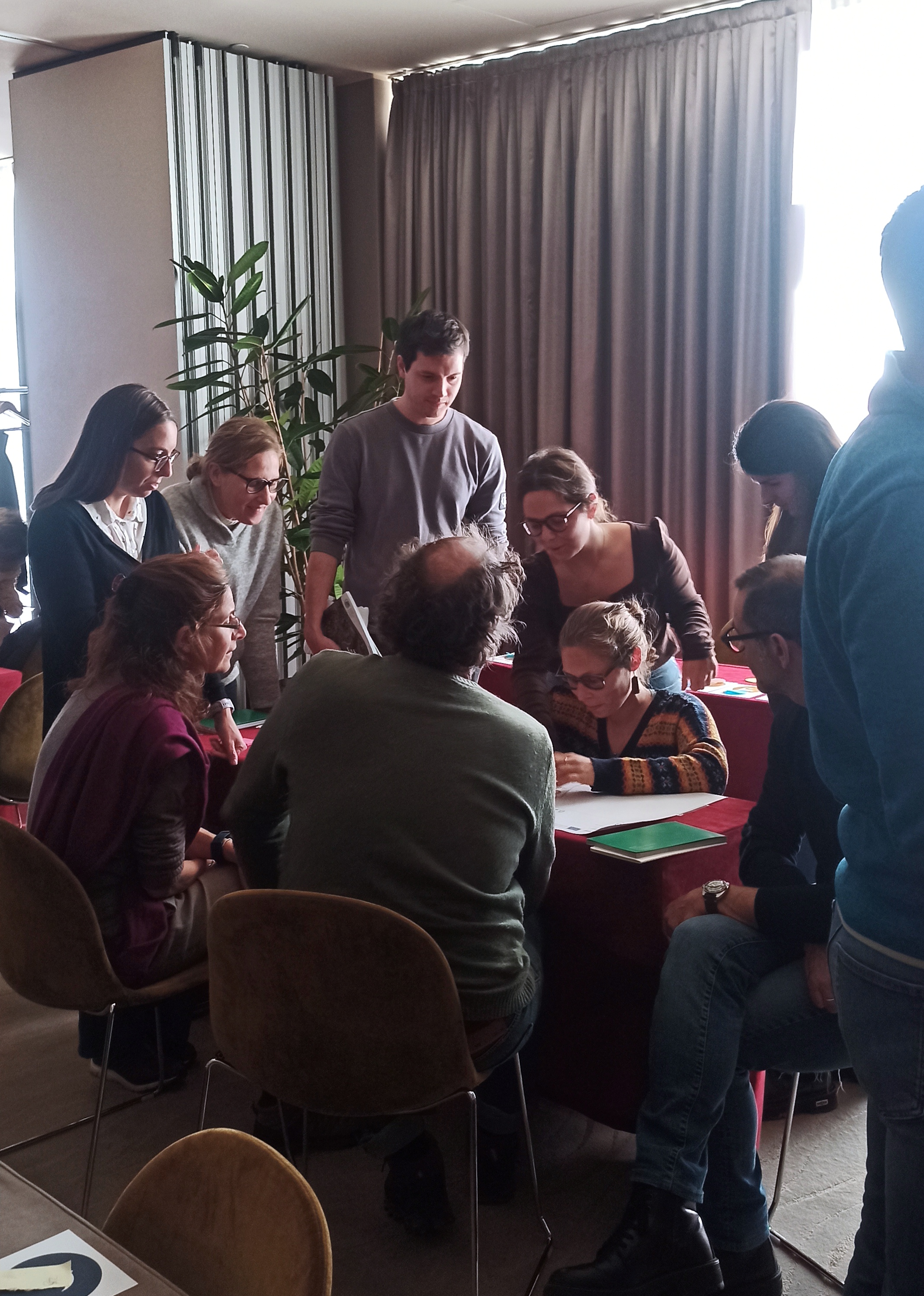
After personally experiencing the success of Nature-based Solutions, participants returned indoors to delve into the theoretical framework. Following a general overview of NbS principles, the focus shifted to co-development and stakeholder contribution.
To collaboratively refine a coastal flood prevention risk model, the participants divided into four groups, each dedicated to one of the four risk factors: vulnerability, exposure, hazard, and response. Within these groups, they worked together to identify the most impactful elements of these factors, thus determining where efforts and resources should be focused. The discussion debated questions such as: “What are the most vulnerable areas to flooding? What is the impact of infrastructure on the exposure of an area? Are heat waves or strong rainfalls more dangerous? And to what extent does dune vegetation or beach replenishment mitigate the issue?” This session proved invaluable both for the participants, who deepened their understanding of flood prevention, and for the organisers, who gathered crucial external inputs and data for the model’s finalisation.
Testing the Future: RHEA-DAPT
The event concluded with an interactive testing session of RHEA-DAPT, an AI decision support system developed within the AcquaGuard project. This innovative tool is designed to democratise access to essential climate information and support local-level transformative adaptation pathways. Participants had the opportunity to interact with the system, learning more about climate adaptation while analysing the tool’s functionality and providing feedback for its potential improvements.
The meeting successfully served many purposes: it was an opportunity to learn new things, contribute to ongoing research on NbS for flood prevention, observe the tangible results of past projects, and visualise the potential outcomes of current ones. Most importantly, it provided a valuable chance for all stakeholders to work together, catching the waves of cooperation for a more resilient future.