

Nature-based solutions for flood prevention - AcquaGuard
15/07/2025
Article by our IVY reporter, Agnese De Ambrosi
On May 15th, 2025, I had the opportunity to participate as an IVY Reporter in the first training meeting, workshop, and site visit organized by the AcquaGuard standard project in the Venice Lagoon, Italy. This milestone event brought together experts, public authorities, researchers, and innovators to explore Nature-Based Solutions (NbS) for flood prevention, a vital topic in the face of increasing climate risks across coastal and lagoon environments. Held under the framework of the Interreg Italy-Croatia Programme 2021–2027, this event marked the beginning of a collaborative journey focused on eco-system-based approaches to flood risk management. The objective was clear: promote climate change adaptation and disaster risk prevention by leveraging nature as a solution.
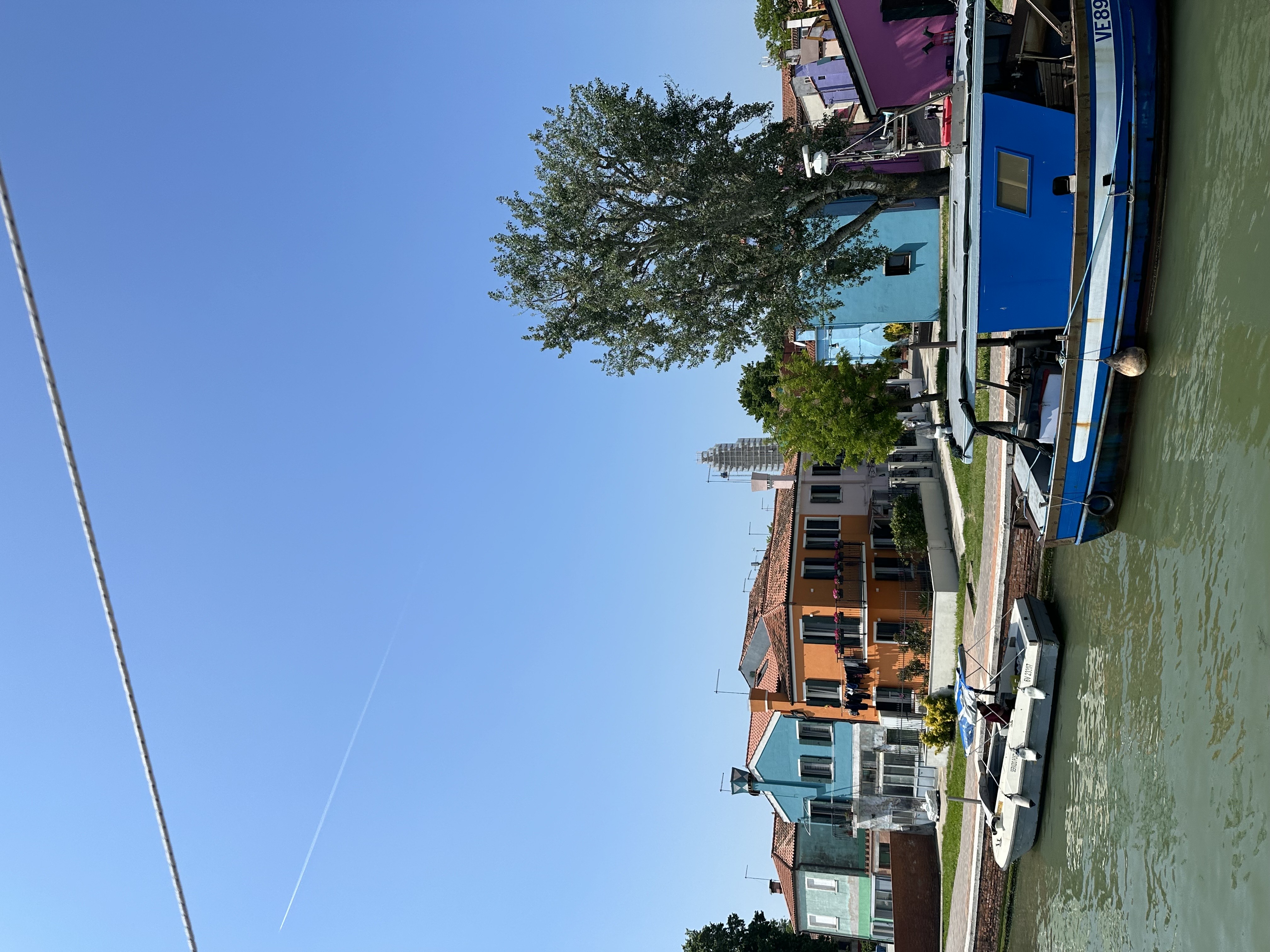
Our day started at 9:00 AM from Fondamenta Sacca San Girolamo with a boat departure toward the reconstructed marshes (barene) of the northern Venice Lagoon, near Mazzorbo. Onboard, we heard opening remarks by Ing. Valerio Volpe (Venice Lagoon Authority) and Ing. Pierpaolo Campostrini (CORILA), who outlined the goals of the event.
The morning featured an interactive session led by Dr. Caterina Dabalà and Arch. Adele Testoni (CORILA), emphasizing how participatory strategies and prioritization tools are key to identifying effective NbS in pilot areas, particularly around Venice.
One of the most innovative parts of the day was the “Prompt Battle” organized by CMCC researchers Dr. Elisa Furlan, Dr. Maria Katherina Dal Barco, and Dr. Fabio Favilli. This hands-on demo showcased how AI-based tools can guide environmental planning through real-time queries and performance evaluations. Called RHEA-DAPT, this experimental chatbot allows users to input questions (or prompts) about environmental planning and receive tailored responses generated through LLMs (Large Language Models) trained on scientific data.
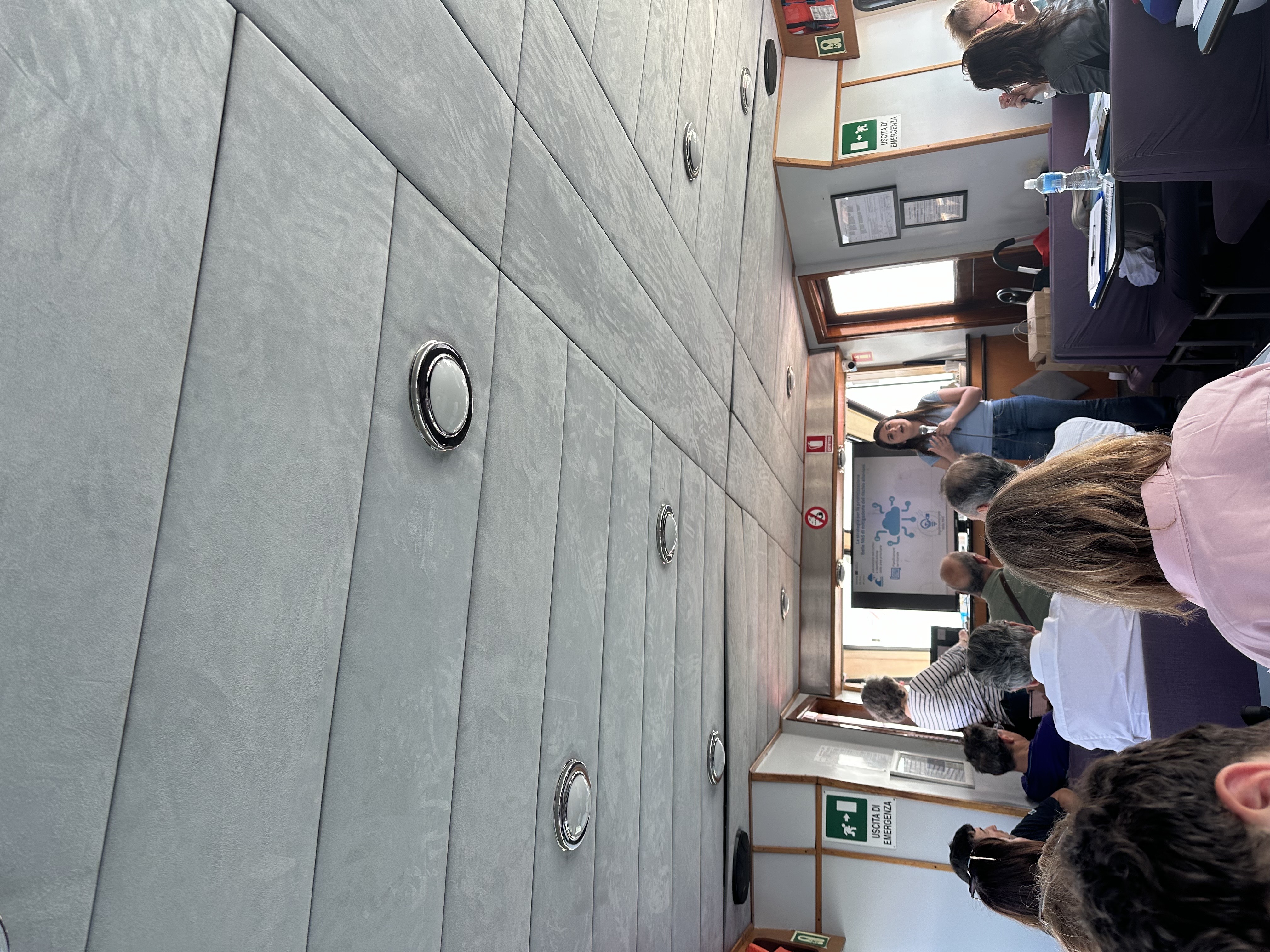
In small teams, we tested the tool, comparing answers and analyzing their quality. It was fun, but also thought-provoking, a real example of how technology can support policy, especially when facing the uncertainty of climate change. The idea is that AI can help decision-makers navigate complex scenarios more quickly and transparently, not replace them, but guide them.
Seeing climate adaptation and AI come together like this gave me hope. It made me realize that our generation has new tools and also new responsibilities in shaping how we coexist with nature.
Next, we heard from the teams behind two major nature-based projects: LIFE VIMINE and Lagoon Refresh. Both are located in the Venice Lagoon and demonstrate real-world success in using natural processes to strengthen fragile ecosystems.,LIFE VIMINE focused on protecting internal marshes from erosion through soft engineering and community-based maintenance literally weaving stakes and brushwood into protective networks. Lagoon Refresh aimed to restore biodiversity by bringing freshwater from the Sile River into the brackish lagoon, helping re-establish habitats and balance salinity.
It struck me how these projects were not only about landscapes but also about people: about governance, participation, and long-term care. That was a recurring theme of the day that successful adaptation does not just rely on innovation, but on collaboration and continuity.
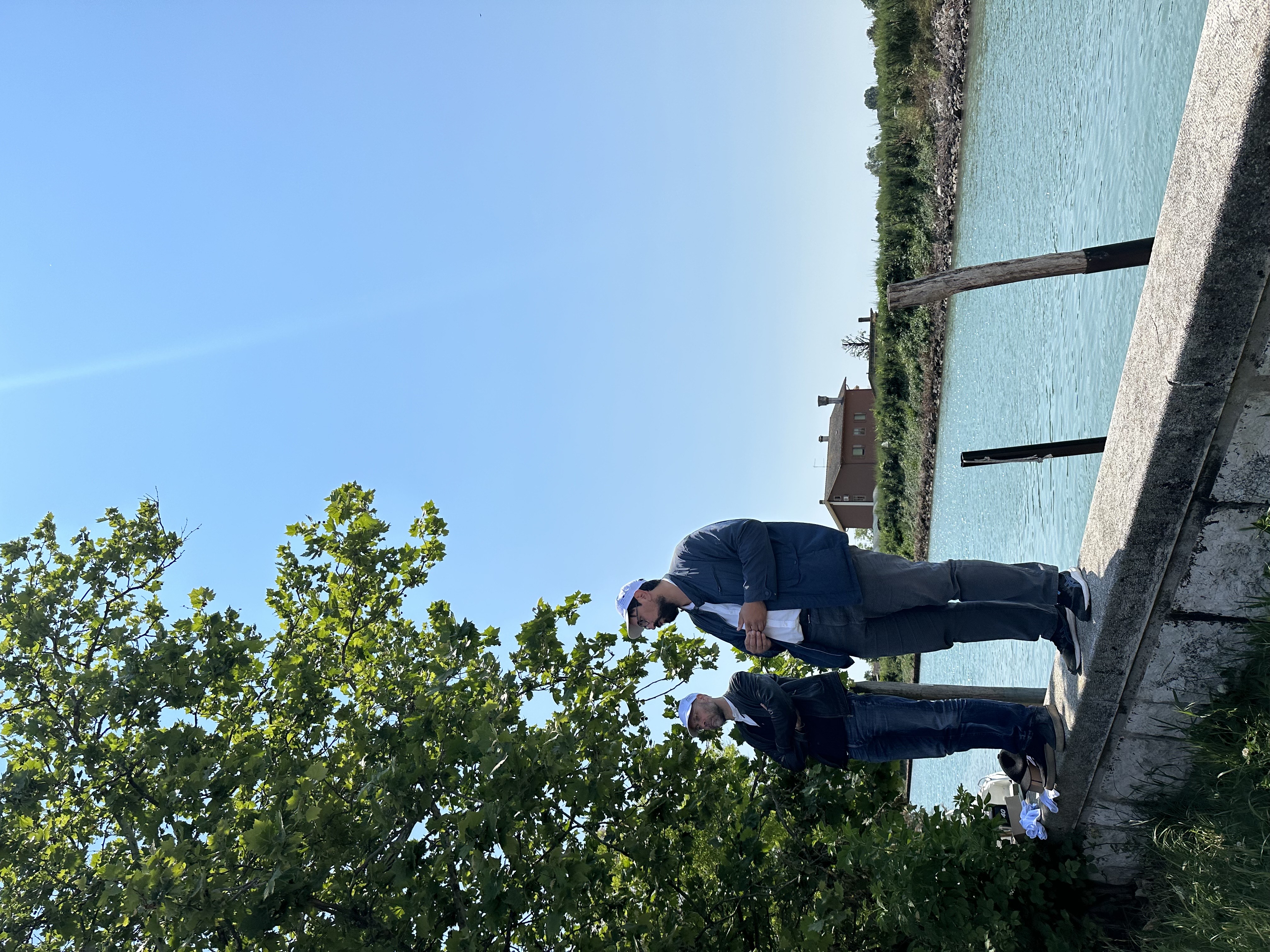
After lunch, we traveled to Cavallino Treporti, a narrow strip of land between the Adriatic Sea and the Lagoon. This area is both scenic and strategic: over 7 million tourists visit yearly, and yet it’s deeply exposed to flooding. There, local authorities showed us the hydraulic structures such as canals, pumping stations, and sluice gates that help regulate water flow and prevent inundation. The daily work of the Bonifica Consortium was emphasized: constant maintenance, monitoring, and balancing between the lagoon and the sea.
We also learned about the “Treportine” islands, once natural dune formations, now integrated into the urban structure. Their history of transformation and use reminded us how closely water management and urban development are tied here and how fragile that relationship can be.
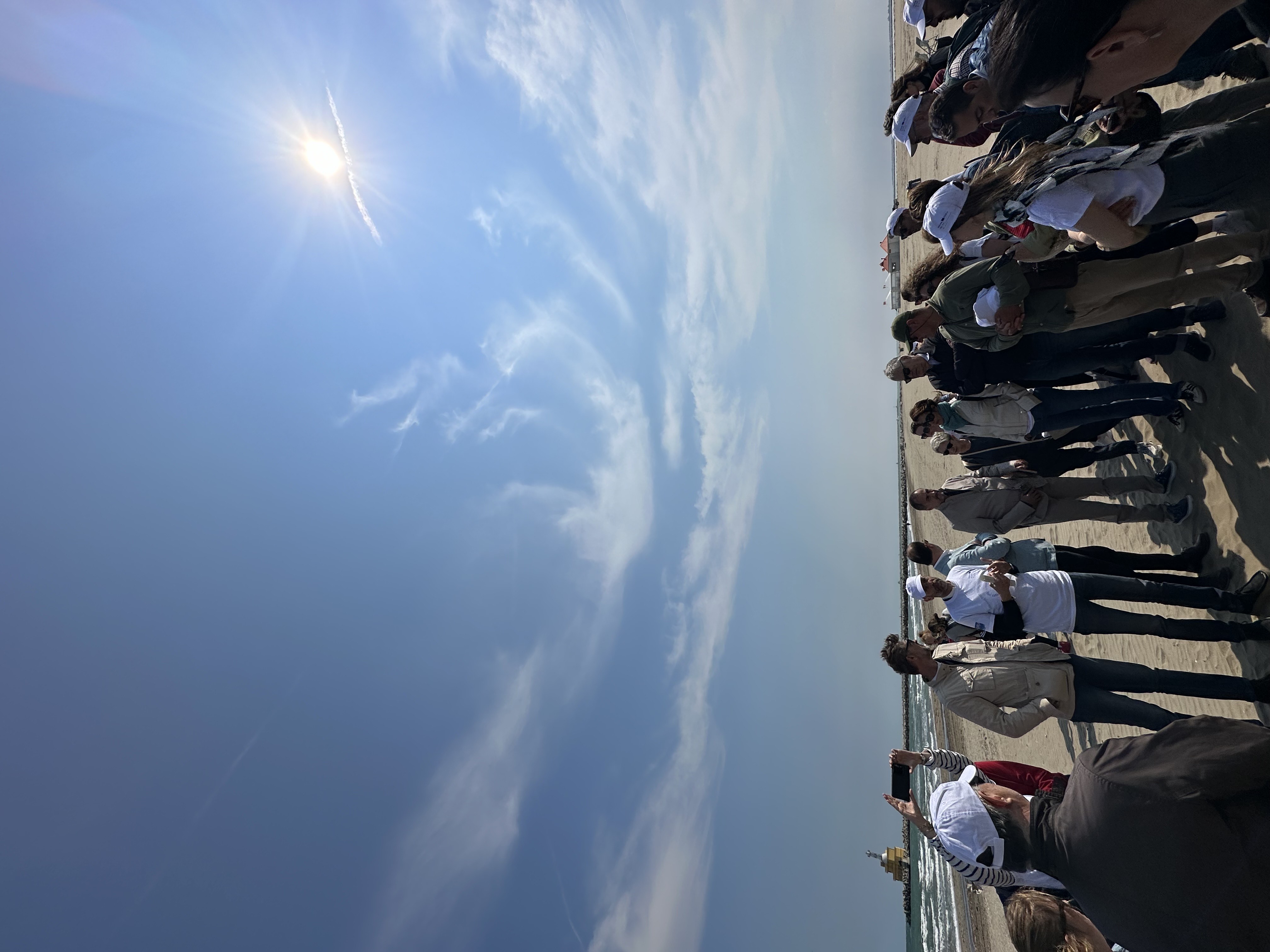
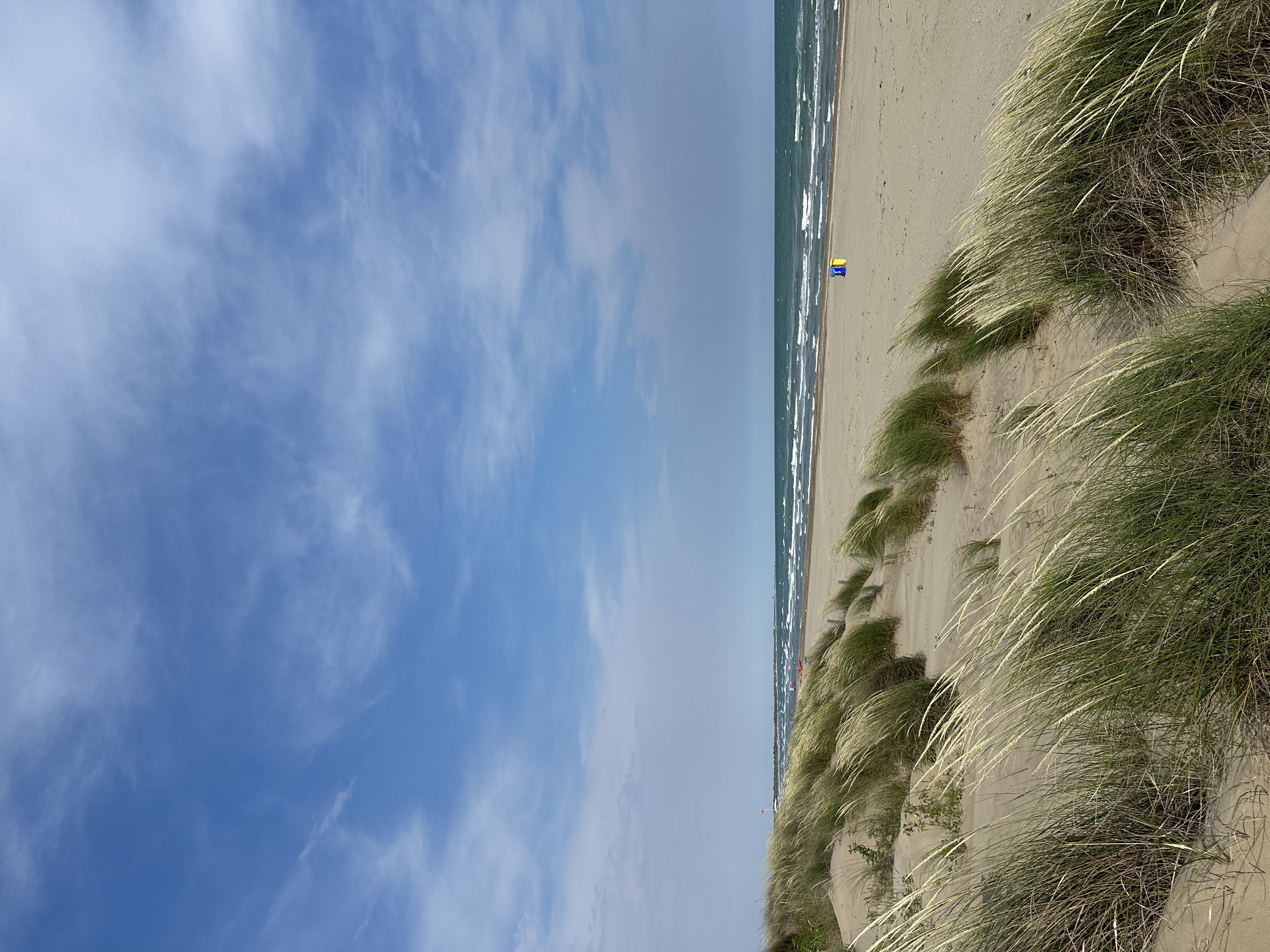
Our final stop was the reconstructed coastal dunes, an impressive Nature-Based Solution supported by the Veneto Interregional Public Works Department and Consorzio Venezia Nuova. These sandy formations act as natural barriers, shielding the coastline from storm surges and erosion. It was a beautiful, windy moment standing on the dunes, watching birds fly overhead, and understanding the deep history rooted in that sand. Yet, we also discussed the challenges: dunes that grow too tall, blocking views and access; the threatened Kentish plover that struggles to nest due to tourism; and the pressure of balancing protection with enjoyment.
These real-world trade-offs are part of what makes NbS complex but also deeply rewarding. They are not "set and forget" fixes; they require attention, patience, and a willingness to adapt as nature does.
Throughout the day, we heard reflections on transformative climate adaptation — not just tweaking systems, but rethinking them. That includes using AI models, Copernicus Earth data, and creating scalable solutions that can be shared across borders and communities. As one expert put it, the future will require not just data, but dialogue: between scientists and citizens, between nature and technology, and between today’s choices and tomorrow’s uncertainties.
What I saw and learned was not just about technical solutions or academic theories. It was about people coming together, across disciplines and borders, to rethink how we live with water and how we listen to nature. Nature-Based Solutions are not just environmentally smart but they are emotionally powerful. They ask us to slow down, observe, and trust that nature still knows what it’s doing if we let it.

