

Advancing voluntary carbon markets in agriculture: insights from the conference in Molise
30/03/2026
How can agriculture become a key player in climate action while creating new opportunities for farmers?
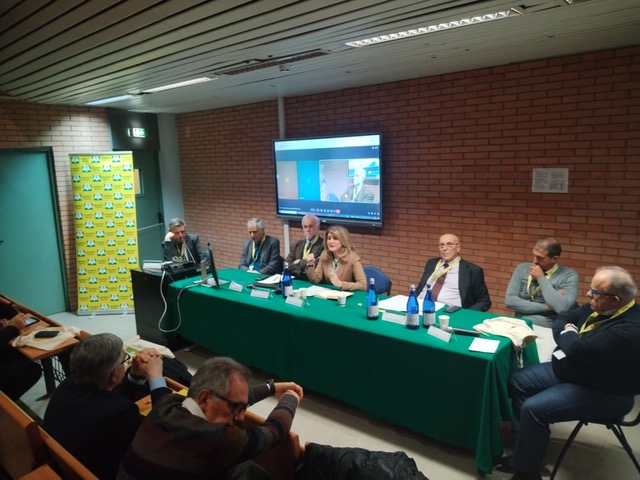
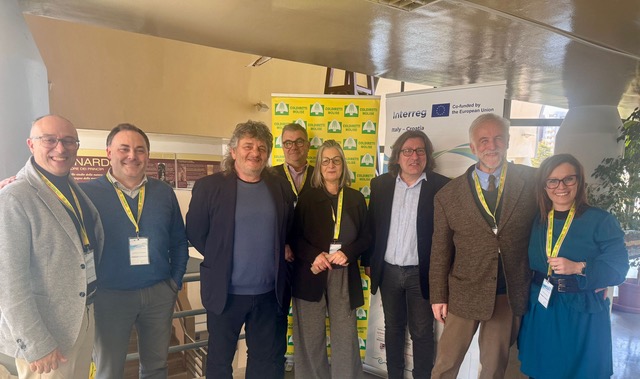
This question was at the heart of the GECO 2.2 conference held on 25 March 2026 at the University of Molise in Campobasso. The event brought together researchers, institutions and local stakeholders to explore the evolving landscape of voluntary carbon markets and their application in the agricultural sector.
Throughout the day, discussions moved from theory to practice. Experts outlined how carbon credits can translate sustainable farming practices into measurable environmental value, while also opening new income streams for agricultural businesses.
A strong message emerged: building an effective carbon market requires more than technical tools. It depends on trust, transparency and collaboration. From certification systems to MRV methodologies, speakers highlighted the need for robust frameworks supported by scientific research and accessible to farmers.
The roundtable further emphasised the importance of connecting knowledge with local realities. Farmers, institutions and research bodies must work together to ensure that carbon farming is not only scientifically sound, but also practical and economically viable.
Within this context, GECO 2.2 plays a strategic role. By fostering cooperation across Adriatic regions, the project aims to develop a voluntary carbon market that supports soil carbon sequestration, strengthens farm resilience and contributes to climate adaptation.
The conference confirmed a growing interest in carbon farming solutions—and a shared commitment to turning this potential into concrete action.