

ECOFOODCYCLE WEEK: Innovation, Resourcefulness and Awareness of the Potential of the Circular Economy Through Practical Examples from Lika-Senj County
19/06/2026
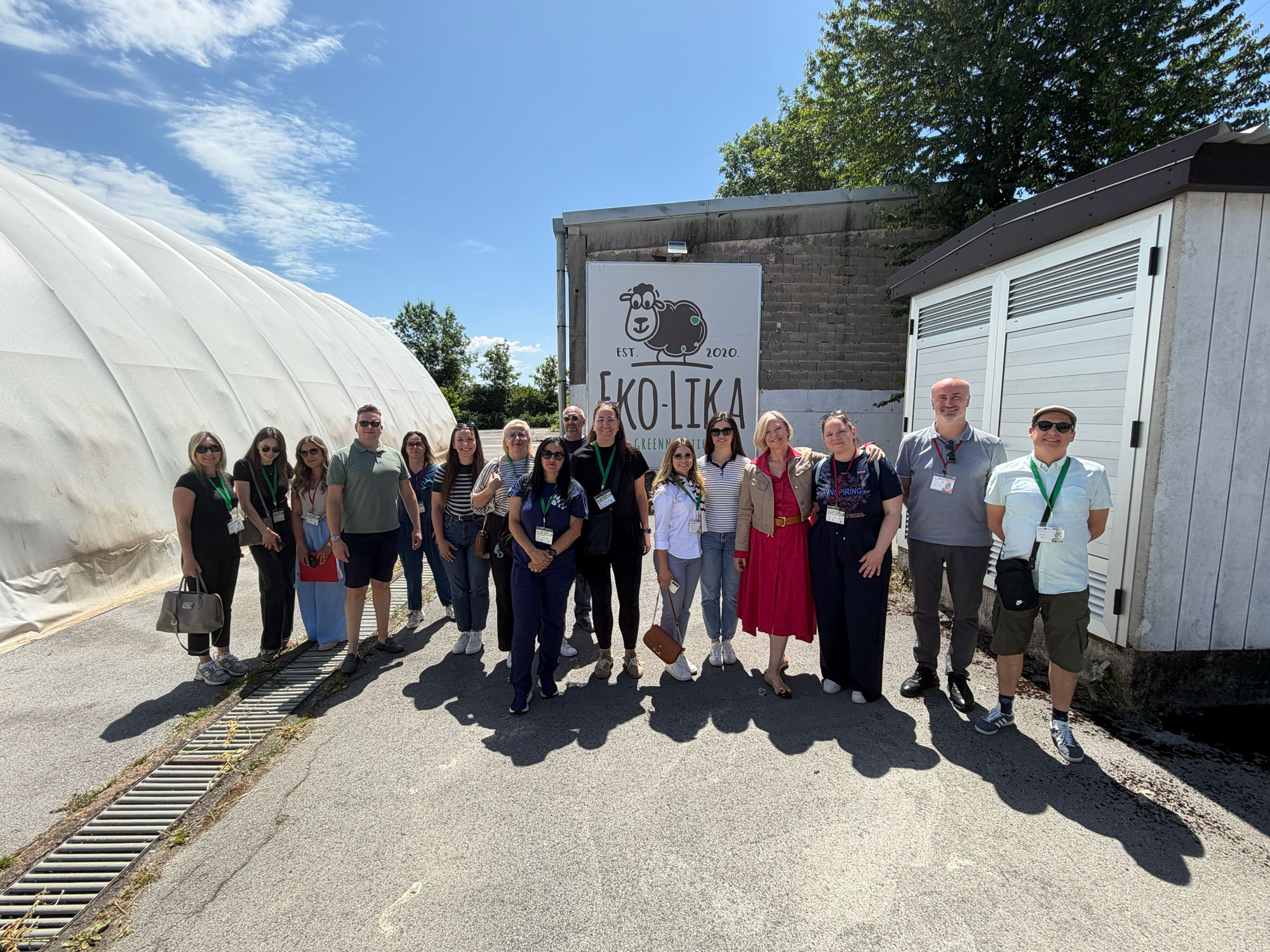
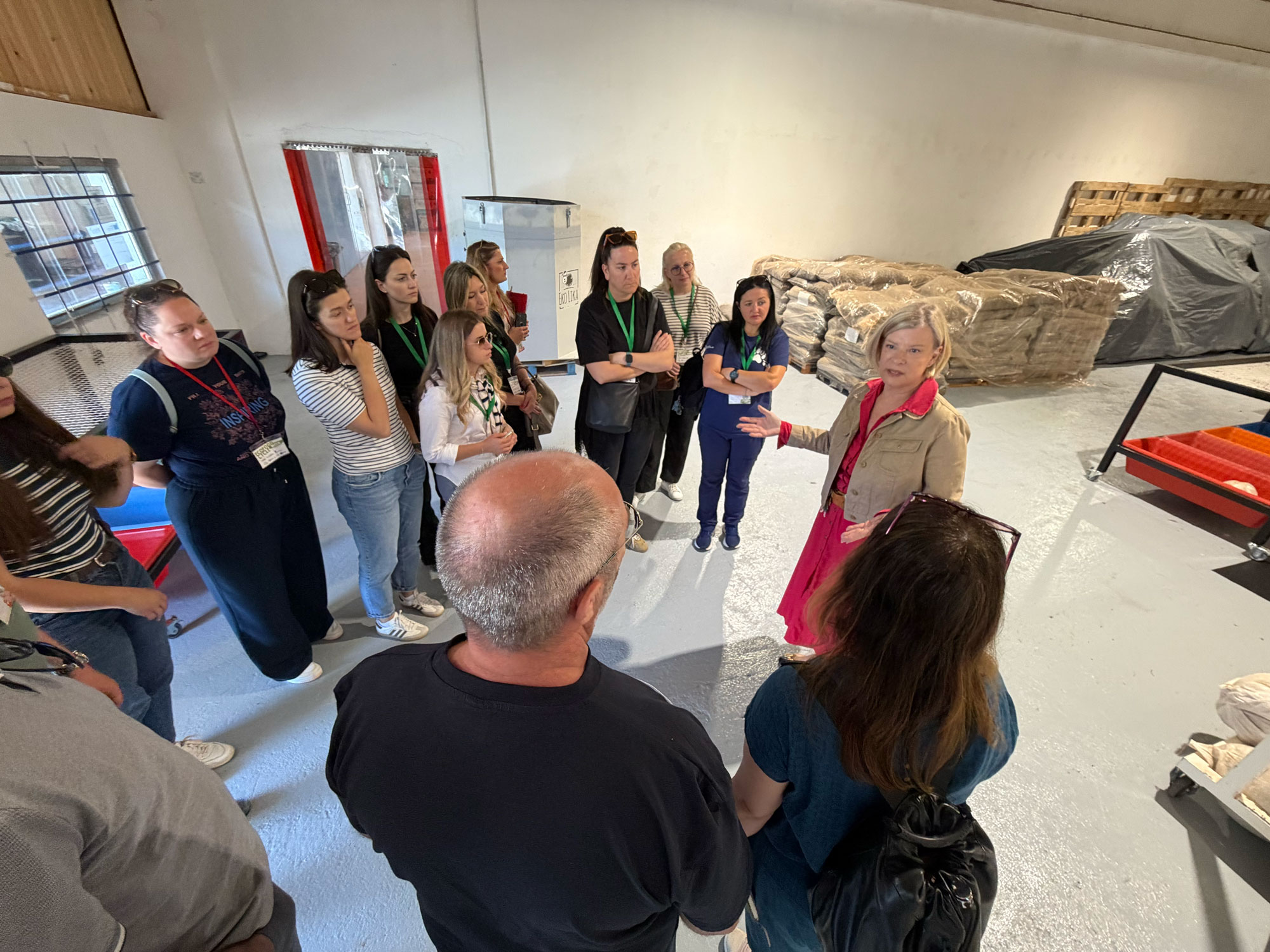
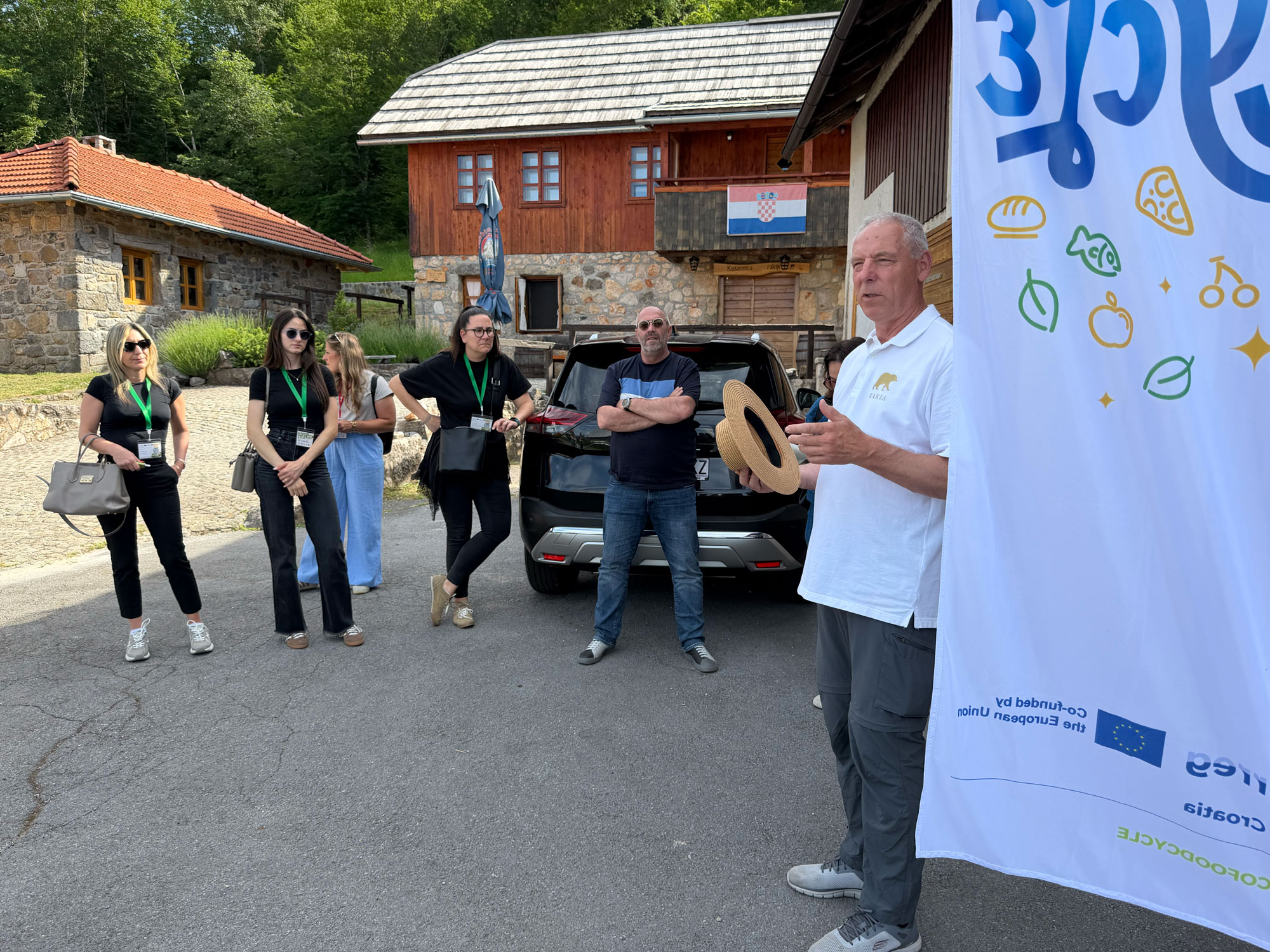
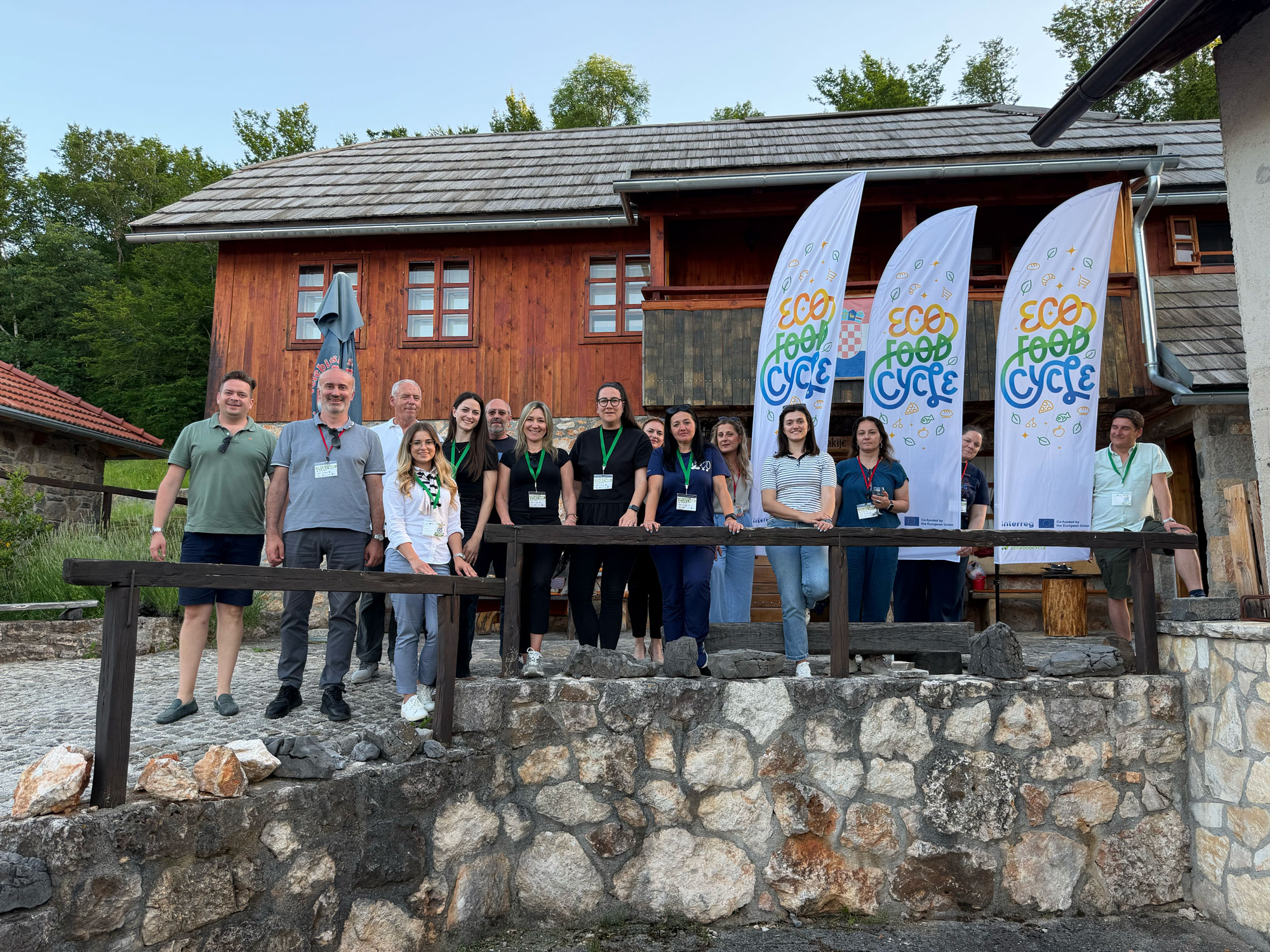
Circular production, sustainable hospitality, and collaboration as key elements of developing sustainable local communities were the focus of the cross-border stakeholder meeting held as part of the ECOFOODCYCLE Week. Under the working title From Production Innovation to Kitchen Circularity and Joint Action, project stakeholders had the opportunity to explore examples of good practice that successfully combine innovation, sustainability, and entrepreneurship. Through field visits, participants were introduced to different business models that create value from local resources, knowledge, and cross-sector cooperation.
The hosts welcomed participants into their production facilities and family businesses, sharing their experiences in business development, the challenges they face, and the benefits of applying circular economy principles. Particular emphasis was placed on the efficient use of resources, waste reduction, and the creation of added value through innovative approaches to production and processing. Participants had the opportunity to see firsthand how sustainability can be successfully integrated into various economic activities – from manufacturing and agriculture to hospitality and tourism. Numerous awards and recognitions, many of them international, further confirm the quality of their work.
From Low-Grade Waste Wool to a Premium Product for Eco-Food Production
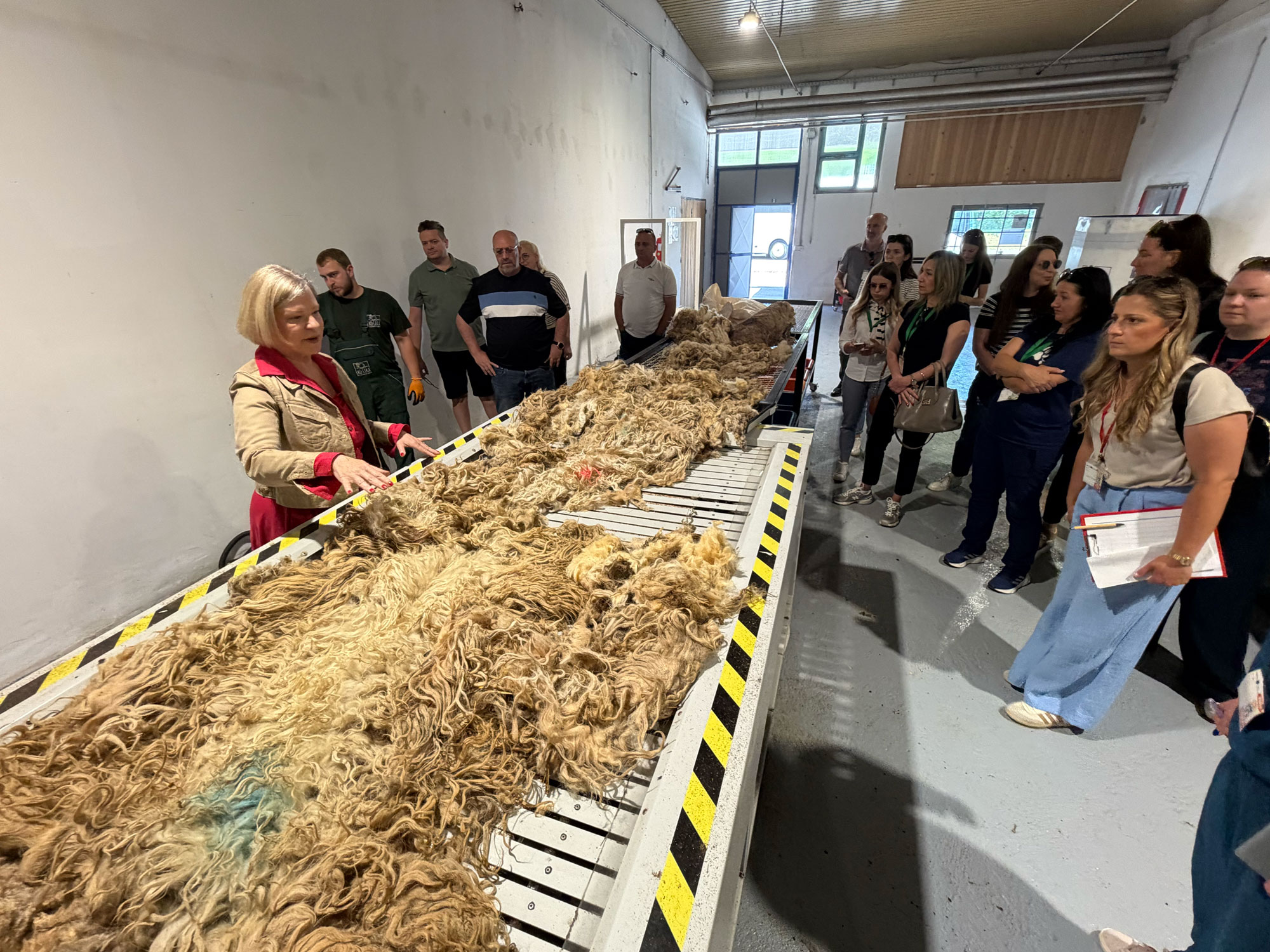
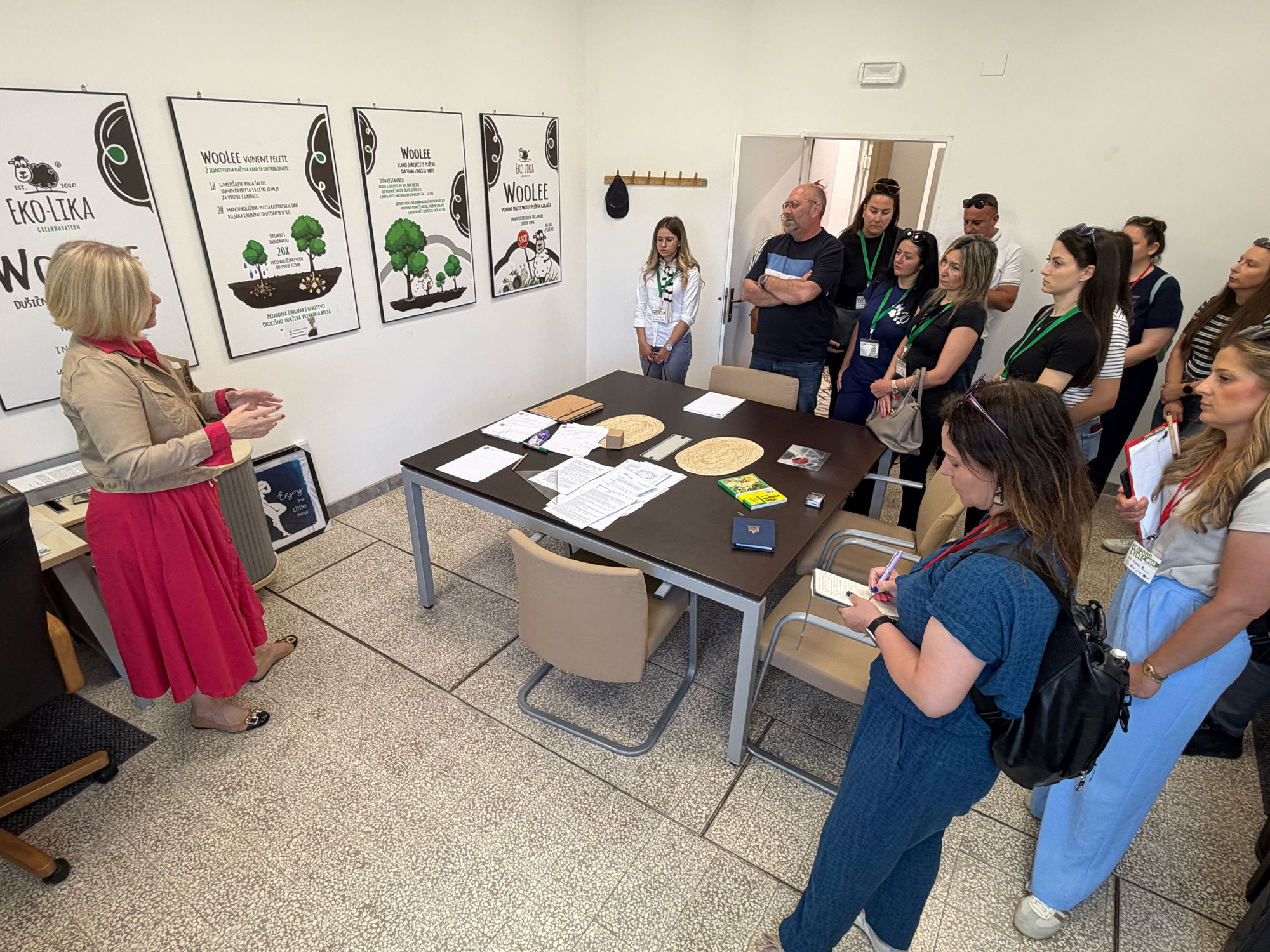
Leading the way is the inspiring entrepreneur from Split, Dragica Jerkov, whose “pandemic boredom” more than six years ago inspired her to turn a business idea into reality. Using third-grade wool from the indigenous Pramenka sheep breed—which would otherwise be discarded as waste—she produces two highly successful products: pelletized fertilizer and a natural slug repellent. Around 1,300 tonnes of this wool become waste annually in Croatia alone, while globally the figure exceeds one million tonnes.
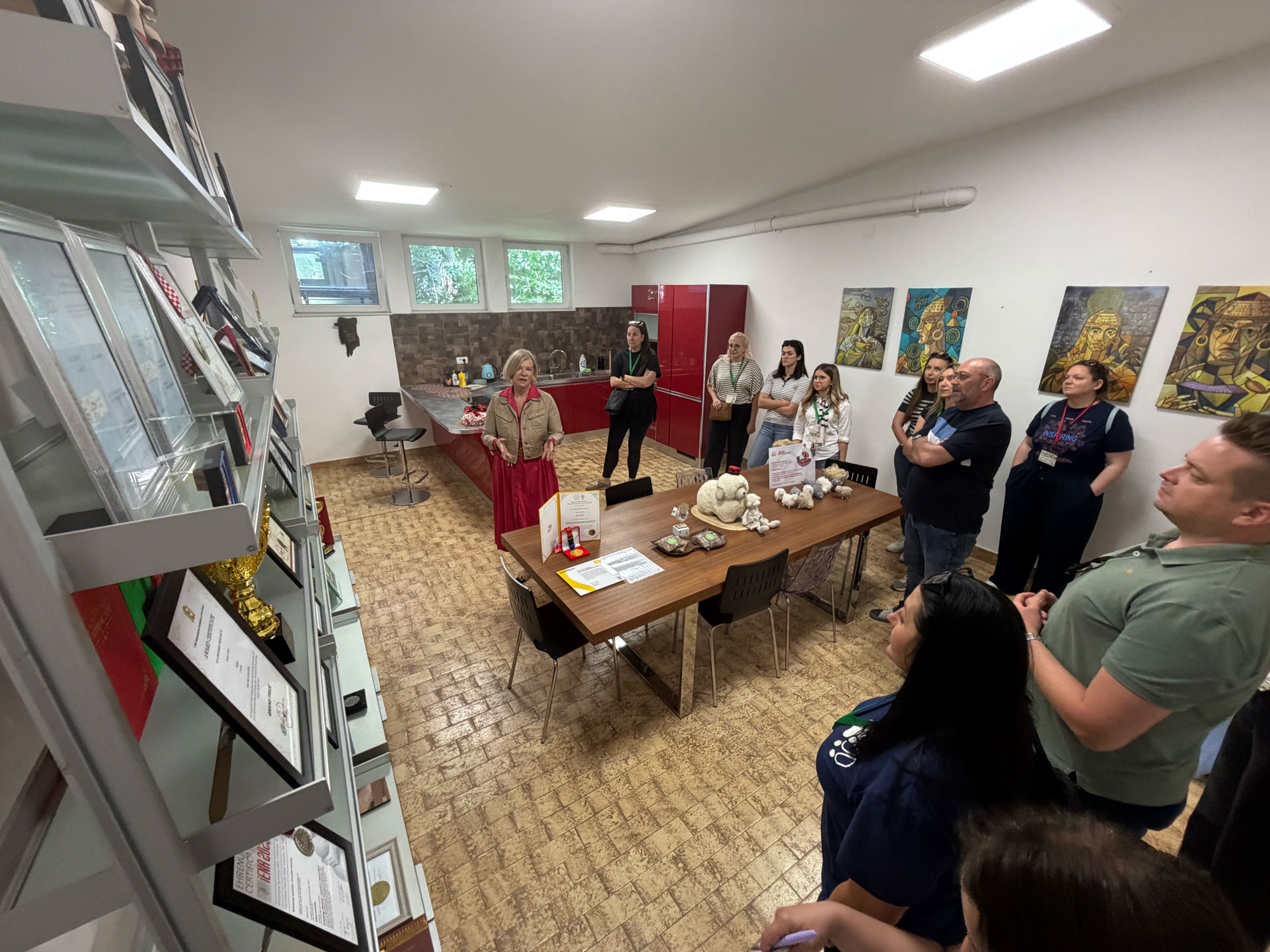
“Completely natural, with no artificial additives” is the principle guiding her multidisciplinary business approach, which evolved into industrial-scale production nearly three years ago. This unique product has brought Dragica and her family numerous international awards and recognitions, from Bangkok and China to the prestigious Geneva Inventions Fair, Saudi Arabia, Taiwan, technology institutes in Germany, the United States (including recognition in Silicon Valley), Poland, the Business School of London, and many others.
Energetic and tireless in pursuing new ideas—most of which she successfully implements—she is particularly proud that the machinery operating in their production facility was patented specifically for their factory.
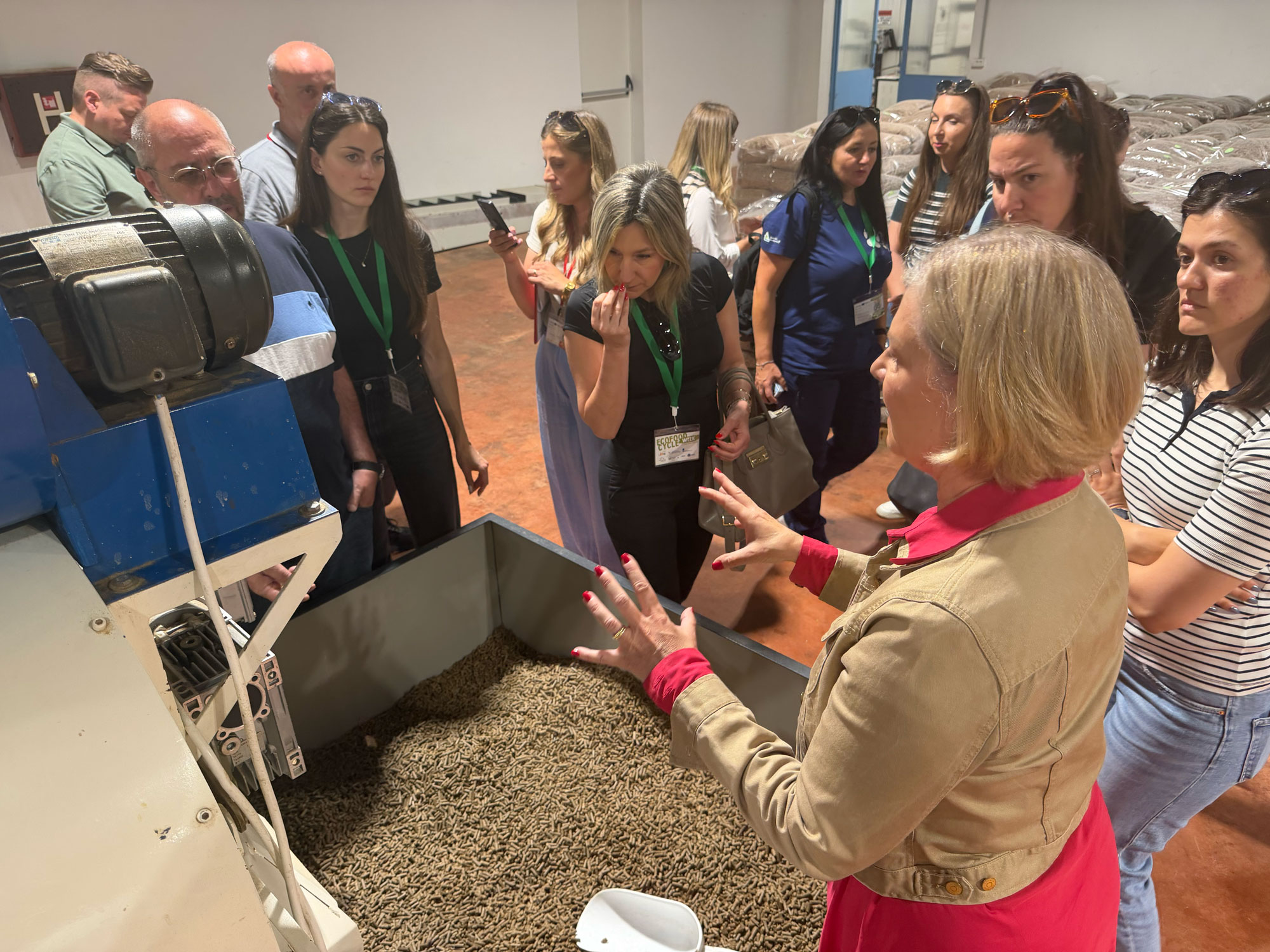
The raw wool arriving at the facility, having already undergone all required safety procedures, first passes through a carding machine with a thousand teeth. It then enters a sterilization unit unique in the world, which is the most critical stage of the process. This machine exposes up to one tonne of raw material per day to a temperature of 133°C, completely eliminating pathogens and ensuring the final product is 100% epidemiologically safe. Finally, the wool is processed in one of two shredders—one producing pellets (made from pure wool containing 12% nitrogen, no phosphorus, and 5% potassium), and the other producing a repellent with the same composition.
Due to their composition, these products absorb and retain large amounts of water when incorporated into the soil and remain active for up to 95 years. Scientific studies have shown that after only five years they significantly improve and regenerate soil quality. Moreover, because they store carbon rather than releasing it into the atmosphere, they help prevent the formation of carbon dioxide.
According to Dragica, now based in Otočac, the best-selling product is the slug repellent, which also serves as mulch after application and suppresses weed growth. Both products meet demanding EU standards. However, what motivates her is not profit, but rather the positive social impact, the strengthening of local communities, and the fact that this success story originated in Lika, a region often considered peripheral. Stories like this, she believes, are true drivers of change.
Innovations from Lika Crossing Borders
To ensure this remarkable story gains even greater significance, inspires others, and remains a legacy for future generations, numerous legal frameworks still need to be harmonized. Nevertheless, determination is not lacking. Interest in replicating both the business model and the product has already come from various parts of the world, but Dragica Jerkov remains committed to keeping her operations in Lika and Croatia.
What will soon cross Croatia’s borders are the machines themselves, which will be manufactured under her brand in Travnik, Bosnia and Herzegovina.
For this exceptional product to achieve such success, it was essential to think outside the box—to involve experts, listen to advice, remain adaptable, wake before dawn, and ignore conventional working hours. This is how a story from a small region and an even smaller town grew into a global success story.
A Successful Circular Kitchen Management Model from Vrelo Korenicko
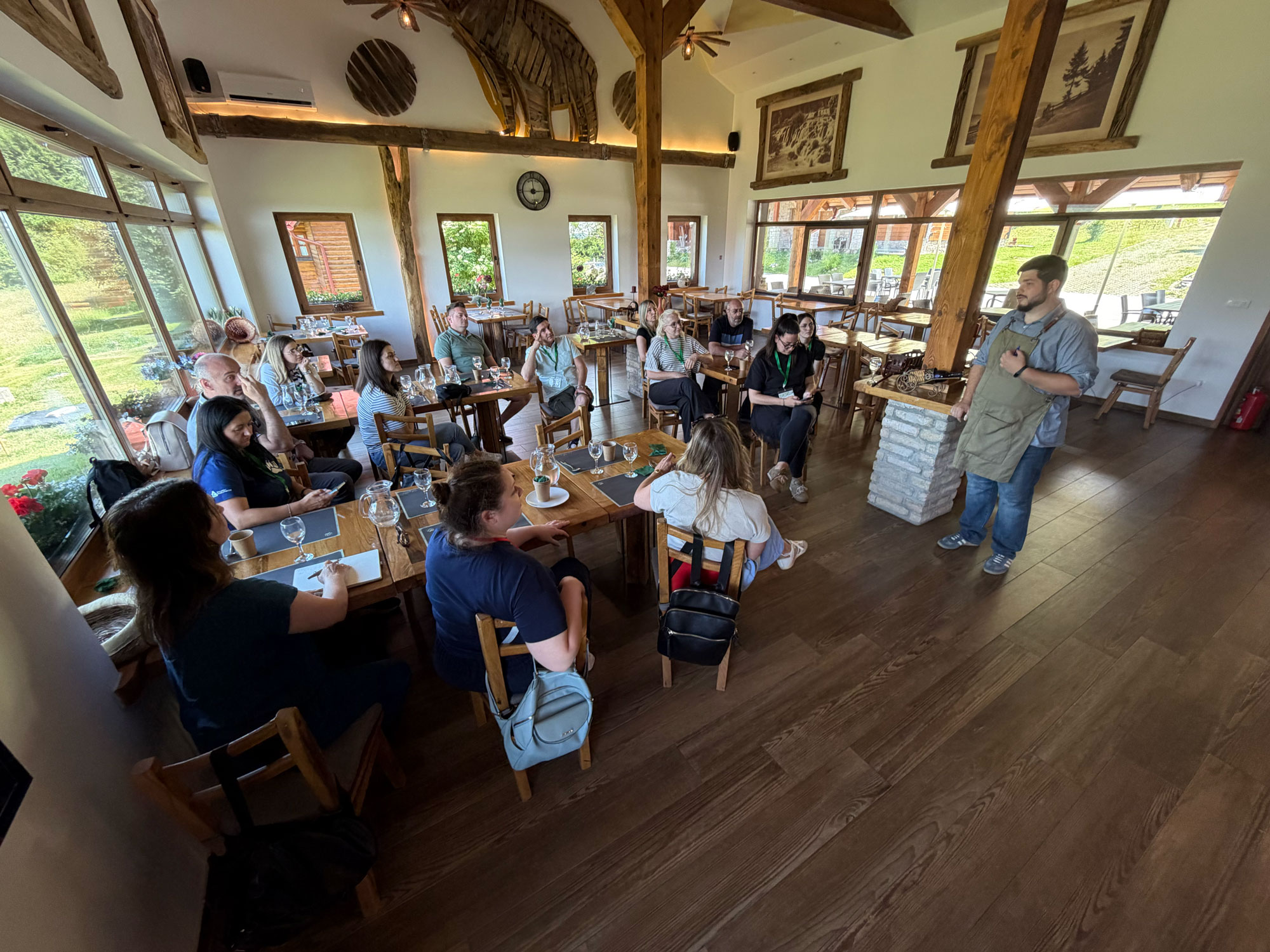
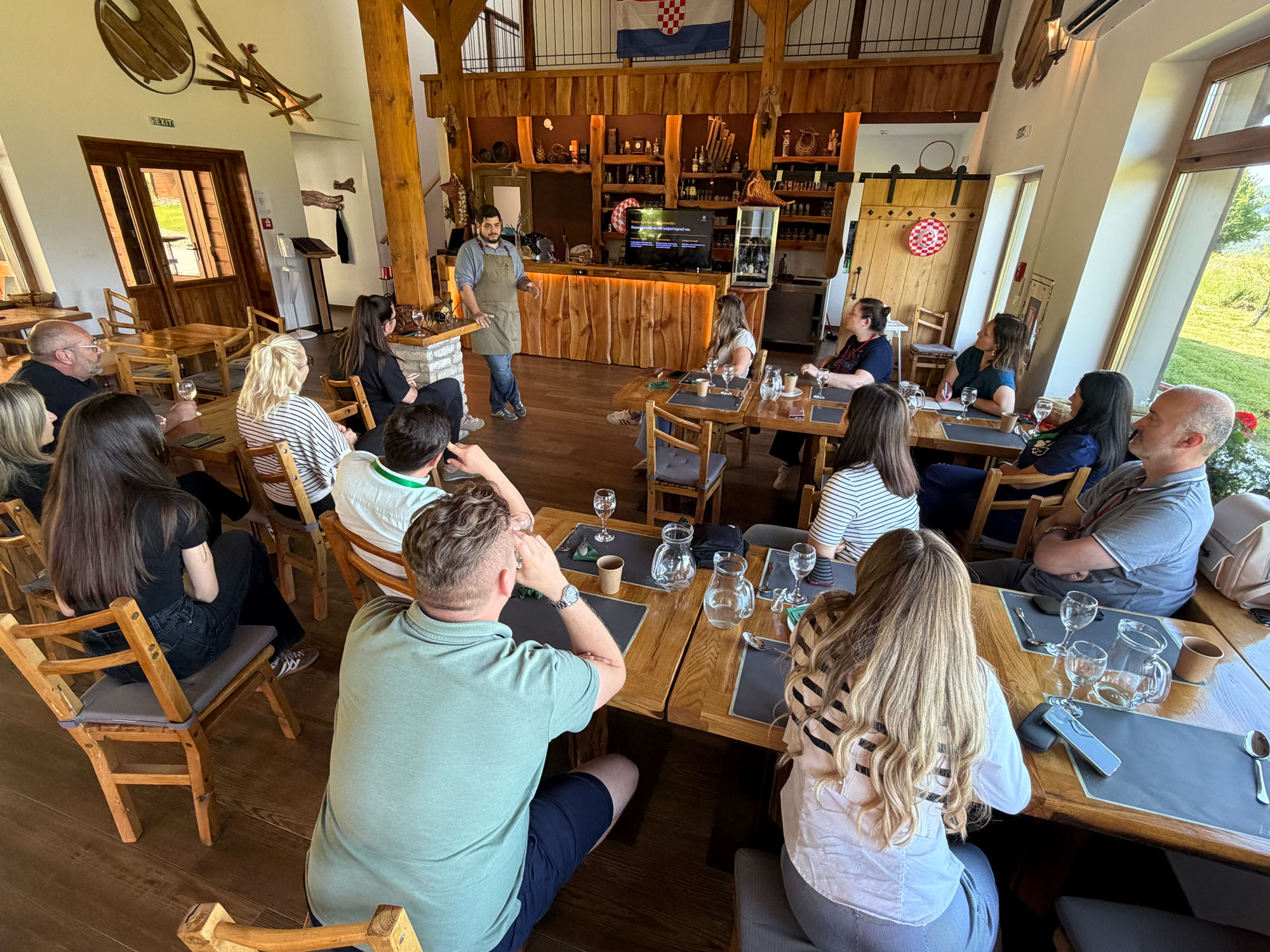
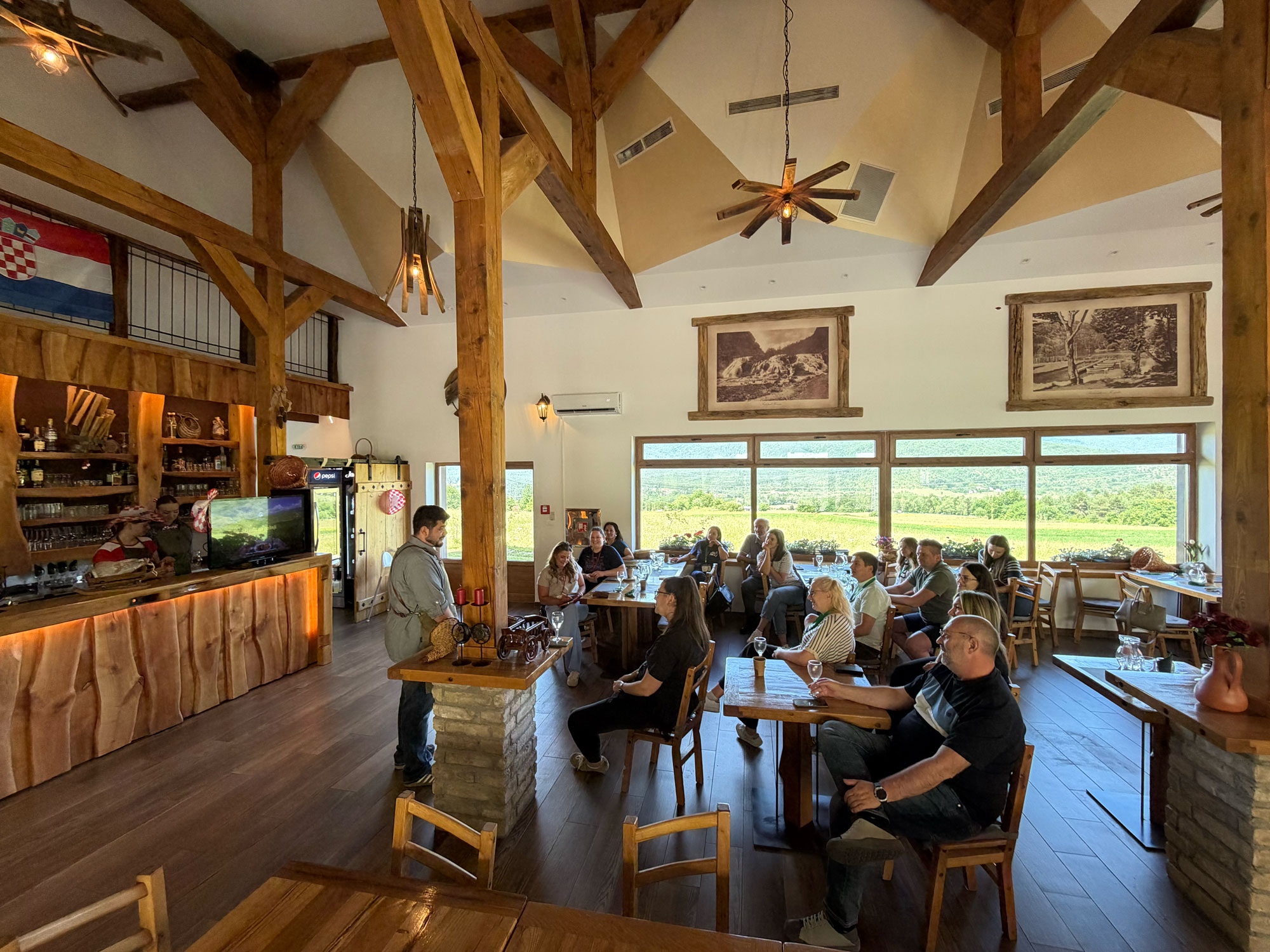
Another family success story - this time in hospitality - comes from the small village of Vrelo Koreničko near the Plitvice Lakes. Thanks to three generations of dedication, the story of a bistro and guesthouse located beneath the impressive Mrsinj mountain, between forest and pastureland, has become a true gastronomic sensation.
The story began 22 years ago thanks to passionate hunter, herb collector, and mushroom forager Branko Sokač and his wife Sonja. Today, the business is successfully managed by their son-in-law Dario Pap and his family.
Circular kitchen management and the motto “Nothing is thrown away!”—which encompasses menu planning, procurement, and the idea that every dish is a lesson—were passed on to young Karlo by his parents and grandparents alike. Every ingredient has its place on the plate, whether it is vegetables, fruit, or meat. Local and seasonal sourcing are the foundations of this model, resulting in short supply chains, trusted local suppliers, and menus shaped by what nature provides. Every leaf, root, bone, and drop of fat is used—nothing becomes waste.
The principle of upcycling means the menu continuously adapts to ingredients available in the local community throughout the seasons. A smaller menu leads to a better product, especially when supported by a long-term sustainable strategy. The family proudly embraces the “nothing wasted dish” philosophy, which strengthens their connection to nature and contributes to the well-being of their community.
Prvan Selo on the Map of Sustainable Agricultural and Tourism Management
Another successful story deeply rooted in the local community comes from Prvan Selo, just a few minutes from Gospić, where the Vlainić family has been building its legacy for more than a century.
Born 145 years ago, the great-grandfather of 67-year-old Drago Vlainić planted the first fruit tree on the family estate, which today covers ten hectares. As a young man, he also spent time overseas in America, returning home with awards and recognition in 1929. Since then, knowledge and experience have been passed down through generations.
Today, the farm is owned by Ivan Vlainić, a fifth-generation family member who returned from Zagreb to Lika twelve years ago. His father Drago remains an important source of support. He proudly guided project partners around the estate, explained the business model, and hosted them in the family’s tasting room, located in a 102-year-old stone building. Fruit brandy tasting rooms remain a rarity in Croatia, making this a particularly valued aspect of their offer.
Improving Production Through Cooperation with the Lika-Senj County Development Centre
Primarily farmers, the family is engaged in fruit growing, processing, hospitality, tourism, and the production of fruit brandies and liqueurs. This integrated model has enabled them to achieve a closed-loop system with virtually zero waste. According to Mr. Vlainić, the model will become even more sustainable once they install a planned solar power plant to supply energy for their machinery.
Award-winning fruit growers understand the importance of minimizing energy and resource consumption. Significant progress has already been achieved through efficient water management, utilizing the natural properties of hot and cold water depending on production needs. The pomace not used for distillation is returned to the orchards as fertilizer.
Plums form the foundation of much of their production, creating substantial amounts of pits as a by-product. Thanks to projects implemented in cooperation with the county’s Development Centre and its processing facilities, the kernels are transformed into high-quality oil for the cosmetics industry, while the shells are used to produce heating pellets or insulation materials. Remarkably, plum pits account for nearly one-third of the fruit’s weight, and a litre of plum kernel oil is worth more than a litre of brandy. This is yet another example of sustainable and circular production in practice. The family also uses the Development Centre’s plum-drying facilities.
Strong Demand Confirms the Value of Sustainable Thinking
The Vlainić family is driven by the desire to stand out, make production sustainable, and ensure exceptional quality. Their brandies and liqueurs contain no added sugar, relying solely on the natural sugars present in the fruit itself.
Demand exceeds their production capacity. Among international visitors, raspberry liqueur is particularly popular, while dried plum brandy is highly appreciated. Awards and recognitions are not unfamiliar to them either. Although they do not consider them the most important measure of success, such acknowledgements provide valuable encouragement and confirmation that they have chosen the right path—maintaining quality rather than expanding production at any cost.
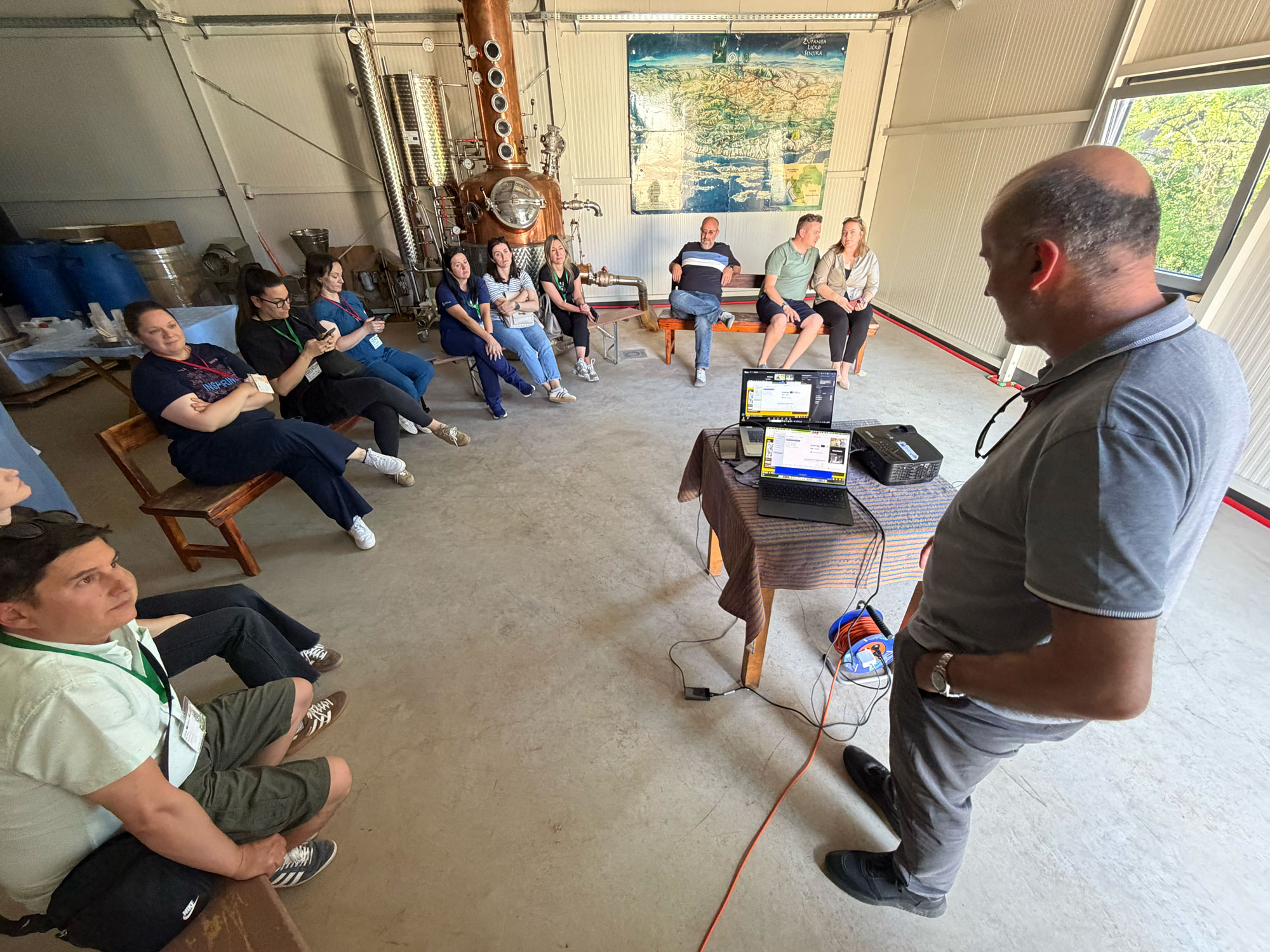
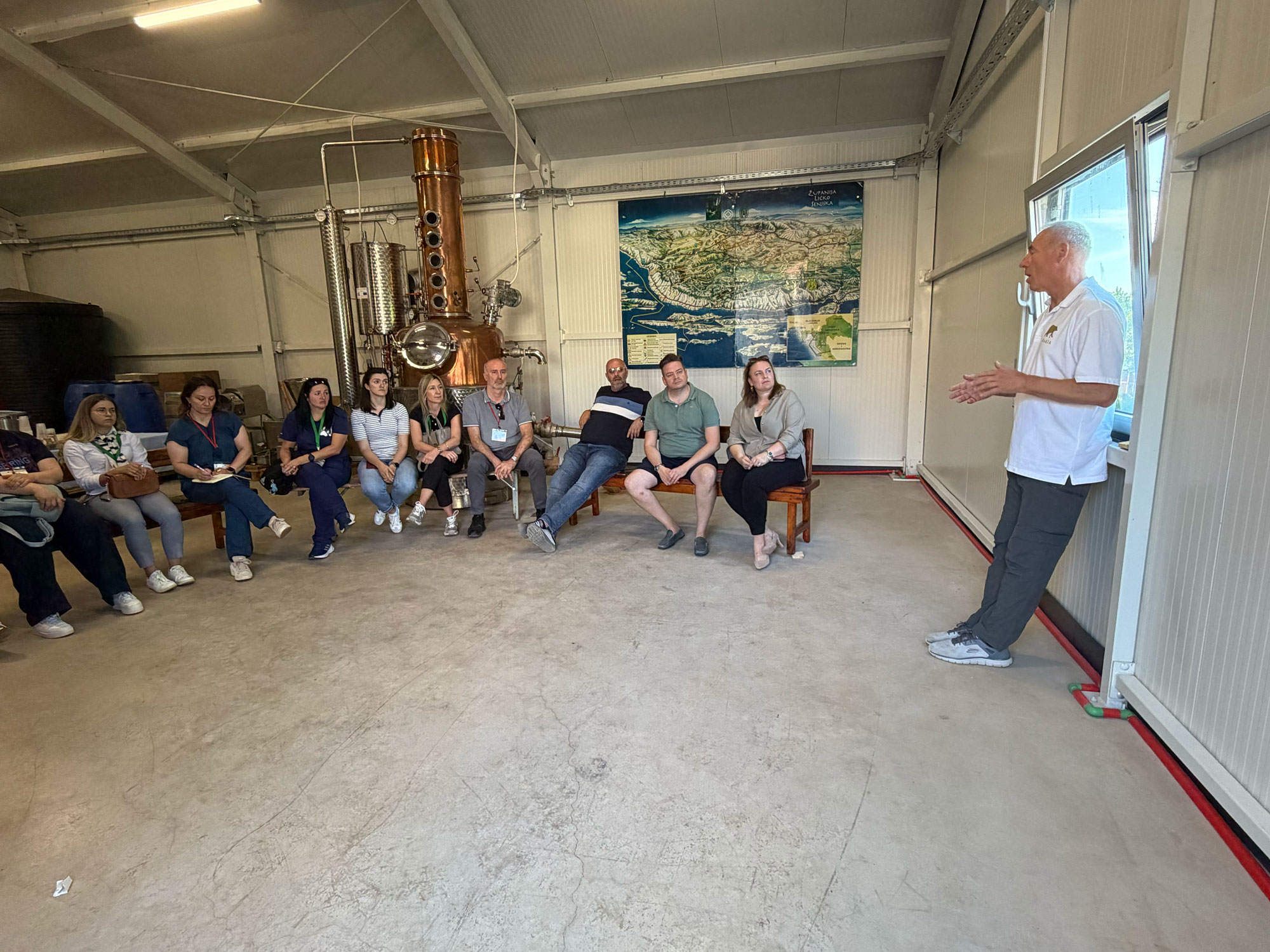
The inspiring day concluded with a cross-border roundtable discussion held appropriately within a distillation facility. Partners attending in person and online exchanged impressions, discussed common challenges related to food waste prevention and utilization, explored opportunities for replicating successful practices in their own regions, and considered future collaborative activities.