
The power of Citizen Science
12/06/2026
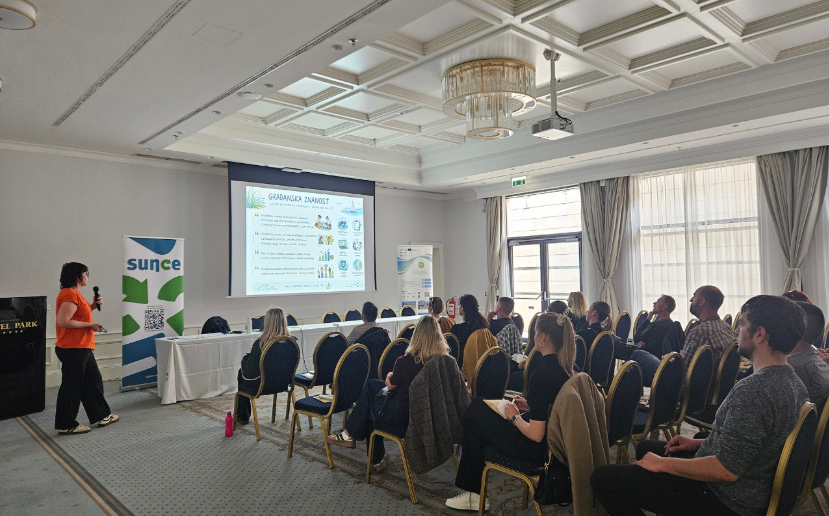
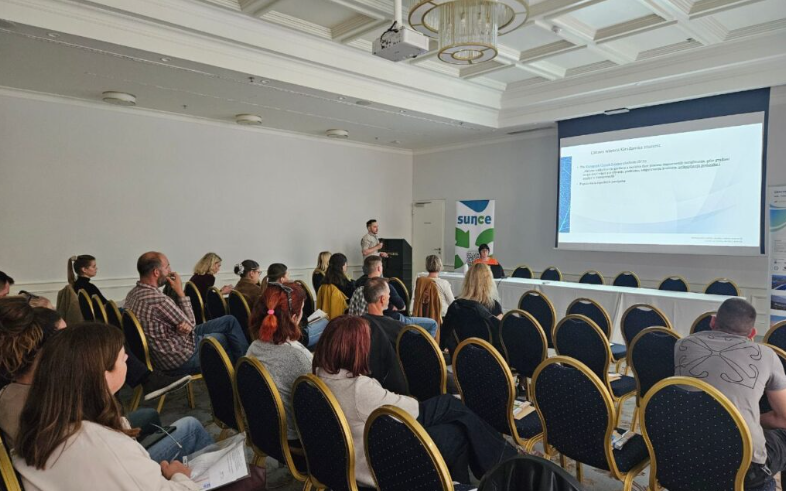
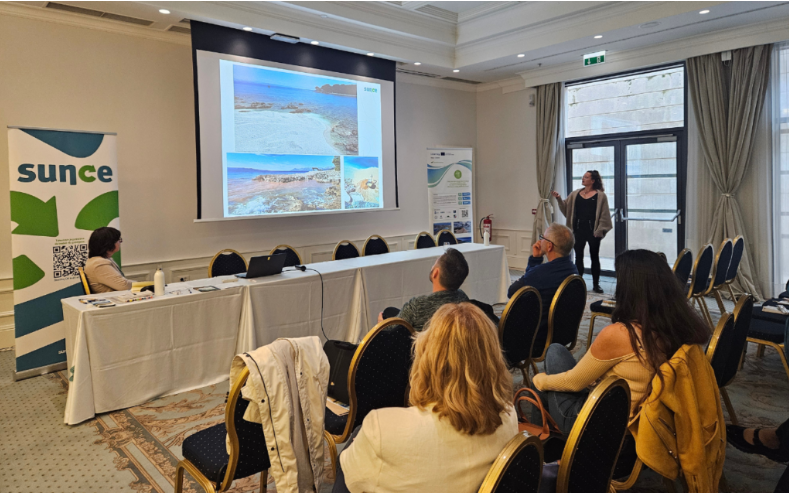
The BIOPRESSADRIA project has reached another important milestone with the training workshop “Citizens – observers of the Adriatic Sea state”, held in Split on 15–16 May 2026 and organised by our project partner Sunce.
The 2-day event represented the fourth international training activity carried out within the project, following the courses hosted in Italy at the Protected Marine Area of Porto Cesareo and in Monfalcone, and the training held in Dubrovnik on environmentally friendly anchoring systems and sustainable marine management.
This progression of training activities reflects BIOPRESSADRIA’s commitment to strengthening cooperation across the Adriatic and building a shared culture of marine conservation among institutions, experts, stakeholders and local communities. While the previous courses focused on specific aspects of marine protection and sustainable management, the Split training placed citizens at the centre of environmental monitoring, highlighting the growing importance of CITIZEN SCIENCE as a tool for safeguarding the Adriatic Sea.
Citizen science—the active involvement of citizens in collecting and sharing environmental data—is increasingly recognised as a fundamental resource for marine conservation. The Adriatic is a complex and constantly changing ecosystem, and scientists alone cannot monitor every environmental transformation taking place along thousands of kilometres of coastline and sea. Citizens who spend time on the water, along the coast or underwater can therefore become valuable contributors to scientific research and environmental protection.
Over two days, participants including students, divers, sailors, fishers, NGO representatives and sea enthusiasts learned how to contribute to monitoring activities through simple but scientifically valuable observations. Training sessions focused on the use of digital tools and mobile applications for reporting marine species, documenting environmental changes and supporting biodiversity monitoring initiatives. Experts from Croatia and Italy presented practical examples demonstrating how citizen observations can generate essential information for researchers. Particular attention was devoted to the monitoring of jellyfish, dolphins and other marine species whose presence is often difficult to track through conventional scientific surveys alone. Real-time reports submitted by citizens help create extensive databases, improve knowledge of species distribution and provide valuable support for scientific studies.
The workshop also highlighted the important role of divers in observing underwater ecosystems. Participants explored methods for monitoring Posidonia Oceanica meadows, one of the Mediterranean’s most valuable habitats.
Beyond species monitoring, citizen science also contributes to identifying environmental threats. Participants received guidance on documenting issues such as coastal landfilling, pollution, damage to marine habitats and other activities affecting the marine environment.
The key message: protecting the Adriatic Sea requires the active participation of everyone who lives, works or spends time along its coasts and waters
As the fourth training event organised within BIOPRESSADRIA, the Split workshop further demonstrated the value of cross-border cooperation between Italy and Croatia. By combining expertise, education and public participation, the project is helping create a network of informed and active citizens capable of contributing to the long-term protection of the Adriatic Sea and its unique biodiversity.