

TRAININGS in Monfalcone
12/02/2026
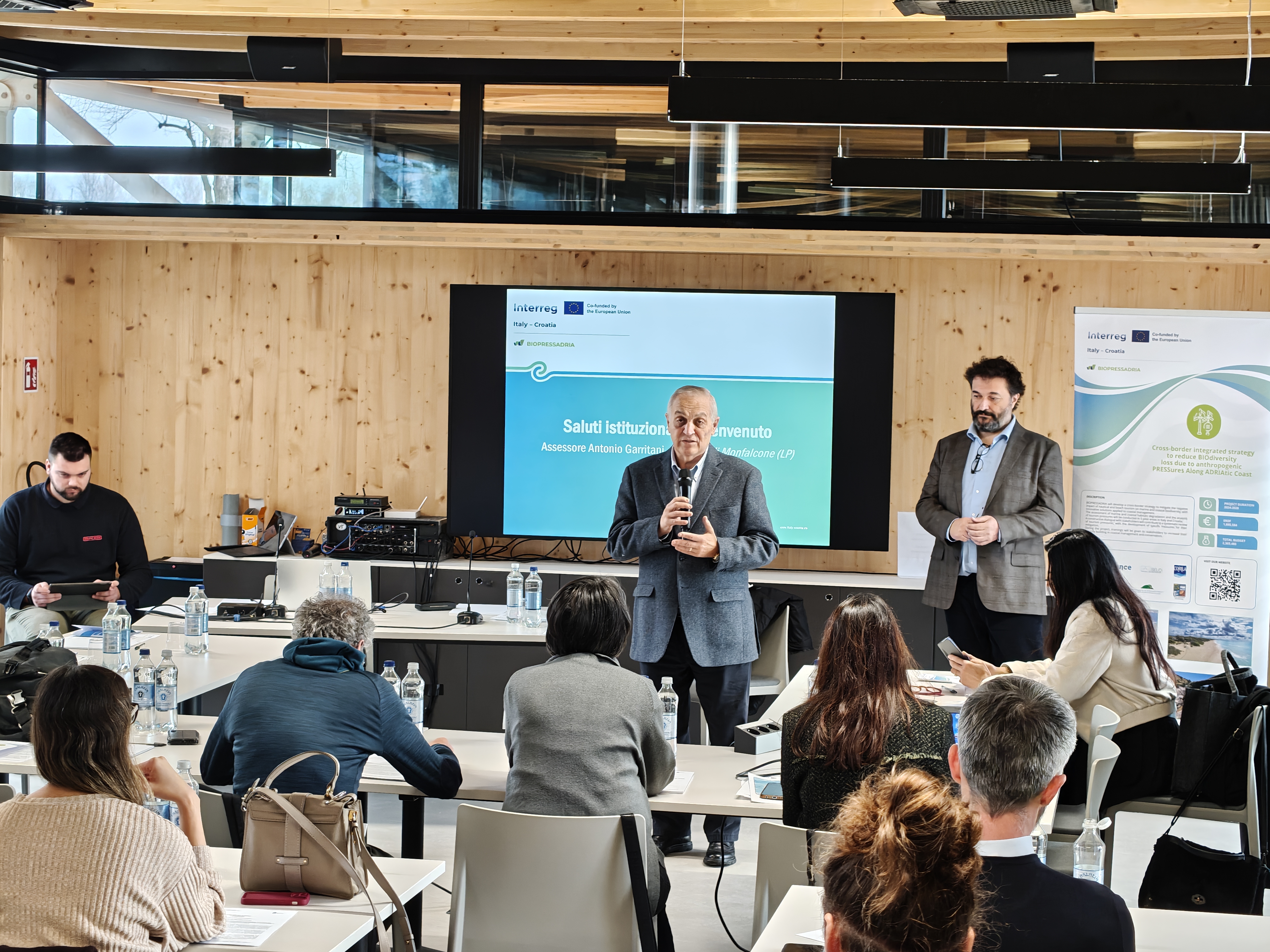
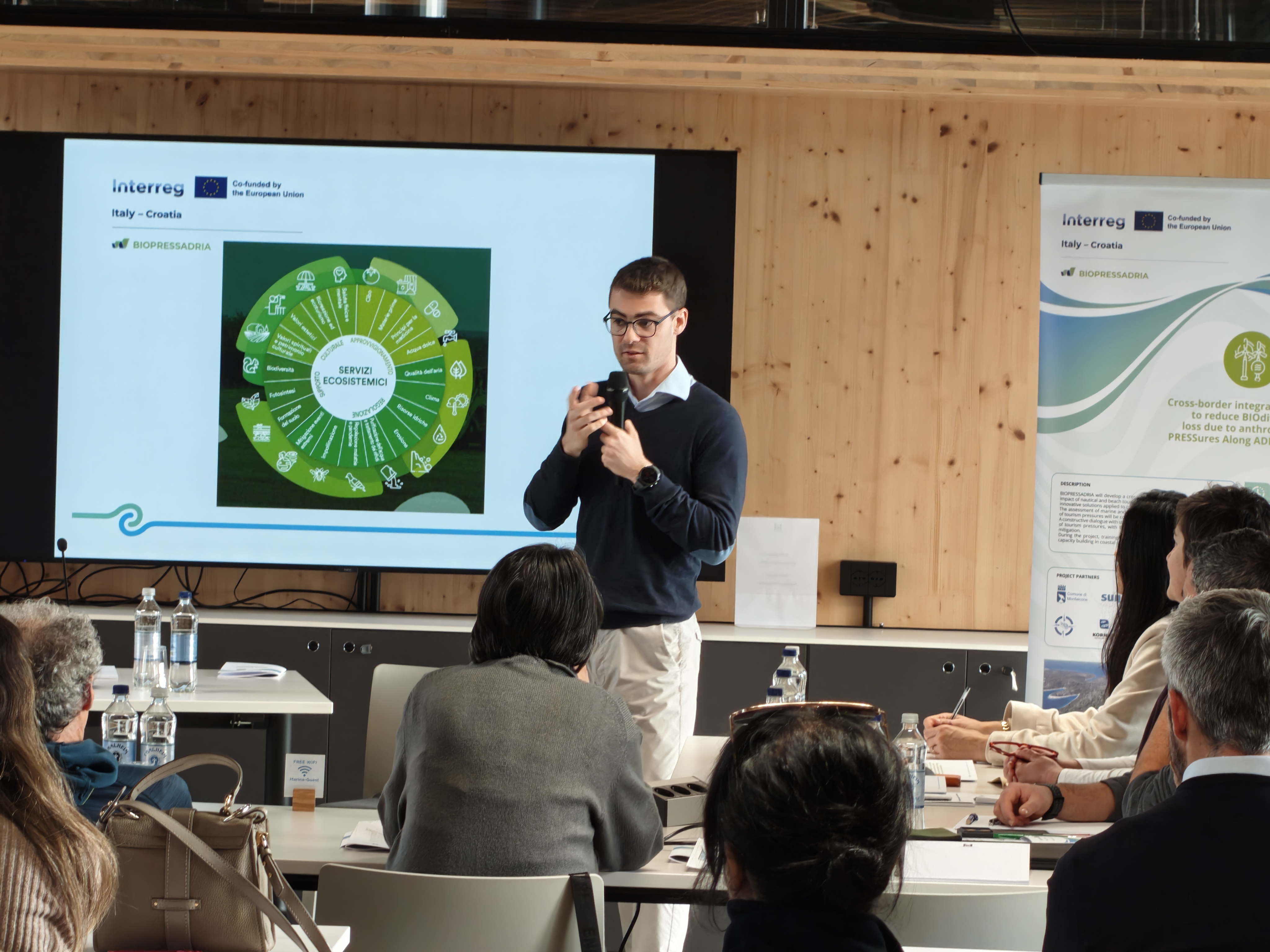
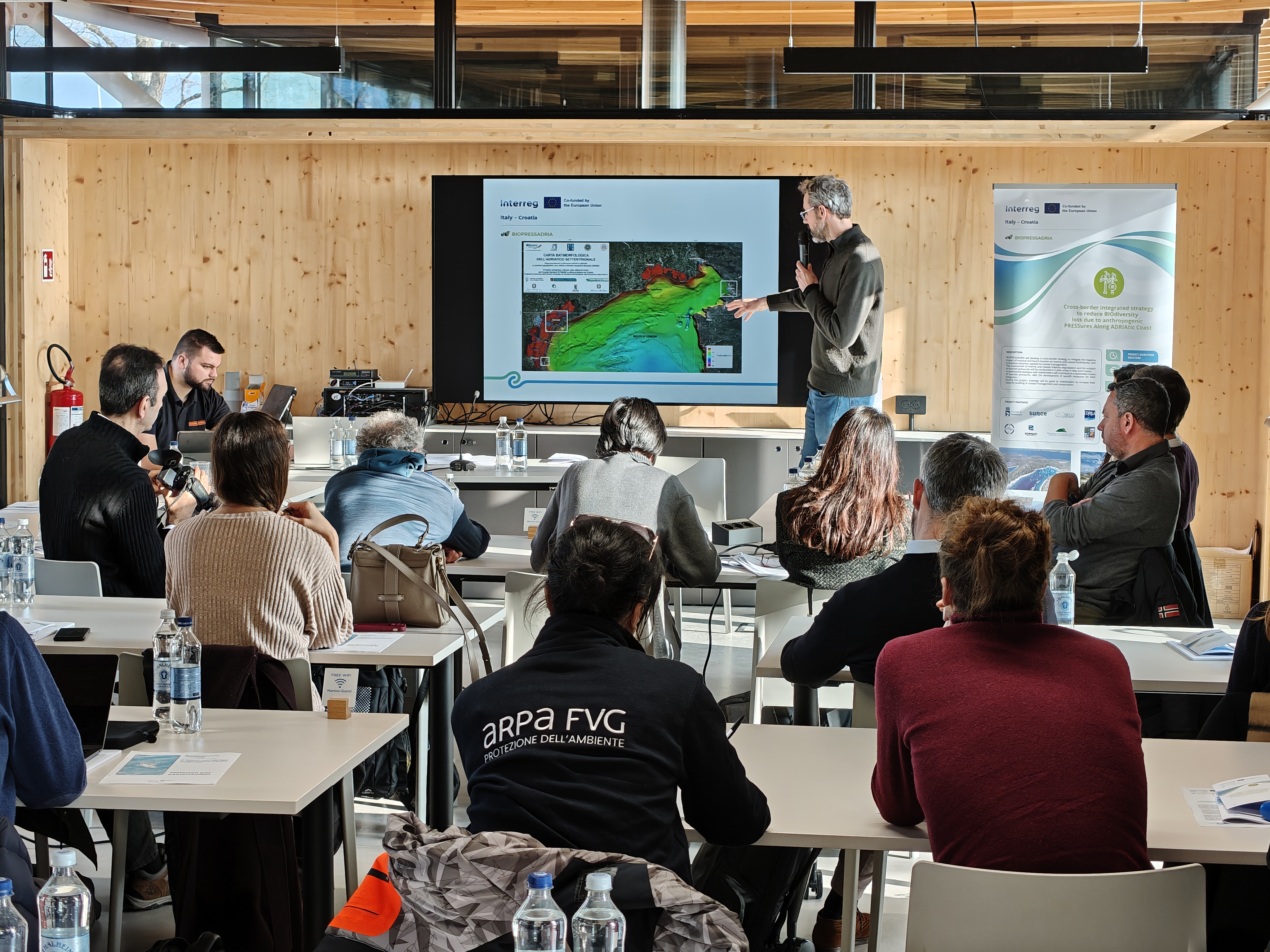
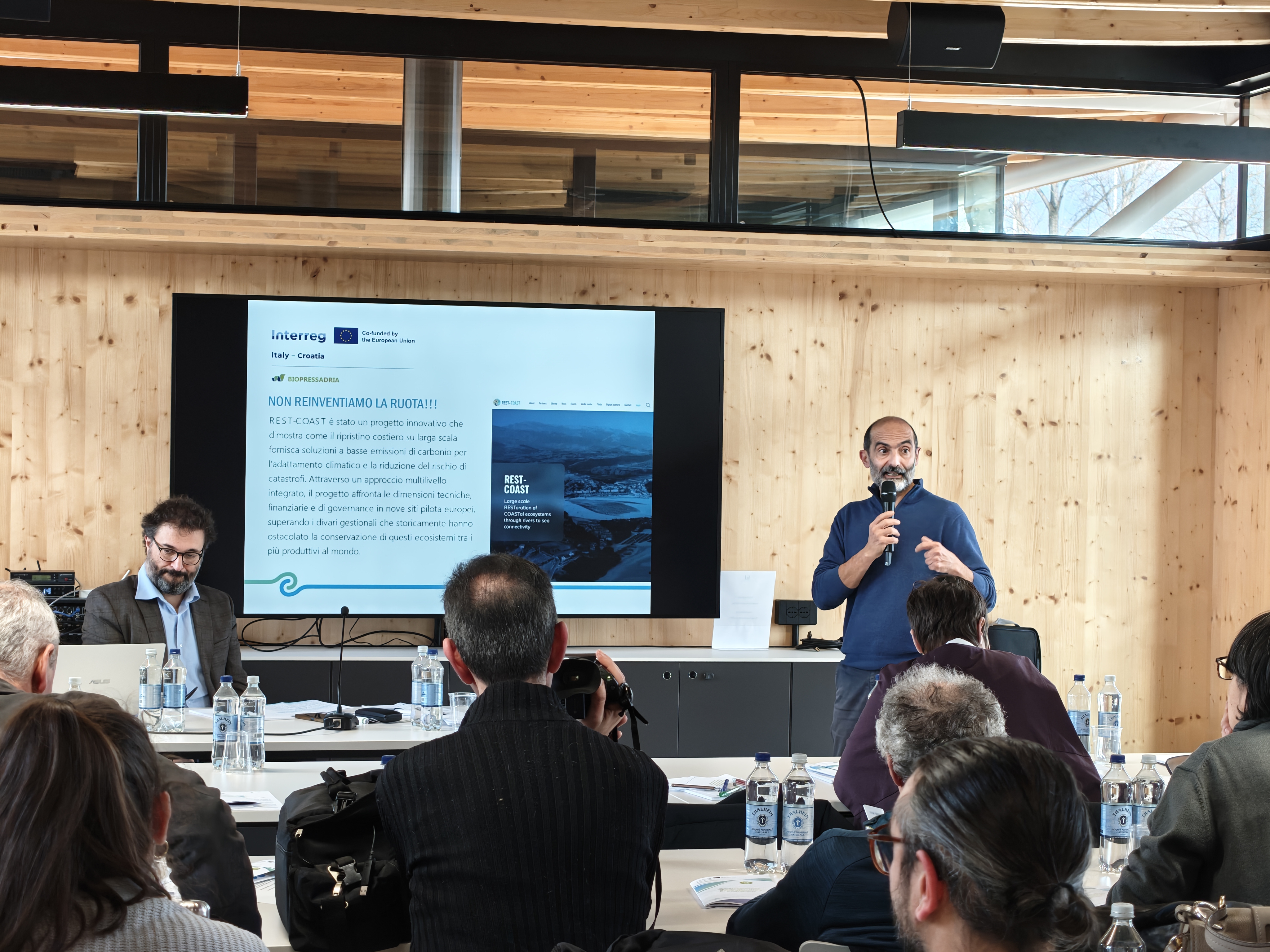
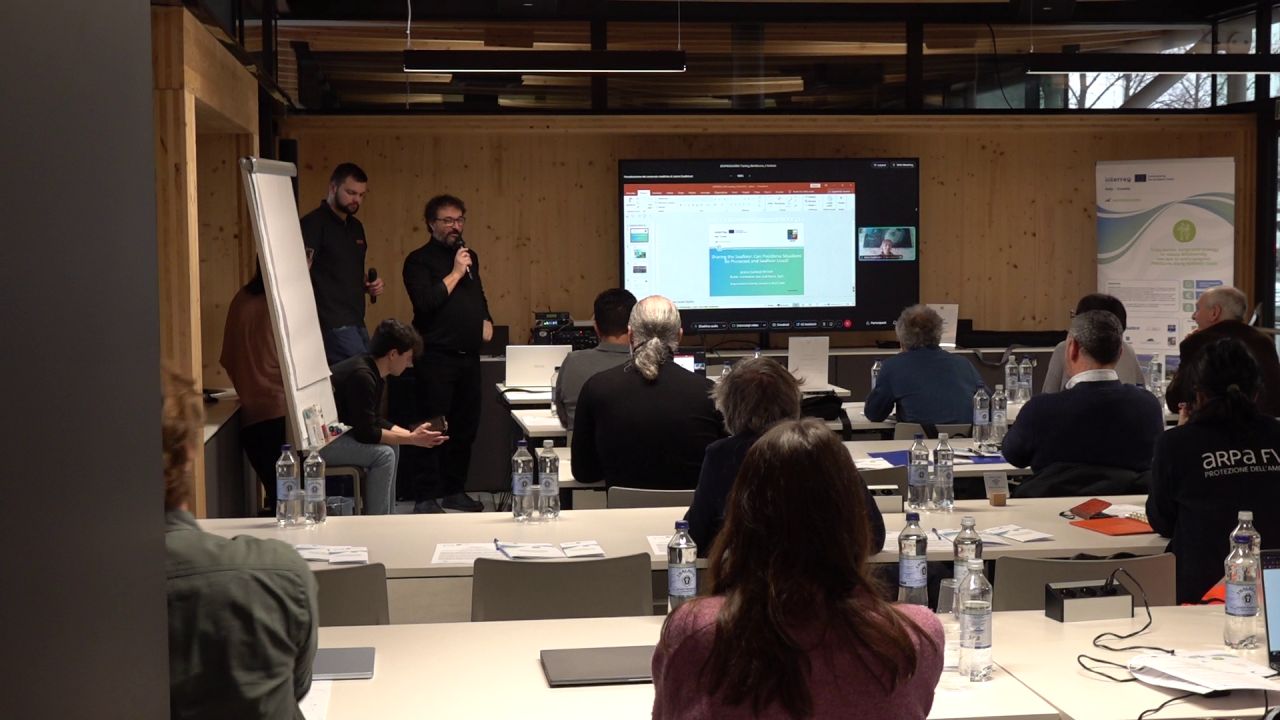
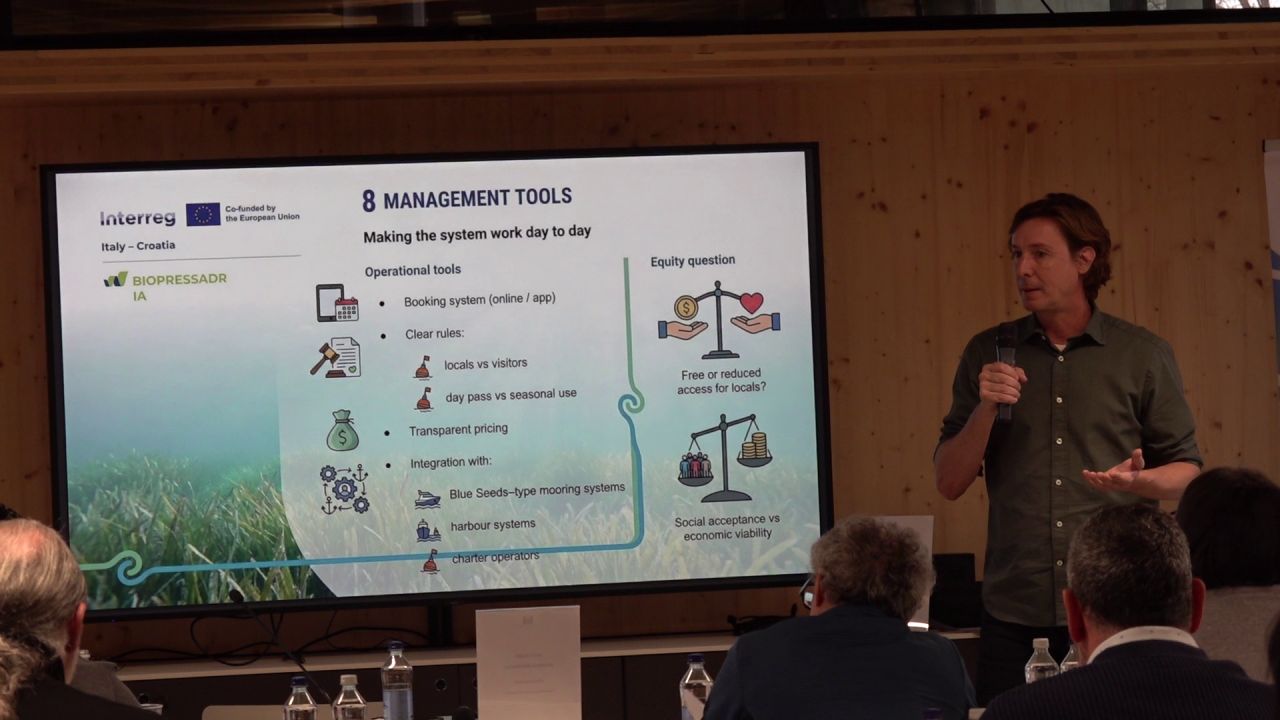
In January and February 2026, the Adriatic coast witnessed a remarkable gathering in Monfalcone, as the BIOPRESSADRIA project hosted a two-day training devoted to one of the sea’s most vital treasures: seagrass meadows.
Scientists, practitioners, students, local authorities, and stakeholders came together with a shared mission—learning not only to understand, but to protect these essential habitats.
From the outset, the training set an ambitious tone. Sessions blended the latest scientific research on marine ecosystems with practical workshops on boating impacts, eco-mooring systems, and coastal governance. The diversity of participants—administrators, researchers, students, and operators—turned every discussion into a cross-pollination of ideas, making the experience richer and more impactful for all involved.
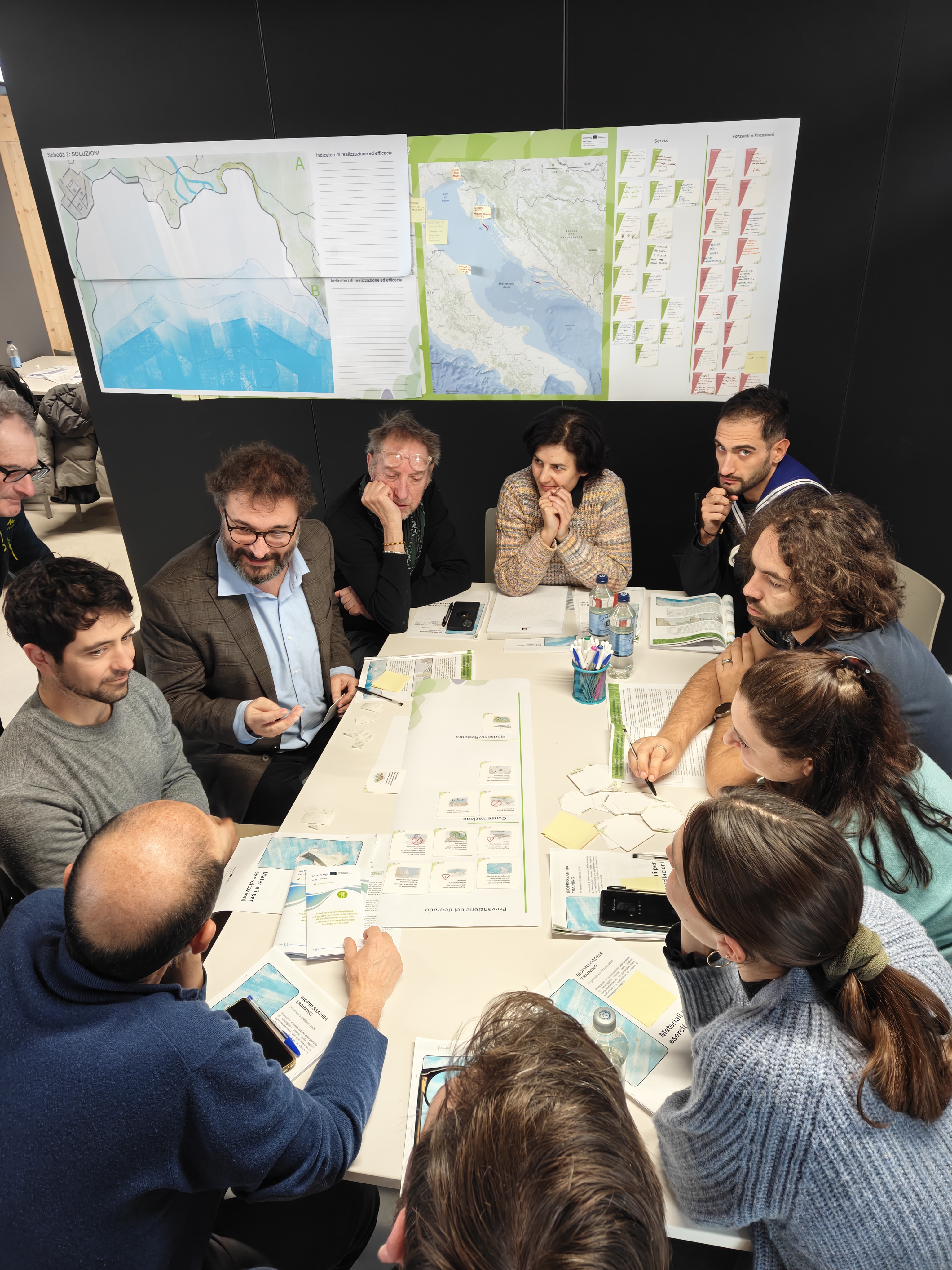
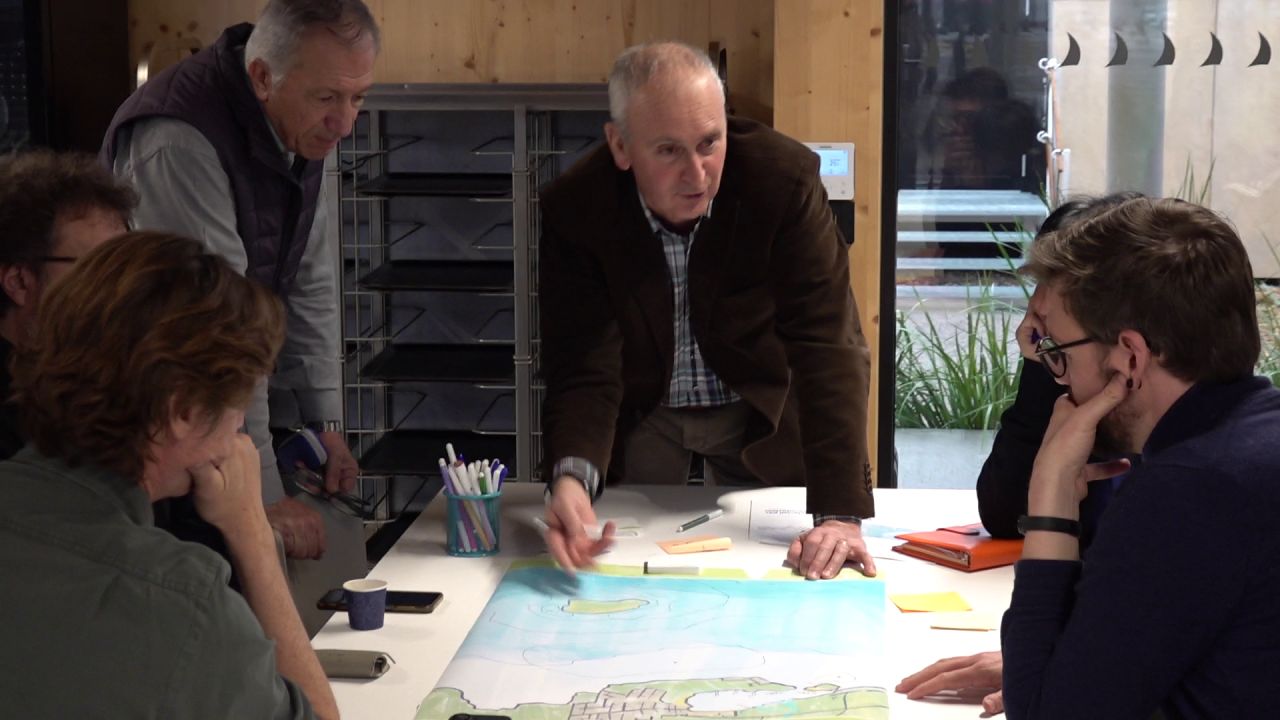
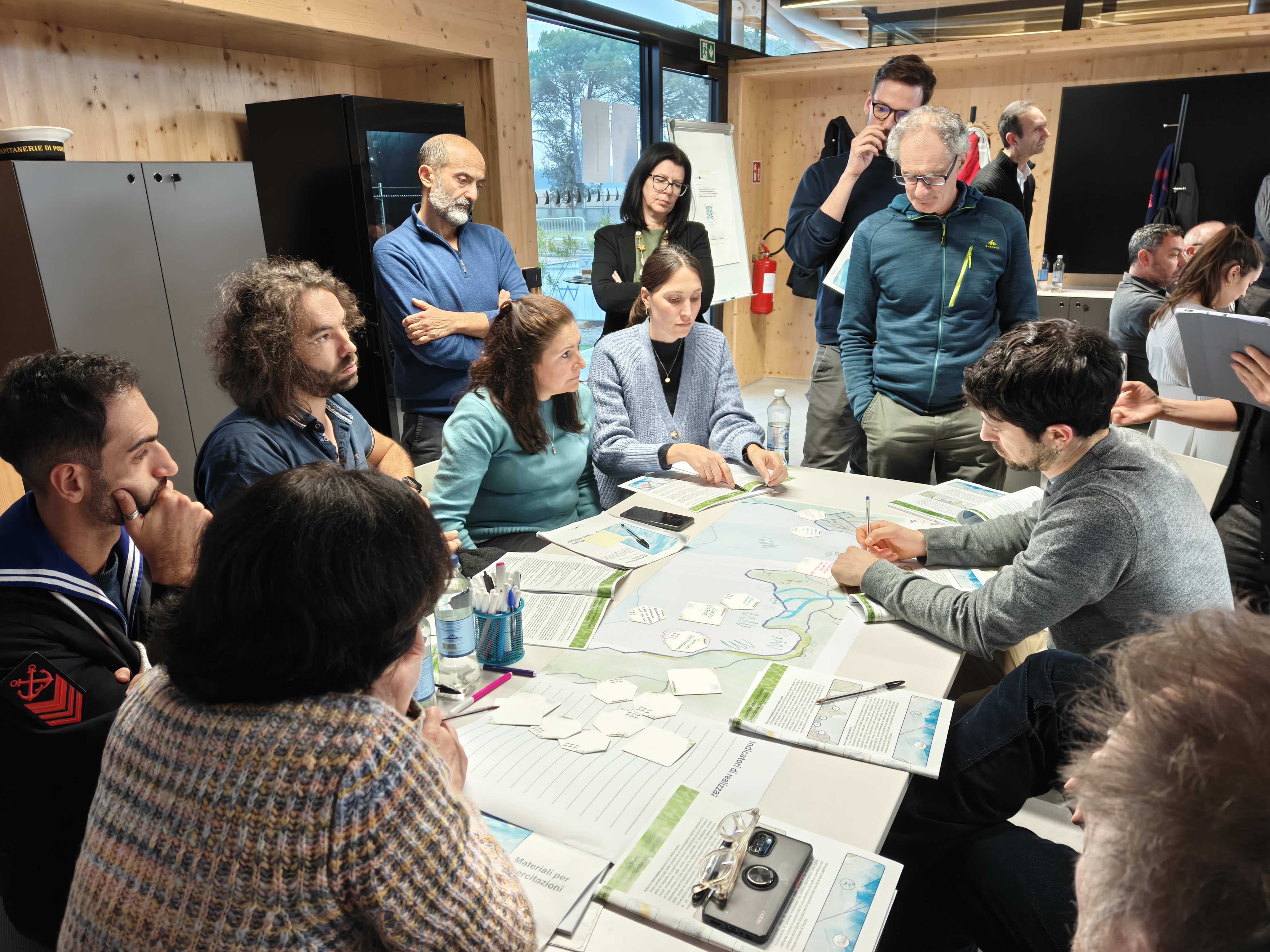
Day one focused on the ecological role of seagrasses, human pressures, and strategies for conservation and restoration. But it wasn’t just about theory. The program’s participatory approach encouraged everyone to share perspectives and co-create solutions tailored for the Adriatic context.
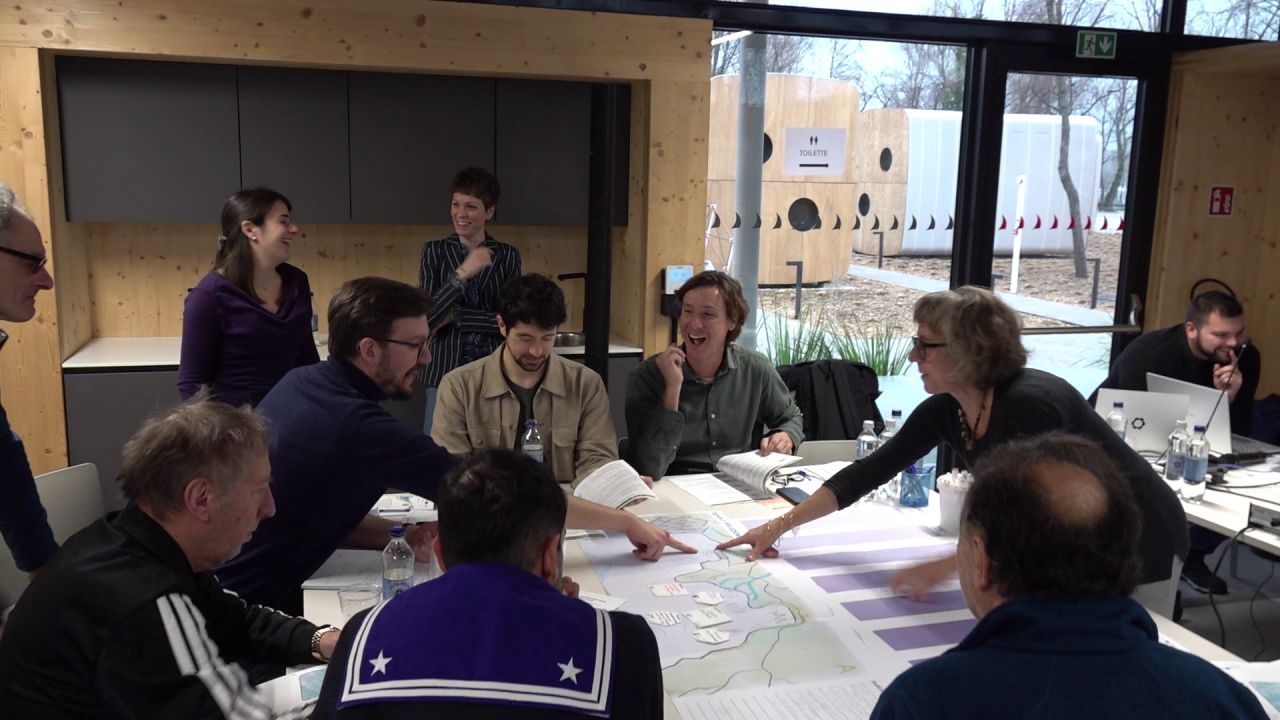
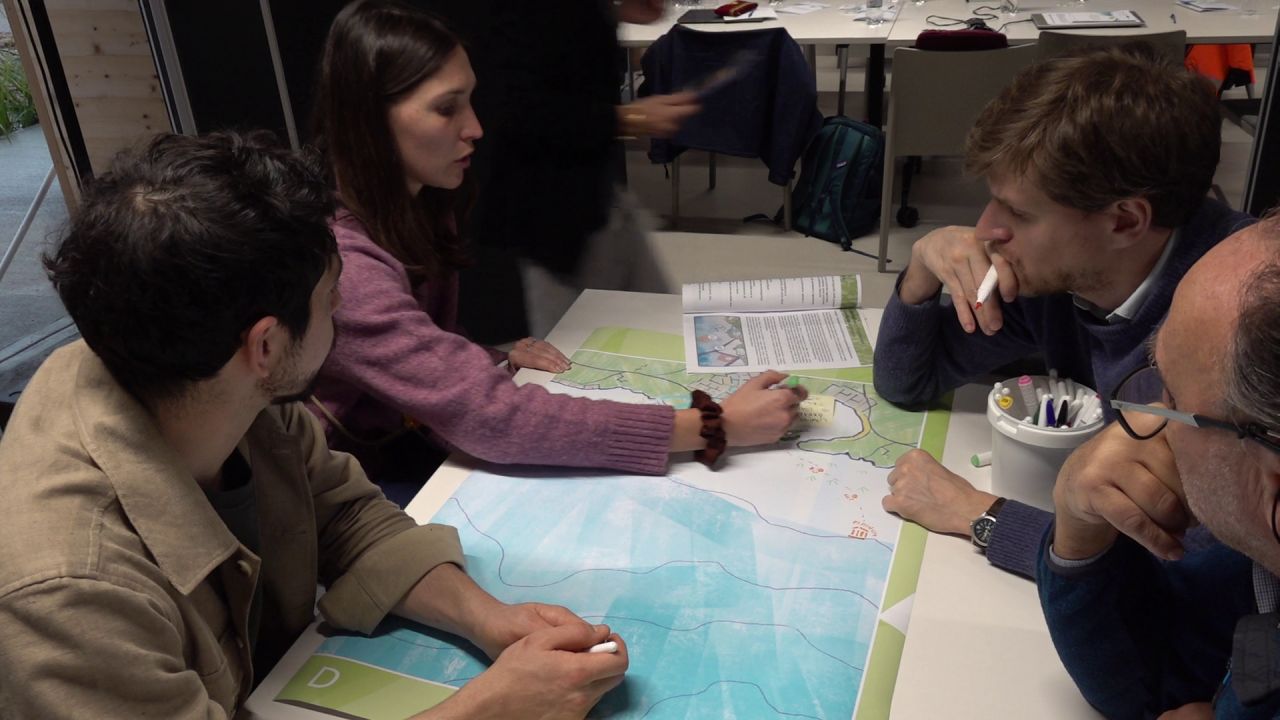
The second day marked a shift from understanding to action. At the pilot site of Panzano Bay, knowledge was transformed into coastal management tools—planning exercises, operational matrices, and recommendations for local Integrated Operational Plans. The hands-on approach made it clear: protecting seagrass meadows is a collective responsibility, rooted in both science and shared values.
Inclusion was a standout feature. The training showcased the expertise and leadership of women scientists, reinforcing the project’s commitment to gender equality and broadening the dialogue.
Participants left with certificates in hand, but more importantly, with a new sense of shared awareness and purpose. As the curtain fell on the two-day event, one message resonated above all: safeguarding our seas is not a solitary pursuit, but a collaborative journey—one that starts with learning and leads to real change.
The training gave the public the chance about learning from one another.
The diversity of the audience — administrators, operators, researchers, students and local stakeholders — made the experience richer for everyone. We all learned more because we learned together.
Above all, we learned that a change of paradigm is needed.
Seagrasses are not “dark algae on the seabed”, but living green meadows of marine plants — essential ecosystems to protect for the health of our Adriatic Sea.
From theory to practice, from ideas to solutions.
The second day focused on turning ecological knowledge into concrete coastal management actions: planning tools, co-creation exercises, operational matrices and management recommendations for Integrated Operational Plans at the local level.
Inclusion matters.
The training also reflected the project’s commitment to gender equality, with high-level contributions from women experts whose voices and leadership enriched both dialogue and outcomes.
At the end of the two days, participants received a certificate of attendance — but above all, they took home a shared awareness and a common goal.