Header - Acronym and Title
SO 2.1 - Climate change adaptation
bePrepARed
Information - Card
Information
Project specific objectives - Card
Project specific objectives
- Sharing methodologies and practices for landscape governance in targeted areas, addressing climate change challenges, particularly relating water stress conditions. Identifying various scenarios of climate change effects to inform governmental institutions, local communities and CSOs about reviewing policies and practices for water landscapes governance.
- To improve institutional and social awareness on the effects of climate change on natural and cultural landscapes and on local economic activities, by exchanging good practices in their management and mitigation.
- To develop and test integrated climate adaptation and mitigation solutions, including material and non - material nature-based interventions, to improve ecological and social resilience in different ecosystems, actively involving local communities and institutional actors.
Project main outputs - Card
Project main outputs
Output 1.1 - Climate-resilient water ecosystems management scenarios
Output 2.1 - Territorial regeneration cross-border general Strategy and action plans on water landscapes for climate change adaptation
Output 3.1 - Testing of material and non-material NBS for manmade ecosystems & communities and improve site ecological management
Output 3.2 - Material and non-material NBS for man-made ecosystems & communities and improve site ecological management
Output 3.3 - Capacity Building paths for the institutional local stakeholders
About section
About
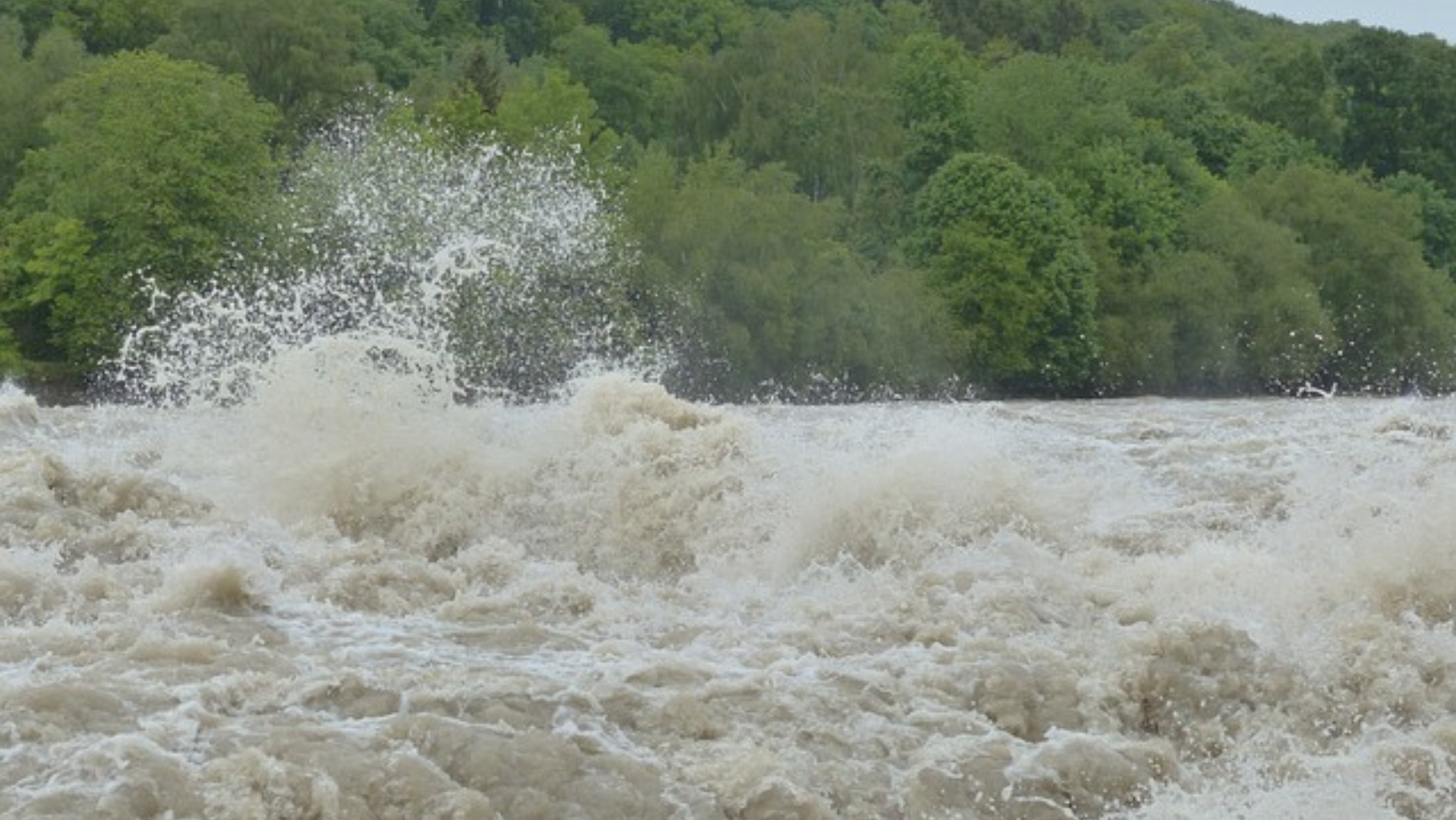
The bePrePAred project addresses the impacts of climate change in EU countries, focusing on extreme events like droughts and floods. Effective water management is vital for mitigating these challenges, which affect local production, well-being, and land management, increasing risks such as soil erosion and forest fires.
The project aims to enhance resilience in vulnerable ecosystems on both sides of the Adriatic Sea by integrating risk management tools and policies. It seeks to develop skills for ecosystem-based governance of water resources, promote sustainable use in rural-urban areas, and raise awareness about water scarcity among institutions and the public.
Involving public institutions, universities, and development agencies from Italy and Croatia, the project will produce climate-resilient water management solutions, a cross-border governance strategy, and tailored action plans. It will also implement Nature-Based Solutions to restore ecological networks and provide capacity-building for policymakers. The outputs aim to strengthen institutional capabilities in managing water and forest landscapes, ultimately benefiting citizens and the economy by enhancing protection against extreme climate events.
ItItacro2127PortletLeaderpartnerCard
Search Card
News & Events
-
EVENT
10/02/2026Start date:28 Jan 2026End date:29 Jan 20265th Project and Steering Committee Meeting held in Bari, Italy
-
NEWS
12/12/2025PI DNC – Safeguarding the Neretva Delta for Future Generations
The Public Institution for the Management of Protected Natural Areas of Dubrovnik-Neretva County (PI DNC) manages some of Croatia’s most valuable natural sites, including the Neretva River Delta, Natura 2000 areas, and a Ramsar wetland.
-
NEWS
03/12/2025Meet the Partner: RERA SD – Supporting Climate Solutions in Split-Dalmatia County
The Public Institution RERA SD is the development agency of Split-Dalmatia County, promoting sustainability and innovation through regional cooperation.
-
NEWS
01/12/2025Meet the Partner: ZADRA NOVA – Strengthening Climate Communication in Zadar County
The Zadar County Development Agency ZADRA NOVA is the regional coordinator for development in Zadar County, supporting innovation, sustainability, and EU cooperation.
-
NEWS
27/11/2025Meet the Partner: San Bartolo Regional Park Authority – Protecting Peri-Urban Ecosystems
The San Bartolo Regional Park Authority manages a unique natural and cultural landscape on Italy’s Adriatic coast, where biodiversity, agriculture, and communities meet.