


What is dementia and Alzheimer’s disease?
Dementia is a general term for a group of symptoms that affect memory, thinking, and social abilities severely enough to interfere with daily life. It is not a single disease but a syndrome caused by different conditions that affect the brain.
Alzheimer’s disease is the most common cause of dementia, accounting for 60-80% of cases. It is a progressive brain disorder that slowly destroys memory and cognitive skills, and eventually the ability to carry out simple tasks.
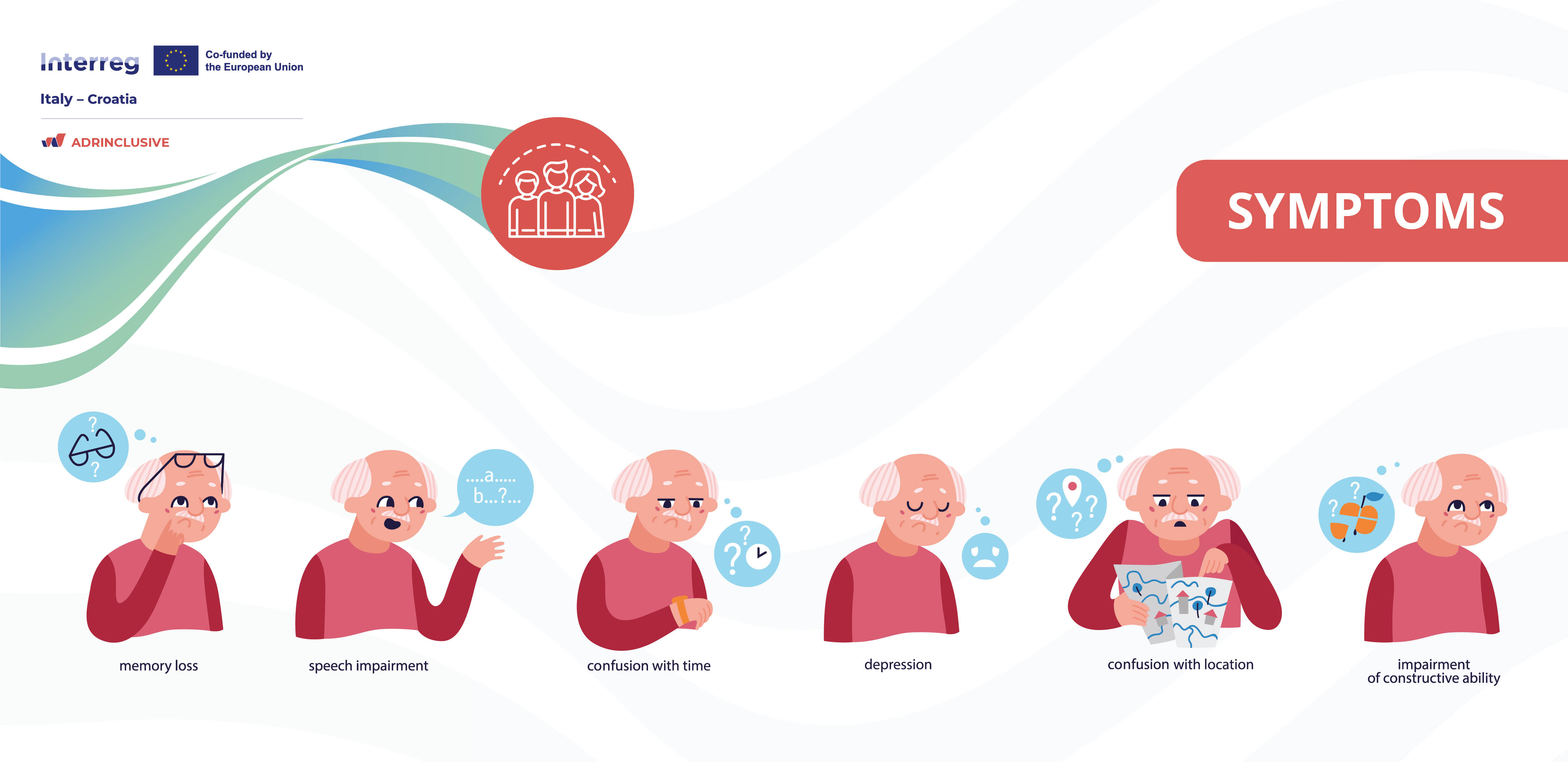
Symptoms
Dementia
- Memory loss, especially short-term memory
- Difficulty communicating or finding words
- Trouble with problem-solving or planning
- Confusion about time or place
- Changes in mood, personality, or behavior
Alzheimer’s
- Gradual memory loss and confusion
- Difficulty performing familiar tasks
- Misplacing items or forgetting recent events
- Trouble understanding visual or spatial relationships
- Personality changes and withdrawal from social activities
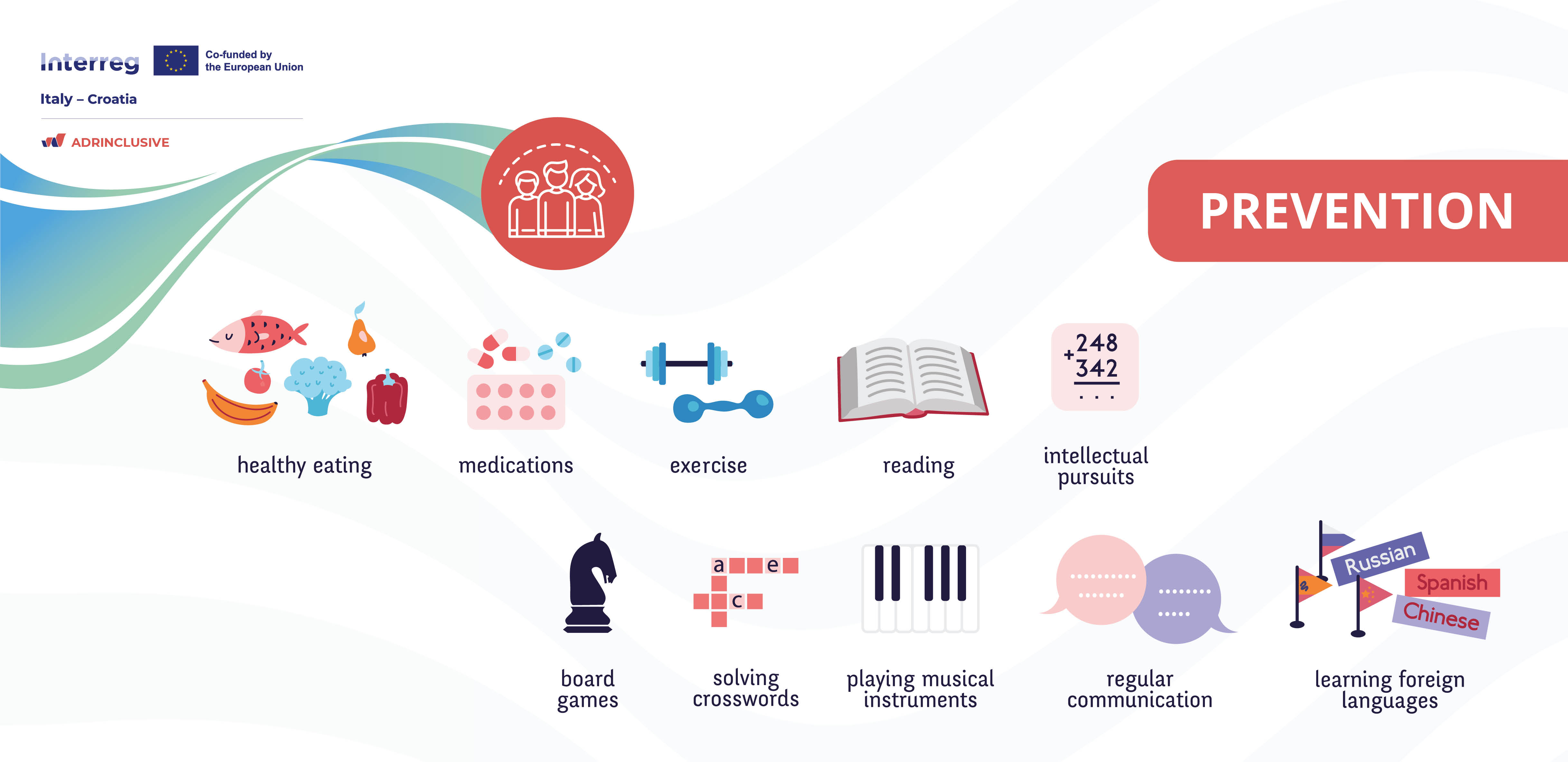
Prevention
Dementia
- Stay mentally and socially active
- Maintain a healthy diet (e.g., Mediterranean diet)
- Exercise regularly
- Manage blood pressure, cholesterol, and diabetes
- Avoid smoking and excessive alcohol use
Alzheimer’s
- Engage in regular physical and mental activity
- Eat a balanced, nutrient-rich diet
- Get quality sleep
- Stay socially connected
- Manage chronic conditions (e.g., heart disease, diabetes)
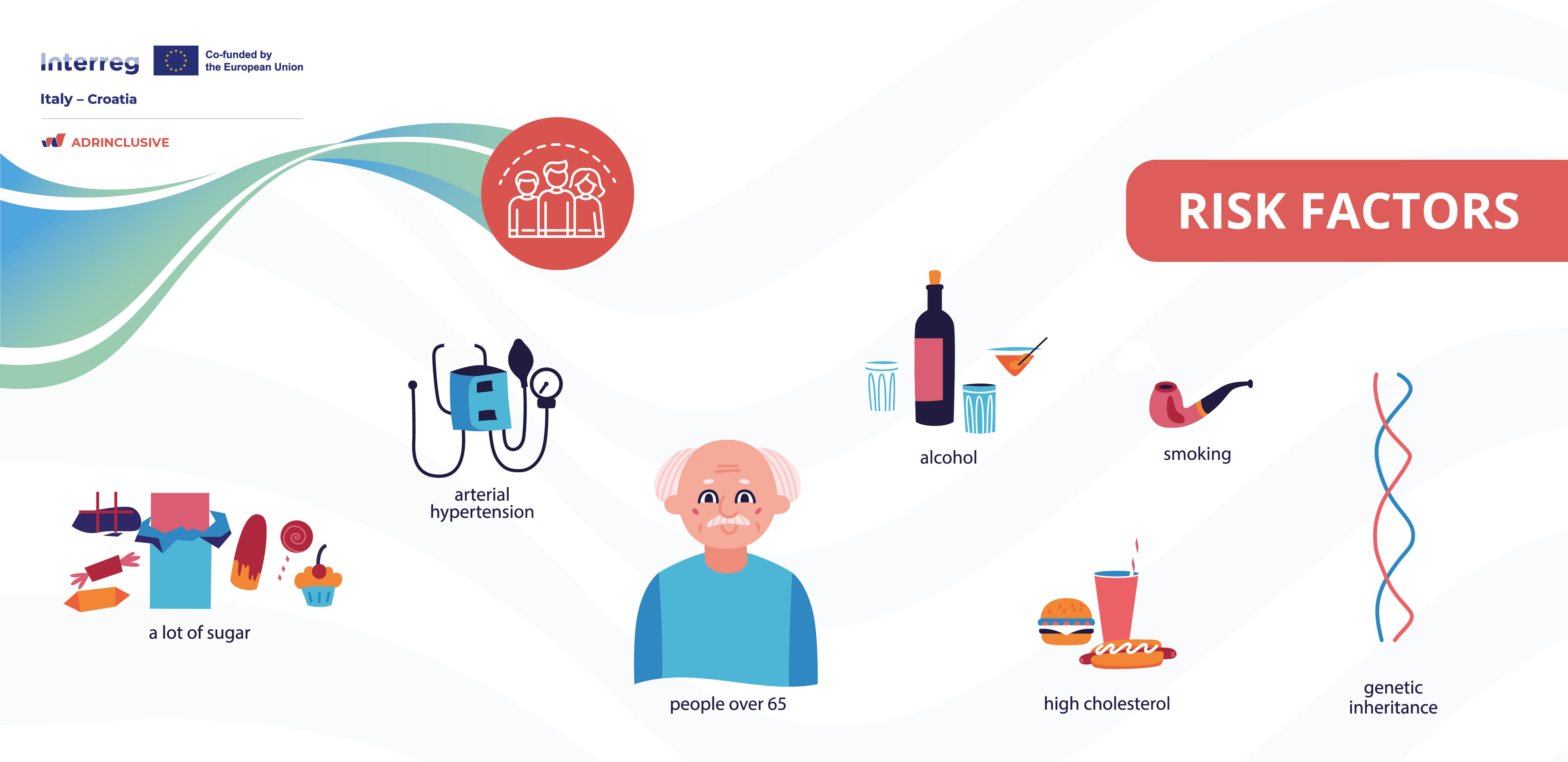
Risk factors
Dementia
- Age (most common in people over 65)
- Family history of dementia
- Cardiovascular disease
- Head injuries
- Poor lifestyle habits (e.g., inactivity, unhealthy diet)
Alzheimer’s
- Advancing age
- Family history and genetics (APOE ε4 gene)
- Female gender (slightly higher risk)
- Poor heart health
- Head trauma
Alzheimer’s Awareness Month
Every September, people around the world unite to recognize World Alzheimer’s Month, with World Alzheimer’s Day observed on September 21.
Alzheimer’s disease affects over 55 million people worldwide, and this number continues to grow each year. This month is dedicated to raising awareness, promoting understanding, and increasing knowledge about Alzheimer’s disease and other forms of dementia. It’s also a time to support those living with the condition, celebrate caregivers, and highlight the importance of early diagnosis, research, and compassionate care.
By learning and speaking openly about Alzheimer’s, we can help build a more understanding and inclusive community for everyone affected.
Why language matters in Alzheimer’s disease
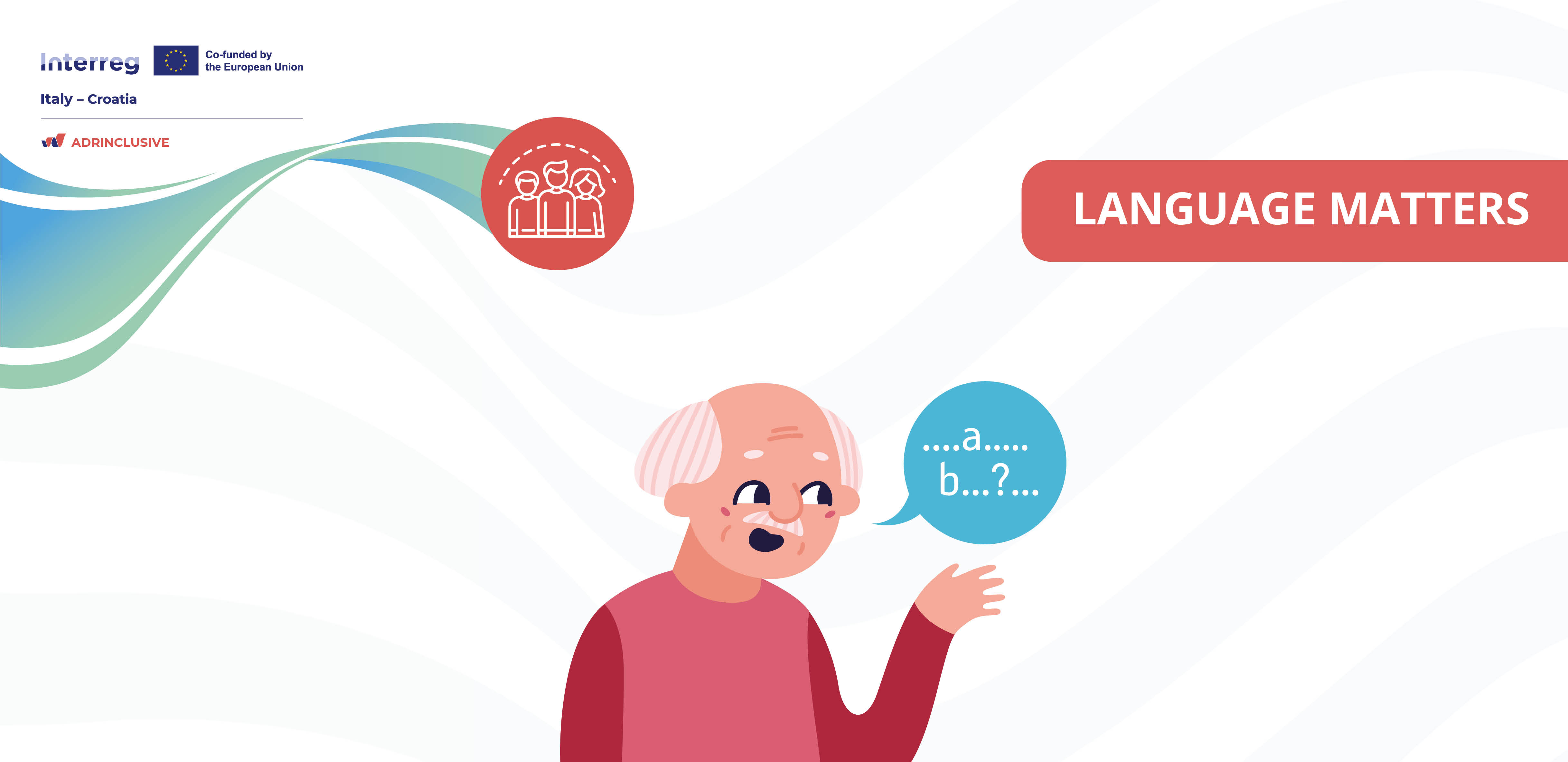
Language plays a vital role in how we connect, express ourselves, and maintain relationships. For people living with Alzheimer’s disease, changes in language and communication are often among the earliest and most noticeable symptoms. Understanding and adapting the way we use language can make a meaningful difference in care and quality of life.
Why it matters:
- Early sign of cognitive change: difficulty finding words, repeating phrases, or struggling to follow a conversation can be early indicators of Alzheimer’s. Recognizing these changes can help with early diagnosis and support.
- Supports connection and dignity: using clear, calm, and compassionate language helps people with Alzheimer’s feel respected, understood, and valued.
- Improves caregiving: caregivers who adapt their communication - by speaking slowly, using simple sentences, and maintaining eye contact - can reduce frustration and confusion.
- Enhances emotional well-being: positive, patient communication helps maintain emotional bonds and reduces anxiety for both the person with Alzheimer’s and their loved ones.
- Encourages inclusion: choosing person-centered language (e.g., “a person living with Alzheimer’s” instead of “an Alzheimer’s patient”) promotes empathy and reduces stigma.
From a healthy brain to Alzheimer’s disease
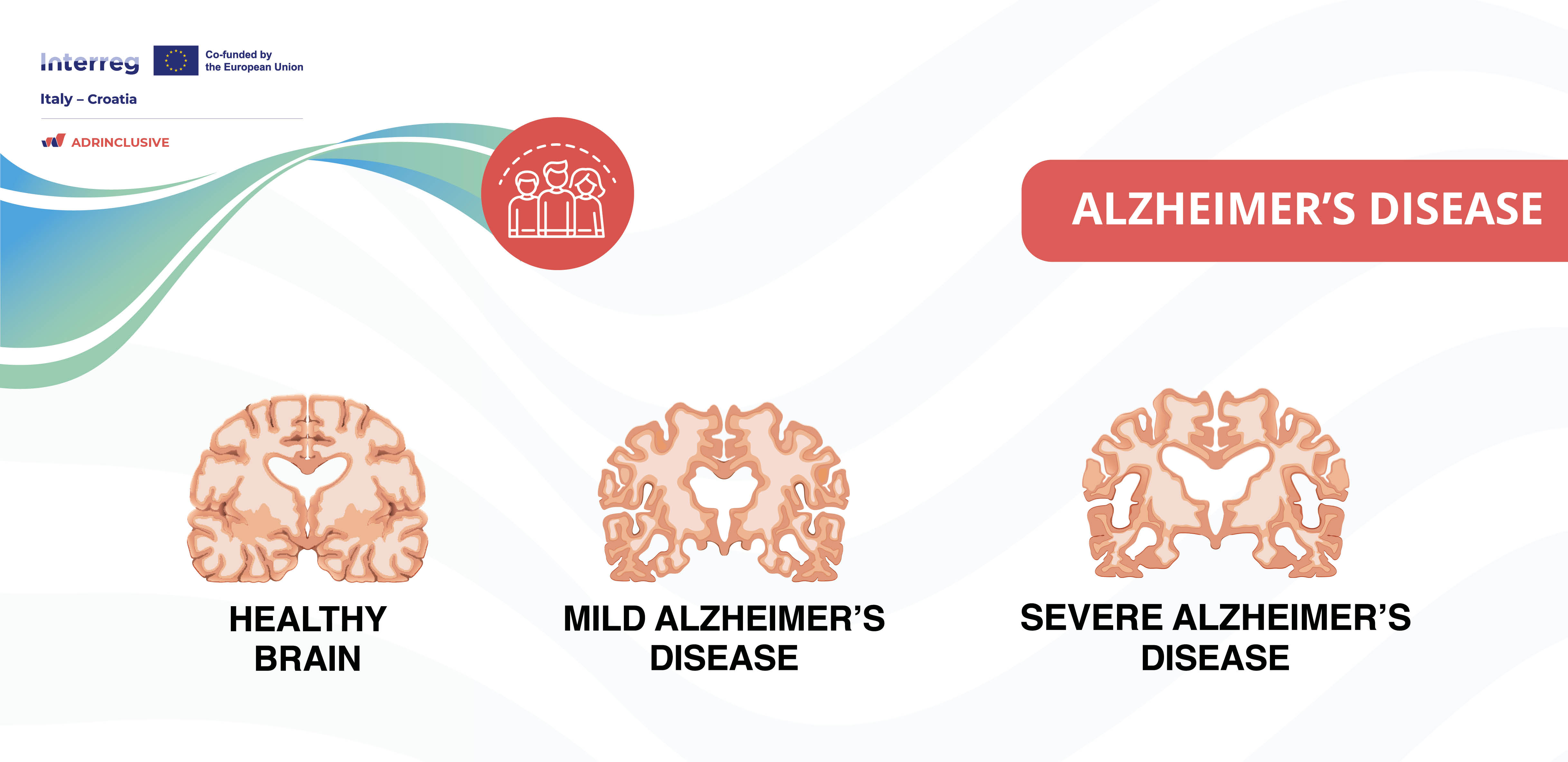
Alzheimer’s disease causes gradual changes in the brain that affect memory, thinking, and daily life. Seeing how the brain changes over time helps explain what happens at each stage.
Healthy brain:
- Brain cells are active, healthy, and well-connected.
- Memory, language, and reasoning work normally.
- People think clearly and live independently.
🧠 Visual: a full, smooth, and evenly shaped brain - showing strong connections between brain cells.
Mild Alzheimer’s disease:
- Early damage begins in areas that control memory and learning.
- People may forget recent events, repeat questions, or lose track of time.
- Some confusion or mood changes may appear, but daily life continues with light support.
🧠 Visual: slight shrinkage in the memory areas (especially the hippocampus) - showing fewer connections.
Severe Alzheimer’s disease:
- Widespread brain cell loss causes significant shrinkage of brain tissue.
- People may lose the ability to communicate, recognize loved ones, or care for themselves.
- Full-time care and support are usually needed.
🧠 Visual: noticeable brain shrinkage, with deep grooves and loss of structure - representing major loss of brain cells and connections.
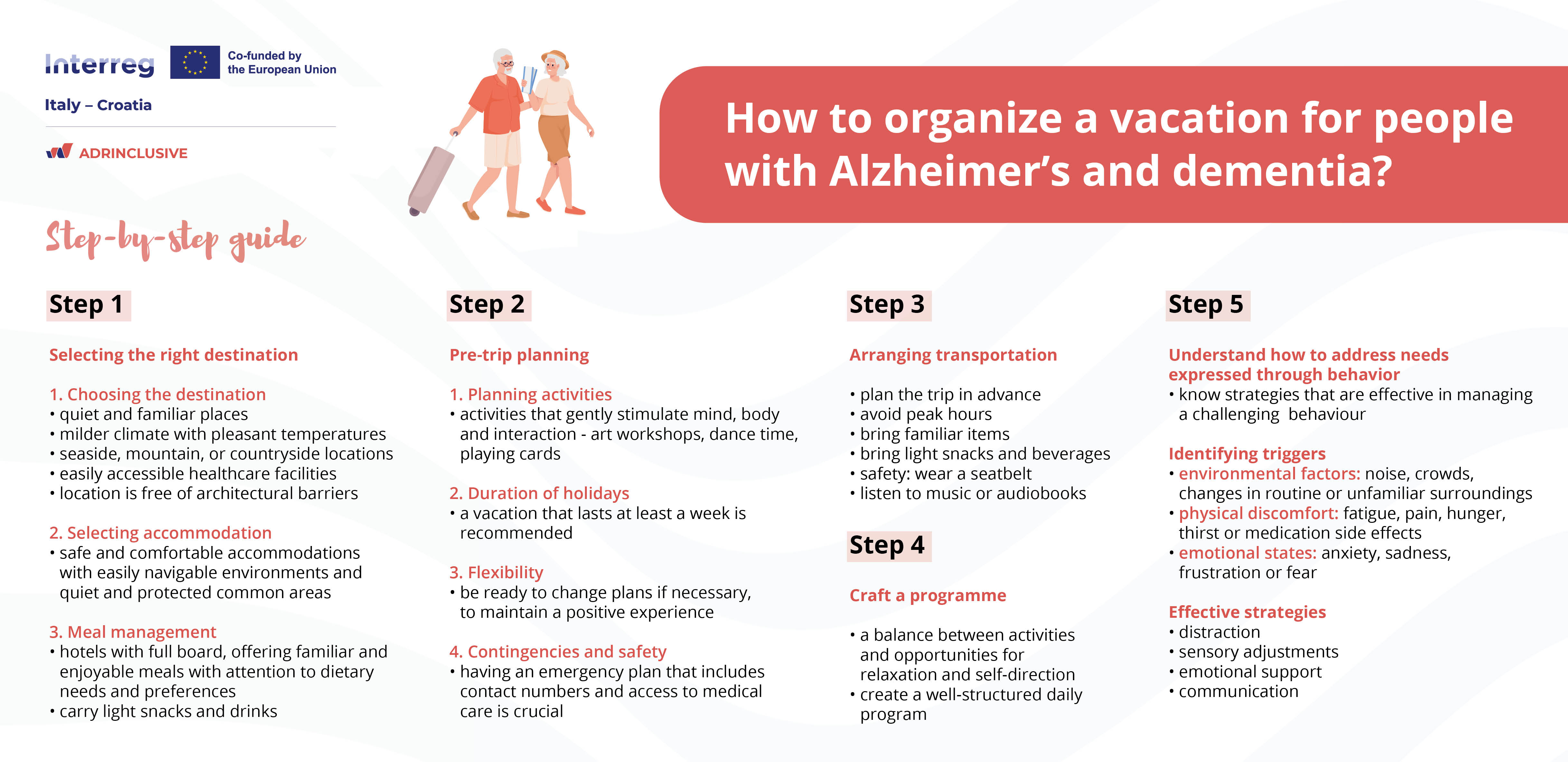
How can I organise a vacation for people with Alzheimer and dementia?
For many families, the prospect of organizing a vacation with a loved one suffering from Alzheimer’s feels distant. For a person diagnosed with the disease, many doors are often closed - for their safety, due to stigma, or simply because caring for a family member outside the home involves too many uncertainties for the family to manage alone.
Here are some tips on how to organize inclusive travel:
Inclusive travel for people with dementia and Alzheimer’s
Travel is about connection, joy, and discovery - experiences that everyone deserves to share. For people living with dementia or Alzheimer’s, thoughtful planning and understanding can turn what seems impossible into a meaningful journey. By creating supportive environments, raising awareness, and showing patience and empathy, we can make travel accessible for everyone.
Together, we can make every journey inclusive!