
Workshops “Hydrogen in Mobility and Maritime Transport” gathered experts in hydrogen, maritime transport, and sustainable mobility
25/05/2026
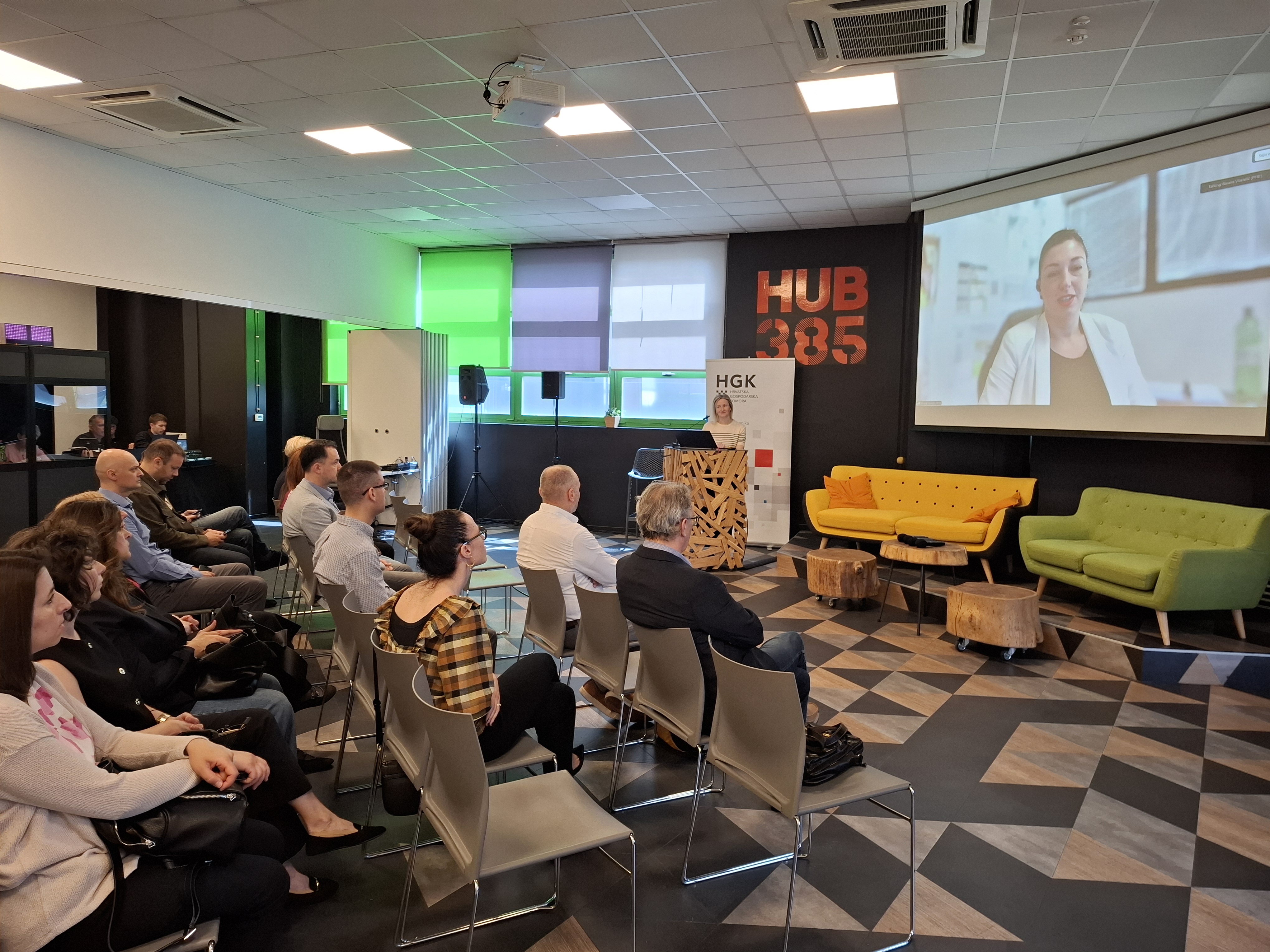
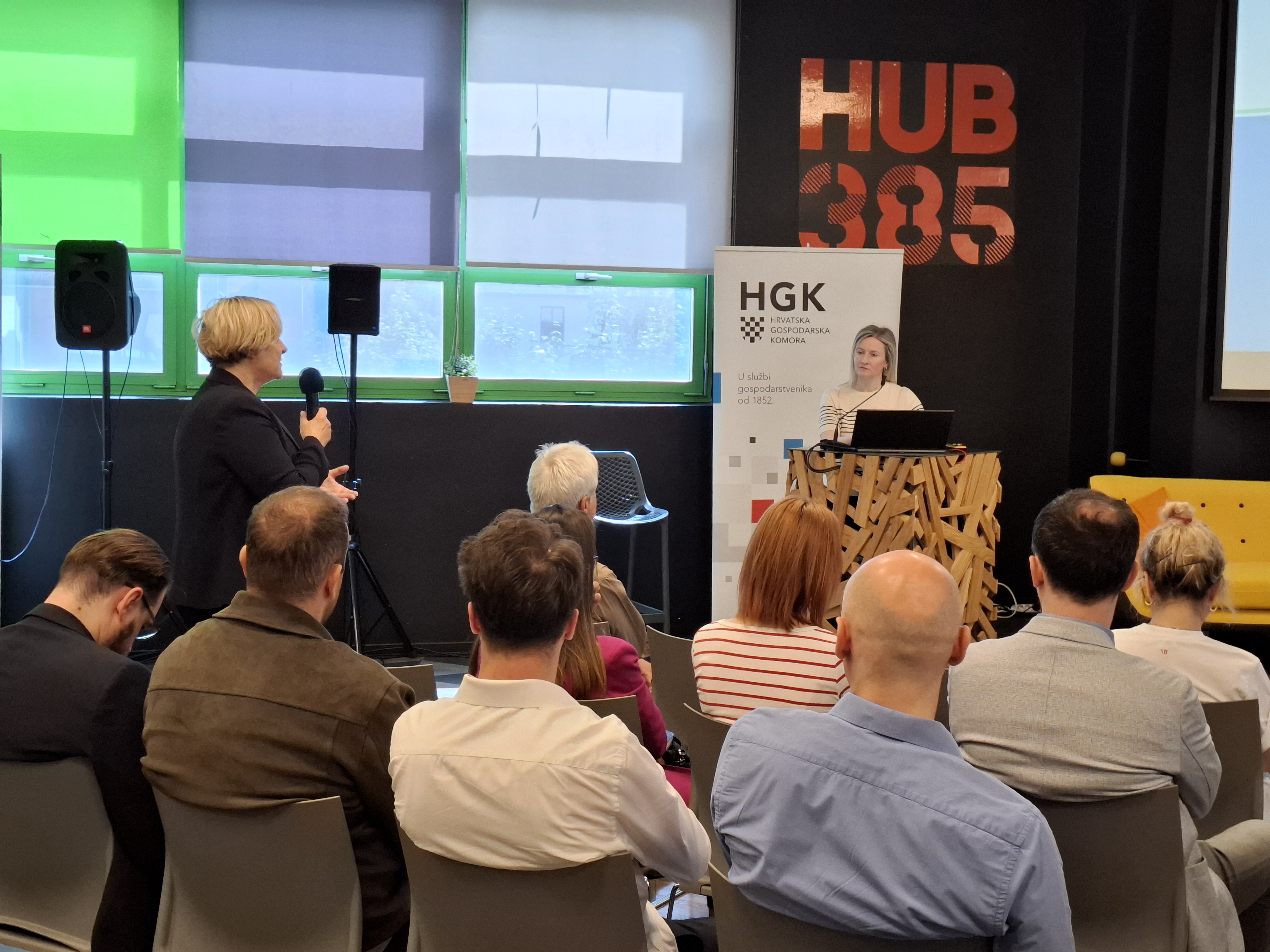
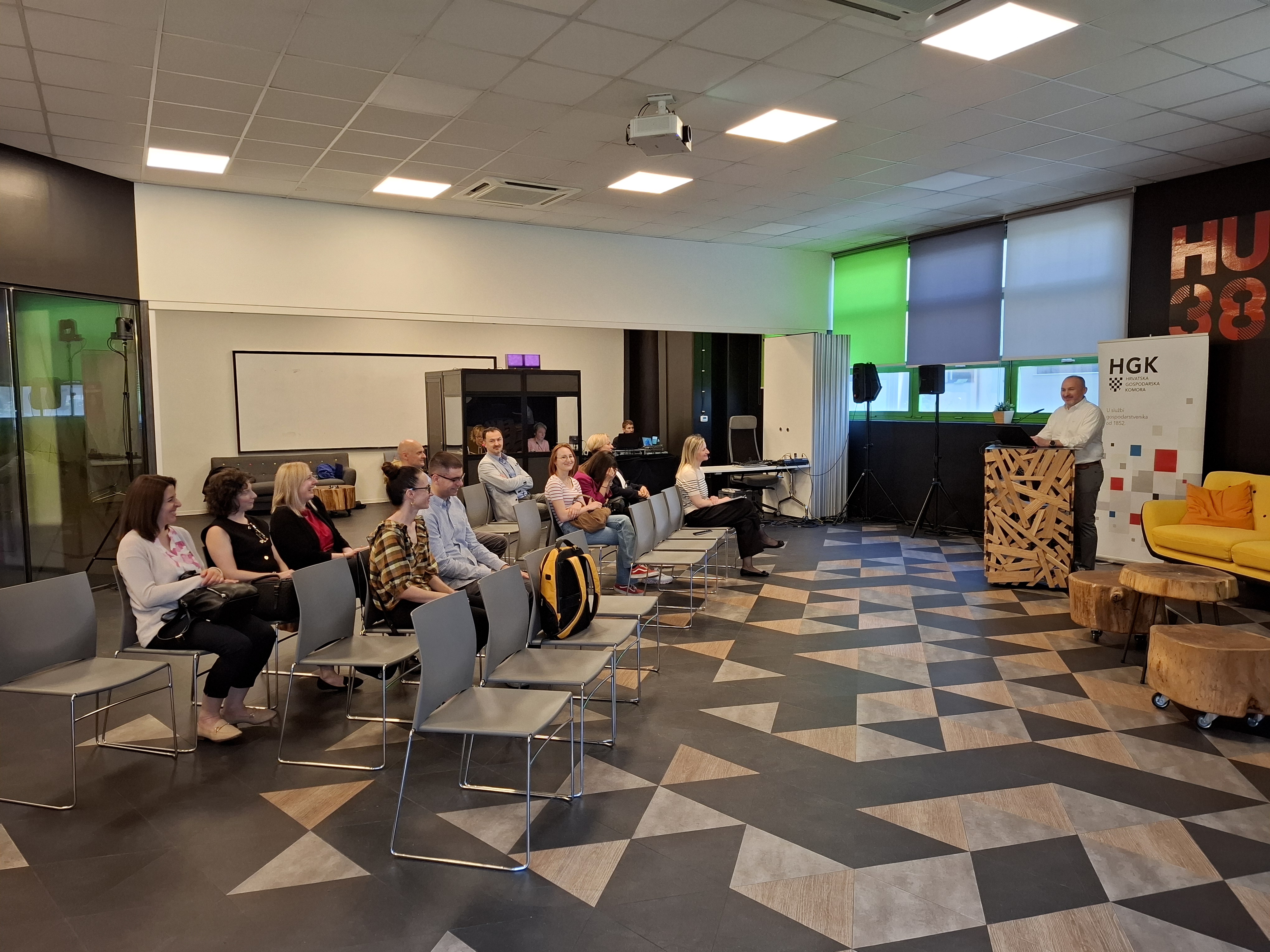
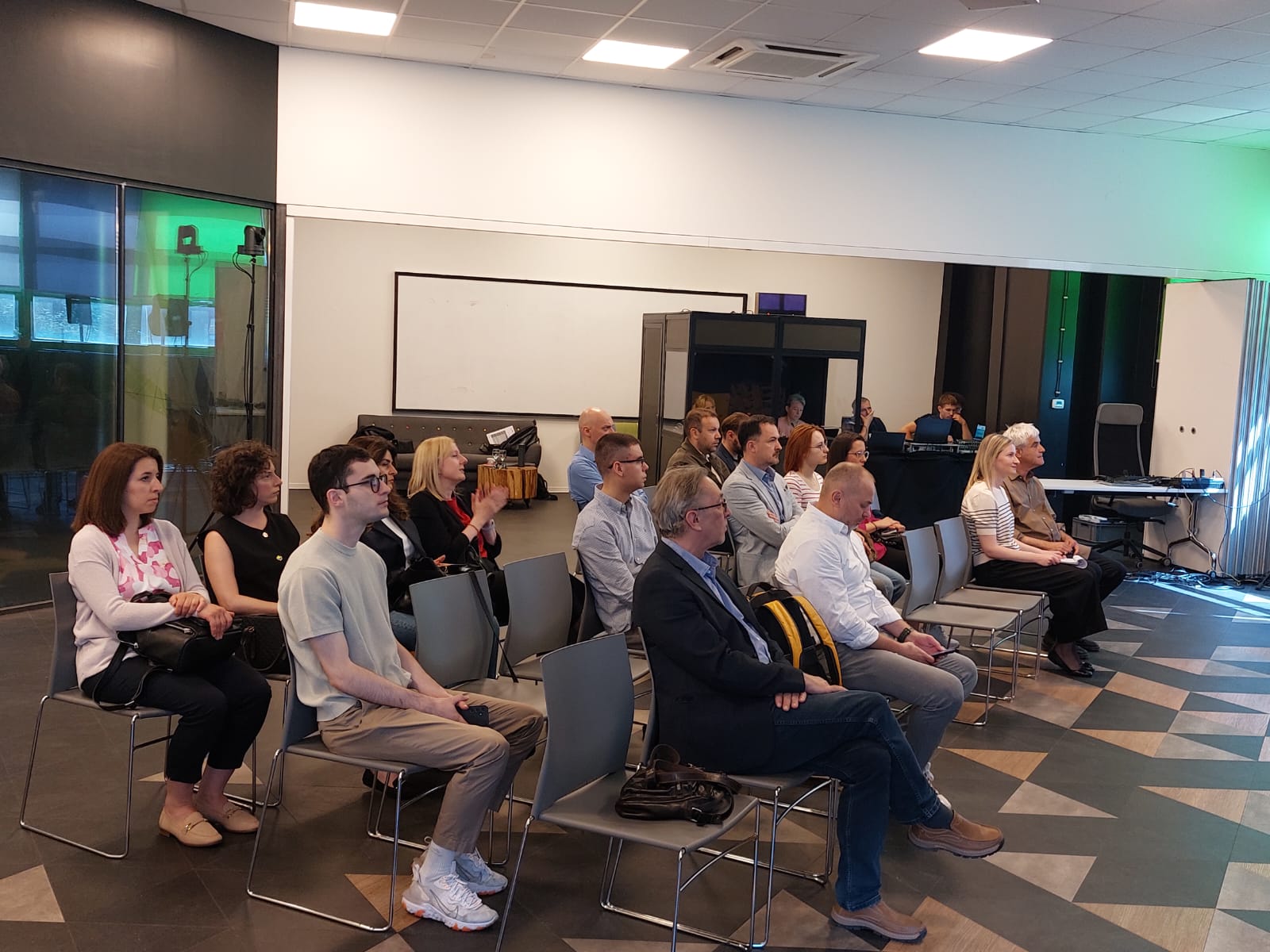
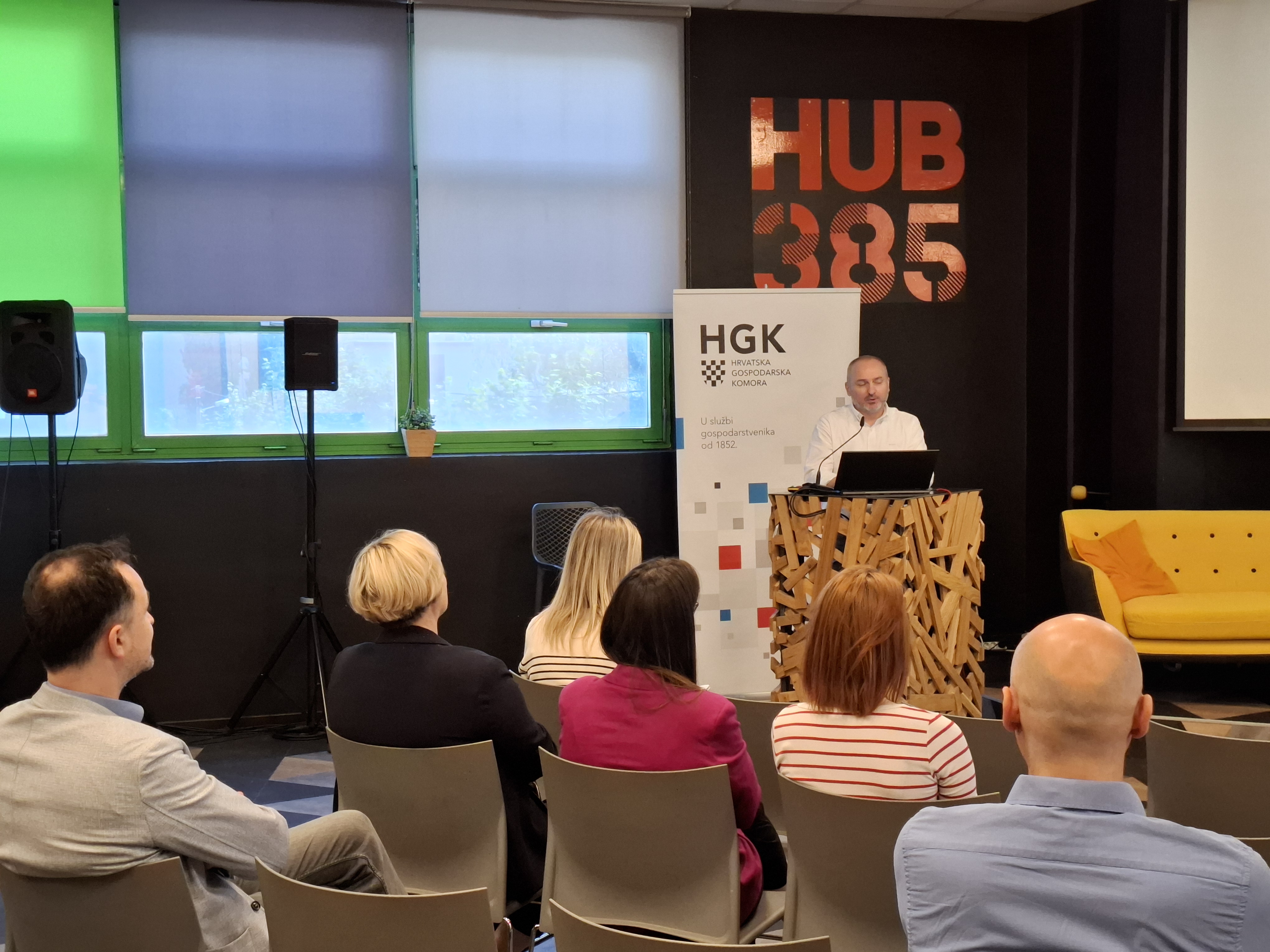
The workshops “Hydrogen in Mobility and Maritime Transport” were held on 22 May 2026 at HUB 385 in Zagreb, bringing together experts, representatives of public institutions, academia, industry, and development organisations interested in the role of hydrogen in the green transition of maritime transport.
The event was organised by project partners Urbanex and the Croatian Chamber of Economy and focused on knowledge transfer and capacity building for the application of green hydrogen solutions in the Adriatic maritime area. Through expert presentations and discussions, the workshops created a platform for connecting stakeholders involved in sustainable maritime mobility and the future deployment of hydrogen-based technologies.
The programme was divided into two thematic sections. The first focused on the regulatory framework, technological readiness, and perspectives of hydrogen and alternative fuels in maritime transport, while the second addressed the contribution of the TransH2 project to the operational implementation of hydrogen solutions and the challenges and opportunities related to Croatian and regional mobility systems.
Opening the event on behalf of the lead partner, the Faculty of Maritime Studies, University of Rijeka, Borana Vlastelić introduced the objectives of the project and highlighted the importance of the workshops in supporting knowledge exchange and future cooperation.
Regulatory framework and European context
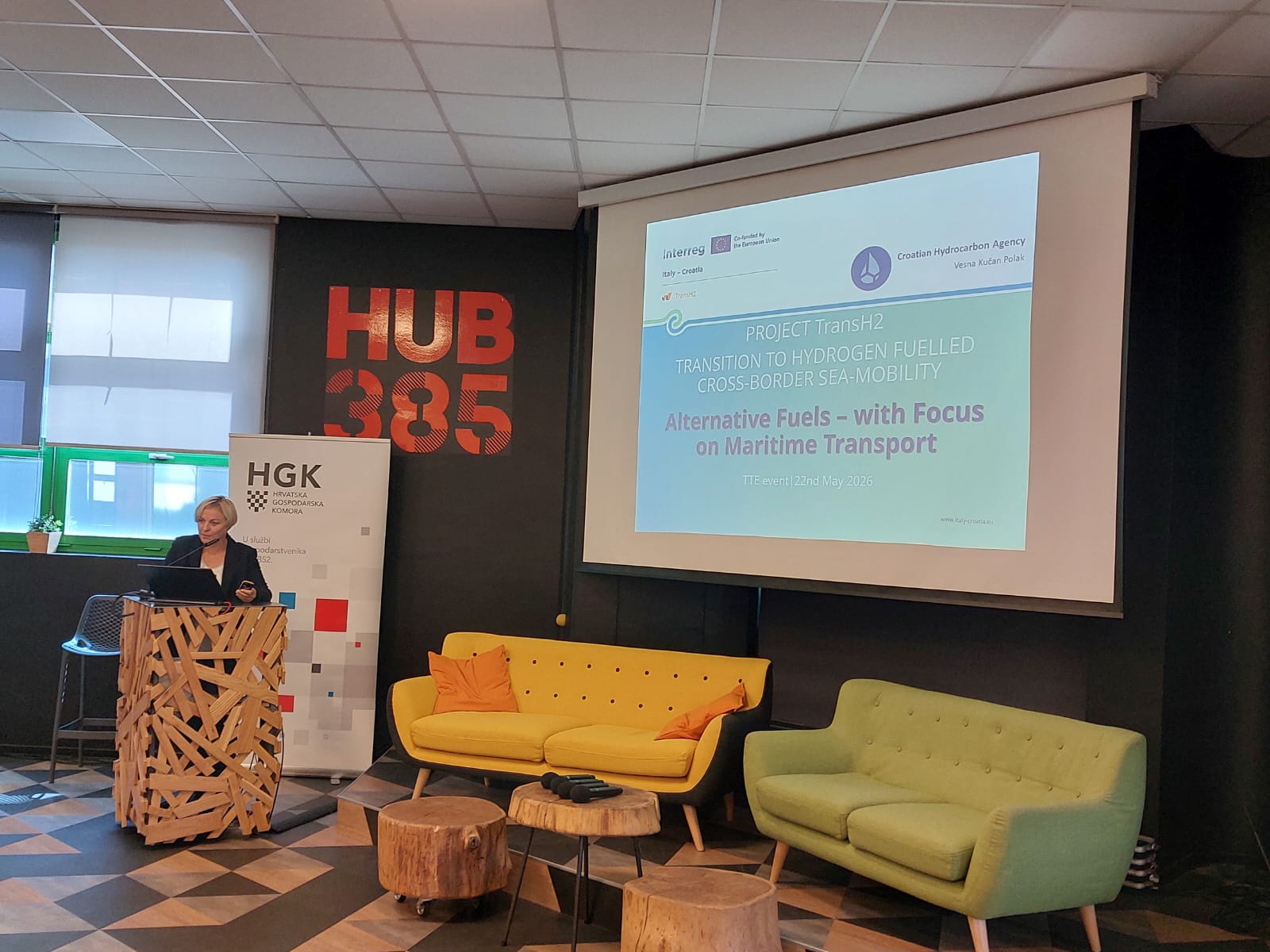
During the first expert presentation, Vesna Kučan Polak from the Croatian Hydrocarbon Agency presented the regulatory framework and opportunities for the use of hydrogen and alternative fuels in maritime transport, with particular emphasis on European and national policies.
The presentation highlighted key European instruments shaping maritime decarbonisation, including FuelEU Maritime, AFIR, RED III, and the EU ETS framework, while also stressing Croatia’s national Hydrogen Strategy and the role of the Croatian Hydrocarbon Agency in coordinating the development of the hydrogen economy.
Special attention was given to the significant potential of hydrogen use in ferries, smaller vessels, and commercial maritime transport, as well as its possible contribution to sustainable tourism and low-emission shipping.
Technological readiness and implementation perspectives
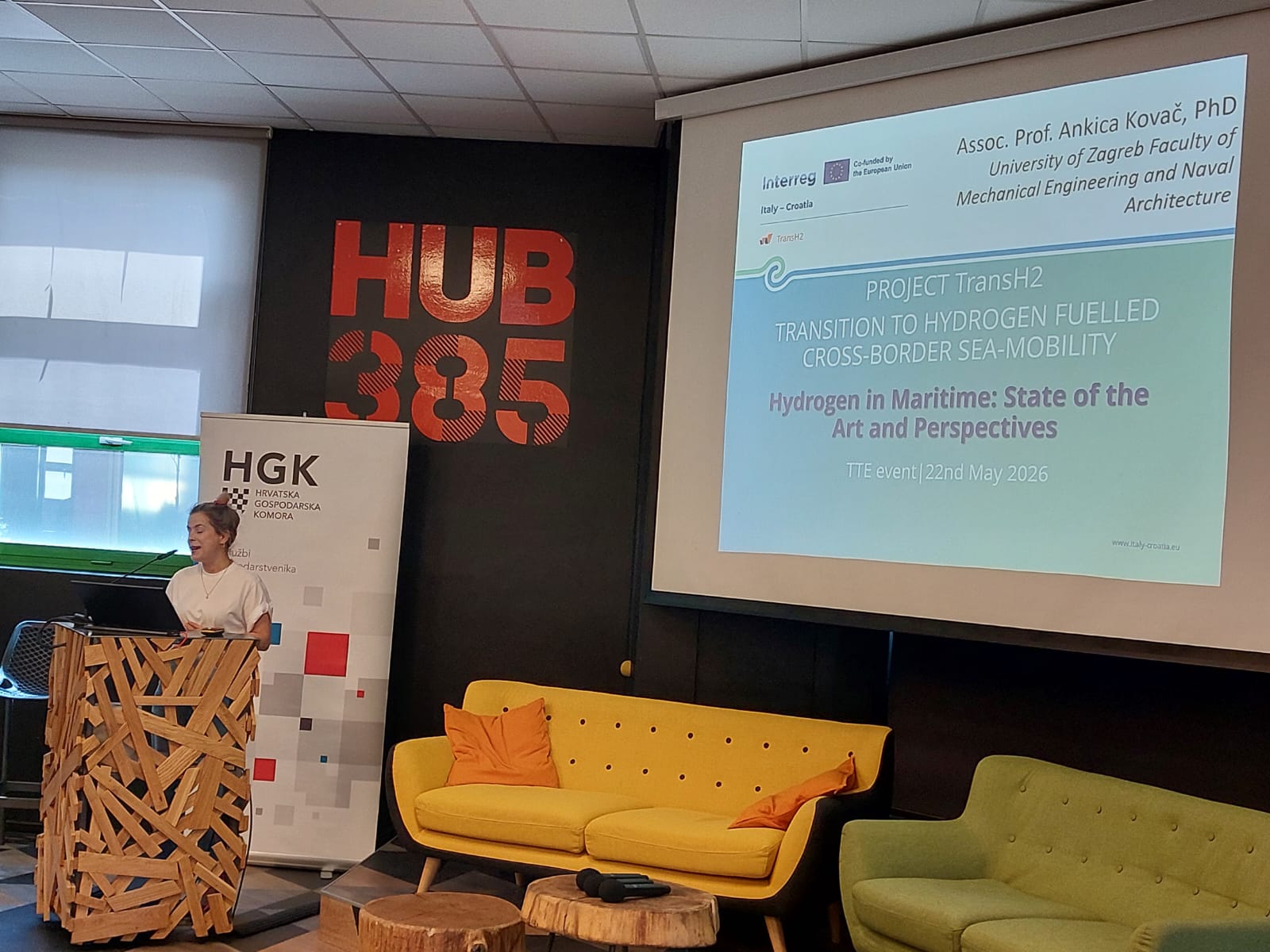
The second presentation was delivered by Prof. Ankica Kovač from the Faculty of Mechanical Engineering and Naval Architecture, University of Zagreb, who addressed the current state of hydrogen development in maritime transport and the prospects for its wider implementation.
Her presentation emphasised that maritime transport remains a significant source of greenhouse gas emissions and that achieving climate targets will require rapid action and long-term planning. Hydrogen and hydrogen-based fuels, such as ammonia and methanol, were identified as important elements in the deep decarbonisation of maritime transport, although their implementation depends on infrastructure availability, safety standards, supply chains, and regulatory alignment.
Particular emphasis was placed on the future role of ports as hydrogen hubs for production, storage, distribution, and bunkering activities.
The contribution of the TransH2 project
The second thematic block focused on the operational dimension of the project. Dražen Vrhovski from EERING presented the contribution of the Interreg framework and the TransH2 project to the operational use of hydrogen in the Adriatic maritime sector.
The presentation demonstrated how the project connects the development of low-carbon solutions for representative maritime routes with the promotion of hydrogen implementation among port authorities and operators, while also supporting the development of an integrated hydrogen supply chain and refuelling infrastructure.
As part of the project methodology, 54 maritime routes were reviewed, narrowed down to 17 pre-selected routes, and further analysed through detailed assessments of three representative routes, including the Split–Supetar line as a key Croatian example.
Hydrogen in Croatian and regional mobility
The final presentation addressed the applicability and challenges of hydrogen use in Croatian and regional mobility systems. It highlighted that hydrogen deployment is not only a technological issue, but also an economic, organisational, and infrastructural challenge requiring reliable green hydrogen sources, developed infrastructure, standardisation, and skilled professionals.
The discussion also underlined the current lack of domestic hydrogen infrastructure and operational experience in Croatia, making knowledge transfer and pilot activities particularly important for future implementation.
A step forward for sustainable maritime mobility
The workshops confirmed that the green transition of maritime transport requires coordinated action across regulation, technology, infrastructure, financing, and cross-sector cooperation.
By bringing together project partners, experts, and stakeholders, the TTE workshops contributed to a better understanding of how TransH2 project results can support future development and investment initiatives in Croatia and across the Adriatic region.
The event represented another important step in strengthening knowledge and cooperation around hydrogen-based solutions for low- and zero-emission maritime transport and sustainable mobility of the future.