

From Climate Risk Analysis to Resilient Coastal Planning: Final Conference in Rijeka
16/09/2026
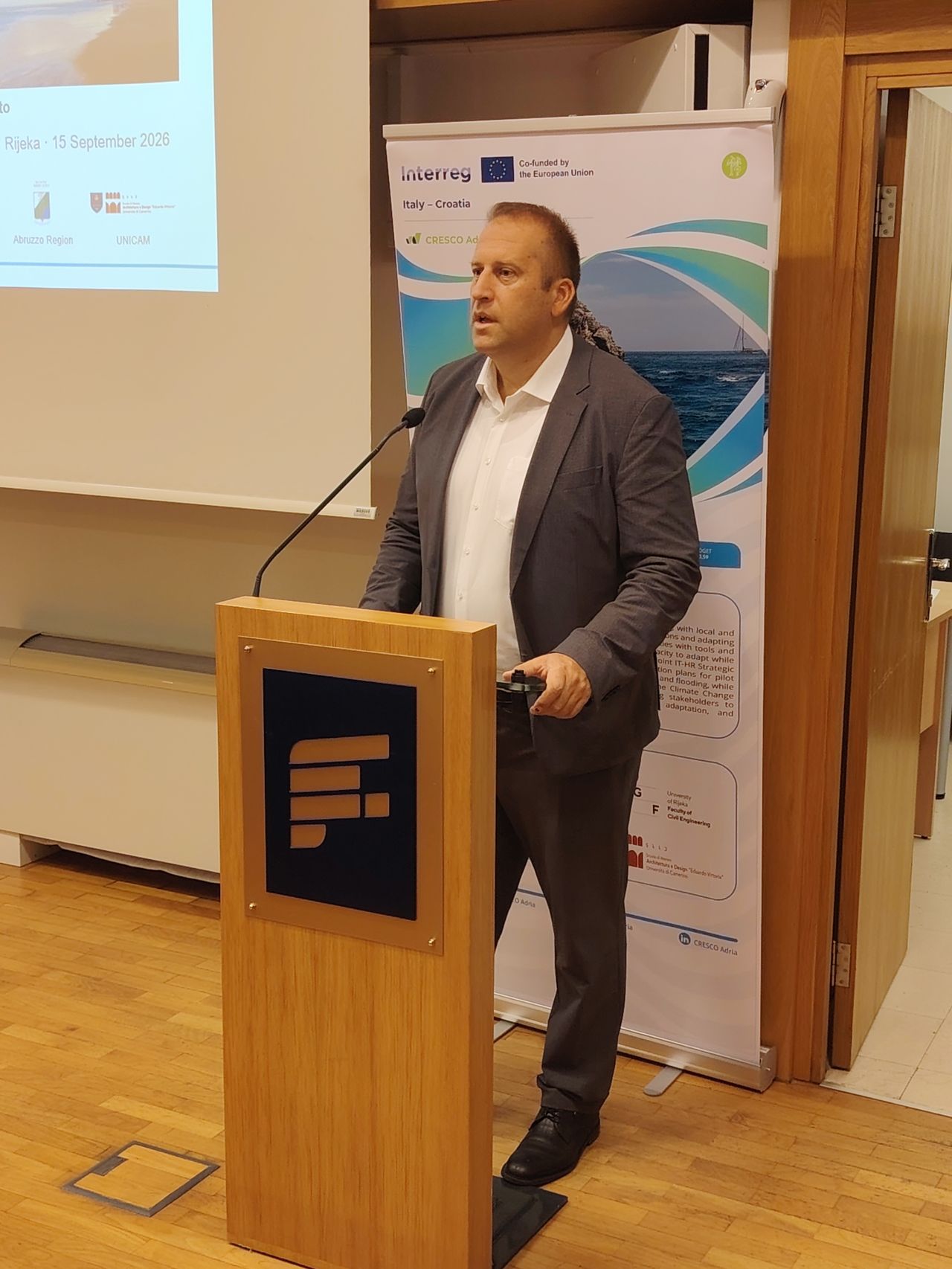
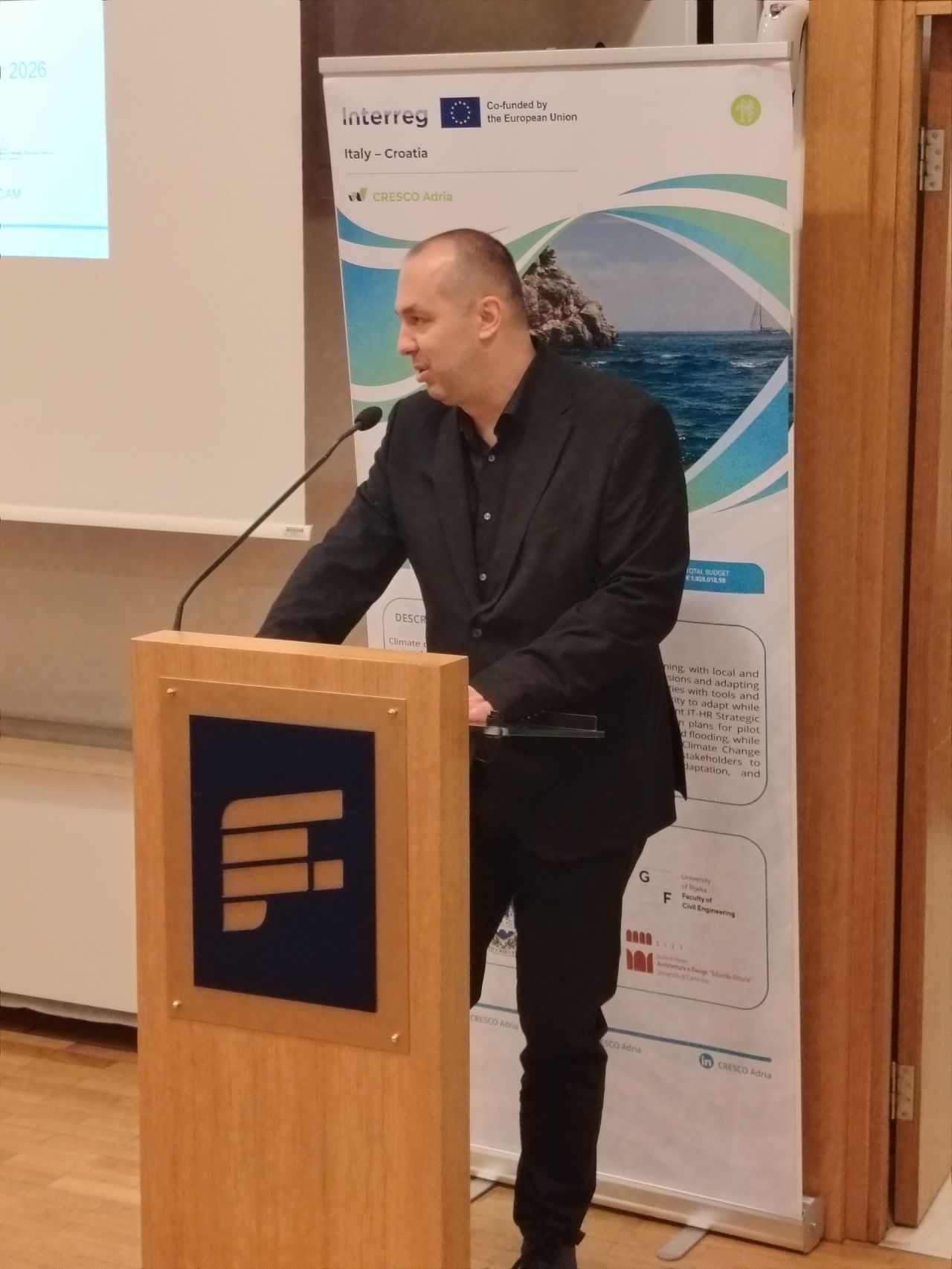
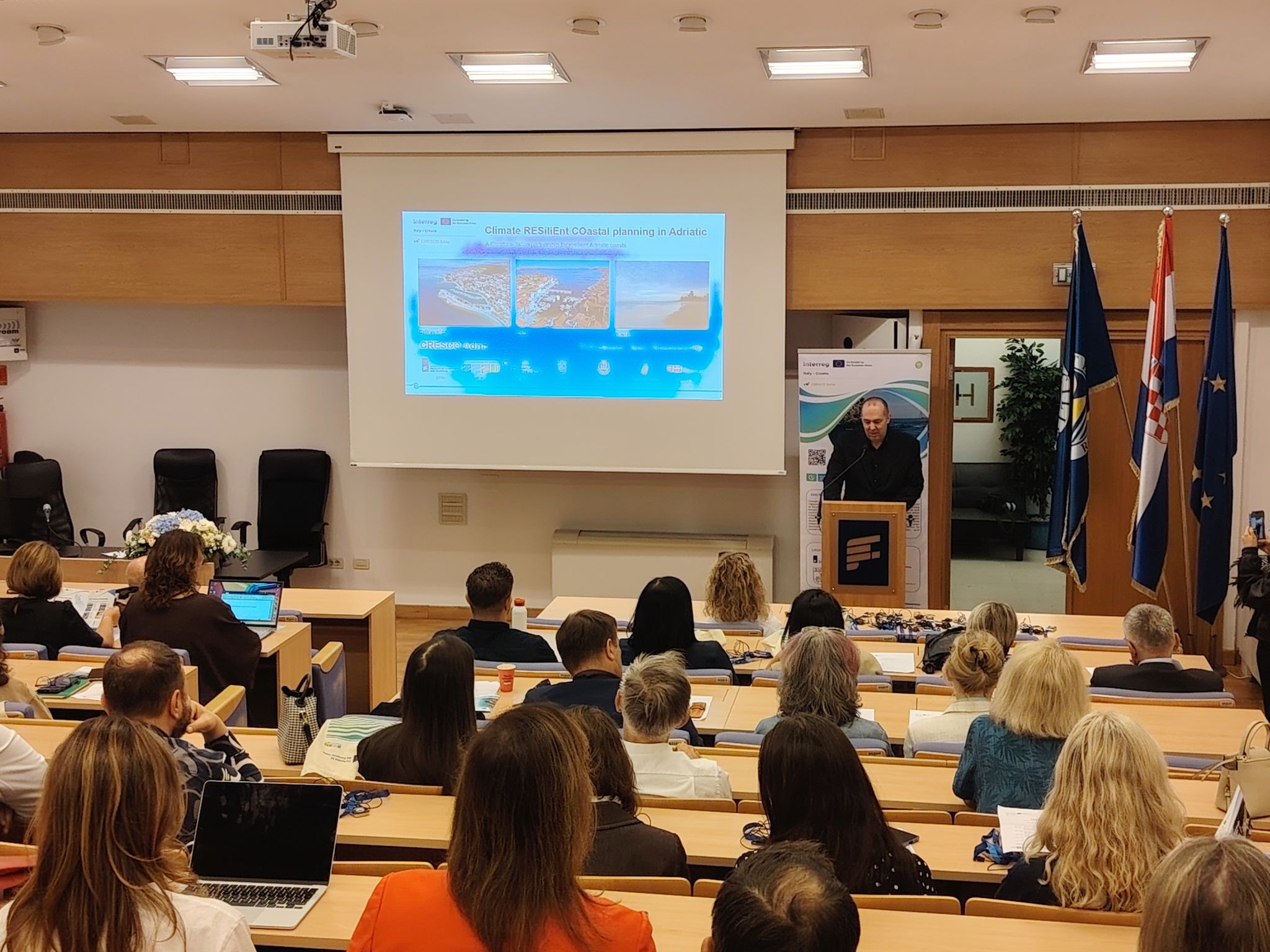
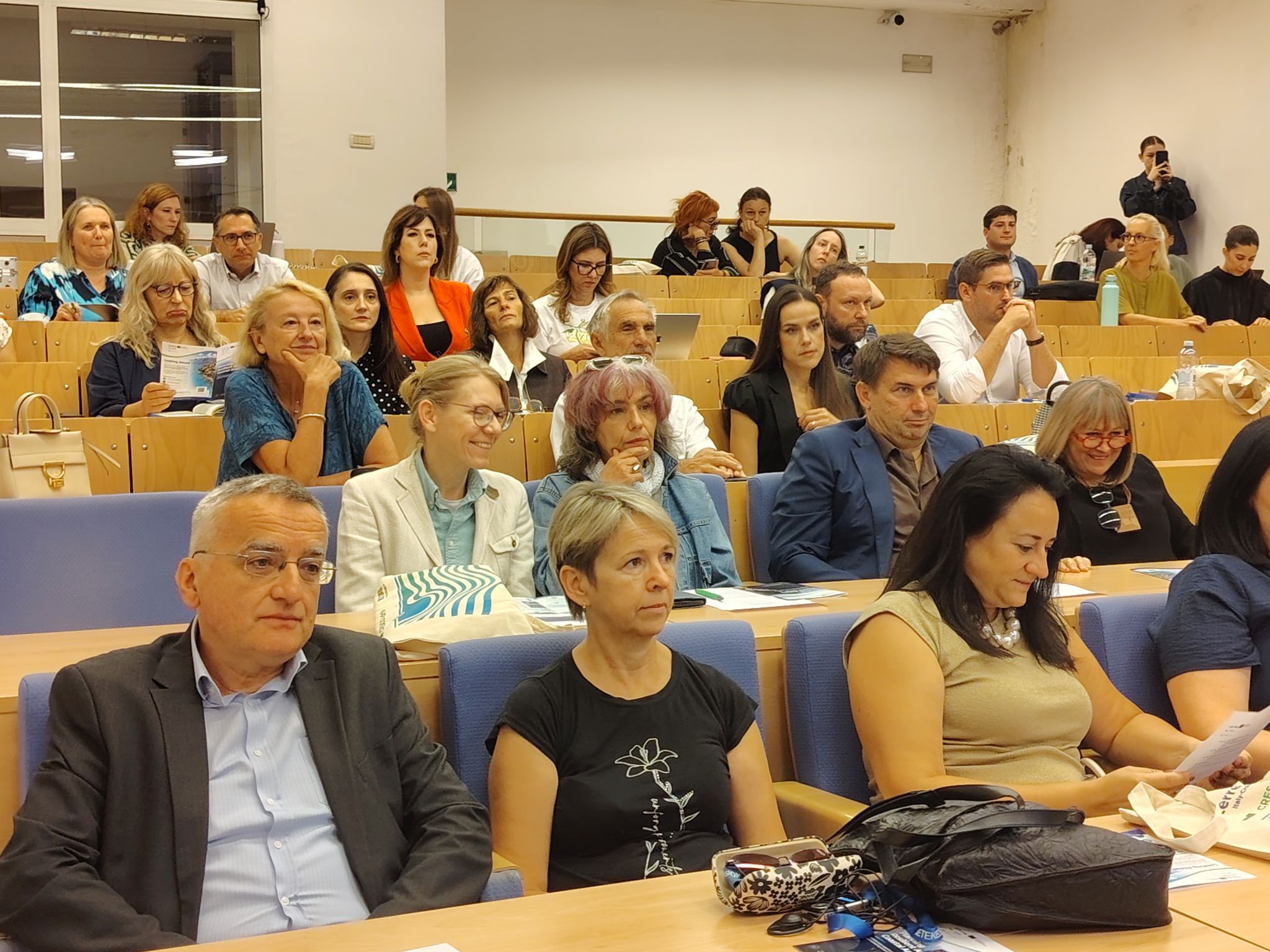
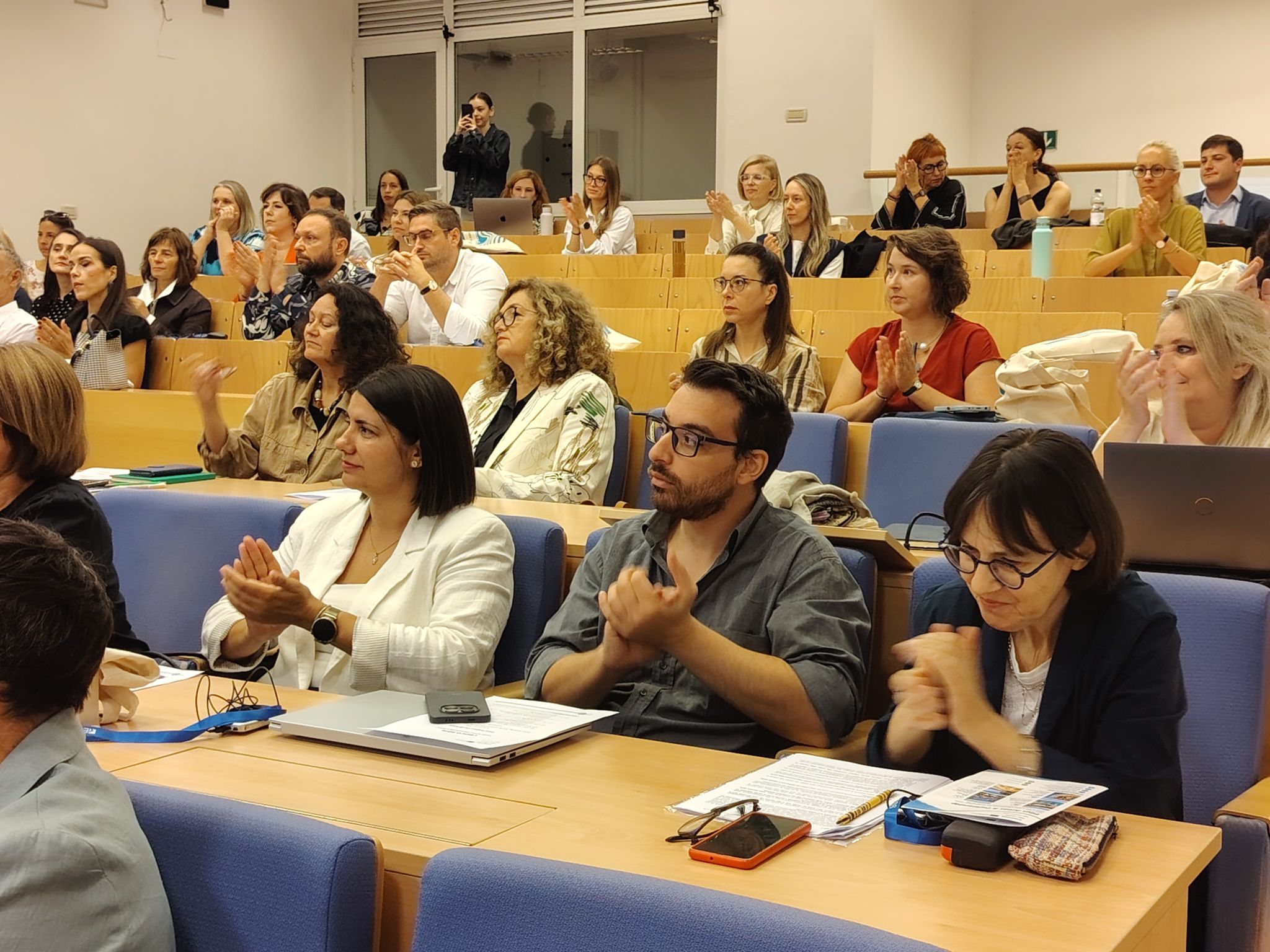
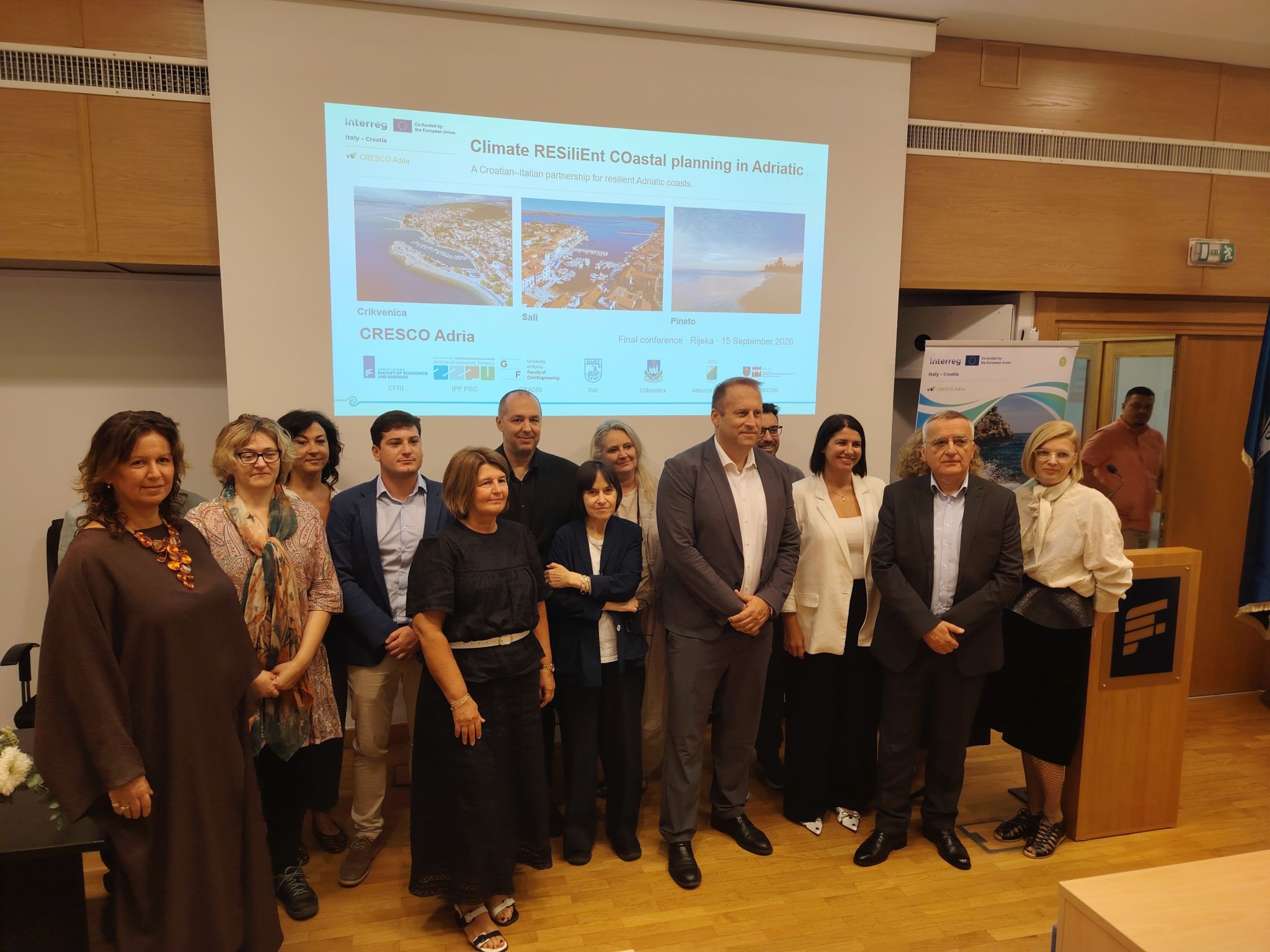
The Final Conference was held on 15 September 2026 at the University of Rijeka, Faculty of Economics and Business, bringing together Croatian and Italian project partners, researchers, spatial planning professionals, representatives of regional and local authorities, and other stakeholders working on climate change adaptation and coastal development.
The conference marked the culmination of two and a half years of cross-border cooperation, presenting how scientific evidence, spatial data, planning methodologies, digital tools, local knowledge and education were combined to support more climate-resilient planning in Adriatic coastal areas.
A central part of the conference focused on the scientific and technical analyses developed within the project. Results presented by the Faculty of Civil Engineering, University of Rijeka addressed coastal vulnerability and erosion, sea-level rise and wave exposure, pluvial flooding, landslide susceptibility and the exposure of buildings and infrastructure. High-resolution LiDAR data, GIS analyses and numerical modelling provided a detailed evidence base for understanding climate-related risks and supporting future planning decisions.
The conference then demonstrated how this scientific evidence can be translated into practical spatial planning tools. The Institute for Physical Planning of Primorje-Gorski Kotar County presented the Strategic Guidelines for climate-resilient spatial planning and a web GIS application for visualising spatial sensitivity, vulnerability and resilience indicators. Together, these tools support planners and decision-makers in integrating climate risks and adaptation measures into spatial planning processes.
On the Italian side, the University of Camerino presented the application of the CRESCO Planning Support System in the Nuova Pescara pilot area, demonstrating a structured approach for translating complex climate and territorial data into planning strategies. Abruzzo Region presented results from the Pineto pilot area, including analyses of landslide and flood risk, coastal erosion, land consumption, ecological quality and severe weather events, and their potential integration into municipal planning processes.
The connection between project knowledge and local needs was further demonstrated through the Climate Change Adaptation Action Plans for the City of Crikvenica and the Municipality of Sali. Developed by PLANOPOLIS, the plans combine technical analyses with local knowledge, infrastructure needs, development priorities and stakeholder input to identify locally relevant adaptation measures.
The conference also highlighted the importance of education and knowledge transfer. The University of Rijeka, Faculty of Economics and Business developed the interdisciplinary lifelong-learning programme Recognising Environmental Changes and Risk Management in cooperation with the Faculty of Physics and the Faculty of Civil Engineering, while the University of Camerino integrated project knowledge into postgraduate education and applied planning activities.
The Final Conference demonstrated the project’s pathway from climate evidence to practical application: scientific assessments were transformed into spatial indicators and digital tools, incorporated into planning methodologies and strategic guidelines, and applied through local adaptation plans and educational activities.
As the project approaches its conclusion, its results provide a shared knowledge base for continued cooperation and for integrating climate resilience into spatial planning and local decision-making across Adriatic coastal communities.